

There’s a certain kind of dog owner who doesn’t want a running partner or a guard dog. They want a warm presence on the couch, a creature who seems genuinely interested in whatever you’re doing, and a companion that makes a quiet home feel fuller. If that sounds familiar, there’s a good chance a Havanese is quietly waiting to complete your picture.
The Havanese is the only native breed of Cuba, named for the capital city of Havana. This breed was originally developed to be companion animals for the Cuban elite, and their history has imbued them with a strong desire to bond with humans. That origin story isn’t just trivia. It helps explain why Havanese dogs have such a particular gift for closeness. Everything about them, from their temperament to their moderate energy levels, seems designed for life beside a person who craves gentle, reliable company.
They Were Born to Be With You
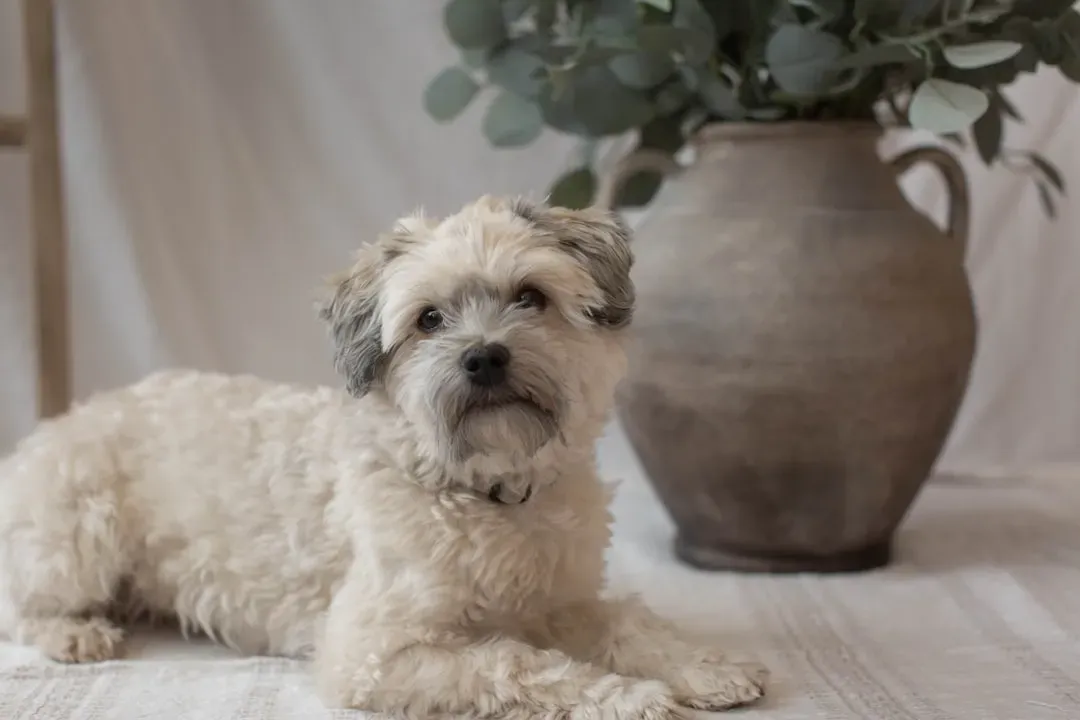
The Havanese is a small dog with a huge personality and a gentle disposition. They are often described as “Velcro dogs” because they love their owners so much and want to be near them at all times. This isn’t clinginess for the sake of it. It’s a breed-deep orientation toward human connection that makes them exceptional at reading your mood and simply being present.
Havanese dogs thrive on human interaction and are happiest when they can be close to their owners. They do well in all kinds of households, thriving with families and with single owners alike. Whether you live alone or with a bustling household, a Havanese tends to find their person and stay close.
Although happy in the company of pretty much anyone, the Havanese is hopelessly devoted to its family and doesn’t like to be away from them. If you’ve ever wanted a dog who genuinely seems to enjoy your company rather than just tolerate it, this breed delivers that in spades.
Their Gentle Temperament Makes Daily Life Easy

Hailing from Havana, Cuba, the Havanese is a sturdy toy breed with a cheerful and affectionate disposition. Although some toy dog breeds can be territorial and aggressive, the Havanese is happy, outgoing and friendly to humans and other animals alike. This distinction matters more than people realize. Many small breeds come with a sharp edge. The Havanese generally doesn’t.
The Havanese’s gentle temperament makes these dogs a great choice for families. They are tender, affectionate, and playful dogs who love to be around people. Havanese also get along well with children and other pets. Imagine introducing your dog to a new friend, a visiting grandchild, or the neighbor’s cat – and actually feeling relaxed about it.
With proper socialization, Havanese can coexist peacefully with other dogs and even cats. Their low prey drive means they are less likely to chase smaller animals, making them a great addition to multi-pet households. For anyone building a peaceful, multi-animal home, that’s a meaningful advantage.
They Don’t Need a Marathon – Just Your Time
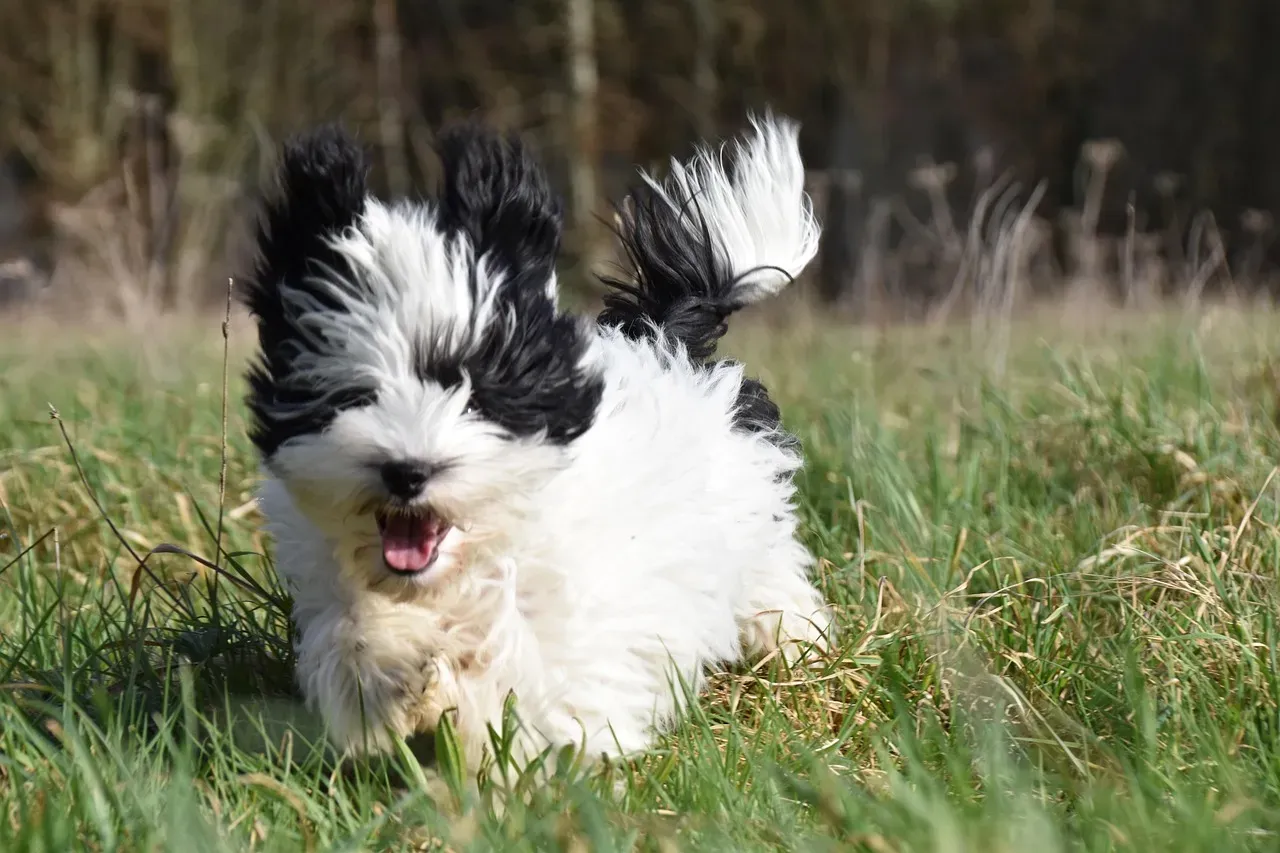
Like all dogs, the Havanese breed does best with daily walks and a moderate amount of playtime. Aim for 30 minutes of total daily exercise, which can be broken out into 10-minute walks or play sessions. This makes them genuinely manageable for people who aren’t training for a triathlon and simply want a dog that fits their pace.
Havanese dogs have low to moderate exercise needs and require around 30 minutes to 1 hour of exercise each day. They enjoy both indoor and outdoor activities and adapt well to different living environments, including apartments. Regular walks, interactive play sessions, and mentally stimulating games will help keep them physically and mentally fit.
Havanese adapt well to apartment living because much of their exercise can occur indoors. Fetch in a hallway, tug-of-war, or indoor agility using household items all count toward daily activity. On rainy days, a lively living room session can genuinely be enough. That kind of flexibility is rare in the dog world.
They’re Surprisingly Smart and a Joy to Train

The Havanese dog is smart, spirited, and highly trainable. Havanese are intelligent dogs that excel in training and learning new commands. Their eagerness to please makes them highly trainable, and they respond well to positive reinforcement techniques. Short, rewarding training sessions are all it takes to see real progress with this breed.
Havanese dogs are known for their intelligence and eagerness to please, making them relatively easy to train. They respond well to positive reinforcement methods such as praise, treats, and rewards. Their affectionate and sensitive nature makes them highly attuned to their owners’ emotions, so it’s important to use gentle and patient training techniques.
They’ve performed in circuses, worked as mould sniffing dogs, and make excellent therapy and emotional support pets too. It sounds surprising for such a small, soft-looking dog, but their intelligence runs deeper than their fluffy exterior suggests. They genuinely enjoy having a job to do.
Their Low-Shedding Coat Is Kinder to Allergy Sufferers

Havanese dogs do not shed much compared to most breeds, making them excellent choices for people concerned about pet hair or mild allergies. Their unique double coat structure traps loose hair until brushing rather than dropping it around the home, and their continuous hair growth cycle means minimal shedding throughout the year. For anyone who has given up on the idea of having a dog because of allergies, this is worth knowing.
The Havanese coat is considered hypoallergenic as the shed hairs stay trapped in the undercoat instead of falling to the floor, meaning fewer allergens are spread around the house. No dog is completely hypoallergenic, and the amount of allergens a dog produces varies between each individual dog. So if allergies are a serious concern, it’s wise to spend real time with a Havanese before committing.
One of their most distinctive features is their long, silky coat, which can be wavy or curly and comes in a wide range of colors, including white, black, chocolate, fawn, and parti-color variations. Many Havanese owners opt for a puppy cut for easier maintenance, which reduces grooming demands considerably while keeping that irresistible charm intact.
They’re Built for Long-Term Companionship
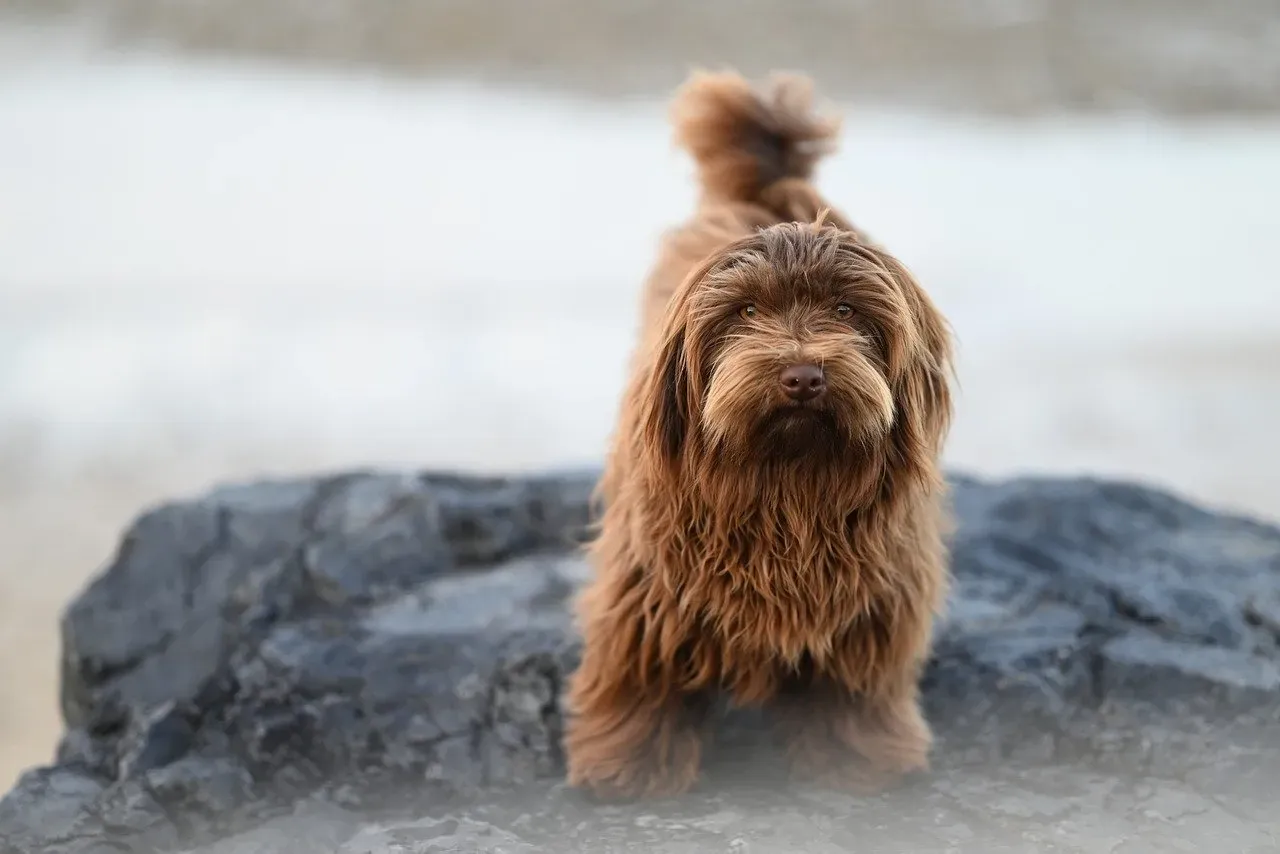
The average Havanese lifespan is 14 to 16 years, and they’re typically a healthy dog breed. That’s a meaningful fact if you’re the kind of person who dreads the thought of losing a dog too soon. More years together means more mornings on the couch, more walks, more quiet evenings side by side.
Genetics play a significant role in lifespan. Dogs from health-tested parents with longevity in their lines tend to live longer. Preventive veterinary care, including regular check-ups, dental cleanings, and early intervention for health issues, extends life expectancy significantly. Choosing a reputable breeder and keeping up with routine vet visits aren’t just responsible choices. They’re investments in years of companionship.
Still, there are health conditions to stay informed about. Dental disease is one of the most common conditions seen in dogs as they age, especially in small breeds like the Havanese. This is when bacterial tartar and plaque lead to inflammation of the tissues around the teeth and, eventually, to tooth and bone decay. The best way to prevent dental disease is through daily tooth brushing with a dog-specific toothpaste and toothbrush. Starting that habit early makes a real difference.
They’re Perfectly Suited for Apartment and City Living

Known for their affectionate nature, silky coats, and gentle temperament, Havanese dogs are wonderful companions for families, singles, and those living in apartments. Havanese were bred as companion dogs for Cuban aristocracy, which means they’re hardwired to be with their people in various settings. They’re remarkably adaptable to different living situations as long as they’re near their family.
They can handle the sounds of city life such as sirens, neighbors, and traffic better than many breeds, especially if you socialize them properly from puppyhood. That kind of noise tolerance is genuinely uncommon in toy breeds. Most small dogs are more reactive to environmental chaos than Havanese tend to be.
Havanese are generally not known for excessive barking, but like any dog, they can become vocal under certain circumstances. Training to manage barking and ensuring their exercise and social needs are met can help maintain a peaceful apartment environment. A mentally stimulated Havanese is a quiet Havanese. Keep that in mind, and city living with this breed becomes genuinely pleasant.
They Know How to Handle the Hard Days
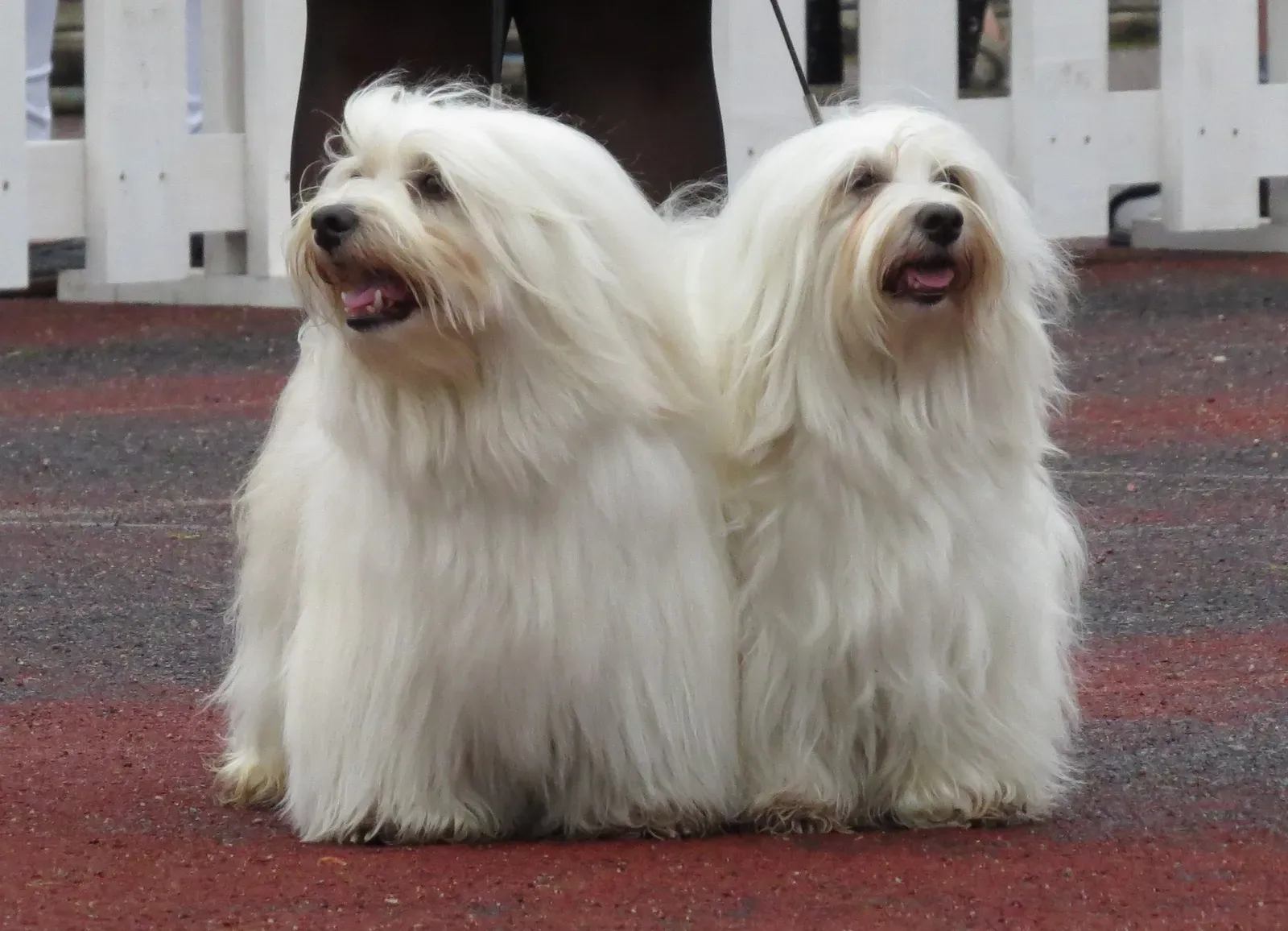
Often found warming the laps of their loved ones, the Havanese is a happy, gentle, sweet-natured dog with a heart of gold. This, combined with the fact they love to make people smile, makes them a wonderful therapy or emotional support pet too. There’s something quietly powerful about a dog that seems to understand when you just need stillness and warmth.
Havanese dogs also have a great sense of humor, often displaying comic instincts and proving themselves to be natural trick dogs with a tendency to make you laugh. Those moments of unexpected comedy matter more than people admit. A dog that can make you laugh on a difficult day is worth its weight in gold.
It’s also worth being honest about one real challenge. One challenge that comes with the affectionate nature of Havanese is their susceptibility to separation anxiety. Because they are so attached to their families, leaving them alone for extended periods can lead to distress. Crate training can help reduce the chance of separation anxiety in Havanese puppies. Make sure to provide your pup with a puzzle toy or other entertainment, and don’t leave them alone for too long. Address it early and thoughtfully, and it doesn’t have to be a major issue.
Conclusion: A Small Dog With a Quietly Profound Presence
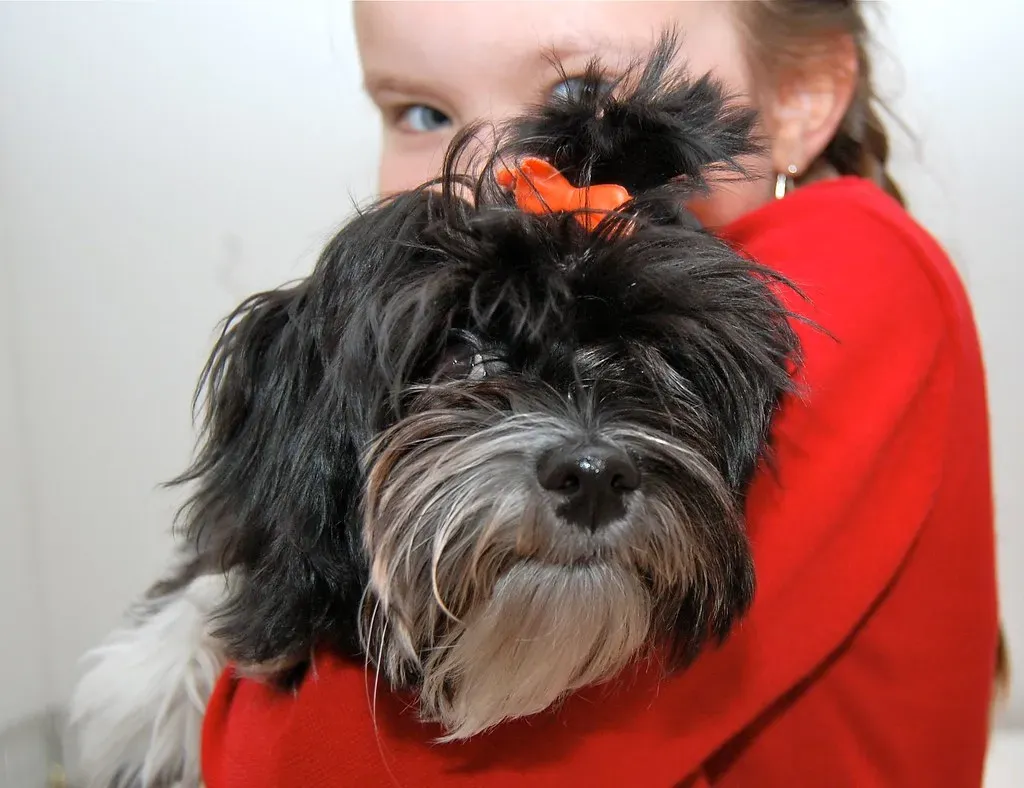
Quiet companionship isn’t about finding a dog that does nothing. It’s about finding a dog that fills your space with warmth rather than noise, presence rather than demand. The Havanese manages that balance with remarkable consistency.
They’re small enough for any home, gentle enough for any household, smart enough to learn what you need from them, and loyal enough to mean it. Their long lifespan means the investment you make in those early training days and vet visits pays off in years of genuine connection.
If you’ve ever wondered whether a dog could genuinely feel like a companion rather than a project, the Havanese is a strong answer to that question. The fact that they’ve been doing exactly this job since the parlors of Havana suggests they’ve had quite a bit of practice.


