
8 Ways Dogs Use Their Eyes to Communicate Without Making a Sound
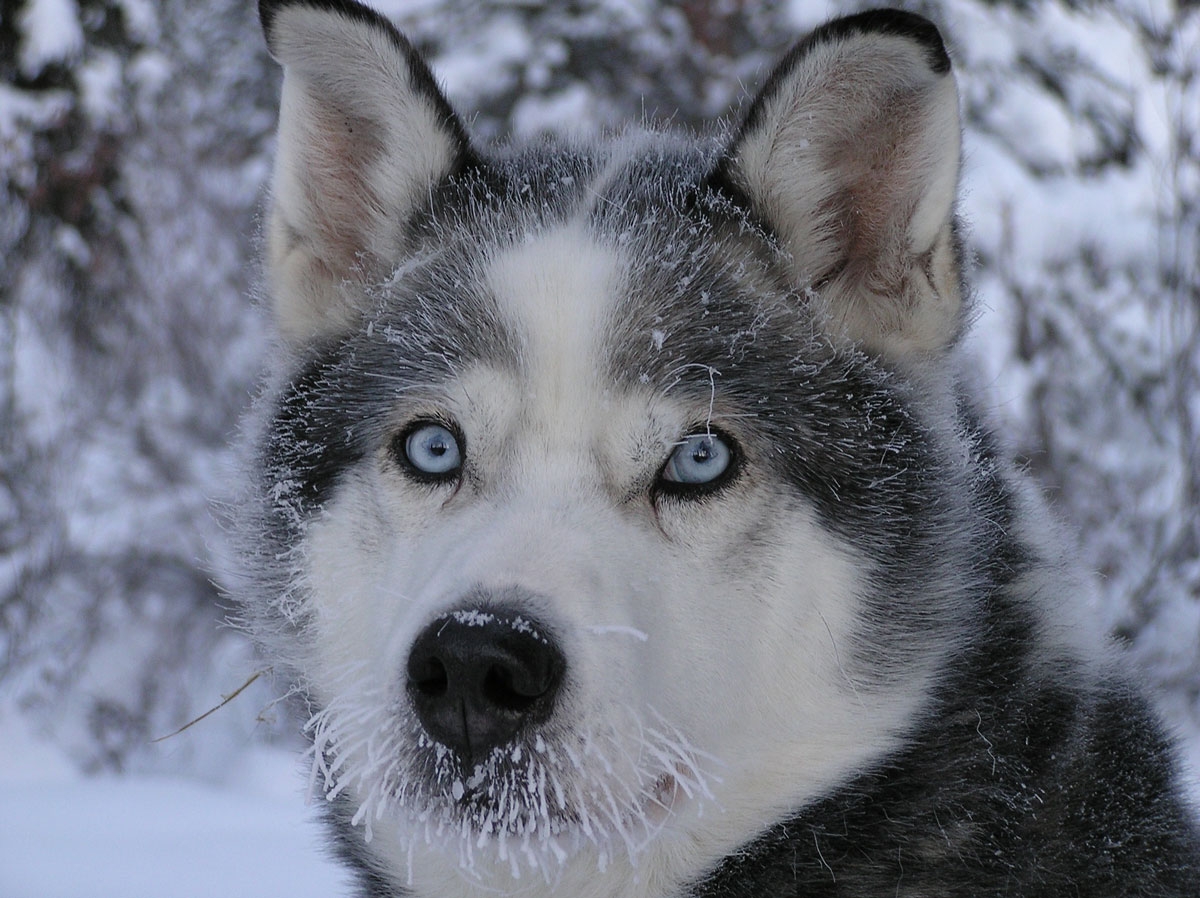
Have you ever felt like your dog was trying to tell you something with just one look? Not a bark, not a whine – just a stare, a blink, or a tiny squint that somehow spoke louder than words. Once you start paying attention, it’s honestly a bit mind-blowing how much is going on in those eyes every single day.
I remember sitting on the couch one evening, and my dog just fixed me with this steady, unblinking gaze, then slowly glanced at the leash hanging by the door. No noise. No jumping. Just eyes. In that moment it felt less like owning a pet and more like having a quiet roommate with very clear opinions. Let’s break down the subtle eye signals your dog is probably sending all the time – without making a sound.
1. The Soft Eye Gaze That Says “I Trust You”
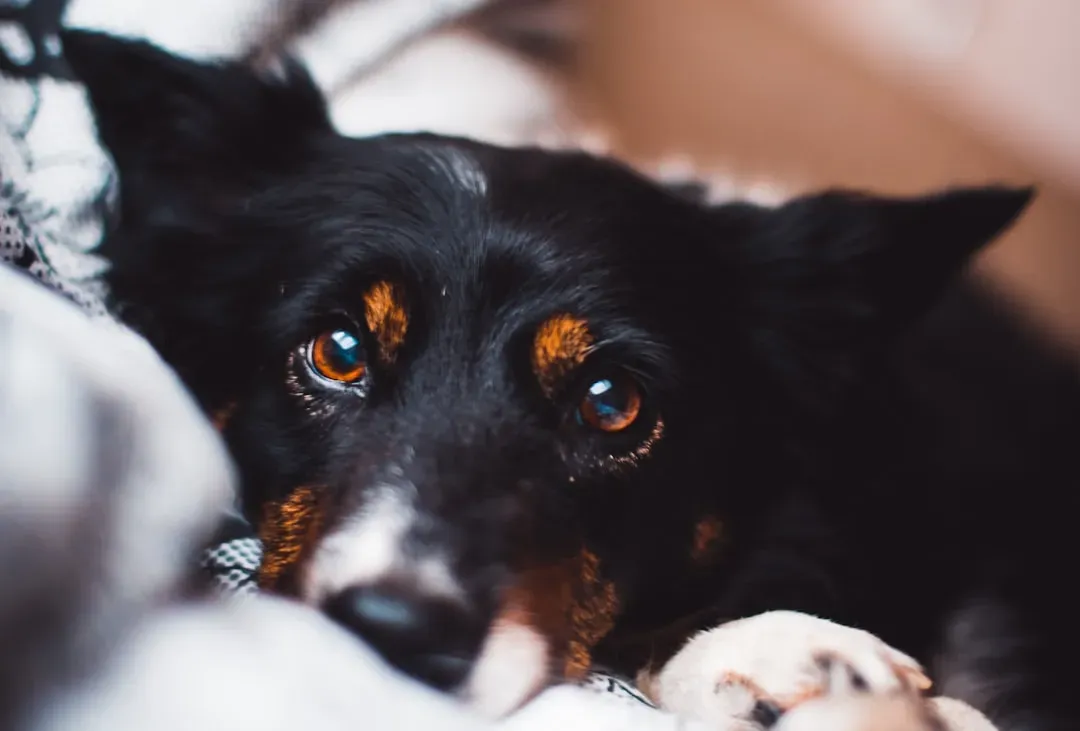
That gentle, relaxed look your dog gives you when you’re hanging out together is one of the purest forms of silent communication. Their eyelids might be slightly droopy, the muscles around the eyes loose, and the overall expression calm rather than sharp or intense. It is the dog equivalent of a deep exhale – a visual way of saying they feel safe in your presence.
You’ll often see this soft gaze when your dog is lying near you, half-asleep, or when you’re casually petting them in a familiar, calm environment. I think of it as the “you’re my person” look. When you notice it, it’s worth slowing down for a moment and just being there with them; that quiet eye contact can strengthen the bond more than a dozen noisy games of fetch.
2. The Intense Stare That Demands Something (Right Now)
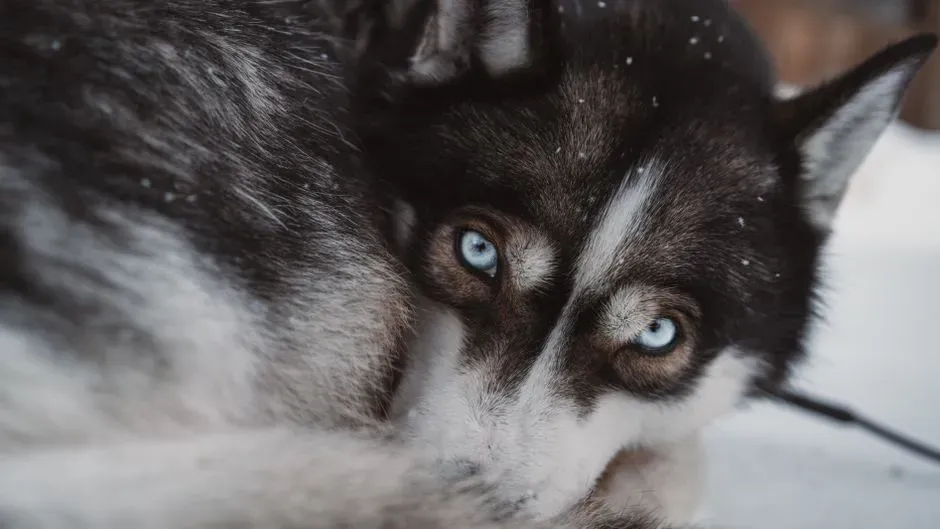
On the complete opposite end of the spectrum is the focused, laser-like stare. You know the one: you feel watched, you turn around, and your dog is locked onto you like a heat-seeking missile. The eyes are wide open, the body might be still but ready to move, and the message is usually very clear – your dog wants something, and they’re hoping you get the hint.
Sometimes it’s a stare at you, then at the door, then back at you again, as if they’ve created their own silent slideshow: human, walk, human. Other times it might be a fixed look at you while you’re eating, or when the toy is stuck under the couch and they’re silently begging for help. This intense eye contact is less about affection and more about problem-solving from their point of view: you are the human with the thumbs, and they’re using their eyes as a very pointed request form.
3. The Averted Gaze That Signals “I’m Not a Threat”
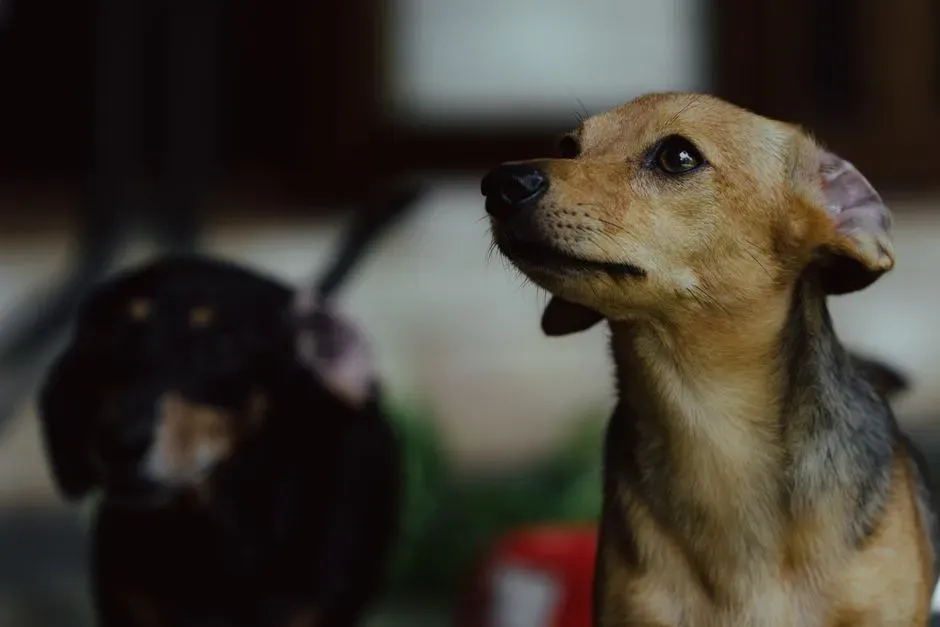
When a dog deliberately avoids your eyes, it doesn’t always mean they’re guilty or stubborn; often, it’s actually a peacekeeping move. In canine body language, direct, prolonged eye contact can be taken as a challenge. So when your dog looks slightly away, or glances at you and then quickly turns their head, they may be trying to keep things friendly and non-confrontational.
This is especially noticeable in situations that feel tense to the dog, like being scolded, visiting the vet, or meeting a new person who is leaning in too close. By shifting their gaze away, they’re basically saying, in dog terms, that they don’t want trouble. If you notice this, softening your own body language, turning slightly sideways, or blinking slowly can help communicate back that you’re not a threat either.
4. The Whale Eye: A Silent SOS
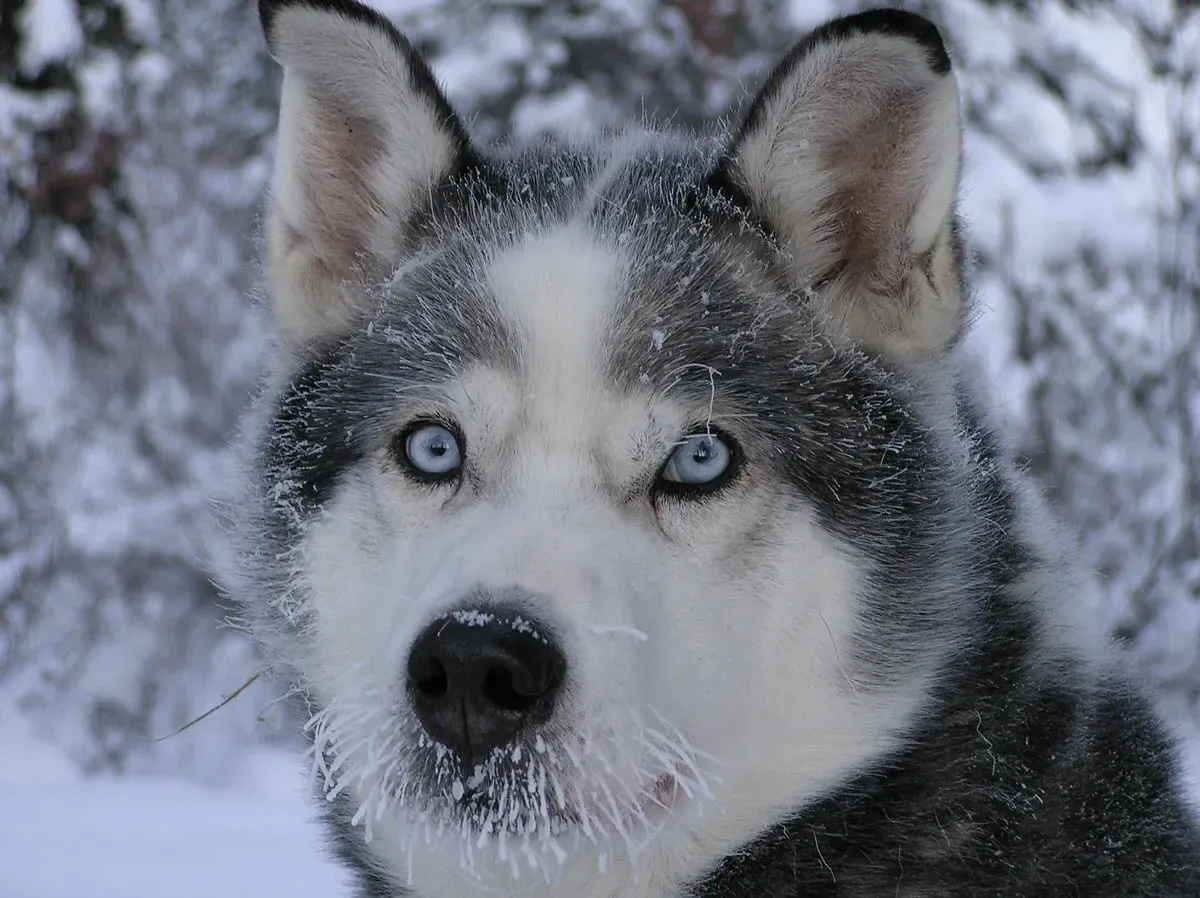
“Whale eye” is the term people use when a dog turns its head away but keeps its eyes fixed on something, so you see a crescent of white around the eye. It looks a little spooky and is almost always a sign of discomfort, stress, or worry. You might see it when someone is hugging the dog too tightly, when another dog is crowding their space, or when a person is handling their food or toys in a way they’re not okay with.
This look is basically a quiet warning label: something in this moment does not feel safe or comfortable. If you catch your dog giving the whale eye, it’s worth taking it seriously. Give them more space, stop whatever is happening, or gently redirect the situation. Ignoring that eye signal can increase the chances that your dog feels pushed to growl, snap, or escalate to louder ways of communicating.
5. Slow Blinks and Squints That Show Calm and Connection
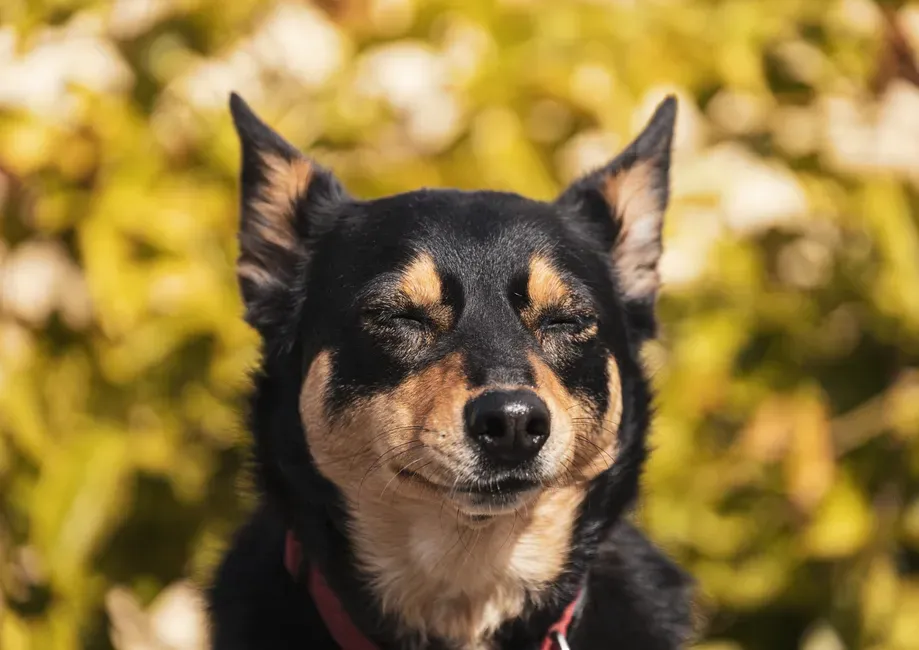
A dog that slowly blinks at you or slightly squints its eyes in a relaxed way is often feeling at ease, and sometimes even affectionate. The muscles around their eyes are soft, the rest of their face looks comfortable, and their body posture usually matches that relaxed vibe. It’s a subtle, quiet, almost sleepy signal that things are okay in their world.
Some people respond with their own slow blinks, and while we can’t say for sure what dogs make of that, many seem to settle even more when their humans mirror that calm energy. Think of it as the opposite of a hard stare; instead of tension, it carries a kind of shared softness. When you see those slow blinks, it’s a great time for gentle affection, soft words, and low-key together time.
6. The Side-Eye Glance That Reveals Mixed Feelings
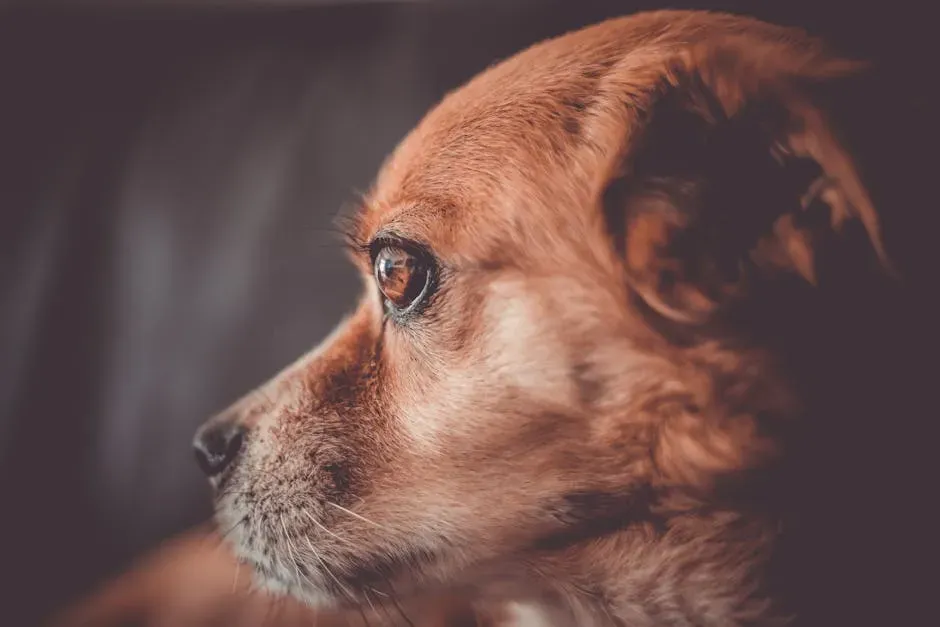
Dogs are surprisingly good at side-eye, and it often shows up when they’re torn between curiosity and caution. Their head might stay still or turn just slightly, but the eyes shift to the side, almost as if they’re trying to keep something in view without fully engaging with it. It can look a little funny, but it’s often a genuine emotional tug-of-war playing out in their brain.
You might see this when you bring out something new – a vacuum cleaner, a weird toy, a person with an umbrella, or even a costume you thought would be cute. That sideways glance is a dog’s way of saying they’re paying attention, but they’re not totally sold on the situation yet. Rather than forcing them closer, giving them time and space to approach at their own pace usually turns that side-eye into a more relaxed, confident gaze.
7. Rapid Eye Movements and Scanning That Show Hyper-Awareness
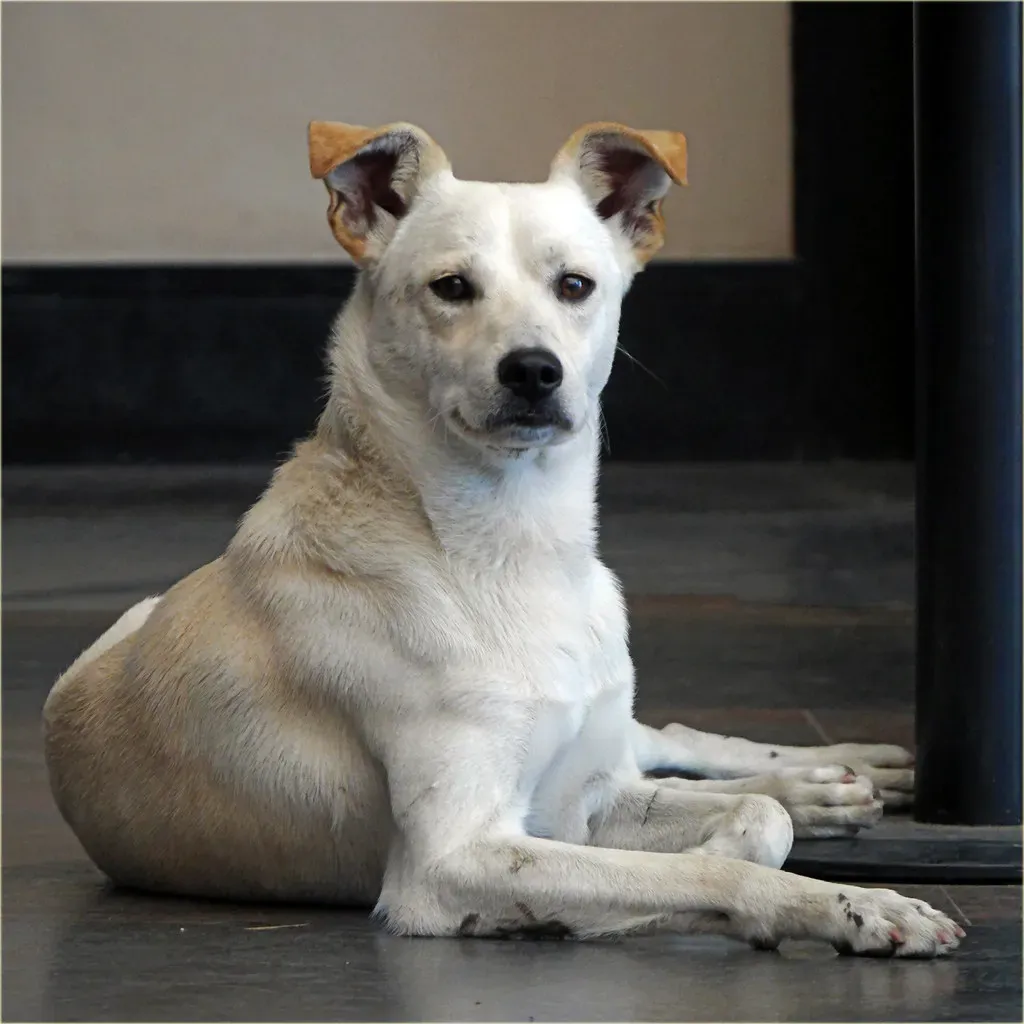
When your dog’s eyes are flicking quickly from one thing to another, or they seem to be scanning the room constantly, it’s usually a sign that their alert system is running on high. Their pupils might be a little wider, the head may be moving in short bursts, and even without any sound, you can tell their brain is buzzing. This can happen in busy environments, unfamiliar places, or during events like fireworks or storms.
In these moments, your dog is essentially gathering visual information as fast as they can. They’re trying to figure out what is safe, what might be a threat, and where they should focus next. If you notice this hyper-vigilant eye behavior, offering a quiet, predictable spot, a familiar toy, or calmly leading them away from the chaos can help dial things back. It is not about “toughening them up” as much as helping their nervous system find a lower gear.
8. The Eye Flick Between You and an Object: Silent Storytelling
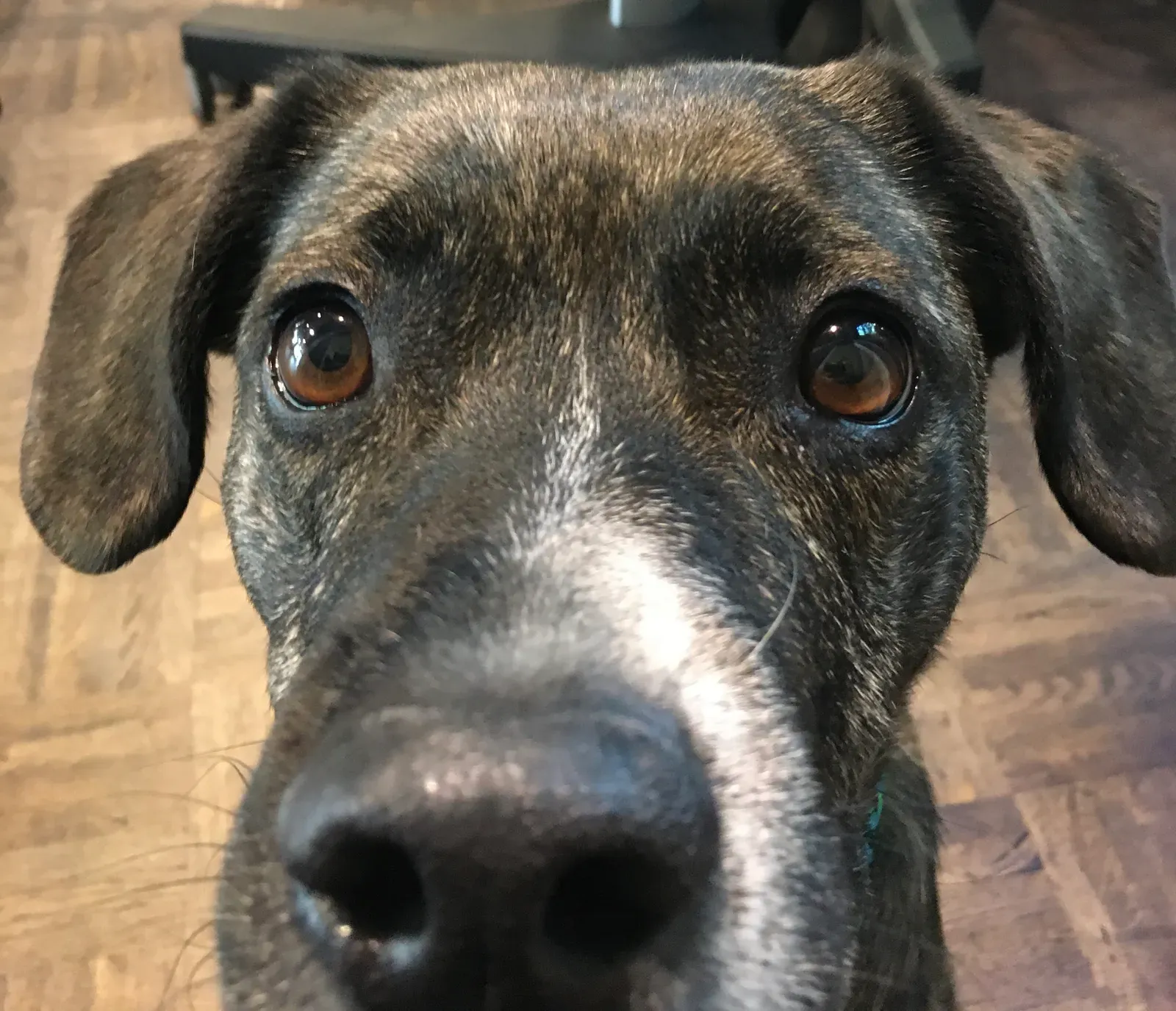
One of the most charming eye behaviors dogs show is the quick flick between you and something they care about – food, a toy, another person, the door, even a suspicious noise outside. They look at the object, then at you, then back again, often repeating the pattern until you catch on. It is like they are drawing a dotted line in the air between their mind, your brain, and the thing they want you to notice.
This back-and-forth eye movement is a clear sign that your dog understands, at least on some level, that you are a partner who can be informed or recruited. They are not just reacting to the world; they are deliberately including you in the moment. When you respond – by checking what they are pointing out with their eyes, or solving the “problem” they are silently presenting – you reinforce that sense of teamwork and shared understanding.
Conclusion: Why Your Dog’s Eyes Deserve Your Full Attention
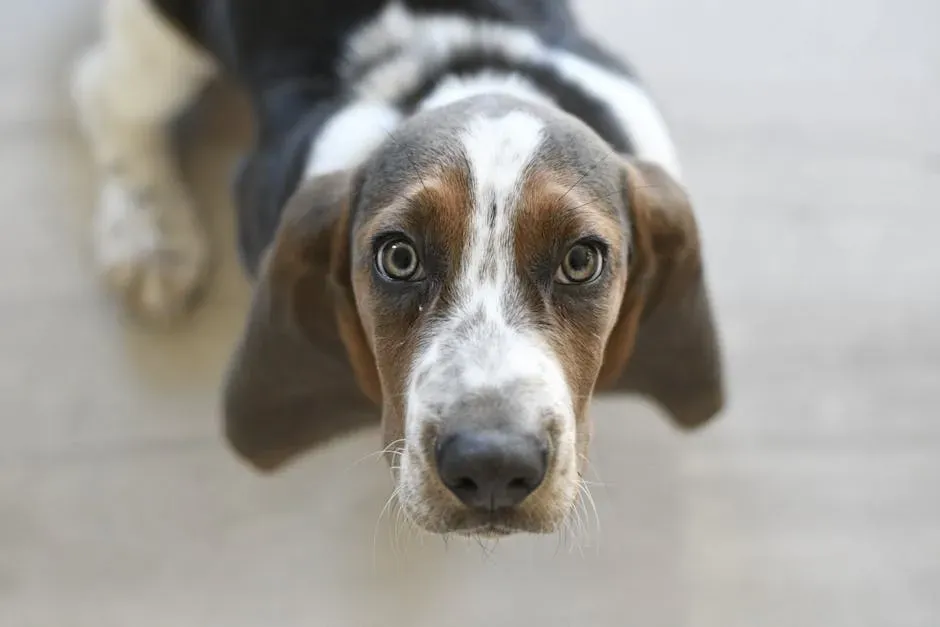
For all the focus we put on training commands and vocal cues, I genuinely think we underestimate how much of a conversation is already happening through a dog’s eyes. Those small shifts – from soft gaze to hard stare, from whale eye to side-eye – are not random quirks; they are your dog’s built-in messaging system, running all day long. Ignoring that system is like turning off the subtitles in a foreign-language movie and then wondering why you’re confused.
Once you start noticing these eye signals, it is hard to unsee them – and that is a good thing. You react sooner to discomfort, you catch subtle requests, and you build a relationship that feels more like a dialogue than a series of commands. To me, that is the whole point of living with dogs: not just managing them, but understanding them. The next time your dog looks at you in that particular way, what message do you think they are quietly sending?