

You love your dog. That’s a given. The bond you share is special, irreplaceable, and honestly, one of the purest relationships you’ll ever have. But here’s something that might surprise you: sometimes loving your dog too much, or rather, loving them in the wrong way, can actually hold them back. Over-attachment doesn’t just create a velcro pup who follows you everywhere. It can chip away at their confidence, making the world feel scarier and lonelier than it should. Let’s explore how this happens and what you can do about it.
They Never Learn to Self-Soothe
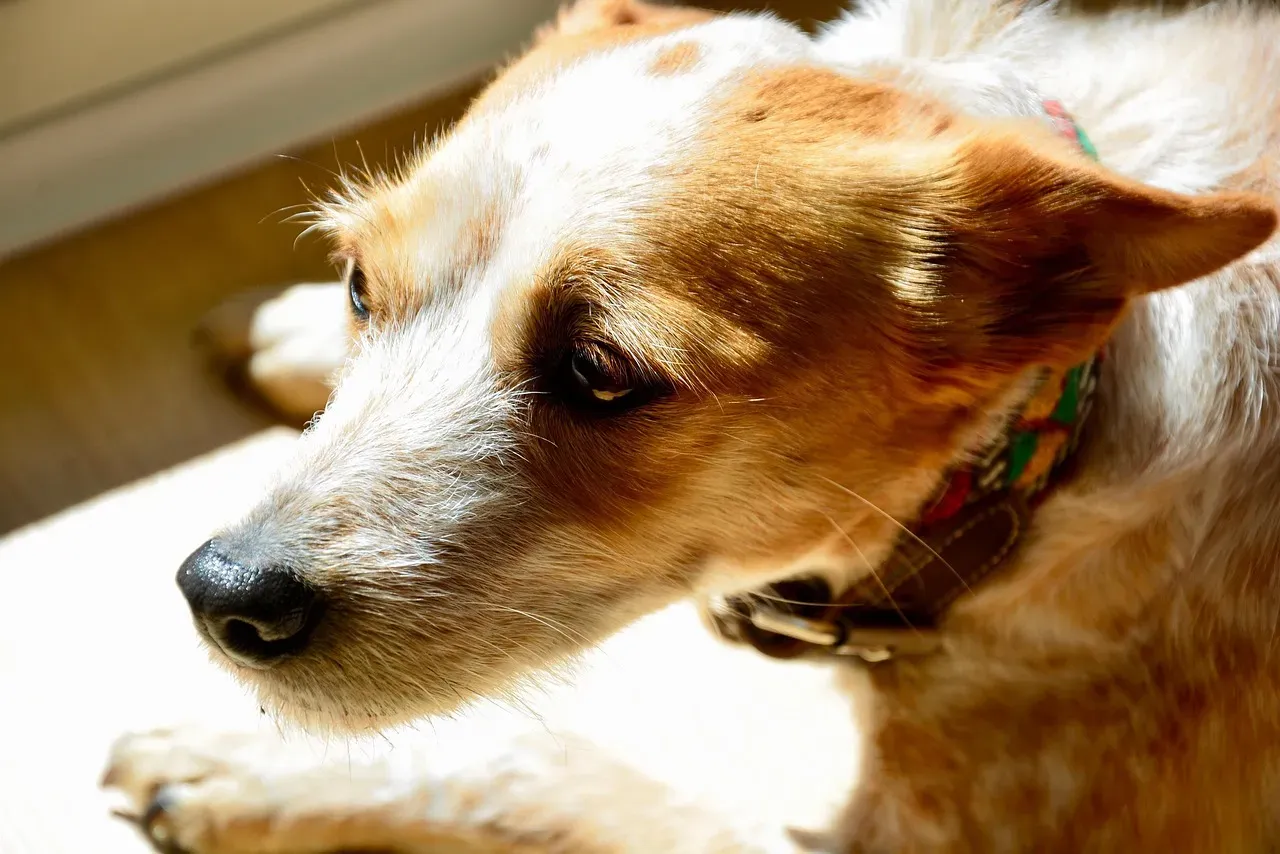
Dogs that never learn how to entertain themselves or be alone may struggle in unfamiliar environments. When your dog constantly relies on you for comfort, security, and entertainment, they don’t develop the internal skills to calm themselves down. Think of it like a child who never learns to fall asleep without being rocked. Eventually, that dependency becomes a barrier to independence. Teaching dogs to self-soothe brings about the type of confidence that allows advanced learning and new steps of autonomy to follow.
Dogs that usually are overly attached or dependent on family members become extremely anxious and show distress behaviors. Without the ability to regulate their own emotions, every moment apart from you feels like a crisis. Their nervous system stays on high alert, and they never get the chance to discover that they’re actually okay on their own.
Their World Becomes Smaller

Over-attached dogs often miss out on exploring their environment independently. When they’re constantly tethered to you, physically or emotionally, they don’t get to investigate, sniff, or problem-solve on their own terms. When you give them freedom to explore, smell everything, investigate strange things in their environment, and coach them through situations that feel a little scary, they get a major boost in their confidence.
Your dog can learn to occupy his mind without constant human intervention. But if they’re glued to your side, they never get that chance. Their world shrinks down to just you, and everything outside that bubble feels threatening. This creates a vicious cycle where lack of exposure breeds more fear, which breeds more dependence.
They Develop Separation-Related Panic

Dogs’ dysfunctional attachment relationships with their owners are assumed to be the underlying cause of separation anxiety. This isn’t just a little whining when you leave. It’s full-blown panic. Separation related disorder is characterized by severe physiological and behavioural signs which occur during the absence of their owner, manifesting in many behavioural and physiological signs, such as destructive behaviour, excessive vocalization, and inappropriate elimination.
Separation anxiety happens when dogs become overly distressed at being left alone or separated from their favorite humans. It’s not just bad behavior; it’s a form of panic. The sheer terror they experience damages their emotional wellbeing and erodes any confidence they might have had. Every departure reinforces the belief that being alone is dangerous.
They Lose Their Sense of Identity

This might sound dramatic, but it’s true. Hyper-attached dogs would organise their lives around their owners so they could always be near them, by following and keeping close contact. When a dog’s entire existence revolves around you, they don’t develop their own personality, preferences, or coping mechanisms. They become an extension of you rather than their own being.
It is neither sustainable nor healthy for human and dog to be co-dependent. Dogs need to know who they are when you’re not around. They need to feel comfortable in their own fur, so to speak. Without that foundation, their confidence crumbles the moment you’re out of sight.
They Miss Out on Confidence-Building Experiences
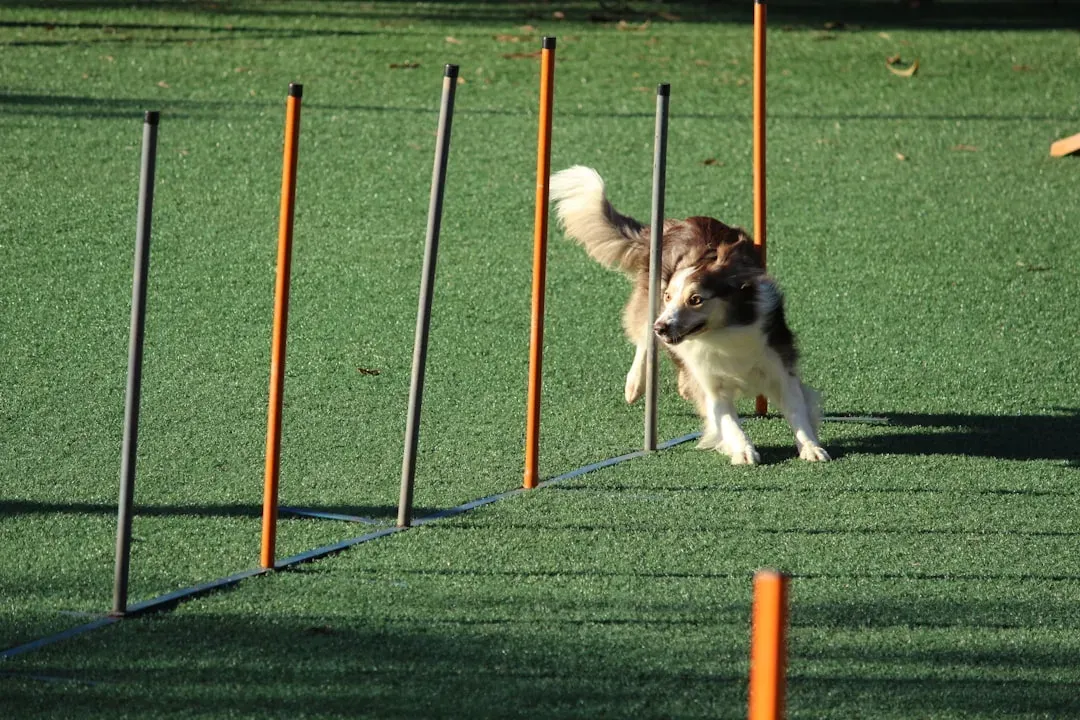
Owners who constructively channel the dog’s mental capabilities, as early as possible, set up for building her confidence. Teaching a handful of reliable basic obedience cues and providing environmental enrichment activities are roads to confidence-building. But when dogs are constantly seeking your attention or proximity, they’re not engaging with puzzles, toys, or training exercises that could boost their self-assurance.
The more things your dog learns, the more confidence he will gain. Learning new skills, overcoming small challenges, and succeeding at tasks all contribute to a dog’s sense of capability. Over-attached dogs often bypass these opportunities because they’d rather stick close to you than tackle something on their own.
They Become Overly Reactive to Your Emotions
Dogs are experts at reading emotional cues, so staying calm and confident helps your pup feel the same. However, hyper-attached dogs become so attuned to your emotional state that they lose their own emotional stability. If you’re anxious, they’re panicked. If you’re stressed, they’re a wreck.
Pet parents with an avoidant attachment style reported a higher occurrence of separation anxiety in their dogs. This mirroring of emotions means they never develop resilience. They can’t bounce back from stress because they’re constantly processing yours on top of their own. Their confidence becomes entirely dependent on your mood, which is an impossible foundation to build on.
They Struggle With Basic Independence Skills
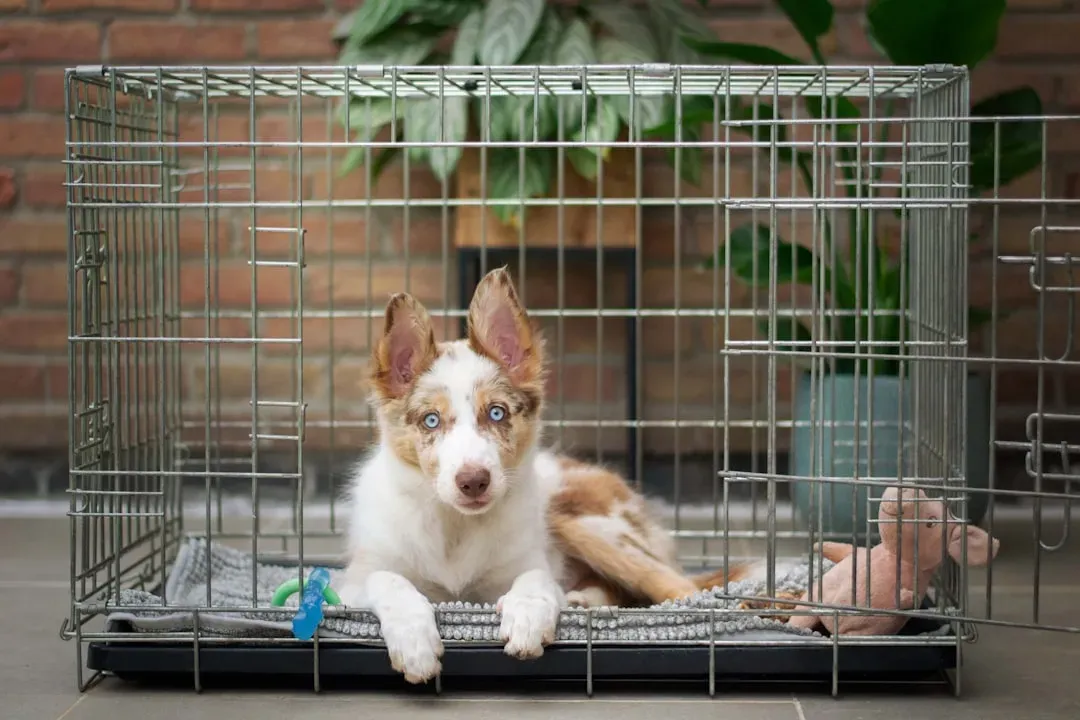
Puppies need to learn how to have alone time and amuse themselves with their toys. When you bring your puppy out of alone time to socialize with the family, make sure that you only get him when he is quietly playing with his toys. Over-attached dogs never master these fundamental skills. They can’t settle in a crate, relax on a mat, or simply exist peacefully in another room.
Insecure dogs are more likely to need independence training and to display signs of distress when their people are absent. Separation anxiety is a broad label with various symptoms that require appropriate treatment protocols. Without these basic skills, every new situation becomes overwhelming. Vet visits, boarding, or even having house guests becomes a major ordeal because they’ve never learned to cope with anything outside their comfort zone with you.
They Experience Chronic Stress
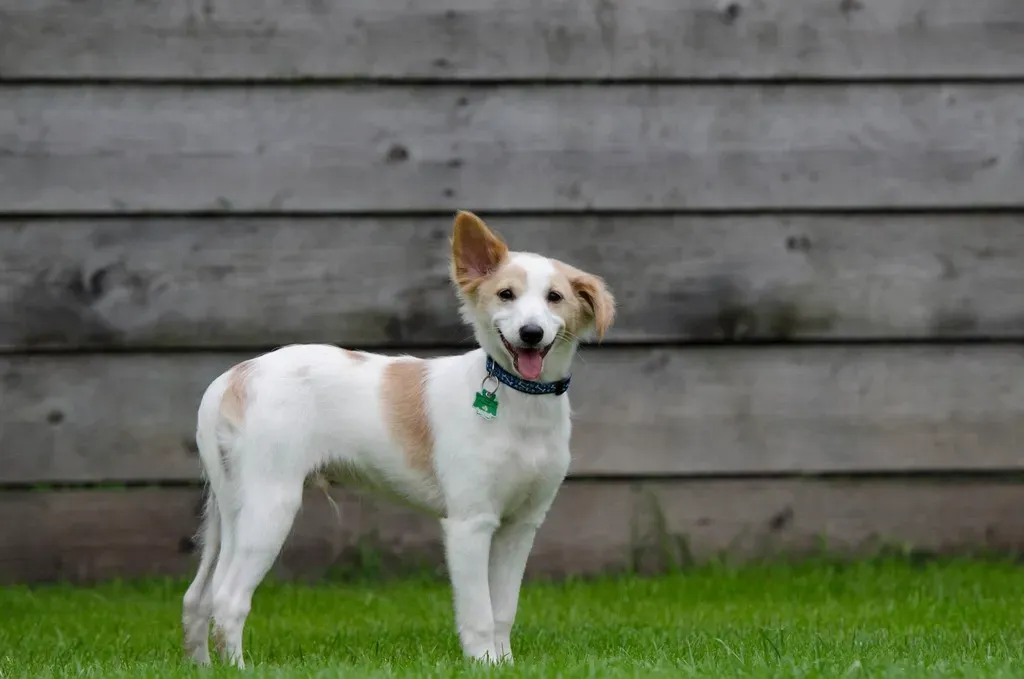
Perhaps most heartbreaking of all, over-attached dogs live in a state of constant low-level anxiety. Dogs may become anxious or distressed when separated, even for short periods. This behavior is often a sign of separation anxiety but can also indicate dependency or insecurity. This chronic stress takes a toll on their physical and mental health.
Dogs present signs of distress when separated from their owners, such as destructiveness, excessive vocalisation and house soiling. Additionally, they might present physiological signs such as excessive salivation, panting, trembling, repetitive behaviour and anorexia. Living in this heightened state of alert depletes their emotional reserves and prevents them from experiencing the calm, confident contentment that every dog deserves.
Conclusion
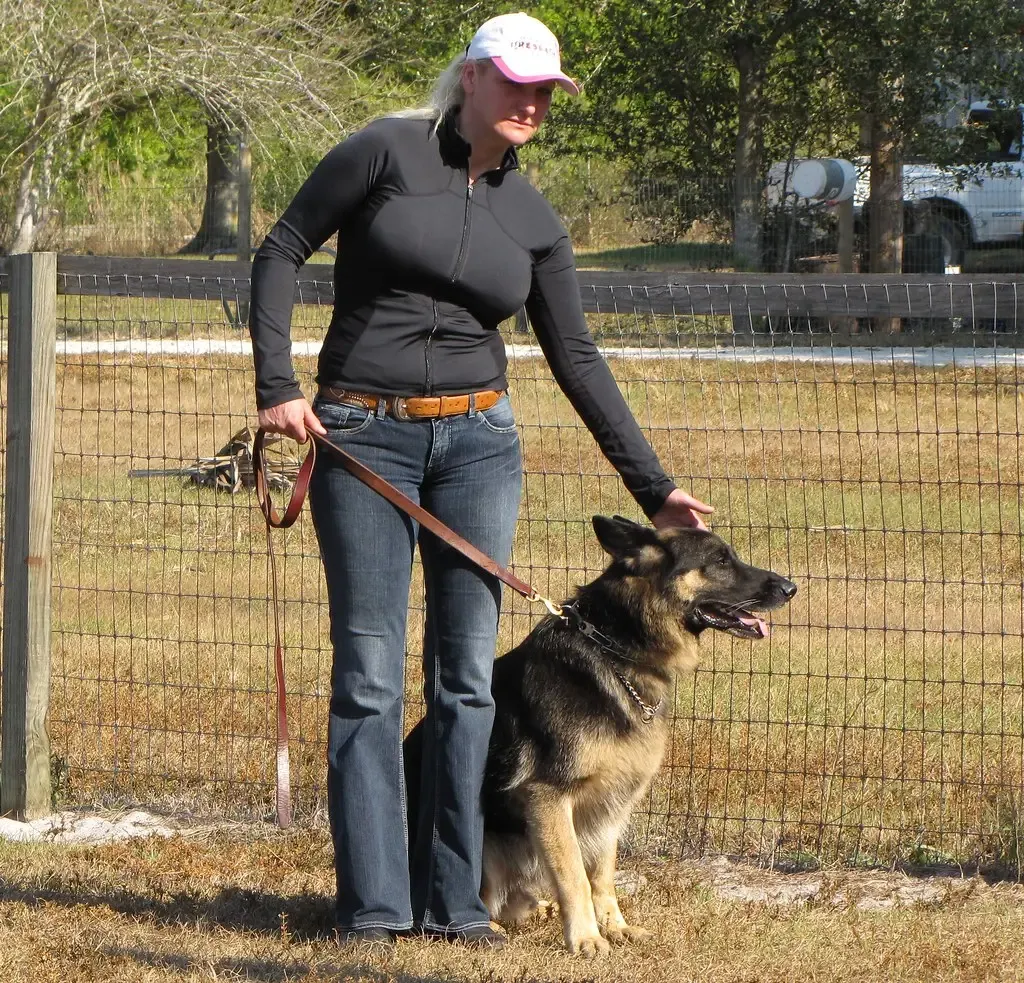
Over-attachment might feel like love, but it’s actually a burden for your dog. The good news is that you can help. Independence training results in well-adjusted dogs, emotionally equipped to cope with life situations that eventually unfold. Setting boundaries and providing consistent structure for the dog within your daily routines are parts of an effective puppy-raising plan. Start small. Practice short separations, reward calm behavior, and give your dog opportunities to explore and problem-solve on their own.
Building your dog’s confidence isn’t about loving them less. It’s about loving them better. It’s about giving them the skills and emotional foundation they need to thrive whether you’re right there or not. Have you noticed any of these signs in your own pup? Share your experiences in the comments below.


