Most dogs will sniff their bowl, wag, and dig in. Then there are certain dogs that simply won’t. The bowl sits full, the food goes cold, and no amount of coaxing from anyone else in the house makes a difference. It’s not illness, and it’s not pickiness. It’s something far more emotionally complex than that.Some dogs flat-out refuse to eat when their humans leave the house, and this behavior isn’t just picky eating. It’s often a sign of separation anxiety. These dogs may eat less or refuse to eat altogether, especially if their mealtime routine was closely tied to their owner, and in severe cases this can lead to weight loss and serious health concerns.Certain breeds are genetically predisposed to form particularly intense attachments with one human in their household. The nine breeds below take that bond to a whole other level. If you own one, what you’re about to read will probably feel very familiar.
#1. Vizsla
#1. Vizsla (Image Credits: Pexels)Often called “Velcro Vizslas,” these Hungarian hunting dogs are known for their intense need to be constantly close to their owners, earning them the nickname “shadow dogs.” They thrive on human interaction and can become anxious when separated from their family. The phrase “velcro dog” gets thrown around casually, but with the Vizsla, it is genuinely literal.They follow their person from room to room, rest against them whenever possible, and seem to interpret any distance as a mild emotional emergency. In return, you get a graceful, affectionate partner who believes home is wherever you are sitting. Refusing food is one of the quieter but more telling signs that a Vizsla has tipped past boredom and into genuine distress.
#2. German Shepherd
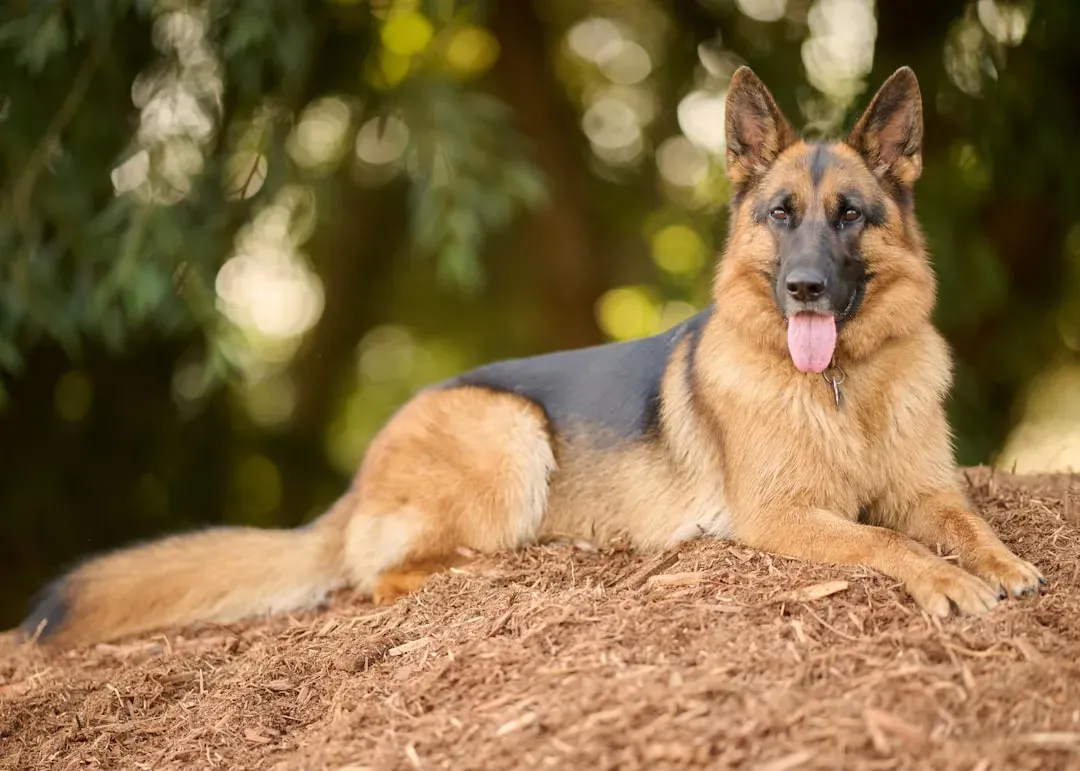
#2. German Shepherd (Image Credits: Unsplash)Individual German Shepherds in family settings typically bond most strongly with one person. They are working dogs at heart, and that work is often inseparable from the person they serve. Their entire sense of identity is built around partnership. When that partner leaves, the purpose disappears too.Despite their impressive capabilities, German Shepherds can be prone to anxiety. Their protective nature, deep attachment to their owners, and need for mental stimulation all contribute to their susceptibility to anxiety. Prolonged separation times and lack of adequate physical activity can cause anxiety in German Shepherds. Without that engagement, some will stop eating as a quiet, involuntary protest against the void.
#3. Cavalier King Charles Spaniel
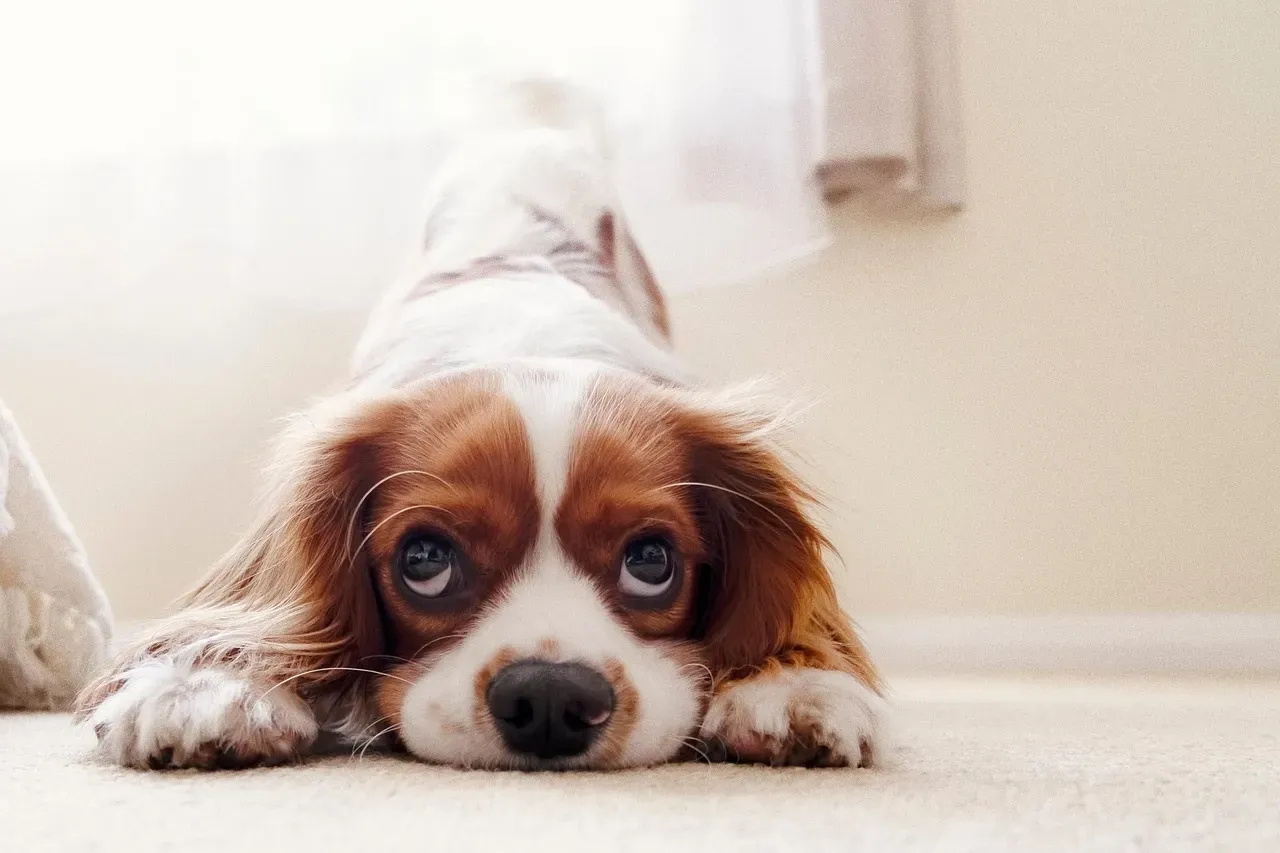
#3. Cavalier King Charles Spaniel (Image Credits: Pixabay)Cavaliers were literally bred to be lap dogs, so when you leave, it’s like taking their entire purpose in life out the door with you. These affectionate pups adore constant companionship and often struggle with being alone, even for short periods. Few breeds carry their emotional dependence this visibly or this consistently.The Cavalier King Charles Spaniel is widely considered one of the most cuddly dogs due to its affectionate, gentle nature and strong desire for human companionship. The Cavalier tends to lose interest in food the moment the household mood shifts toward concern or quiet. That untouched food bowl tells you everything about how much they’re struggling without their person.
#4. Labrador Retriever
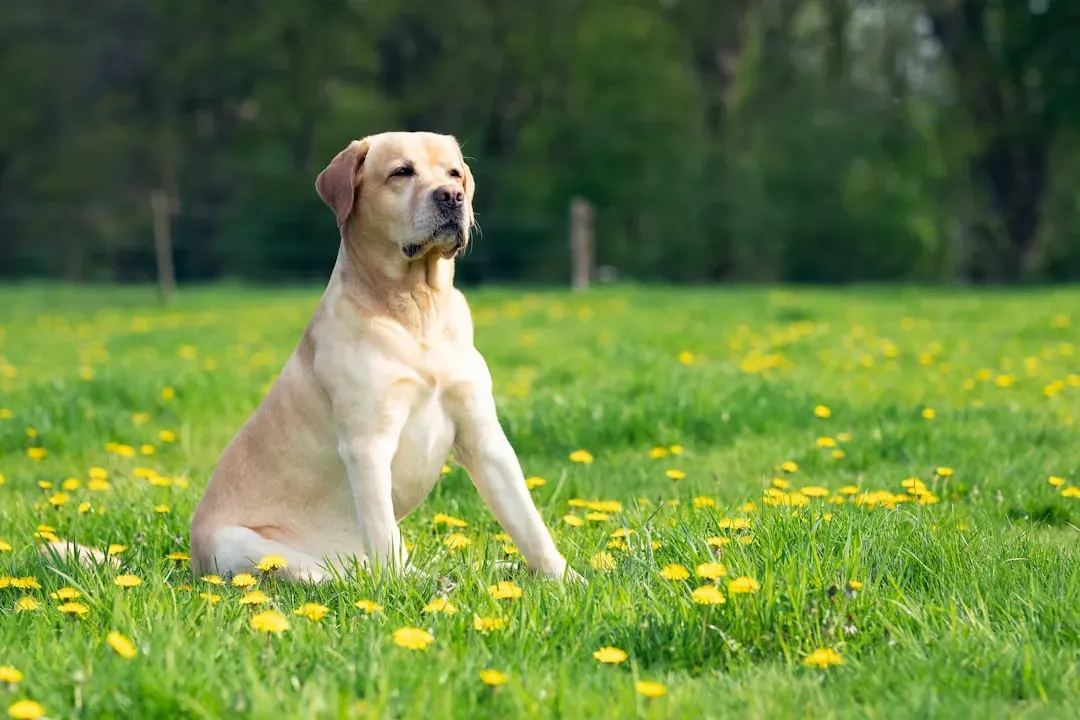
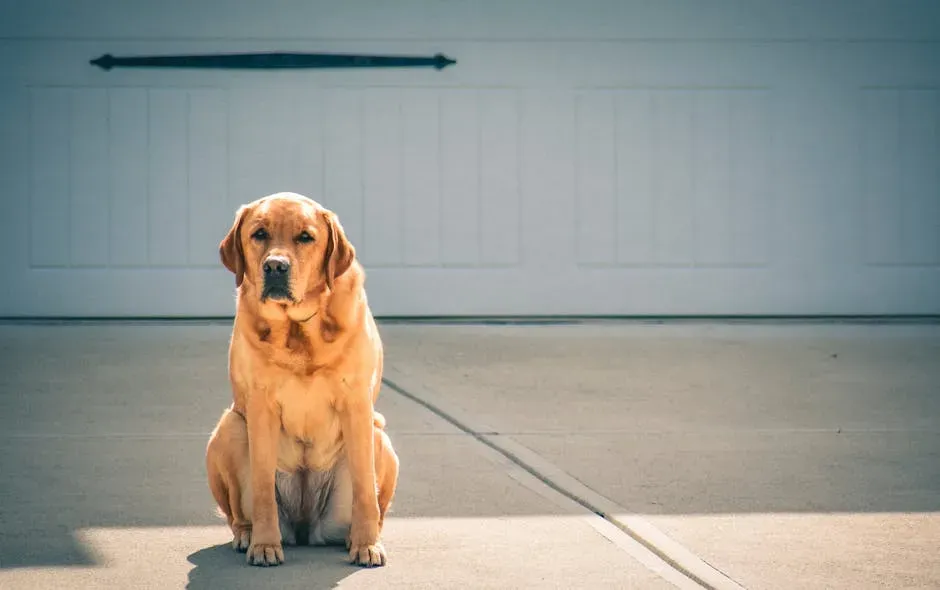
#4. Labrador Retriever (Image Credits: Unsplash)Even though they have a happy and friendly demeanor, Labradors can be prone to anxiety. This breed’s strong attachment to family, high energy needs, and sensitivity to changes are key factors that contribute to their susceptibility to anxiety. The cheerful exterior can mask just how emotionally sensitive these dogs actually are.Labradors require at least an hour of active exercise every day as well as mental stimulation. Without stimulation and physical exercise, this high-energy dog can develop anxiety and its associated behaviors. For some Labs, that spiral ends at the food dish, untouched. It’s a quiet heartbreak wrapped in a wagging tail that’s waiting by the door.
#5. Bichon Frise
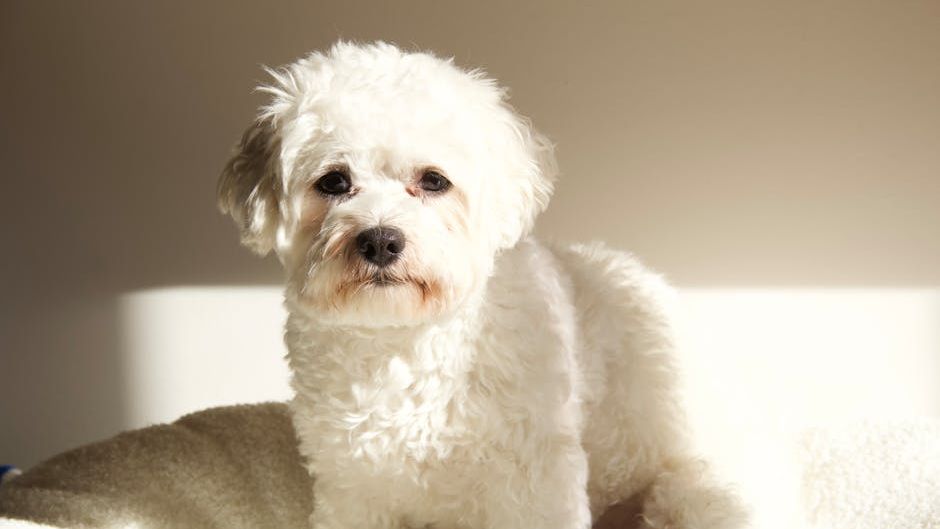
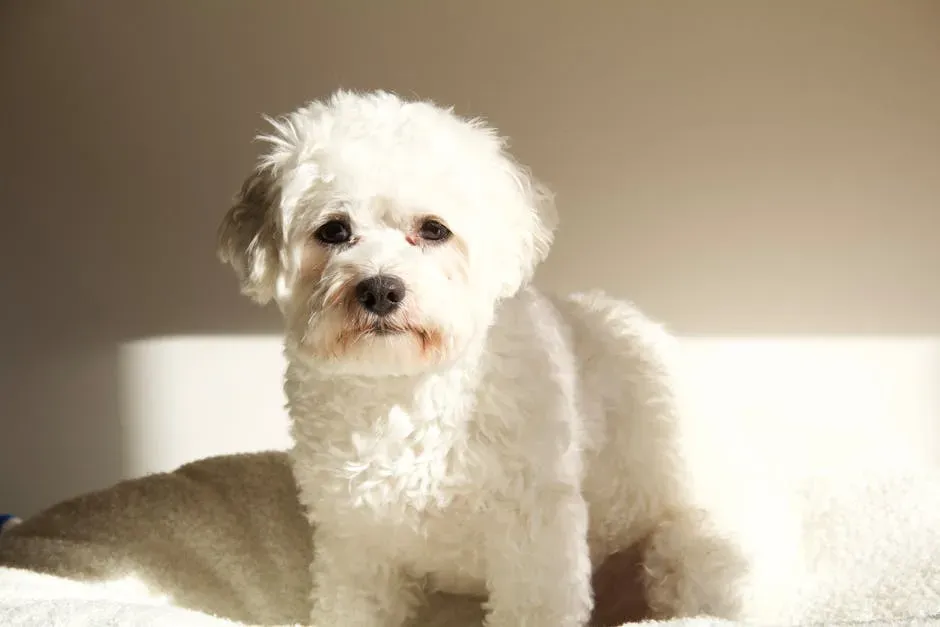
#5. Bichon Frise (Image Credits: Pexels)Bichon Frises are prone to stress and depression if kept away from their family for long periods of time, and many will vocally protest their owner’s departure. Their fluffy appearance belies their emotional intensity and need for constant companionship. Don’t let the cloud-like coat fool you. There is a deeply anxious soul underneath all that fluff.As soon as you leave them alone, they can become aggressive and destructive. Their anxiety, when overlooked, can quickly change into depression. Refusing food is one of the clearest signs that a Bichon has crossed that line. These small dogs carry enormous emotional weight, and skipping meals is their loudest way of saying they’re not okay.
#6. Cocker Spaniel
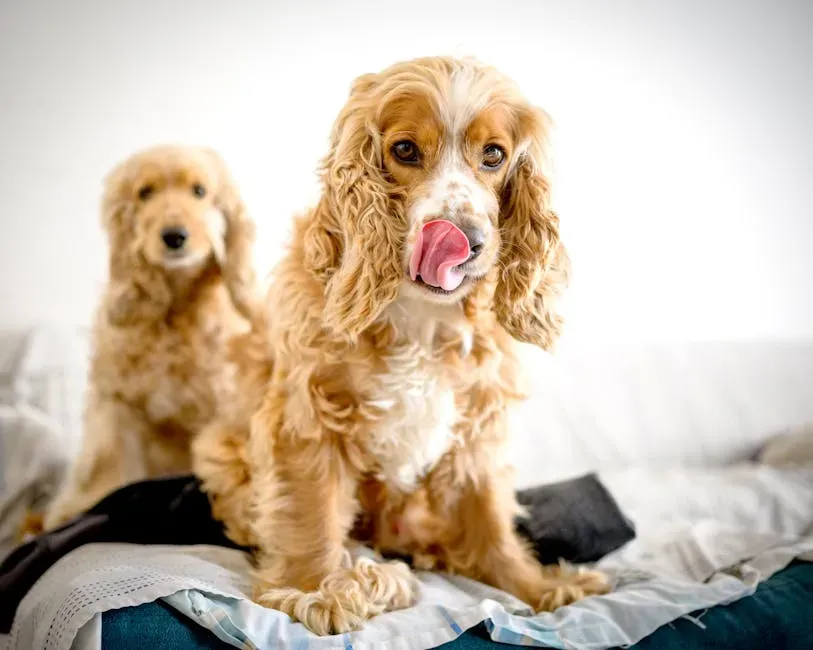
#6. Cocker Spaniel (Image Credits: Pexels)Cocker Spaniels are very people-oriented and form strong attachments to their families. Their need for close companionship makes them loyal and loving pets. Because this breed thrives on human interaction, they can become distressed if they feel isolated or abandoned.Separation anxiety in Cocker Spaniels can manifest in many ways, such as destructive behavior, excessive barking, whining, or even physical symptoms like loss of appetite or gastrointestinal issues. They may develop hyper-attachment disorder, as they love to be around their owner. For owners who notice their Cocker Spaniel skipping meals after a departure, the cause is usually emotional rather than physical.
#7. Australian Shepherd
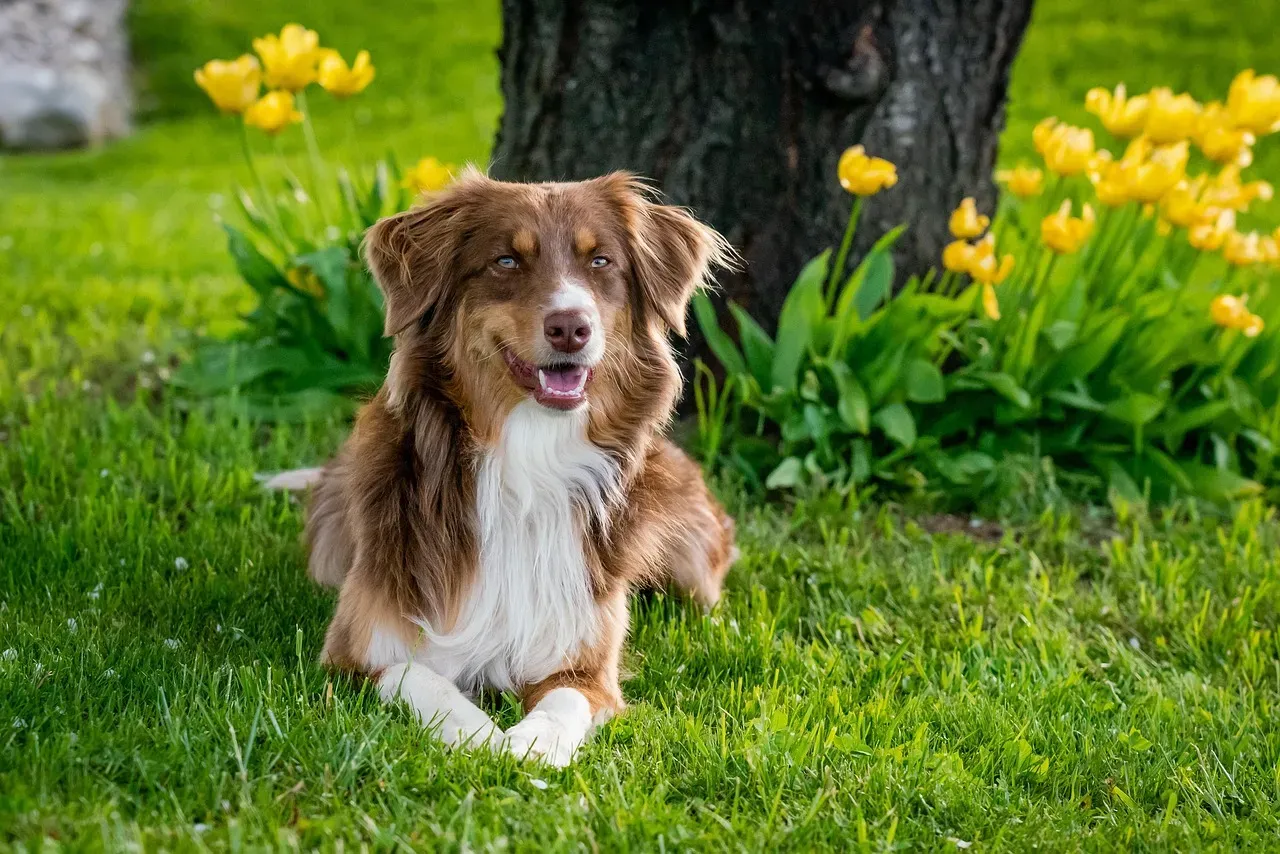
#7. Australian Shepherd (Image Credits: Pixabay)Border Collies and Australian Shepherds choose their person with startling clarity, then pour their brilliant brains into that partnership. You will feel seen as they watch every gesture and anticipate your next move. Their devotion grows strongest when you give them work that stretches both body and mind.Without proper outlets, restlessness can turn into mischief, and the attachment may feel like anxious clinginess. Positive methods and predictable routines help build a confident bond. When those routines collapse because their favorite person has walked out the door, an Australian Shepherd can shut down emotionally, and the first thing to go is interest in food. Their intelligence, ironically, makes the grief sharper.
#8. Pomeranian
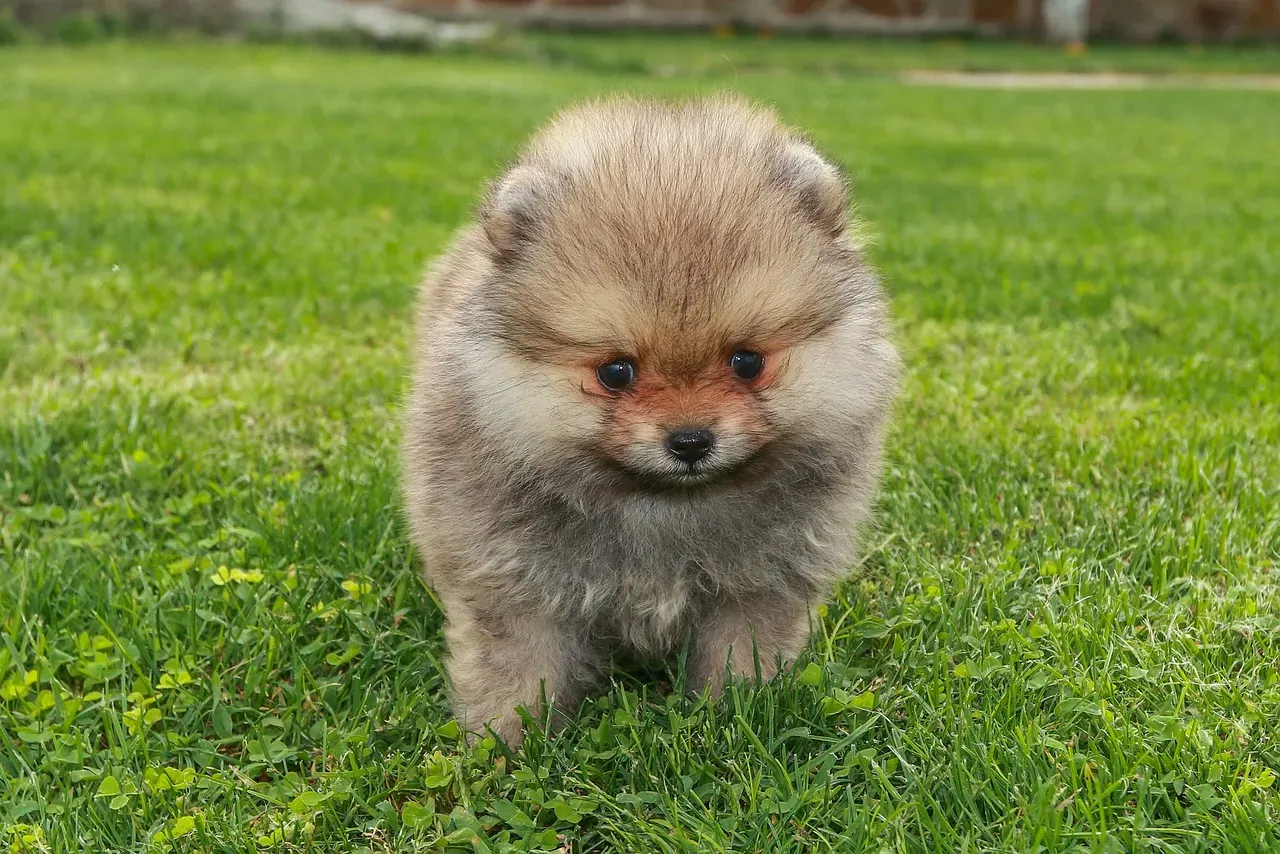
#8. Pomeranian (Image Credits: Pixabay)Despite their fluffy teddy bear appearance, Pomeranians pack enormous personalities. Their compact size makes them perfect lap warmers, but it also means they expect to be included in every aspect of your life. Leave without them, and that expectation collapses into distress.Dogs with primary hyper attachment are intensely attached to one person and may become destructive when left alone, focusing on the door or items with the owner’s scent. Dogs upset by changes in their environment or routine may show signs of anxiety such as agitation, depression, and escape attempts. Pomeranians, with their intense one-person bonding, fit this profile almost perfectly. Food refusal is well within the range of what they’re capable of when left behind.
#9. Italian Greyhound
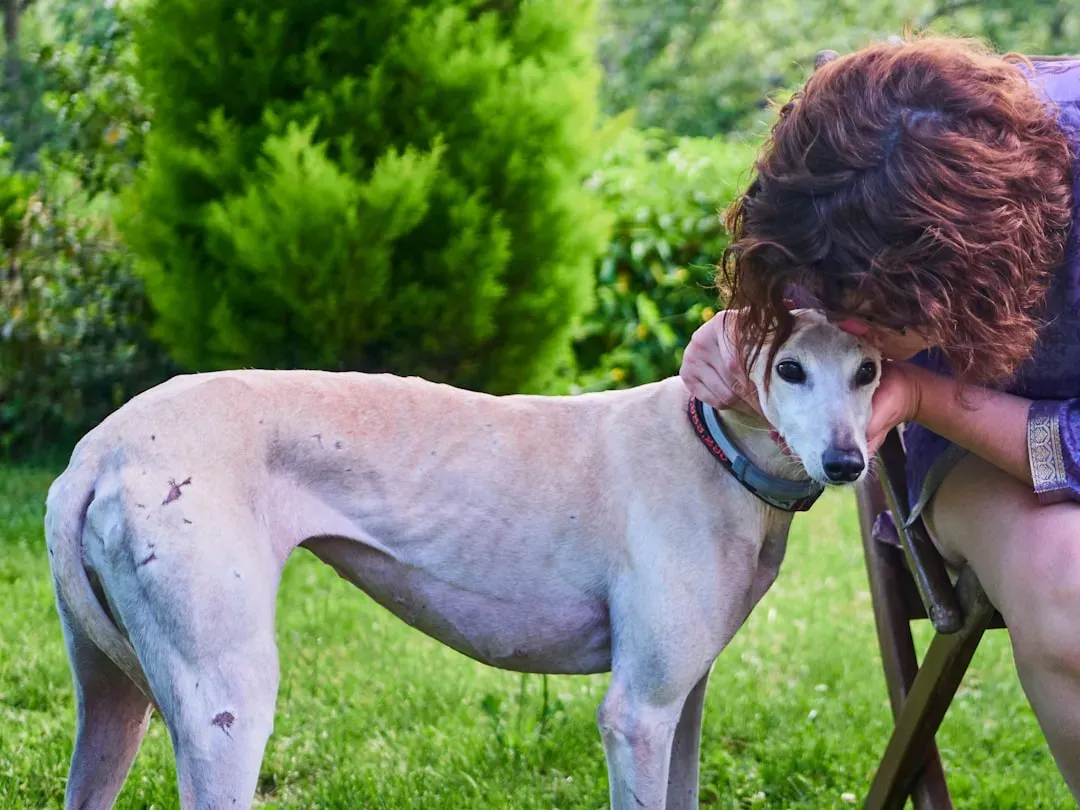
#9. Italian Greyhound (Image Credits: Unsplash)The Italian Greyhound is a textbook Velcro dog, gentle, loyal, and incredibly attached to its humans. They seek constant closeness and love nothing more than being curled up in a lap or following their favorite person from room to room. Their clinginess often borders on dependency, and they may suffer from separation anxiety if left alone for long hours.These timid pups are loving and playful, and live to please you. Very dependent on their owners, they despise being left behind. Stress and anxiety can inhibit a dog’s natural appetite. It’s common for dogs that feel anxious to refuse food and even their higher-value treats. When a dog is anxious, their sympathetic nervous system is activated and they’re in no state to relax and eat food, as their appetite is suppressed. For the Italian Greyhound, that thin, delicate frame makes prolonged food refusal especially worrying for owners.
What This Really Means for You as an Owner
What This Really Means for You as an Owner (Image Credits: Pexels)One of the most common types of canine anxiety, separation anxiety affects dogs who become distressed when left alone. These dogs may whine, bark, destroy furniture, pace, or refuse food when their owner is gone. Some won’t eat until their person returns, even if food is left out. Over time, the stress can lead to skipped meals and digestive issues.If your dog is refusing to eat for more than two days, contact your veterinarian to make sure they get any needed medical attention. If separation anxiety is at the root of your dog’s reluctance to eat alone, gradually increasing the time spent alone can help them become more comfortable with the idea. Start with short periods of separation and gradually extend the duration over time. When their needs are met through exercise, mental stimulation, routines, and boundaries, even the clingiest dogs can become confident members of the family, happy both by your side and on their own now and then.
A Final Thought
A Final Thought (Image Credits: Pexels)There’s something quietly profound about a dog that would rather go hungry than eat without you. It’s not manipulation, and it’s not drama. It’s loyalty expressed the only way they know how. The breeds on this list don’t have the words to tell you they’re struggling, so they use the one signal that’s impossible to ignore: a full bowl that hasn’t been touched.That’s worth paying attention to. Not with guilt, but with understanding. These dogs aren’t broken. They’re just built for connection in a way that doesn’t include an off switch. The most meaningful thing you can offer them isn’t just food in a bowl. It’s the work of helping them feel safe, even when you’re not in the room.