

Have you ever watched your dog struggle to stand up after a nap, or hesitate at the bottom of a staircase they used to sprint up without a second thought? That pause, that little moment of hesitation, often tells you something important. Joint health in dogs is not just a concern for seniors. It starts earlier than most owners expect, and what goes into your dog’s bowl every single day has a far greater impact on their joints than most people realize.
Many pet foods are made with low-quality protein, fillers, and artificial additives that do little for muscle tone, joint support, or bone strength. The raw feeding movement has helped shift that conversation. Raw diets bring whole food nutrition back to the bowl, but even the best raw meals can benefit from a few targeted additives. These nine powerful additions are worth knowing about, especially if joint strength is your priority.
Raw Chicken Feet: The Glucosamine Goldmine You’re Probably Overlooking
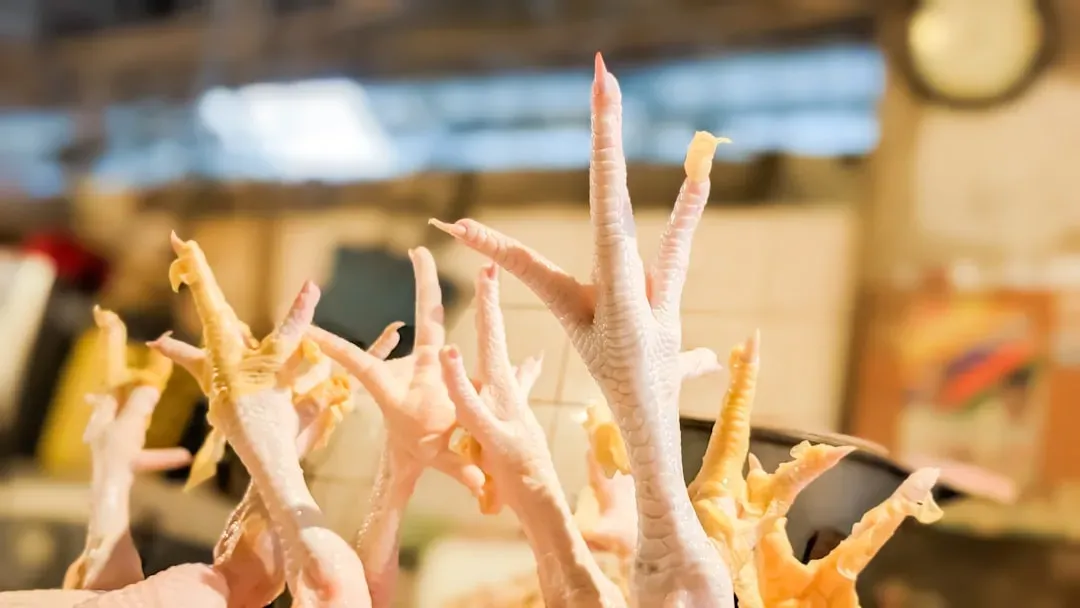
There’s something almost comical about the idea of tossing a chicken foot into your dog’s bowl, but don’t let the look fool you. Raw chicken feet are a lower-calorie source of glucosamine, averaging around 450mg per foot. For context, a 50 lb dog needs roughly 1000mg of glucosamine per day, which means just two chicken feet can meaningfully contribute to that daily requirement.
Glucosamine is the most common supplement given to pets as they age due to its purported power to protect joints from the ravages of time, and it naturally occurs in several foods as a major component of cartilage. In the joints, one of glucosamine’s roles is to stimulate the creation of glycosaminoglycans, a major structural component of cartilage, and supplying plenty of glucosamine throughout an animal’s life may allow the body to cushion and protect the joints better. Chicken feet are one of the easiest raw additions to source and are widely available from butchers and raw pet food suppliers alike.
Raw Trachea: The Surprisingly Potent Chondroitin Source

Raw trachea is one of those ingredients that rarely gets the spotlight it deserves. A 30-gram piece of trachea can hold over 1400mg of glucosamine, making it one of the most concentrated natural sources available. It delivers both glucosamine and chondroitin together, which is exactly what you want for serious joint support.
Chondroitin supplementation helps maintain the fluidity and elasticity of cartilage in joints, and is thought to promote water retention in the cartilage and inhibit enzymes that break down cartilage tissue. Think of chondroitin as the lubricant that keeps joints from grinding. Chondroitin supports joint health by reducing inflammation and inhibiting enzymes that break down cartilage, which not only alleviates pain but also promotes the repair and maintenance of healthy joint tissue. Raw trachea, served as a chew or chopped into meals, delivers this benefit in its most bioavailable, natural form.
Green-Lipped Mussel: New Zealand’s Gift to Stiff Dogs

Green-lipped mussels come from pristine waters off the coast of New Zealand. They’ve earned a strong reputation in the canine health world, and for good reason. It’s generally the inflammation and rubbing of joints that creates pain and stiffness, and the fatty acids in green-lipped mussels, particularly EPA and DHA, are known to reduce that inflammation.
Green-lipped mussels are natural COX inhibitors, just like NSAIDs, meaning they can achieve similar pain-relief results without the negative side effects. Beyond inflammation, they are rich in glycosaminoglycans and glycosaminoglycan precursors, with chondroitin sulfate being a well-documented structural ingredient for joint support. When adding green-lipped mussel powder to a raw meal, look for freeze-dried options only, since heat processing destroys many of the beneficial fatty acids and compounds that make this food so effective.
Bone Broth: The Ancient Remedy That Actually Delivers
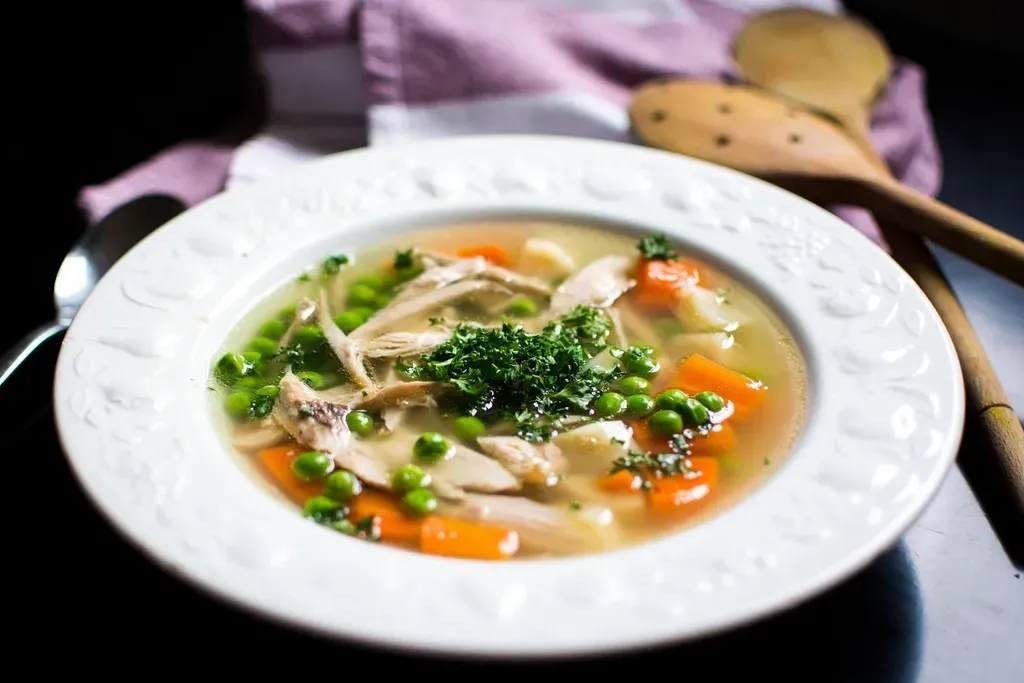
Bone broth has been used for centuries across cultures for a reason, and modern canine nutrition has simply confirmed what people have long suspected. Glucosamine, hyaluronic acid, and chondroitin occur naturally in bone broth and are vital in strengthening and repairing joints, and the collagen in bone broth also contributes to the health and stability of a dog’s joints. It’s a genuinely multi-layered raw additive.
Rich in collagen, gelatin, and amino acids, bone broth supports gut health, reduces inflammation, and nourishes joints to enhance mobility and ease discomfort. Incorporating bone broth into your pet’s diet can help keep the cushioning between bones as strong as possible, helping dogs age gracefully. A few tablespoons poured over a raw meal, a few times a week, is enough to make a real difference. Just be sure to avoid any versions made with onions, garlic in large amounts, or added sodium.
Raw Meaty Bones: Rebuilding Joint Strength From the Ground Up

There’s something deeply instinctive about giving a dog a raw meaty bone. One of the primary benefits of raw feeding for joint health is the natural sources of glucosamine and chondroitin found in raw bones and cartilage, and these compounds are essential for maintaining the integrity of cartilage and supporting joint function. It’s not just about the chewing satisfaction, though dogs absolutely love that part too.
A raw diet provides a variety of vitamins and minerals that support joint and bone health, including zinc, calcium, and magnesium from raw meaty bones, organ meats, and fresh vegetables, and these nutrients don’t just help joints but boost the whole skeletal system, maintaining strong bones, healthy ligaments, and muscle tone. If you notice your dog is stiff in the mornings or slower on walks, introducing regular raw meaty bones into their rotation is one of the most natural corrective steps you can take. Signs of improved joint comfort typically include a bouncier gait, more enthusiasm for walks, and less hesitation when standing from rest.
Omega-3 Fish Oil: The Anti-Inflammatory Workhorse

No joint health plan for dogs is complete without a quality source of omega-3 fatty acids. Omega-3s help reduce inflammation that leads to joint issues and can also help regulate the cells in cartilage, potentially protecting against cartilage degradation. The two key compounds here are EPA and DHA, and both are most abundantly found in marine sources.
Omega-3s are recommended for every pet, young and growing pets in particular, because they have a significant amount of benefits, supporting the heart, brain, kidney, and liver functions and decreasing or potentially preventing gut, skin, and joint inflammation. These essential fatty acids are best added fresh, as they tend to degrade quickly with exposure to air or freezing temperatures. Sardines, herring, and salmon are excellent whole food sources to rotate into a raw diet, or a high-quality fish oil can be added to meals. Watch for a shinier coat and increased energy, both of which often signal the omega-3s are working.
Turmeric Golden Paste: The Spice That Calms Inflamed Joints

Turmeric has moved well beyond a trendy human supplement. The active compound in turmeric, called curcumin, has been used as a traditional medicine for centuries and recently has become one of the most popular supplements taken by the health conscious. The anti-inflammatory properties of golden turmeric paste play a pivotal role in reducing joint swelling, offering a natural solution for dogs experiencing discomfort, which is particularly beneficial for pets with conditions like arthritis.
Plain turmeric sprinkled on food isn’t enough on its own. Curcumin is better absorbed when consumed with fats or oils, and without these, much of the curcumin passes through the digestive system without being absorbed. Piperine, a compound found in black pepper, can increase the absorption of curcumin by up to 2000%. This is why the golden paste formula, which combines turmeric with a healthy fat and black pepper, is the recommended method. Excess turmeric may cause digestive upset such as gas or loose stool, so reduce the dosage and reintroduce slowly if this occurs. Start small, and always check with your vet before adding turmeric if your dog is on any existing medications.
MSM (Methylsulfonylmethane): The Sulfur Compound That Repairs From Within

MSM is one of the less glamorous entries on this list, but it earns its place through consistent, well-documented results. MSM provides sulfur that supports joint health, reduces inflammation, and may help ease pain and stiffness. MSM is a source of sulfur that your dog needs for collagen synthesis, and it may also inhibit pain impulses that travel along nerve fibers while providing anti-inflammatory effects and helping reduce muscle spasms.
Studies have shown that MSM is effective in reducing joint degeneration and inflammation, and the therapeutic dosage for dogs is about 50 to 100mg per 10 lbs of body weight. MSM is found in most plants and animals, but cooking and heating will destroy most of it, so it must be fed raw. This makes raw food the ideal delivery vehicle. Sulphur-rich foods like meats with a lot of collagen, such as bones, trachea, and connective tissue, can naturally contribute to MSM intake. Organic, whole food sources are preferable whenever possible.
Fermented Goat Milk: The Gut-Joint Connection Most Owners Miss

At first glance, fermented goat milk might not seem like a joint supplement at all. The connection between gut health and joint health, though, is one of the more interesting areas in canine nutrition. Fermented goat milk is a natural source of probiotics and nutrients that can aid in reducing inflammation and improving joint function. Chronic gut inflammation and joint inflammation often feed each other, and supporting one tends to ease the other.
In animals suffering from imbalance, getting things back on track will affect and improve the entire body, potentially reducing or alleviating symptoms such as digestive issues, skin issues, and behavioral issues, and for otherwise healthy animals, supporting healthy microbial balance nurtures the entire system. Fermented goat milk is easy to add to raw meals, usually well tolerated by dogs, and brings probiotic diversity that supports whole-body resilience. A small pour over the bowl a few times per week is a gentle, low-fuss way to bring this benefit in.
Putting It All Together: A Joint-Smart Raw Feeding Approach
The beauty of raw feeding is flexibility. You don’t need to add all nine of these at once. In fact, introducing too many new things simultaneously can upset your dog’s digestion and make it difficult to identify what’s helping. As a general rule, start with one supplement at a time and give a quarter to half of the recommended amount, increasing the dose slowly over a few days to allow the gut time to adapt.
Proactivity is key when it comes to supporting the joints. It is much harder to repair damage than it is to slow degradation, and in the early proactive stages, glucosamine from whole foods is fantastic, but if there is already damage, it may be beneficial to include therapeutic-level supplements. Watch for the subtle positive signs: a dog who gets up more easily, walks with more enthusiasm, or shows less hesitation on hard floors. These small shifts are meaningful. If your dog used to struggle on walks but now trots with a spring in their step, you’ll know it’s working, as most pet parents notice changes within a few weeks of switching to raw, with dogs becoming more playful, more mobile, and more eager to explore.
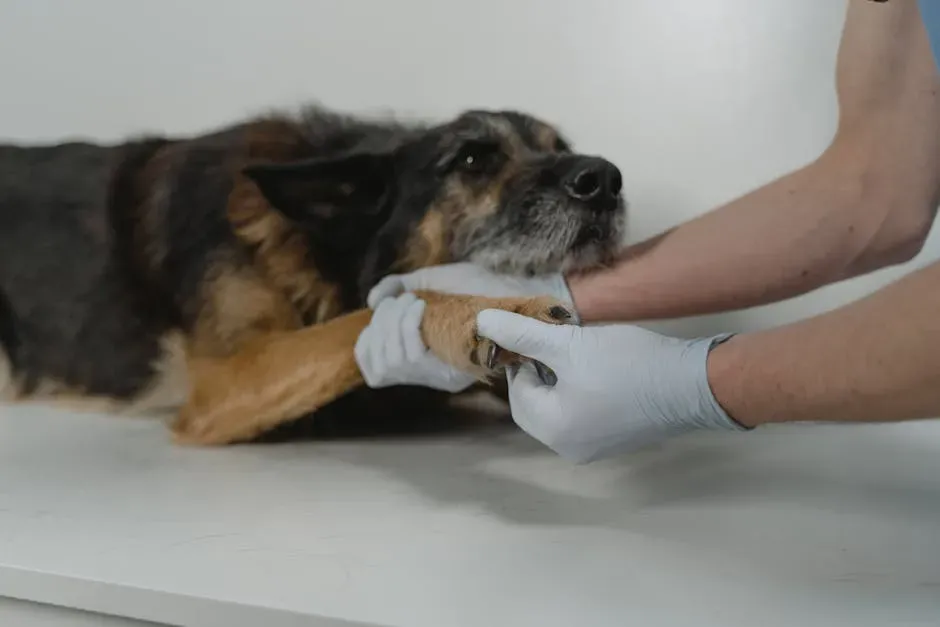
Always loop in your vet, especially if your dog has a diagnosed condition like arthritis or hip dysplasia. Natural additives work best as part of a broader care plan, not as a replacement for professional guidance. Your dog’s joints carry them through every walk, every game of fetch, every leap onto the couch. They deserve the best support you can give them.


