
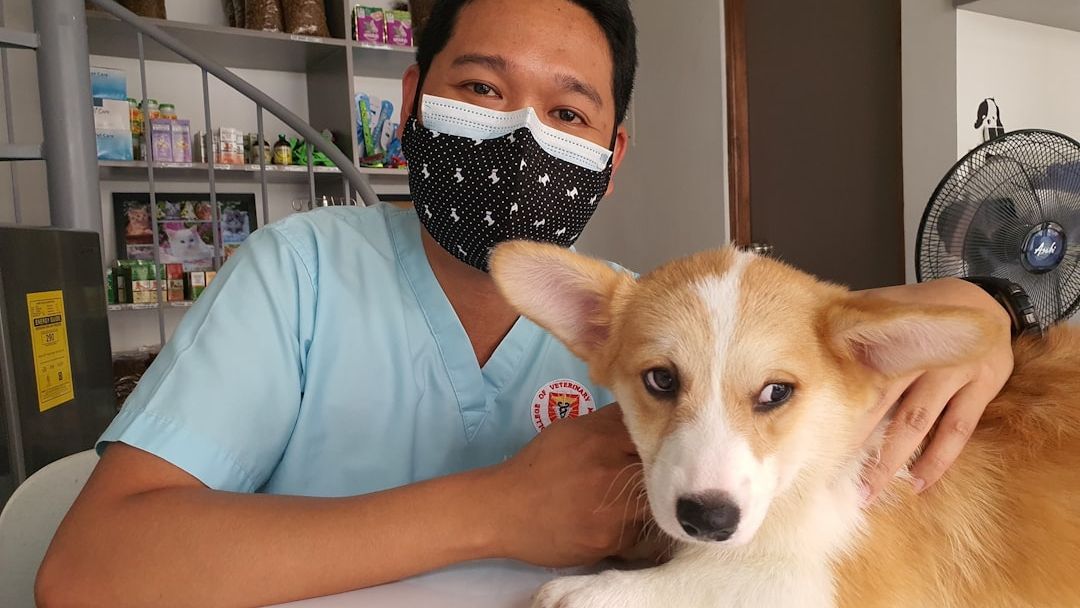
#1. Feeding Them From the Table
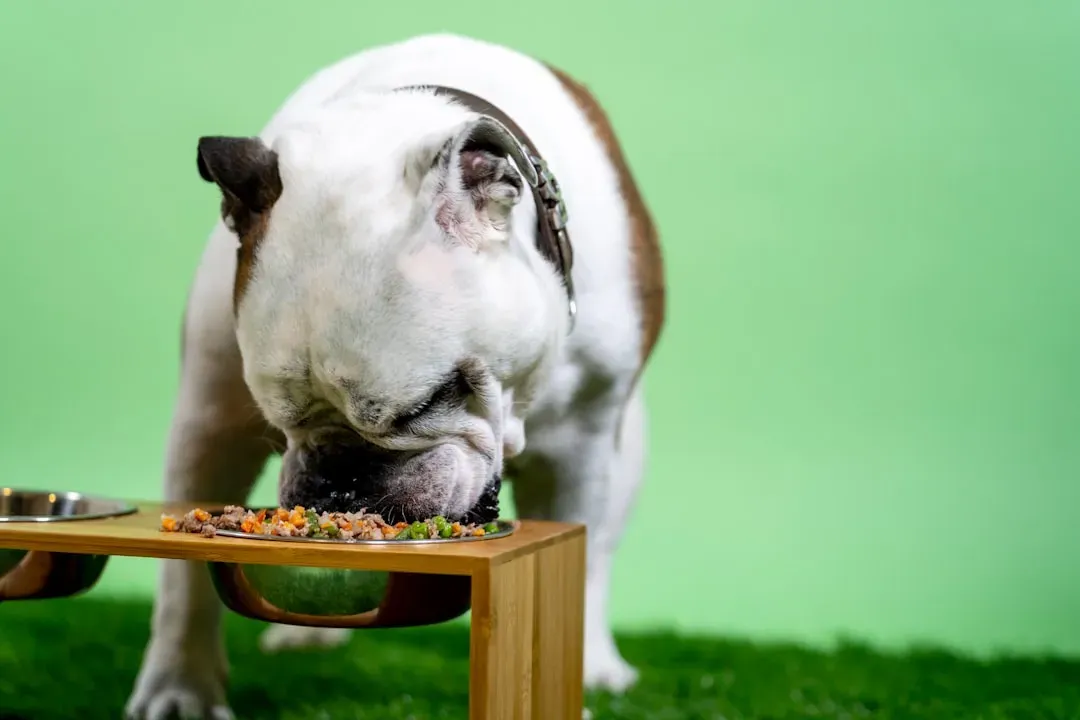
It starts with one small piece of chicken. Then a corner of toast. Then a nibble of whatever smells good at dinner. Before long, your dog is stationed beside every meal, and you’re both convinced this is just how things are. The problem runs deeper than bad habits.
Veterinarians consistently warn that many human foods are toxic to dogs: onions, garlic, grapes, chocolate, and even certain nuts can cause severe illness. These aren’t edge cases – they show up in vet clinics regularly, often because an owner thought a tiny amount couldn’t possibly hurt.
Veterinarians strongly recommend avoiding feeding dogs human food, especially from the table, because in many cases it has too much fat for a dog’s digestive system to handle. Many items also contain ingredients that can be harmful, or even fatal, for dogs. What feels like a small gesture of affection can silently chip away at your dog’s health over time.
#2. Letting Their Weight Creep Up
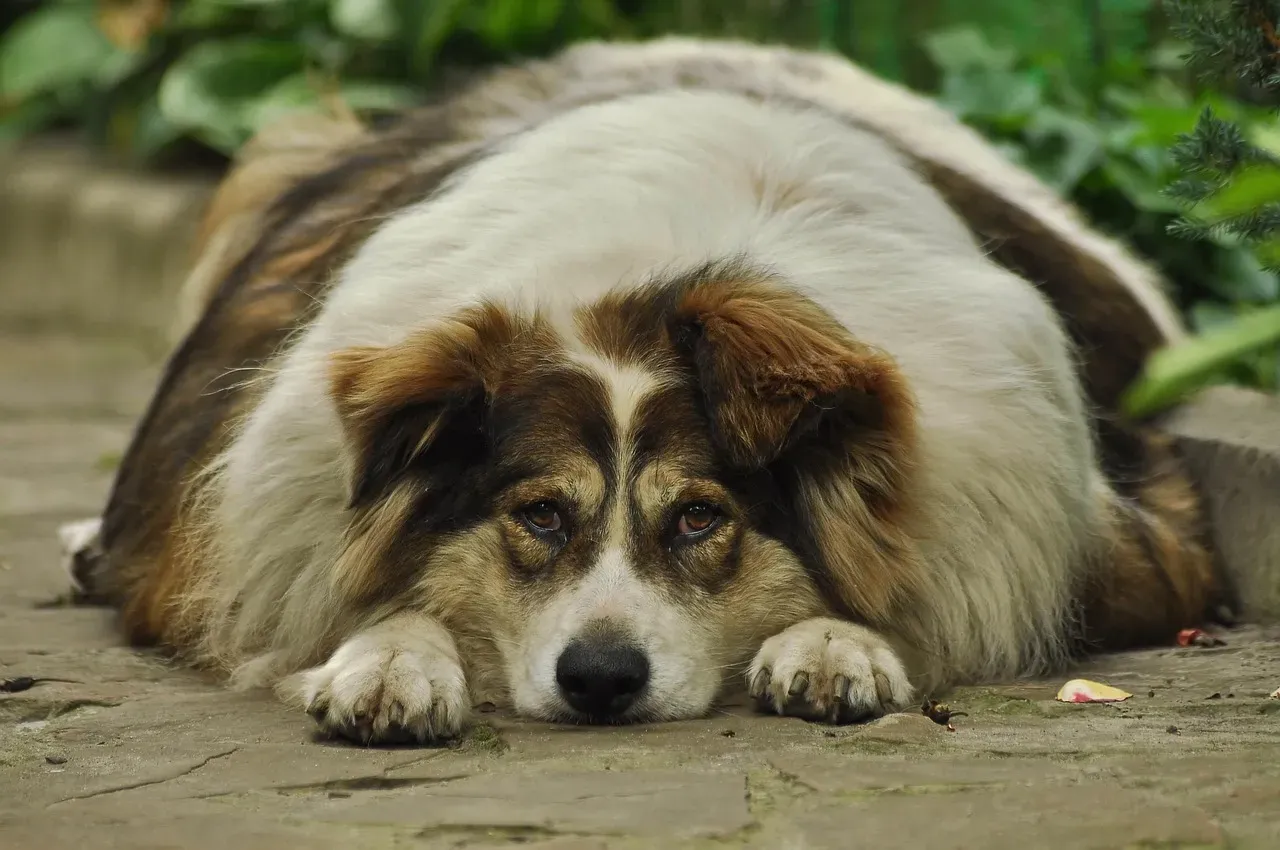
Chubby dogs are often considered cute. Owners joke about the “food-motivated” personality, hand out extra treats without much thought, and fill the bowl generously because it feels kind. The reality, though, is that excess weight is one of the most medically serious issues veterinarians face in dogs today.
Excess weight increases the risk of serious conditions like diabetes, arthritis, heart disease, and cancer, while significantly reducing your dog’s quality of life. What’s particularly concerning is the gap between perception and reality.
While over half of all dogs are overweight or obese, studies show that up to roughly four in five owners mistakenly believe their pets are a healthy weight. This widespread misconception makes it harder to recognize and address a growing health risk. A dog who can’t comfortably run, play, or breathe easily isn’t a happy dog – regardless of how content they seem at mealtime.
#3. Skipping Regular Vet Checkups
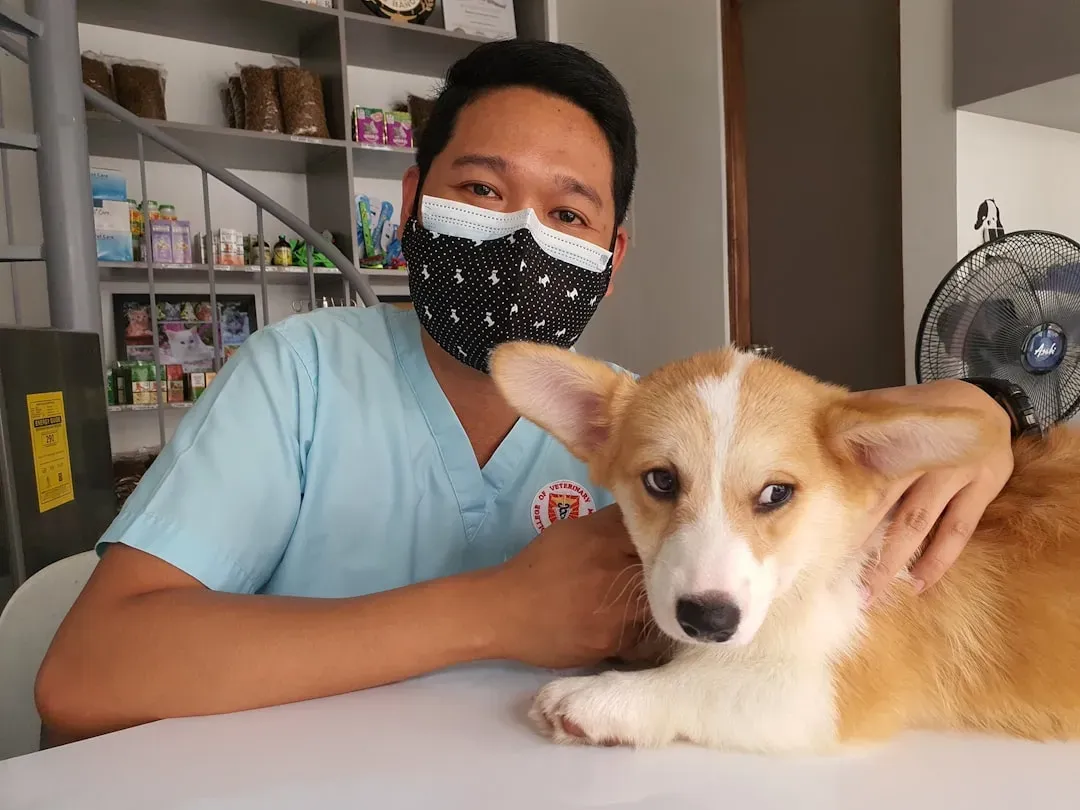
A lot of owners only book a vet appointment when something is visibly wrong. The dog is limping, not eating, or acting strange. By that point, conditions that could have been caught early have often had weeks or months to develop into something much harder to treat.
Preventive care saves lives, yet many owners only visit the veterinarian when their pet is visibly sick. Routine wellness visits accomplish far more than just checking weight and administering vaccines. They also help pets become comfortable around veterinary staff, reducing anxiety later in life.
If your animal has symptoms, seems sick, and does not rally within a day or two, don’t delay. Get medical help as soon as possible. As with people, early treatment can often help avoid the worst outcomes. Waiting for things to resolve on their own is one of the costliest gambles an owner can take with their dog’s life.
#4. Neglecting Their Teeth
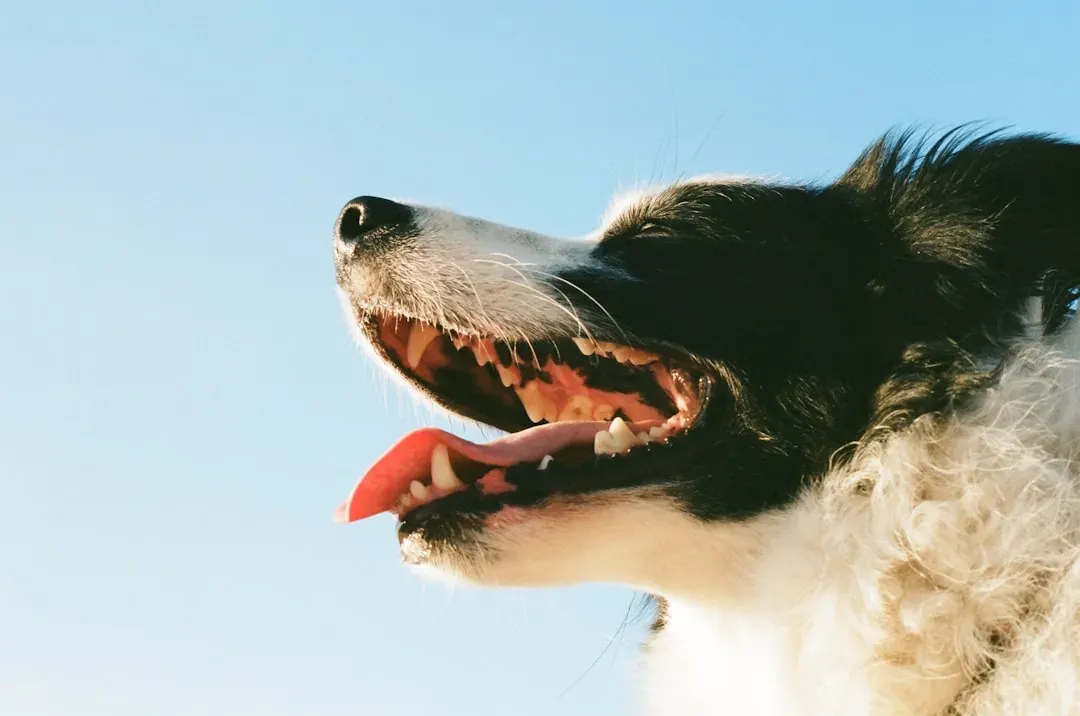
Dental hygiene sits at the bottom of most dog care checklists, if it’s on the list at all. Owners brush their own teeth twice a day without thinking, but their dog’s mouth goes weeks, months, or years without any attention. Vets see the fallout constantly.
When neglected, a dog can develop periodontal disease, and bacteria can lead to a heart infection called endocarditis. That’s not a minor inconvenience – it’s a life-threatening chain reaction that begins with skipping dental care.
Canine periodontal disease is serious and can lead to pain, tooth loss, bad breath, bacterial infections, bone loss, heart disease, and organ damage. Dental care is not just part of an animal’s necessary health care – it can also help to prevent the need for expensive surgical cleaning later on. A soft toothbrush and two minutes a few times per week is all it takes to avoid a cascade of serious problems.
#5. Not Providing Enough Mental Stimulation
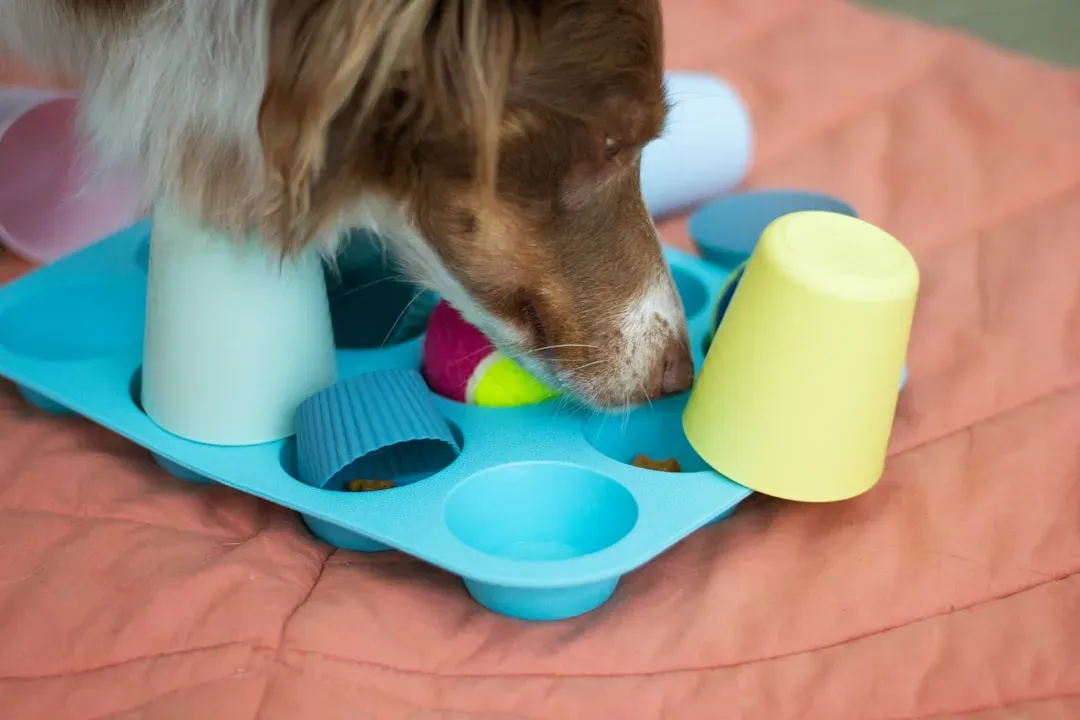
Most owners understand that dogs need physical exercise. Fewer realize that a dog’s brain needs just as much of a workout. A daily walk keeps the body moving, but without mental engagement, many dogs quietly start to fall apart in other ways.
Lack of mental stimulation is a significant problem. When people don’t spend enough time challenging their dogs mentally and physically, it often leads to either destructive or repetitive behaviors. Chewed furniture, incessant barking, and anxiety aren’t signs of a bad dog – they’re signs of a bored one.
Dogs are wired to sniff, solve, explore, and learn. They need brain work. Puzzle feeders, scent games, learning new commands, and varied walking routes can all make a meaningful difference. The investment is small. The payoff for both dog and owner is enormous.
#6. Ignoring Behavioral Changes

Dogs can’t tell you when something hurts. They can’t explain that they’ve felt off for a few days, or that something inside doesn’t feel right. What they can do is behave differently – and that shift in behavior is often the only window owners have into what’s going wrong internally.
A normally social dog suddenly hiding under the bed, or a house-trained pup having accidents, can be signs of physical pain, cognitive decline, stress, or even underlying illness. These aren’t quirks to be waited out. They’re messages worth listening to immediately.
When behavioral changes appear, document what you observe, note when it began, and book a vet appointment. Changes in mood or habits often signal physical or emotional issues. The owners who catch serious conditions early are almost always the ones who paid close attention to the quiet signals their dogs were sending.
#7. Making Them Hold Their Bladder Too Long
Busy schedules happen. A long workday, a delayed commute, a disrupted routine – life gets in the way, and sometimes the dog’s walk gets pushed back by a few hours. It feels harmless, especially when your dog seems fine and holds it without complaint.
Even if your dog can seemingly hold it for extended periods without urinating in the house, you could be putting its health at risk. Delayed urination can cause bladder infections and, occasionally, behavior problems.
Vets advise not making dogs wait more than seven or eight hours between walks. That’s the outer limit, not a comfortable standard. Dogs who are regularly forced to hold it for long stretches face real, cumulative health consequences that are entirely preventable with a bit of planning or the help of a dog walker.
#8. Using Punishment Instead of Training
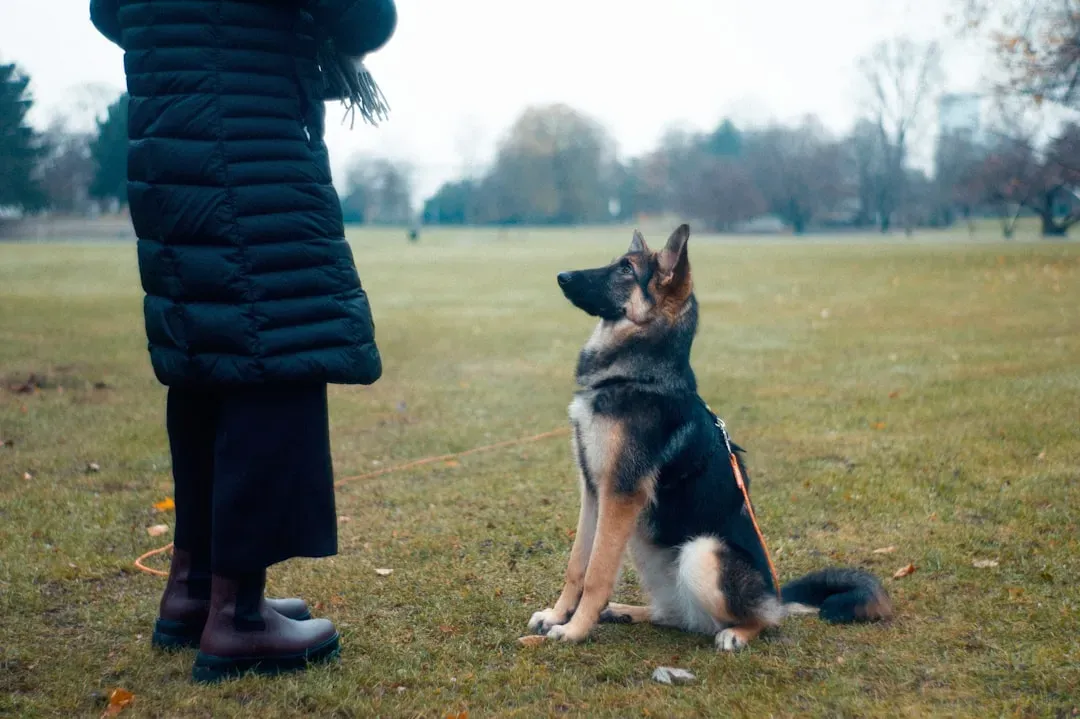
Shouting at a dog who just chewed a shoe, rubbing their nose in an accident, or swatting their backside as a correction – these reactions feel instinctive in a moment of frustration. The trouble is they don’t work, and they do real damage to your relationship with your dog and to the dog’s emotional wellbeing.
Punishing or yelling at a dog will never take the place of training. Dogs respond far better to positive, respectful leadership. The time taken to teach a dog properly will strengthen the bond between canine and human, while yelling at or punishing a dog can cause it to become anxious, fearful, and confused.
The biggest mistake pet owners make is not putting enough priority in their pet’s training until a problem arises. Training isn’t just about tricks or obedience – it’s also critical for developing communication tools between a pet parent and their companion animal. A dog who understands boundaries and expectations isn’t just better behaved. It’s genuinely happier and calmer.
#9. Leaving Them Unsupervised With Unsafe Objects
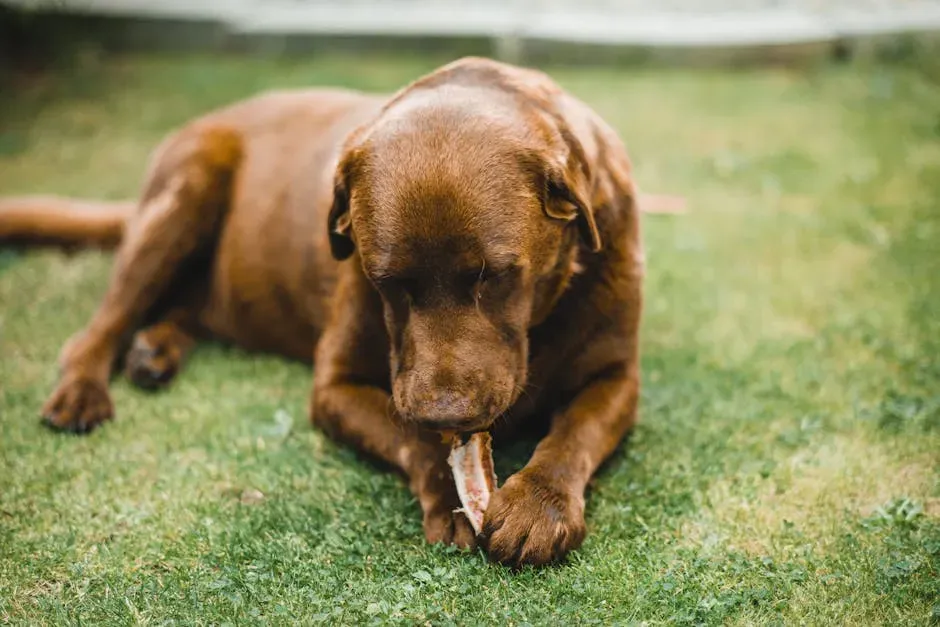
Giving a dog a bone, a rawhide, or a new toy and walking away feels like a generous act. They’re occupied, you’re free, and everyone’s happy. Except that in the time it takes to answer a few emails, things can go very wrong very quickly with the wrong object.
Vets see many problems due to dogs chewing on bones, including tooth fractures, mouth injuries, bones becoming stuck in their throat, or even blocking intestines, and dogs may need emergency surgery if they get into complications with a bone. The risks are real and they’re not rare.
Tossing a new toy to a dog before heading out can also be dangerous. Depending on how aggressive a chewer a dog is, it could tear through that toy and eat small parts of it or get into the stuffing. Monitoring your pet when introducing new toys is the strongly recommended approach. A few extra minutes of supervision is a far better deal than an emergency vet visit that could have been avoided entirely.
A Final Word: Love Isn’t Enough on Its Own
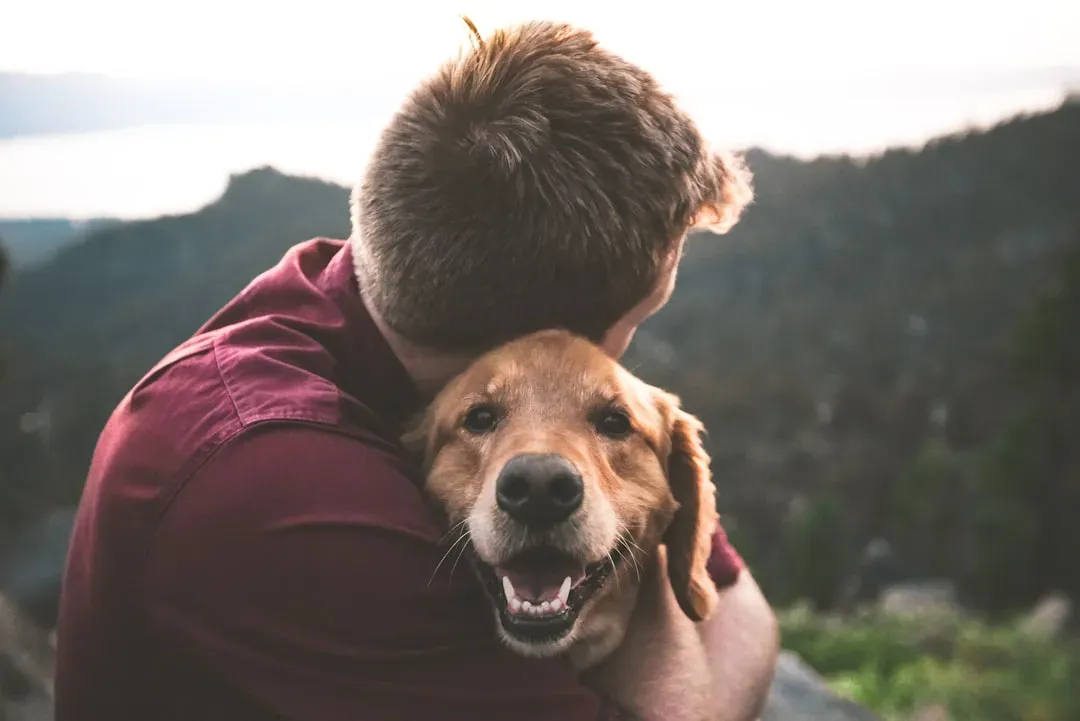
Every single item on this list comes from a place of genuine care. Nobody skips the vet, ignores dental hygiene, or tosses a bone because they don’t love their dog. These are the quiet, everyday ways that good intentions get in the way of good outcomes.
Veterinarians aren’t in the business of making owners feel guilty. They’re in the business of keeping dogs alive and well for as long as possible. The habits listed here aren’t hard to change – most of them require only small adjustments in routine or awareness.
Your dog can’t advocate for itself. It can’t read a label, question a serving size, or ask for a checkup. That responsibility sits entirely with you. Loving your dog means more than belly rubs and long walks. It means being willing to learn, to adapt, and to put their needs first, even when it’s inconvenient. That’s the whole job – and getting it right matters more than most owners realize, often until it’s too late.


