

Dogs do not remember you the way you remember them. They are not replaying a mental highlight reel of that time you ugly–cried into their fur or when you brought them home for the first time. But they are experts at storing emotional snapshots: how you smell, how you move, the sound of your voice, how you made them feel safe or scared. Those snapshots can stick around in their brain for an astonishingly long time.
When people say a dog “never forgets their person,” they are usually talking about these emotional and sensory memory traces. They are not magical, but they are powerful. Once you understand what your dog actually associates with you, you can shape those memories on purpose – so that many years from now, your dog’s brain still files you under one thing: comfort, safety, and joy.
Your Scent: The Emotional Anchor Your Dog Never Loses
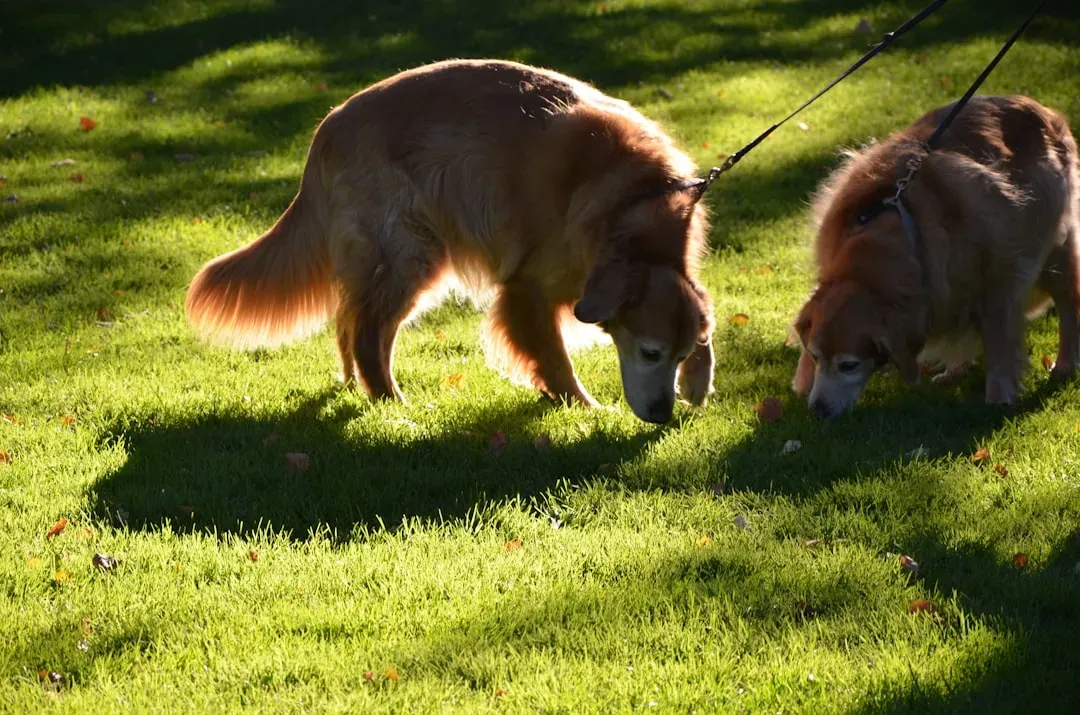
If you stripped away everything else – your face, your clothes, your voice – your dog would still know you by your smell. A dog’s sense of smell is massively more sensitive than ours; they can pick up tiny scent particles, separate them like layers in a complicated perfume, and file them away in memory. For your dog, your unique scent signature is like your permanent username and password combined with a warm feeling of home.
That is why your dog can recognize a dirty T-shirt you left behind, or sleep on your pillow when you are away as if it were a stand‑in for you. Scent in dogs does not just trigger recognition; it lights up emotional centers in the brain tied to attachment and security. Even after long separations, dogs have been shown to respond differently to their guardian’s scent than to strangers’ scents, which suggests that those associations can survive months or even years. When your dog buries their nose in you, they are not just being cute – they are refreshing that emotional memory file.
Your Voice: Tone, Melody, and the Feelings Behind the Words
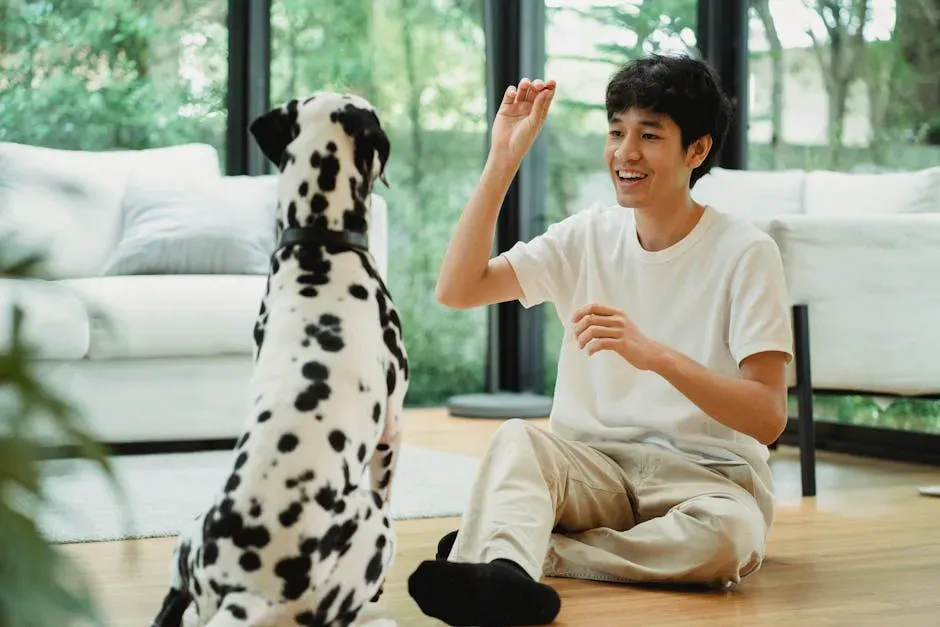
Your dog does not really care whether you say “Who’s a good boy?” or “You need to pay your taxes.” What they care about is how you say it. Their brain is tuned in to the rhythm, pitch, and emotional tone of your voice, and they quickly learn which patterns predict safety, affection, excitement, or trouble. Over time, your voice becomes one of the strongest cues that you are you, and that they are safe.
Studies show that dogs react differently to high‑pitched, warm, “dog‑directed” speech than to flat, neutral tones. That sing‑song way you talk to your dog becomes part of their emotional soundtrack of you. Many dogs can pick out their person’s voice in a crowded or noisy environment and show clear signs of recognition. This association between your voice and a particular emotional state can stick around for a very long time, which is why a dog may relax instantly the moment they hear you, even if they were stressed just seconds before.
Your Daily Routines: The Invisible Script They Can Predict by Heart
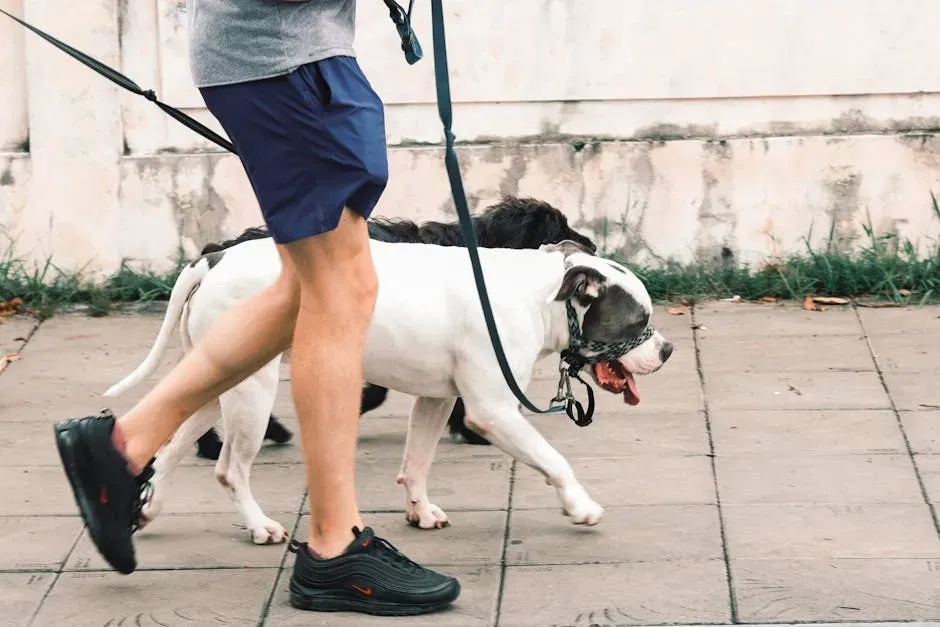
If you think your dog cannot tell time, explain why they always seem to know when it is walk o’clock or dinner o’clock. Dogs build powerful associations between you and predictable patterns: the sound of your alarm, the shuffle of your feet in the hallway, the way you grab your keys before you leave. Those patterns become a kind of mental script that your dog can run through, step by step, long after it is established.
These routines are not just habits; they are memory frameworks. Your dog links you to specific moments in the day – morning cuddles, evening walks, late‑night bathroom breaks – and those links help them feel that the world is stable and understandable. When routines change suddenly (like after a move, breakup, or job switch), dogs often show confusion or anxiety because the old script they associated with you has been scrambled. The more consistent your rituals with your dog are, the deeper those memories tend to sink in.
Your Touch: How You Feel in Their Fur and in Their Nervous System
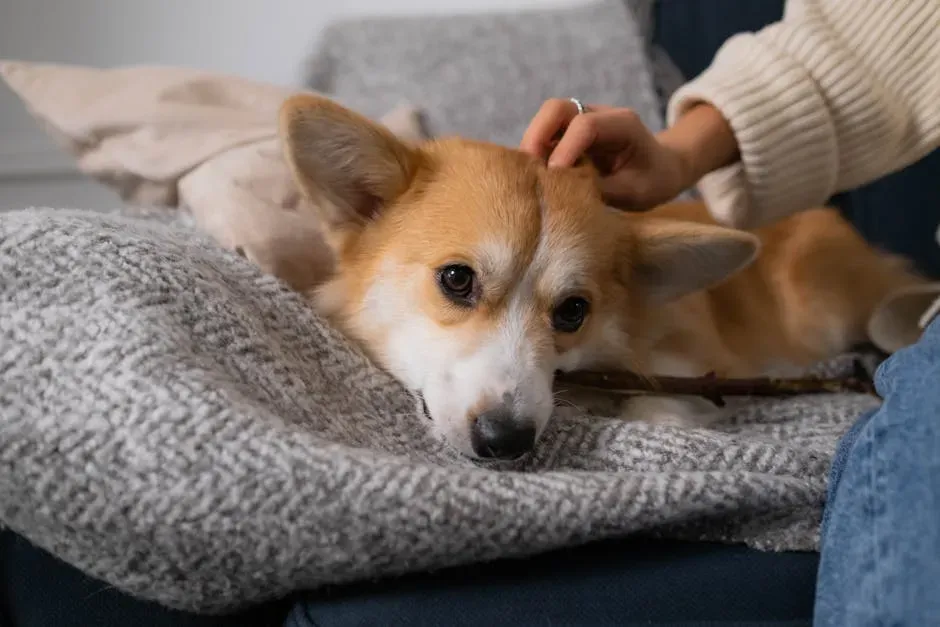
On the flip side, dogs can also store negative associations with rough or unpredictable handling. Yanking on a leash, grabbing a collar sharply, or constantly pushing them away can slowly write a different kind of memory – one where your presence is mixed with tension. Over time, even a dog who wants connection might flinch or avoid certain gestures if they have learned that touch from a human can be uncomfortable. The stakes are high: every time you lay a hand on your dog, you are editing the story their body remembers about you.
Your Emotions: The Mood Map They Build Around You

Dogs are better emotional detectives than most people give them credit for. They pick up on your body tension, facial expressions, posture, and even subtle changes in your scent that come with stress or calm. Over months and years, they build a kind of emotional map: this is the person who is usually gentle, this is the person who explodes, this is the person who gets nervous when strangers come over. That map does not vanish easily.
If you are generally a calm, patient presence, your dog will often default to feeling safer when you are around, even in unfamiliar places. If you are regularly chaotic or angry, your dog’s nervous system learns to stay on alert near you. It is not about being perfect; everybody has bad days. But a dog that spends years soaking in your emotional climate will store a long‑lasting association: around this human, I usually feel like this. That feeling becomes part of who you are to them.
Your Training Style: Clear Communication or Constant Confusion
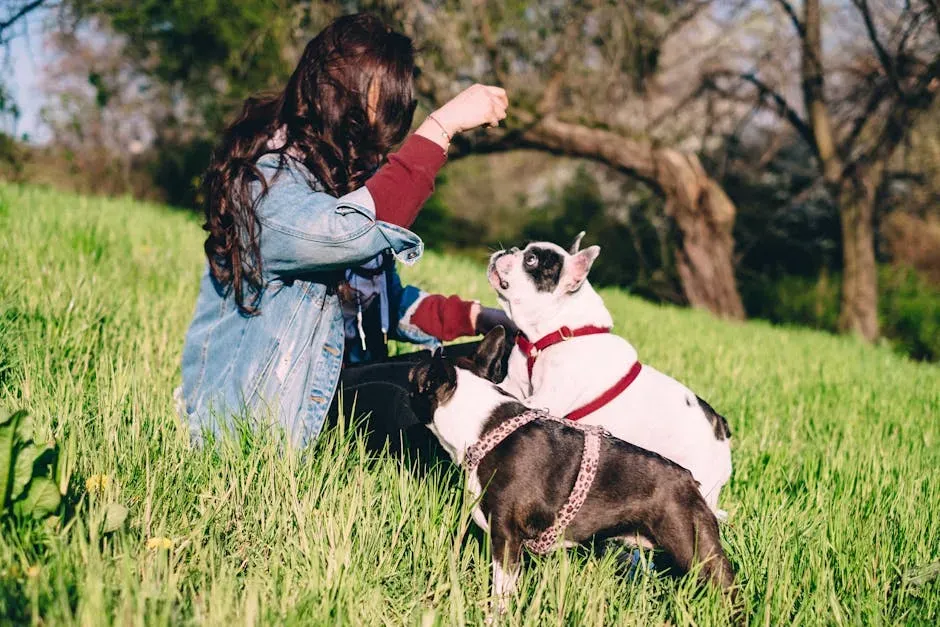
The way you train your dog becomes one of the most powerful long‑term associations they carry about you. Dogs thrive on clear, consistent communication: a cue means one thing, rewards come promptly, and corrections are fair and understandable. When training is predictable and kind, dogs tend to remember you as a guide – someone who makes the world easier to navigate.
Inconsistent or harsh training tells a very different story. If sometimes “Come” means treat and praise, and other times it means being scolded or immediately leashed up and taken home from the park, your dog builds an association between you and uncertainty. They may still love you, but they might hesitate when you call or shut down when you try to teach something new. Those emotional residues from early training can linger for years; many adult dogs still react strongly, good or bad, to training styles they experienced as puppies.
Your Shared Adventures: Places, Activities, and the Joy You Bring
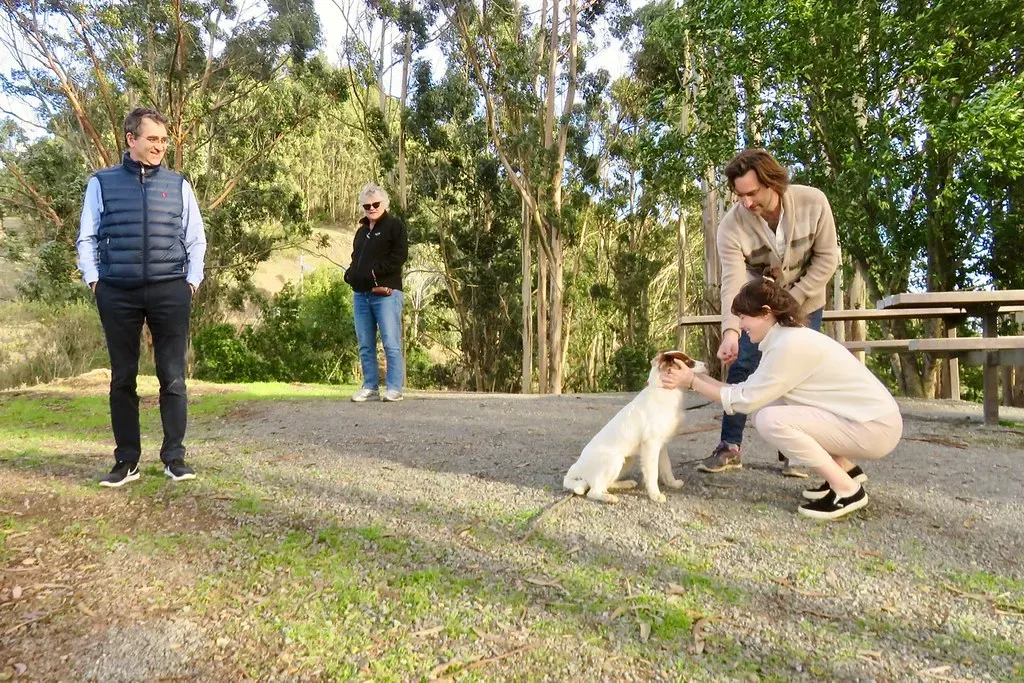
Think about the things you and your dog do together: hiking, beach runs, slow neighborhood walks, car rides to the drive‑through, or just hanging out at your favorite park. Dogs link you tightly to these experiences. The moment you reach for the leash, put on certain shoes, or drive toward a familiar intersection, your dog’s brain is already leaping ahead: this is the person who takes me to the fun place.
These memories are often emotionally supercharged, which makes them especially sticky. A dog who has spent years going to the same trail with you can light up just smelling the forest air, even after a long break. The flip side is also true: if visits to the vet or groomer always start with you picking up the same bag or driving a particular route, your dog may start associating you with that anxiety too. The more varied, positive adventures you share, the more your dog’s mental file on you is colored with excitement and joy instead of dread.
Your Home Environment: Safety, Chaos, and the Background Noise of Life

Your dog does not just associate you with specific moments; they also link you to the whole atmosphere of the place you share. Is your home relatively calm, clean, and predictable, or is it loud, tense, and constantly changing? Over time, your dog’s sense of you gets woven into this background pattern. You become the central figure in whatever “normal” feels like in that space.
Dogs remember where their bed is, where they get fed, how often the doorbell explodes, and how visitors usually behave. When that environment feels safe and manageable, your dog’s brain builds a long‑term association between you and that sense of safety. If home is chaotic, with lots of yelling or sudden punishments, your dog may mentally tag you as part of that instability. Even if you move to a new place, the emotional habits they built with you in the old home can follow you for a very long time.
Your Absences and Returns: The Story Their Brain Tells Between Hellos

Dogs are not sitting there counting minutes like we do, but they absolutely form strong associations around your leaving and coming back. The rituals you build – what you do before you walk out the door, how you greet them when you return – can deeply shape how your dog feels about separation. If every goodbye is dramatic and every reunion is explosive, your dog may come to associate you with a roller coaster of panic and relief.
On the other hand, calm departures and warm but measured reunions can teach your dog that you always come back and that being alone is not a crisis. Dogs who have experienced long separations yet still recognize and respond warmly to their person years later are a powerful example of how enduring these memory traces can be. To them, you are not just the person who leaves; you are the person who has always come back, again and again, and that pattern can define you in their mind.
Your Signature “You”: The Combination They’ll Likely Never Forget
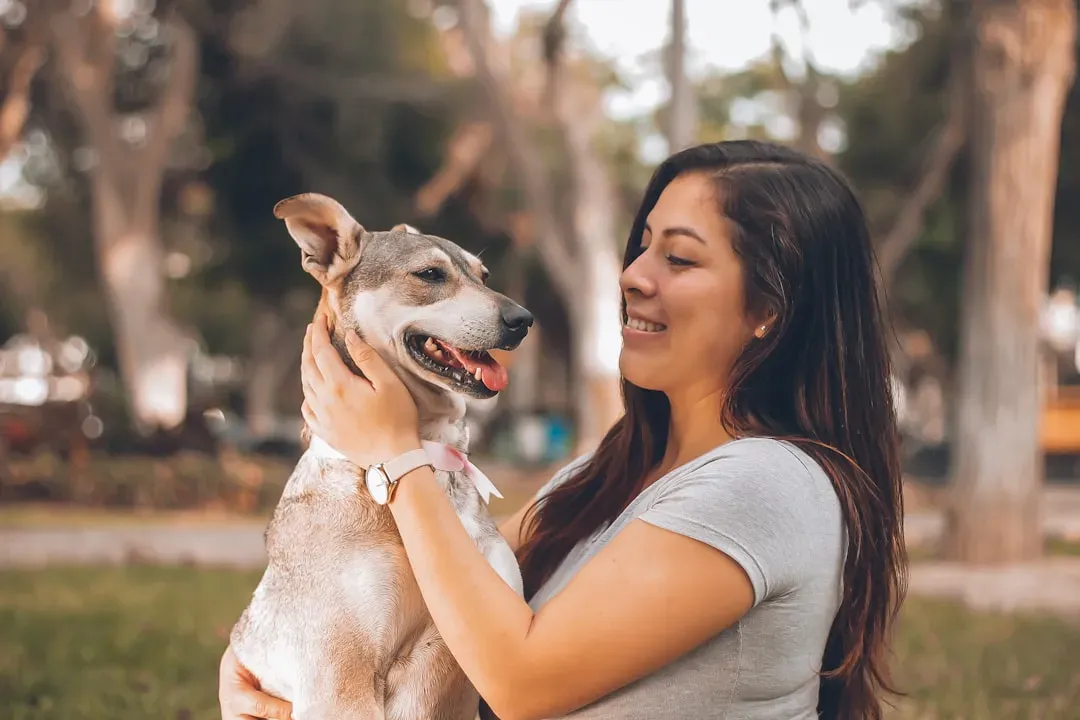
What your dog associates with you is not just one thing – it is the blend of your scent, voice, touch, routines, moods, habits, and quirks. Over time, all of this melts into a kind of emotional fingerprint that belongs only to you. That is why you can move houses, change jobs, switch haircuts, or even be gone for a long time, and your dog can still react to you with a level of recognition and emotion that feels almost shocking.
In my own life, the moment that really hit me was seeing an old family dog, years after I had moved out, lean into me with that familiar full‑body sigh I had not heard since college. He did not remember my schedule, my car, or my old bedroom – but he absolutely remembered how being with me felt. That is the real legacy you are building every day with your dog: not tricks, not toys, but a deep, layered emotional memory of who you are. When you think about it that way, the question almost flips: your dog will remember you for years – but what do you want those memories to feel like?


