
#1. They Press Their Body Against You
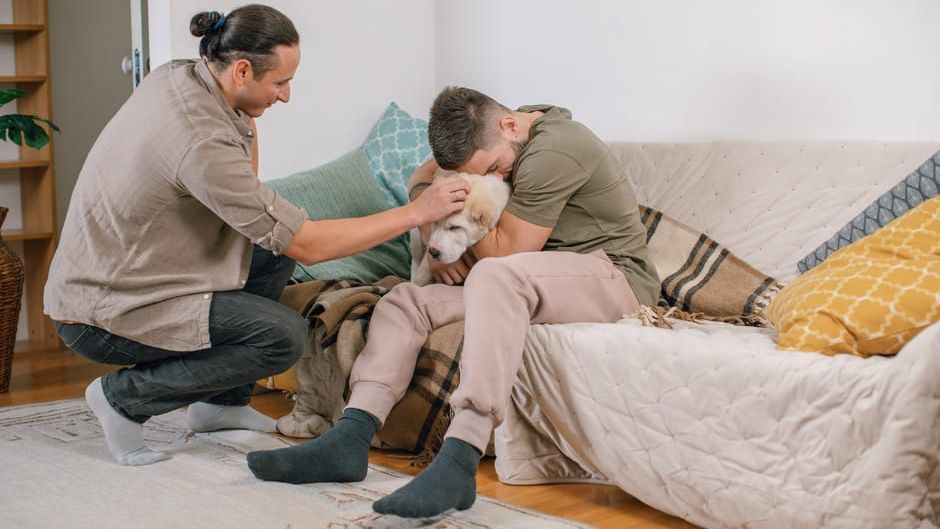
One of the first things many dogs do when they sense something is wrong is close the physical distance between you and them, sometimes dramatically. Certified behavior consultants note that dogs express comfort and affection with other dogs through touch, and they extend that same love language to us. Dogs that like each other will hang out near each other, sometimes pressing up against one another while sitting or sleeping, and because dogs include humans in their social circle, they extend these behaviors of proximity and contact to us too.
When your dog presses their full weight against your legs or leans into your side, it’s a deliberate act of connection, not clumsiness. Leaning on a favorite person provides pressure, which is genuinely comforting. Think of it like a weighted blanket with a heartbeat. For a dog, that sustained physical contact is one of the most honest ways they know how to say: I am right here, and I’m not going anywhere.
#2. They Follow You From Room to Room

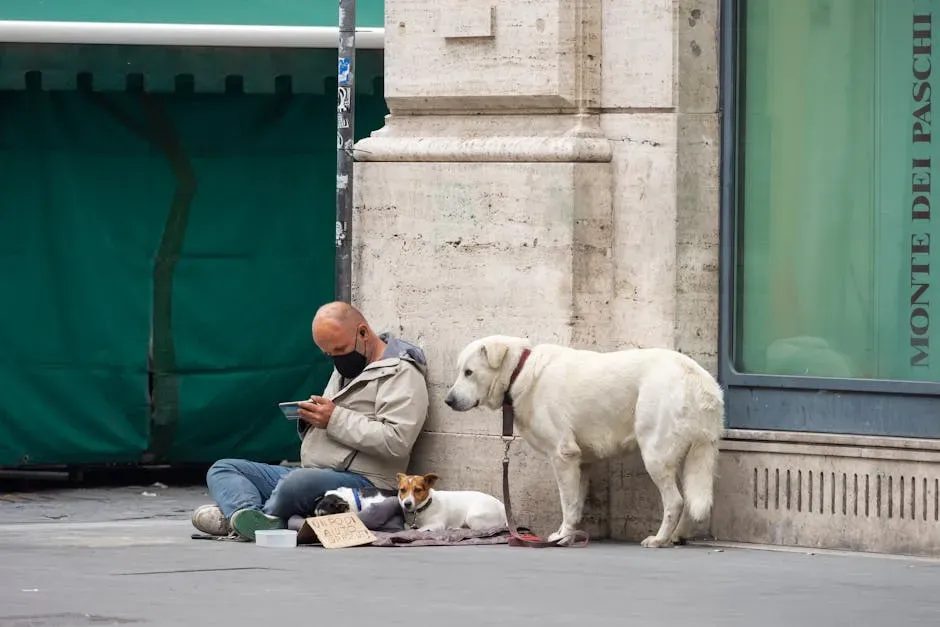
On your worst days, you might notice your dog suddenly turning into your shadow. Every room you move to, they appear. Every time you sit down, they position themselves close, even if they’d normally be napping elsewhere. Dogs often stay close to their owners when they sense sadness, showing a protective instinct. It isn’t clinginess in the anxious sense. It’s more like a quiet, dignified vigil.
Their ability to read body language, tone of voice, and even pick up on the subtle chemical changes in our bodies makes them attuned to negativity. Once they detect something is off, staying near you becomes their priority. They’re not tracking you out of boredom. They’re doing the dog equivalent of sitting beside a friend in a waiting room, not needing to say a word, just refusing to leave.
#3. They Lick Your Face or Hands
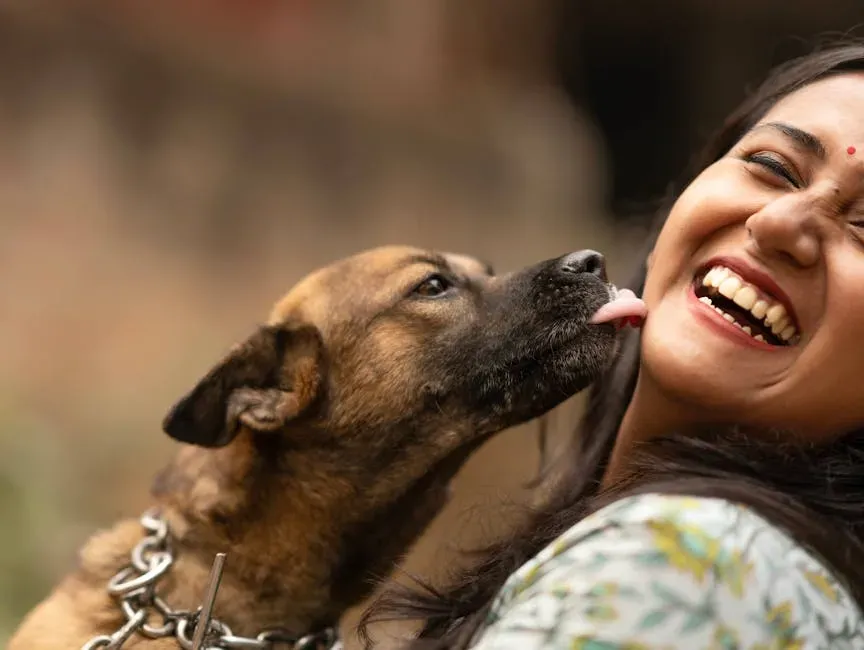
A study published in the journal Animal Cognition showed that some dogs lick humans when trying to comfort them, which is a behavior consistent with empathy and concern. If you’ve ever been crying on the couch and your dog climbed up and started licking your cheeks or your hands, that wasn’t random. They were responding directly to your distress in one of the only ways available to them.
When you’re sad, your dog may start to lick you. Licking is often their way of offering comfort and support, similar to how they might comfort each other within their own pack. It’s rooted in social bonding going all the way back to puppyhood. From their earliest days, puppies rely on licking for nourishment and comfort, and that early association establishes licking as a soothing and nurturing activity. When they turn that behavior toward you, the instinct behind it is ancient and entirely genuine.
#4. They Bring You a Toy

This one always catches people off guard because it can seem almost comedic. You’re sitting in the dark with the weight of the world on you, and your dog trots over and drops a chewed-up tennis ball in your lap. It looks absurd. It’s actually one of the more touching things they can do.
If your dog senses you’re depressed, they may run and get a favorite toy that the two of you often play with together, or they might even exhibit goofy behavior like getting the zoomies or rolling around on the floor. Your pup knows these things have made you laugh and be happy before, and they’re trying their best to make you happy again. It’s a remarkably purposeful gesture from a creature with no words. They’re reaching into their mental archive of “things that made you smile” and pulling something out. That’s not a small thing.
#5. They Make Prolonged, Gentle Eye Contact
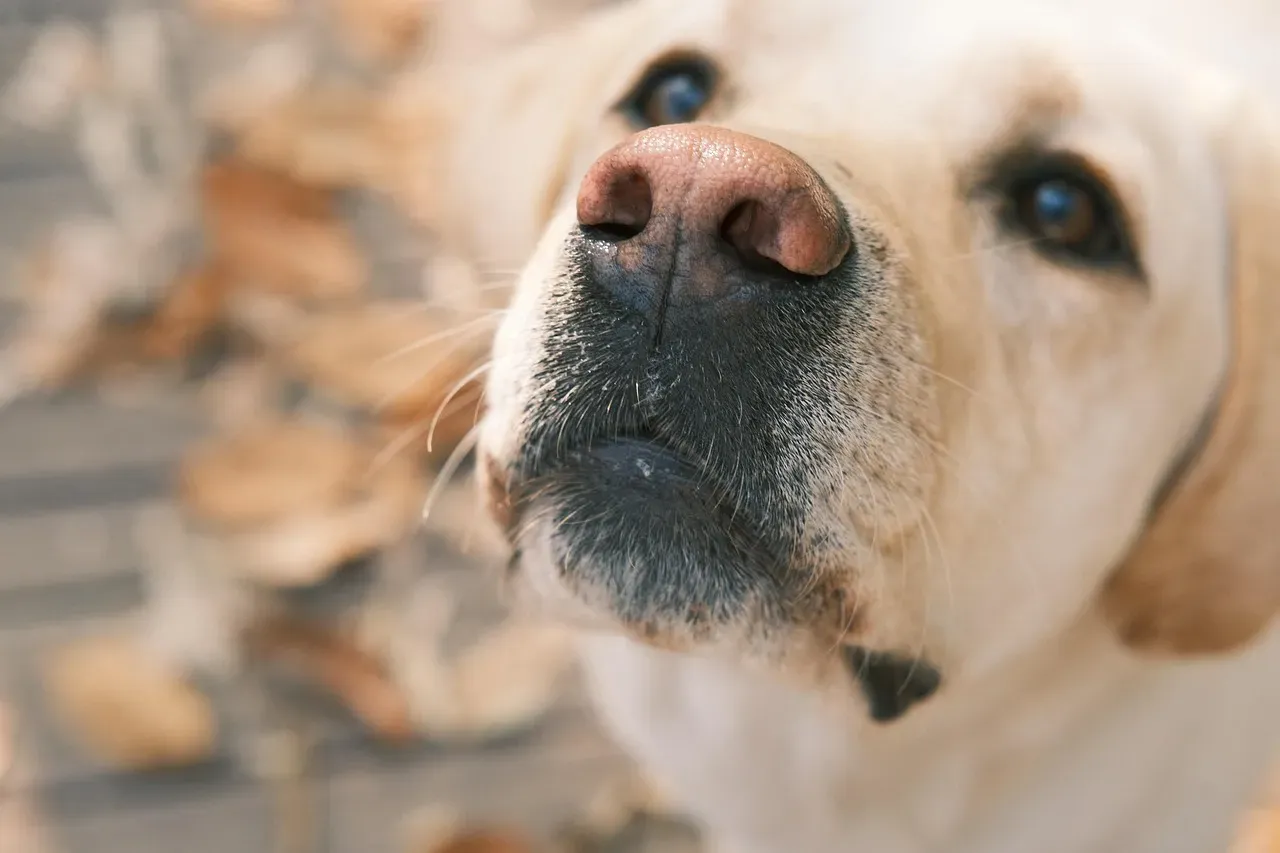
On a normal day, sustained eye contact from your dog might mean they want dinner. On a hard day, it takes on a different quality altogether. Slower. Softer. You’ll know the difference when you feel it. When shown images of human faces, dogs exhibit increased brain activity, and one study found that seeing a familiar human face activates a dog’s reward centres and emotional centres, meaning your dog’s brain is processing your expressions, perhaps not in words but in feelings.
The most remarkable discovery in canine-human bonding may be the chemical connection we share. When dogs and humans make gentle eye contact, both partners experience a surge of oxytocin, often dubbed the “love hormone.” So when your dog holds your gaze on your worst day, both of you are actually being chemically soothed by the act. It’s a loop of comfort that neither of you fully controls, and that’s honestly kind of beautiful.
#6. They Go Unusually Quiet and Calm

Dogs known for being boisterous and energetic can become surprisingly subdued when their owner is struggling. A dog that’s usually energetic may become more subdued when their owner is sad, and they might exhibit signs of restlessness or even show signs of stress themselves. It’s as if they read the emotional temperature of the room and adjust their output accordingly, turning down their usual noise to match the gravity of the moment.
In studies where owners displayed crying behavior in the presence of dogs, dogs looked at and approached their owners and engaged in licking and nuzzling behavior, indicating that human crying can transmit emotional valence to the dogs and that dogs recognize and react to human emotional changes. That shift to a calmer, quieter presence isn’t a coincidence. Your dog is modulating their behavior around your pain, which is a genuinely sophisticated social response.
#7. They Nuzzle Into You or Rest Their Head on You
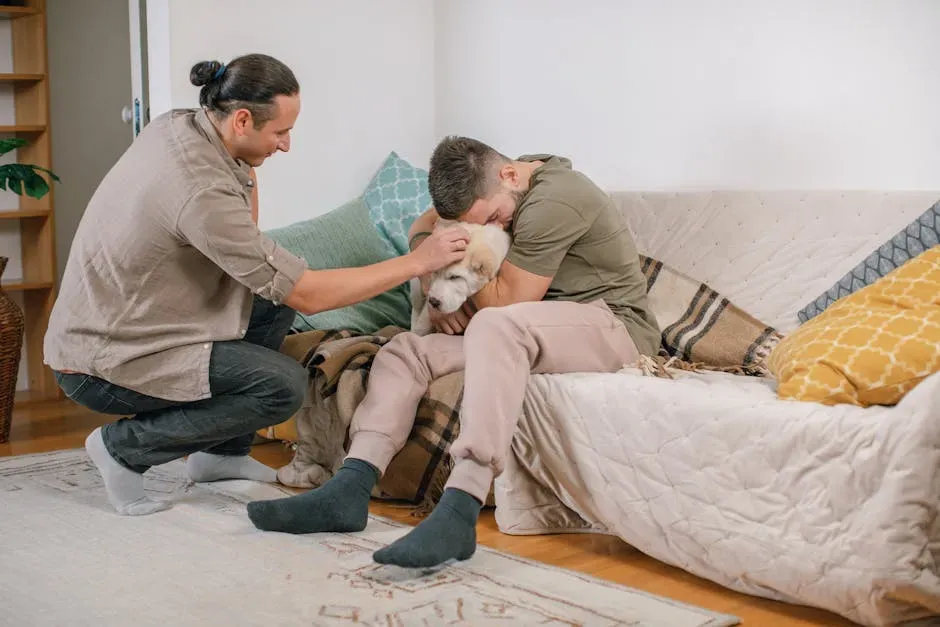
There’s something particularly disarming about a dog resting their chin on your knee and just staring up at you. Many dogs lean into their owners or rest their heads on them when they sense distress. Some exhibit calming behaviors like licking or staying unusually close. It’s a posture of pure, uncomplicated connection, offered without expectation of anything in return.
When your dog senses you’re sad and need to be comforted, they will often approach you very gently. That gentleness matters. Dogs who are ordinarily rough-and-tumble can shift to almost delicate handling of you when they sense you’re fragile. They calibrate their approach. It’s the kind of situational awareness that makes you realize how much they’ve been watching, and how much they’ve learned about you specifically.
#8. They Whine or Vocalize Softly

Dogs respond not just to any sound, but to the emotional tone of your voice. Brain scans reveal that emotionally charged sounds, including a laugh, a cry, or an angry shout, activate dogs’ auditory cortex and the amygdala, a part of the brain involved in processing emotions. When you’re in visible distress, some dogs respond with soft whining or gentle vocalizations of their own. It sounds like concern, because it is.
Previous research has shown that when humans cry, their dogs also feel distress. More recent study findings show that dogs not only feel distress when they see their owners are sad but will also try to do something to help. That soft whine you hear is your dog processing your pain alongside you. They’re not performing it. Emotional contagion is a primitive form of empathy and does not need higher psychological functions to be real. Your dog is genuinely feeling the weight of your moment.
#9. They Give You Space, But Stay Nearby

Not every dog responds to a bad day by piling on top of you. Some do something that can feel confusing at first: they give you room. They settle a few feet away, watching you, alert but not intrusive. It can read as indifference. It is anything but. Some dogs may give their owners space if they sense any emotional upheaval, and it’s not because your dog doesn’t care. Dogs often give other dogs space when they sense a member of their pack is in emotional distress, and your dog is trying to give you a respectful amount of space to process your own emotions.
While some dogs lick their owners to provide comfort when they’re sad, others might react differently. Some dogs will sense sadness and choose to give space, as they may pick up on the fact that you’re feeling vulnerable or upset. In these cases, your dog might create distance because they’re unsure of how to help or because they don’t want to exacerbate your emotions. Either way, whether they’re pressed against you or sitting a respectful three feet away, the intention is the same. They know. They’re paying attention. They haven’t left.
A Final Thought Worth Sitting With

What strikes me most about all of this isn’t the science, compelling as it is. It’s the loyalty embedded in these behaviors. The bond between humans and dogs is one of the most cherished and studied relationships in the animal kingdom, and dogs have long been recognized for their remarkable ability to offer comfort and support during times of distress. They didn’t learn this from a book. They learned it from watching you, every single day.
The answer to how dogs became so attuned to human emotions lies in their evolutionary journey alongside us. Dogs have smaller brains than their wild wolf ancestors, but in the process of domestication, their brains may have rewired to enhance social and emotional intelligence. Thousands of years of living beside us shaped them into creatures who feel us, not just see us.
On your worst days, when everything feels like it’s caving in, your dog already knows. They don’t need you to explain it. They don’t need you to hold it together. They just need to be near you, and honestly, that might be exactly what you need too. Some forms of comfort don’t require words, and dogs figured that out long before the rest of us did.


