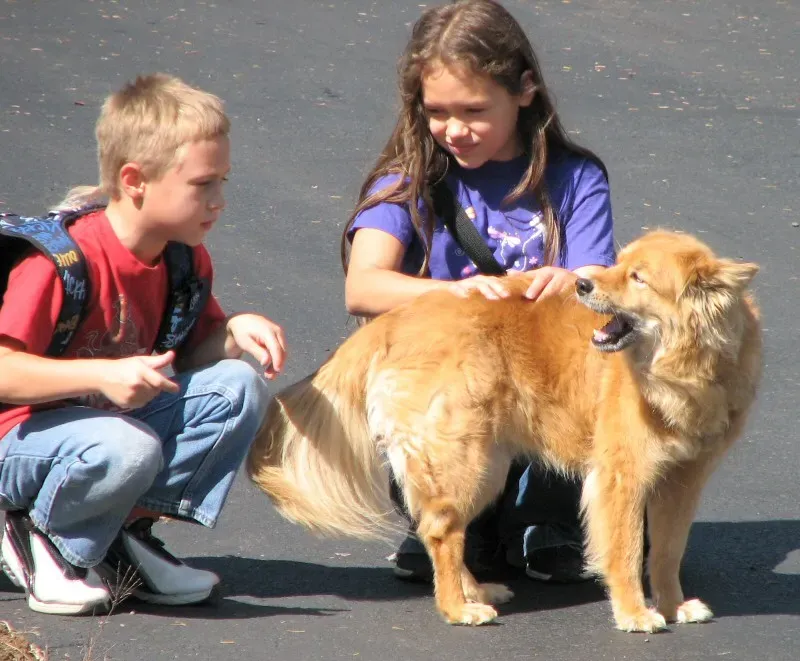
Bringing a new dog into your home is an exciting journey filled with joy and challenges. The initial 30 days are crucial, as your canine companion is keenly observing and learning about you, forming impressions that will influence your lifelong bond. Understanding what your dog perceives during this period can help you foster a loving and trusting relationship.
Your Consistency and Routine
Your Consistency and Routine (Image Credits: Pexels)Dogs thrive on predictability. In the first month, they closely monitor your daily routines – when you wake up, feed them, go for walks, and settle down for the night. Establishing a consistent schedule provides them with a sense of security and helps them understand what to expect from you.For instance, feeding your dog at the same times each day and maintaining regular walk schedules can significantly reduce anxiety and build trust. This consistency signals to your dog that you are a reliable caregiver, laying the foundation for a strong bond.
Your Tone and Communication Style
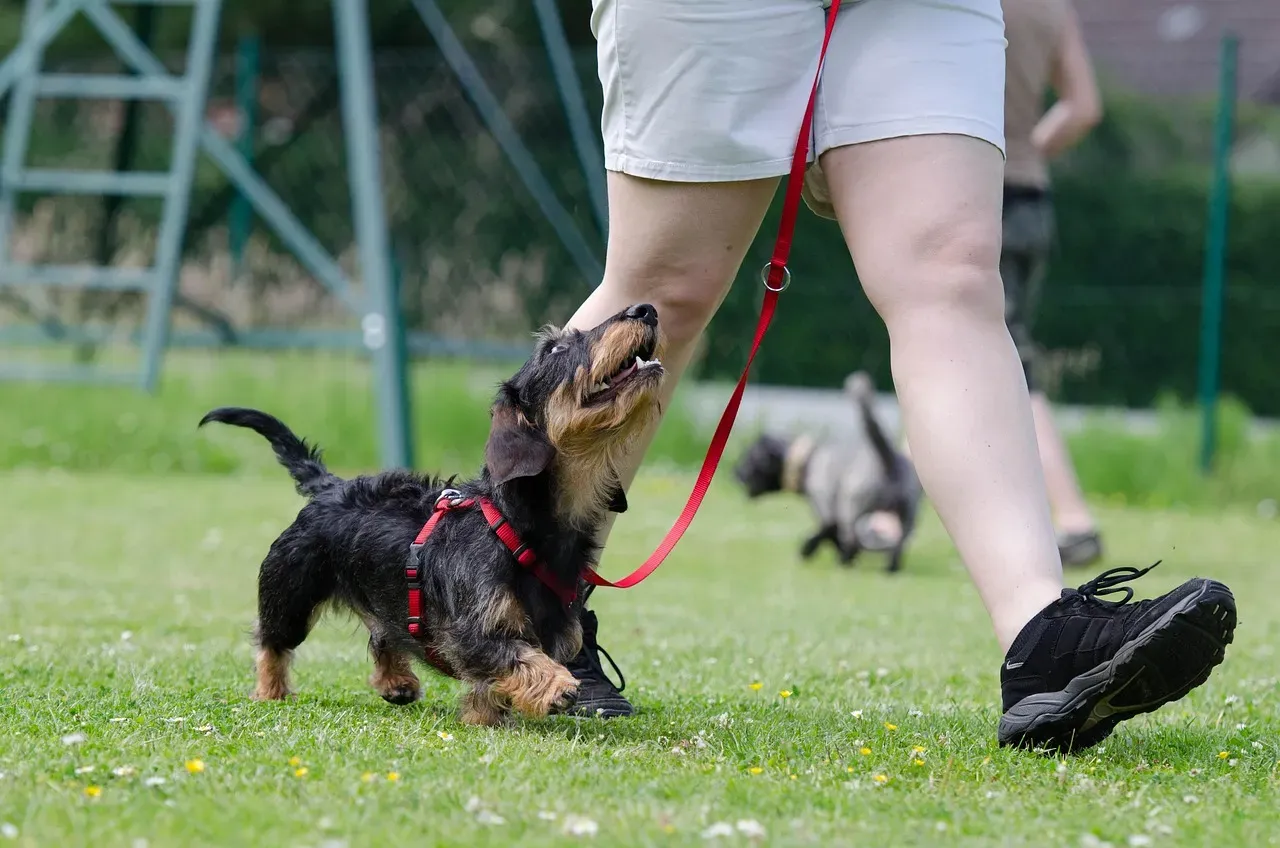
Your Tone and Communication Style (Image Credits: Pexels)Dogs are incredibly attuned to human vocal tones and body language. During the initial days, they learn to interpret your voice’s nuances – distinguishing between praise, commands, and corrections. A calm and positive tone encourages them to respond favorably and feel secure in your presence.Conversely, harsh or inconsistent communication can lead to confusion and anxiety. By maintaining a gentle and clear communication style, you help your dog understand your expectations and reinforce positive behaviors.
Your Patience and Temperament
Your Patience and Temperament (Image Credits: Pexels)Adjusting to a new environment is stressful for dogs. They observe how you react to their mistakes, such as accidents during house training or chewing on inappropriate items. Your patience during these moments teaches them that they are safe and loved, even when they err.Demonstrating understanding and calmly redirecting unwanted behaviors helps build their confidence and trust in you. This approach fosters a positive learning environment where your dog feels encouraged to engage and bond with you.
Your Affection and Attention
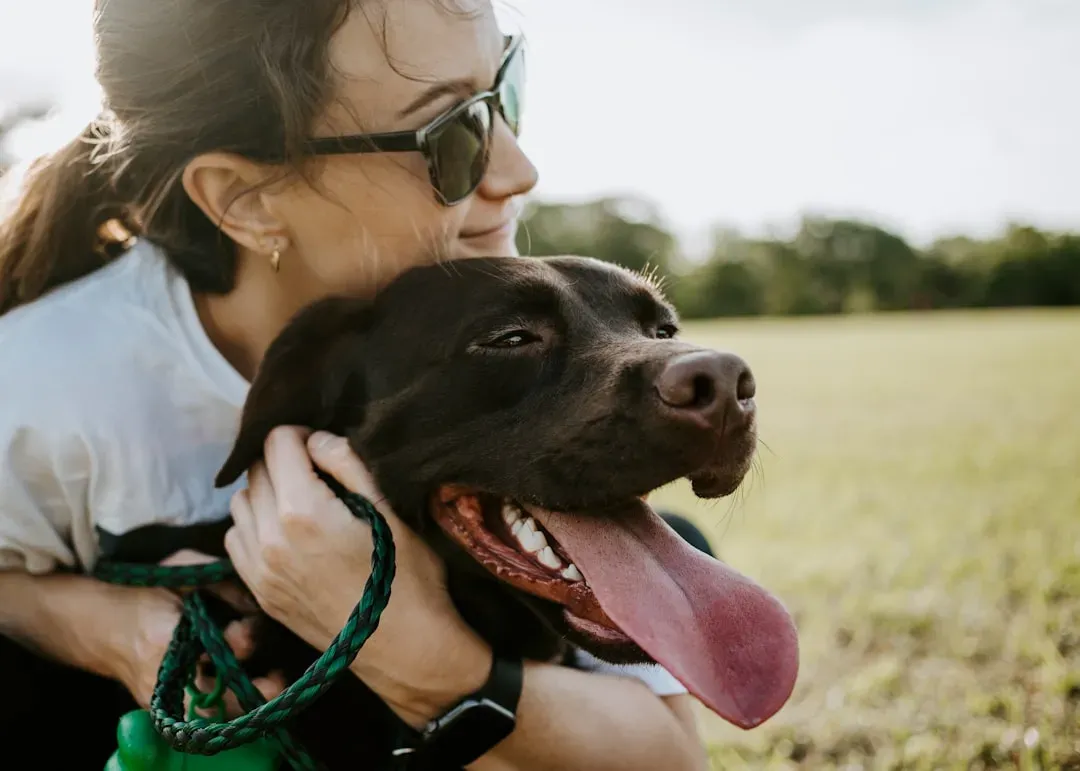
Your Affection and Attention (Image Credits: Unsplash)The amount and quality of attention you provide are crucial in shaping your dog’s attachment to you. Regular playtime, petting, and verbal affirmations signal to your dog that they are valued members of your family.Neglect or inconsistent affection can lead to feelings of insecurity. By dedicating time to interact and bond with your dog daily, you reinforce their sense of belonging and strengthen your mutual affection.
Your Leadership and Guidance
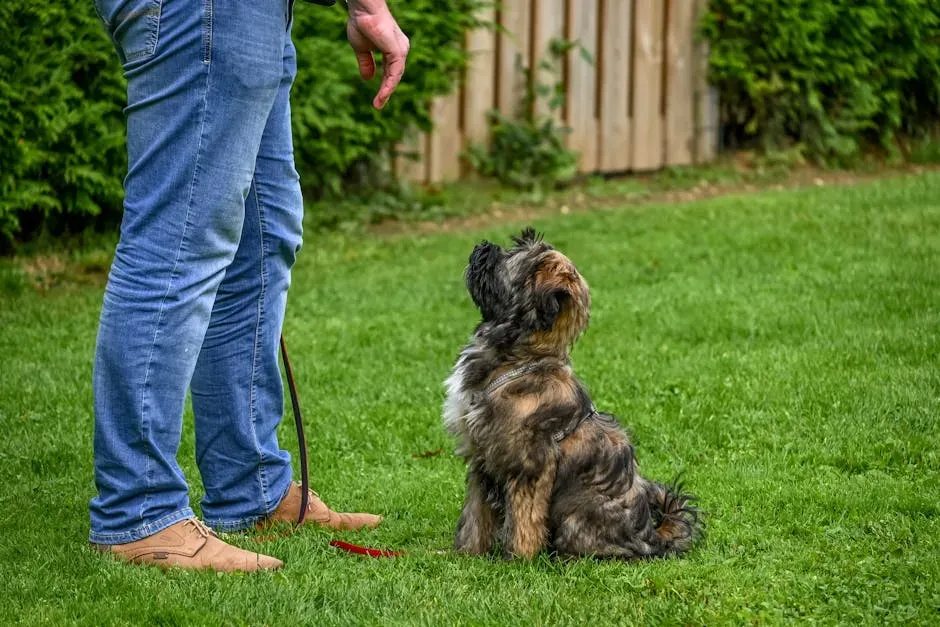
Your Leadership and Guidance (Image Credits: Pixabay)Dogs look to their owners for leadership. In the first month, they assess whether you provide clear guidance and set boundaries. Consistent training and setting rules help them understand their place in the household hierarchy.For example, teaching basic commands like “sit” and “stay” establishes your role as a leader and provides structure. This leadership fosters respect and a sense of security, as your dog knows they can rely on you for direction.
Your Reactions to New Experiences
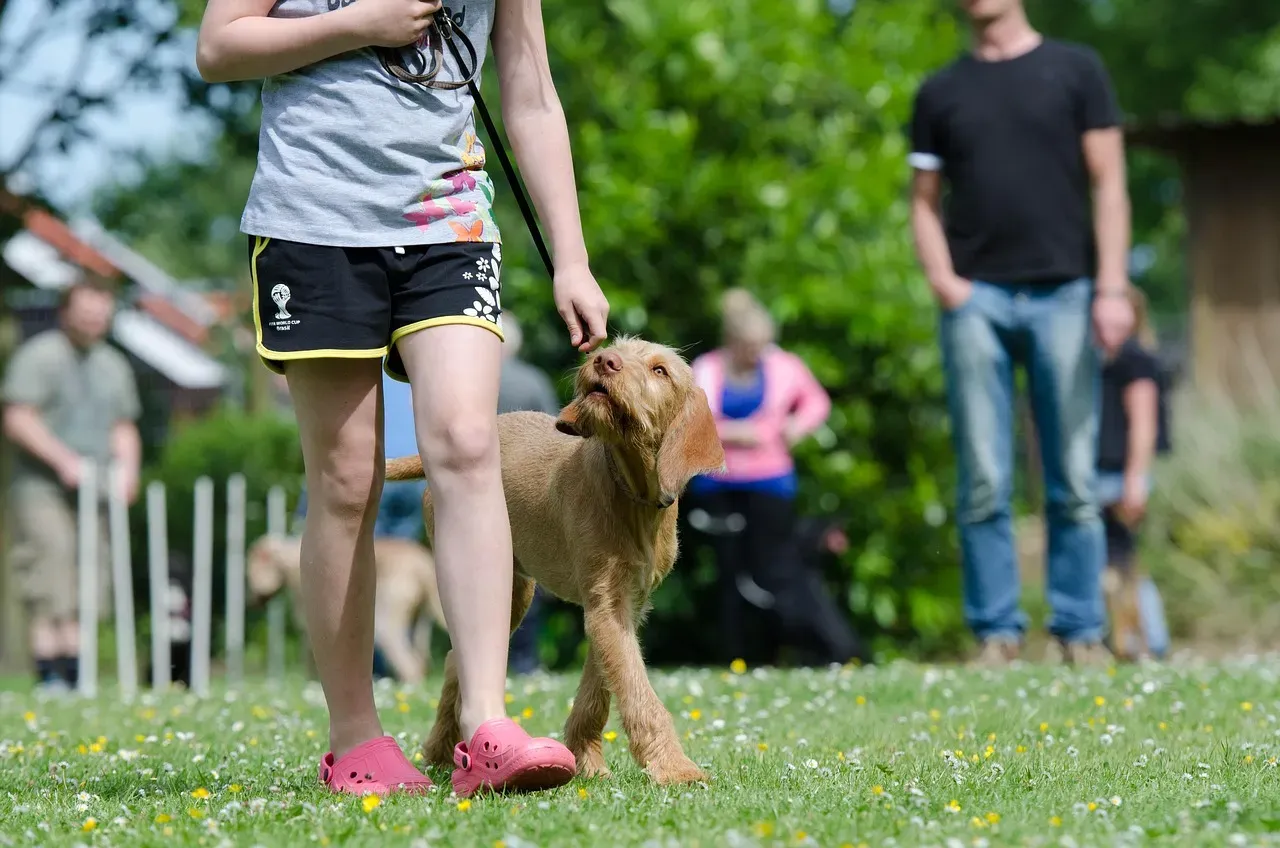
Your Reactions to New Experiences (Image Credits: Pixabay)Dogs are sensitive to how you respond to new situations, people, or environments. If you remain calm and composed, they are more likely to feel at ease and confident. Your reactions serve as cues for how they should behave in unfamiliar circumstances.For instance, if you encounter another dog during a walk and handle the situation calmly, your dog learns to trust your judgment and feels secure. This trust is essential for their emotional well-being and your ongoing relationship.
Your Availability and Presence
Your Availability and Presence (Image Credits: Unsplash)The time you spend with your dog during the first 30 days significantly impacts their attachment to you. Being present, especially during feeding, play, and rest times, helps them associate you with positive experiences.If you’re frequently absent or inattentive, your dog may feel neglected, which can hinder the development of a strong bond. Consistent presence and engagement reassure your dog of your commitment and love.
Your Responses to Their Needs
Your Responses to Their Needs (Noël Zia Lee, Flickr, CC BY 2.0)Dogs communicate their needs through various behaviors, such as whining when they need to go outside or bringing a toy when they want to play. Your attentiveness to these cues teaches them that their needs will be met, reinforcing trust and affection.Ignoring or misinterpreting these signals can lead to frustration and anxiety. By responding appropriately, you show your dog that you understand and care for them, strengthening your bond.
Your Handling of Stress and Conflict
Your Handling of Stress and Conflict (Image Credits: Unsplash)Dogs are perceptive to your emotional states. They observe how you handle stress, conflicts, or challenges. Remaining calm and composed during difficult times teaches your dog to trust your stability and leadership.If you react with anger or frustration, your dog may become anxious or fearful. Modeling positive coping mechanisms helps your dog feel secure and reinforces a loving relationship.In conclusion, the first 30 days with your new dog are pivotal in shaping the nature of your lifelong bond. By being consistent, patient, affectionate, and attentive, you lay the groundwork for a relationship built on trust and love. Remember, your dog is always learning from you – make each lesson one that fosters a deep and enduring connection.