
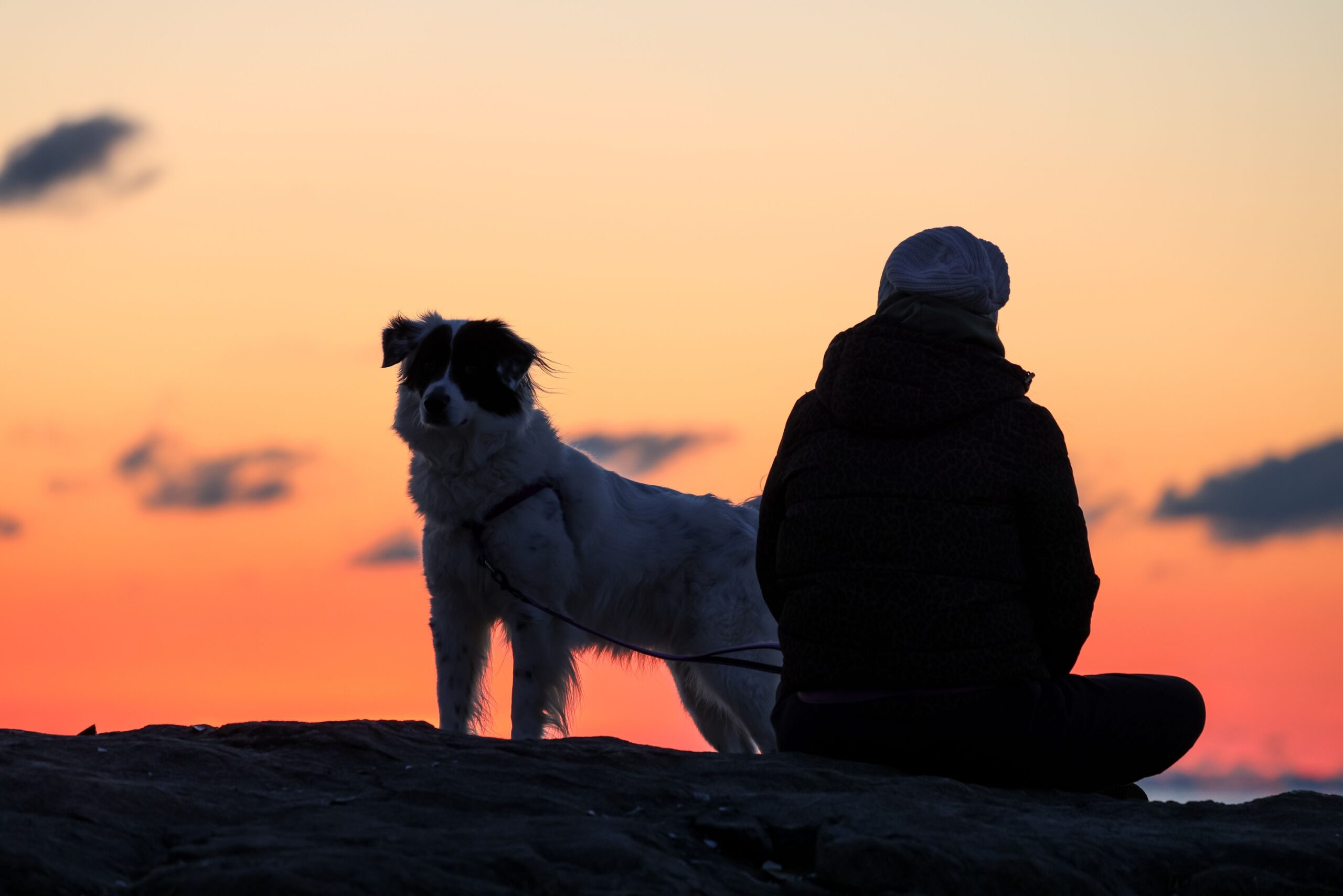
Leaving your dog behind for the day often feels like a small betrayal, even when work or errands pull you out the door. Dogs form deep attachments, and the quiet house they return to holds reminders of everything that changes in your absence.
Understanding what they long for can help you ease those moments and strengthen the bond you share. Here are nine things that tend to stand out most for them.
Your Familiar Voice
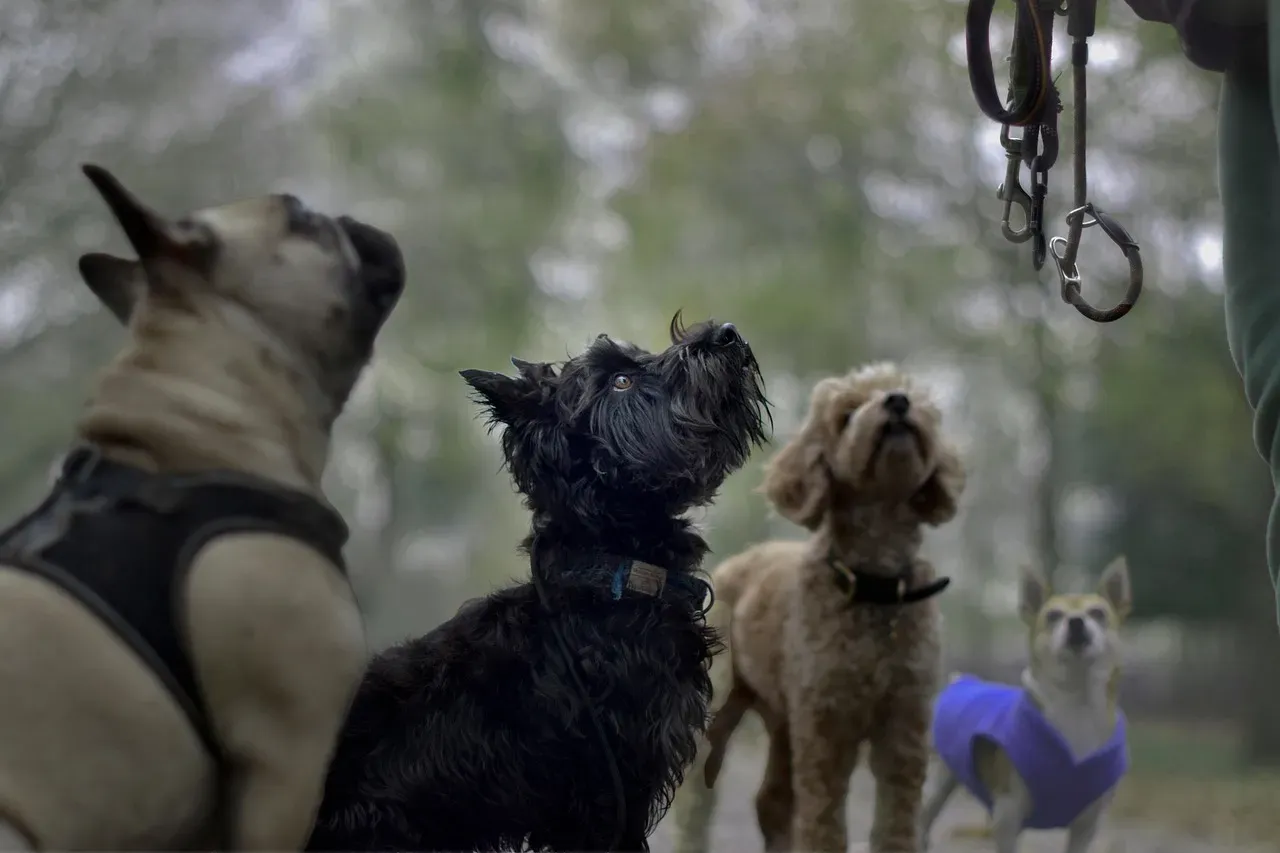
Dogs tune into the cadence of your speech more than most people realize. They pick up on the way you call their name or chat during everyday tasks, and that steady sound becomes part of their sense of security. Without it, the house can feel oddly silent.
Many dogs perk up at recordings of their owner’s voice during separation, showing how much those tones matter. You might notice them tilting their head or settling near a phone left playing soft conversation. Simple voice notes left on a speaker can bridge the gap on longer days.
Daily Walks and Outdoor Time
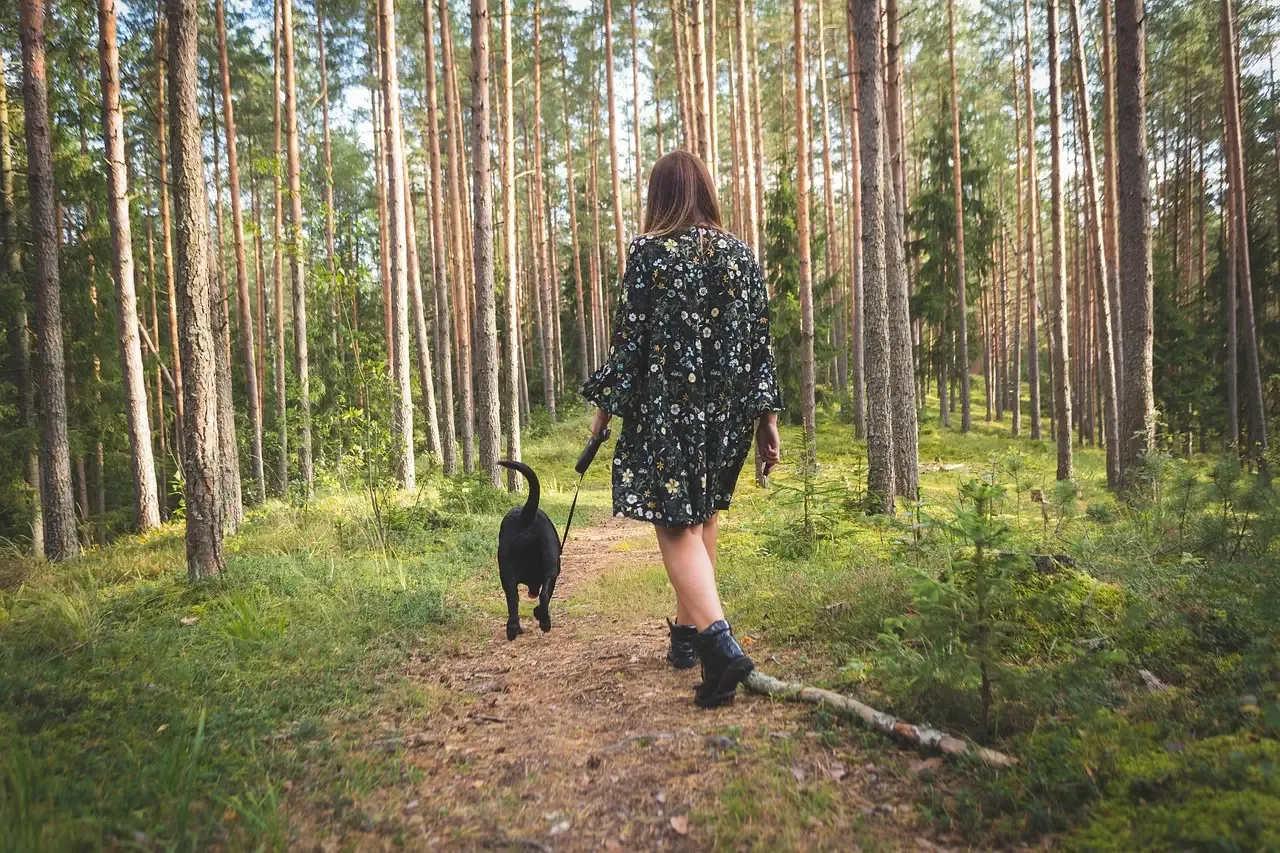
Those regular strolls around the block do more than burn energy. They mark territory, offer fresh scents, and give your dog a chance to explore with you at their side. Missing that shared rhythm leaves a noticeable hole in their routine.
Watch for pacing or extra barking when walks get skipped. A midday dog walker or even a quick backyard session before you leave can keep their spirits steadier. The exercise also supports joint health and reduces restlessness later.
Playtime and Interactive Games
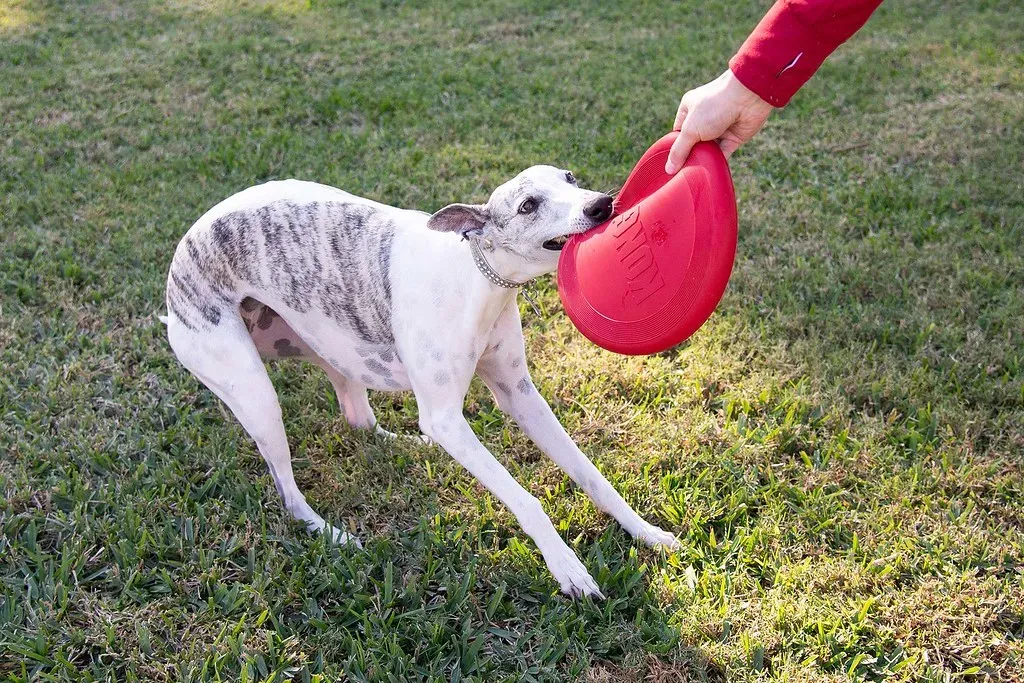
Tug of war or fetch sessions turn ordinary afternoons into moments of pure joy. Your dog learns to read your movements and anticipates the next throw, building a shared language through play. Those bursts of fun keep their minds sharp and their bodies active.
Without them, some dogs chew more or seem listless by evening. Puzzle toys filled with treats offer a decent stand in, though nothing quite replaces the back and forth with you. Short training games before you head out can carry that energy forward.
Physical Affection and Cuddles
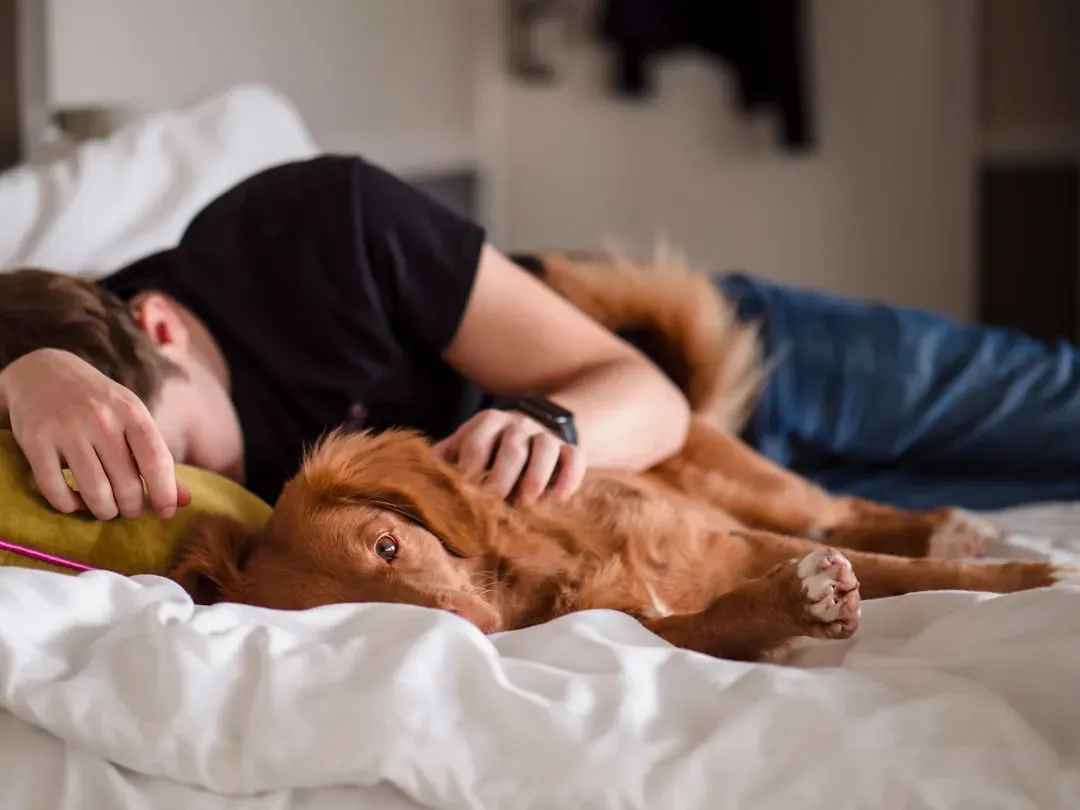
Leaning against your leg or curling up on the couch provides comfort that goes beyond simple touch. Dogs release calming hormones during these close moments, and the absence of that contact can heighten anxiety for some. The warmth of your presence becomes a quiet anchor.
You might see them seeking out your sweater or favorite chair as a substitute. A worn item of clothing left in their bed sometimes helps. Gentle petting sessions right before departure set a calmer tone for the hours ahead.
Mealtime Routines
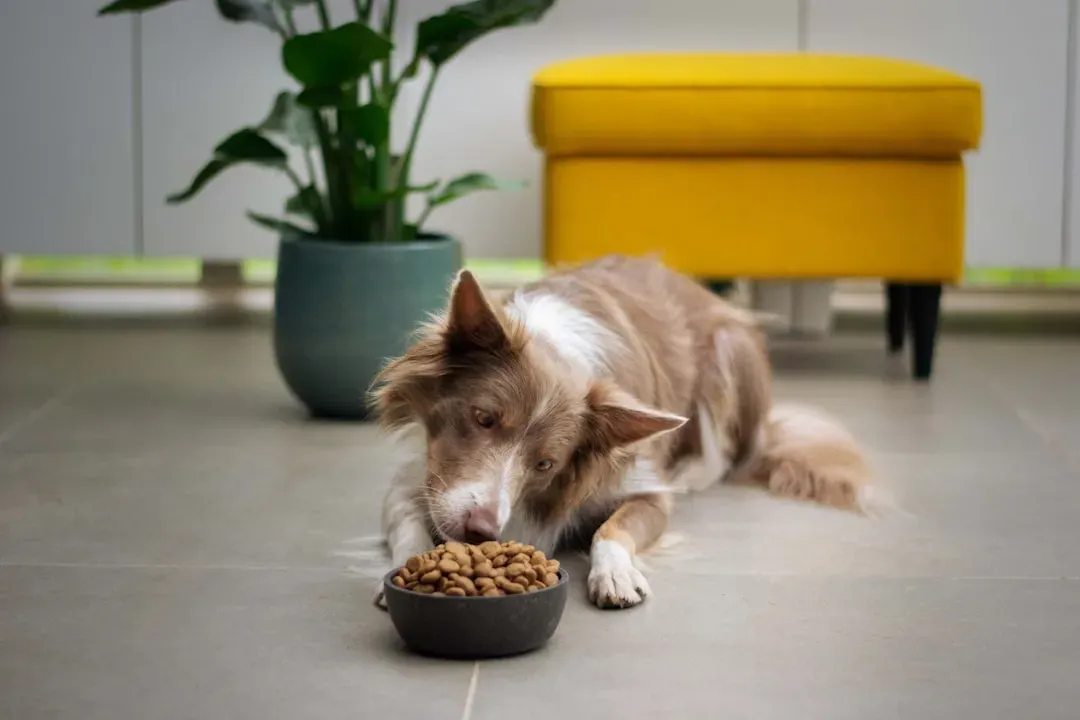
Feeding time carries more meaning than just nutrition. Your dog watches your movements in the kitchen and associates the sound of the bowl with your care. That predictable ritual brings structure to their day.
Skipping it or changing the schedule can lead to digestive upset or extra whining. Automatic feeders work for some households, yet the personal touch of you preparing the meal still matters. A quick check in via camera lets you see how they settle afterward.
Your Unique Scent
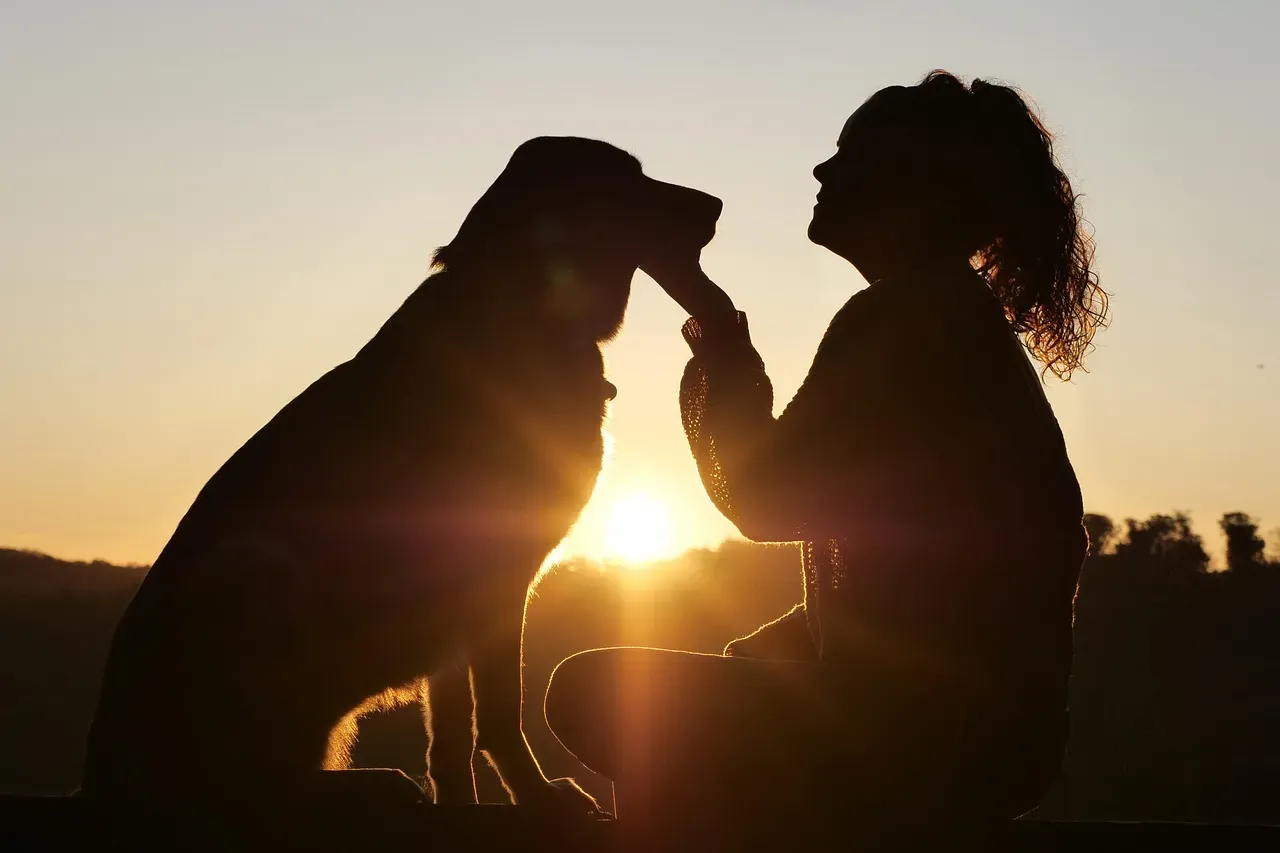
Every home carries layers of smells, and yours stands out to your dog in ways humans cannot detect. They sniff the places you sit or walk, drawing reassurance from those traces. The scent lingers even after you leave, offering a small connection.
Some dogs bury their nose in your laundry or rest near the door where your shoes sit. Leaving an unwashed shirt in their crate can ease the transition. Regular grooming at home also reinforces that familiar smell through shared time.
Mental Stimulation and Training Moments
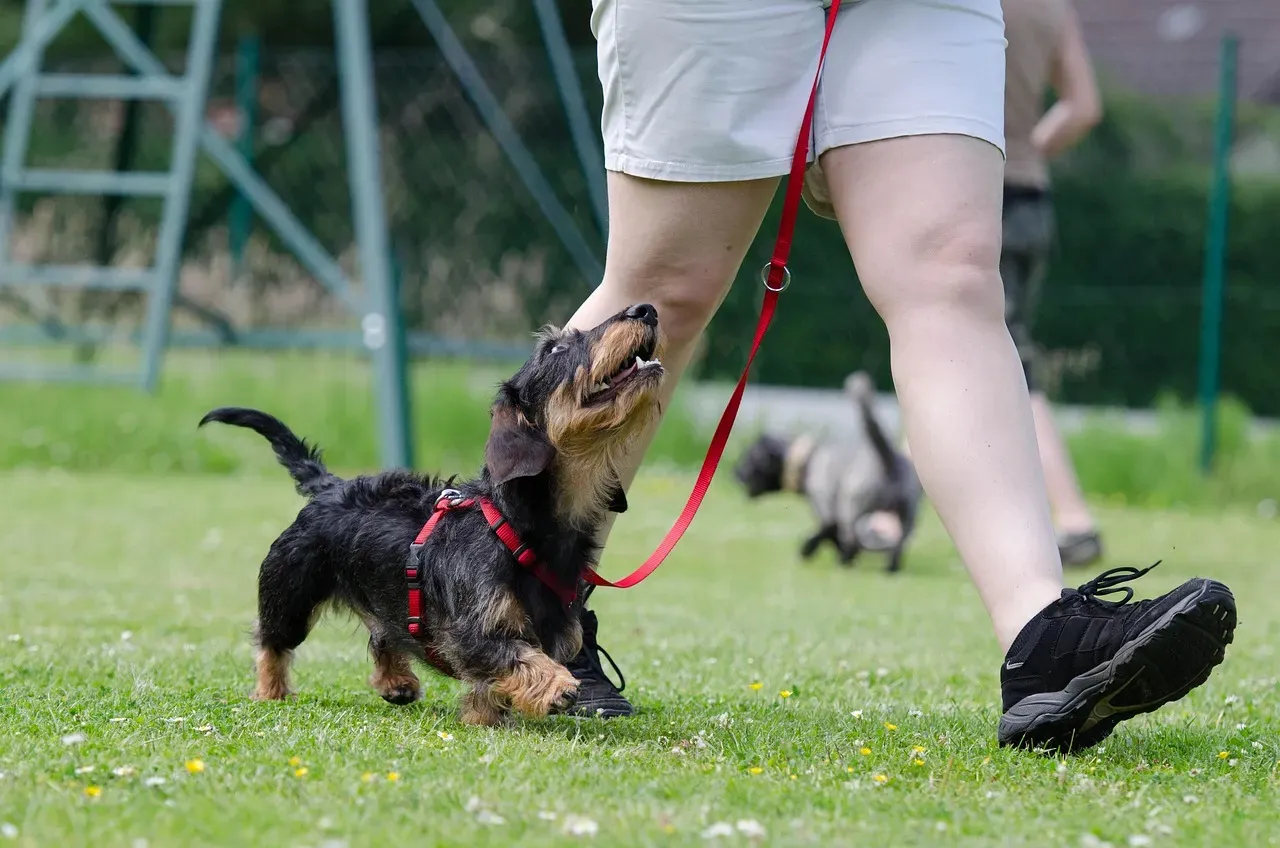
Simple commands or new tricks practiced together keep your dog’s brain engaged. They enjoy the focus and the praise that follows success. Those short lessons build confidence and deepen your teamwork.
Boredom often shows up as destructive chewing or excessive licking when stimulation drops. Scatter feeding or scent work games provide alternatives during the day. A few minutes of focused attention before you go can make a real difference.
Quiet Companionship
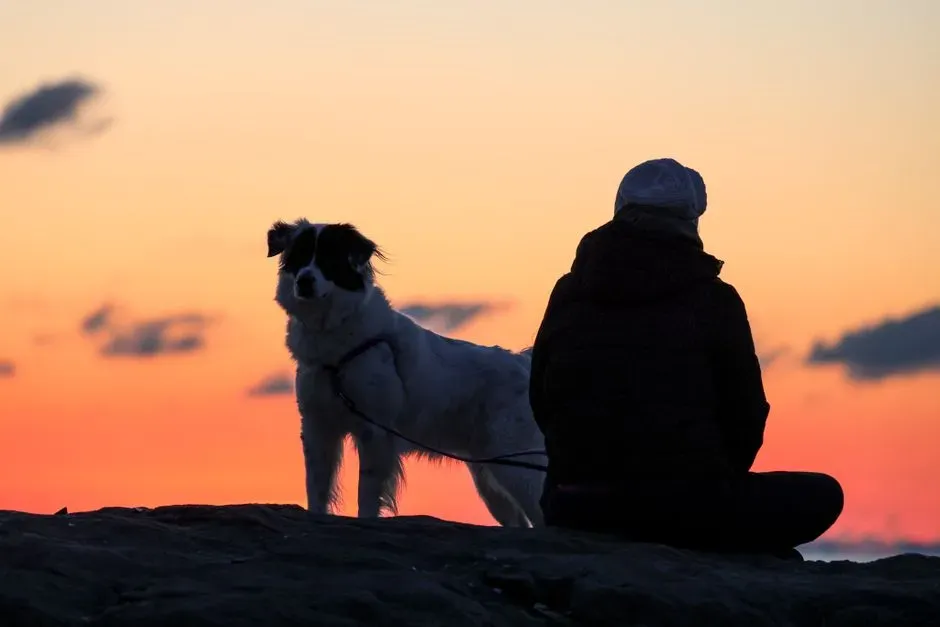
Sometimes dogs simply want you nearby, even during low key hours. They follow you from room to room and settle once they know you are close. That steady presence signals safety without any need for activity.
Long absences can lead to increased vigilance or sleep disruptions. A dog camera with two way audio lets you offer a quick word of reassurance. Consistent return times help them learn the pattern and relax more easily.
Shared Adventures and New Experiences
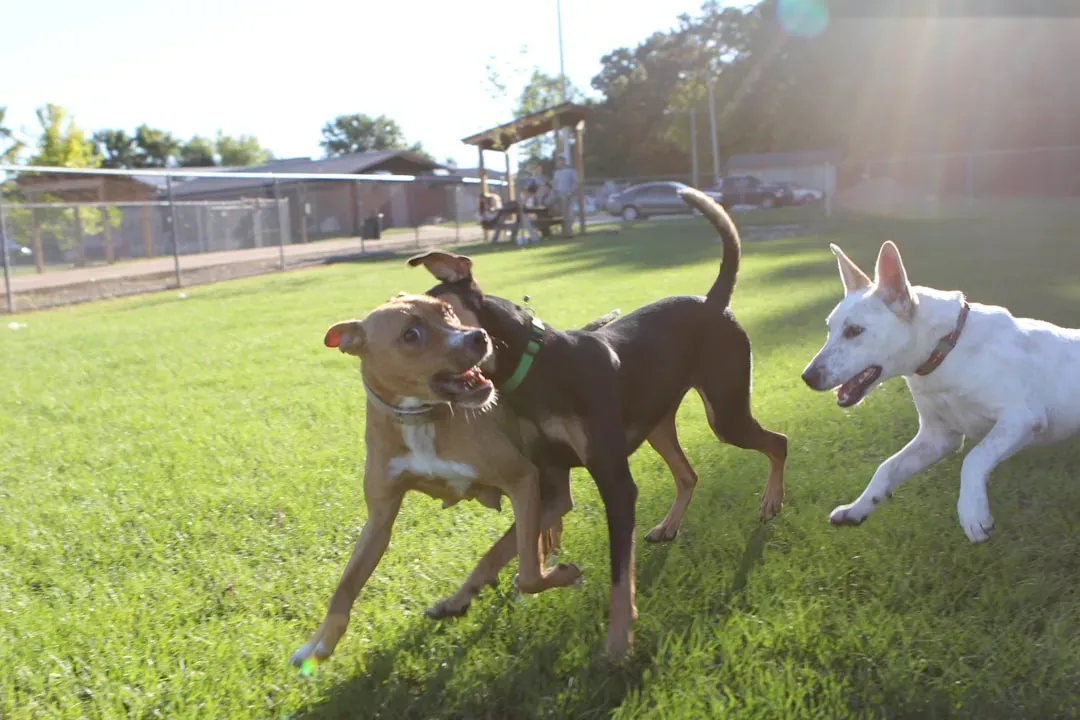
Car rides to the park or visits to new places create lasting excitement. Your dog remembers the smells, sounds, and your reactions along the way. Those outings break up the ordinary and strengthen your partnership.
Without them, some dogs grow more hesitant around novel situations. Planning weekend trips together keeps the spark alive. Even short errands run as a team can satisfy that need for shared discovery.
Strengthening the Bond Every Day
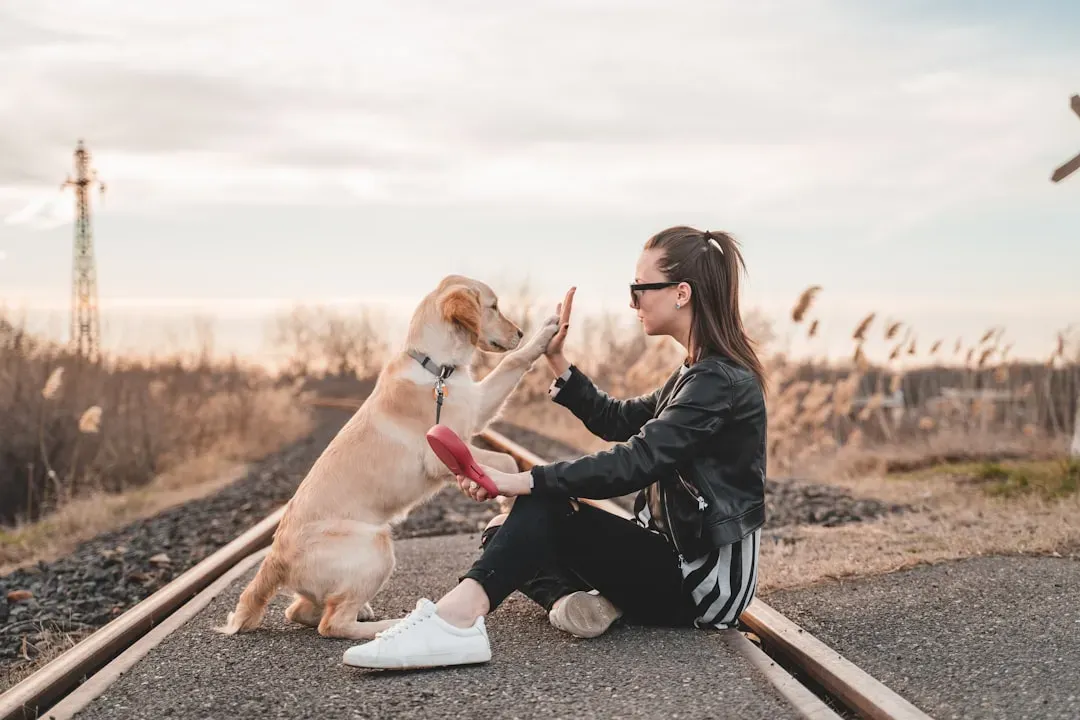
Recognizing these missing pieces helps you build small habits that support your dog through separations. Consistent routines, thoughtful enrichment, and quality time upon return all add up. Your dog notices the effort and responds with trust.
Over time, these adjustments create a calmer home for everyone. The connection you share grows stronger when both of you feel understood. That quiet loyalty deserves the care you already give so freely.


