

Ever wondered how your dog seems to have an uncanny ability to judge new visitors before a single word is exchanged? Dogs possess a remarkable sensitivity to human cues, allowing them to assess strangers swiftly and accurately. Let’s delve into the nine key aspects your canine companion evaluates when someone new enters your home.
Body Language and Posture

Dogs are adept at reading human body language. They observe how a person stands, moves, and gestures to gauge their intentions. A relaxed posture with open gestures often signals friendliness, while stiff movements or towering stances might be perceived as threatening.
For instance, a guest who leans over a dog or makes direct, prolonged eye contact can inadvertently intimidate the animal. Conversely, someone who crouches down to the dog’s level and avoids sudden movements is more likely to be seen as approachable.
Facial Expressions

Facial cues play a significant role in canine assessments. Dogs can discern between a smile and a frown, associating positive expressions with safety and negative ones with potential danger. This sensitivity underscores the importance of maintaining a calm and friendly demeanor around unfamiliar dogs.
Research indicates that dogs are particularly attuned to human emotions, often mirroring the feelings they perceive. A guest’s anxious or tense expression can make a dog uneasy, while a genuine smile can put them at ease.
Vocal Tone and Volume
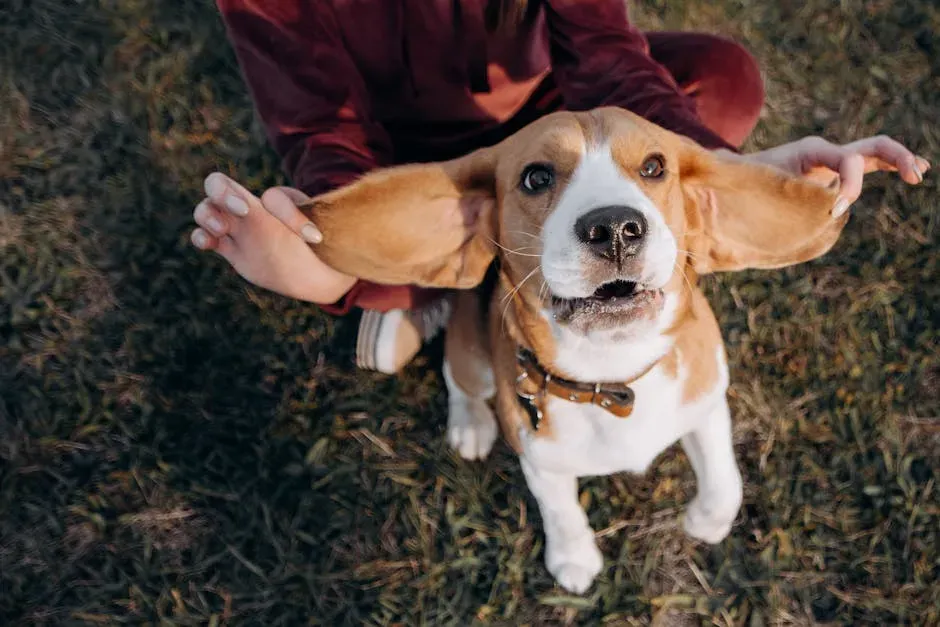
Even before understanding specific words, dogs react to the tone and volume of human voices. A soft, soothing tone can be comforting, whereas loud or harsh tones may cause distress. This auditory sensitivity means that the way a guest speaks can influence a dog’s comfort level.
It’s not just about being loud or quiet; the pitch and cadence also matter. High-pitched, rapid speech might excite a dog, while a low, steady tone can have a calming effect.
Scent and Pheromones

A dog’s sense of smell is incredibly powerful, allowing them to detect subtle chemical signals emitted by humans. They can pick up on pheromones that indicate a person’s emotional state, such as fear or anxiety, which can, in turn, affect the dog’s behavior.
This olfactory prowess means that even if a person appears calm, their scent might tell a different story. Dogs can detect changes in body chemistry associated with stress, illness, or even hormonal fluctuations.
Energy Levels
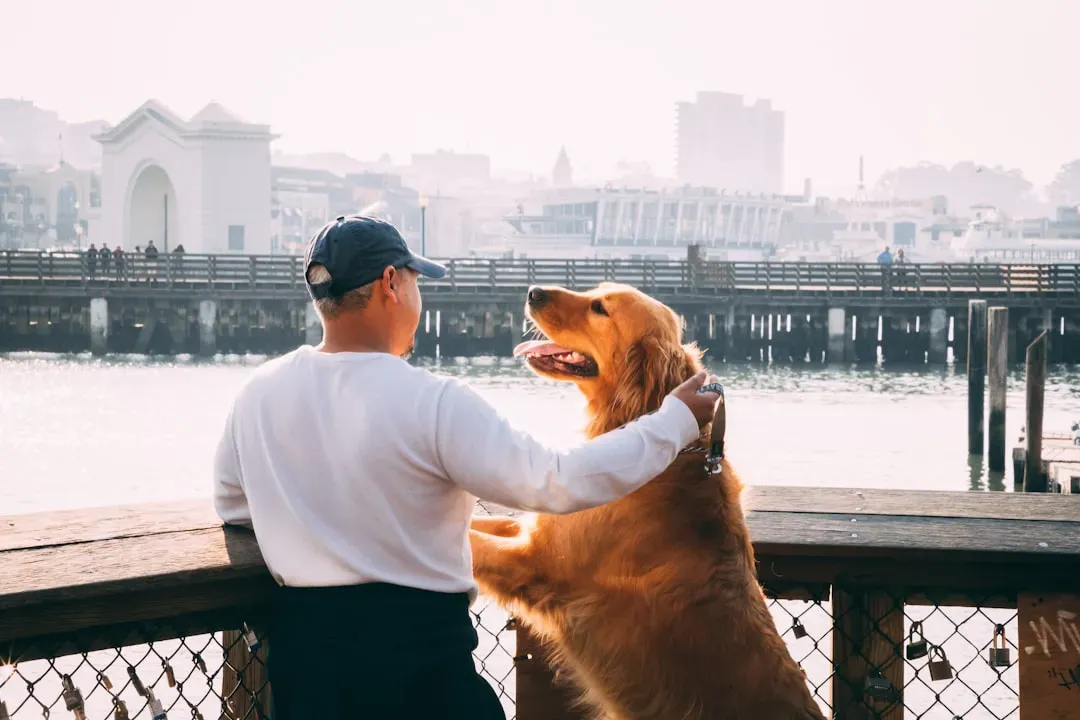
Dogs are sensitive to the energy levels of those around them. A hyperactive guest might make a dog feel overwhelmed, while someone with a calm demeanor can have a soothing effect. This sensitivity helps dogs decide how to interact with new individuals.
For example, a person who enters the home with exuberant energy might inadvertently trigger a dog’s excitement or anxiety. In contrast, a guest who moves slowly and speaks softly is more likely to be perceived as non-threatening.
Previous Experiences

Past interactions play a role in how dogs perceive new people. If a dog has had positive experiences with individuals who share similar traits to the new guest, they’re more likely to respond favorably. Conversely, negative past experiences can lead to wariness or fear.
This learned behavior highlights the importance of socializing dogs with a diverse range of people to foster positive associations and reduce potential biases.
Attire and Accessories

Unusual clothing or accessories can catch a dog’s attention. Items like hats, sunglasses, or bulky coats might make a person appear unfamiliar or even threatening to a dog. It’s not uncommon for dogs to be wary of individuals wearing certain attire until they become accustomed to it.
For instance, a guest wearing a large hat might obscure facial features, making it harder for the dog to read expressions. Removing such items upon entering can help put the dog at ease.
Gait and Movement Patterns
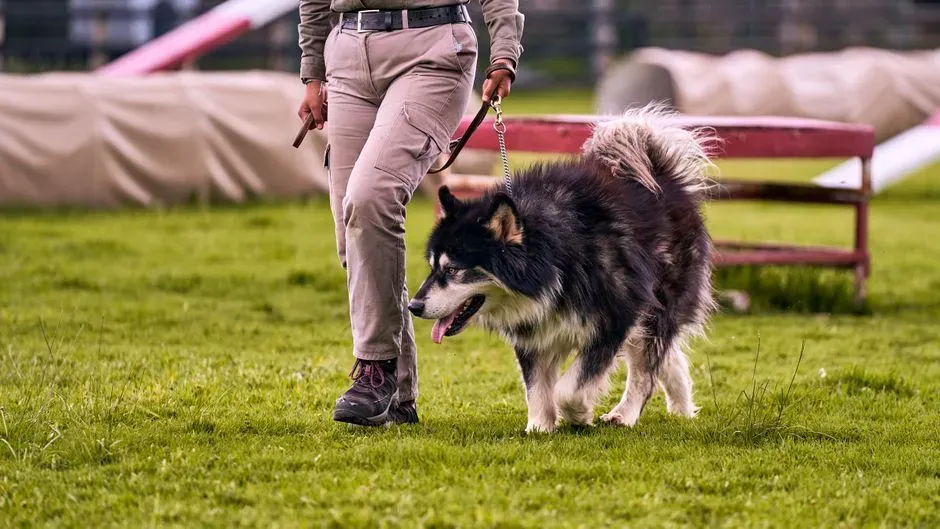
The way a person moves can influence a dog’s perception. Smooth, deliberate movements are generally seen as non-threatening, while erratic or hurried actions might raise a dog’s alertness. Dogs often prefer individuals who move predictably and calmly.
Sudden movements, like reaching out quickly to pet the dog, can startle them. Allowing the dog to approach at their own pace and avoiding abrupt gestures can foster trust.
Eye Contact
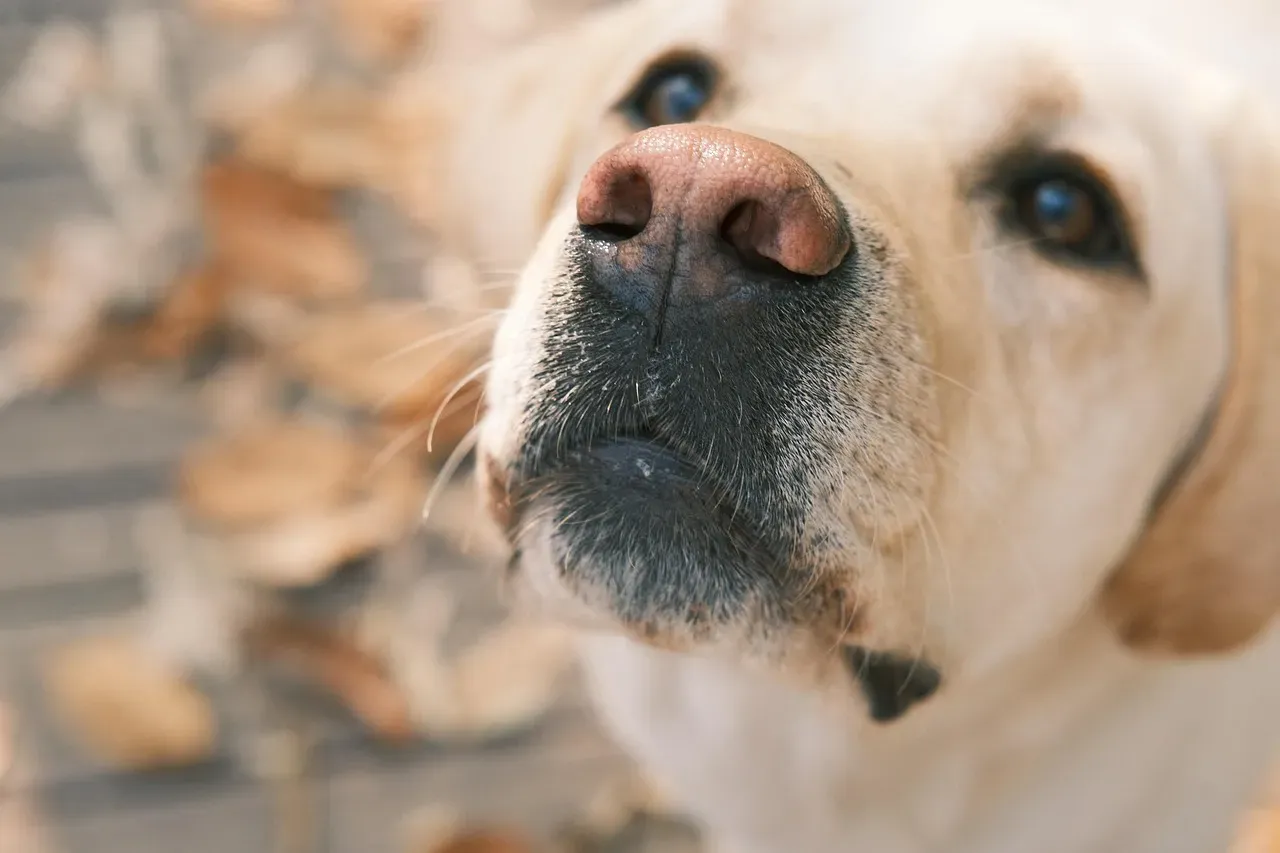
Direct eye contact can be interpreted differently by dogs compared to humans. While humans might see it as a sign of confidence or attentiveness, dogs can perceive prolonged eye contact as a challenge or threat. It’s advisable for new guests to avoid staring directly into a dog’s eyes upon first meeting.
Instead, guests can use a soft gaze or look slightly to the side, signaling to the dog that they are not a threat. This approach can help in building a positive rapport.
Conclusion
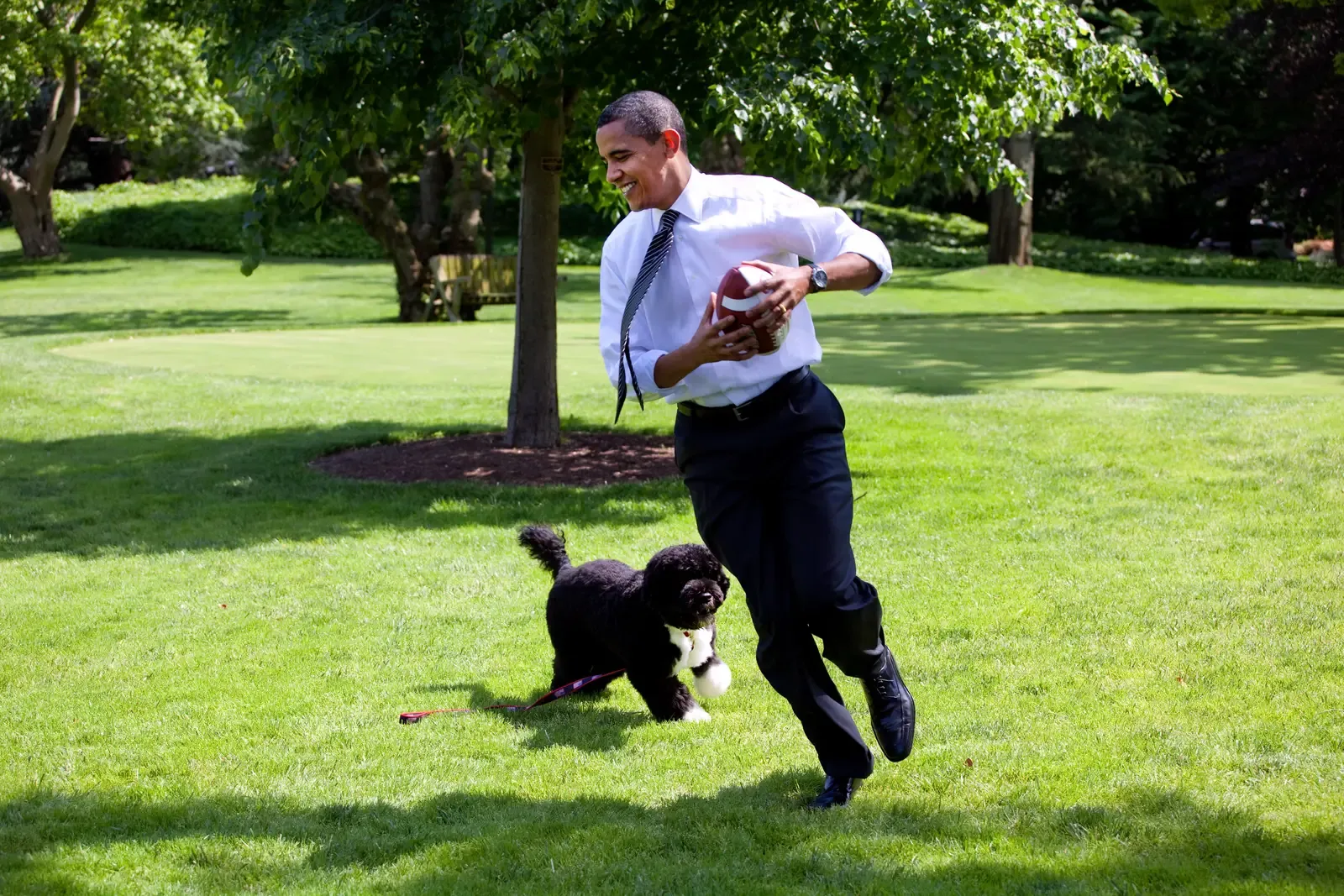
Understanding these nine factors can help you and your guests create a more comfortable environment for your dog when introducing new people. By being mindful of body language, facial expressions, vocal tones, scents, energy levels, past experiences, attire, movements, and eye contact, you can ensure that your canine companion feels safe and secure. After all, isn’t it fascinating how much our furry friends can perceive without a single word being spoken?


