
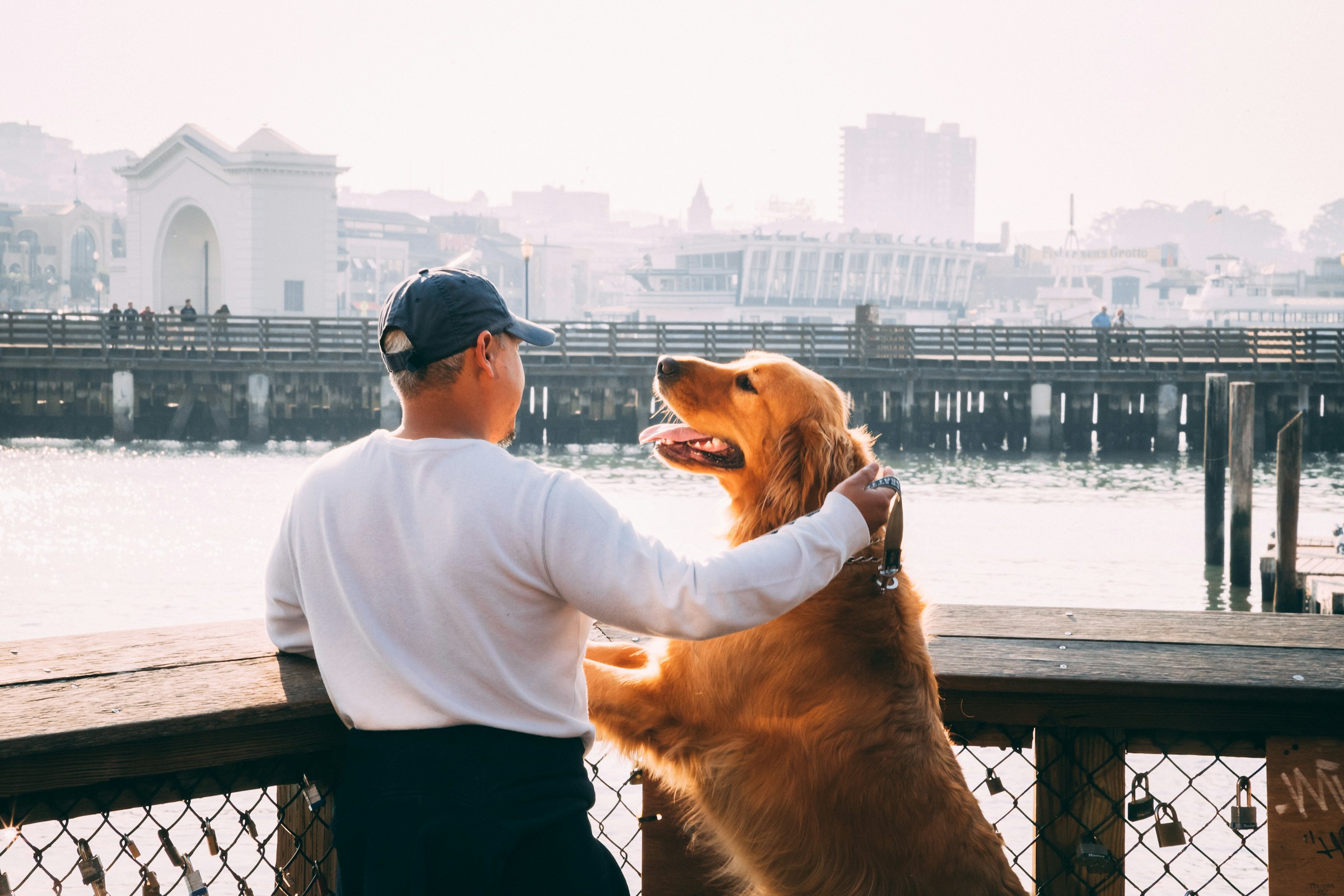
You probably know what it looks like when a dog is begging for attention: wiggling, pawing, barking, maybe even shoving a toy into your lap. But a dog that truly trusts you often does the opposite. The most powerful signs of canine trust are usually quiet, subtle, and easy to miss if you are only looking for dramatic displays.
Once you learn to recognize these under-the-radar signals, your relationship with your dog starts to feel different. You begin to see that beneath the silliness and the chaos is a thinking, feeling animal who has decided that you are safe. That realization can be surprisingly emotional – and it might change the way you see every nap, sigh, and side‑eye from your dog.
They Choose To Rest Near You, Not On You
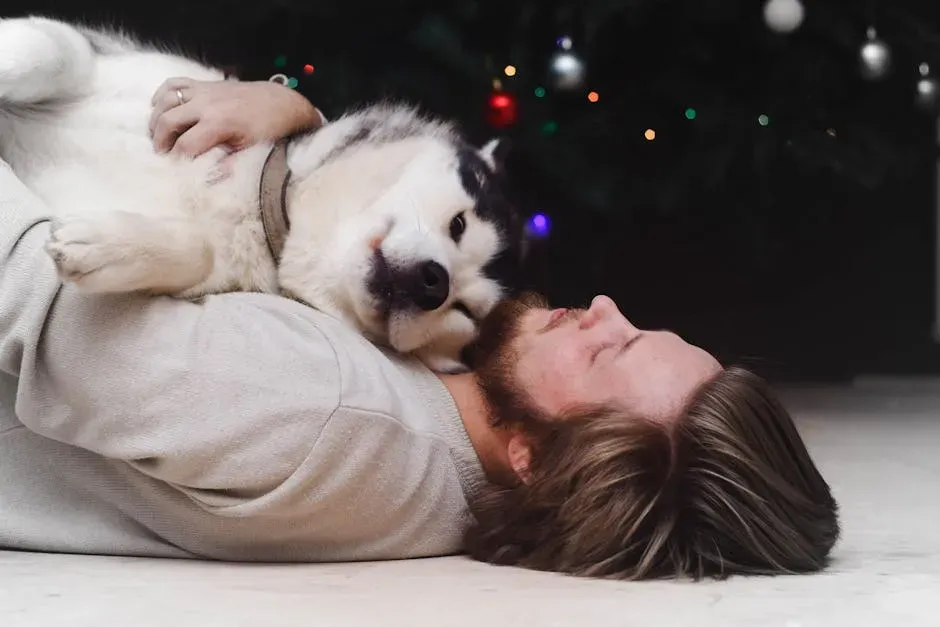
One of the clearest signs of trust is when a dog quietly settles nearby without demanding contact. They might curl up at the end of the couch, lie down just inside the doorway of your room, or sleep with their back turned but their body still oriented in your direction. They are not climbing on your lap or nudging your hand – they are simply choosing proximity over performance.
From a behavioral point of view, this is huge. A dog that sleeps near you is accepting a vulnerable state while you are around, which means you are not seen as a threat or a source of unpredictability. It is a bit like a friend who does not need constant conversation but still chooses to hang out in the same room; they feel safe enough to just exist around you without putting on a show.
They Turn Their Back Or Side Toward You
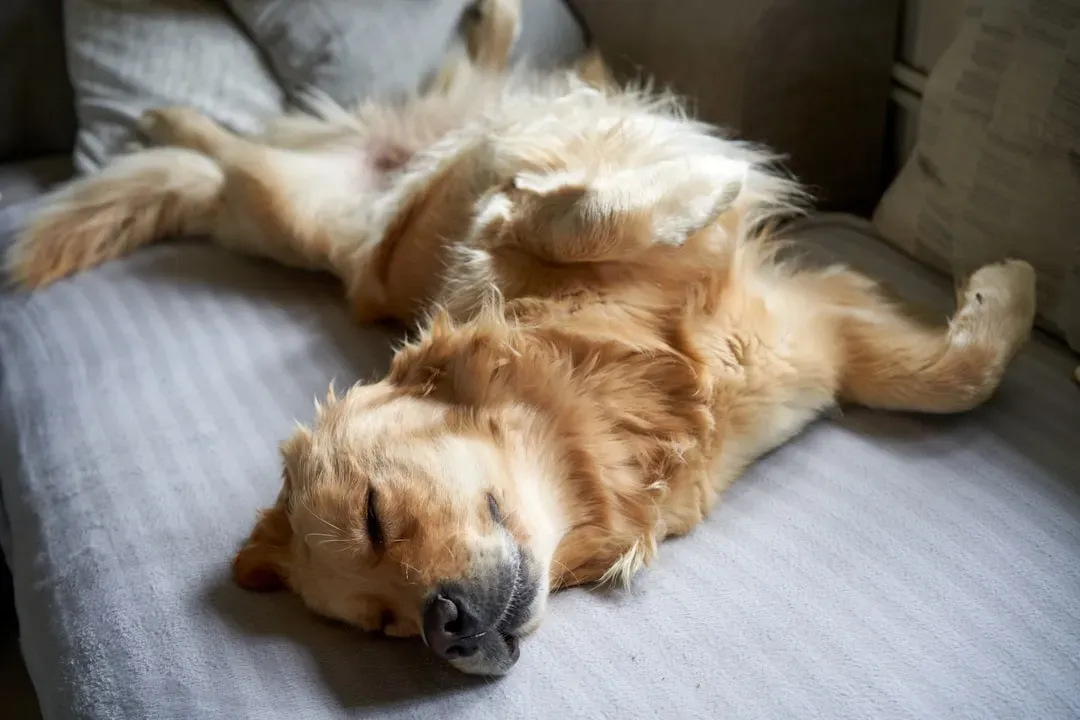
In the animal world, exposing your back is a gamble. Many species keep potential threats in front of them where they can be monitored. When a dog lies down with their back or side facing you, or even sits with their rear leaning against your leg, they are quietly saying that they do not believe you will harm or startle them. They are prioritizing comfort over vigilance.
This posture is especially meaningful with dogs who are naturally cautious or who have a history of uncertainty with humans. A dog that once kept you in their direct line of sight but now casually flops down sideways in your space is showing a major shift in emotional security. It is not flashy, and no one would post it as a viral clip – but behaviorally, it is pure gold.
They Maintain A Soft, Relaxed Gaze
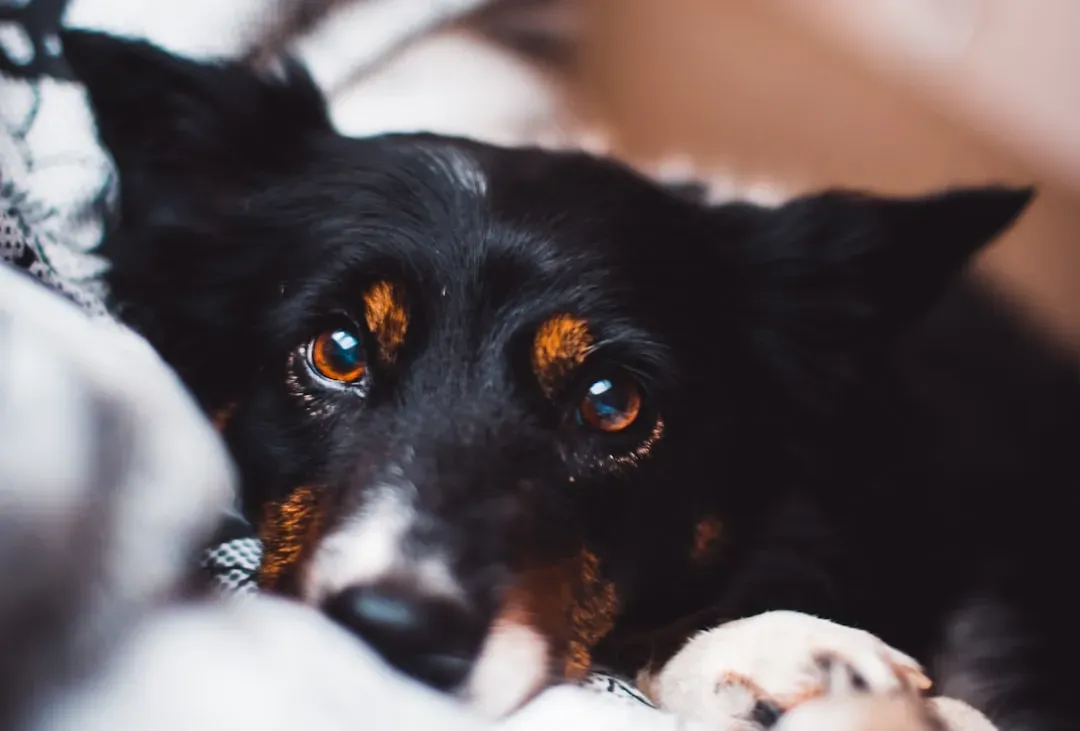
People obsess over “eye contact,” but with dogs, the nuance matters more than the duration. A dog that trusts you will often look at you with soft eyes – no hard stare, no frozen posture, no tense mouth. The eyelids may look slightly droopy, the head may be tilted or relaxed, and the overall vibe is calm, not confrontational or needy. They are checking in with you, not demanding anything.
This kind of gaze can happen when you are not even looking back: while you are working on your laptop, scrolling your phone, or watching TV. If you glance up and catch your dog simply watching you in a gentle, almost sleepy way, that is trust. They are interested in what you are doing, but they are not using their eyes as a pressure tool to get treats, walks, or play. They just like knowing where you are in their world.
They Tolerate Or Enjoy Boring Moments With You
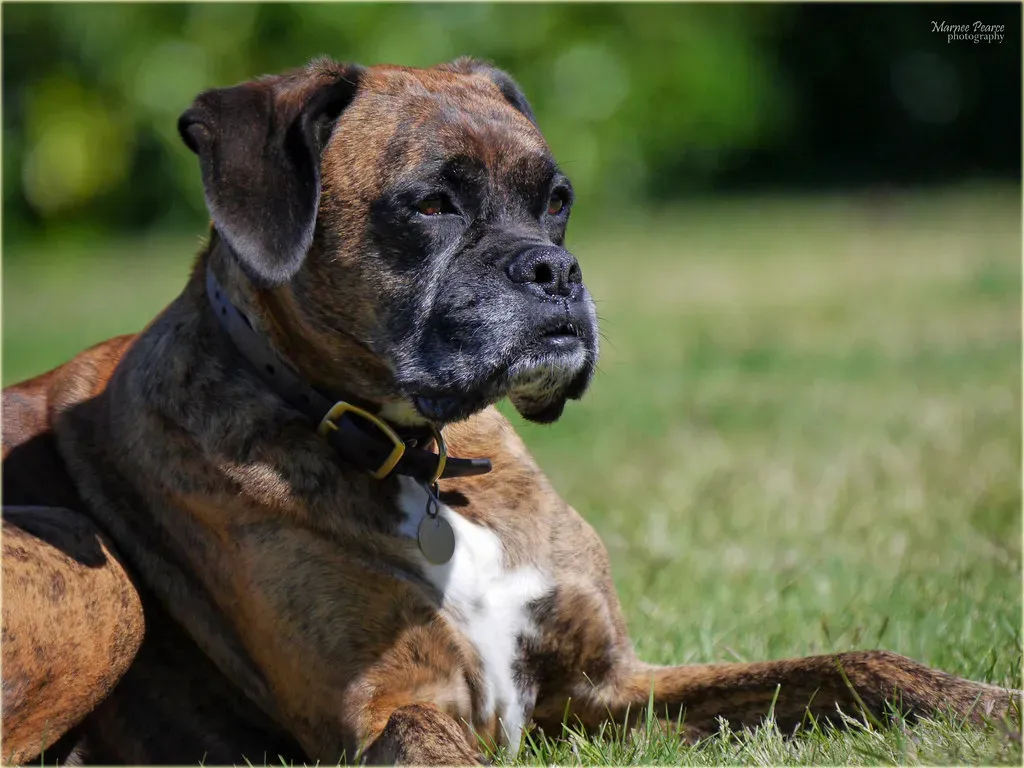
Emotionally secure dogs do not need every moment with their human to be filled with stimulation. They find comfort in the predictable rhythm of your everyday life. It is similar to being close with someone you can sit in silence with; the lack of constant interaction does not feel like a threat or a rejection. It feels like home.
They Offer Slow, Gentle Check‑Ins
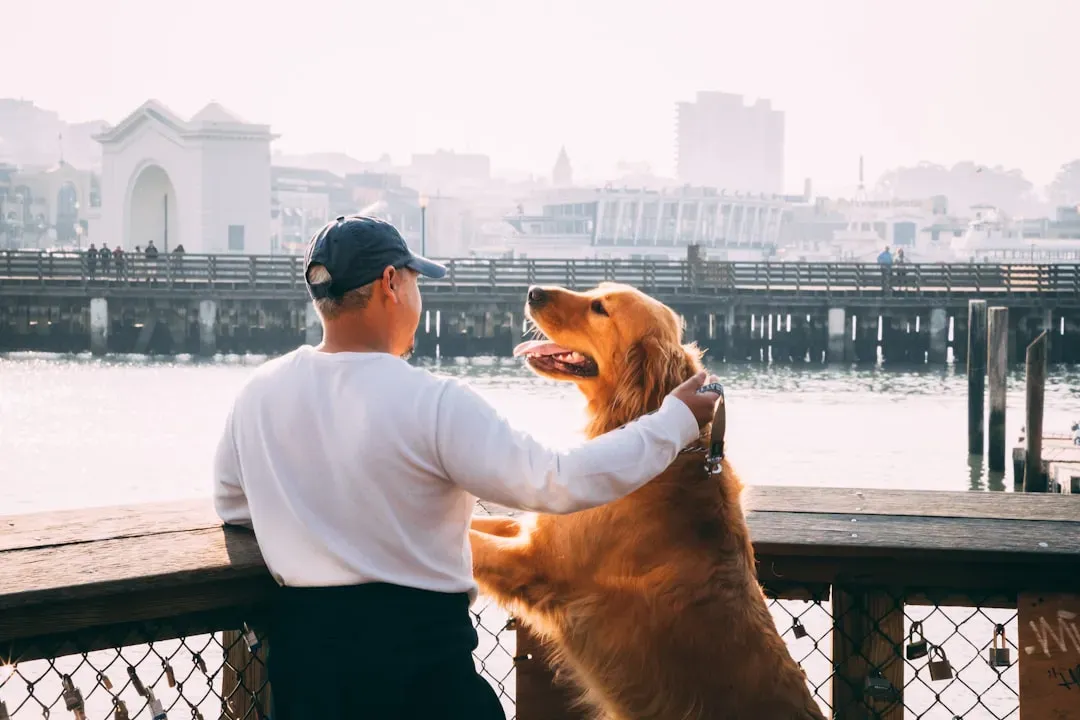
Trusted humans often get quiet “micro‑moments” of connection instead of nonstop attention-seeking. Your dog might pad over, lightly nuzzle your leg once, give a quick tail swish, and then wander off again. Or they may walk by, brush their body against you like a cat, and keep going. These are small, low‑effort gestures, and that is exactly why they matter.
In behavior science terms, these are brief affiliative behaviors – little social touches that say “we’re good” without escalating into a full-on demand for interaction. I notice this most when I am working; my dog will wander over, rest his chin on my knee for two seconds, then go right back to his bed. He is not begging. He is just checking the emotional Wi‑Fi signal between us and confirming the connection is still strong.
They Sleep Deeply In Your Presence
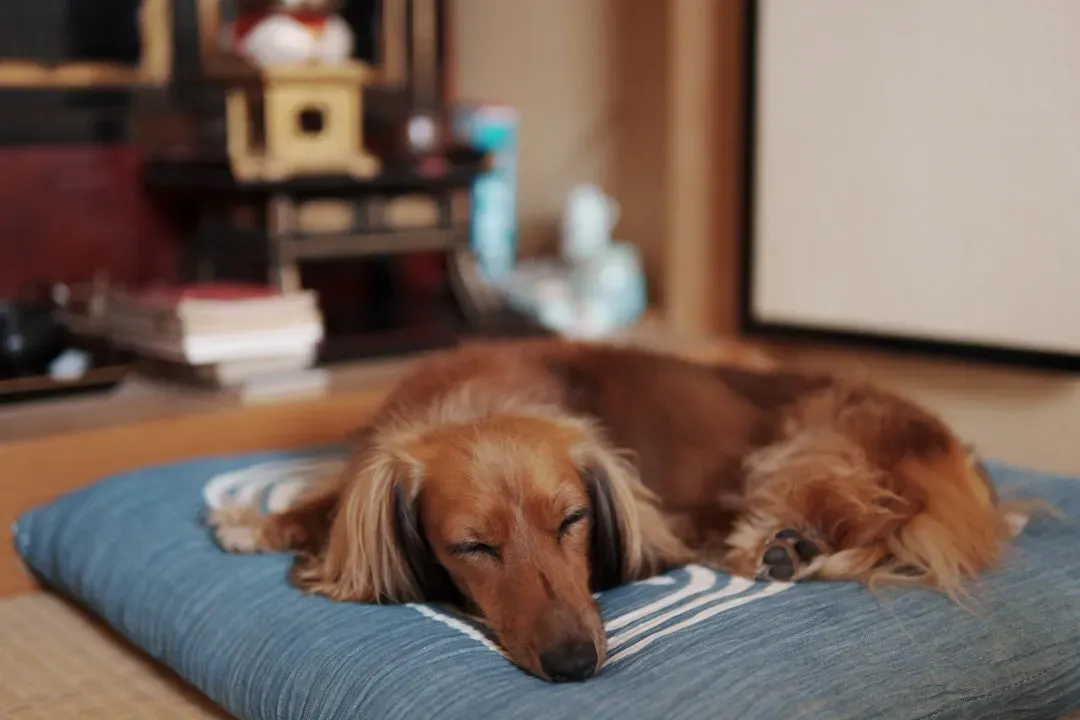
Dogs are naturally wired to be alert to changes in their environment, especially sounds and movement. When a dog falls into a truly deep sleep around you – limbs loose, breathing slow, maybe even twitching or softly “running” in a dream – that is a powerful trust signal. They are letting their guard down in a way they simply would not if they felt unsure about the space or the people in it.
You will often see this after a dog has had time to settle into a home and predict the human’s patterns. In the early days, they might sleep lightly or startle easily. Later, once they have learned that footsteps and doors and voices do not equal danger, their nervous system finally relaxes. Watching a once-anxious dog snore through the vacuum cleaner or a loud TV is one of those underrated milestones that says: this place, and these people, feel safe now.
They Allow Handling In Vulnerable Areas
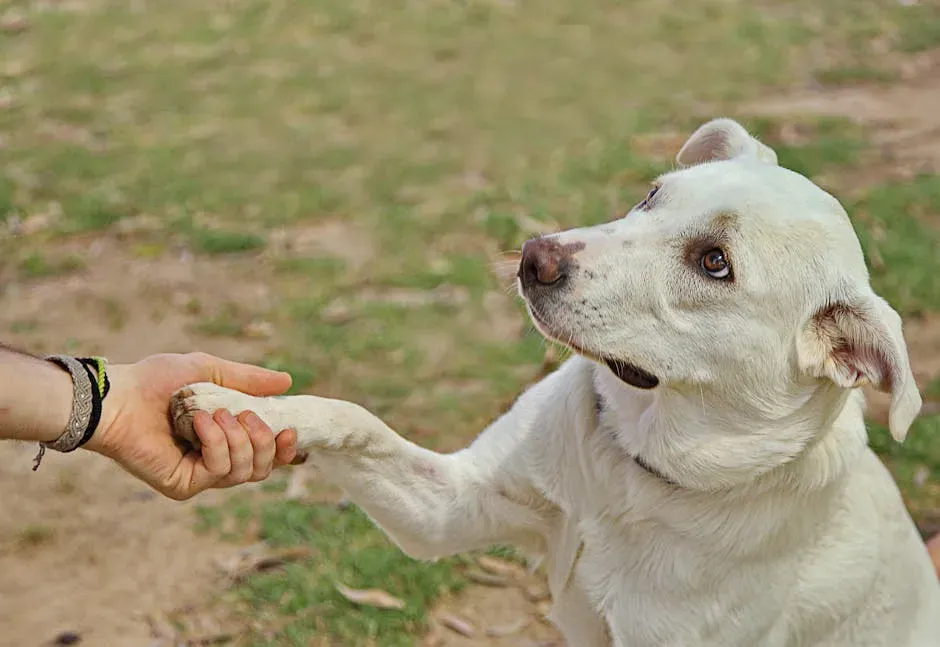
For dogs, certain body parts are naturally more guarded: paws, tails, bellies, and sometimes even ears or collars. A dog that calmly allows you to touch, clean, or examine these areas, especially without constant bribing or restraint, is extending a very real kind of trust. They are giving up control in situations where, evolutionarily, being restrained could be dangerous.
This does not mean every dog who pulls away from paw touches is untrusting; some have painful histories or physical discomfort. But if your dog willingly lets you wipe their paws, check their teeth, or remove a burr from their fur with minimal struggle, that is a relational victory. It shows that your past interactions have taught them you might be mildly annoying at times, but you are not unsafe.
They Follow You Casually, Not Desperately
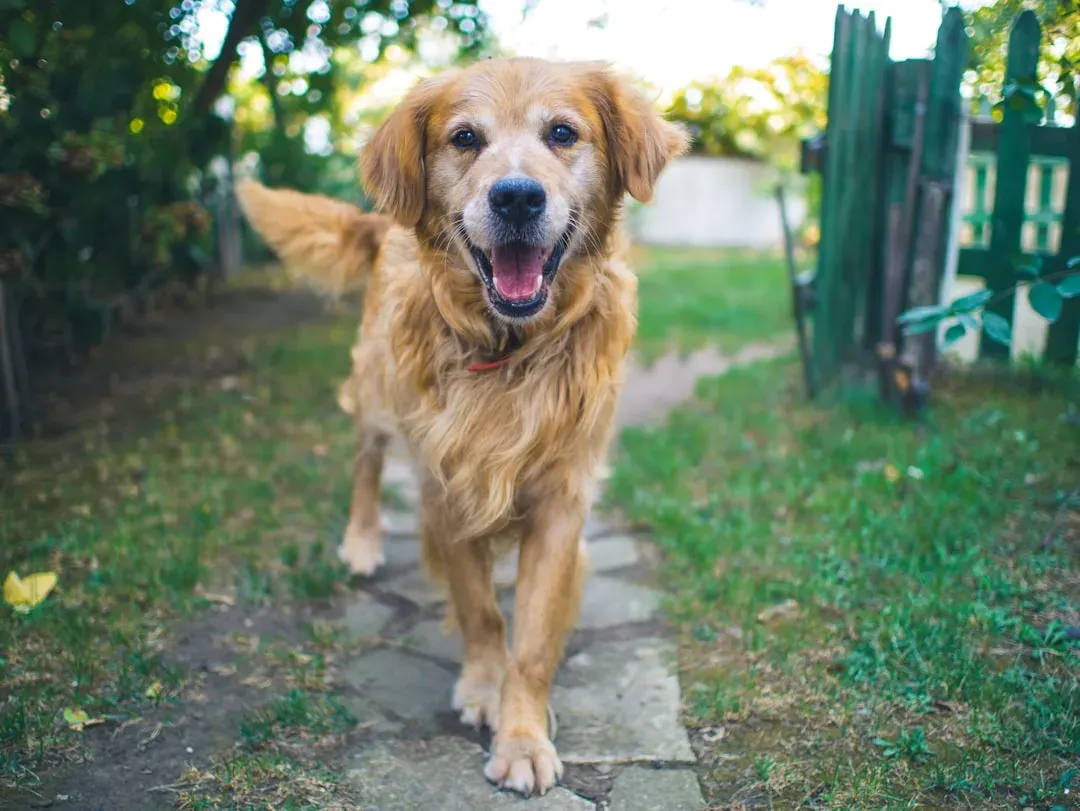
There is a difference between a dog shadowing you in a state of panic and a dog who casually tracks your movements because they like being around you. Trust often shows up as the quiet follower: the dog who gets up and moves when you move, then calmly settles when you stop. There is no frantic pacing, whining, or clawing at doors – just a comfortable “I’ll go where you go” attitude.
This kind of following behavior suggests that you are a secure base, not a scarce resource. The dog is not terrified of separation every time you disappear; they simply prefer your company. It is like a friend who joins you in the kitchen just to chat while you cook, then heads back to the couch without drama. The connection is there, but it does not feel like an emergency.
They Recover Quickly After Being Startled Around You
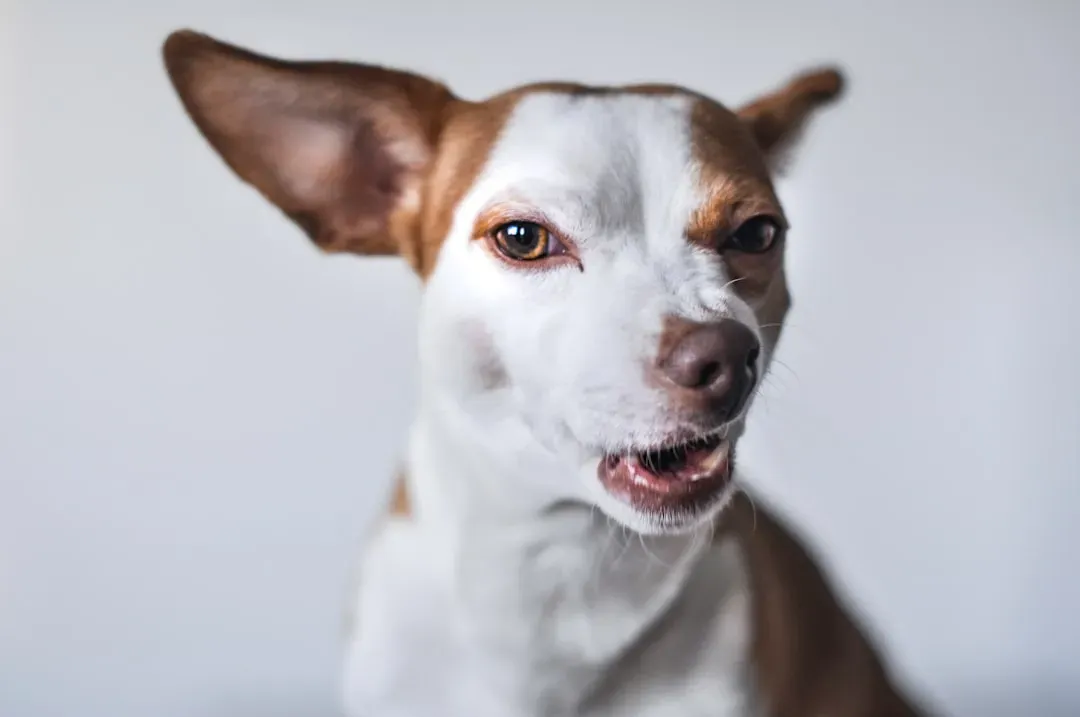
No dog lives a life free of sudden noises, dropped objects, or weird visitors. The trust test is not whether they ever get spooked; it is how fast they bounce back, especially if they look to you and then relax. If your dog startles, glances at you, and then visibly settles once they see that you are calm, they are using you as a safety reference. That is a sophisticated social behavior.
This is sometimes called social referencing: animals using the emotional state of a trusted individual to decide how to respond. When your dog thinks, “If you are not freaking out, I don’t need to either,” that is trust in action. They are not making a big scene or rushing for attention; they are simply relying on your emotional stability as a guide, which is a pretty flattering role for a human to hold.
They Respect Boundaries You Have Consistently Taught
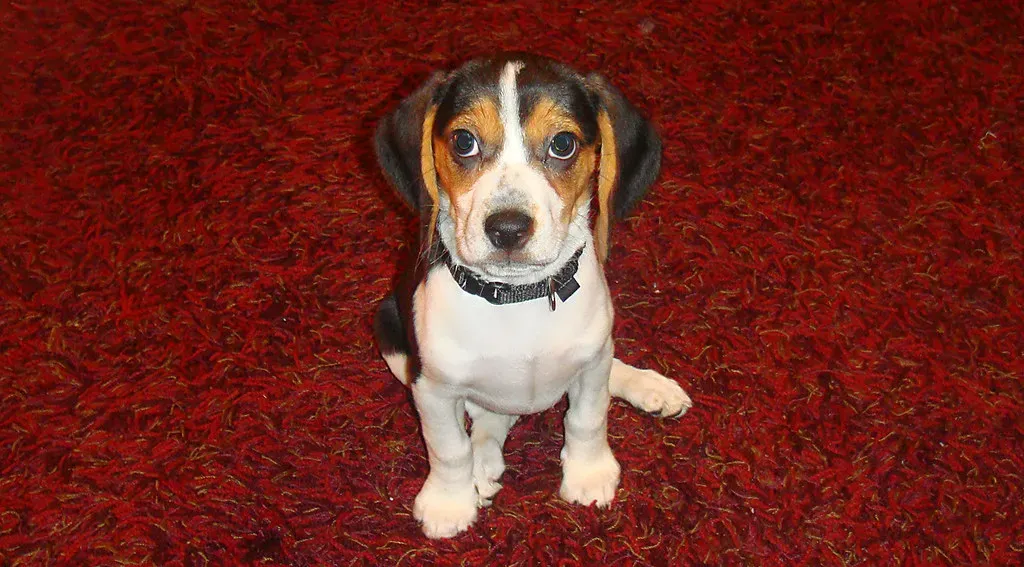
It might sound strange, but a dog who can handle boundaries often trusts you more than a dog who gets everything on demand. If your dog can calmly wait at the door until you release them, stay off the bed when asked, or accept that sometimes playtime is over, it means they have learned that your rules are predictable and fair. Living with you feels structured, not chaotic or threatening.
That emotional predictability is a cornerstone of trust. Dogs thrive when they know what to expect from the people around them. A dog who no longer panics when you say “all done” with treats, or who sighs and settles instead of fighting every limit, is telling you that your “no” does not mean danger or rejection. It is just part of the shared language of your life together.
Conclusion: Trust Is Quiet, And That Is What Makes It Beautiful
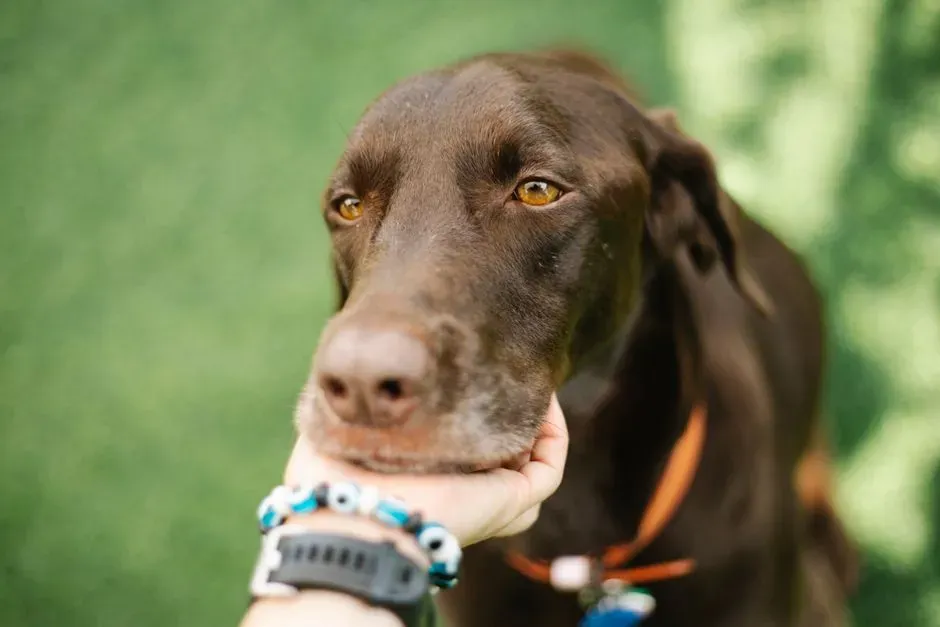
We live in a world that rewards big, loud, dramatic moments, so it is tempting to think a dog’s love is proven in leaps, licks, and over-the-top excitement. But real trust is usually built and revealed in the small, almost boring details: where they choose to sleep, how quickly they relax, whether they can be calm and content in your presence without constantly fighting for your focus. Those are the behaviors that tell the deeper story.
If you recognize even a few of these quiet signs in your own dog, you are probably doing more right than you give yourself credit for. And if you do not see many of them yet, that is not a judgment – it is a roadmap. With patience, consistency, and kindness, dogs who have every reason not to trust can slowly decide to try again. The real question is not whether your dog loves you loudly, but whether they feel safe enough to love you softly. Did you expect that the strongest proof of trust would be so easy to overlook?


