
Home Remedies to Ease Your Pup’s Digestive Issues

Just like humans, dogs can suffer from digestive issues for a variety of reasons. These can range from eating something they shouldn’t have, to stress, to underlying health conditions. Observing the symptoms and understanding potential causes are the first steps in providing relief for your furry friend. Some common symptoms to watch out for include vomiting, diarrhea, lack of appetite, and general lethargy.
The Importance of Consulting a Veterinarian

Before trying any home remedies, it’s crucial to consult a veterinarian to rule out any serious underlying health issues. Veterinarians can provide valuable insight into the cause of your dog’s discomfort and advise whether home remedies are appropriate or if professional treatment is required. Remember, what works for one dog might not work for another, and professional guidance ensures safety and efficacy.
Benefits and Risks of Home Remedies

Home remedies for dog digestive issues can offer a gentle, natural alternative to over-the-counter medications. However, it’s important to weigh the benefits against potential risks. Natural remedies are often milder and pose less risk of side effects, but they can also be less effective for severe cases. Always assess the severity of your dog’s symptoms and choose remedies accordingly.
Simple Dietary Adjustments

A simple dietary adjustment can sometimes alleviate digestive discomfort. Offering easily digestible foods such as boiled chicken and rice, pureed pumpkin, or plain yogurt can soothe the stomach. These foods are gentle on the digestive system and can provide relief from symptoms like diarrhea and vomiting. Ensure that any changes to your dog’s diet are temporary and balanced to prevent nutritional deficiencies.
The Role of Hydration

Keeping your dog well-hydrated is crucial, especially if they are experiencing vomiting or diarrhea. Dehydration can exacerbate digestive issues and lead to more serious health problems. Providing fresh, clean water is essential. Additionally, electrolyte solutions designed for pets can help maintain hydration levels, but always consult your vet before introducing any new substances to your dog’s diet.
Herbal Remedies That May Help

Several herbs have been used traditionally to support digestive health in dogs. Ginger, known for its anti-nausea properties, can be given in small amounts to help with vomiting. Chamomile can aid in reducing inflammation and soothing the stomach lining. However, dosing is crucial, and not all herbs are safe for dogs, so it’s best to get a vet’s opinion first.
Probiotics for Digestive Health
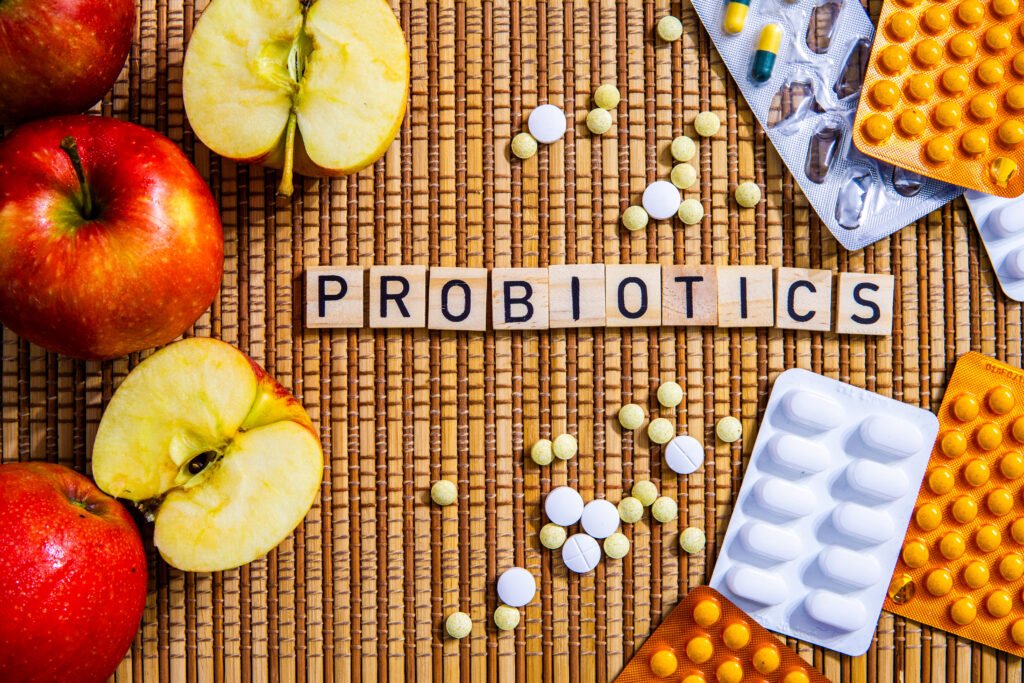
Probiotics can play a crucial role in maintaining a healthy digestive system in dogs. These beneficial bacteria help balance the gut flora, improving digestion and reducing symptoms of gastro-intestinal upset. Probiotic supplements specifically designed for dogs enhance efficacy and safety and are a valuable long-term strategy for digestive health.
When Home Remedies Aren’t Enough

While home remedies can be effective for mild digestive issues, they are not a one-size-fits-all solution. Persistent or severe symptoms require professional intervention. If your dog experiences ongoing stomach distress, significant weight loss, or symptoms like blood in stool or vomit, it’s vital to seek veterinary attention promptly. Timely diagnosis and treatment can prevent serious complications.
Preventive Measures for a Healthy Digestive System

Prevention plays a significant role in maintaining your dog’s digestive health. Regular feeding schedules, high-quality dog food, limited table scraps, and ensuring your pet doesn’t have access to harmful substances or foods are essential strategies. Regular exercise and mental stimulation also contribute to overall well-being, which can positively affect digestive health.
Easing Your Pup’s Stomach Issues

In conclusion, while home remedies can provide relief for mild digestive issues in dogs, they should complement professional advice and care. By understanding the problem, making informed choices, and practicing preventative care, you can help ensure your dog’s digestive system remains healthy and functional.