
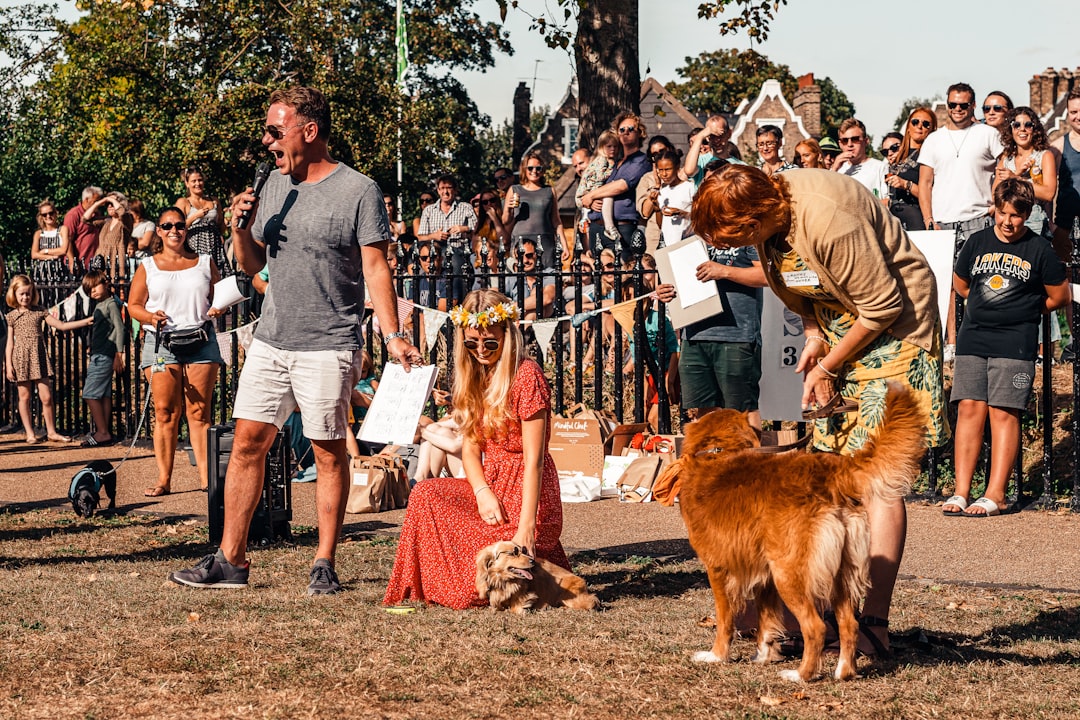
The world of dog shows is a fascinating blend of elegance, competition, and camaraderie. It is a space where the best of the best in the canine world are paraded and judged, with their handlers striving for that coveted Best in Show ribbon. is a rich tapestry, woven with stories of passion, dedication, and love for man’s best friend.
Beginnings of Dog Shows in America

Dog shows in America trace their origins back to the late 19th century. It was a time when people began to appreciate the distinct characteristics and abilities of different dog breeds. The first official American dog show was held in 1877 by the Westminster Kennel Club in New York City. It was a grand affair, drawing significant attention and setting the stage for future events. This initial show was not just about competition but also about celebrating the diverse beauty and abilities of these loyal companions. As the popularity of these shows grew, so did the number of breeds showcased, highlighting the nation’s growing love for dogs.
The Rise of Kennel Clubs
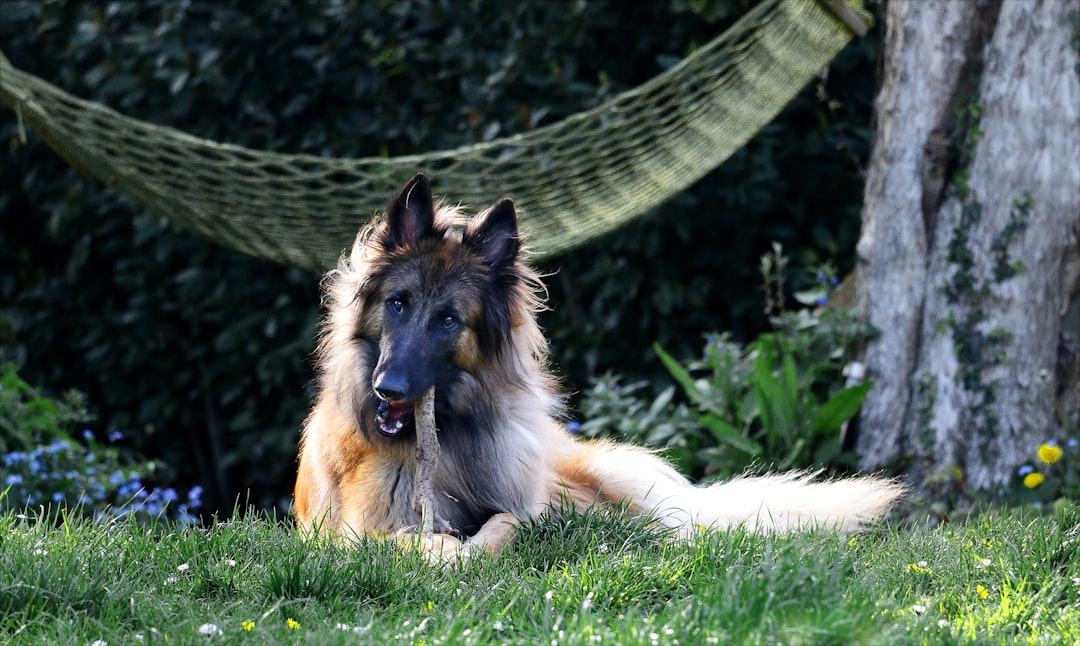
As dog shows gained momentum, the need for a governing body became evident. The American Kennel Club (AKC) was established in 1884 to ensure uniformity and standards across all dog shows. The AKC played a pivotal role in shaping the dog show culture in America, setting guidelines for breed standards and judging criteria. This organization not only legitimized the events but also provided a platform for breeders and enthusiasts to connect and share their passion. The AKC’s influence is undeniable, as it continues to be a cornerstone in the world of American dog shows.
Evolution of Judging Standards

Initially, dog shows were more of a social event than a strict competition. However, as the years went by, the criteria for judging evolved significantly. Today, dogs are evaluated based on their breed standards, which include physical appearance, temperament, and even their gait. Each breed has a unique set of standards that judges use as a benchmark. This evolution was necessary to ensure fairness and consistency, making sure that each dog is assessed on its own merits. The meticulous nature of judging today reflects the dedication and expertise of those involved in the dog show circuit.
The Cultural Impact of Dog Shows

Dog shows have transcended their original purpose and become a cultural phenomenon in America. They are not just about showcasing canine beauty but also about celebrating the bond between humans and their furry friends. Television broadcasts of major dog shows, like the Westminster Dog Show, have brought these events into living rooms across the nation. They have inspired countless individuals to appreciate and even participate in these events. Moreover, dog shows have played a role in educating the public about responsible dog ownership and the importance of breed preservation.
Challenges and Controversies
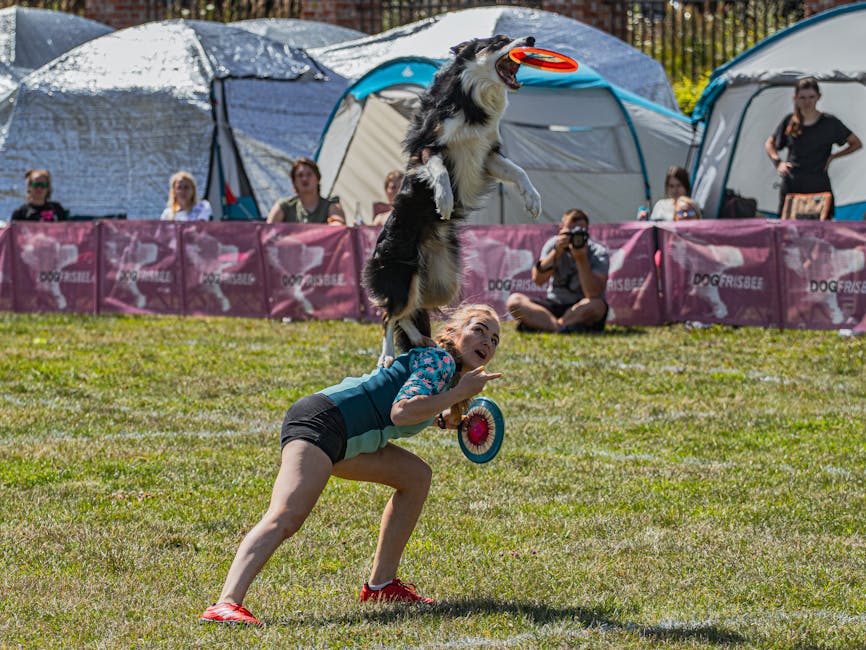
Like any competitive arena, dog shows have faced their share of challenges and controversies. Issues such as overbreeding, genetic health concerns, and the ethics of breeding practices have been hot topics of debate. Critics argue that the pressure to conform to breed standards can sometimes compromise a dog’s health. However, many breeders and enthusiasts are actively working to address these concerns, emphasizing the importance of health and well-being over mere appearance. The ongoing dialogue ensures that the dog show community remains vigilant and committed to ethical practices.
The Role of Breeders and Handlers

Breeders and handlers are the unsung heroes of the dog show world. Breeders dedicate their lives to producing dogs that meet the highest standards, often spending years perfecting their lines. Handlers, on the other hand, are the ones who present these dogs to the judges. Their expertise in showcasing the dog’s strengths can make a significant difference in the competition. Both breeders and handlers share a deep bond with the dogs, rooted in mutual respect and admiration. Their dedication and hard work are the backbone of every successful dog show.
Modern-Day Dog Shows
Today, dog shows are a blend of tradition and modernity. While the core values remain the same, technological advancements have transformed how these events are conducted and perceived. From live streaming events to virtual dog shows, the digital age has opened new avenues for showcasing canine talent. Furthermore, the rise of social media has allowed enthusiasts to connect and share their experiences like never before. Despite these changes, the essence of dog shows—celebrating the beauty, diversity, and companionship of dogs—remains unchanged.
The Future of Dog Shows in America
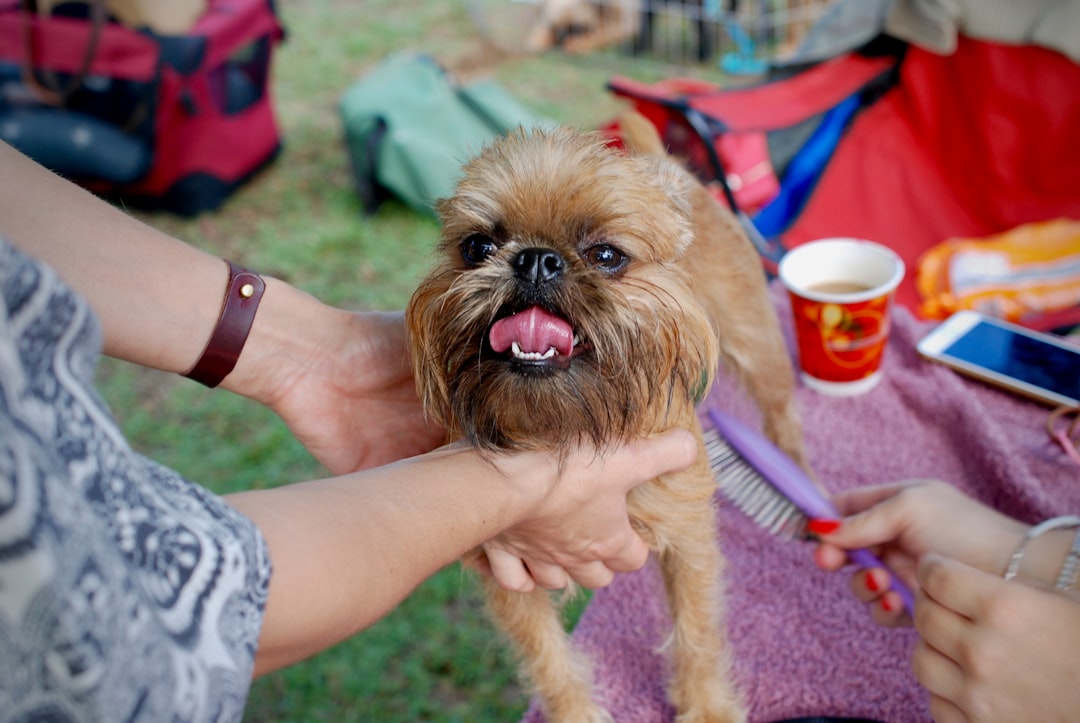
The future of dog shows in America looks promising, with a growing interest in canine culture and breed preservation. As more people recognize the importance of responsible breeding and pet ownership, the dog show community is poised to play a vital role in shaping public perception. Efforts to address health concerns and promote ethical practices are gaining traction, ensuring that the legacy of dog shows continues for generations to come. With a rich history behind them and a bright future ahead, dog shows remain a testament to the enduring bond between humans and their beloved canine companions.


