
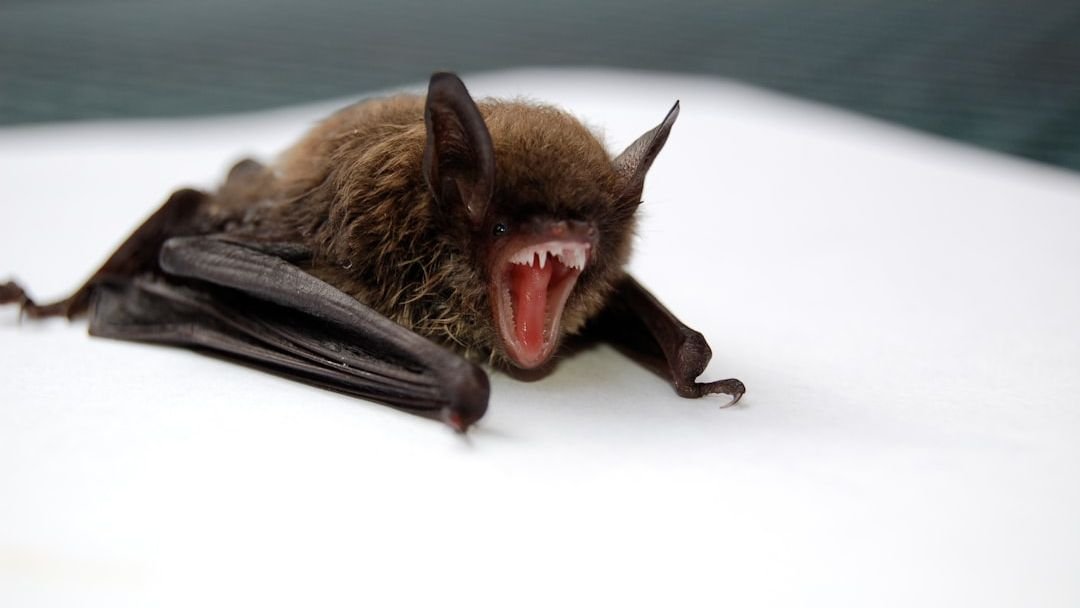
Fullerton, California — Anyone who brushed past a bat on the stairs near Fullerton College’s music building last Friday now faces a critical decision: seek medical evaluation without delay. The small creature, found around 3:30 p.m. on April 17, later tested positive for rabies, a virus that claims nearly every life it infects once symptoms emerge. Health officials emphasized that even seemingly harmless interactions, like touching the animal or its saliva, could lead to transmission, underscoring a persistent threat from bats across U.S. campuses and communities.
A Routine Campus Moment Turns Alarming
The bat appeared unremarkable at first, perched on the stairs leading to the music building. Campus personnel spotted it during the late afternoon bustle, a time when students and faculty moved between classes. No one reported an immediate bite or scratch, but the potential for unnoticed exposure lingered.
Authorities secured the animal promptly and sent it for testing. Results confirmed rabies, triggering the public alert. This episode served as a stark reminder that wildlife often blends into everyday settings, especially in areas with established bat populations.
The Deadly Nature of Rabies
Rabies progresses silently in most cases, with symptoms like fever, headache, and confusion appearing only after the virus reaches the brain. At that stage, survival becomes extraordinarily rare. The disease travels through nerves from the exposure site, evading early detection.
Bats represent the leading cause of human rabies infections in the United States. Their tiny teeth can leave bites too small to notice, and saliva contact during handling poses equal danger. Officials noted that post-exposure treatment, including vaccines and immunoglobulin, proves highly effective if administered promptly.
Officials Urge Immediate Action
Health authorities wasted no time in broadcasting the warning. They advised anyone present near the music building around the discovery time to contact their doctor or local health department. Descriptions of potential contact included direct handling, proximity without protective barriers, or finding the bat in personal spaces.
Fullerton College administrators cooperated fully, posting notices and coordinating with experts. The response aimed to prevent any tragic oversights, as timely intervention remains the key defense against this unforgiving pathogen.
Steps Forward for Campus Safety
Preventive measures now take center stage. Campuses like Fullerton reinforce protocols for wildlife sightings: avoid touch, report immediately, and never attempt relocation alone. Education campaigns highlight bats’ ecological role while stressing boundaries.
Here are key actions recommended in such scenarios:
- Do not handle any bat, dead or alive.
- Wash any suspected exposure site thoroughly with soap and water.
- Consult medical professionals right away, even without visible wounds.
- Monitor for unusual symptoms over the coming weeks.
While this incident resolved without confirmed human cases so far, it leaves a lasting caution for students navigating shared outdoor spaces. Vigilance ensures that a fleeting encounter does not escalate into irreversible harm.


