

Pit Bulls Be Banned or Celebrated?
Pit Bulls have long been at the center of a heated debate. Are they dangerous animals that should be banned, or are they misunderstood companions deserving of celebration? This question has divided communities and sparked discussions worldwide. In this article, we dive into the myths, truths, and emotions surrounding Pit Bulls to provide a clearer perspective on this controversial topic.
The Origins of the Pit Bull
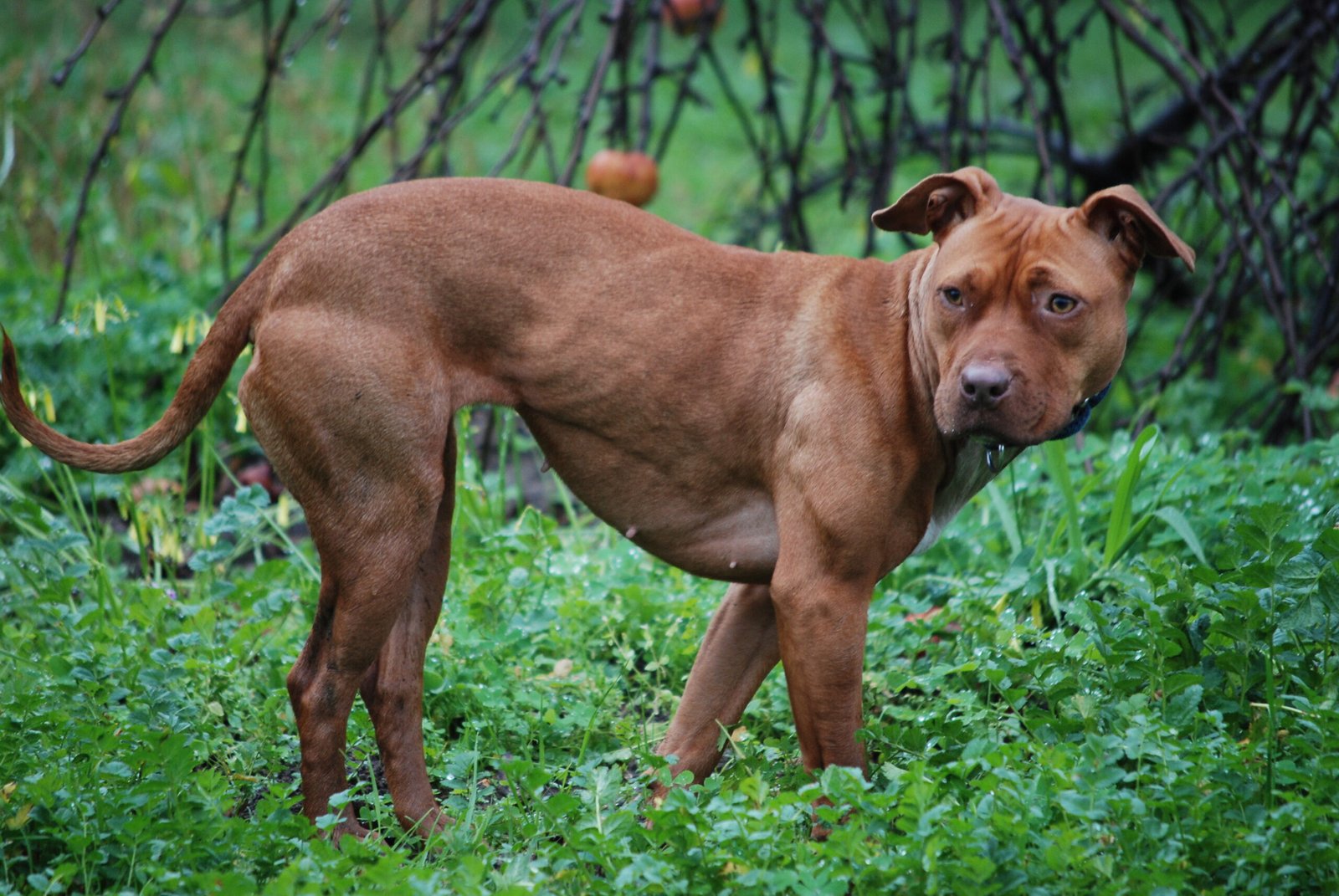
Pit Bulls are not a single breed but rather a category that includes several breeds like the American Pit Bull Terrier, the American Staffordshire Terrier, and the Staffordshire Bull Terrier. Originally bred in 19th-century England, these dogs were designed for bull-baiting and later dog fighting. This history often casts a shadow over their reputation today. The physical strength and tenacity that made them popular in blood sports are still evident, contributing to the fear some people feel toward them. However, their history is also rich with stories of loyalty and companionship, which paints a different picture of their nature.
Understanding the Fear Factor
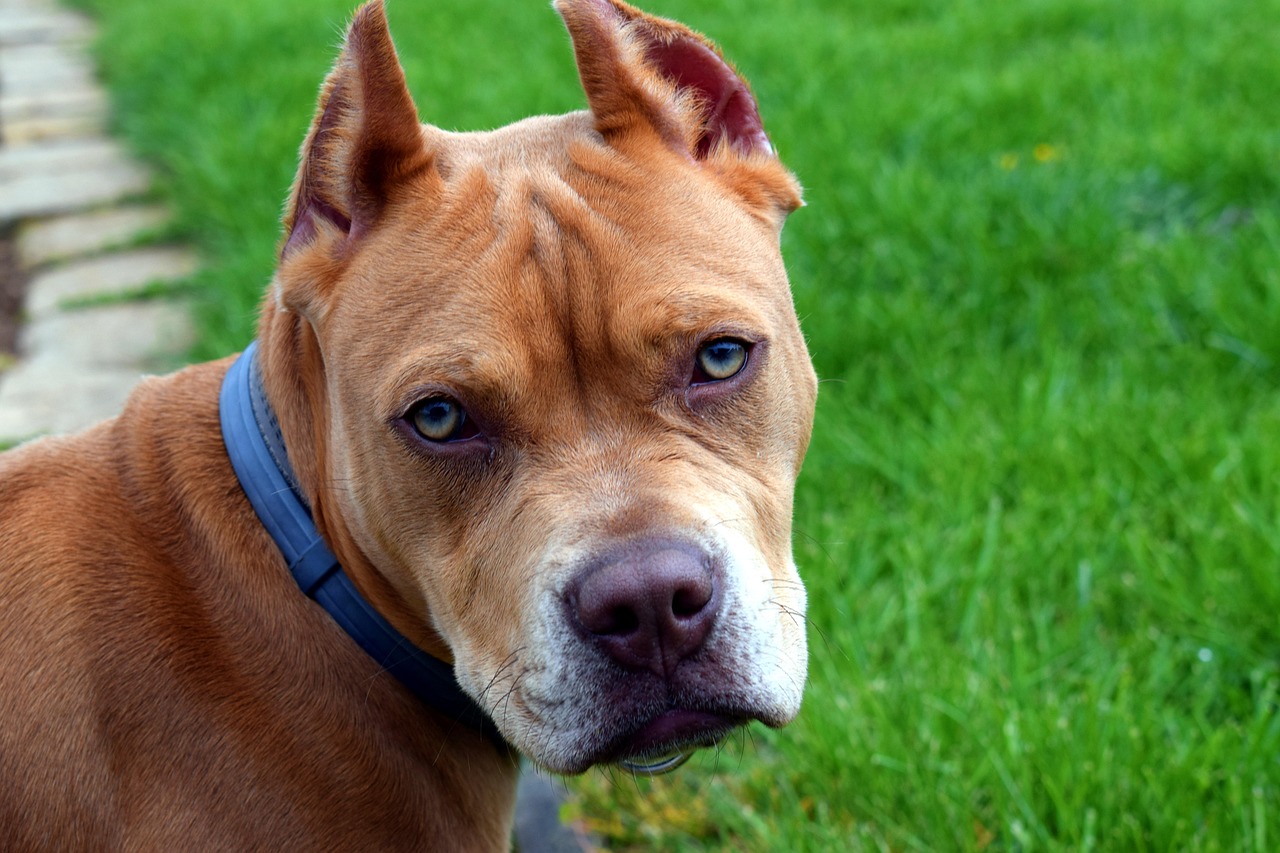
The fear surrounding Pit Bulls often stems from media reports of attacks and incidents involving these dogs. The headlines can be sensational, painting a picture of Pit Bulls as inherently aggressive. However, studies show that aggression is not breed-specific; rather, it is often a result of poor training, neglect, or abuse. Like with any dog, a lack of socialization and positive experiences can lead to fear-based behaviors. It’s important to understand that behavior is a reflection of the environment and upbringing, not just genetics.
The Role of Responsible Ownership
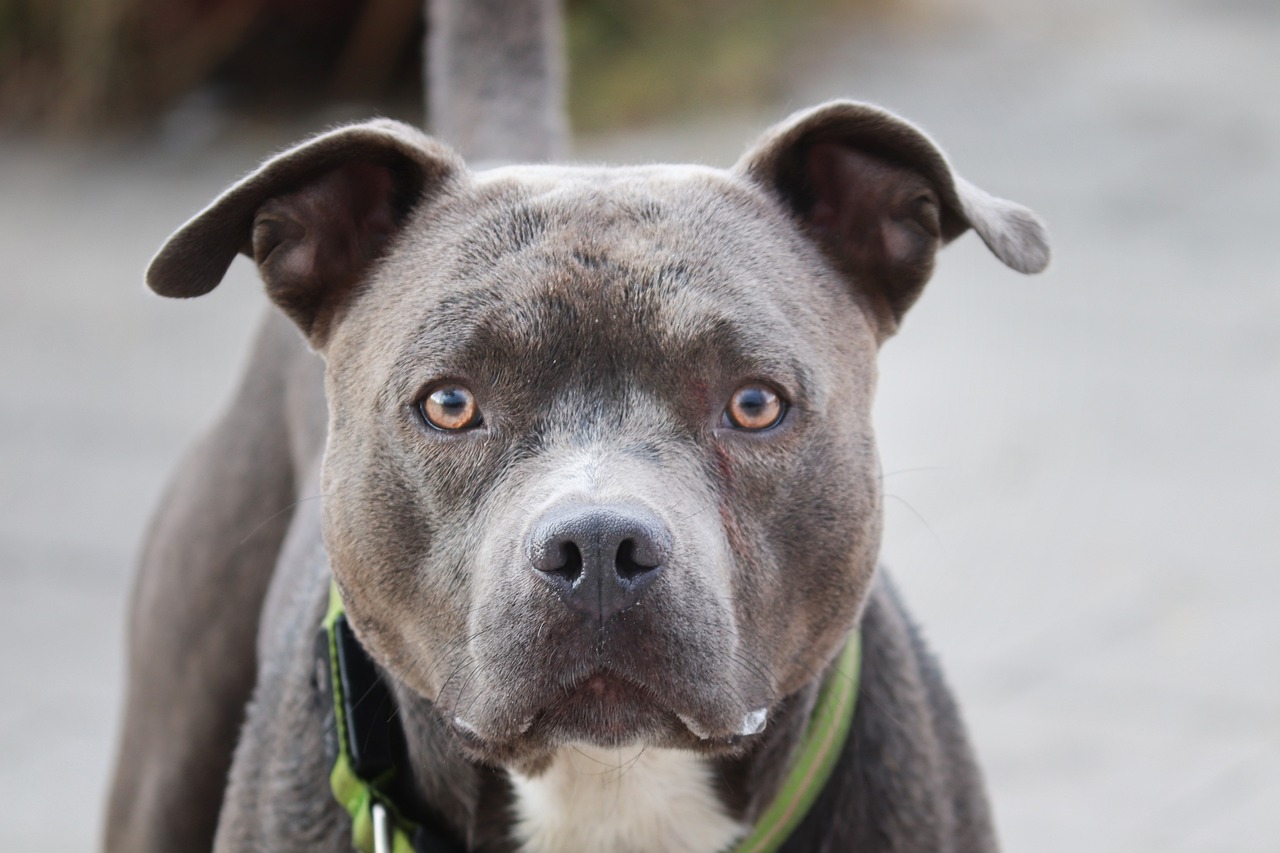
Responsible ownership is crucial when it comes to any dog breed, but it is particularly emphasized for Pit Bulls due to their strength and energetic nature. Training and socialization from an early age can help shape a Pit Bull into a well-mannered companion. Owners should focus on positive reinforcement, consistency, and understanding their dog’s needs. Providing them with ample exercise and mental stimulation is essential. A responsible owner recognizes the importance of educating themselves about the breed and being committed to their dog’s well-being.
Celebrating the Pit Bull’s Positive Traits

Despite their controversial image, Pit Bulls possess numerous positive traits that deserve recognition. They are known for their loyalty and affectionate nature. Many Pit Bulls thrive in family environments, enjoying the company of children and adults alike. Their playful demeanor and eagerness to please make them wonderful companions. In fact, many Pit Bulls are successfully trained as service and therapy dogs, highlighting their intelligence and ability to bond with humans. These qualities showcase a side of Pit Bulls that is often overlooked.
Statistics and Misconceptions
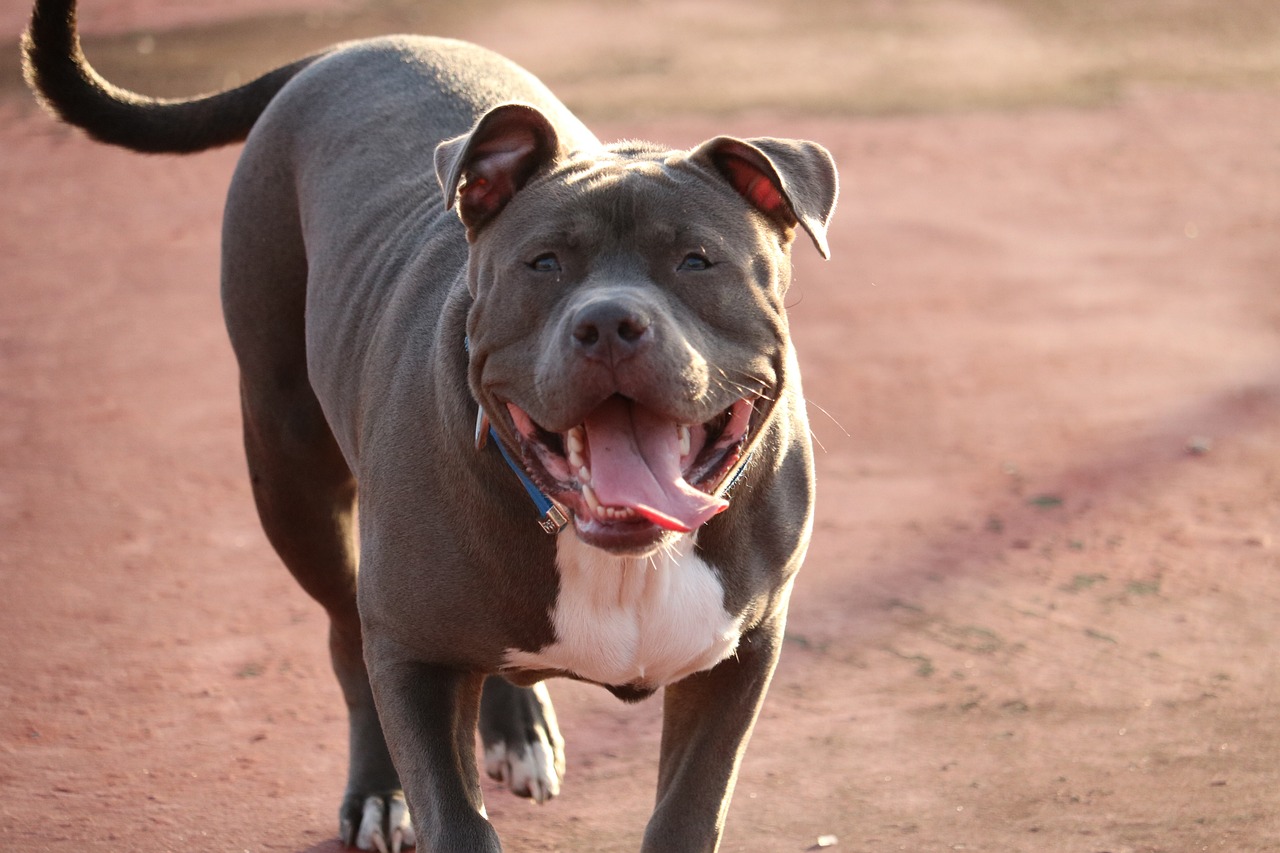
Statistics can be misleading when it comes to dog bites and breed-related incidents. While some reports suggest Pit Bulls are responsible for a significant number of attacks, it’s essential to consider the context. Many incidents involve mixed-breed dogs that are labeled as Pit Bulls due to their appearance. This misidentification can skew the data and contribute to breed-specific legislation. Moreover, human error, such as leaving children unsupervised with dogs, plays a significant role in incidents. Understanding these nuances is critical to forming an informed opinion.
Breed-Specific Legislation: Does It Work?

Breed-specific legislation (BSL) aims to reduce dog attacks by banning or restricting certain breeds, including Pit Bulls. However, the effectiveness of BSL is a subject of debate. Critics argue that BSL fails to address the root causes of dog aggression, such as irresponsible ownership and lack of training. Instead, it unfairly targets specific breeds without considering individual behavior. Many experts advocate for breed-neutral laws that focus on responsible ownership and education. These approaches emphasize accountability and aim to prevent incidents before they occur.
The Role of Advocacy and Education

Advocacy for Pit Bulls is a growing movement that seeks to change perceptions and promote understanding. Organizations and individuals work tirelessly to educate the public about the breed’s true nature and the importance of responsible ownership. They aim to dispel myths and highlight success stories of Pit Bulls in loving homes. Education programs and community outreach efforts play a vital role in shifting the narrative and encouraging responsible dog ownership. By fostering empathy and awareness, advocates hope to create a safer and more inclusive environment for all dogs.
Conclusion
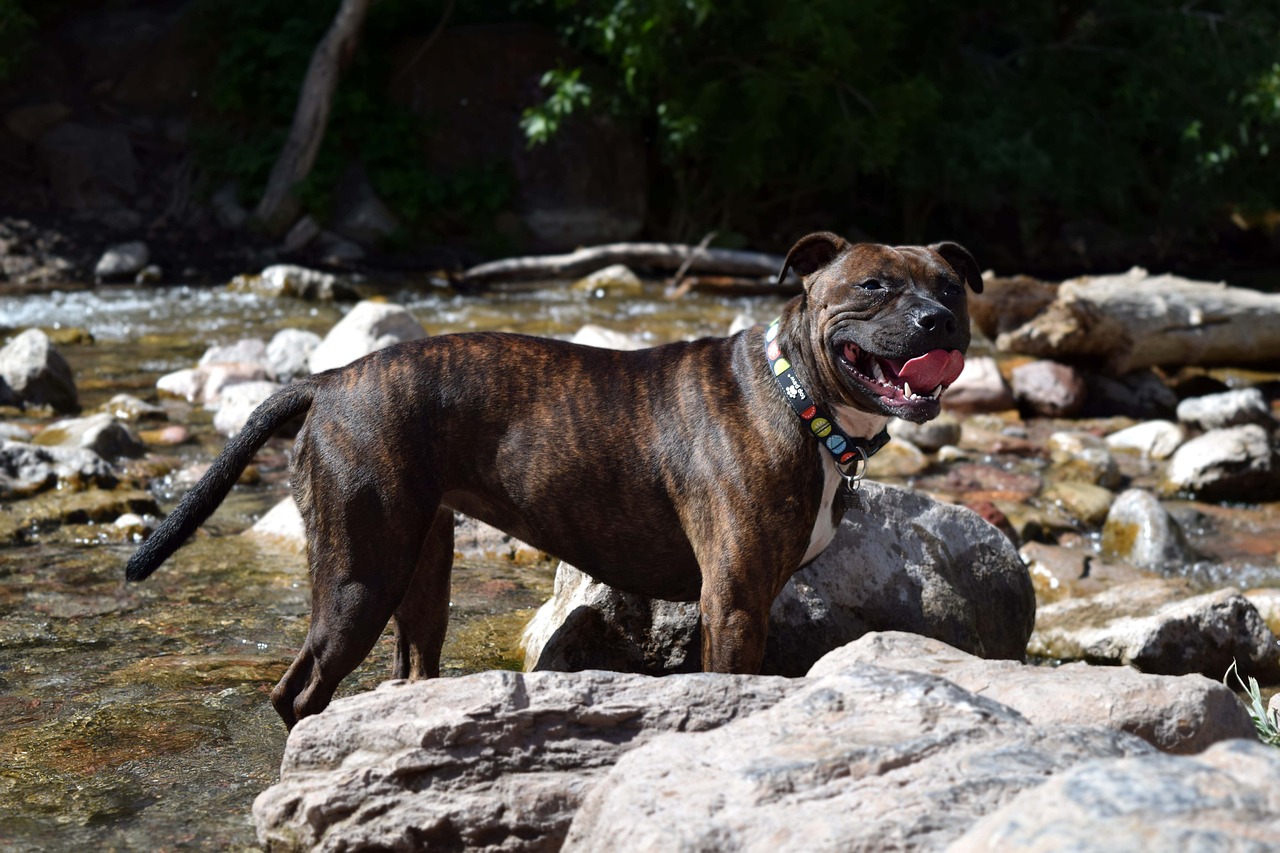
The debate over whether Pit Bulls should be banned or celebrated is far from black and white. While concerns about safety and aggression exist, it’s crucial to approach the topic with an open mind and a focus on facts rather than fear. Understanding the breed’s history, acknowledging the role of responsible ownership, and recognizing their positive traits can help shift perceptions. Ultimately, the responsibility lies with humans to create a world where all dogs, including Pit Bulls, are given the chance to thrive and be celebrated for their unique qualities.


