

The United States is known for its love of dogs, which is evident in the numerous dog rescue organizations scattered across the country. But why exactly are there so many? The answer isn’t straightforward. There are several factors at play, including cultural, social, and economic influences. In this article, we will explore these reasons, shedding light on the various elements that contribute to the prevalence of dog rescue organizations in the US. Whether you’re a dog enthusiast or simply curious, you’ll find this exploration both enlightening and heartwarming.
The American Love Affair with Dogs
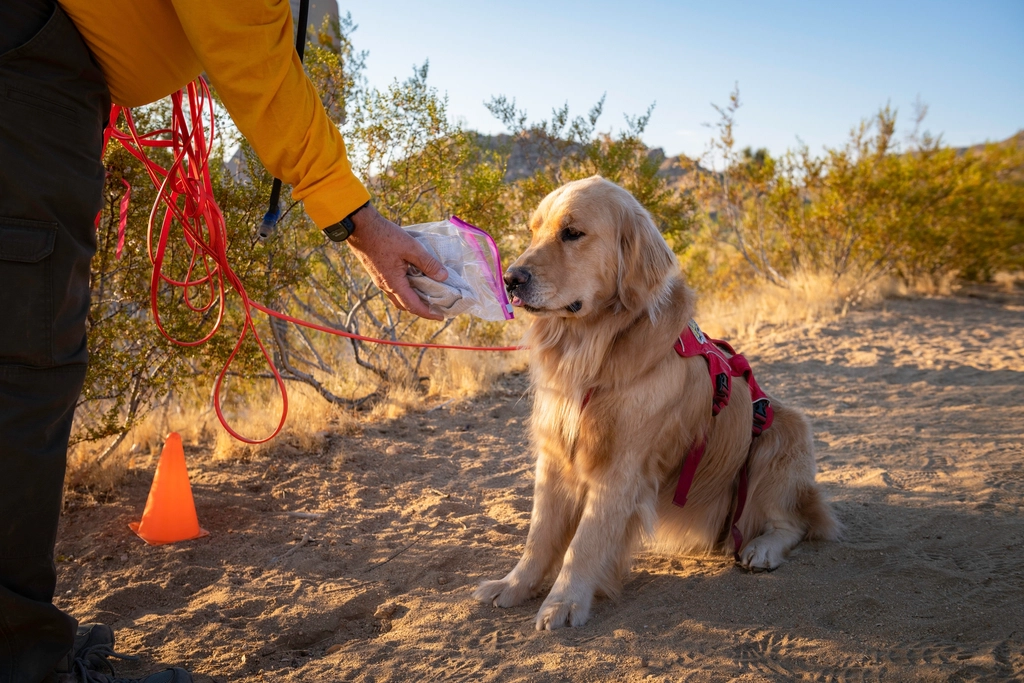
Americans have a deep-seated love for dogs, often considering them as part of the family. This affection dates back centuries, with dogs being more than just pets but companions and service animals. The bond between humans and dogs is powerful, and many people are motivated to help these loyal creatures find loving homes. This passion for dogs is reflected in the sheer number of rescue organizations dedicated to saving them. People are willing to invest time, money, and effort to ensure that dogs receive the care and attention they deserve. This cultural appreciation drives the creation and support of numerous rescue groups.
Overpopulation and Stray Dog Issues

One of the most significant reasons for the proliferation of dog rescue organizations is the issue of overpopulation. The US faces a continuing challenge with stray and abandoned dogs due to factors like lack of spaying and neutering. When dogs breed uncontrollably, shelters become overwhelmed, unable to accommodate the influx of animals. Rescue organizations step in to provide a solution, offering alternative avenues for adoption and care. These groups work tirelessly to reduce the number of stray dogs, helping to manage overpopulation and alleviate the pressure on local shelters.
Increasing Awareness and Advocacy

In recent years, there has been a surge in awareness about animal welfare, partly due to social media and advocacy campaigns. Stories of neglected or abused dogs often go viral, tugging at the heartstrings of viewers and inspiring them to take action. This heightened awareness leads to increased support for rescue organizations, both financially and through volunteer efforts. People are more informed about the plight of homeless dogs and are eager to contribute to their well-being. The rise in advocacy has played a crucial role in the establishment and expansion of dog rescue organizations throughout the US.
Economic Factors and Adoption Rates

Economic factors also play a significant role in the number of dog rescue organizations. During economic downturns, some families may be forced to give up their pets due to financial constraints. This can lead to an increase in the number of dogs in need of rescue and adoption. On the flip side, as the economy improves, more people are financially capable of adopting and caring for dogs, which drives the demand for rescue organizations. These factors create a cyclical effect, with economic conditions influencing the number of dogs needing homes and the capacity for individuals to adopt.
Community Involvement and Support

Community involvement is a cornerstone of many dog rescue organizations. Local communities often rally around these groups, providing support in various forms such as donations, volunteering, and fostering. This sense of community responsibility ensures that rescue organizations have the resources they need to operate effectively. Many people enjoy participating in rescue efforts, as it fosters a sense of belonging and purpose. The collective effort of communities across the US is instrumental in sustaining the numerous dog rescue organizations that exist today.
Government and Legal Framework

The legal framework in the US also supports the establishment and operation of dog rescue organizations. Various laws and regulations are in place to protect animals from abuse and neglect, providing a foundation for rescue efforts. Additionally, some states offer incentives or funding to organizations that rescue and rehabilitate dogs. These legal measures create an environment where rescue organizations can thrive, ensuring that dogs receive the protection and care they need. The government’s role, although not always directly involved, is pivotal in supporting the mission of these organizations.
Celebrity Influence and Public Figures
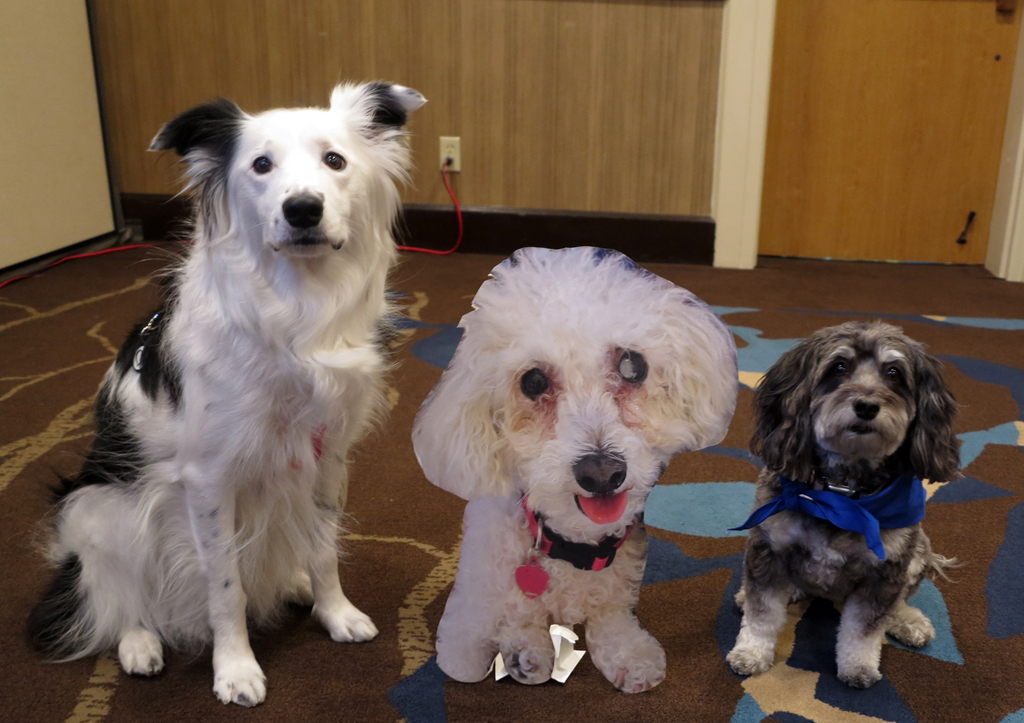
Celebrities and public figures often use their platforms to advocate for animal rescue, significantly impacting public perception and support. When high-profile individuals promote adoption and rescue, they bring attention to the cause, inspiring their followers to get involved. Celebrity endorsements can lead to increased donations, volunteerism, and adoptions, driving the success of rescue organizations. This influence is powerful, as it reaches a broad audience and encourages people to consider adopting rather than buying from breeders. The impact of celebrities in promoting dog rescue cannot be underestimated.
The Role of Technology and Social Media

Technology and social media have revolutionized the way dog rescue organizations operate. Platforms like Facebook, Instagram, and Twitter allow organizations to reach a wider audience, sharing stories and updates on rescue efforts. These tools enable groups to connect with potential adopters, volunteers, and donors, streamlining the adoption process. Social media campaigns can quickly raise awareness about dogs in need, leading to faster and more successful adoptions. The digital age has provided rescue organizations with powerful tools to amplify their message and mission, leading to their growth and prominence.
In conclusion, the abundance of dog rescue organizations in the US is the result of a combination of cultural, social, and economic factors. The love for dogs, awareness of animal welfare, economic conditions, community support, government regulations, celebrity influence, and technological advancements all contribute to this phenomenon. These organizations play a vital role in ensuring that dogs receive the care and love they deserve, and they continue to thrive thanks to the dedication and compassion of countless individuals and communities across the nation.


