
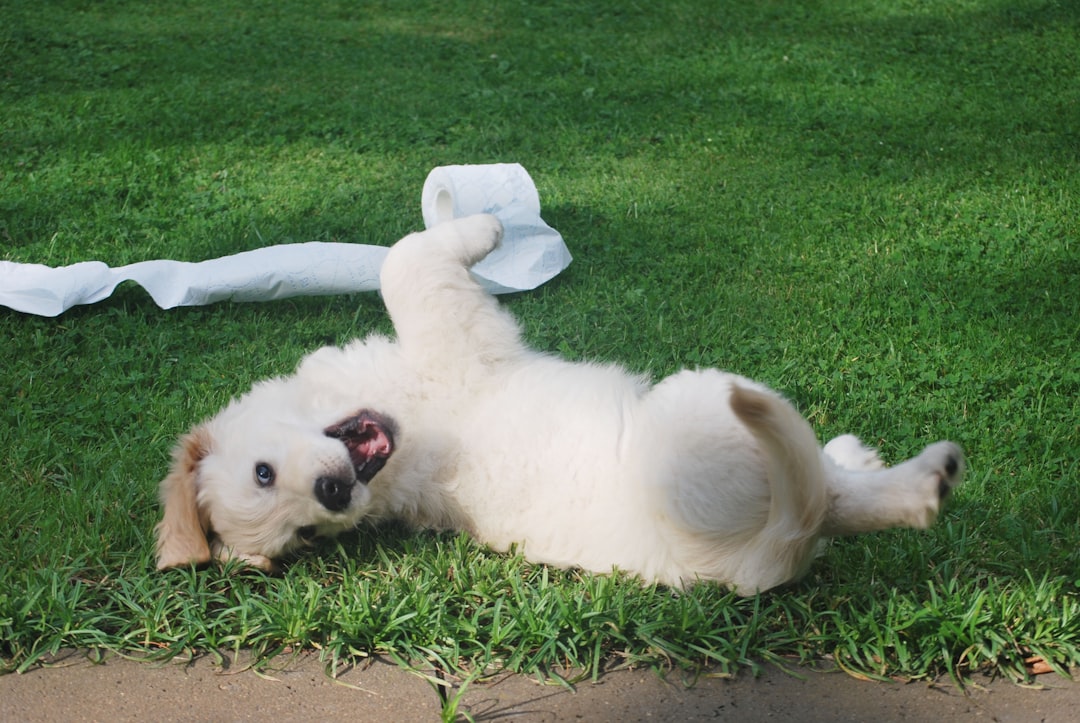
Welcoming a puppy into your life is like adding a whirlwind of joy, love, and chaos all at once. It’s a bit like juggling flaming torches while riding a unicycle—exhilarating but challenging! For those living in bustling households, whether with kids, work commitments, or both, raising a puppy can seem daunting. However, with the right mix of love, patience, and organization, you can create a harmonious balance between life and training. Here, we explore essential tips to help you navigate this rewarding journey.
Understanding Your Puppy’s Needs

Before diving into the whirlwind of puppy parenthood, it’s crucial to understand what your furry friend needs to thrive. Puppies are like tiny explorers, constantly learning and growing. They require a balanced diet, regular exercise, mental stimulation, and plenty of rest. Think of them as young toddlers with fur; they need guidance, boundaries, and lots of love. Remember, a well-fed and well-rested puppy is a happy puppy. Start by researching the best nutrition options and ensure your pup gets enough playtime and sleep. This foundational knowledge will set the tone for a healthy and happy puppyhood.
Creating a Puppy-Friendly Environment

Imagine your home through the eyes of a curious puppy. Everything is new, exciting, and potentially chewable! To make your home puppy-friendly, begin by removing hazards such as toxic plants, electrical cords, and small objects that can be swallowed. Designate a safe space for your puppy, like a cozy corner with a bed and toys. This space will become their sanctuary, a place they can retreat to when the household gets busy. Remember, a safe environment isn’t just about removing dangers; it’s about creating a space where your puppy can explore and learn without constant supervision.
Establishing a Routine

Puppies, much like humans, thrive on routine. Establishing a consistent schedule for feeding, potty breaks, playtime, and training sessions is essential. Picture your day as a structured dance, where each step is predictable yet flexible. A routine not only helps your puppy learn what to expect but also fits seamlessly into a busy household schedule. Consistency is key; if feeding time is 7 AM, stick to it. This predictability helps reduce anxiety and builds a sense of security for your puppy, making them more receptive to training and socialization.
Incorporating Training into Daily Life
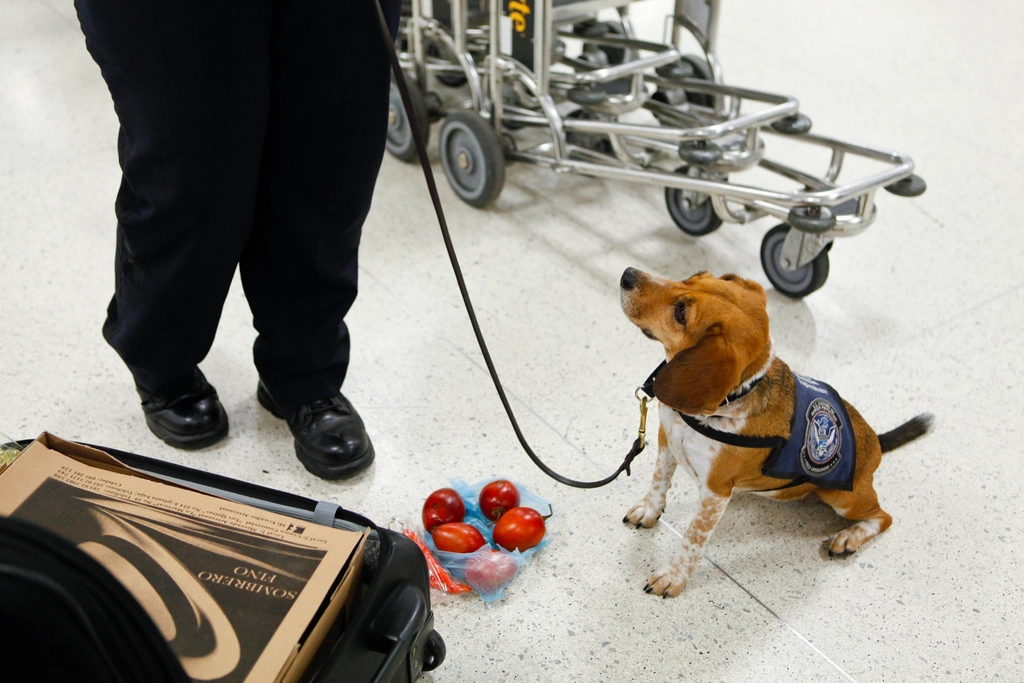
Training a puppy doesn’t have to mean setting aside hours of your day. Instead, incorporate training into your everyday activities. Think of it as teaching a child to read while cooking dinner; it’s about multitasking. Use daily interactions as opportunities to reinforce commands and encourage good behavior. Simple commands like “sit” and “stay” can be practiced while preparing meals or during TV commercials. Remember, patience is your best tool. Puppies are eager to learn, and with consistent, positive reinforcement, they will quickly pick up on what you expect from them.
Balancing Family and Puppy Time

Balancing family commitments with the demands of a new puppy is akin to orchestrating a symphony. Everyone plays a part, and harmony is key. Involve family members in the puppy’s care and training to distribute responsibilities evenly. Assign tasks like feeding, walking, and playtime to different family members. This not only lightens your load but also helps the puppy bond with each family member. Remember, a puppy is a family affair, and working together ensures that your furry friend feels loved and included in the household dynamic.
Handling Challenges with Patience
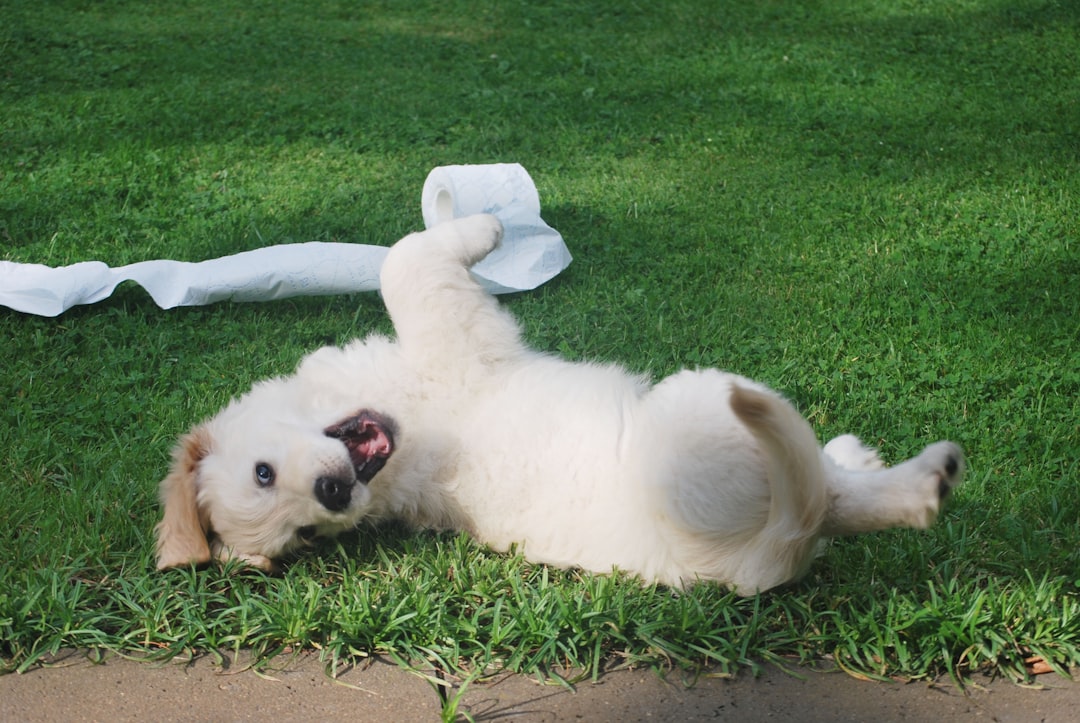
Puppies, like any young creature, will test your patience. Accidents will happen, shoes might be chewed, and there will be moments of frustration. It’s important to approach these challenges with calm and patience. Think of these moments as opportunities for growth, both for you and your puppy. Instead of reacting with anger or frustration, take a deep breath and assess the situation. Consistent, gentle correction and positive reinforcement are more effective than punishment. Remember, your puppy is learning, and mistakes are part of the process. With time and patience, these challenging phases will pass.
In conclusion, raising a puppy in a busy household is a journey filled with laughter, love, and learning. By understanding your puppy’s needs, creating a safe environment, establishing routines, incorporating training into daily life, balancing family involvement, and handling challenges with patience, you can build a strong, loving bond with your new furry family member. Enjoy the adventure, and remember, every moment with your puppy is a step towards a lifelong friendship.


