
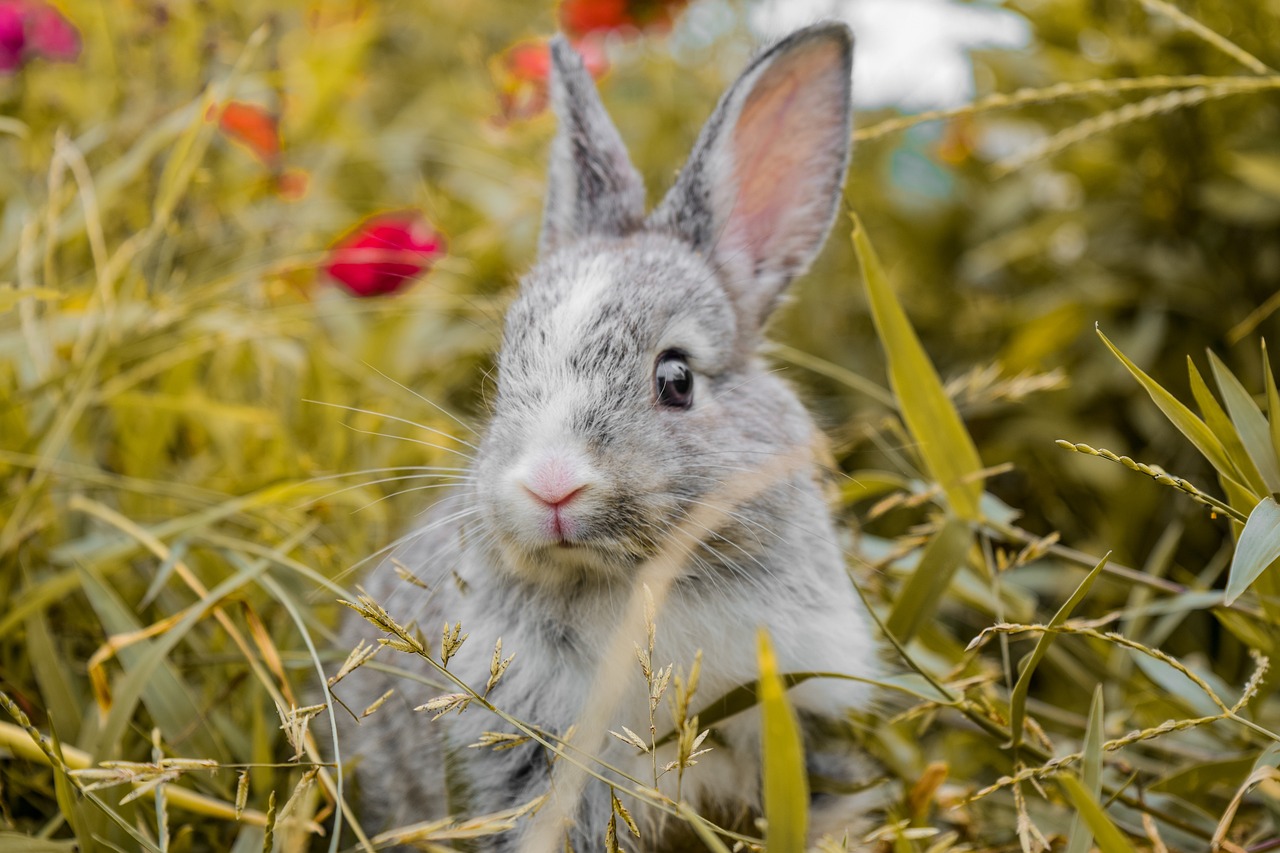
Rabbits can be delightful companions, hopping into our hearts with their soft fur and twitching noses. However, caring for these delicate creatures requires a bit more attention than you might initially think. Just like any pet, rabbits have specific needs that must be met to ensure they remain healthy and happy. In this article, we’ll explore ten essential tips to keep your rabbit in tip-top shape. Whether you’re a seasoned rabbit owner or considering bringing one into your home, these insights will be invaluable.
Provide a Balanced Diet
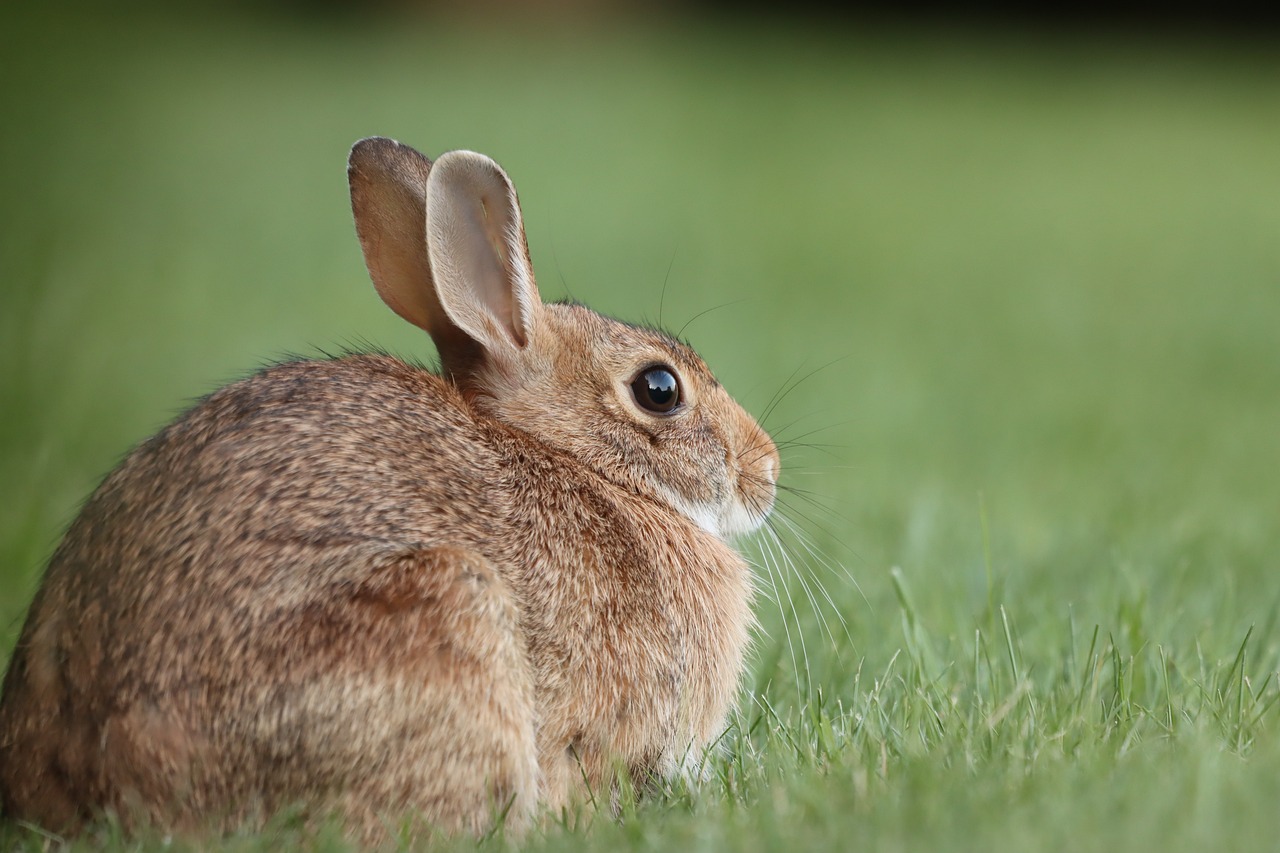
Feeding your rabbit a balanced diet is crucial for its overall health. A rabbit’s diet should primarily consist of hay, which aids in digestion and helps wear down their continuously growing teeth. Fresh vegetables, such as leafy greens and herbs, should also be included to provide essential nutrients. However, be cautious with fruits and treats, as too much sugar can lead to obesity and other health issues. Think of your rabbit’s diet as a well-tuned orchestra, where each component plays a vital role in harmony.
Ensure Plenty of Exercise

Rabbits are naturally active animals that require ample exercise to stay healthy. Allow them time outside their cage to hop around in a safe, enclosed area. This helps maintain their physical health and mental well-being. Imagine a rabbit’s exercise routine as a dance, where each jump and sprint keeps them agile and fit. Providing tunnels, ramps, and toys can also stimulate their curiosity and encourage movement.
Regular Vet Check-Ups
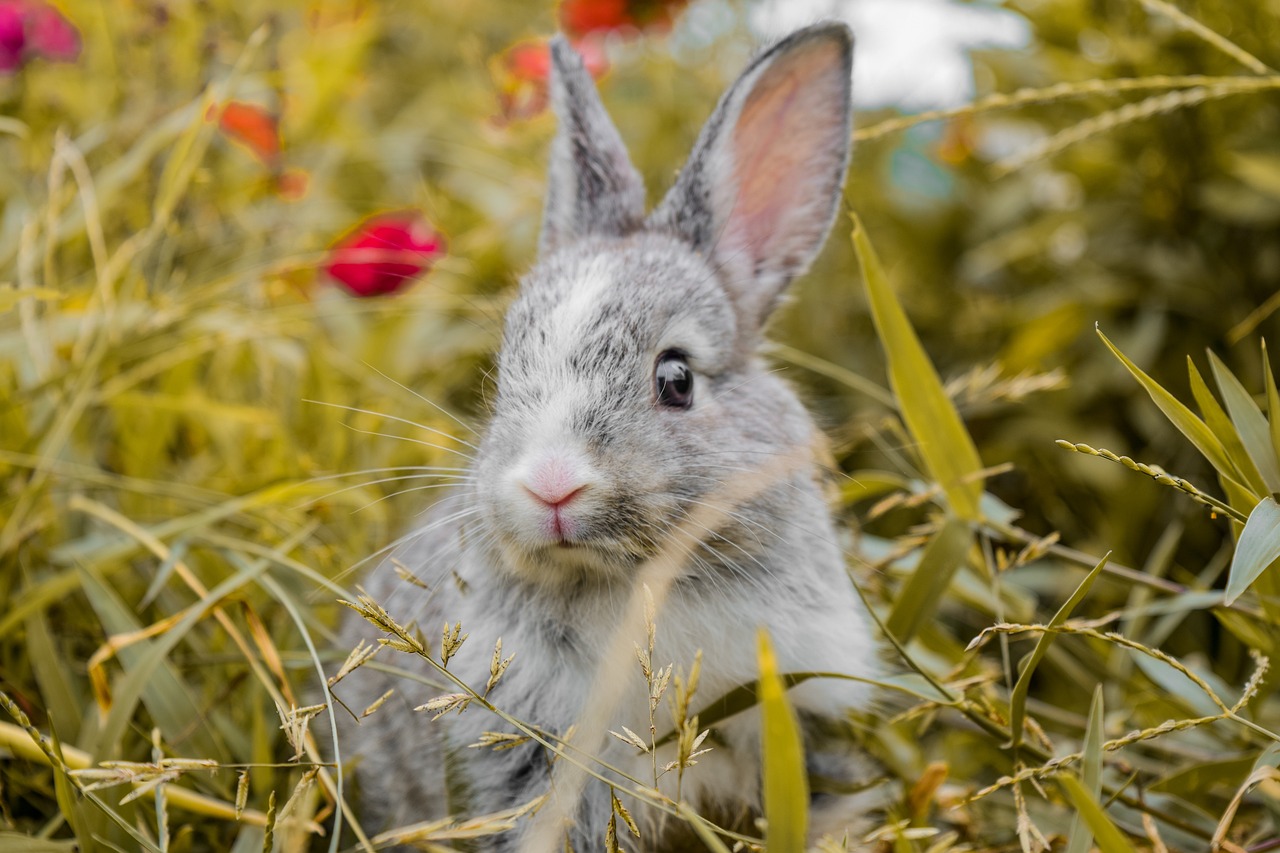
Just like humans, rabbits benefit from regular health check-ups. A vet specializing in small animals can provide vital insights into your rabbit’s health, checking for common issues such as dental problems or parasites. These visits are like routine maintenance for a car, ensuring everything runs smoothly. Regular check-ups can catch potential health issues early, making them easier to manage or treat.
Grooming and Hygiene
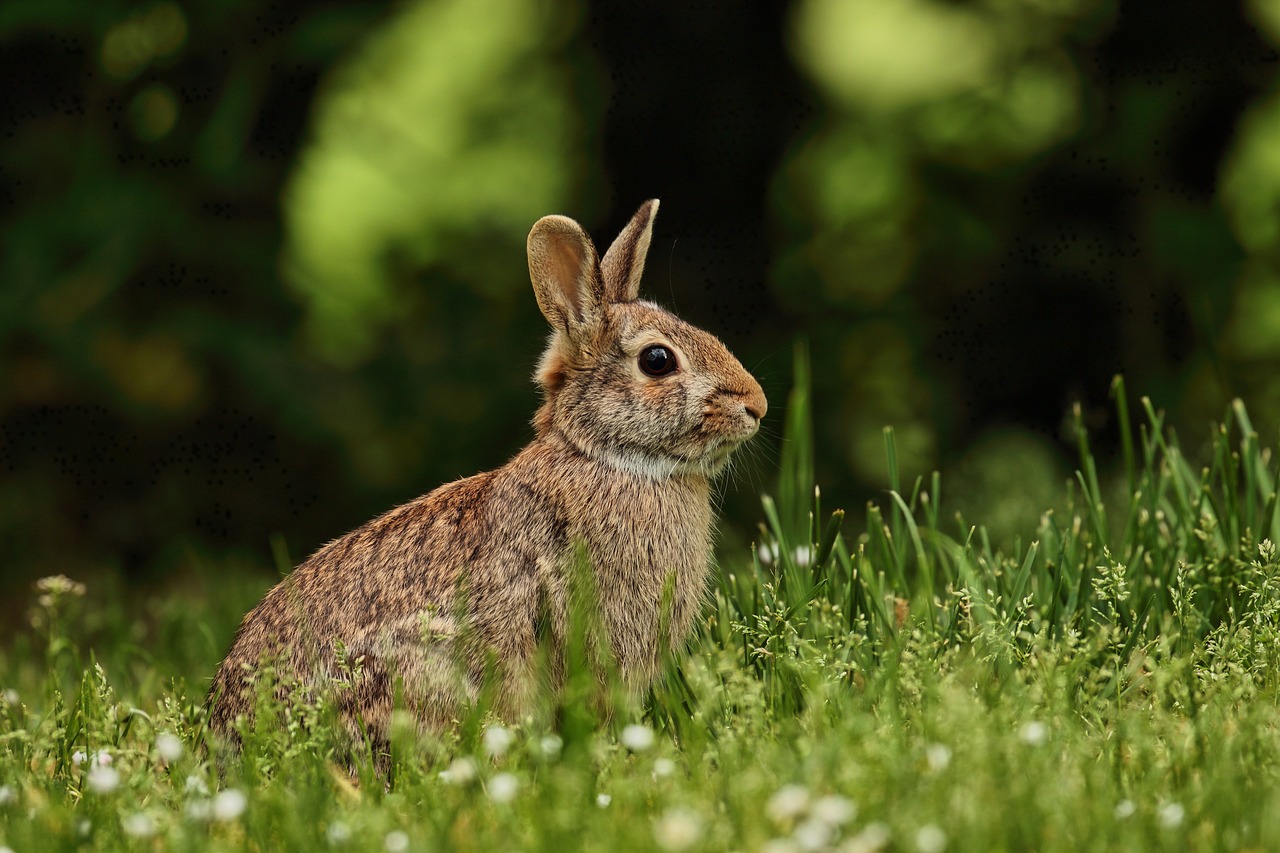
Rabbits are naturally clean animals, but they still require some grooming assistance from their owners. Regularly brushing your rabbit helps prevent matting and reduces the risk of hairballs. Additionally, check their nails and trim them as needed. Think of grooming as a spa day for your rabbit, where they can unwind and feel pampered. Maintaining cleanliness in their living area is also crucial to prevent infections and diseases.
Social Interaction
Rabbits are social creatures that thrive on interaction. Spending quality time with your rabbit fosters a strong bond and reduces stress. Whether it’s gentle petting or playtime, these interactions are essential for their emotional health. Imagine social time as a warm hug that reassures your rabbit of its place in your heart. If possible, consider having more than one rabbit to provide companionship, as they often thrive in pairs or small groups.
Safe and Comfortable Living Environment
Your rabbit’s living space should be safe, comfortable, and spacious enough for them to move freely. A hutch or cage should be large enough to allow them to stretch out and have separate areas for sleeping, eating, and playing. The environment should be free from hazards, such as electrical cords or sharp objects. Think of their home as a sanctuary, a place where they feel secure and content.
Preventative Health Measures
Taking preventative measures can go a long way in keeping your rabbit healthy. Regularly check for signs of illness, such as changes in appetite or behavior. Vaccinations and parasite prevention are essential steps to shield your rabbit from common diseases. It’s like putting on a coat before heading out into the rain—these measures protect your rabbit from potential health threats.
Understanding Rabbit Behavior
Understanding your rabbit’s behavior is key to identifying any issues early. Rabbits communicate through body language, and recognizing signs of stress or discomfort can help you address problems before they escalate. It’s akin to learning a new language, where each gesture and movement tells a story. Spend time observing your rabbit’s habits to gain insight into its needs and preferences.
Provide Mental Stimulation
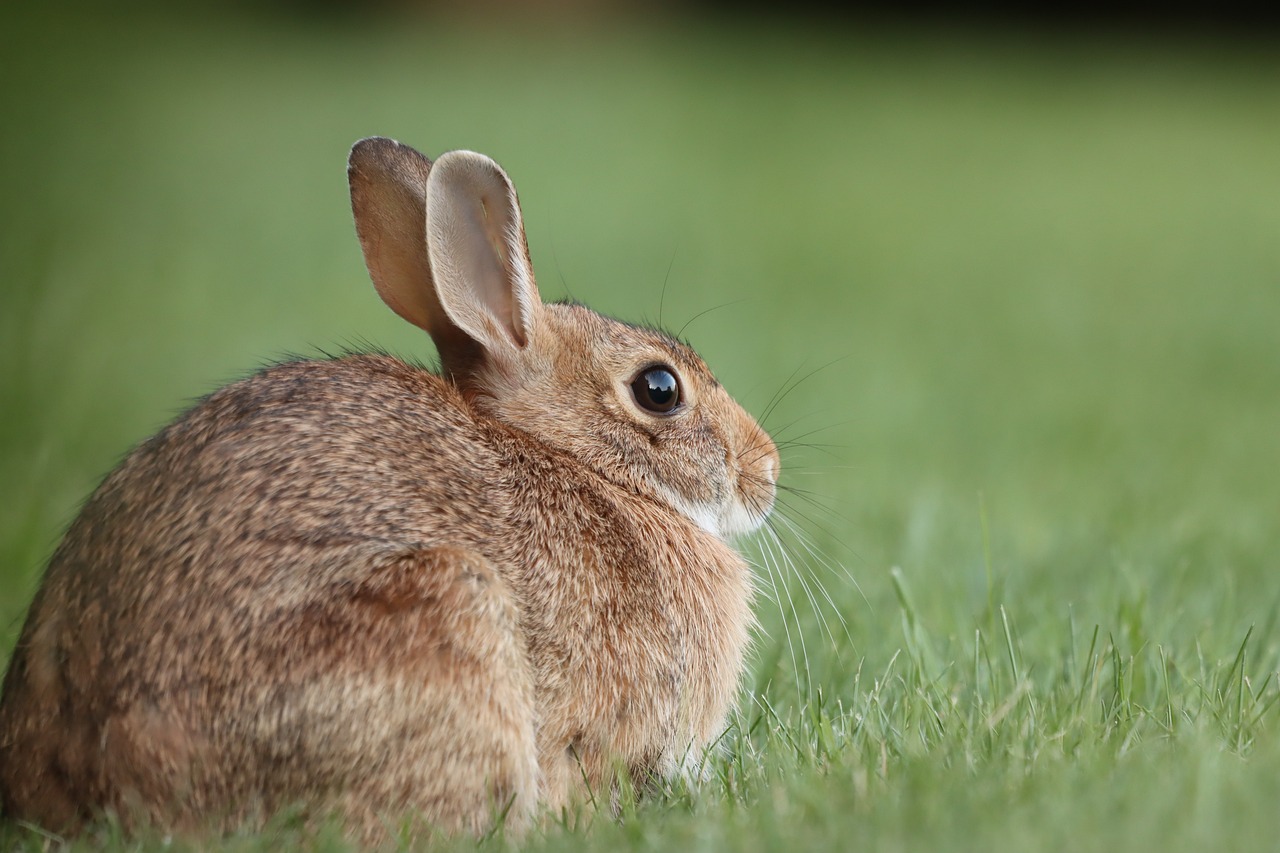
Mental stimulation is as important as physical exercise for rabbits. Puzzle toys, hiding treats, and creating obstacle courses can engage their minds. Think of it as a playground for their brain, keeping them entertained and sharp. A bored rabbit can develop destructive behaviors, so providing opportunities for mental enrichment is essential for their overall well-being.
Emergency Preparedness
Being prepared for emergencies is vital for any rabbit owner. Knowing the location of the nearest vet that specializes in small animals and having a first aid kit on hand can make a difference in urgent situations. It’s like having an umbrella ready for unexpected rain—you hope never to need it, but it’s comforting to know it’s there. Understanding basic rabbit first aid can also be invaluable in case of minor injuries or health issues.
In conclusion, keeping your rabbit healthy requires attention to their diet, exercise, social needs, and living environment. By following these essential tips, you can ensure your rabbit leads a happy, healthy life. Remember, a well-cared-for rabbit is a joyful companion that will hop into your heart and home with love.


