
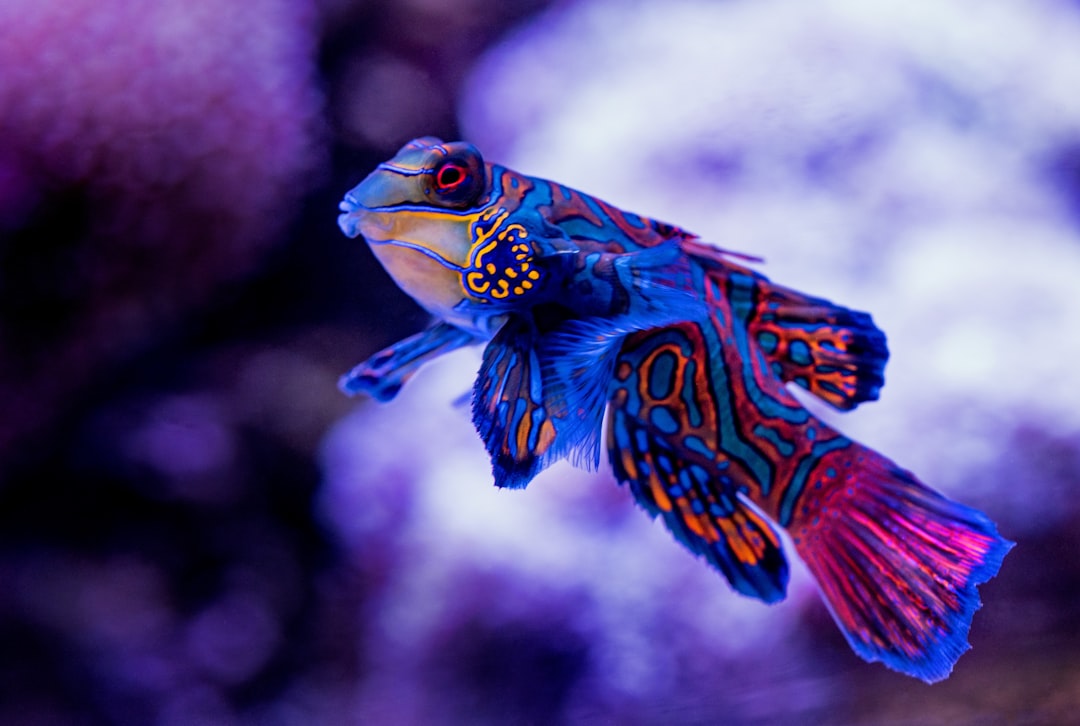
The world beneath the waves is filled with vibrant colors and fascinating creatures, but few are as captivating as the mandarin fish. For pet fish enthusiasts, understanding these creatures can be both a joy and a challenge. Known for their striking hues and delicate nature, mandarin fish are a favorite among aquarists. However, their beauty is matched by their unique needs, making them a special addition to any aquarium. Let’s dive into the top ten things you should know about these mesmerizing fish.
1. Vibrant Appearance
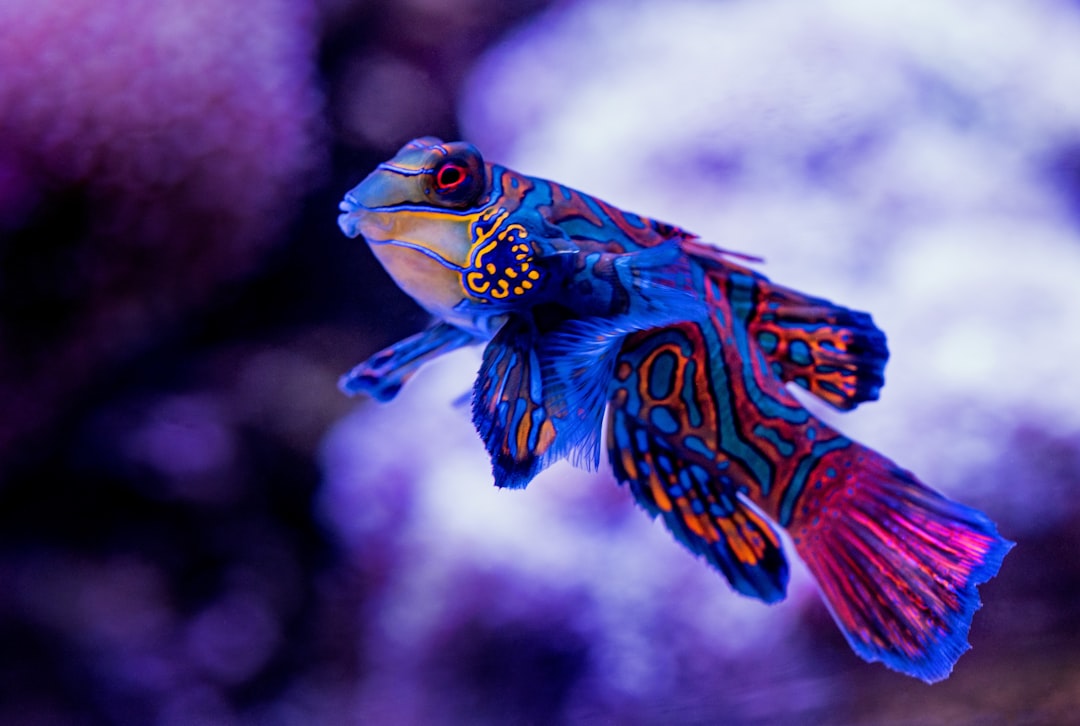
Mandarin fish are often compared to living jewels due to their dazzling colors. Their bodies are a riot of blues, greens, and oranges, with intricate patterns that seem almost too perfect to be natural. This vibrant appearance is not just for show; it’s a crucial part of their survival strategy. The bright colors can deter predators by signaling that they might be toxic or unpalatable. In an aquarium, their beauty can be likened to a living piece of art, providing endless fascination for observers.
2. Natural Habitat
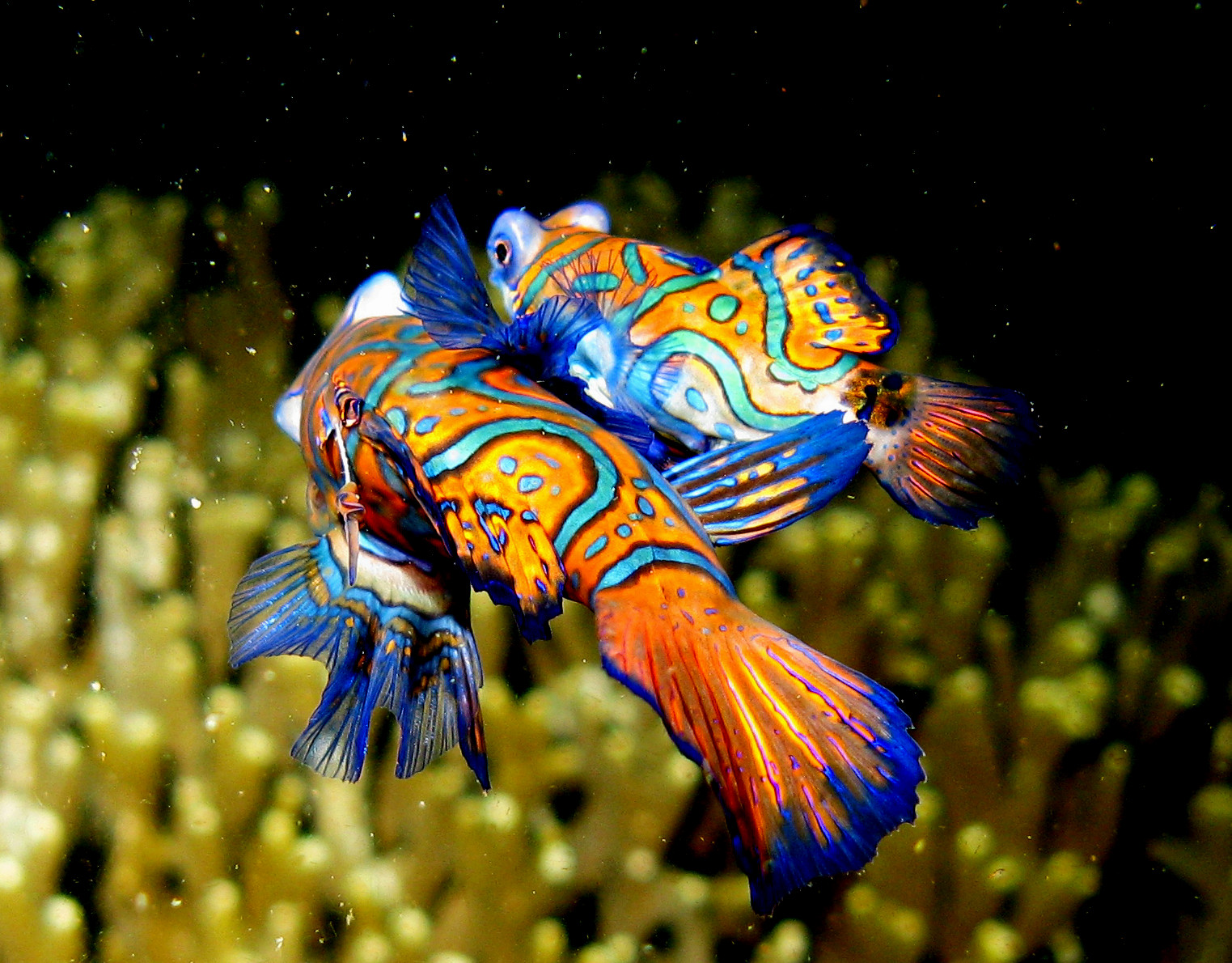
Mandarin fish are native to the Pacific Ocean, particularly in coral reef environments. They thrive in warm, shallow waters where they can easily find food and shelter. In the wild, these fish are often found hiding among the crevices of coral reefs, using their vibrant colors to blend in with the colorful surroundings. Understanding their natural habitat is crucial for anyone looking to keep mandarin fish in an aquarium, as replicating these conditions can help them thrive.
3. Diet and Feeding Habits
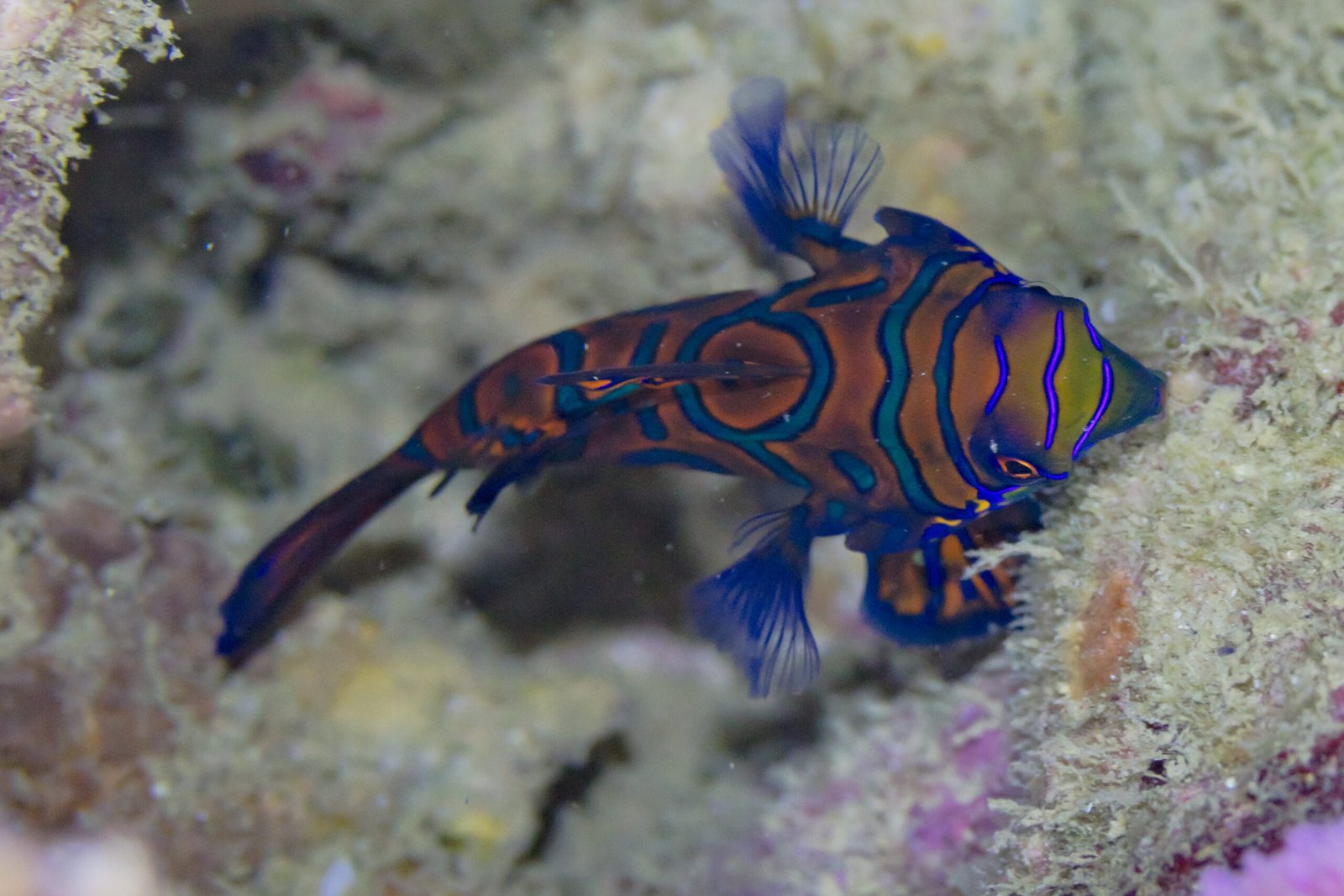
These fish have a very particular diet that consists mainly of small crustaceans and other tiny invertebrates. In captivity, feeding mandarin fish can be a challenge since they often refuse to eat anything that isn’t live food. They are slow eaters, spending hours picking at the substrate in search of food. A steady supply of live copepods or rotifers is essential to keep them healthy. For those unfamiliar with marine aquariums, it can be likened to providing a gourmet meal for your pet every day.
4. Reproduction and Breeding
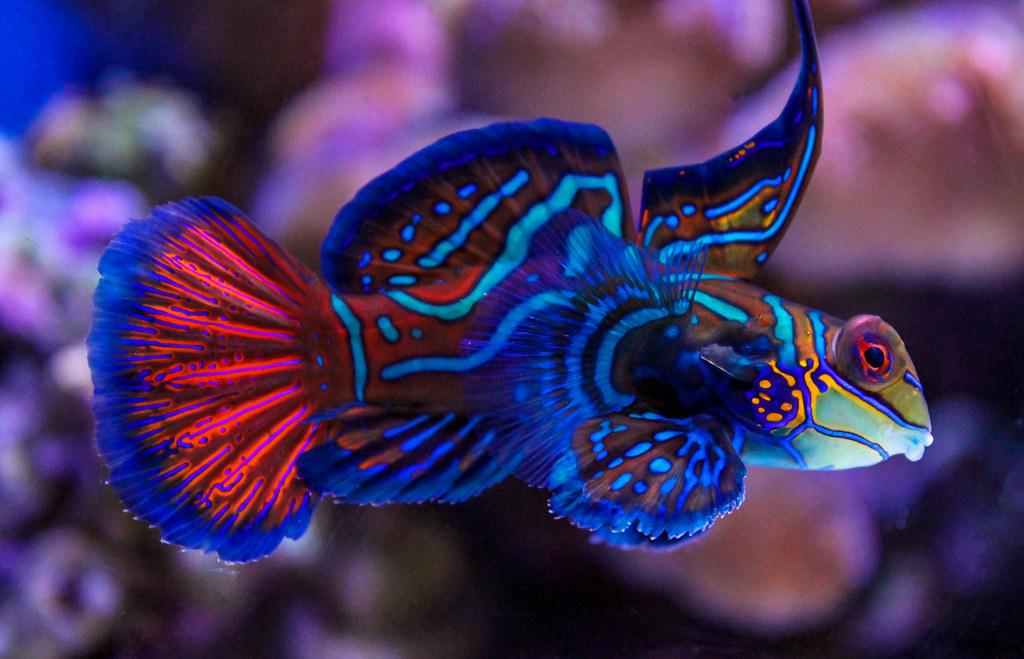
Breeding mandarin fish in captivity is a complex process, but it can be incredibly rewarding. During the breeding season, males and females perform a beautiful mating dance, spiraling upward in the water column. Successful breeding requires specific water conditions and a healthy pair of fish. Raising the fry is another challenge, as they require specialized care and feeding. However, witnessing the entire process is an unforgettable experience for any aquarist.
5. Social Behavior
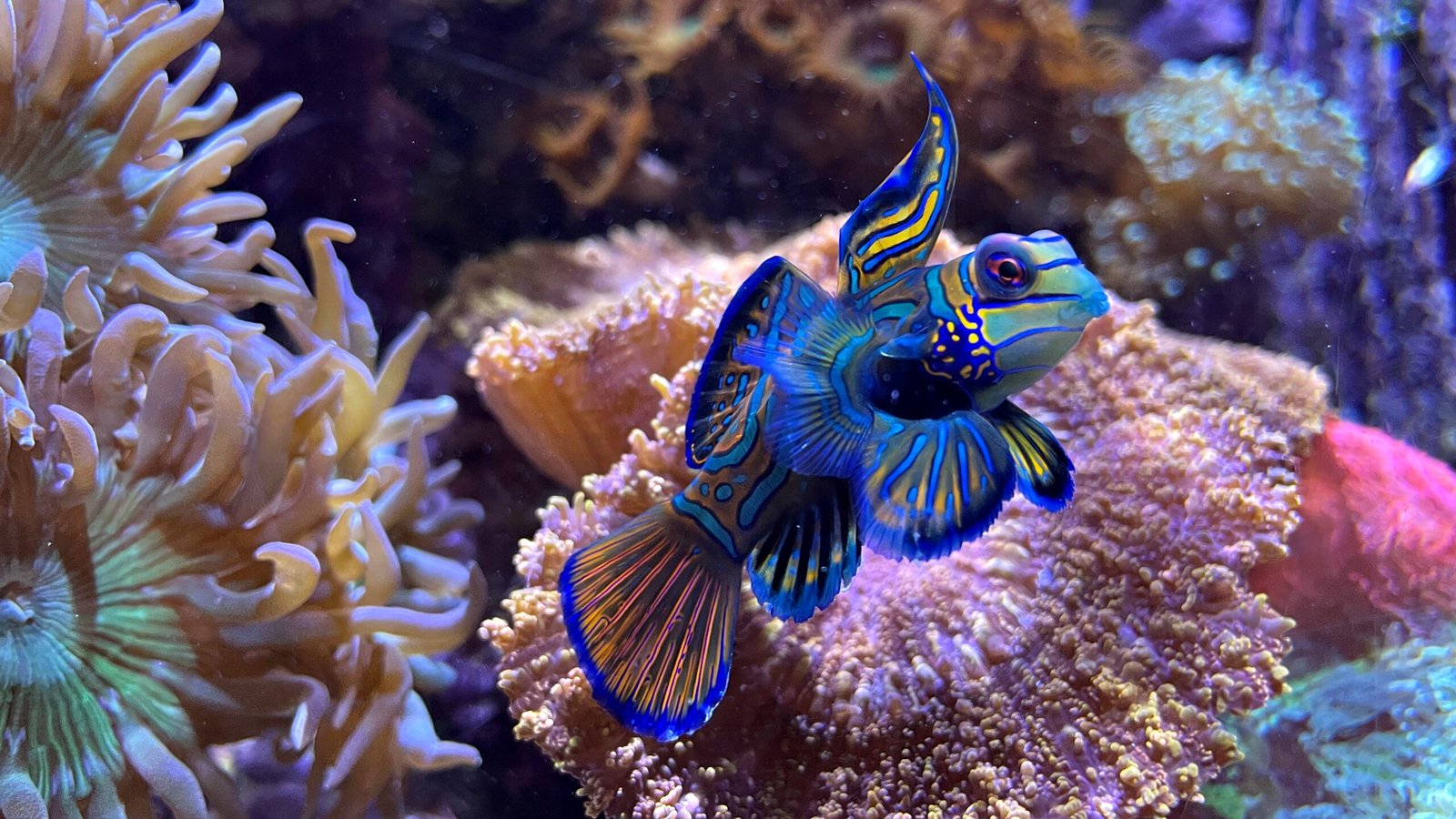
Mandarin fish are generally peaceful creatures, preferring to spend their time alone or in pairs. They are not aggressive towards other fish, making them suitable for a community tank. However, they do require plenty of space and hiding spots to feel secure. Observing their behavior can be fascinating, as they often exhibit unique personalities and habits. It’s like watching a tiny underwater drama unfold right in your living room.
6. Lifespan and Health
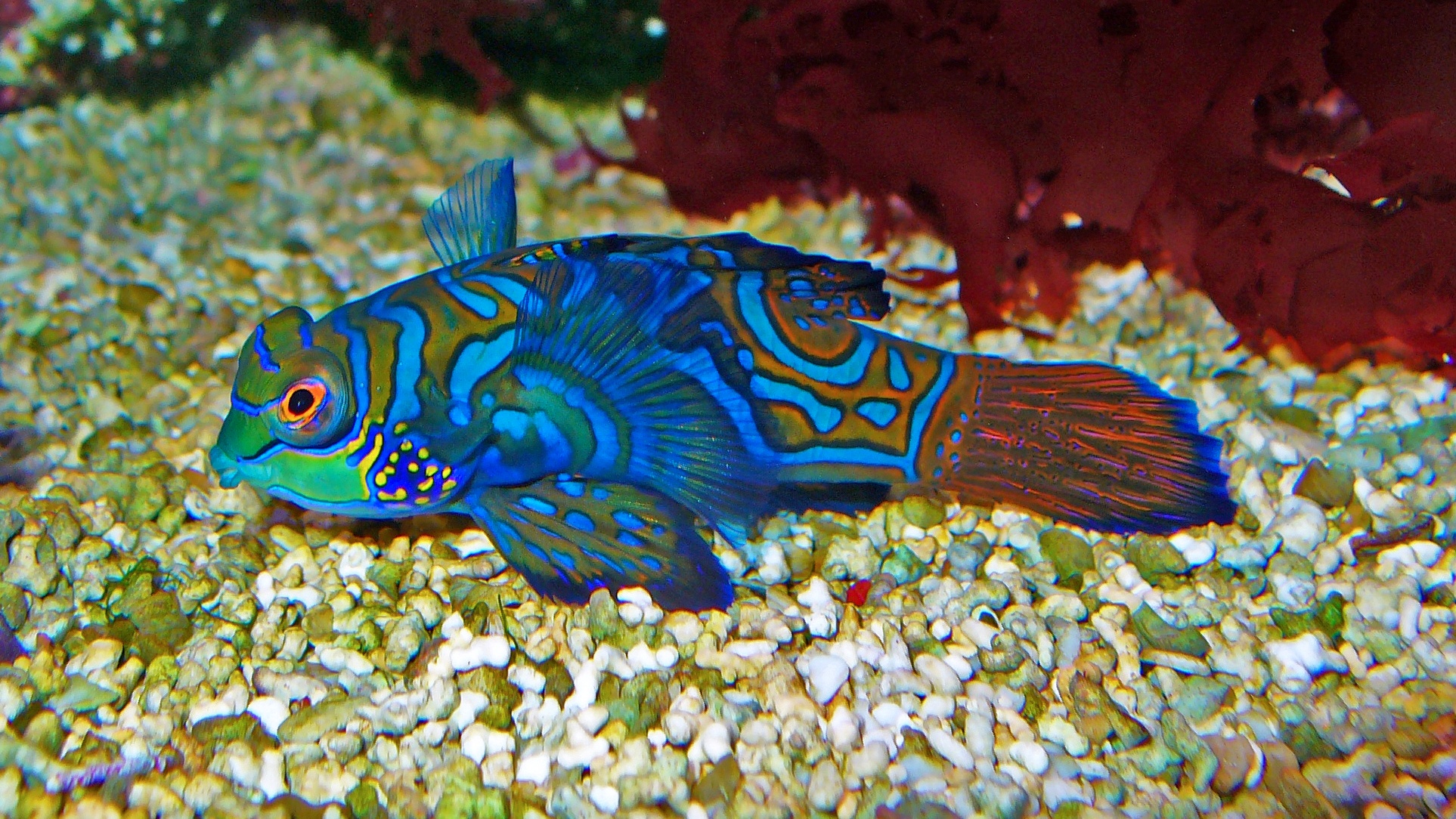
With proper care, mandarin fish can live for several years in captivity. However, they are susceptible to stress and disease, especially if their environment isn’t ideal. Maintaining clean water conditions and providing a balanced diet is crucial for their health. Regular monitoring and prompt attention to any signs of illness can help ensure a long and healthy life for your mandarin fish. Think of it as providing the perfect spa-like environment for your aquatic friend.
7. Tank Requirements
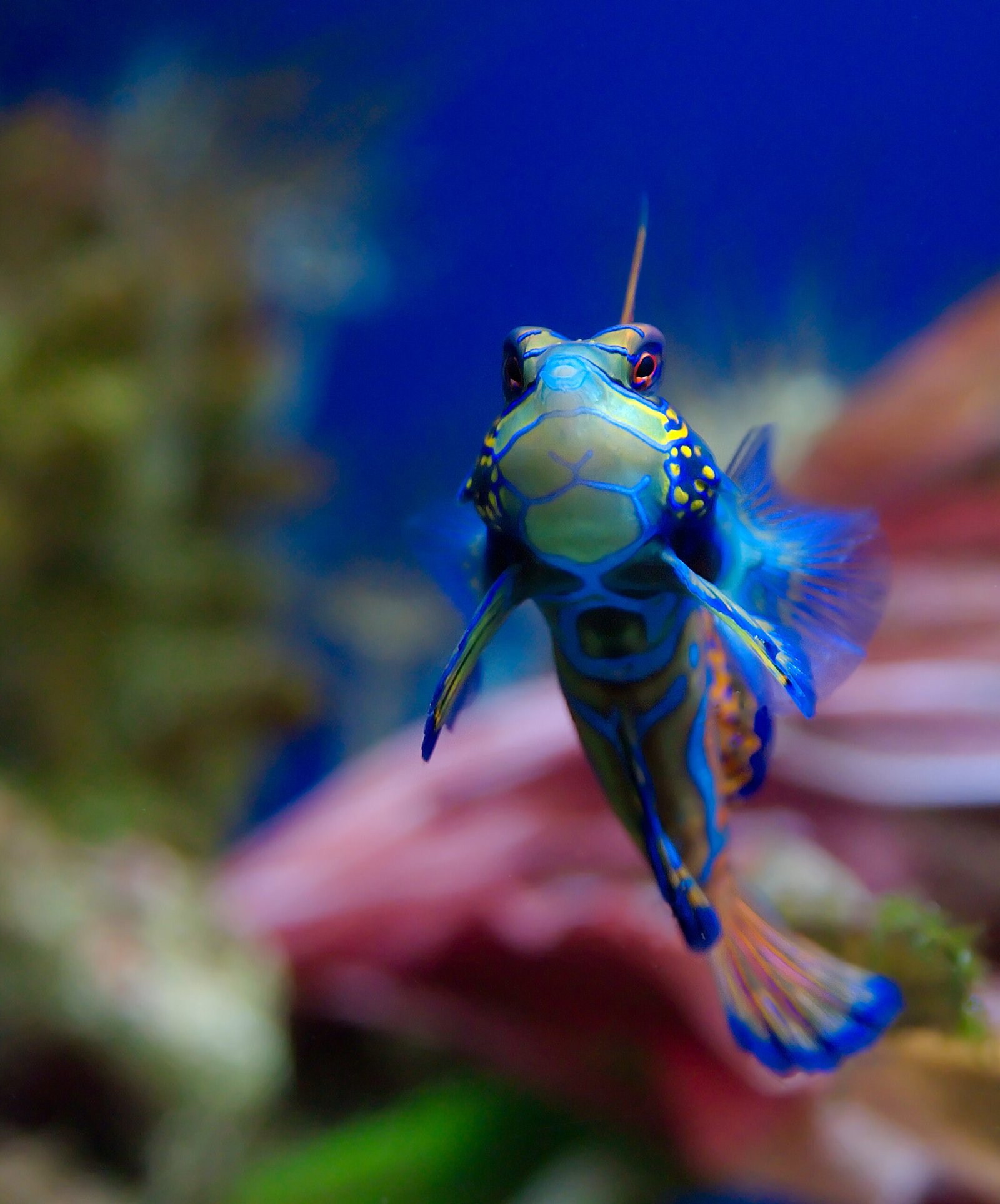
Creating the ideal environment for mandarin fish requires careful planning. They need a well-established tank with plenty of live rock and hiding spots. A mature aquarium with a healthy population of copepods is essential for their dietary needs. The tank should also have stable water parameters, mimicking their natural reef environment as closely as possible. It’s comparable to designing a luxury home for your fish, ensuring they have everything they need to thrive.
8. Compatibility with Other Fish
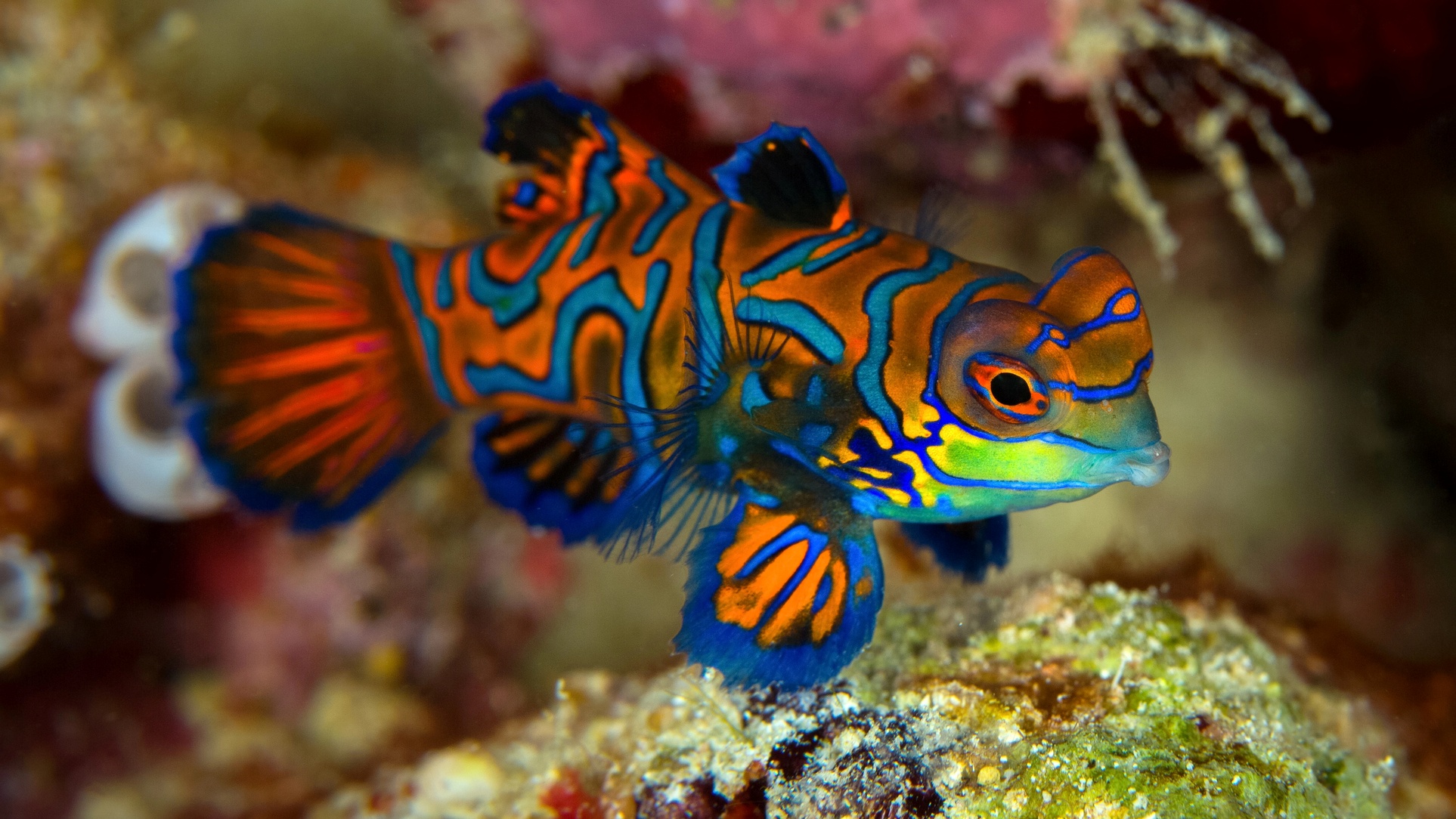
When it comes to tank mates, mandarin fish are quite selective. They do best with other peaceful species that won’t compete with them for food. Avoid aggressive or territorial fish that might stress or harm them. It’s important to consider the dietary needs of all tank inhabitants to ensure everyone gets enough to eat. Imagine hosting a dinner party where everyone has different dietary restrictions – careful planning is key to success.
9. Behavioral Quirks
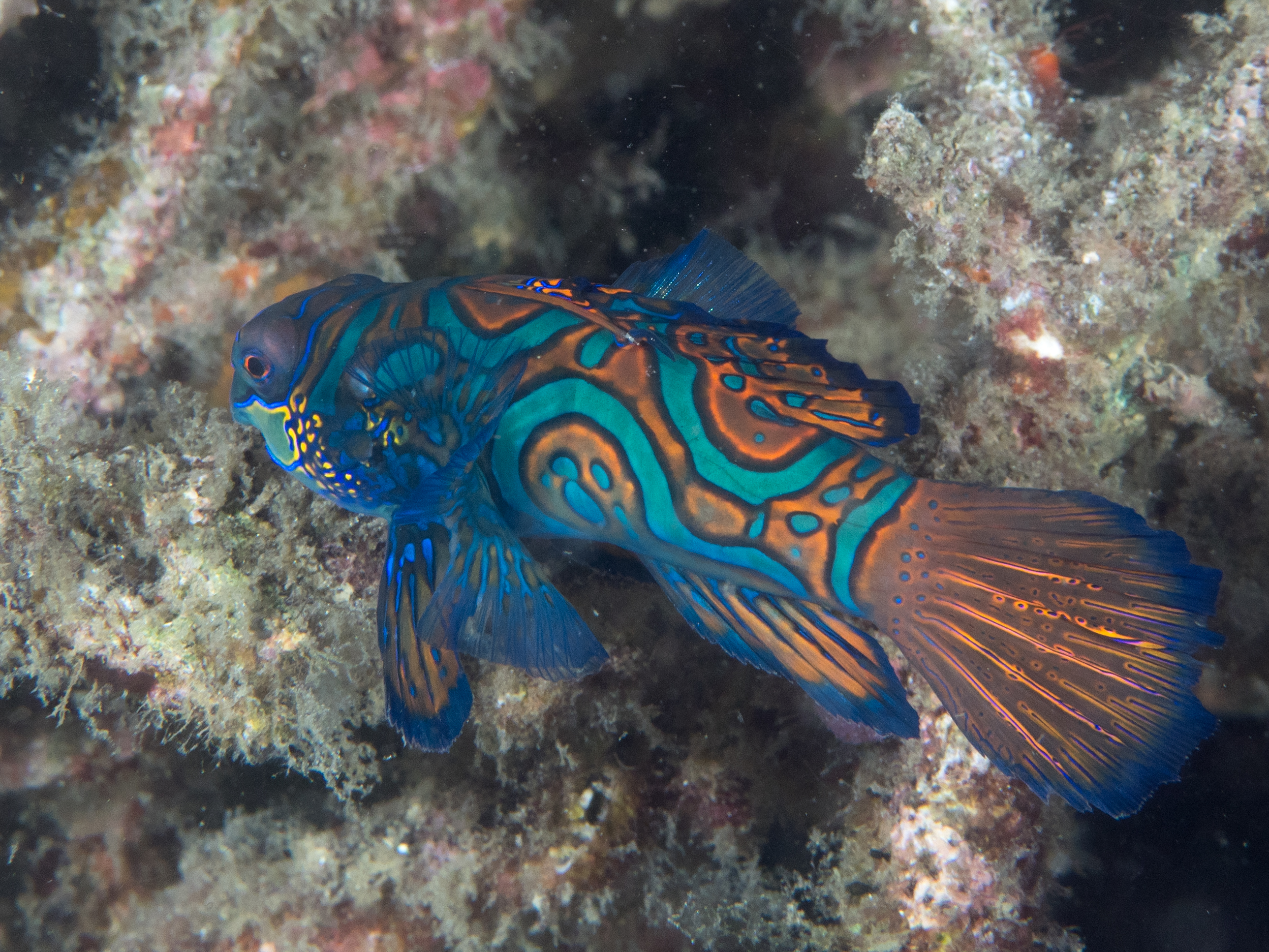
Mandarin fish are known for their quirky behaviors, which can be both entertaining and puzzling. They may spend hours exploring every nook and cranny of their tank, often disappearing for long periods. Their curious nature and delicate movements make them a joy to watch. Observing these behaviors can help you better understand their needs and preferences, much like learning the habits of a new friend.
10. Conservation and Ethical Considerations
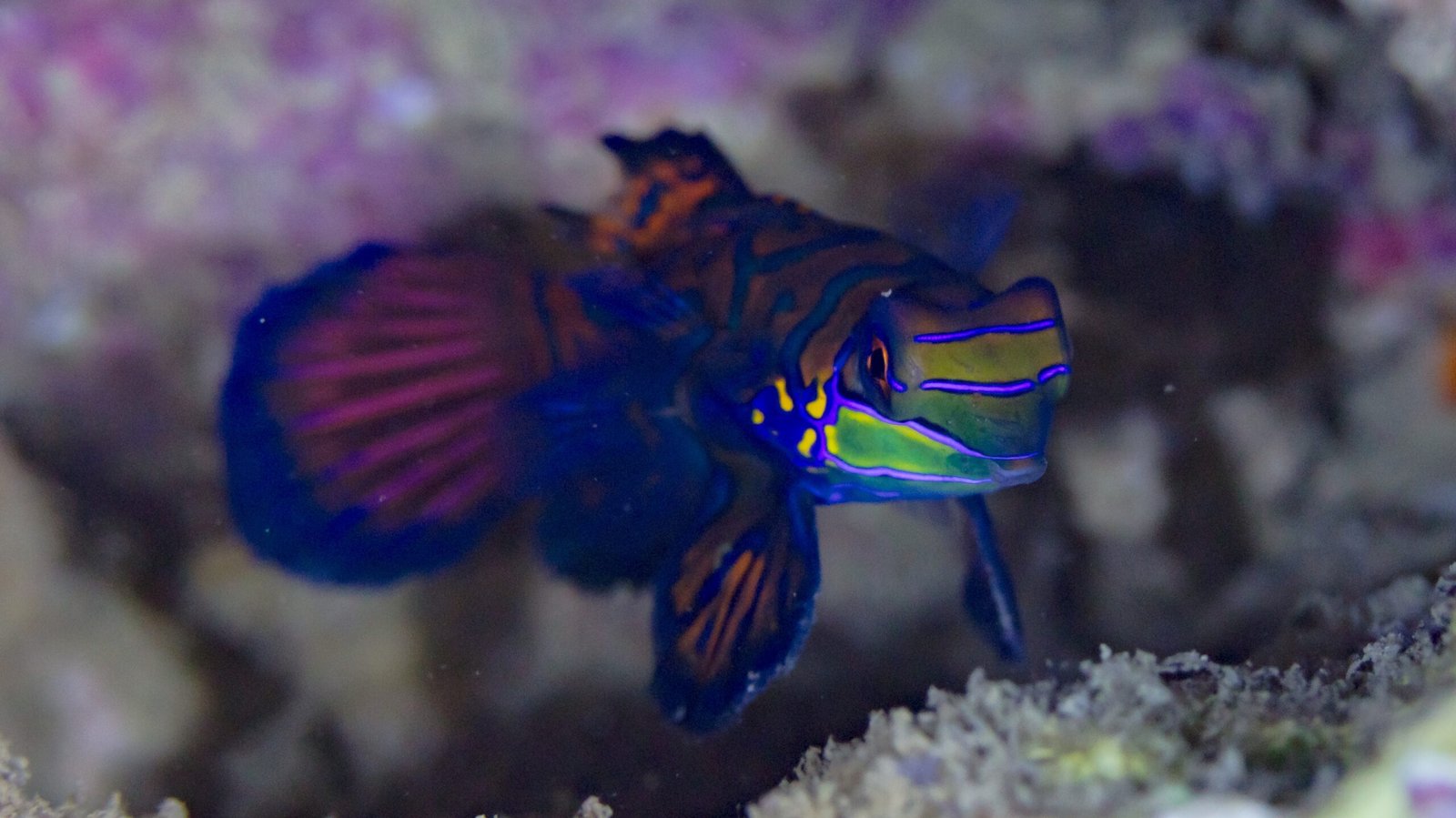
While mandarin fish are popular in the aquarium trade, it’s important to consider the ethical implications of keeping them. Overfishing and habitat destruction pose significant threats to their wild populations. Supporting sustainable and responsible practices is crucial for their conservation. When purchasing mandarin fish, seek out reputable breeders who prioritize the health and well-being of their stock. It’s like choosing to shop at a farmer’s market instead of a fast-food chain – quality and ethics matter.
Understanding the unique needs and characteristics of mandarin fish can greatly enhance your experience as a pet fish owner. These beautiful creatures bring a touch of the exotic to any aquarium, but they require careful attention and dedication. With the right knowledge and preparation, you can provide a happy and healthy home for your mandarin fish, enjoying their vibrant presence for years to come.


