

Dogs, like humans, find comfort and security in routine. Picture a bustling city where everything runs on a schedule; the trains arrive on time, the shops open and close at the same hour each day, and people move in a synchronized dance of predictability. For dogs, a consistent routine provides a similar sense of order and predictability, which can significantly enhance their well-being. Let’s delve into ten ways in which your furry friend thrives on routine.
Consistency Brings Comfort

Dogs, much like children, feel secure when they know what to expect. Routines offer them a sense of stability. Imagine waking up every day not knowing what will happen next; it’s unsettling, right? For dogs, a consistent routine means they can anticipate when they’ll eat, walk, and sleep. This predictability reduces anxiety and stress, creating a peaceful environment for your pet. When a dog knows they’ll be fed at a certain time, it eliminates the uncertainty and worry about their next meal.
Strengthening the Bond

When you consistently engage in activities with your dog, it strengthens the bond between you. Regular walks, playtime, and feeding times become shared experiences that enhance your relationship. Think of it as a ritual you both look forward to. This routine interaction helps build trust, as your dog learns to rely on you for their needs. Over time, this trust fosters a deeper emotional connection, making your dog feel more secure and loved.
Improving Behavioral Patterns
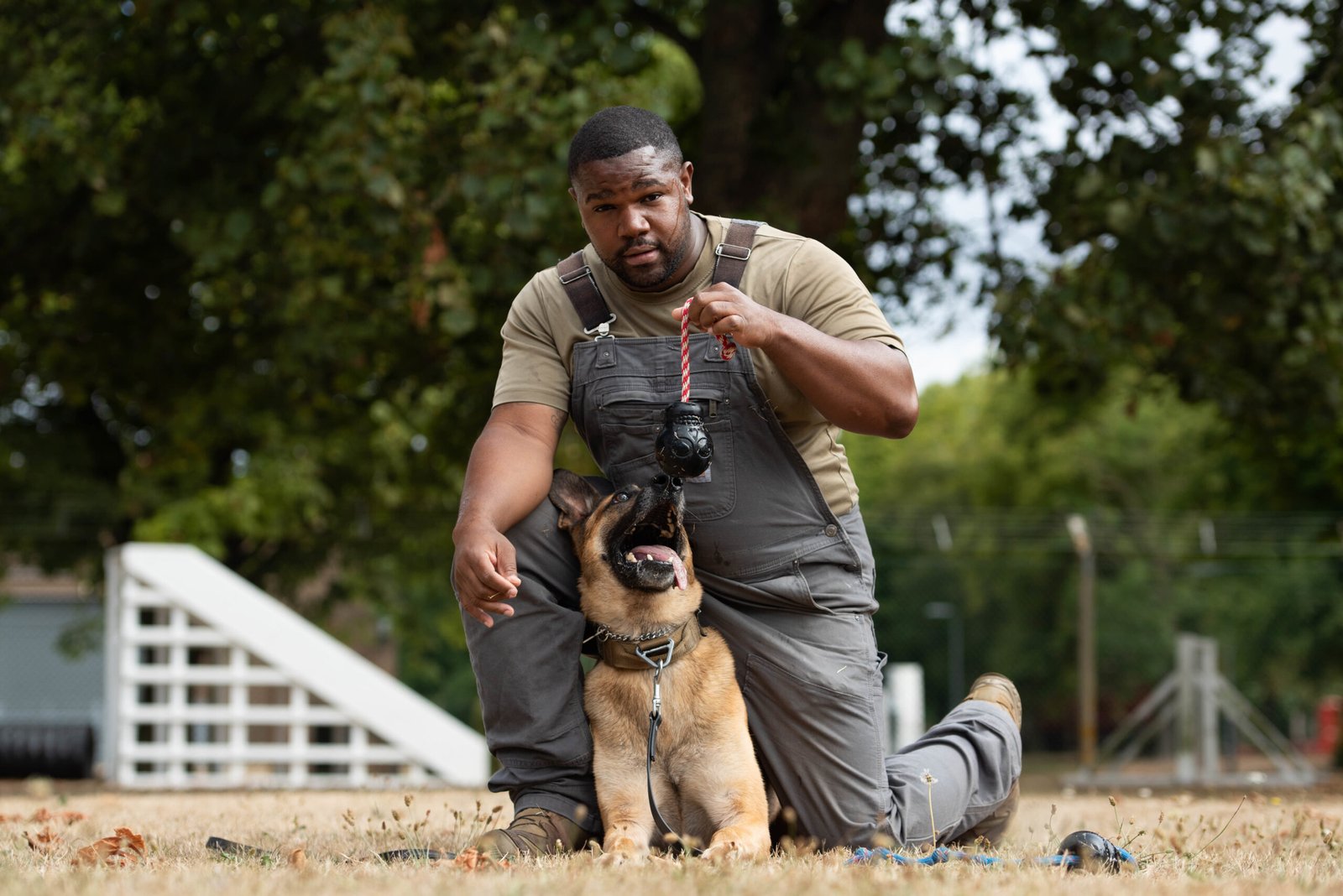
Dogs are creatures of habit, and routines can significantly influence their behavior. By establishing regular feeding, walking, and play schedules, you can help your dog develop good habits. If a dog knows when it’s time to eat or go for a walk, they’re less likely to engage in destructive behavior out of boredom or frustration. Consistent routines can also help with training, as dogs quickly learn to associate certain actions with specific times of the day.
Enhancing Physical Health

Routine exercise is crucial for a dog’s physical health. Scheduled walks and playtime ensure that your dog gets the necessary physical activity to stay fit and healthy. Just like humans benefit from regular exercise, so do dogs. A predictable exercise routine helps manage weight, strengthens muscles, and improves cardiovascular health. Plus, it releases pent-up energy, which can help prevent behavioral problems stemming from excess energy.
Supporting Mental Well-being
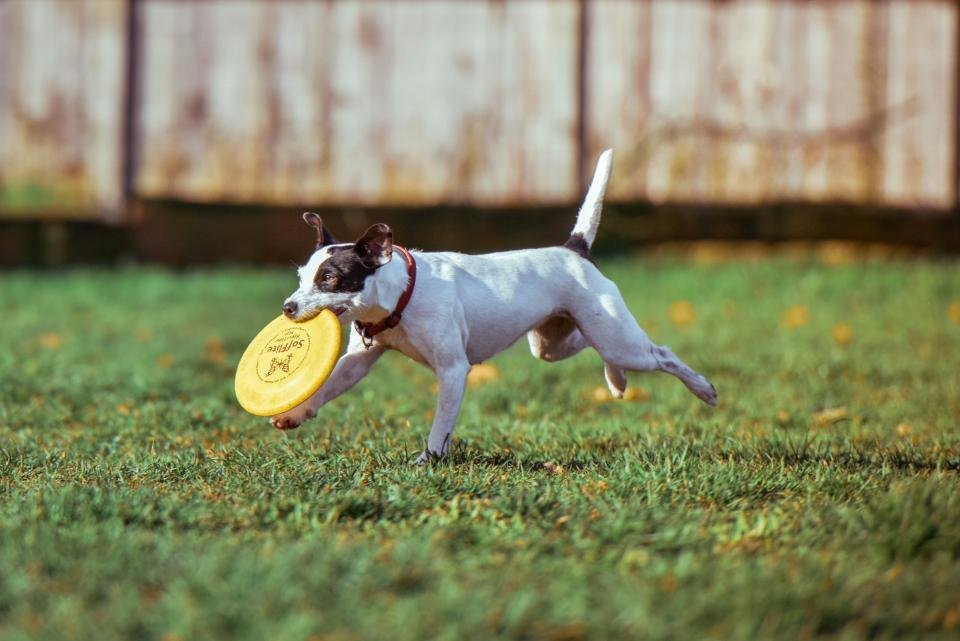
A structured routine supports your dog’s mental health by reducing stress and anxiety. Dogs thrive on predictability; knowing what comes next can be soothing for them. When routines are disrupted, it can lead to confusion and anxiety. By maintaining a consistent schedule, you help your dog feel calm and relaxed. This consistency is especially important for dogs with a history of anxiety or rescue dogs who may have experienced instability in the past.
Facilitating Better Sleep

Dogs benefit from regular sleep patterns, much like people do. A routine helps regulate their internal clock, ensuring they get adequate rest. When dogs know when it’s time to wind down, they can relax more easily, leading to better sleep quality. Consistent bedtime routines, such as a short walk followed by quiet time, signal to your dog that it’s time to rest, ensuring they wake up refreshed and ready for the day.
Encouraging Socialization
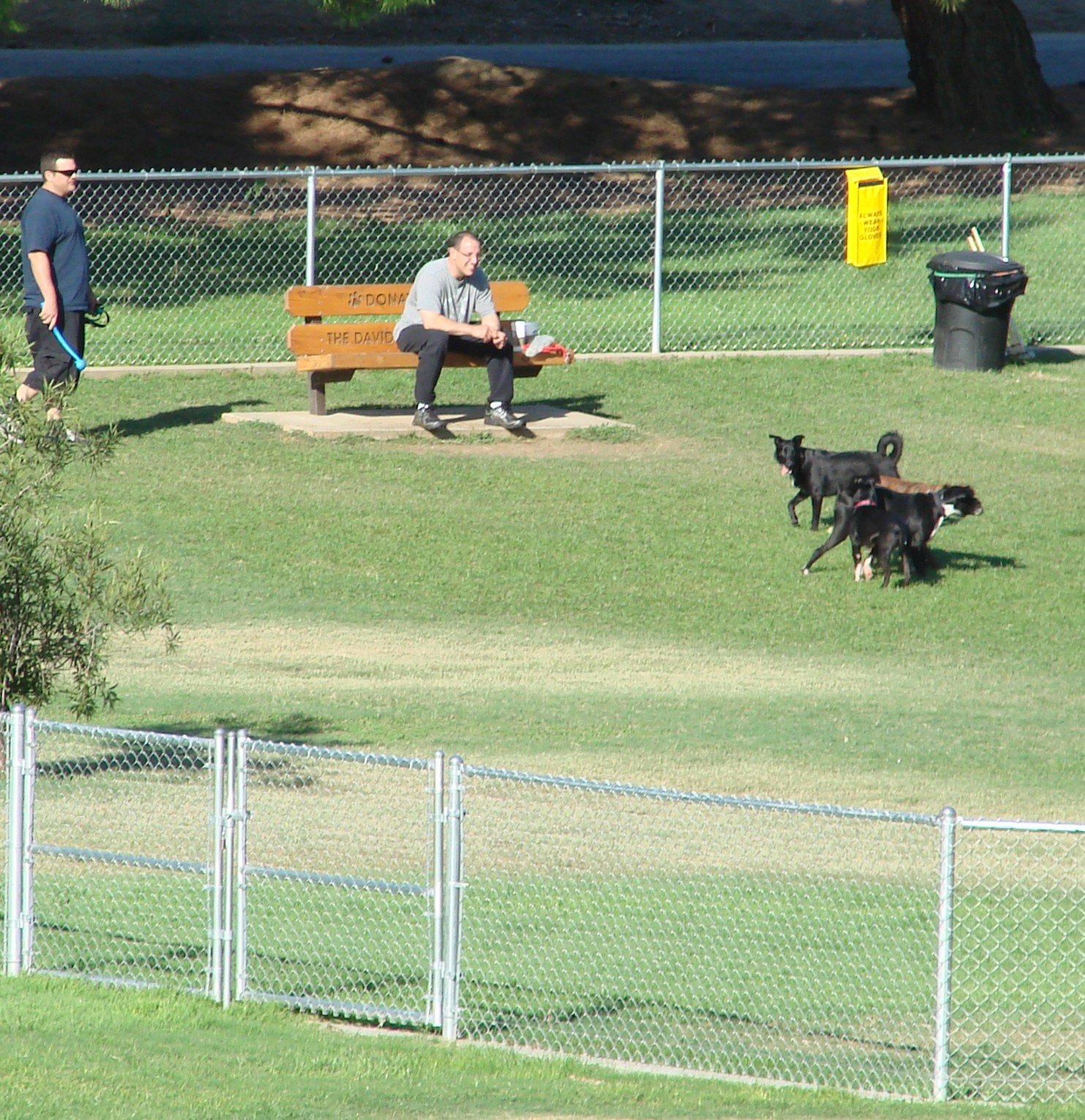
Routine can play a vital role in your dog’s social development. Regular visits to the park or playdates with other dogs help them become more comfortable in social settings. Consistent exposure to different environments and other animals reduces the likelihood of fear-based aggression or anxiety in new situations. Routines that include social interaction teach dogs how to behave in various settings, making them well-adjusted companions.
Reducing Separation Anxiety
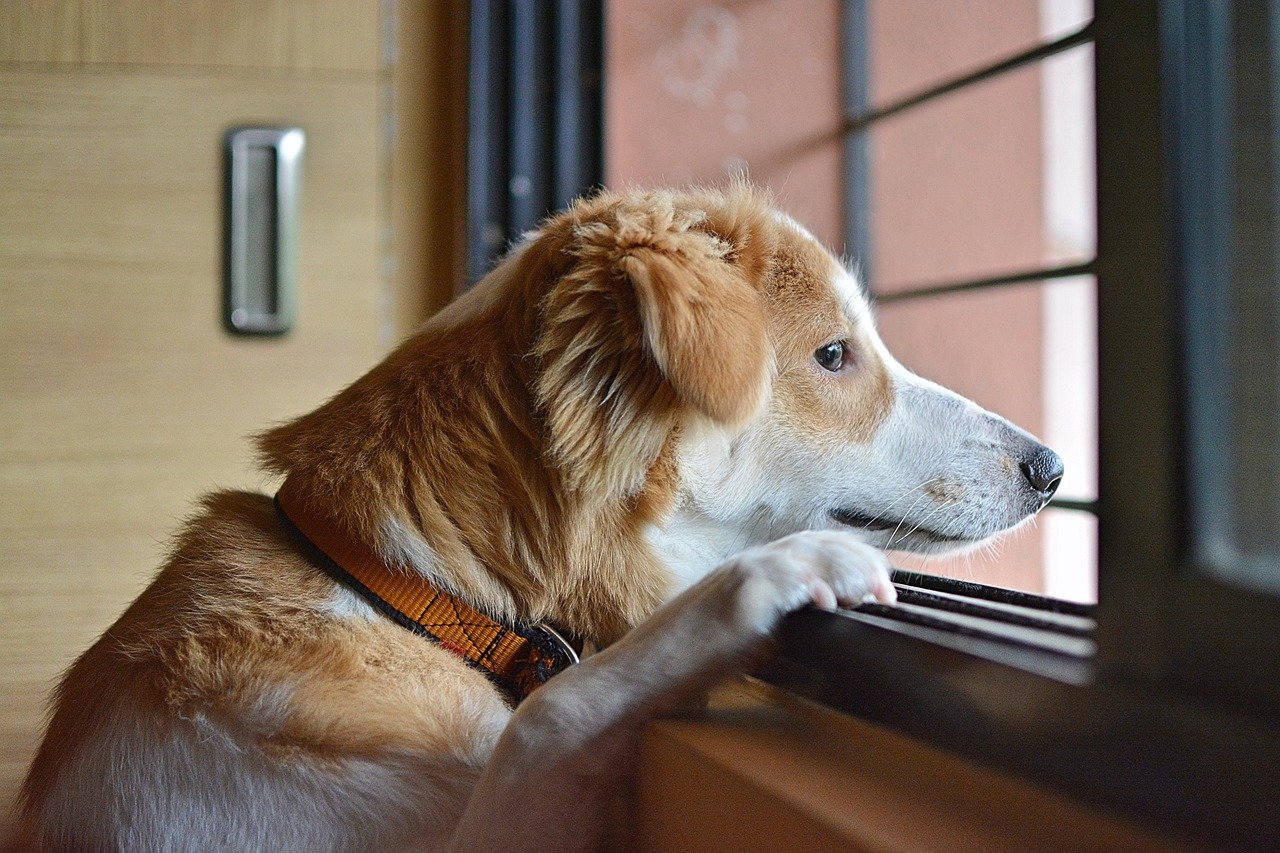
For dogs that struggle with separation anxiety, a routine can be particularly beneficial. Knowing that you’ll return home at a specific time each day can ease their anxiety. Establishing a goodbye and return routine helps your dog understand that departures are temporary. Over time, this predictability can reduce the stress associated with being left alone, making your dog more comfortable during your absence.
Facilitating Health Monitoring

A regular routine makes it easier to monitor your dog’s health. When you feed, walk, and play with your dog at consistent times, you can quickly notice any changes in their behavior or habits. Whether it’s a decrease in appetite or a change in energy levels, deviations from the norm can be more easily detected. This awareness allows for early intervention if health issues arise, ensuring your dog receives timely care.
Providing a Sense of Purpose

Routines give dogs a sense of purpose. Knowing their role within the family structure and what is expected of them contributes to their happiness. For example, a dog that knows it’s time to fetch the newspaper each morning feels useful and valued. This sense of purpose enhances their overall well-being, making them more content and fulfilled as they understand their place in the world.
In conclusion, embracing a routine can significantly enhance your dog’s quality of life. From improving their physical and mental health to strengthening the bond you share, routines provide the structure and stability that dogs crave. By creating a predictable and loving environment, you ensure that your furry friend thrives, leading to a happier, healthier life for both of you.


