
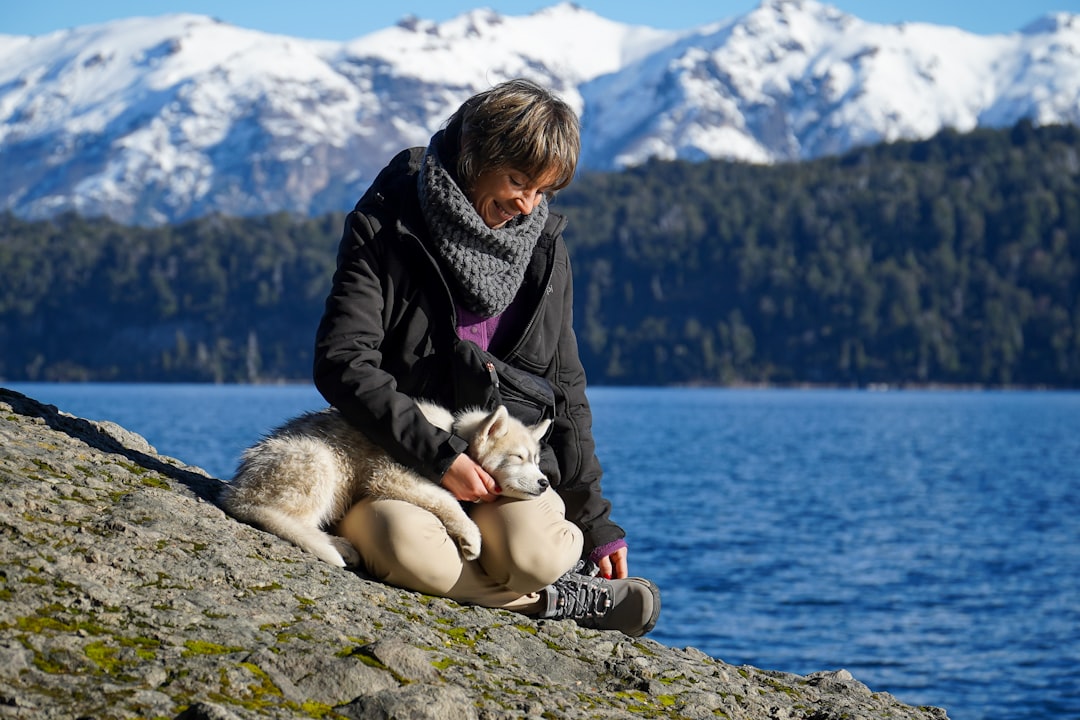
Dogs have been our companions for thousands of years, filling our lives with joy, loyalty, and sometimes a bit of chaos. But have you ever wondered if their affections are genuine, or are they just being opportunistic? It’s a question that might make you pause and think about your furry friend’s intentions. In this article, we’ll explore the dynamics of canine socialization and unravel whether dogs are truly our loyal companions or if their friendliness is just a means to an end.
The Evolution of Canine Companionship
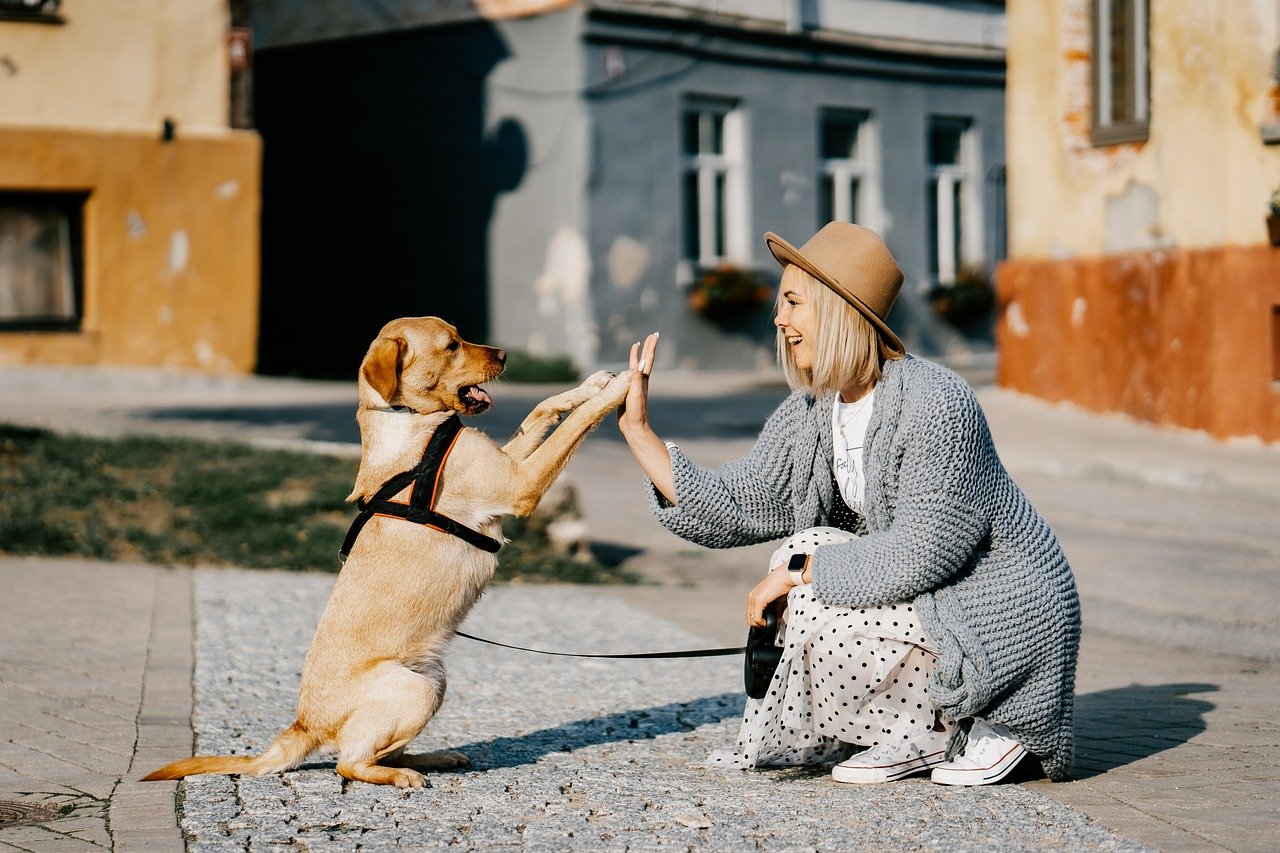
Dogs are often seen as loyal, loving companions, but have you ever wondered if their friendliness is driven by genuine affection or simply a means to get what they want? After all, dogs have evolved alongside humans, learning how to win our favor in exchange for food, shelter, and care. But does that mean their social behavior is purely opportunistic, or is there something deeper behind their wagging tails and eager greetings?
The story of dogs and humans is a long and intertwined one, dating back to when wolves first roamed the earth alongside early humans. These wolves, noticing the benefits of sticking around human settlements for scraps, gradually evolved into the friendly canines we know today. Over generations, selective breeding honed their social skills, making them more attuned to human emotions and behaviors. This evolutionary journey has crafted dogs into creatures that genuinely enjoy human companionship, suggesting that their friendliness might be more instinctual than opportunistic.
Understanding Canine Communication
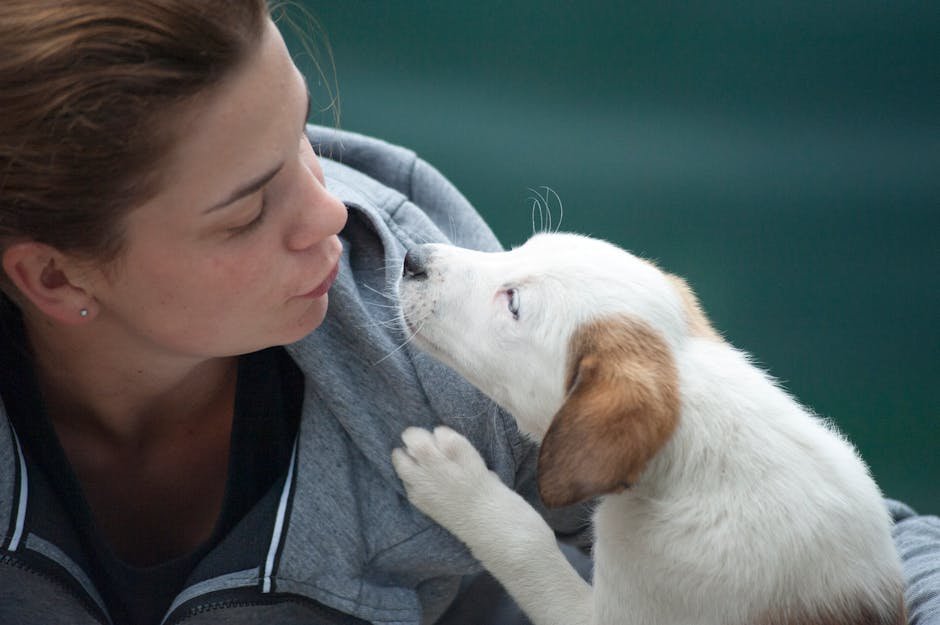
Dogs communicate in ways that are both subtle and overt. Their expressive eyes, wagging tails, and varied barks are like a language of love, designed to connect with us. They have an uncanny ability to read human emotions, often comforting us when we’re down or celebrating with us when we’re happy. This form of communication shows a level of empathy and understanding that goes beyond mere opportunism. It’s as if they have a sixth sense for our needs, responding with gestures that are heartfelt and genuine.
Why Dogs Seek Human Approval
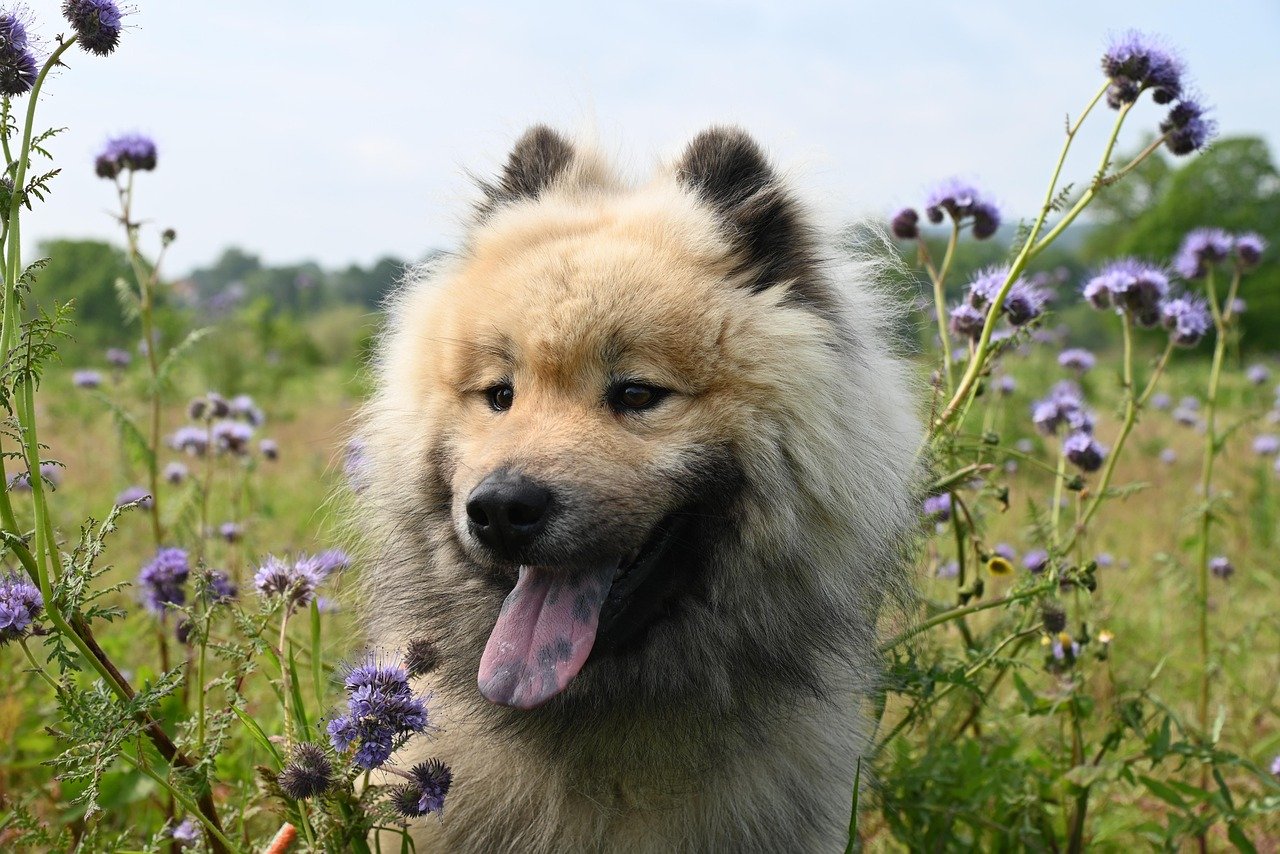
Dogs are social animals, and their desire to please humans is deeply ingrained in their nature. This behavior stems from their wolf ancestors, who operated within a pack structure where cooperation and approval were essential for survival. In a human household, dogs often see their owners as the pack leaders, and their friendly demeanor is a natural way to maintain harmony and secure their place within the family. This doesn’t mean they’re being manipulative; rather, it’s a reflection of their social instincts.
The Role of Training in Canine Behavior

Training plays a significant role in shaping a dog’s behavior. A well-trained dog is often seen as friendly and obedient, but this behavior is a result of positive reinforcement rather than opportunism. When dogs learn that good behavior leads to rewards, they are more likely to repeat those actions. This conditioned response shouldn’t be mistaken for opportunism; instead, it showcases their ability to learn and adapt, much like a child understanding the importance of good manners.
Canine Loyalty: Myth or Reality?

Loyalty is a trait often associated with dogs, and for good reason. Stories abound of dogs waiting for their owners or even traveling long distances to reunite with them. This loyalty is not opportunistic; it’s a testament to the deep bond that can develop between humans and dogs. A dog’s loyalty is a mix of instinct, training, and genuine affection, consistently proving that their relationship with humans transcends mere self-interest.
The Science Behind Canine Affection
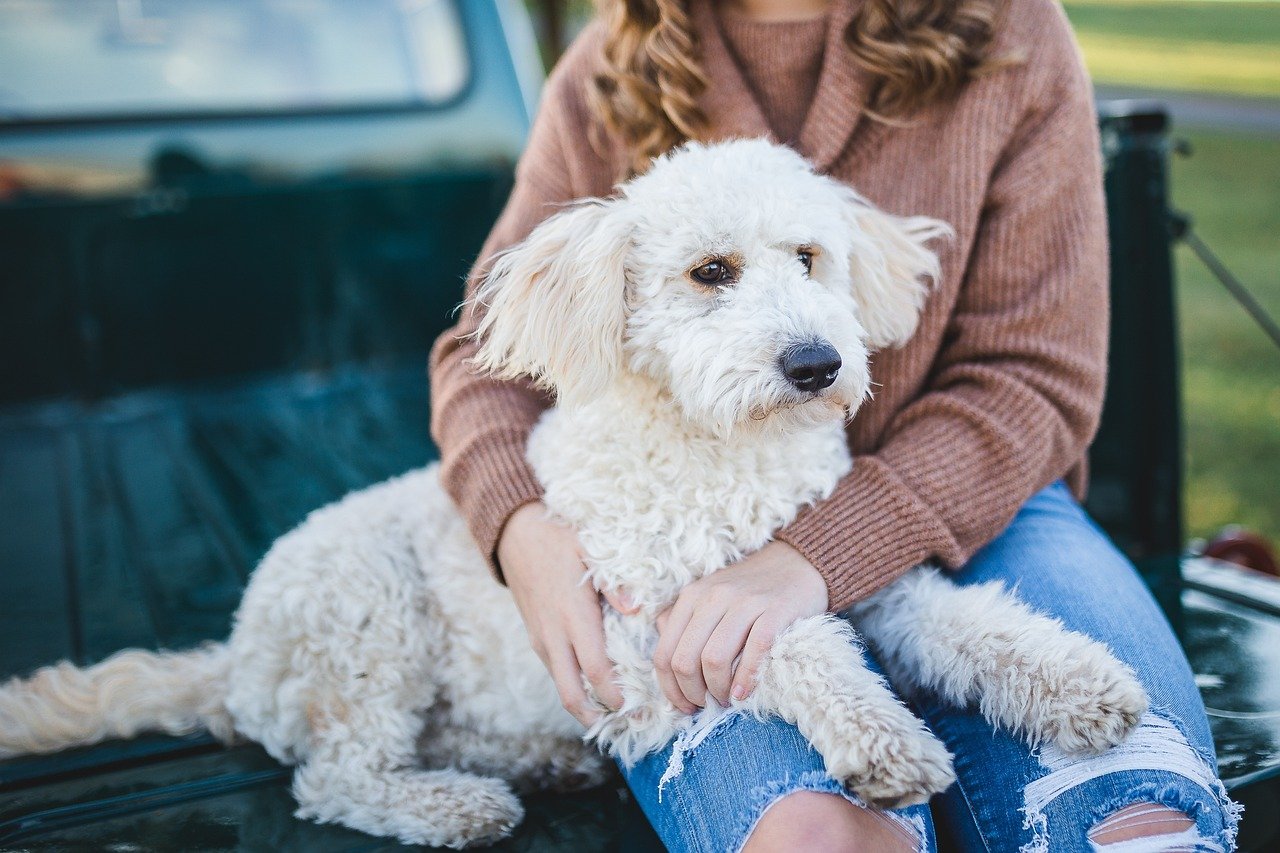
Science has delved into the depths of canine affection, revealing fascinating insights. Studies show that when dogs interact with their owners, they release oxytocin, often referred to as the “love hormone.” This chemical response is similar to what humans experience when bonding with loved ones, suggesting that dogs’ affections are genuine. The science behind their affection highlights an emotional connection that goes beyond simple opportunism.
Are Some Breeds More Friendly Than Others?
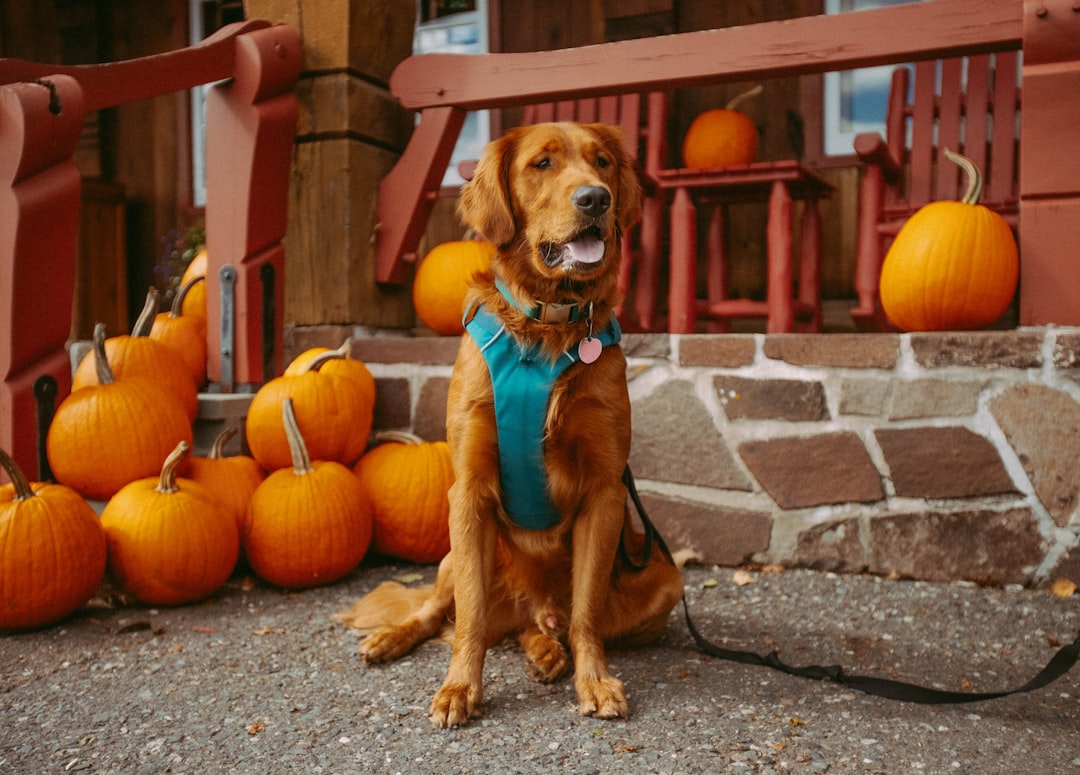
While all dogs have the potential to be friendly, some breeds are naturally more inclined towards sociability. Breeds like Golden Retrievers, Labradors, and Beagles are known for their friendly and outgoing nature. This doesn’t mean other breeds are opportunistic; rather, it highlights the diversity in canine personalities. Each breed has its unique traits, and understanding these differences can help owners nurture their dog’s natural friendliness.
The Impact of Environment on Dog Behavior
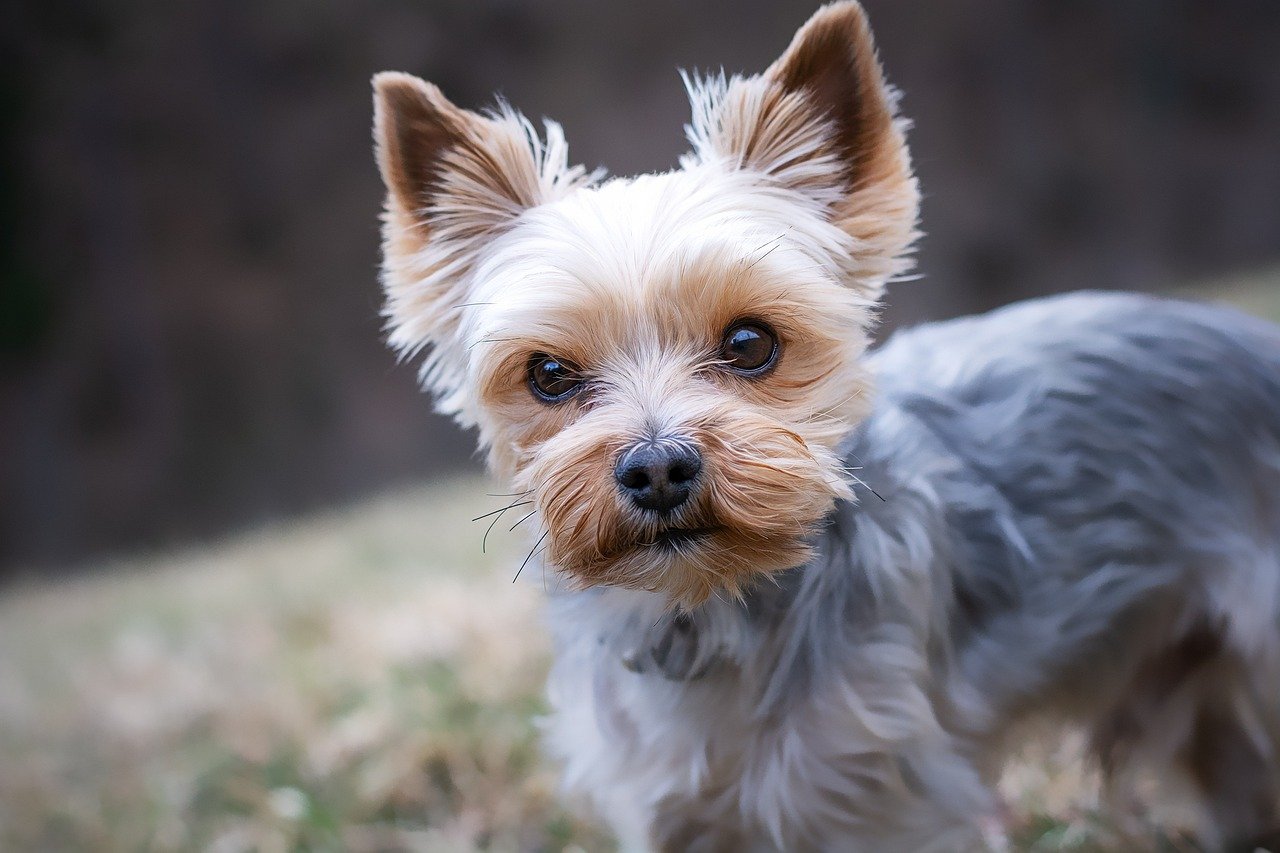
A dog’s environment plays a crucial role in shaping its behavior. A loving, nurturing home can foster friendliness and trust, while a harsh environment may lead to fear and aggression. The way a dog is raised and the interactions it has with humans can greatly influence its social behavior. A positive environment encourages genuine friendliness, rather than opportunistic behavior, as dogs feel secure and valued.
Understanding the Balance Between Instinct and Learning
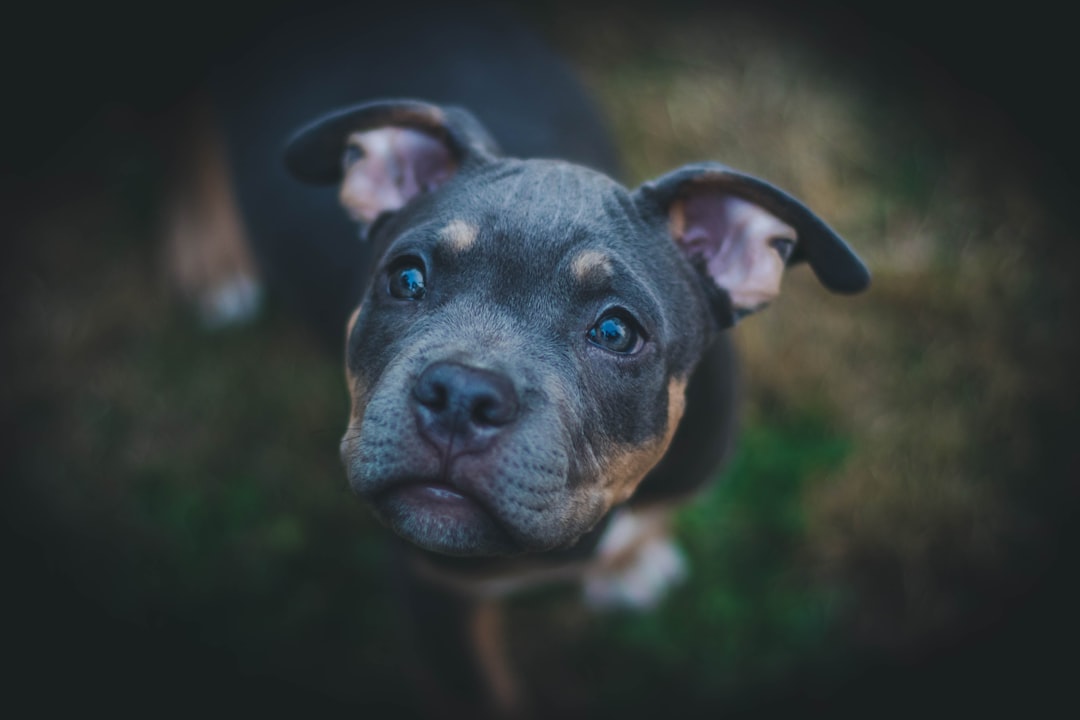
Dogs are creatures of instinct and learning, and their social behavior is a blend of both. Instinct drives them to seek companionship and approval, while learning enables them to adapt to human expectations. This balance is what makes dogs such fascinating companions. They are neither purely opportunistic nor entirely selfless; instead, they navigate their world with a mix of natural instincts and learned behaviors, ultimately seeking to connect with us in meaningful ways.
Building a Lasting Bond with Your Dog

The bond between a dog and its owner is a special one, built on mutual respect and love. Building this bond requires time, patience, and understanding. By recognizing and appreciating your dog’s unique personality and needs, you can foster a relationship that is both genuine and fulfilling. This connection is not based on opportunism but on a shared journey of companionship and trust.
The question of whether dogs are truly friendly or just opportunistic is not black and white. Dogs are complex creatures with a capacity for genuine affection and loyalty. Their friendliness is a harmonious blend of instinct, training, and environment, creating a bond with humans that is both profound and enduring.


