
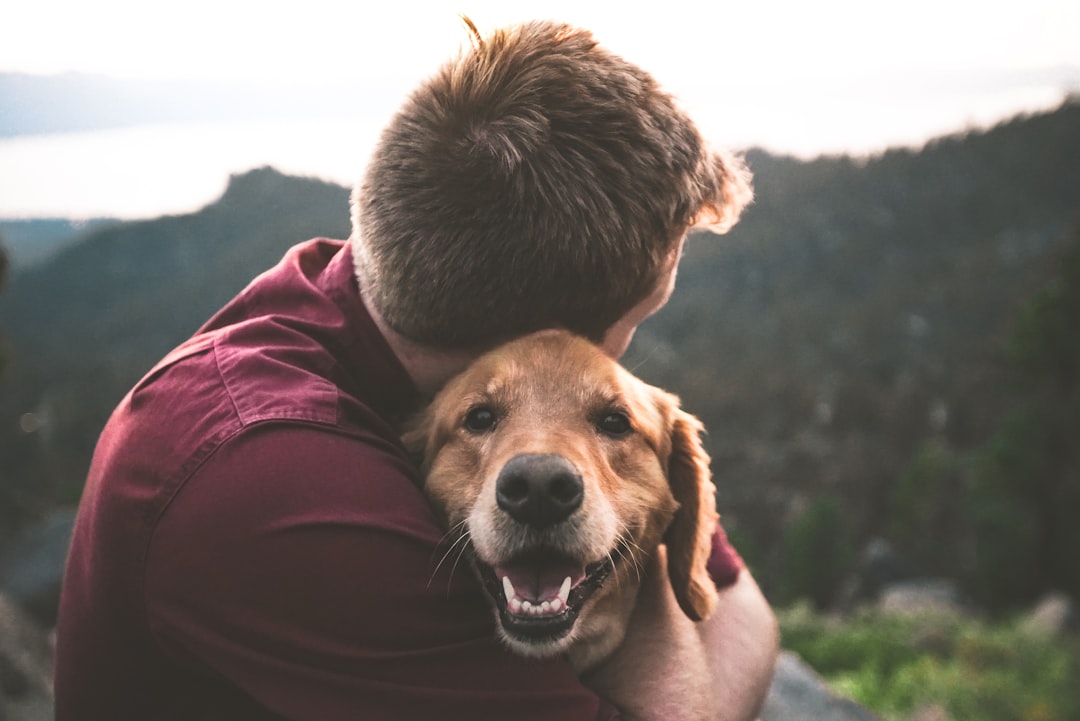
Dogs have been our loyal companions for thousands of years, yet understanding their perception of us remains a fascinating enigma. Are we the alpha leaders they instinctively follow, or do they see us as emotional anchors, providing comfort and security? The dynamics of human-dog relationships are as varied as they are intriguing. Let’s delve into the heart of this age-old question and explore the roles we play in our dogs’ lives.
The Alpha Concept: A Myth or Reality?

When your dog looks at you, are they seeing a pack leader… or their emotional safe haven? While the old-school idea of being the “alpha” still lingers in dog training myths, modern canine science suggests a more nuanced truth: dogs don’t just need a leader—they crave a deep emotional bond. Some dogs may respond to structure and authority, while others rely on you for comfort, stability, and affection. So which role are you playing in your pup’s life—dominant guide or loyal emotional anchor?
The idea of being the “alpha” stems from outdated studies on wolves, suggesting pack hierarchy with a dominant leader. However, modern research indicates that domesticated dogs don’t operate under the same pack dynamics. Instead of vying for dominance, dogs often seek guidance and companionship from their human caregivers. This doesn’t mean they don’t appreciate structure—dogs thrive on routine and clear boundaries, which some interpret as needing an “alpha.”
Understanding Your Role: Leader vs. Partner
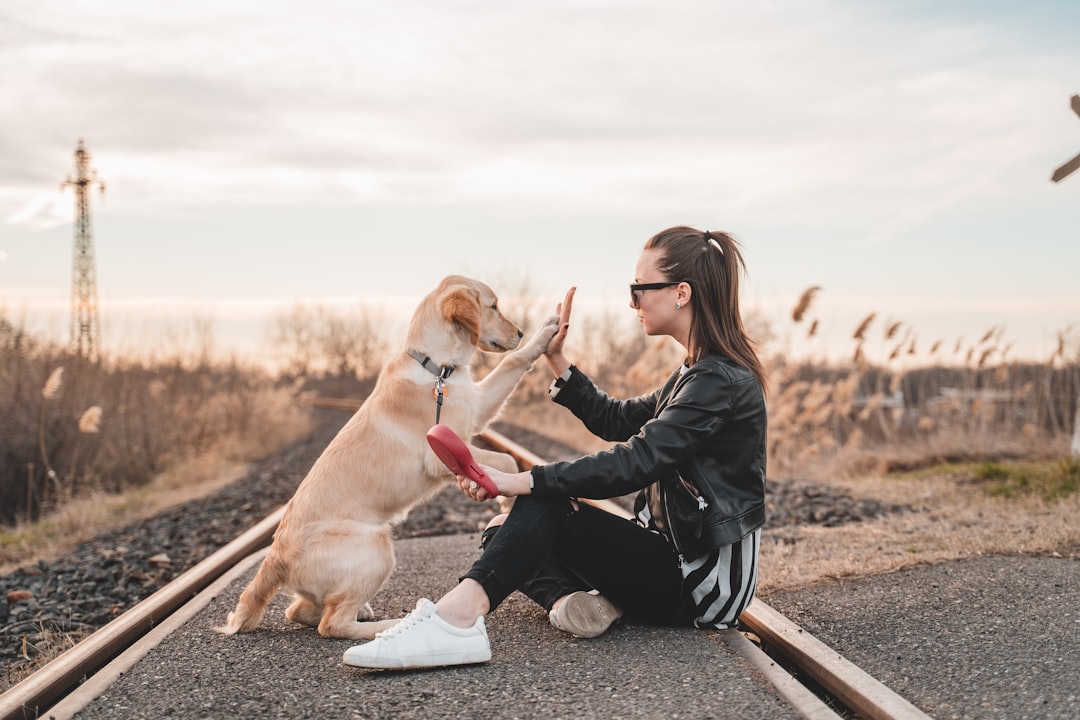
Are you a leader or a partner in your dog’s eyes? Dogs look to their humans for direction, but this doesn’t necessarily mean strict control. A partnership based on mutual respect and understanding often yields better results. This relationship is more about cooperation than domination. Think of it as a dance where both partners know their roles, yet rely on each other to create harmony.
Emotional Anchor: Providing Comfort and Security
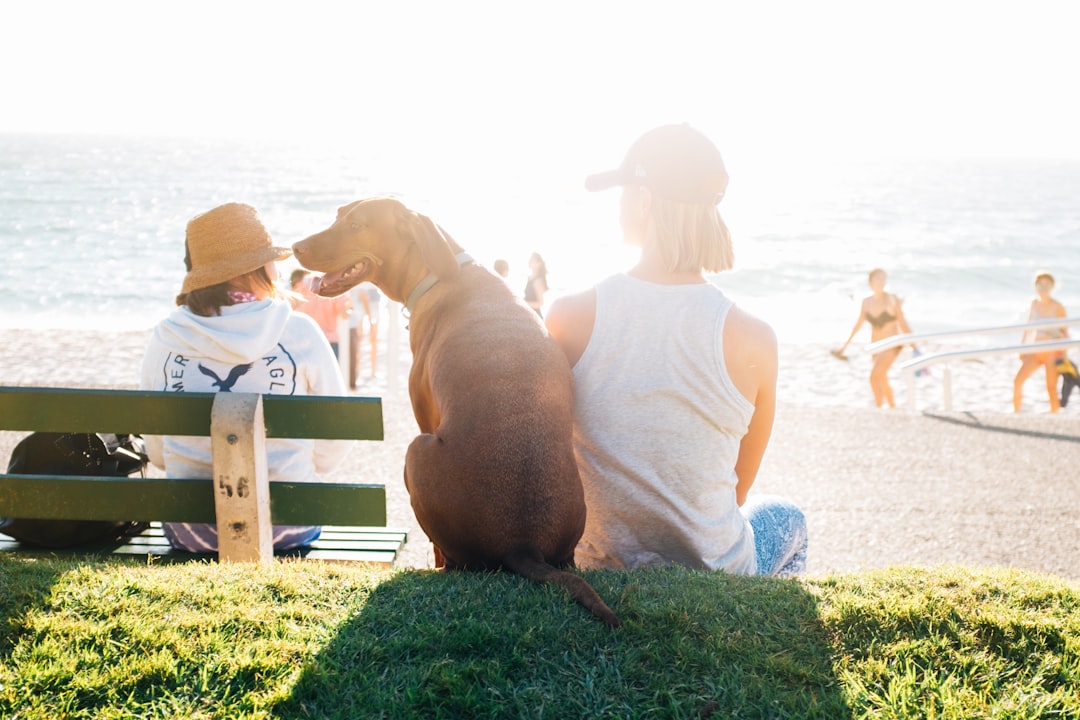
Dogs are incredibly sensitive to human emotions. They can sense when we’re happy, sad, or stressed, often reacting accordingly. As emotional anchors, we provide them with a sense of safety and stability. When a storm rages outside or fireworks light up the sky, a dog’s instinct is to seek comfort from their human. This bond is based on trust and affection, not hierarchy.
Training: Building Trust Through Positive Reinforcement
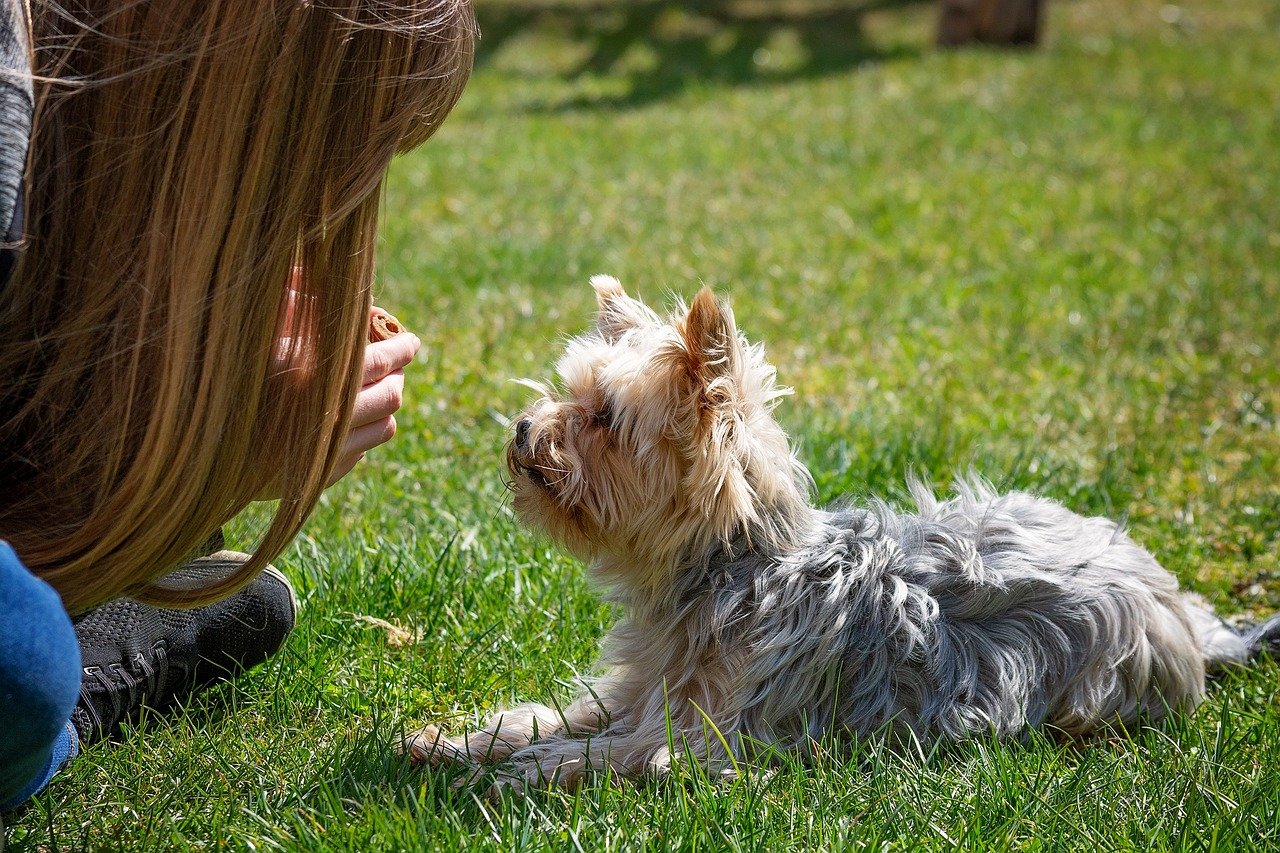
Training plays a crucial role in shaping the human-dog relationship. Using positive reinforcement rather than punishment fosters trust and strengthens the bond. Rewarding good behavior with treats, praise, or playtime encourages dogs to repeat those actions. This method aligns more with being an emotional anchor, as it emphasizes understanding and patience over authority.
Communication: The Silent Language of Love
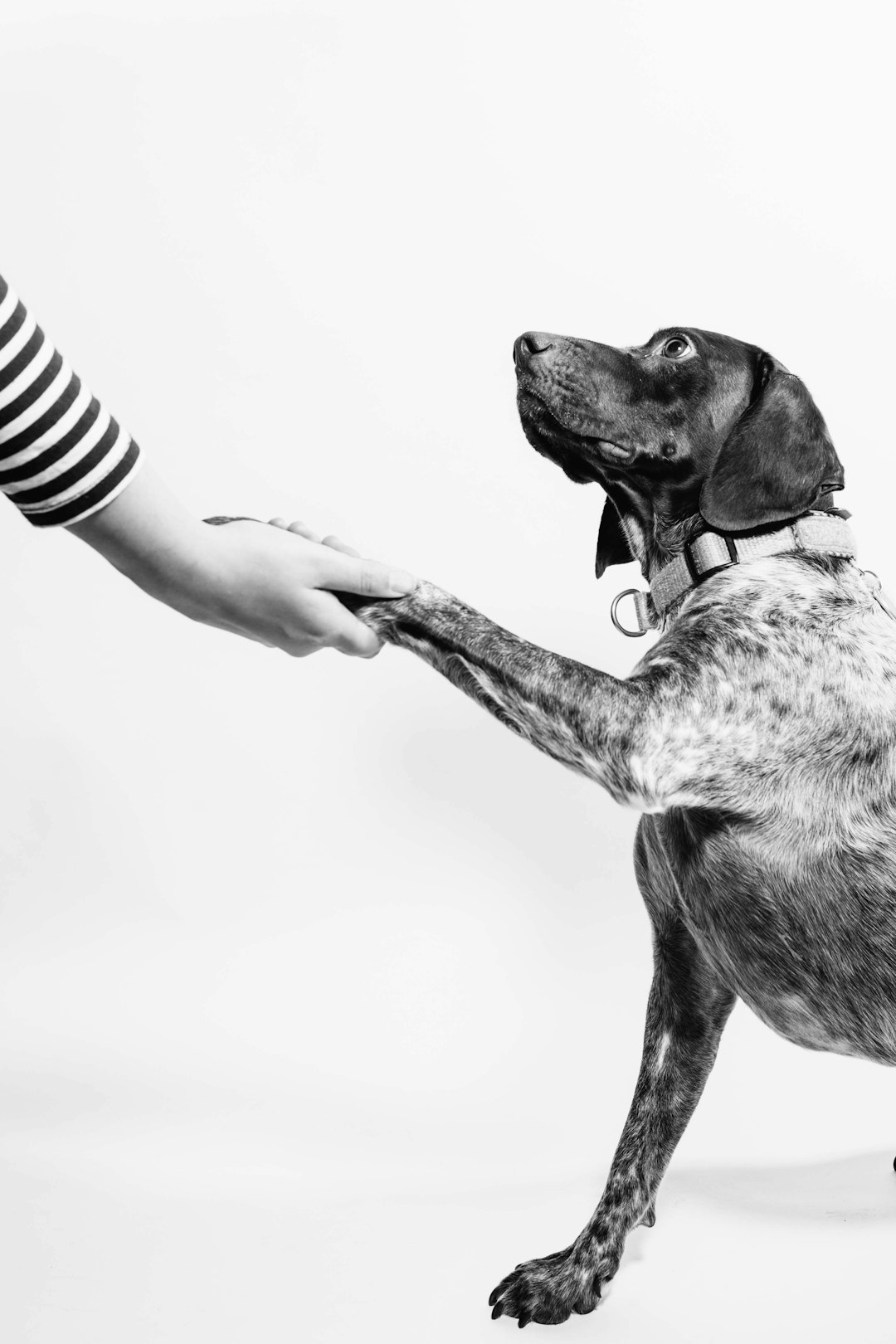
Dogs communicate primarily through body language and subtle cues. Being attuned to these signals is essential for fostering a strong connection. A wagging tail, a lowered head, or a playful bow can tell you volumes about your dog’s mood and intentions. By learning to read these signs, you can respond appropriately, enhancing your role as both leader and emotional anchor.
The Power of Routine: Creating Stability

Routine is vital for a dog’s well-being. Consistent feeding times, regular walks, and predictable daily patterns provide a framework that dogs find comforting. This predictability reinforces your role as an emotional anchor, offering a stable environment where your dog feels secure. It doesn’t mean you have to be rigid, but maintaining a routine helps establish trust.
Playtime: Strengthening Bonds Through Fun
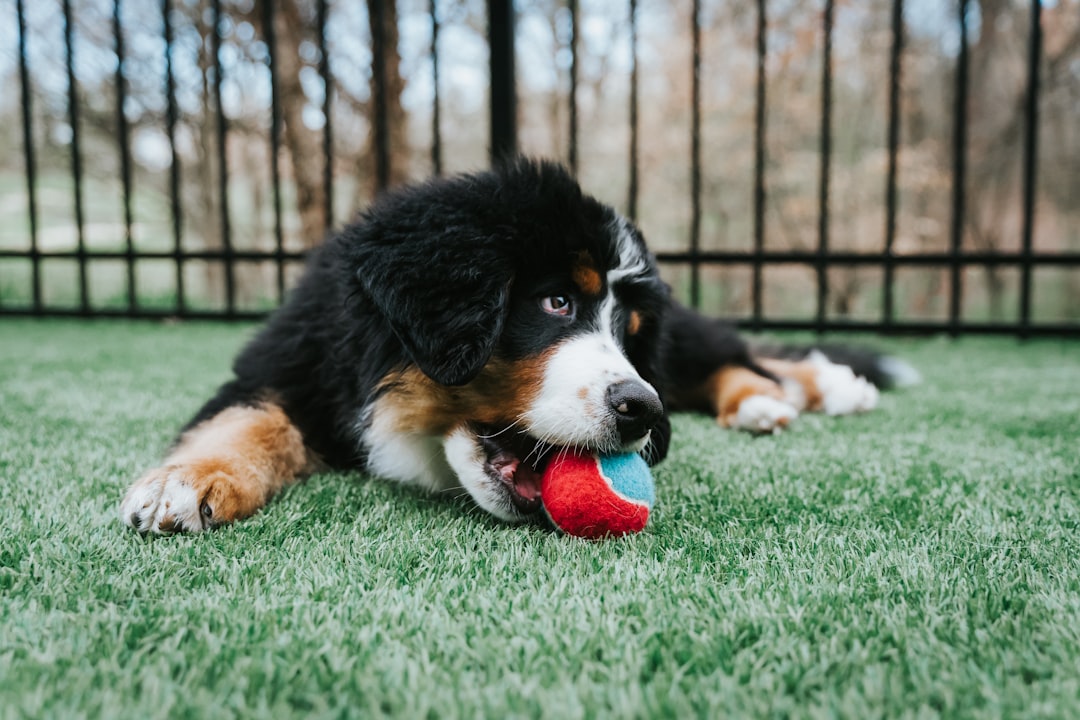
Play is an essential aspect of the human-dog relationship. It fosters joy, releases energy, and strengthens the bond between you and your dog. Whether it’s a game of fetch, a tug-of-war, or simply rolling around on the floor, playtime is a shared experience that reinforces your connection. It highlights your role as a partner and an emotional anchor, bringing joy and companionship.
Recognizing Stress: The Importance of Being Attuned

Being aware of your dog’s stress signals is crucial. Changes in behavior, such as excessive barking, chewing, or withdrawal, can indicate anxiety. Recognizing these signs allows you to address the root cause and provide comfort. As an emotional anchor, your ability to soothe and reassure your dog during stressful times is invaluable.
Adapting to Change: Navigating Life’s Ups and Downs
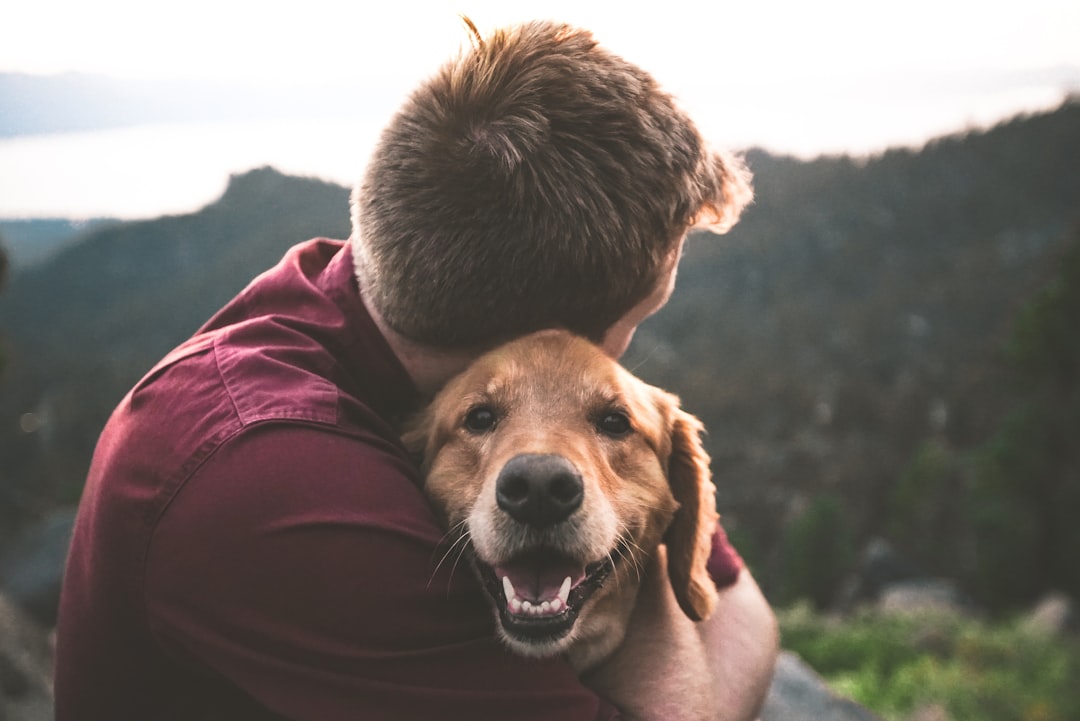
Life is full of changes, and your dog often looks to you for guidance during these transitions. Whether it’s moving to a new home, welcoming a new family member, or dealing with a loss, your dog relies on your stability. Being their emotional anchor means providing reassurance and adapting together to life’s challenges. This adaptive role strengthens the bond you share.
The Joy of Companionship: A Bond Like No Other

Ultimately, the relationship between a human and their dog is one of the most rewarding connections one can experience. Whether you’re seen as an alpha or an emotional anchor, the love, loyalty, and companionship you share are unparalleled. Dogs enrich our lives in countless ways, reminding us of the simple joys of unconditional love.
In the end, whether you’re your dog’s alpha or emotional anchor, what truly matters is the bond you share. It’s a relationship built on trust, love, and mutual respect. So, what role do you think you play in your dog’s life?


