
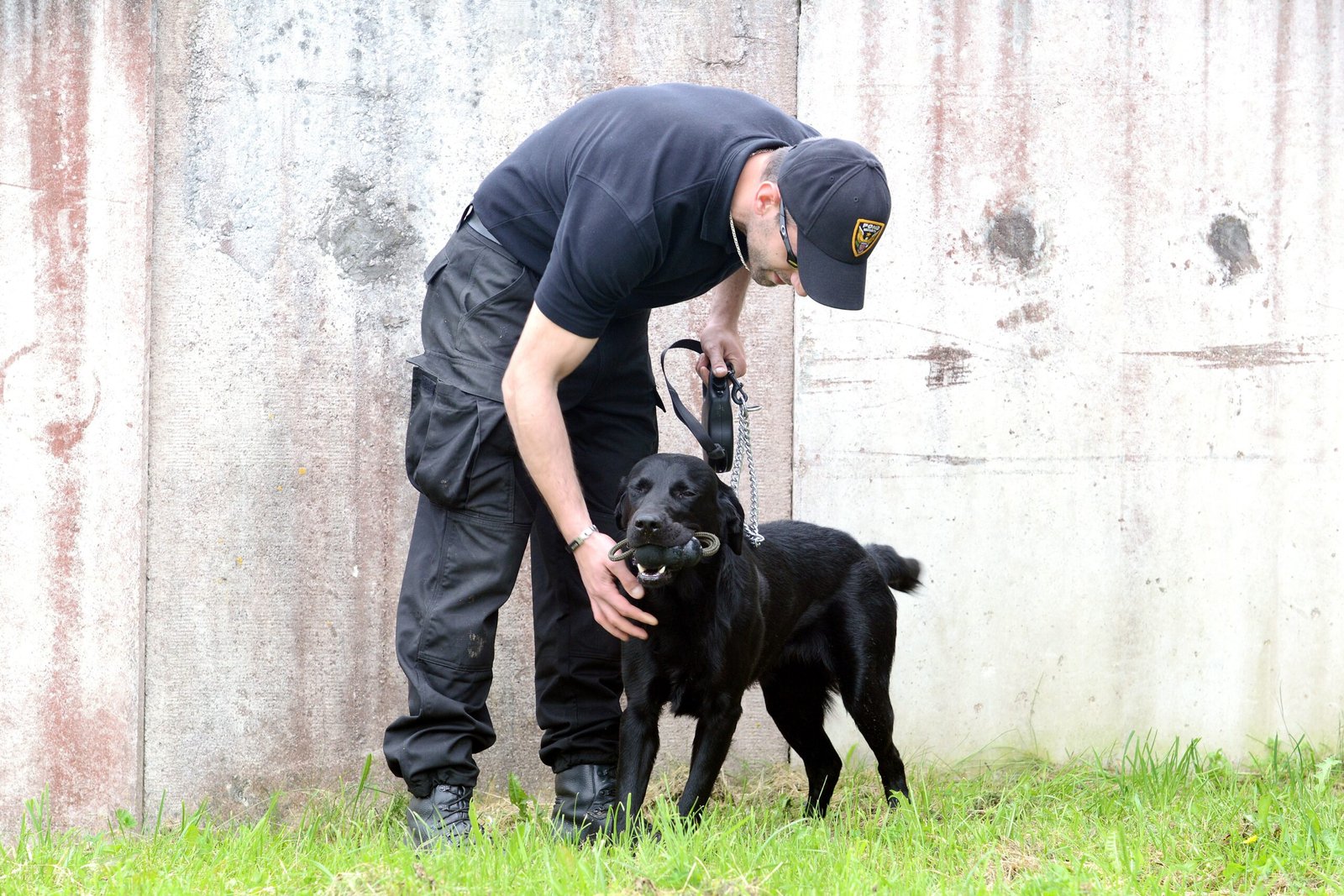
Have you ever felt like your dog has a mind of its own, refusing to listen no matter how many times you call its name? You’re not alone. Many dog owners face the challenge of dealing with a stubborn pup that seems to have selective hearing. But don’t worry, training a stubborn dog doesn’t have to be a battle of wills. With patience, understanding, and a few clever techniques, you can transform your furry rebel into a well-behaved companion. In this article, we’ll explore strategies that make training a stubborn dog not only possible but enjoyable. So, let’s dive in and discover how to train your dog without losing your mind!
Understanding Canine Stubbornness
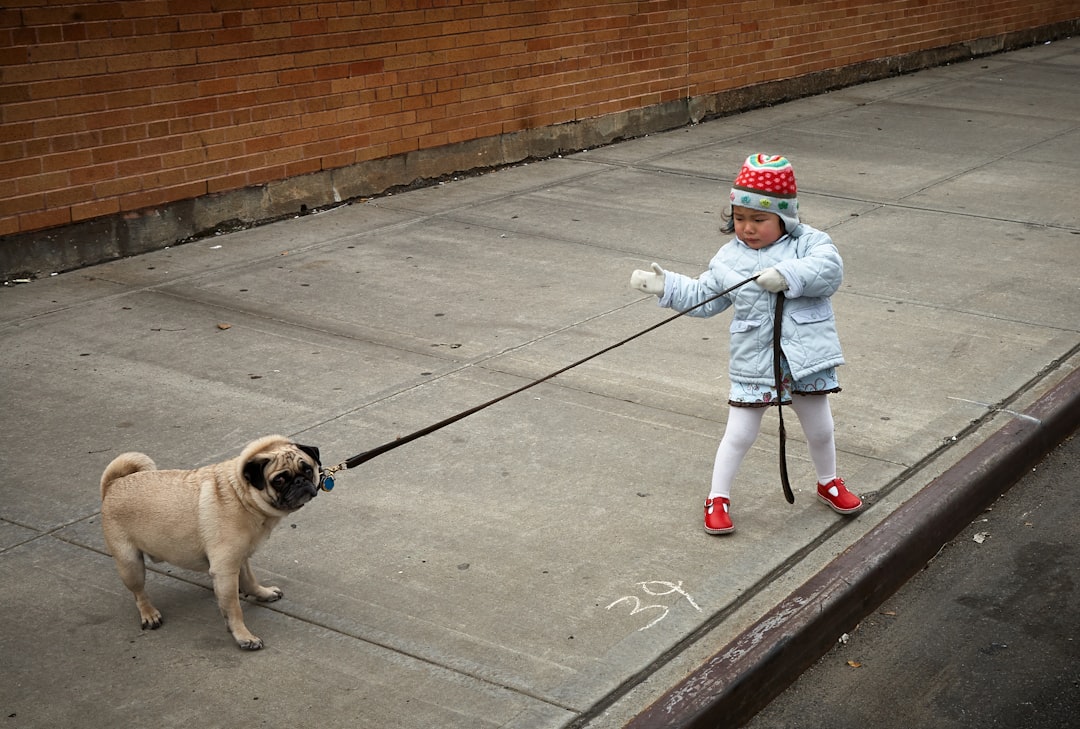
Dogs can be stubborn for various reasons, and understanding these reasons is the first step in addressing the issue. Some breeds are naturally more independent, while others might resist training due to fear or anxiety. Recognizing the root cause of your dog’s stubbornness will help you tailor your approach. For instance, a dog that’s hesitant due to fear might need a gentler touch, while an independent breed may require more consistent boundaries. Remember, every dog is unique, and what works for one may not work for another.
Stubbornness can also be a sign that your dog is not motivated by the rewards you’re offering. Imagine trying to convince a child to eat vegetables with the promise of more vegetables as a reward. It just doesn’t work! Similarly, ensure that the rewards you are offering your dog are truly enticing. This might mean experimenting with different treats or toys to find what really makes your dog tick. By understanding the ‘why’ behind your dog’s behavior, you can create a more effective training plan.
Setting Realistic Expectations
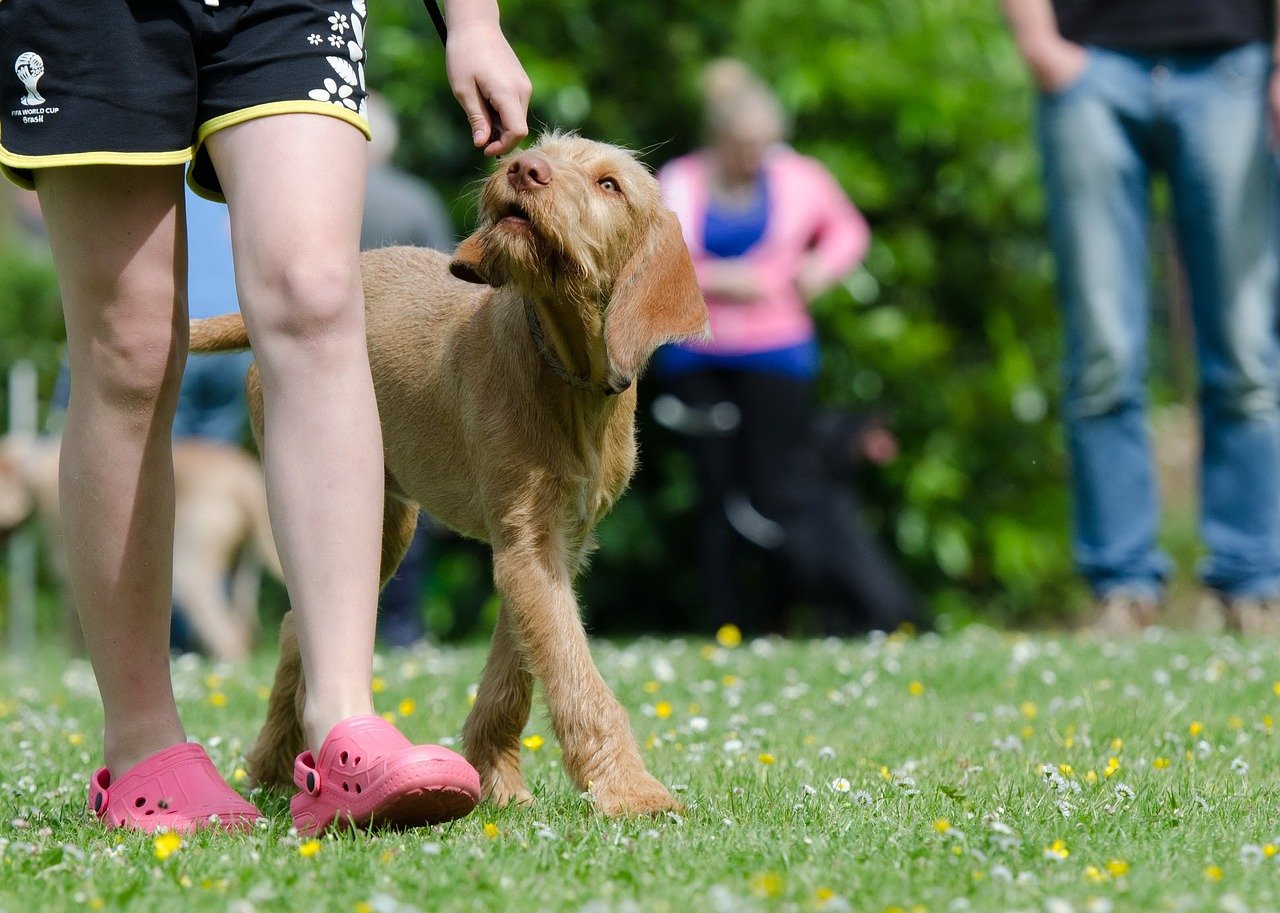
When training a stubborn dog, it’s crucial to set realistic expectations. Expecting your dog to transform overnight is setting both of you up for disappointment. Training takes time, and progress may be slow, especially with a stubborn dog. Celebrate small victories and understand that setbacks are a part of the process. Remember, patience is key, and consistency will eventually pay off.
It’s also important to measure success in small steps. If your dog doesn’t sit on command today, but it manages to stay calm when a guest arrives, consider it a win. Training is not just about the end result but the journey. By setting realistic goals and celebrating each milestone, you create a positive environment where both you and your dog feel encouraged to keep going.
Consistency is Key
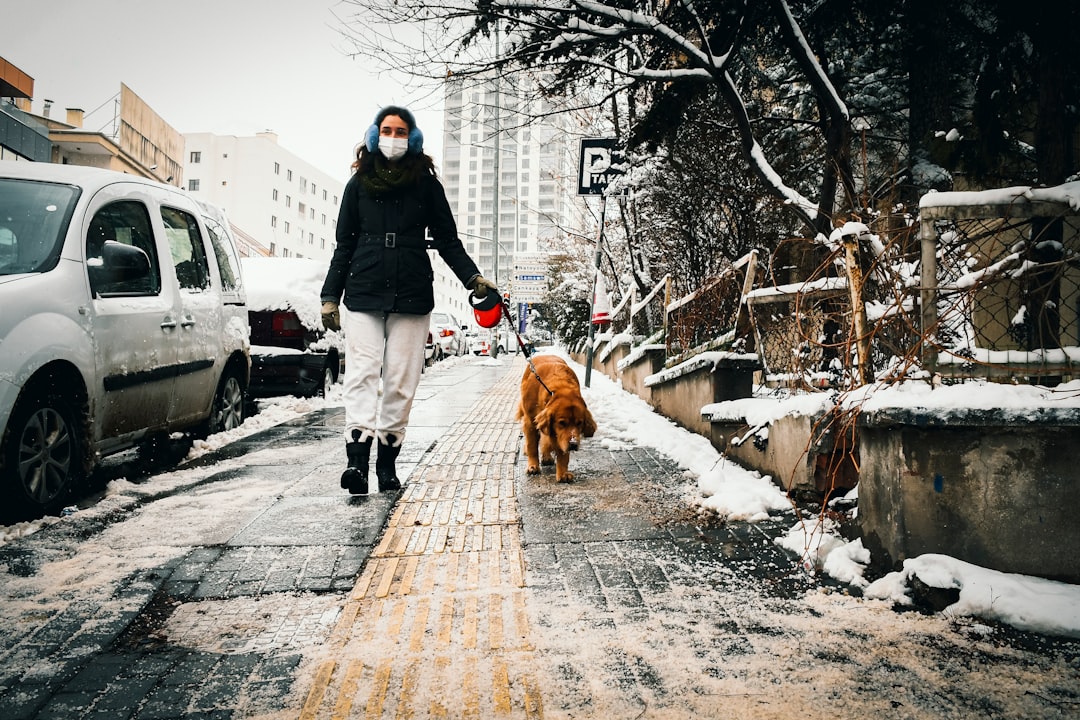
Consistency is the backbone of successful dog training. Dogs thrive on routine, and a consistent approach helps them understand what is expected of them. This means using the same commands and rewards every time you train. If you say “sit” one day and “down” the next for the same action, your dog will get confused. Consistency in commands, rewards, and even training times can greatly enhance your dog’s learning process.
Consistency also extends to everyone involved in your dog’s life. If one person allows the dog to jump on the couch while another doesn’t, it sends mixed signals. Ensure that everyone in your household follows the same rules and uses the same commands. This unified approach helps reinforce the training and makes it easier for your dog to learn what’s acceptable behavior.
Positive Reinforcement Techniques
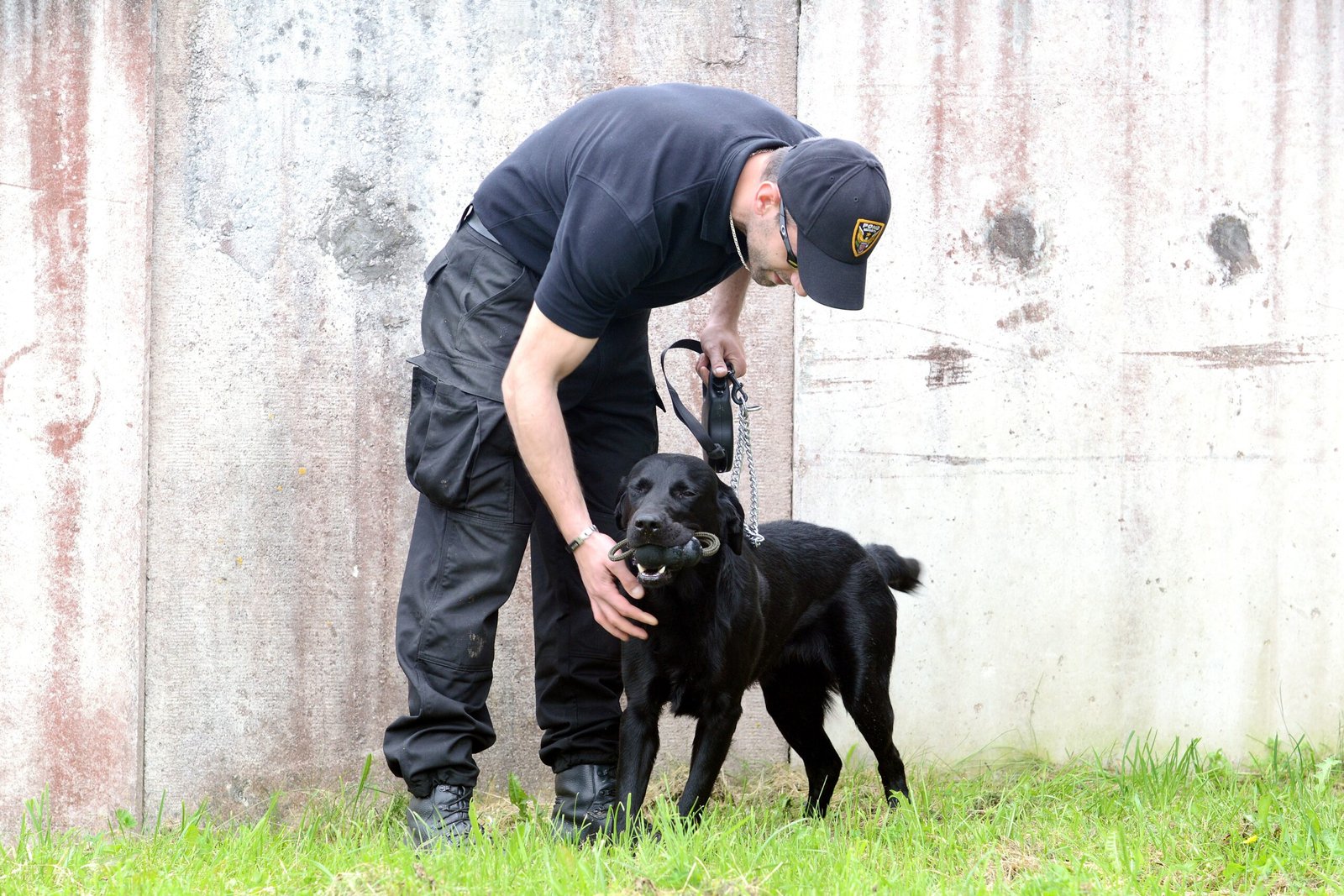
Positive reinforcement is one of the most effective methods for training a stubborn dog. This approach involves rewarding your dog for good behavior rather than punishing it for bad behavior. Rewards can be treats, praise, or playtime—anything your dog finds motivating. When your dog associates a behavior with a positive outcome, it’s more likely to repeat that behavior.
Think of positive reinforcement as a way to build trust and strengthen your bond with your dog. Instead of focusing on what your dog is doing wrong, you’re acknowledging and rewarding what it’s doing right. This not only makes training more enjoyable for your dog but also for you. It turns training sessions into a fun and rewarding experience rather than a chore.
Using the Right Tools
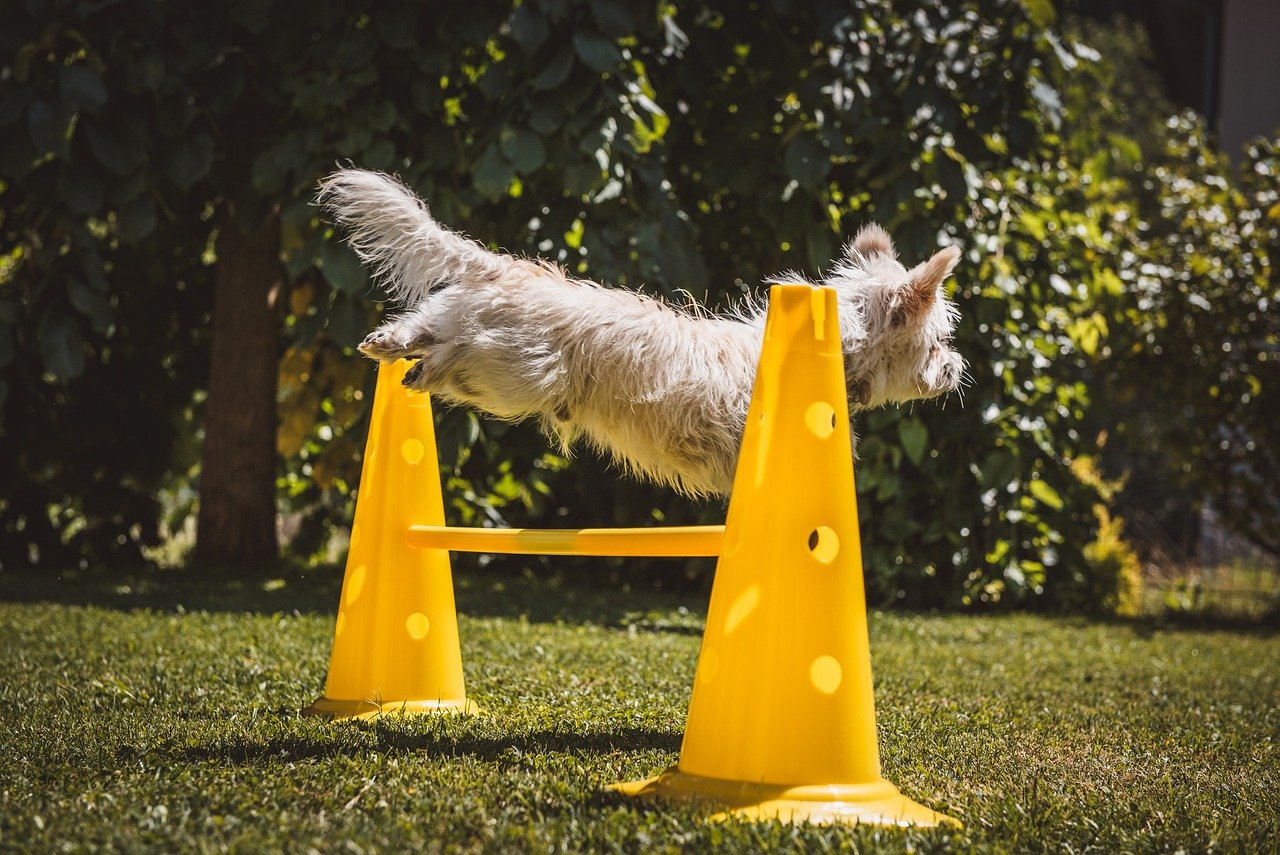
Having the right tools can make a world of difference when training a stubborn dog. Tools like clickers, treat pouches, or harnesses can aid in the training process. A clicker, for instance, can help you mark the exact moment your dog performs the desired behavior, making it easier for your dog to understand what it did right. A treat pouch keeps rewards handy, so you can quickly reinforce good behavior.
Harnesses can also be beneficial, especially for dogs that tend to pull on the leash. Unlike collars, harnesses distribute pressure more evenly across the dog’s body, making it easier to manage a stubborn dog on walks. Remember, tools are there to assist you, but they are not a substitute for training. They should be used in conjunction with consistent training practices and not as a quick fix.
Dealing with Setbacks
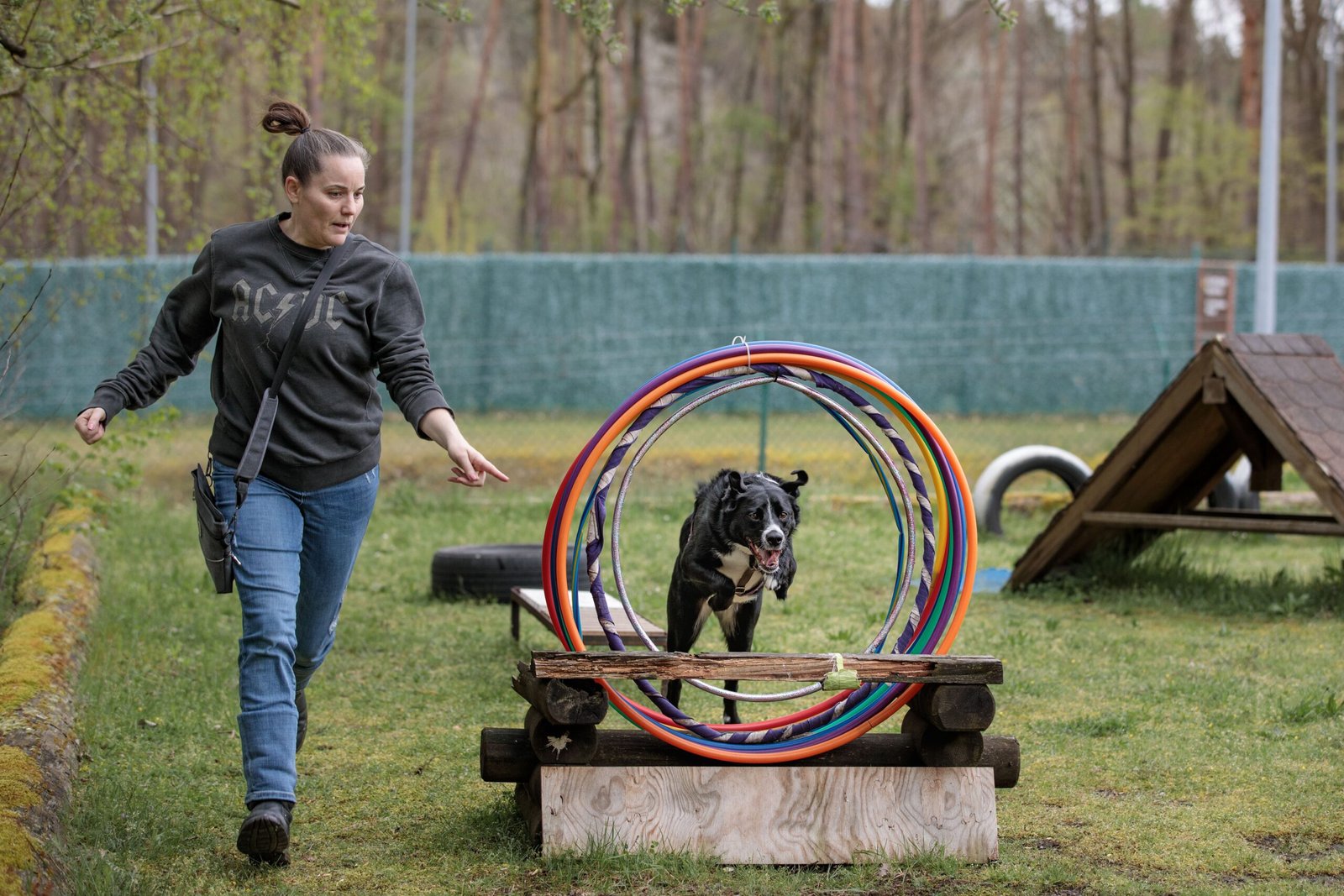
Setbacks are a natural part of the training process, especially with a stubborn dog. There will be days when it seems like your dog has forgotten everything it learned. It’s important not to get discouraged. Instead, view setbacks as opportunities to reassess your approach. Sometimes, a minor tweak in your training method can make all the difference.
Reflect on what might be causing the setback. Is your dog distracted, stressed, or perhaps not motivated by the current rewards? Once you identify the issue, you can adjust your strategy accordingly. Remember, persistence and patience are crucial. With time and effort, you and your dog will overcome these hurdles together.
Building a Strong Bond
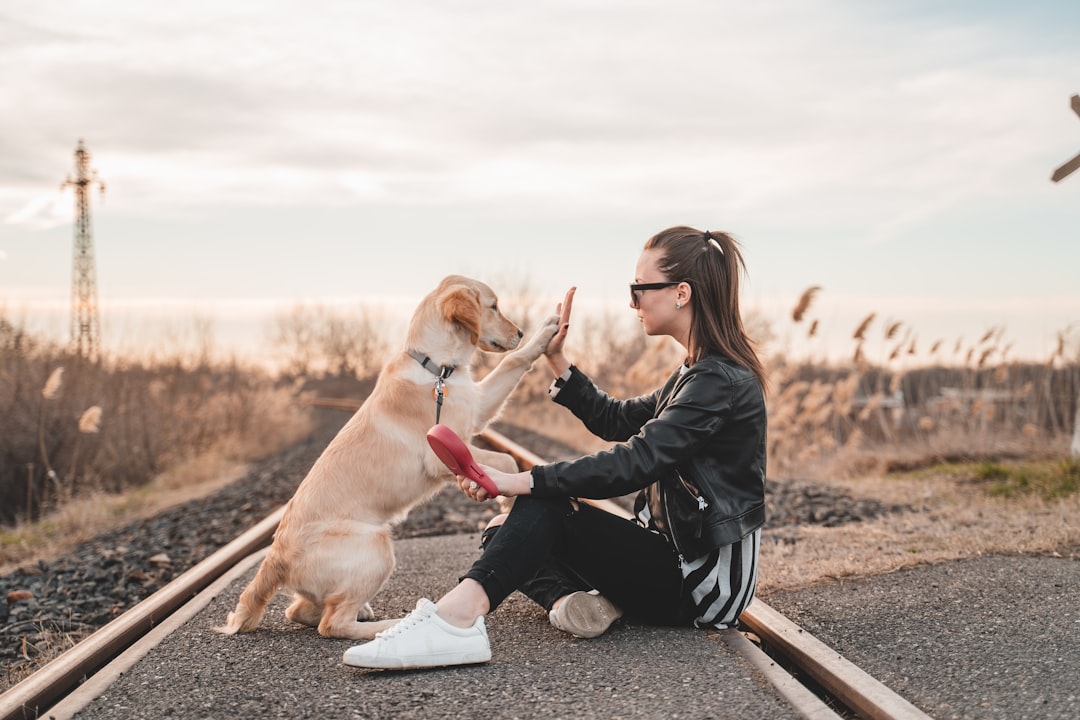
Training is not just about teaching commands; it’s about building a strong bond with your dog. A strong bond fosters trust and respect, making your dog more willing to listen to you. Spend quality time with your dog outside of training sessions. Play games, go for walks, and engage in activities that both of you enjoy. This strengthens your relationship and makes training a more enjoyable experience for both parties.
A strong bond also helps you understand your dog better. You’ll learn to recognize its cues and body language, making it easier to communicate. When your dog feels understood and valued, it’s more likely to respond positively to training. Remember, a well-trained dog is a happy dog, and a happy dog makes for a happy owner.
Knowing When to Seek Professional Help
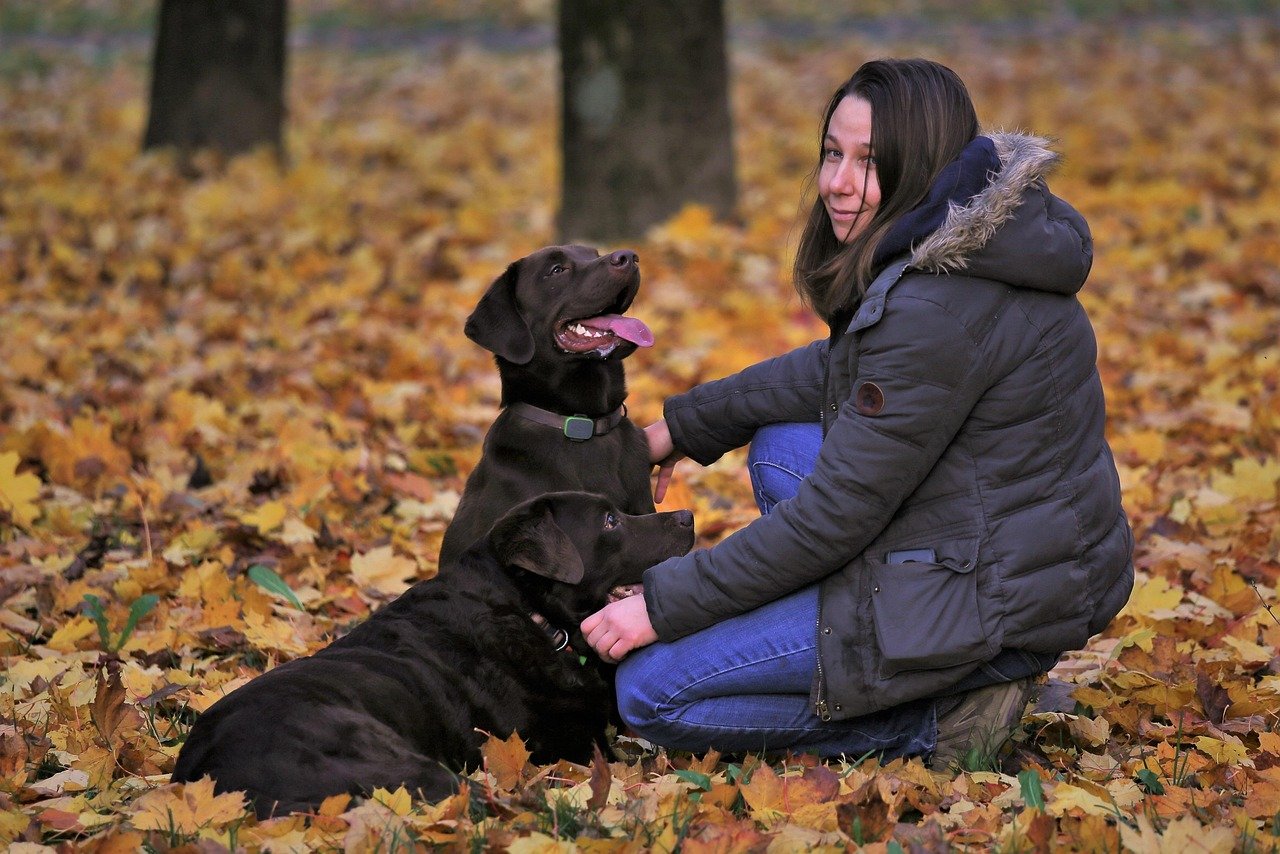
Sometimes, despite your best efforts, training a stubborn dog can feel overwhelming. In such cases, seeking professional help can be beneficial. A professional dog trainer has the experience and knowledge to address specific behavioral issues and can offer personalized guidance. They can provide you with new techniques and insights that you might not have considered.
Choosing the right trainer is important. Look for someone who uses positive reinforcement methods and has experience with stubborn dogs. A professional can also help you identify any underlying issues that might be contributing to your dog’s stubbornness. Remember, seeking help is not a sign of failure but a commitment to providing the best for your dog.
Training a stubborn dog requires patience, consistency, and a positive attitude. It’s a journey that tests your perseverance but also strengthens the bond between you and your furry friend. By understanding your dog’s unique personality and employing the right techniques, you can transform even the most stubborn dog into a well-behaved companion. So, are you ready to embark on this rewarding journey?


