
Penguin in a Box Causes Helicopter Crash in South Africa, Report Finds
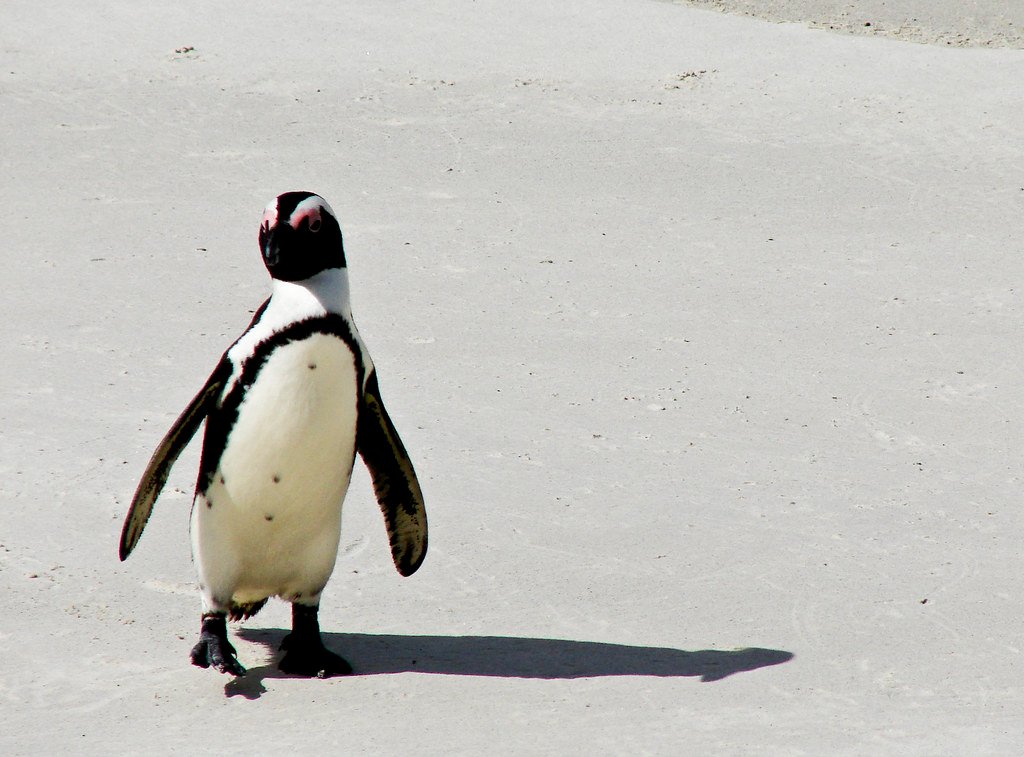
A recently released report from the South African Civil Aviation Authority has revealed an unusual and alarming cause behind a helicopter crash near Bird Island in South Africa’s Eastern Cape on January 19: a penguin, which had been placed inside an unsecured cardboard box and was being transported aboard the aircraft.
According to officials, the penguin was not properly restrained, and the box had been resting on a passenger’s lap at the time of takeoff. Just moments after the helicopter lifted off—reaching an altitude of approximately 50 feet—the aircraft suddenly lost stability. Witnesses and investigators reported that the box slipped off the passenger’s lap and slid toward the cockpit, where it collided with the helicopter’s cyclic pitch control lever, a critical mechanism that influences the rotor blades’ angle and direction.
The Consequences of Improper Containment
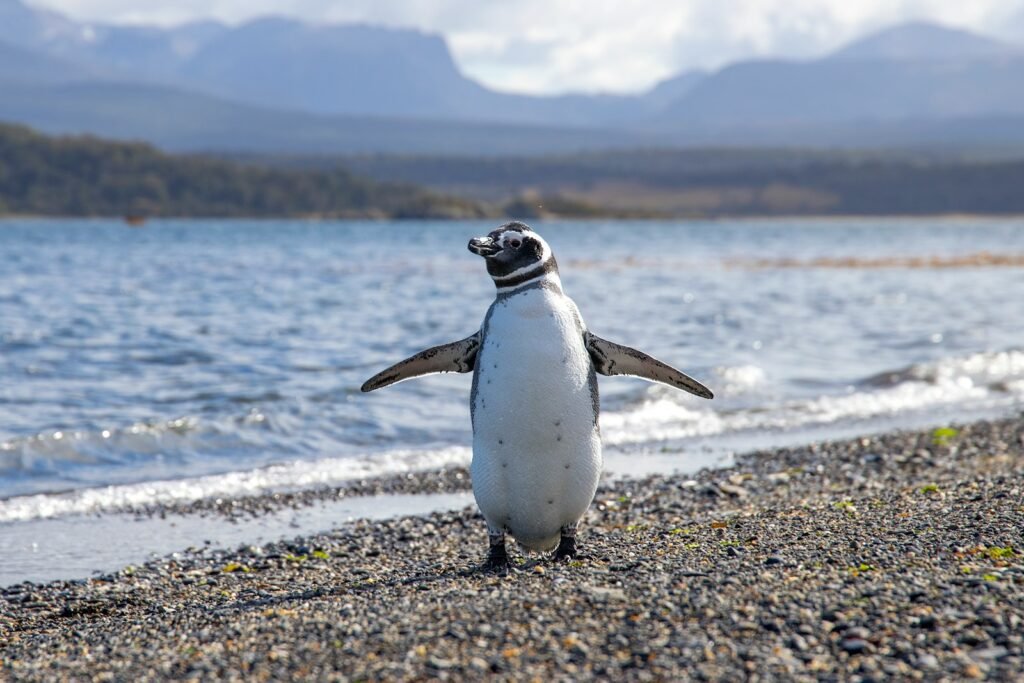
Though no fatalities were reported, the incident underscores the dangers of transporting live animals without proper containment—especially in high-risk environments like helicopters. According to The Telegraph, the South African Aviation Authority blamed the crash on the failure to secure the penguin, which created a dangerous situation.
NBC News reported that the penguin had been resting on a passenger’s lap just after takeoff. Moments later, the cardboard box reportedly slipped and struck a critical control mechanism—the cyclic pitch lever—which controls the tilt of the helicopter’s rotor blades.
Wildlife and Aviation: A Risky Combination

Birds and aircraft have long had a complicated relationship, from runway strikes to mid-air collisions. One of the most well-known incidents occurred in New York City, when a passenger plane struck a flock of geese shortly after takeoff, leading to dual engine failure.
The pilot, Captain Chesley “Sully” Sullenberger, safely landed the aircraft in the Hudson River, saving all 155 passengers on board. The incident later inspired the 2016 film Sully.
According to the Federal Aviation Administration, there were 19,603 wildlife strikes in the United States in 2023—97% of which involved birds. Texas Public Radio also reported that, since 1988, wildlife collisions (involving animals like deer and birds) have destroyed over 350 planes worldwide.
Birds on the Inside
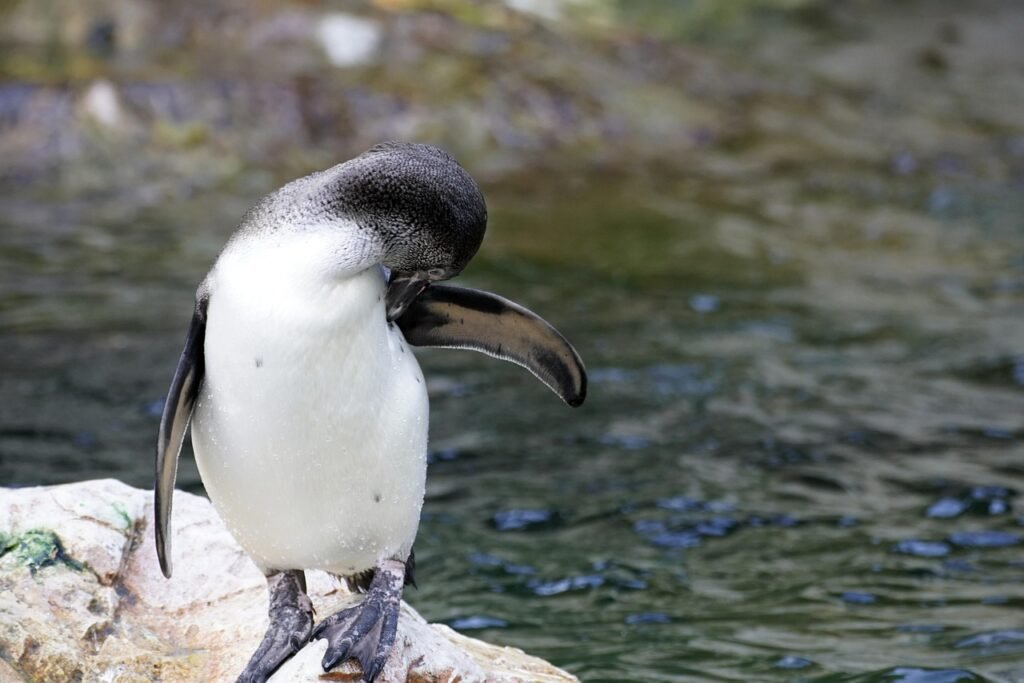
But this rare case—where a bird inside the aircraft caused a crash—illustrates a different kind of hazard. While it remains unclear as to why the penguin was being transported so haphazardly, it was reported that the pilot conducted a risk assessment and established safety guidelines, however he did not report the transport of a penguin.
The report stated: “The absence of a proper, secured crate meant that the penguin’s containment was not suitable for the flight conditions.”
Moving Forward
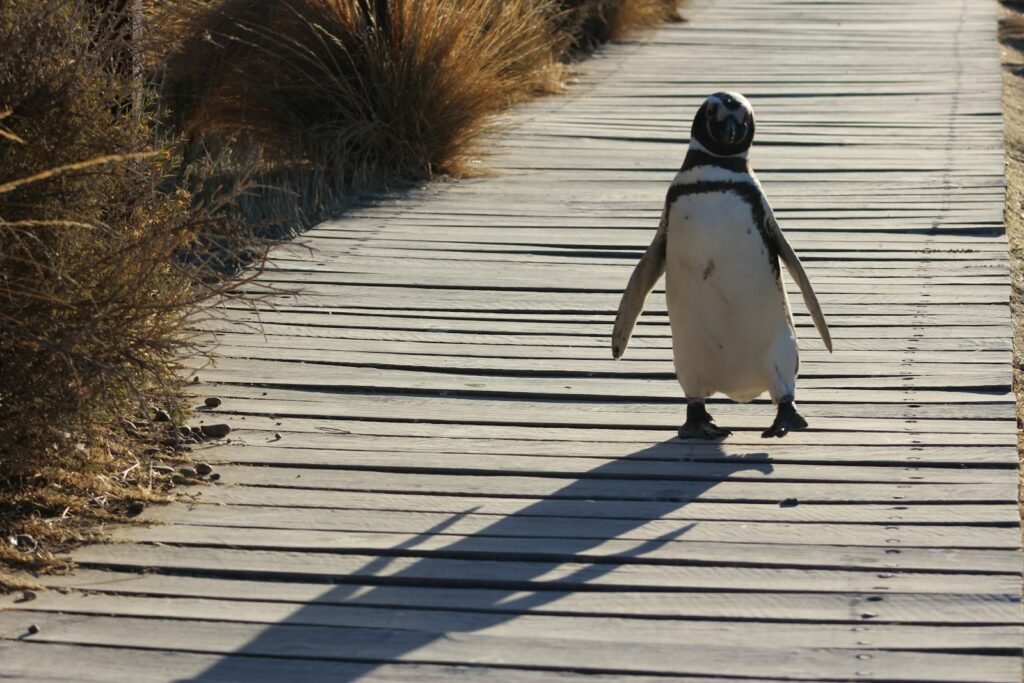
Experts in animal transport say this incident is a stark reminder of the importance of strict protocols when moving wildlife, particularly by air. Animals should always be transported in secure crates or carriers—not just for their own safety, but for the safety of all onboard.
As investigations continue, authorities may revisit the safety standards governing animal transport by air in the region. Whether the crash prompts broader policy changes remains to be seen—but one thing is clear: no matter how small the passenger, flight safety must never be taken lightly.