

Have you ever looked into a puppy’s sparkling eyes and wondered, “Are you really ready to leave your mom?” The decision about when a puppy should leave its mother is one of the most emotional and important choices any dog lover, breeder, or new owner will ever make. Get it wrong, and you could change a puppy’s life forever—sometimes in heartbreaking ways. So, how can you know for sure? This guide will help you spot the real signs of readiness, while also warning you about the red flags that mean a puppy needs more time with its family.
The Critical Role of the Mother in Early Puppy Life
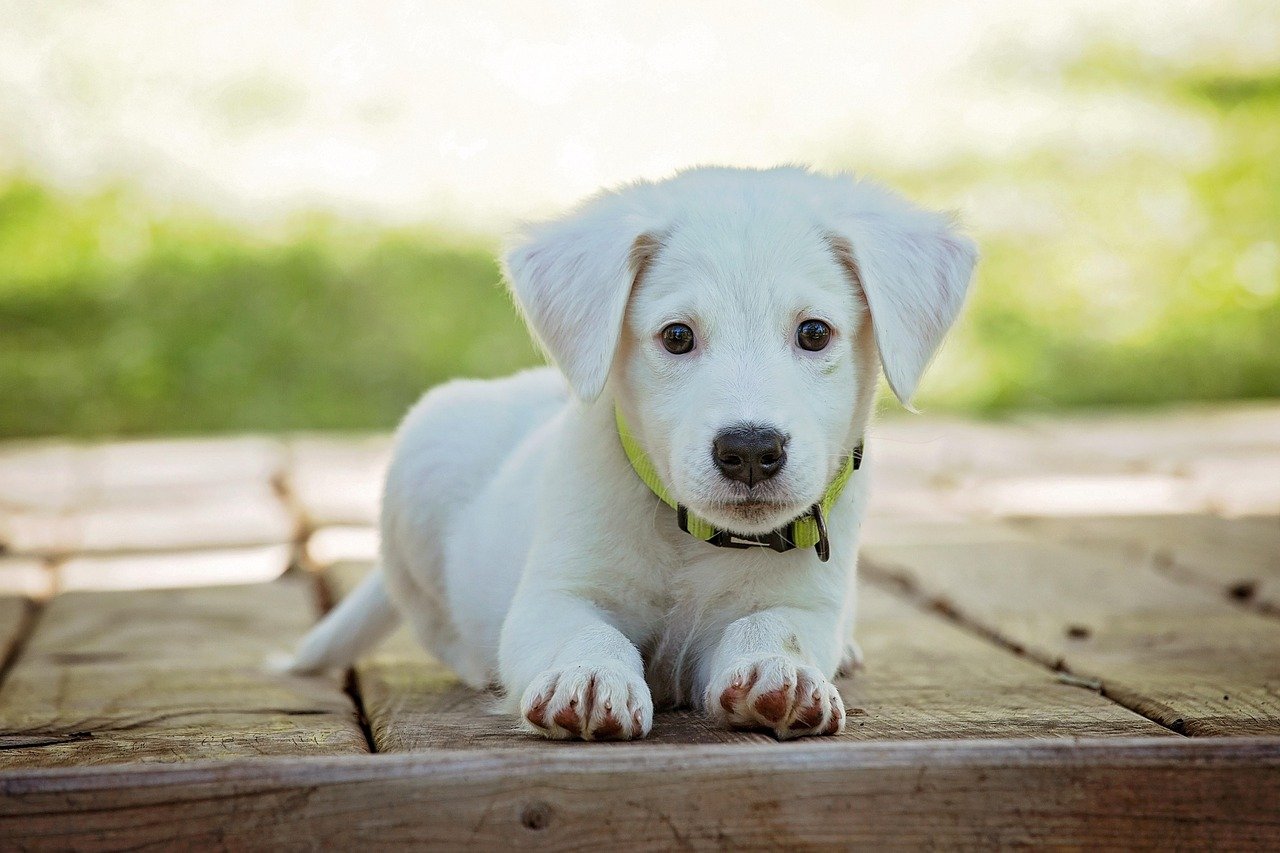
Bringing home a puppy is an exciting milestone, but timing is everything when it comes to separating a young dog from its mother. Puppies go through critical stages of physical, emotional, and social development in their first few weeks, and being removed too early can lead to long-term behavioral and health issues. So how do you know when a puppy is truly ready for this big transition?
A mother dog does so much more than just feed her puppies. She teaches them about the world, helps them feel safe, and even begins their training. In those first weeks, her warmth is their comfort, and her gentle discipline is their first lesson in how to behave. If you’ve ever watched a mother dog nudge a clumsy pup back into line, you’ve seen nature at its most nurturing. Her presence helps puppies develop healthy emotions and instincts, laying the foundation for their future happiness. Taking a puppy away too soon can disrupt this delicate process, leading to behavioral and emotional struggles that can last a lifetime. Think of the mother as the puppy’s very first teacher and protector—her job isn’t done until her puppies are truly ready.
Understanding the Ideal Age for Separation
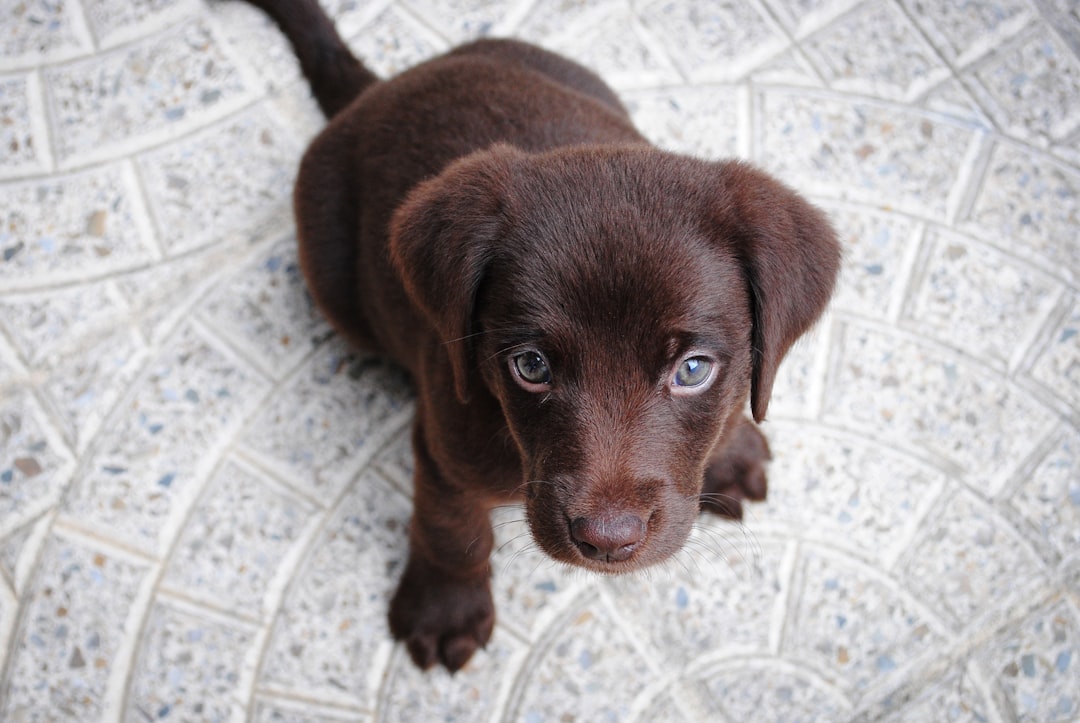
Most experts agree that the best age for a puppy to leave its mother is no earlier than 8 weeks old. This may seem like a long time, especially when those tiny, wriggly bodies seem eager for adventure. But before 8 weeks, puppies are still learning vital skills from their mother and siblings, such as bite inhibition and proper play. Puppies taken away too soon may struggle with anxiety, fear, or even aggression as they grow. Waiting until the 8-week mark gives your puppy the chance to become emotionally stable and better equipped for new experiences. In some breeds, even 10 or 12 weeks may be better, especially if the puppies seem shy or slow to develop.
Sign 1: The Puppy Is Still Nursing Frequently

A puppy who is still relying heavily on its mother’s milk is not ready to face the world alone. Nursing isn’t just about nutrition; it also provides comfort and a sense of security. If you notice puppies regularly seeking out their mother to nurse, or if they seem upset when they can’t, this is a clear sign they need more time together. Puppies should be gradually weaning off their mother’s milk and eating solid puppy food before leaving her side. Forcing independence too early can create stress, digestive problems, and emotional insecurity.
Sign 2: Poor Socialization With Siblings
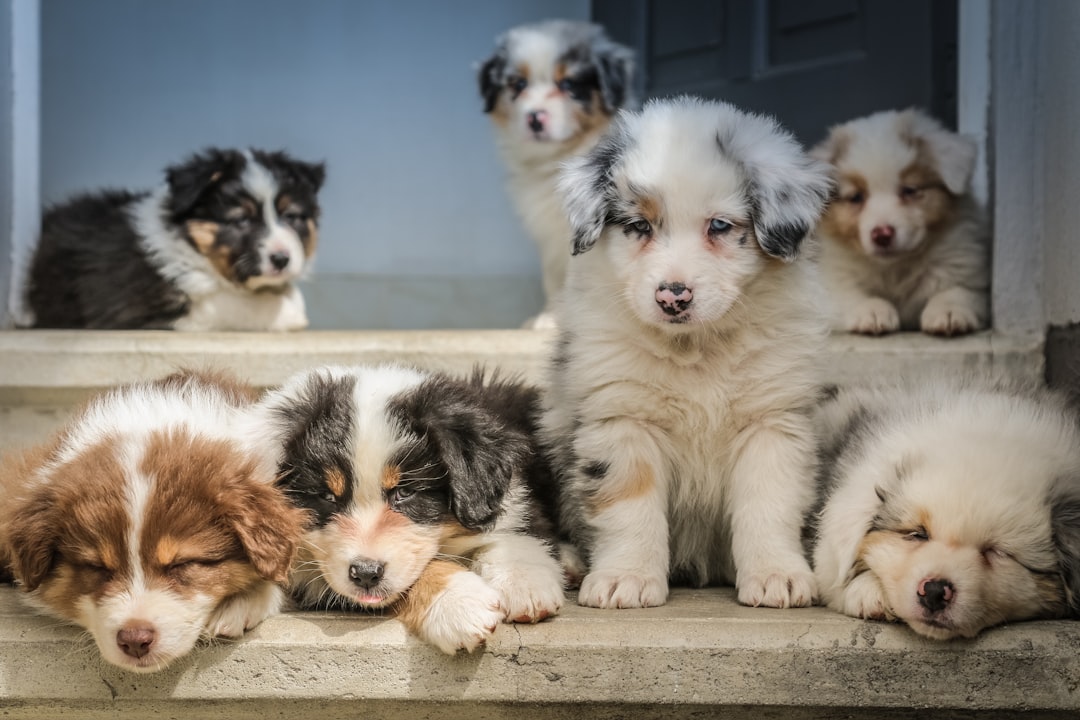
Puppies learn a lot from playing, snuggling, and sometimes even squabbling with their brothers and sisters. These early interactions teach them how to communicate, share, and handle frustration. If a puppy seems to avoid play, reacts aggressively, or doesn’t know how to interact with its littermates, it may not be ready for separation. Social play is like puppy kindergarten—it’s where they learn the rules of canine life. Without these lessons, a puppy can grow up struggling to get along with other dogs or even people.
Sign 3: Difficulty Eating Solid Food

By the time a puppy is ready to leave its mother, it should be eating solid puppy food with ease. If you see a puppy refusing kibble or struggling to eat on its own, it’s a sign that its digestive system and chewing ability are not fully developed. Puppies need time to transition from milk to solid food, and rushing this process can cause tummy upsets or malnutrition. Watch for steady, enthusiastic eating—this shows a puppy is strong, healthy, and ready for a new home.
Sign 4: Clingy or Fearful Behavior

It’s natural for puppies to feel attached to their mother, but excessive clinginess or fearfulness is a red flag. If a puppy panics when separated from its mom, hides from new people, or shows signs of stress in new situations, it may need more time to build confidence. A ready-to-leave puppy should be curious and open to new experiences, even if it’s a little shy at first. Give these sensitive pups extra time and support—they’ll thank you with a lifetime of loyalty and affection.
Sign 5: Health Issues or Slow Physical Development
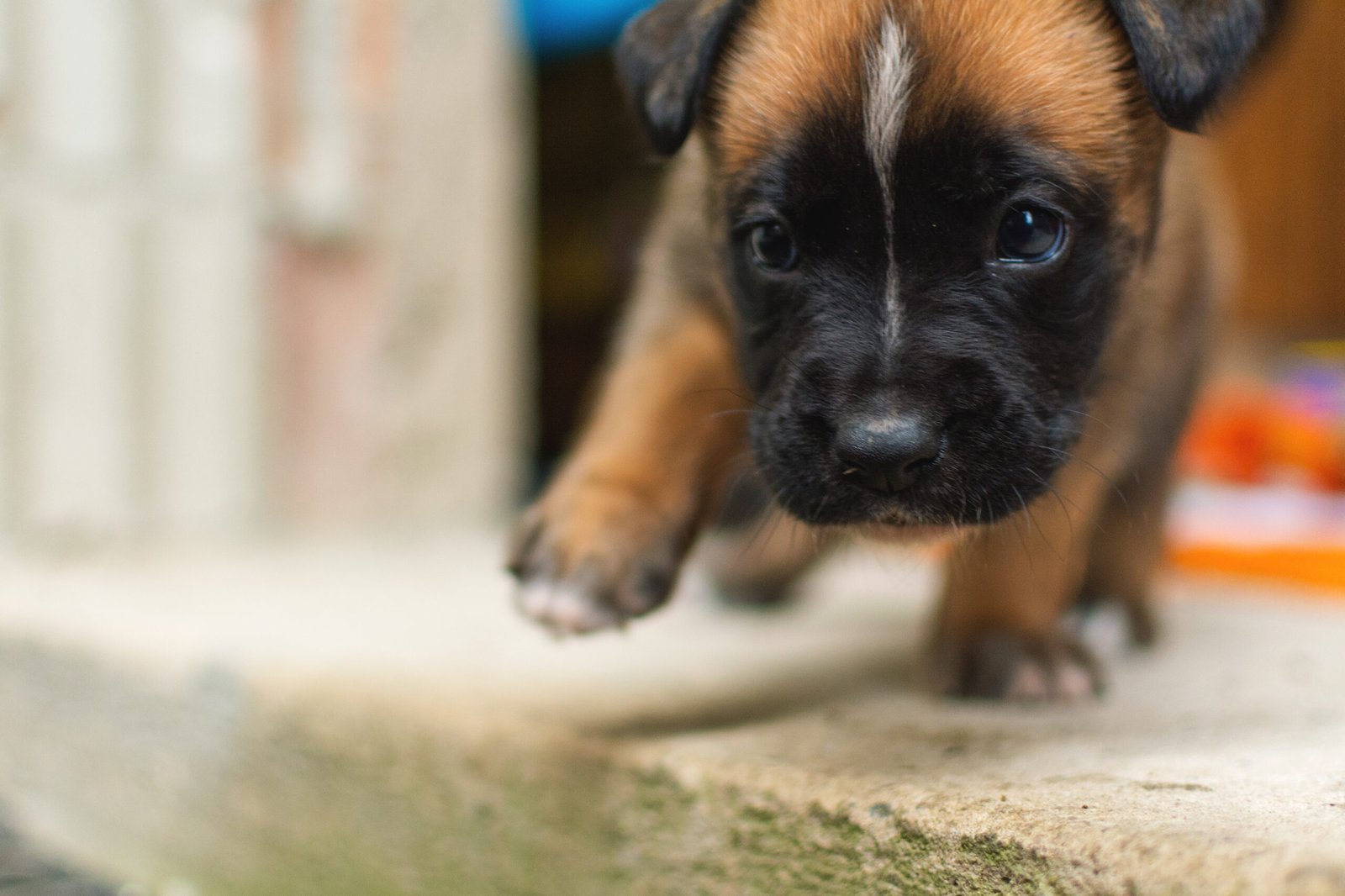
Healthy puppies are active, playful, and steadily gaining weight. If a puppy is smaller than its siblings, looks frail, or has ongoing health problems like diarrhea or coughing, it’s not ready for the stresses of a new home. Physical maturity is just as important as emotional readiness. Puppies with lingering health concerns should stay with their mother and siblings until they’re robust and thriving. Your patience could make all the difference in helping a vulnerable puppy grow strong.
The Importance of Early Socialization

Early socialization is more than just playtime—it’s a crucial step in shaping a puppy’s personality. During the first few weeks, puppies are like sponges, soaking up experiences and learning how to interact with the world. The mother and littermates give constant feedback, helping puppies learn boundaries and build confidence. Without enough socialization, puppies may become fearful or aggressive as adults. It’s essential to give them time to explore, meet new people, and experience gentle handling before they face the big, wide world.
What Responsible Breeders Do Differently
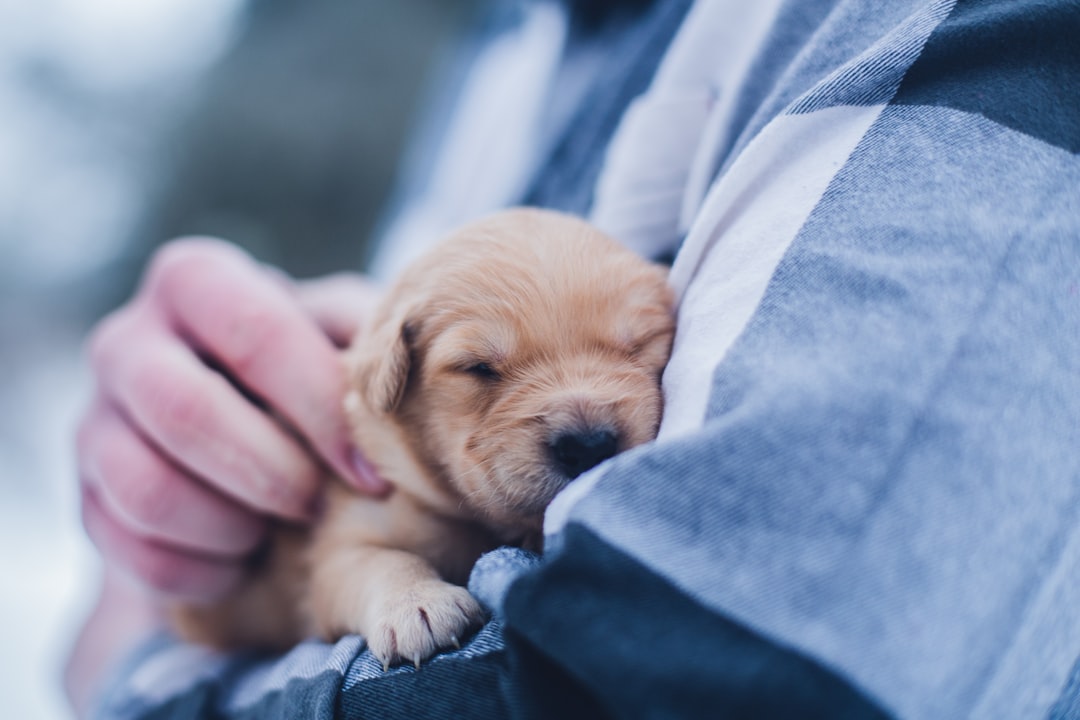
Good breeders know the importance of timing and never rush a puppy out the door. They watch each puppy’s development closely, making sure every one is emotionally and physically ready for its new family. A responsible breeder will keep puppies with their mother for at least 8 weeks, sometimes longer if needed. They’ll also provide socialization, gentle handling, and early exposure to household sights and sounds. When you get a puppy from a breeder who cares, you can trust that your new companion is truly prepared for life’s adventures.
How to Prepare for the Transition Home
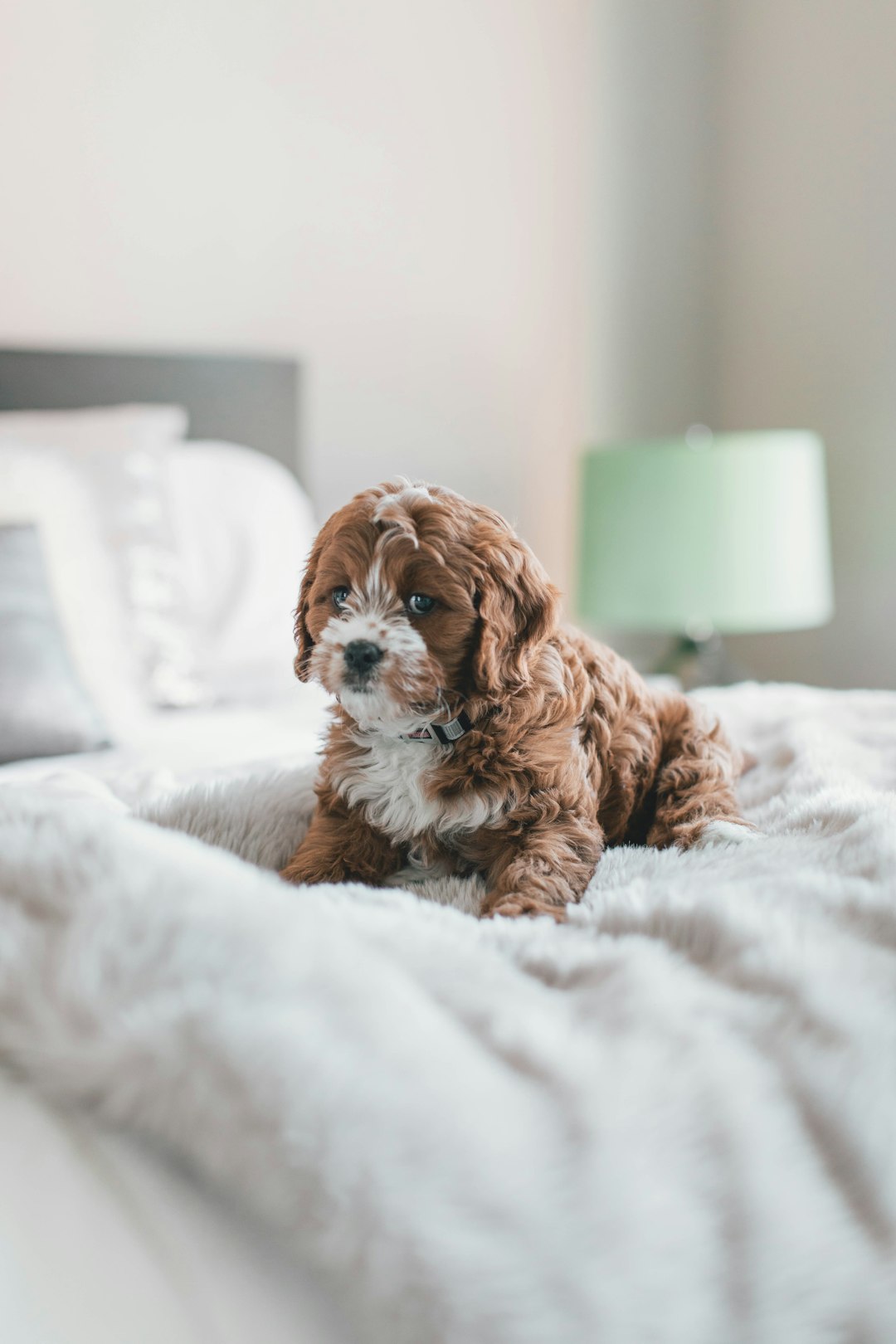
Bringing a puppy home is thrilling, but it also requires preparation. Puppies leaving their mother need a safe, cozy space to adjust, along with familiar toys and maybe a blanket that smells like their first home. Be patient as your new friend explores, makes mistakes, and learns to trust you. The first few days can be overwhelming, so keep introductions calm and positive. Your gentle touch and understanding will help your puppy feel secure, loved, and ready to bond with you.
Puppy Readiness Checklist: Are You Both Prepared?

Before taking a puppy home, ask yourself a few key questions:
– Is the puppy eating solid food on its own?
– Does it play well with siblings and show curiosity about new things?
– Is it healthy, active, and gaining weight steadily?
– Can it handle being away from its mother without panic?
– Has it been gently socialized to people and household noises?
If you can answer “yes” to these questions, you’re both ready for this exciting new chapter. If not, a little more time with mom and siblings is the greatest gift you can give.


