
Are Dog Trainers Worth the Cost or Just a Scam?

Do you ever look into your dog’s eyes and wonder, “Am I really doing everything I can for you?” For many dog owners, the thought of hiring a professional trainer brings a mix of hope, hesitation, and even skepticism. With so much buzz online about dog training scams and sky-high prices, it’s easy to feel lost. Are you investing in a better bond with your pup, or just tossing money down the drain? Let’s pull back the curtain on the dog training world and find out if professionals truly deliver—or if it’s all just smoke and mirrors.
The Real Value of Professional Dog Trainers

When you first consider hiring a dog trainer, the price tag can be shocking. Yet, behind those numbers lies a world of expertise. Professional trainers often spend years learning canine behavior, psychology, and the most effective training techniques. They don’t just teach your dog to sit; they help solve deep-rooted behavioral issues that can cause daily stress. Think about the relief of a dog that finally walks calmly on a leash or stops barking endlessly at the door. For many, that peace of mind is priceless. While some may see trainers as an expensive luxury, for others, their knowledge and patience are life-changing. The real value comes from the transformation you and your dog experience together.
Understanding the Cost Breakdown

Why does dog training sometimes cost as much as a small vacation? The answer lies in what’s included. First, trainers often need to invest in their own education, certifications, and insurance. They may provide one-on-one sessions, group classes, or even board-and-train programs, each with different price points. Travel time, specialized equipment, and follow-up support also add to the bill. When you break it down, you’re not just paying for an hour of someone’s time—you’re investing in a service that can improve your dog’s behavior for years. While it may seem expensive upfront, many find the investment pays off with a happier home.
Common Dog Training Methods Explained

Dog trainers use a wide variety of methods, and knowing which one fits your dog can be confusing. Positive reinforcement, where good behavior is rewarded, is the gold standard among modern trainers. Some still use older techniques like corrections or even mild aversives, though these are now controversial. The right approach depends on your dog’s personality and your goals. A good trainer will tailor their methods to suit your pet, ensuring training is both effective and humane. Understanding these strategies helps you judge whether a trainer’s approach truly aligns with your values—or raises red flags.
Spotting Red Flags: Are There Really Scams?

Sadly, not every person advertising as a dog trainer is legitimate. Some promise instant results or use outdated, even harmful, techniques. Be wary of anyone who guarantees success overnight or asks for large sums upfront without a plan. True professionals will explain their process, offer references, and never pressure you into decisions. Watch out for trainers who refuse to answer questions or can’t show credentials. A little skepticism can protect you and your dog from unpleasant surprises. Remember, your dog’s well-being is at stake—don’t be afraid to walk away from anything that feels off.
What Do Certified Trainers Offer?

A certified dog trainer brings more than just a bag of tricks. They often have formal education in animal behavior, psychology, and the science of learning. Many also belong to respected organizations, which require ongoing education and adherence to ethical standards. With a certified trainer, you get a clear, structured plan tailored to your dog’s needs. They’re trained to spot subtle clues in your pet’s body language that most owners might miss. This expertise can make the difference between slow progress and true transformation. When you hire someone with real credentials, you’re not just paying for training—you’re buying peace of mind.
Group Classes vs. Private Training: Which Is Better?

Choosing between group classes and private sessions can feel overwhelming. Group classes are often more affordable and provide vital socialization for dogs. They create a sense of community among owners, letting you share tips and stories. However, some dogs struggle to focus in a group, especially if they’re shy or reactive. Private training offers one-on-one attention and can tackle specific issues in your own home environment. While these sessions cost more, they’re highly personalized. The best choice depends on your dog’s temperament and your goals—but both options have their place in a well-rounded training journey.
DIY Training: Can You Really Do It Alone?

With countless videos and books available, many owners wonder if they can skip the trainer altogether. DIY training can work for basic commands and bonding, especially with a motivated owner and a food-loving dog. However, complex behaviors—like aggression, separation anxiety, or fear—often need expert help. Without guidance, it’s easy to reinforce bad habits or miss subtle cues. While self-training saves money, it demands patience, consistency, and a willingness to learn. For some, the journey is rewarding; for others, the support of a professional is essential. It all depends on your comfort level and your dog’s needs.
The Emotional Side: Reducing Stress for Owners and Dogs

Dog training isn’t just about teaching tricks—it’s about transforming lives. Struggling with a challenging pet can take a toll on your emotions and your family. Trainers not only help your dog but also give you tools to manage stress, frustration, and uncertainty. Many owners describe feeling a weight lifted after a successful session. The bond between you and your dog deepens when communication improves. For those overwhelmed by barking, chewing, or chaos, a good trainer can be the lifeline that restores harmony to your home. Sometimes, the greatest value is the relief and confidence you gain along the way.
Real-Life Success Stories

Stories from dog owners often provide the most powerful evidence. One family recalls their rescue dog, once terrified of strangers, now greeting guests with a wagging tail after months with a patient trainer. Another owner describes their once-destructive puppy transforming into a calm companion, thanks to weekly group classes. These experiences highlight that while results take time and effort, the change is real. For many, the cost becomes insignificant compared to the joy of seeing their dog’s true personality shine. Success stories remind us that, sometimes, a little expert help can work wonders.
When Is It Not Worth the Investment?

There are situations when hiring a trainer may not make sense. If you’re unwilling to practice techniques at home, even the best trainer can’t create change. Some problems, like severe medical issues, require a vet’s intervention rather than a behaviorist. Occasionally, owners expect miracles in a single session, leading to disappointment. It’s important to set realistic goals and understand that learning takes time—for both dogs and humans. If your expectations and lifestyle don’t line up with the trainer’s process, it may be wise to hold off. Honest self-reflection helps ensure your money is well spent.
How to Choose the Right Trainer for Your Dog
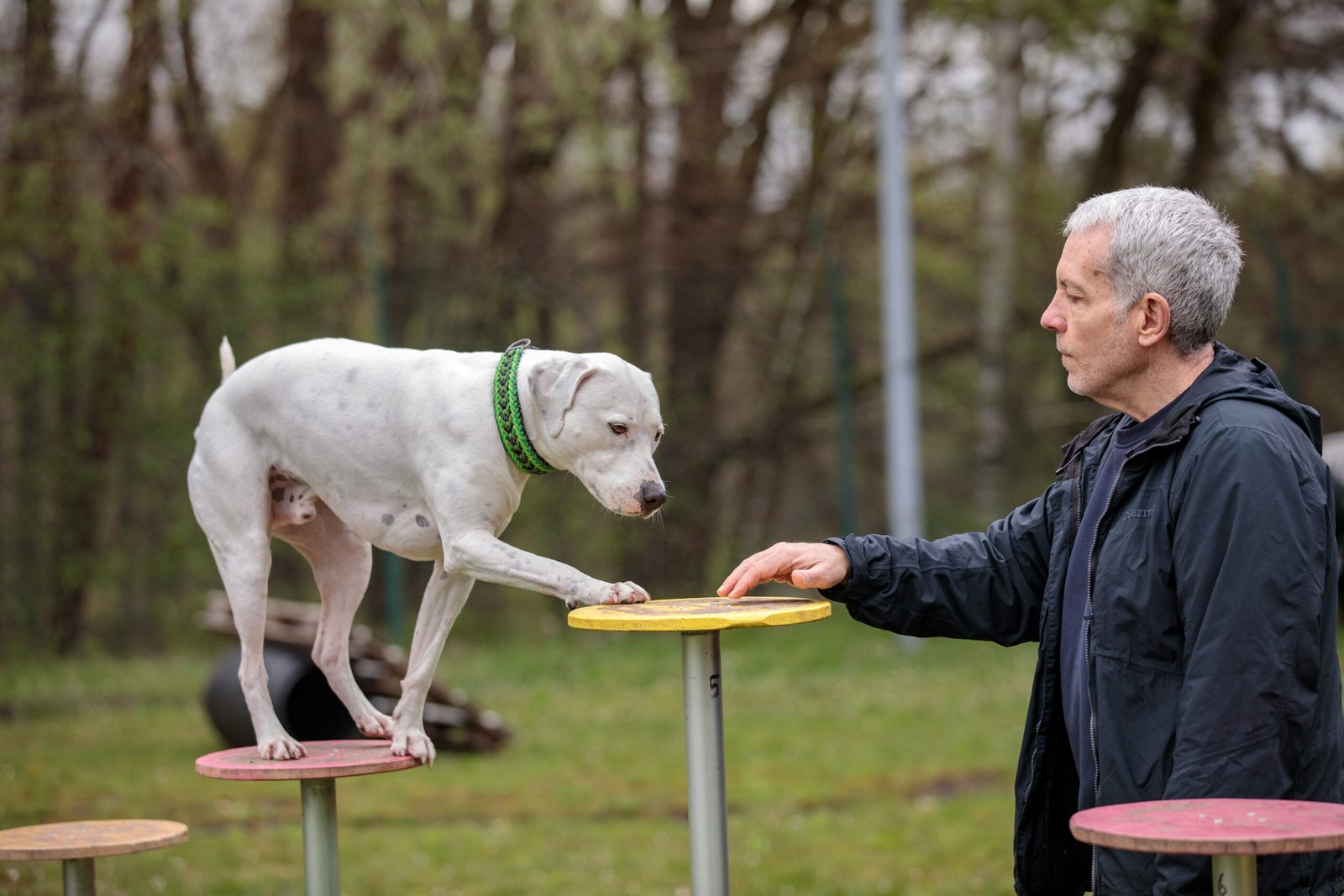
Finding the perfect match isn’t just about scrolling through online reviews. Start by researching trainers in your area and asking about their methods and experience. Meet in person and watch how they interact with your dog. Trust your instincts—if something feels off, keep looking. Ask for references and proof of credentials. A great trainer will welcome your questions and be eager to explain their approach. Remember, you’re building a partnership that affects your dog’s happiness. Take your time and choose someone who makes you and your furry friend feel comfortable and understood.
Weighing the True Cost—And Potential Rewards
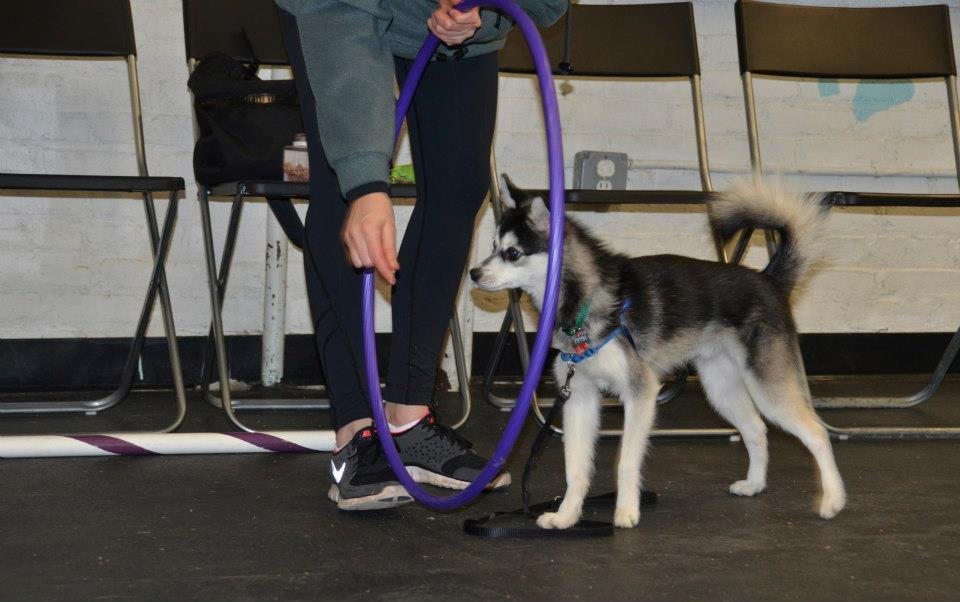
At the end of the day, the question lingers: is hiring a dog trainer worth it? For many, the answer is a resounding yes. The benefits often go far beyond obedience—they touch on peace of mind, family harmony, and a deeper bond with your pet. While the cost can be daunting, the long-term rewards are often life-changing. If you choose wisely and commit to the process, the investment can pay off in ways you never expected. For every frustrated bark or chewed-up shoe, imagine the joy of a well-behaved, happy dog by your side. Isn’t that what every dog lover dreams of?
At the end of the day, dog trainers can be a solid investment if you find the right one for your needs. They offer structure, consistency, and guidance that can make a world of difference—especially for tough behaviors or first-time dog owners. While not every trainer is a miracle worker, a certified and experienced one is far from a scam. It’s all about doing your homework and knowing what you want out of the experience. With the right match, both you and your dog can thrive.