
#1: The Secure Base Effect – Why Dogs Need a Human Anchor
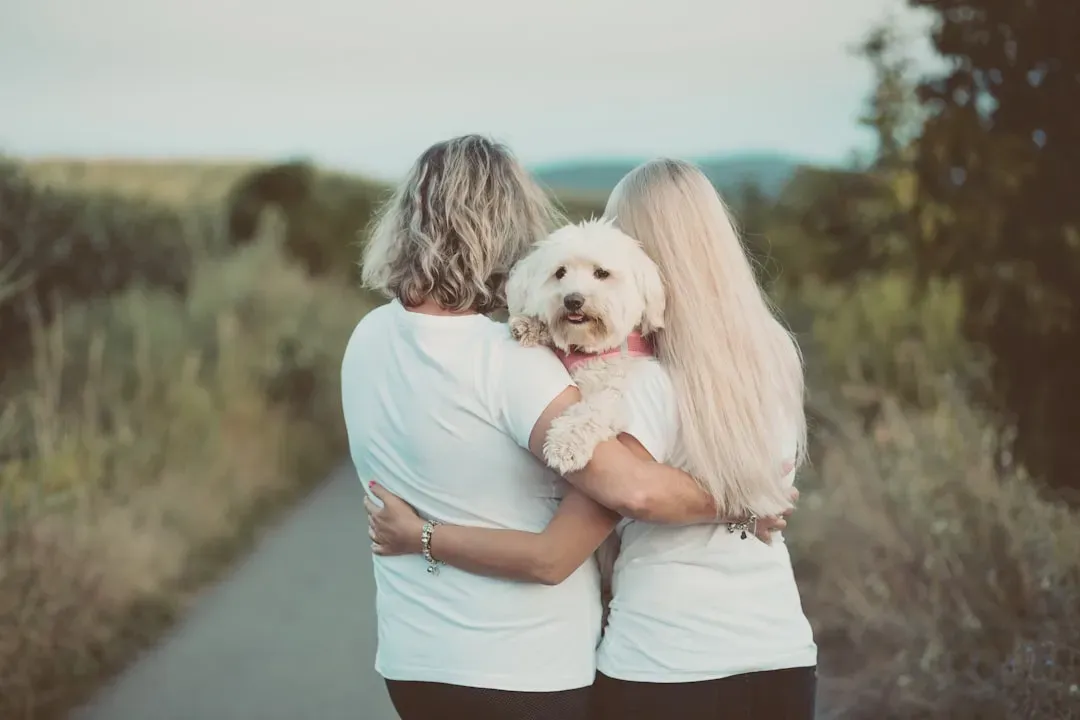
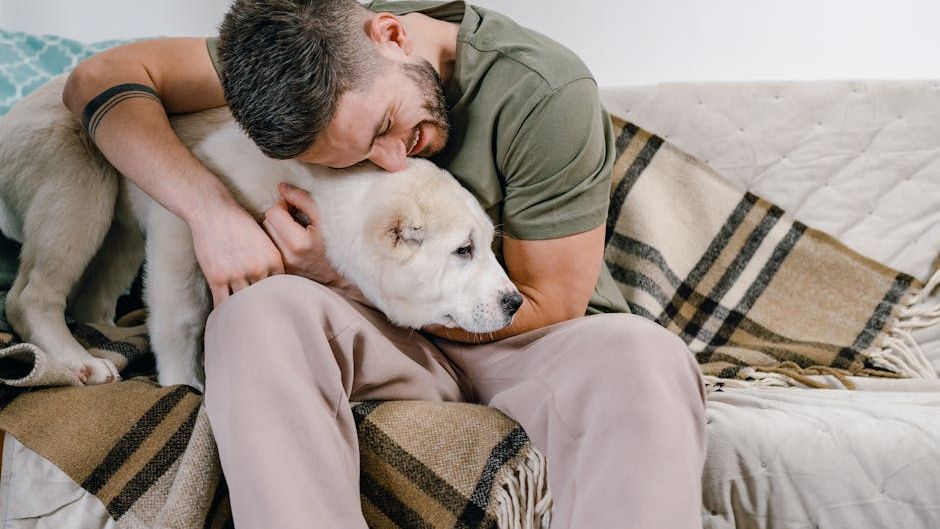
Research in animal behavior suggests that dogs form attachment bonds similar to those seen in human infants. Studies using “secure base” testing show that dogs explore more confidently when their trusted human is present, and when separated from that person, stress indicators increase. This isn’t trivial. It’s the same emotional architecture that psychologists associate with early childhood bonding, and the fact that dogs operate this way says a great deal about how deeply they’ve evolved to connect with people.
A study by the University of Vienna found that dogs with a secure bond with their owners show less stress and anxiety when separated from them, and these dogs are also better able to cope with new environments and situations. The preferred person, in other words, functions as a psychological home base. That kind of role can’t be earned with treats alone. It’s built through reliability, emotional availability, and steady presence over time.
#2: Consistency Over Grand Gestures – The Power of Daily Routine
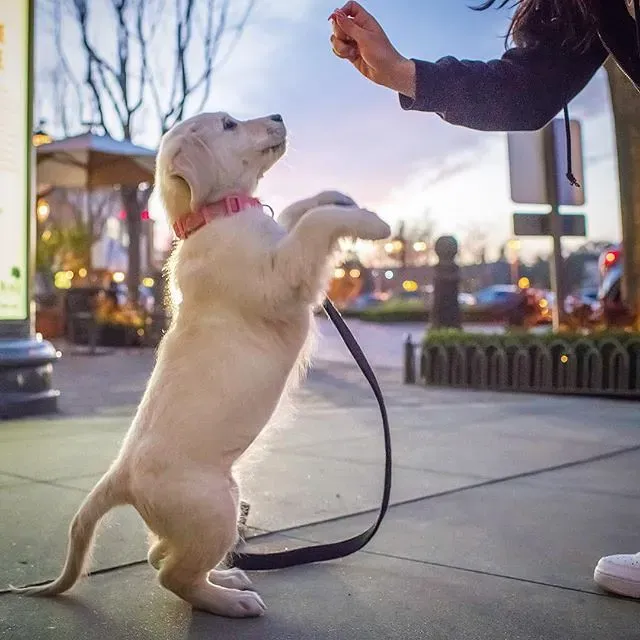
A dog that knows what to expect from a person – feeding times, play, walks – will feel secure and loved in their presence. Psychology shows that consistent caregiving behaviors foster affection and attachment, and predictable routines reduce stress and anxiety in dogs. This is such a simple insight, yet so often overlooked. Dogs aren’t impressed by an occasional big day at the park. They’re moved by the person who shows up the same way, every single day.
The individual who maintains structure becomes the anchor. Routine lowers stress hormones in dogs, lower stress increases trust, and trust increases preference. This is why predictable daily habits contribute more to bonding than occasional grand gestures. Think about that the next time someone tries to win over your dog with a bag of premium treats. Familiarity, predictability, and calm consistency will always outperform a one-time offering.
#3: The Chemistry of Connection – Oxytocin and the Gaze Loop
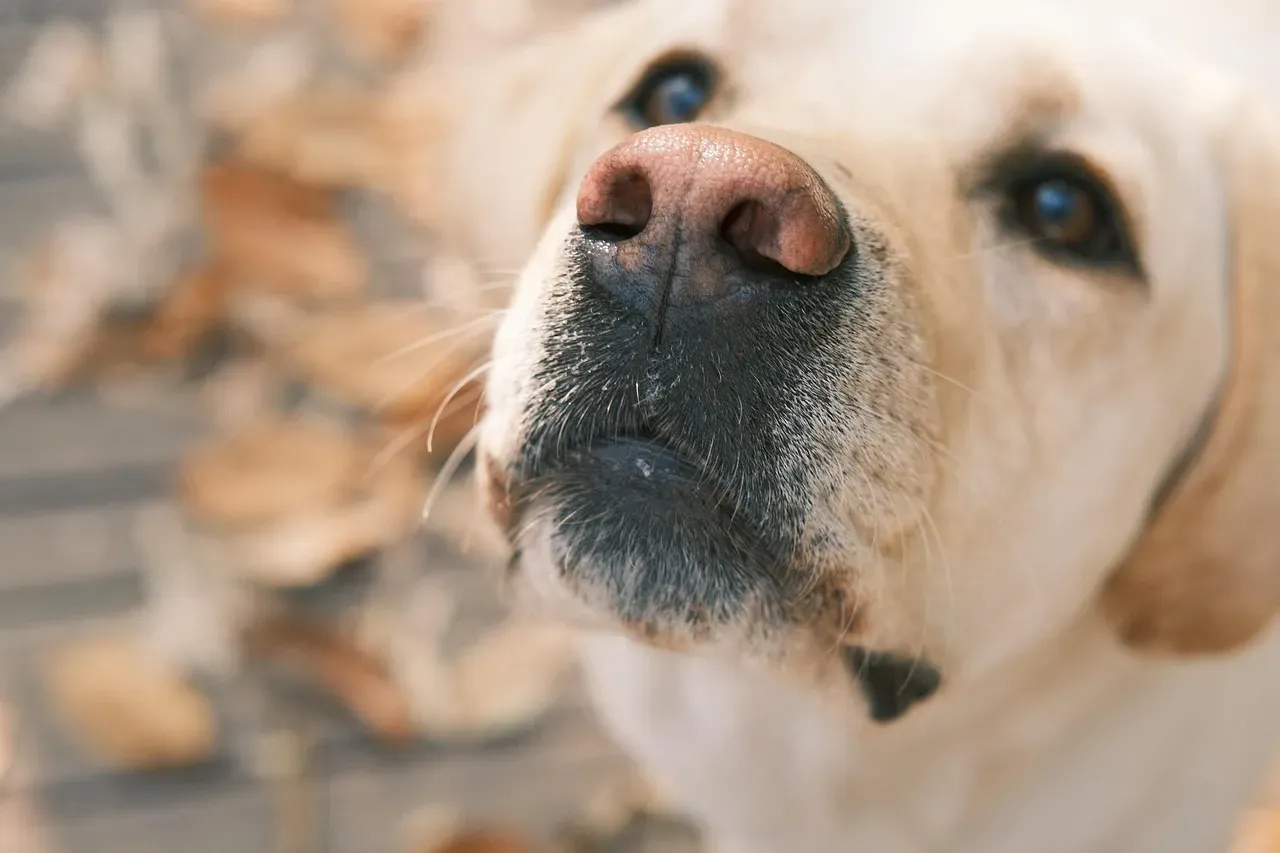
Human-like modes of communication, including mutual gaze, may have been acquired by dogs during domestication with humans. Research shows that gazing behavior from dogs, but not wolves, increased urinary oxytocin concentrations in owners, which consequently facilitated owners’ affiliation and increased oxytocin concentration in dogs. There’s something almost poetic about the fact that wolves, the evolutionary ancestors of dogs, don’t share this bonding mechanism. Dogs specifically developed the ability to use eye contact as a trust signal with humans.
Oxytocin, often referred to as the “cuddle hormone,” plays a central role in the bond between dogs and humans. Studies have shown that oxytocin levels increase in both dogs and humans when they spend time together and have positive interactions, and this hormone promotes feelings of love and trust while strengthening the bond between them. Increases in oxytocin, beta-endorphin, and dopamine have been observed in both dogs and people after enjoyable interactions like petting, play, and talking, meaning that interacting with a dog can have some of the same psychophysiological markers as when two emotionally attached people spend time together. The bond isn’t just behavioral. It’s biological.
#4: Emotional Attunement – How Personality Matching Shapes Preference
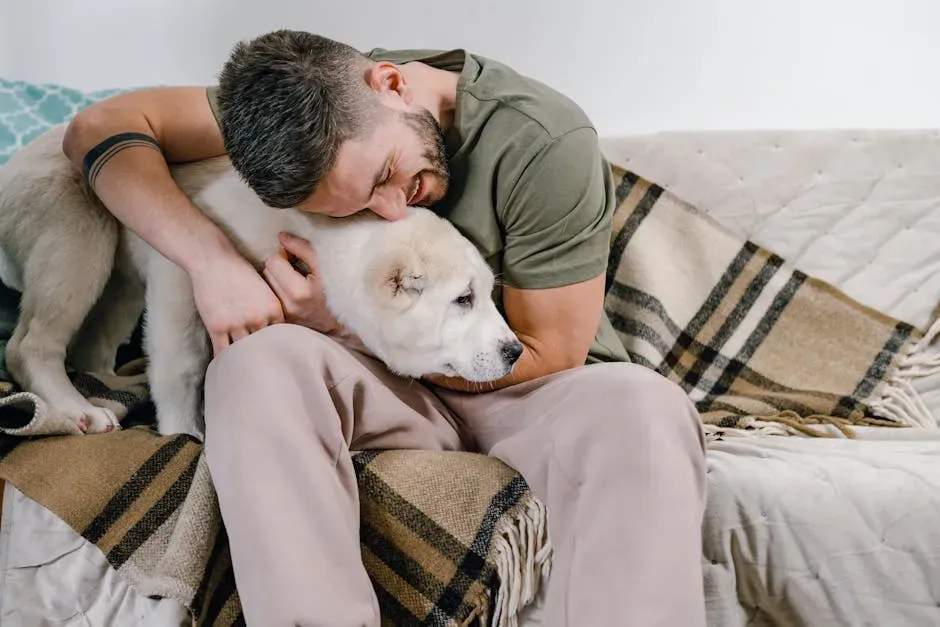
Just like humans, dogs have unique personalities. Some dogs are shy and reserved, others bold and outgoing, and they gravitate toward people whose energy matches or complements their own. This psychological preference ties into the idea of emotional attunement. It’s not random chemistry. It reflects a deep form of social intelligence that dogs have developed over thousands of years of living alongside humans.
While positive experiences play a big role, a dog’s favorite person isn’t always just the one holding the treat bag. Dogs also respond to emotional connection, tone of voice, and even body language, and their preferences are shaped by a mix of familiarity, trust, and how well a person understands their needs. Research has also shown that dogs and the people they love to spend time with frequently have similar energy levels and dispositions. Dogs sense who truly “gets” them, and they remember it.
#5: How Rescue Dogs and Early Bonding Windows Change the Picture
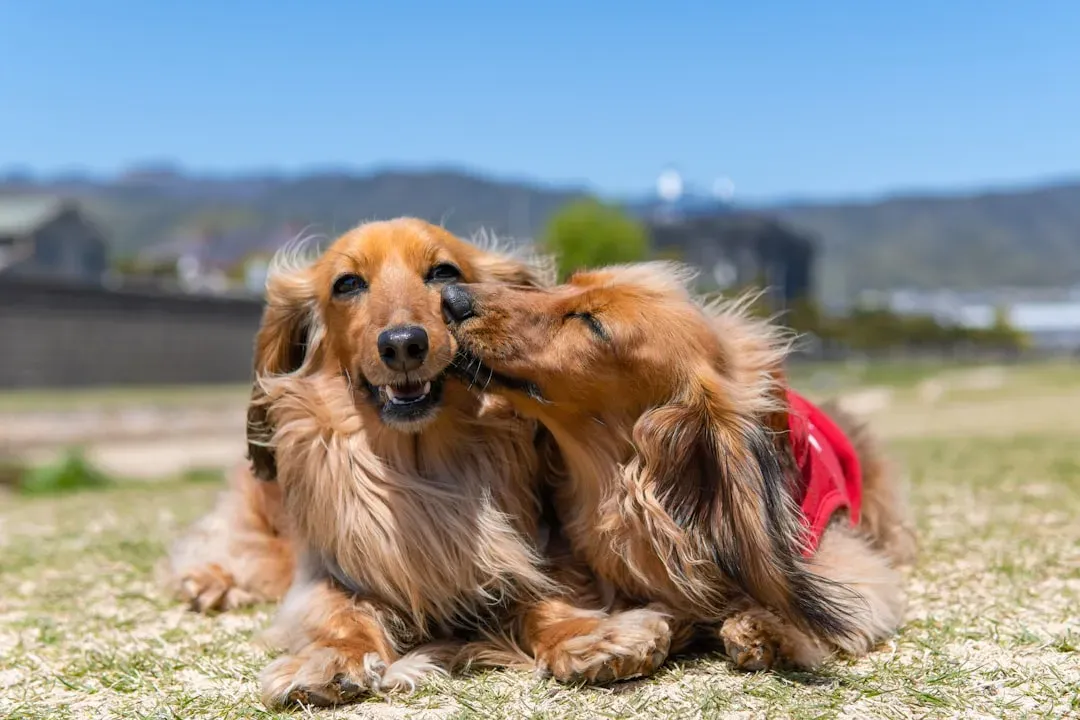
During early development, puppies tend to attach strongly to whoever handles them most consistently during their formative weeks, and that early bonding period often shapes long-term preference patterns. However, puppies are also highly adaptable, and structured training and positive reinforcement can strengthen attachment quickly. The early window matters, but it isn’t the final word on who a dog will ultimately choose.
Rescue dogs may form attachments more gradually, since past experiences influence how quickly they trust. In some cases, they may initially attach to the most predictable or least threatening person in the home, but with time, patience, and consistent structure, rescue dogs can form exceptionally strong bonds. Recent studies in canine psychology have shown that dogs can form attachment styles similar to humans, meaning they can develop secure or insecure attachments to their favorite humans based on accumulated experiences. A rescue dog that’s been let down before isn’t broken. They’re simply waiting for evidence of something they’ve rarely had: someone worth trusting.
Conclusion: What Your Dog Is Really Telling You
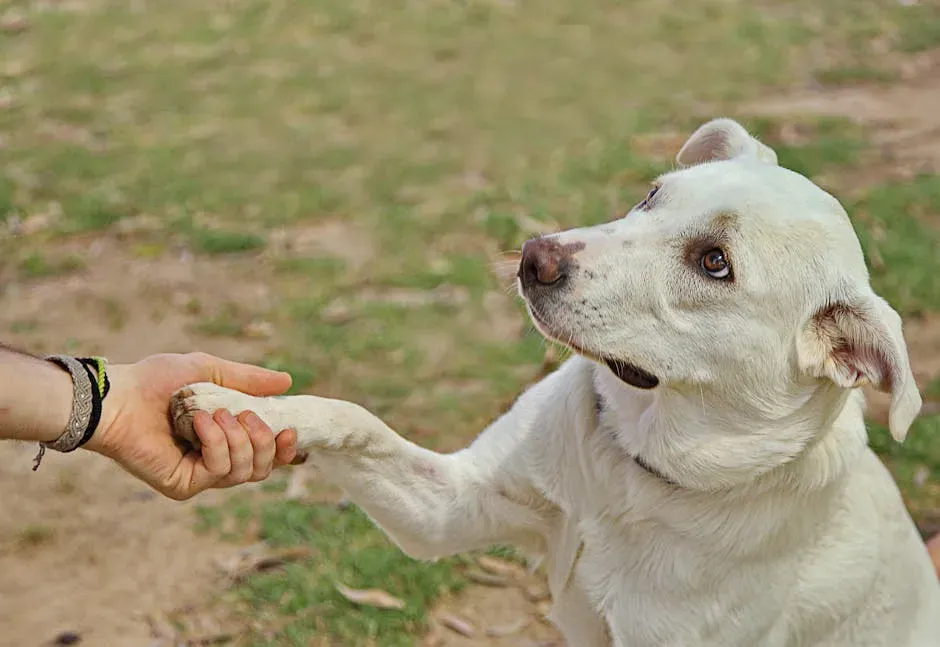
There’s something genuinely humbling about realizing that a dog’s unwavering devotion isn’t purchased. It’s earned, quietly and gradually, through showing up with calm consistency, reading a dog’s cues, and creating an environment where they feel safe enough to relax fully. Treats have their place, certainly, but they’re more of a nice bonus than the foundation of anything real.
The science is clear and, honestly, a little reflective: dogs choose their people the way the best human relationships are built too. Not through extravagant gestures or strategic rewards, but through presence, patience, and the unspoken language of trust. If your dog curls up next to you at the end of the day, leans into your leg when something startles them, or watches the door only for you, understand what that actually means. They didn’t just pick you because you feed them. They picked you because, somewhere along the way, you made them feel like the world was a safer place with you in it. That’s not a small thing. That’s everything.


