

#1. The Cortisol Connection: Your Stress Hormone Is Theirs Too

The most striking evidence for this emotional mirroring isn’t behavioral. It’s hormonal. The levels of stress in dogs and their owners tend to follow each other, and scientists believe that dogs mirror their owner’s stress level rather than the other way around. That’s a significant distinction worth sitting with. It’s not just that stressed dogs find stressed owners. It’s that calm owners tend to raise calm dogs.
In a study from Sweden’s Linköping University, researchers found that dogs’ stress levels were greatly influenced by their owners and not the other way around, with findings suggesting that dogs, to a great extent, mirror the stress levels of their owners. The study included 58 dogs across two breeds. The method used to reach this conclusion was particularly compelling.
Researchers took hair samples from both the dogs and their owners to test for the stress-related hormone cortisol. As cortisol is incorporated into hair as it grows, the samples provided a kind of retrospective record of stress secretions over time. This wasn’t a snapshot of one bad afternoon. It was months of emotional data, encoded in hair.
#2. It Goes Deeper Than a Bad Day: Long-Term Stress Synchronization
Research has revealed, for the first time, an interspecific synchronization in long-term stress levels, noting that acute stress has previously been shown to be highly contagious both among humans and between individuals of other species. The fact that this now extends across species is genuinely remarkable territory for psychology and animal behavior science.
The research revealed a remarkable synchronization of cortisol patterns in dogs and their owners. When owners experienced higher stress levels, their dogs displayed corresponding increases in cortisol. Conversely, when owners were less stressed, the cortisol levels in their dogs also decreased. The relationship moved in both directions like a biological seesaw, with the owner’s emotional state consistently driving the movement.
Surprisingly, researchers found no major effect of the dog’s personality on long-term stress levels. The personality of the owner, on the other hand, had a strong effect, leading researchers to suggest that the dog mirrors its owner’s stress. In short, it’s less about your dog’s temperament and far more about yours.
#3. How Dogs Actually Read You: Scent, Sound, and Body Language

Dogs aren’t psychic, but they come remarkably close to something that functions like it. Dogs rely on verbal and non-verbal cues to gauge their owner’s emotional state, and are capable of accurately discerning subtle signs of stress such as elevated heart rate, changes in body language, and even the release of stress-related hormones like cortisol. They’re reading a composite picture of you, constantly and quietly.
Dogs can recognize six basic emotions including anger, fear, happiness, sadness, surprise, and disgust, processing these in similar ways as humans with changes to heart rate and gaze. Due to their elevated sense of smell, dogs are also highly sensitive to changes in body odor that are undetectable to other humans, capable of smelling the chemical changes that occur when we feel different emotions. That nose isn’t just for treats and squirrels.
Studies found that when dogs are exposed to the scent of fear, they exhibit more stressful behaviors and higher heart rates than when they were exposed to happy scents. Their reaction isn’t learned or trained. It’s biological. The chemical language of human emotion is something their bodies respond to automatically, almost instinctively.
#4. Competing Together, Suffering Together: When the Bond Intensifies
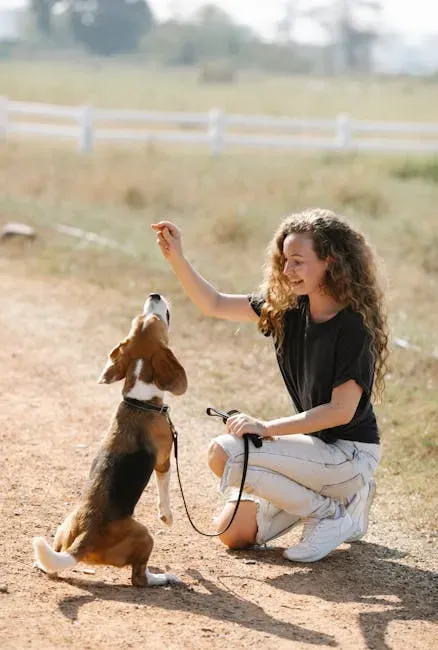
Numerous studies have found that dogs and their owners can experience synchronized emotions and stress levels, especially during acutely stressful or exciting activities such as competitions or police work. The closer the working relationship, the tighter the emotional feedback loop seems to become.
The stress level of competing dogs appears to be linked more strongly with that of their owner, and scientists speculate that this may be associated with a higher degree of active interaction between the owner and the dog when they train and compete together. More time together, more training, more shared focus. It all deepens the channel through which emotions flow between species.
In a study where dog owners were fitted with heart rate monitors, changes in owner heart rate significantly predicted changes in the heart rate of their dogs, suggesting that dogs exhibit emotional contagion and social referencing towards their owners in novel situations. When the owner’s heart raced, the dog’s followed. When calm was restored, the dog felt it too. The body keeps score, for both of them.
#5. The Loop Can Work in Your Favor: Calm Owners, Calm Dogs
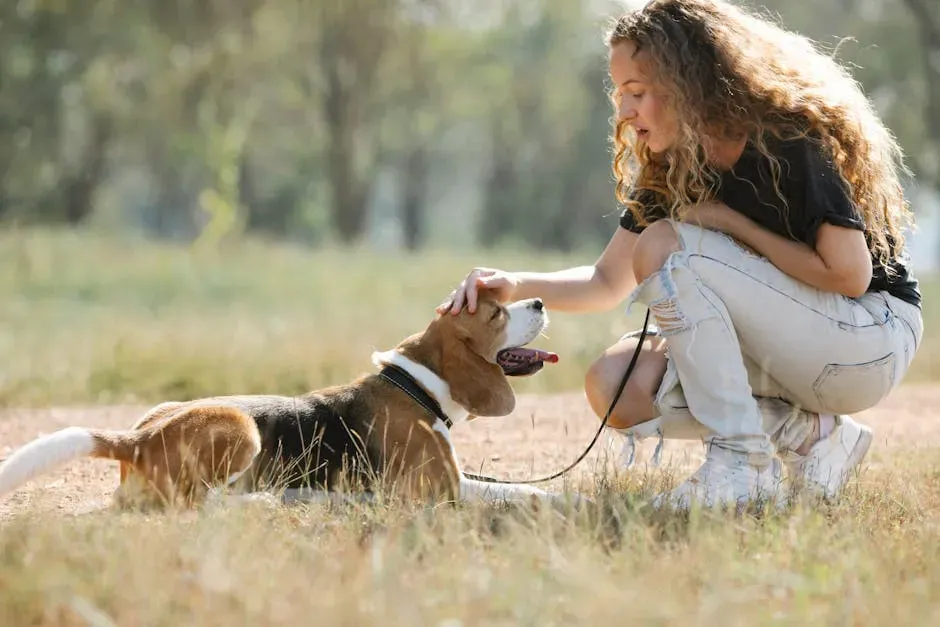
Here’s the more hopeful side of the research. A dog’s stress hormone levels, measured through cortisol, can correlate with their owner’s anxiety levels, and this connection is so profound that a calm human can engender tranquility in their dog, while an anxious pet parent may inadvertently heighten their dog’s fear and stress responses. The same mirror that transmits stress can transmit peace.
When you pet your dog and make gentle eye contact, oxytocin increases in both of you, and this feedback loop strengthens attachment. The oxytocin response isn’t one-sided. Evidence is accumulating that levels of the stress hormone cortisol drop in people after just five to twenty minutes spent interacting with dogs, even if it’s not their own pet. The relationship between calm and connection is genuinely bidirectional.
Dogs are capable of emotional mirroring, and research involving over 1,600 dog owners across various breeds found that owners with low levels of anxiety tended to have dogs that were similarly well-adjusted, while stress and anxiety from a pet parent often trickled down to the dog, leading to increased signs of fearfulness. Managing your own stress isn’t just self-care anymore. It’s animal welfare.
Conclusion
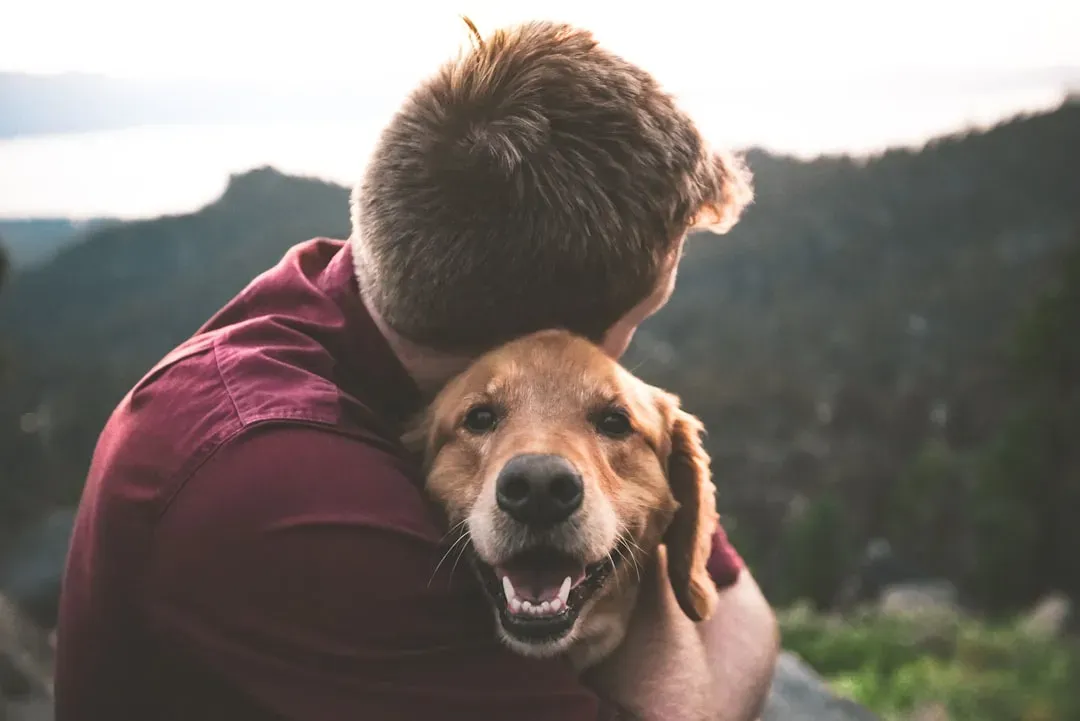
There’s something quietly humbling about the research on dogs and stress. We tend to assume the relationship is generous in one direction: we provide food, safety, and love, and our dogs give back loyalty and joy. The science complicates that comfortable picture considerably. Our dogs are not just receiving our care. They’re absorbing our inner lives, the chronic worry, the rushed mornings, the tight-shouldered evenings, and registering all of it in their own bodies.
That isn’t reason for guilt. It’s reason for attention. The research serves as a reminder that dogs can and will get stressed out from time to time, especially if their owners are getting stressed, and that taking note of their behavior can greatly affect the overall health of your pet. Your dog can’t tell you they’re overwhelmed. They can only show you, usually in ways we’ve been too distracted to notice.
The most meaningful takeaway here isn’t about changing your dog’s behavior. It’s about recognizing that your emotional state sets the temperature of your entire household, including for the one family member who will never blame you for it, but will carry it with you regardless. That kind of loyalty deserves, at minimum, our awareness.


