
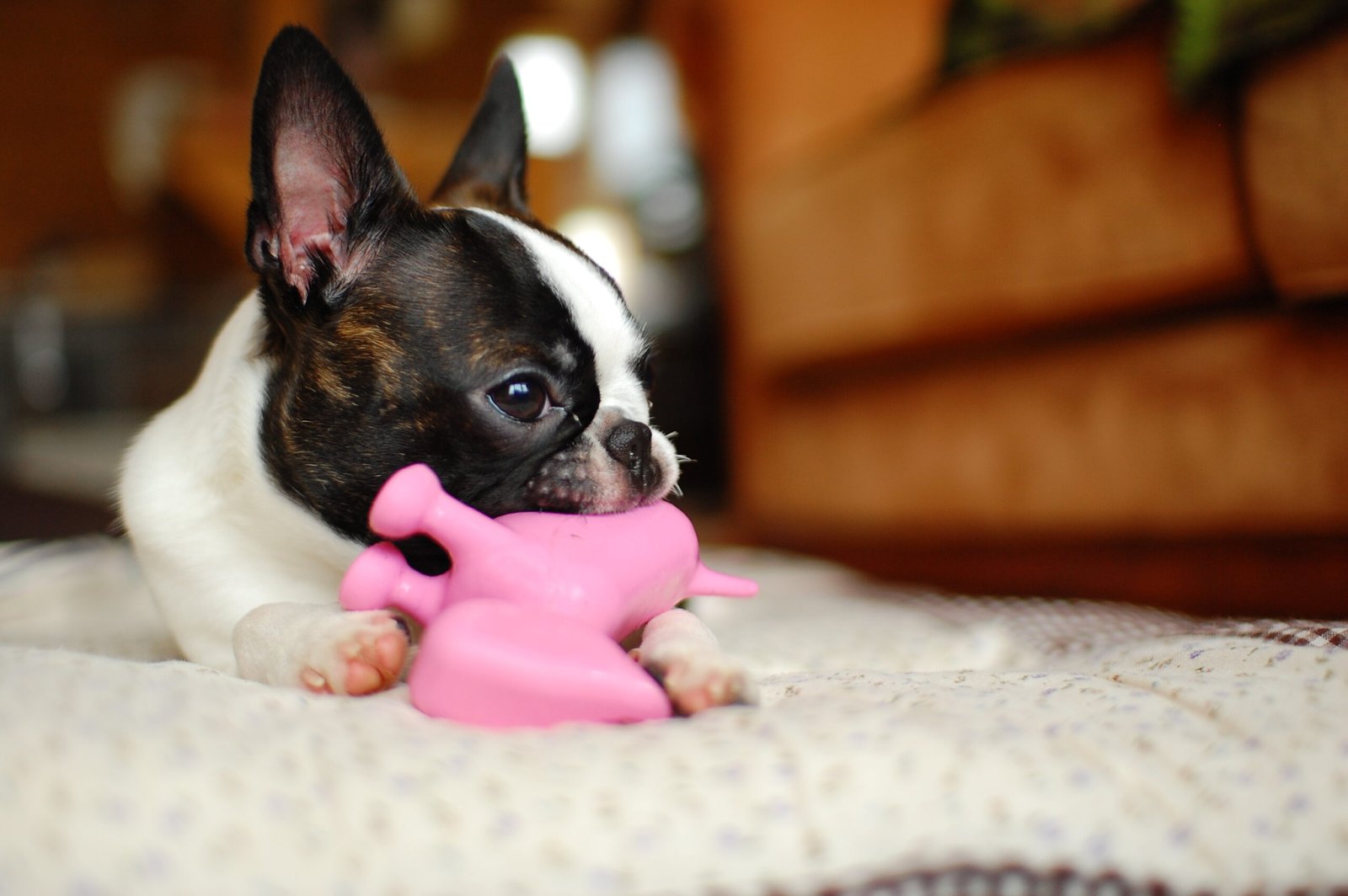
Caring for an aging dog comes with its own set of challenges, but a few clever tricks can make a world of difference—and many vets wish more senior pet parents knew them! From adjusting feeding routines to adding simple mobility aids, these underrated tips can boost your dog’s comfort and happiness. Small changes, like massaging joints or using raised food bowls, can ease common age-related issues. It’s all about tuning into your pup’s needs as they grow older. A little extra care goes a long way in keeping your senior dog thriving!
Prioritize Gentle Joint Movement Every Day
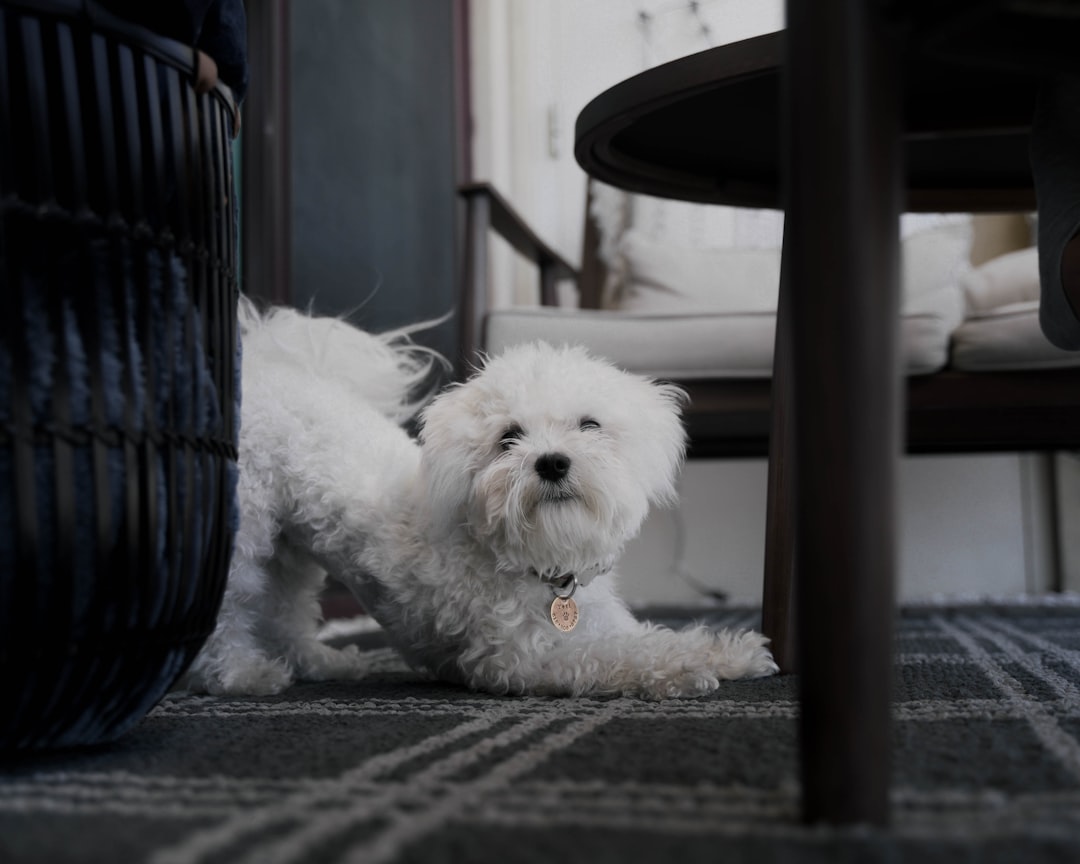
As dogs age, stiff joints and creaky legs can become a daily struggle. But here’s the secret: even gentle, slow movements are like oil for their joints. Vets often see older dogs who barely move, but a few minutes of guided stretching or a short walk on soft grass can keep those joints from locking up. Think of it as a morning yoga session for your dog—just five minutes of stretching their legs, rotating their paws, or gently moving their hips can work wonders. If your dog resists, try rewarding them with their favorite treat after each stretch. Soft play, like rolling a ball a few feet or encouraging a gentle tug-of-war, keeps their muscles active without strain. The key is consistency, not intensity. Dogs love routine, and daily movement becomes a highlight of their day, keeping pain at bay and spirits high.
Switch Up Food Textures for Dental Health
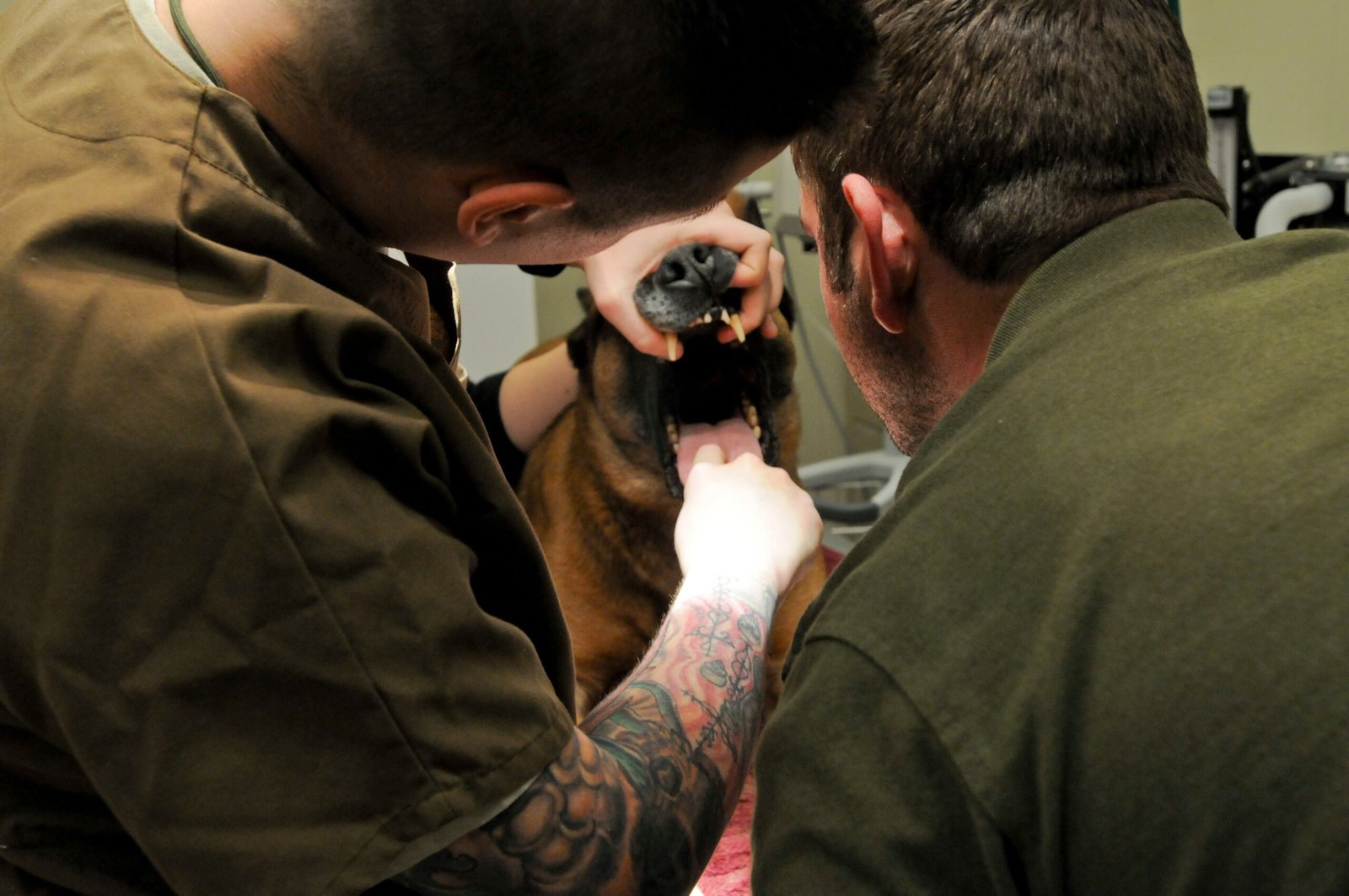
Older dogs face dental troubles more than most owners realize. Hard kibble may hurt sensitive gums, while only serving soft food can let plaque build up. The trick? Rotate textures! Offer a mix of moist and crunchy foods to gently clean teeth while making meals enjoyable. Try adding a dental chew a few times a week, or soak dry food in a little warm water to soften it without losing crunch entirely. Some owners use safe, vet-approved dog toothbrushes or finger brushes, but even rubbing a piece of damp gauze over your dog’s teeth can make a difference. Changing up textures isn’t just about dental health—it also wakes up their appetite, making mealtime exciting again for older pups who might’ve lost interest in food.
Keep Water Bowls in Surprising New Places
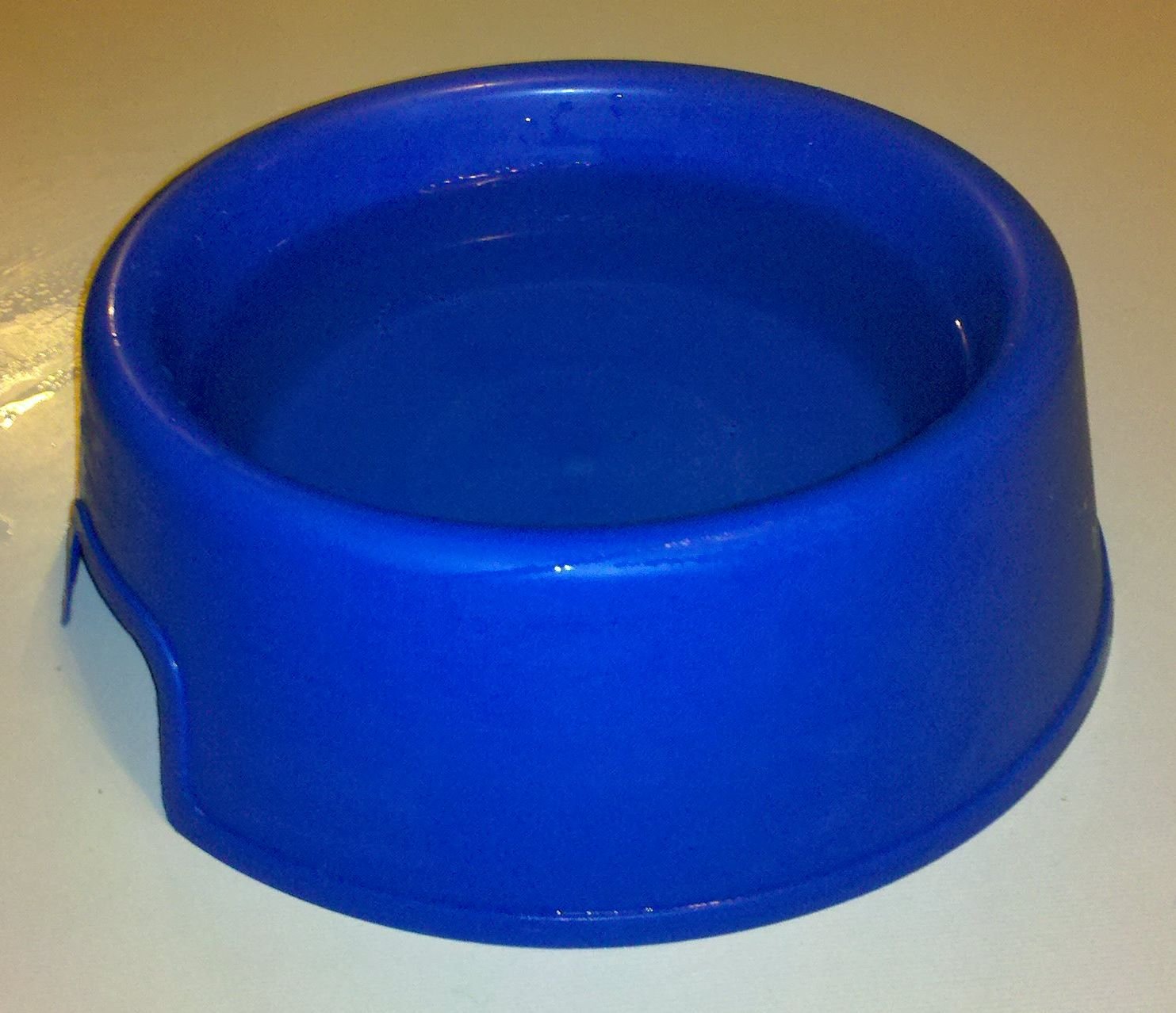
Hydration is crucial for senior dogs, yet many drink less simply because their bowl is too far away. The trick? Place several small water bowls in unexpected spots—by their bed, near the couch, even in the hallway. Dogs are curious by nature; when they stumble upon water, they’re more likely to take a sip. This helps prevent dehydration, which can sneak up quickly in older pets. If your dog struggles to bend down, try using a raised water dish for comfort. Adding a splash of low-sodium broth to the water once a week can spark their interest, making hydration feel like a treat. Keeping water within paw’s reach at all times is a simple change that can have a massive impact on kidney and overall health.
Rotate Toys and Chews to Boost Mental Sharpness
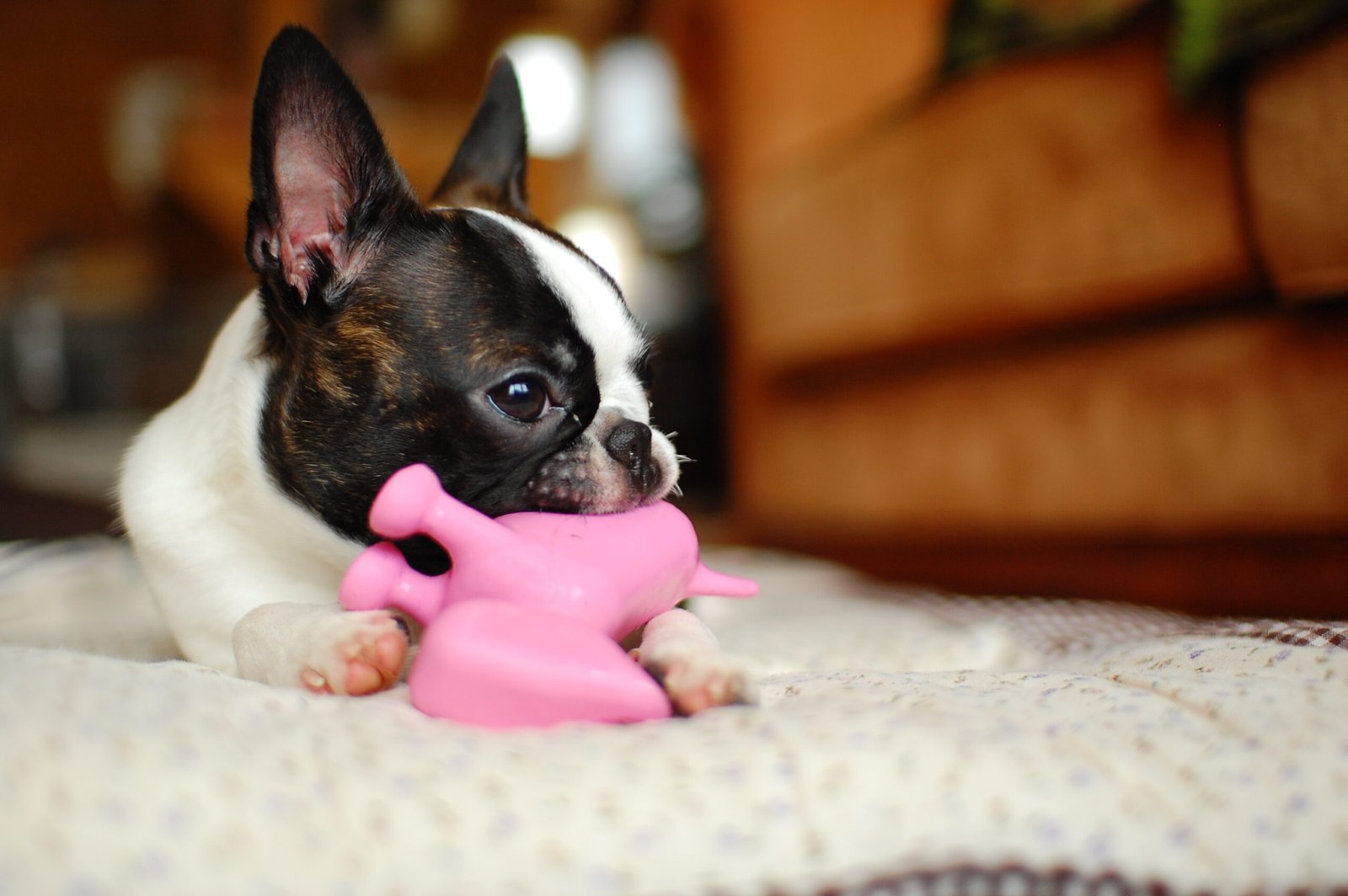
Boredom is a silent enemy for aging dogs. Many owners forget that mental exercise is just as important as physical activity. Vets recommend rotating toys and chews every few days to keep things fresh. Hide a favorite squeaky toy under a blanket or place treats inside a puzzle feeder. Change up their chew toys—switch from rubber bones to soft plushies or edible chews, depending on dental health. Think of it as a mental gym for your dog: new objects and smells challenge their brain, keeping them alert and happy. Even a simple game of hide and seek with treats around the house can light up your dog’s day and slow age-related mental decline. The more variety you offer, the sharper your furry friend will remain.
Master the Art of the Mini Health Check
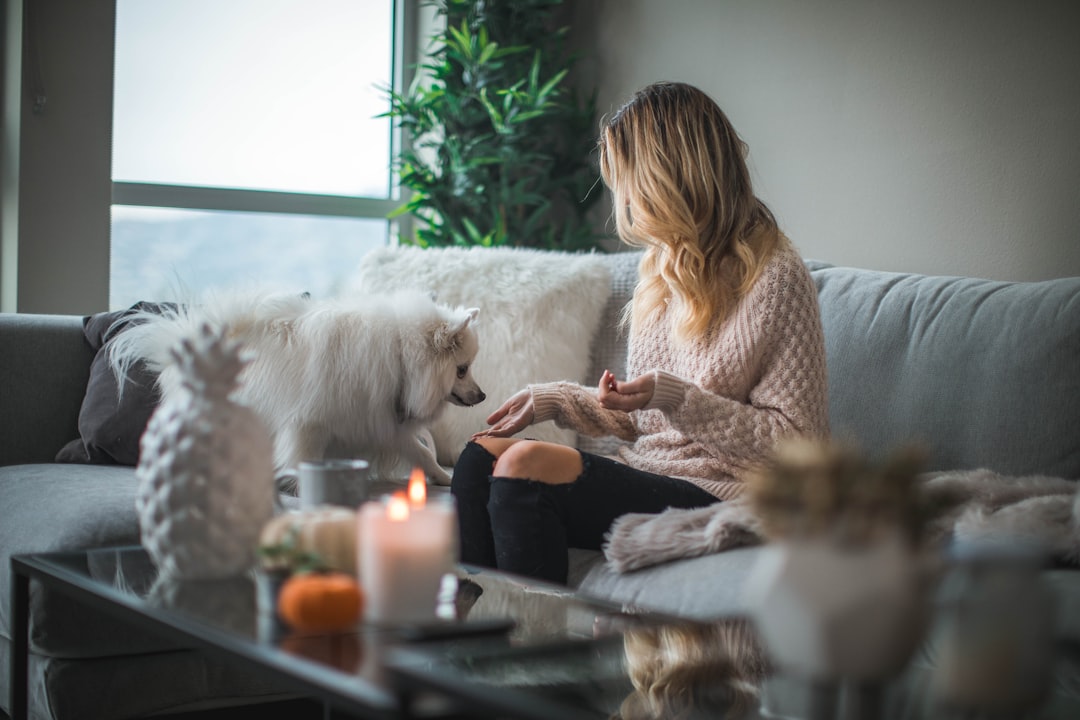
Veterinarians wish more owners took a few moments every week to perform a simple health check at home. Gently run your hands over your dog’s body, checking for lumps, bumps, or sore spots. Peek into their ears for redness or strange smells and look at their eyes for any cloudiness. Check their paws for cracks or overgrown nails. These quick, loving inspections can catch problems early—before they turn serious. Make it a bonding moment: talk softly, give belly rubs, and keep the mood positive. Over time, your dog will actually look forward to this mini health check. Not only does this routine keep you tuned into your dog’s wellbeing, but it also helps you notice subtle changes that only a loving owner would catch.
Create a Safe, Slip-Free Home Environment
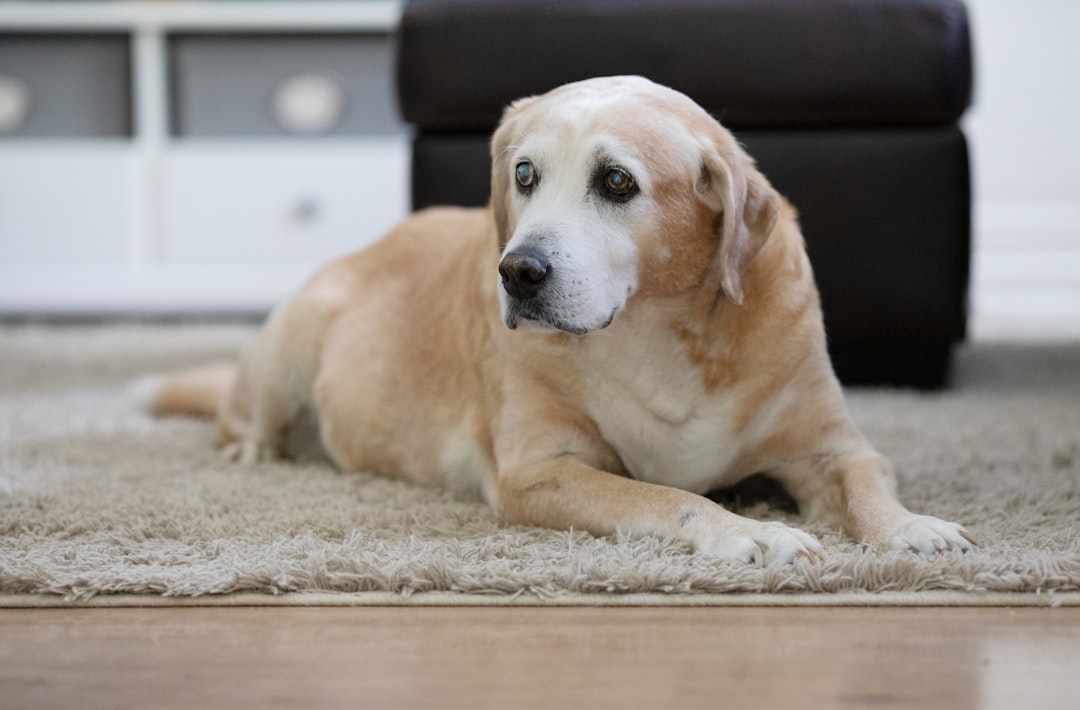
Senior dogs can lose their confidence when floors become slippery or obstacles pile up. One underrated trick is to make your home safer and easier to navigate. Place non-slip rugs in favorite resting spots and along paths between rooms. Avoid rearranging furniture too often, as dogs rely on memory to get around, especially if vision fades with age. Consider adding a ramp for easy access to beds or couches and keep clutter off the floor to prevent trips and falls. Even a small change, like elevating food and water bowls, can reduce neck and back strain. A secure home environment means your dog can move with more freedom and less fear, which keeps their independence intact and their spirits up.
Celebrate the Little Wins, Every Single Day
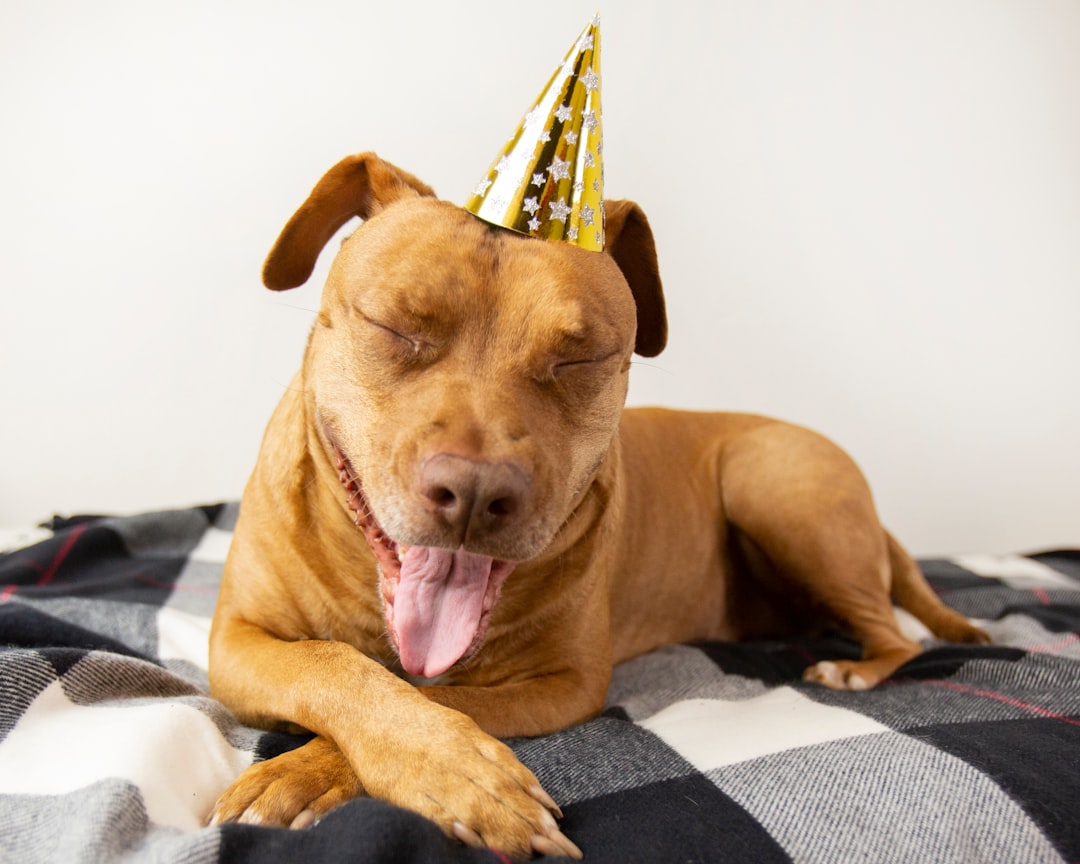
Older dogs sometimes struggle with new limitations, but celebrating small victories makes all the difference. Maybe your dog made it up the stairs unassisted, finished their meal, or played with a toy for the first time in weeks. Mark these moments with extra praise, gentle cuddles, or a favorite treat. Dogs thrive on positive energy and encouragement—it’s contagious! Sharing joy in little accomplishments can even motivate your dog to keep trying, no matter their age. This mindset transforms daily care from a chore to a celebration of life’s simple pleasures. It builds a deep, joyful bond between you and your furry companion, making every day special, no matter what the calendar says.
So there you have it—seven smart yet simple tricks that can make a big difference in your senior dog’s well-being. It’s not always about major changes; often, it’s the small adjustments that bring the most comfort. Whether it’s easing joint pain or tweaking mealtime habits, these tips help keep your aging pup happy and healthy. Your dog has been there for you all these years—now it’s your turn to make their golden years truly shine.


