

There’s a moment every dog lover remembers—a gentle hand reaching out, a trembling nose sniffing cautiously, and an anxious pup staring back with wide, uncertain eyes. The journey to win the trust of a skittish dog is an emotional rollercoaster, often filled with both heartbreak and hope. For many, the challenge isn’t just about coaxing a fearful tail to wag, but about confronting your own patience, vulnerability, and compassion. It’s an experience that tugs at your heartstrings and tests the very core of your emotional strength. But the reward? A bond that’s stitched together from hard-won trust and unconditional love.
The Heartbreaking Reality of Skittish Pups

Meeting a skittish dog for the first time can be a sobering experience. Their eyes often dart nervously, bodies tense, and every movement seems calculated to avoid contact. These pups may have faced trauma, neglect, or simply lack socialization, leaving them wary of even the gentlest touch. For dog lovers, it’s both heartbreaking and infuriating to witness such unnecessary fear. The weight of their pain is heavy, and as you watch them flinch from kindness, it’s impossible not to feel a deep ache in your chest. Their hesitation is a silent story of battles fought in silence.
Patience: The Emotional Marathon
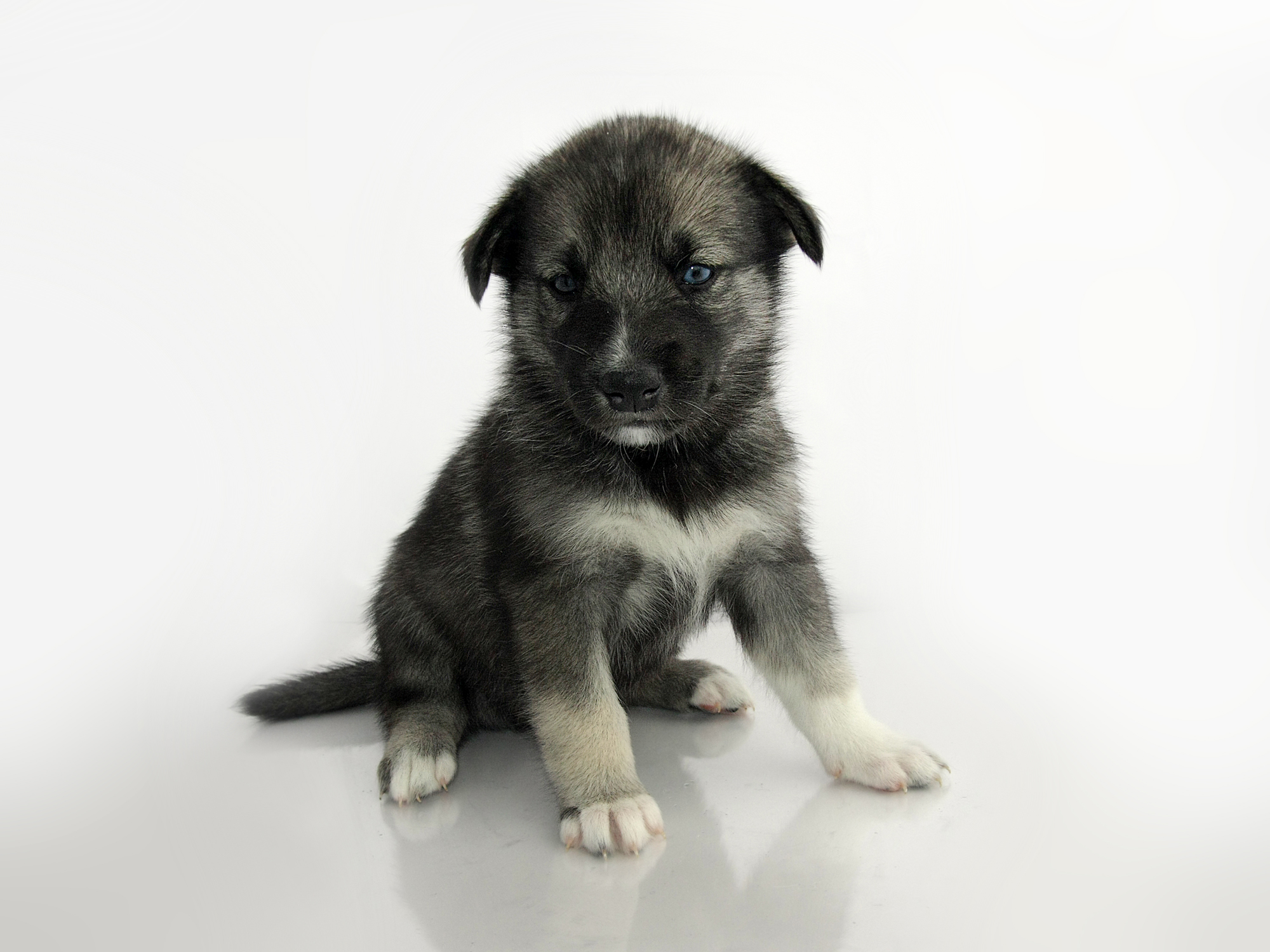
Winning over a skittish dog isn’t a sprint—it’s a marathon. Each day stretches your patience further than you thought possible. You might spend hours sitting quietly nearby, resisting the urge to rush progress or force affection. The emotional toll of moving at their slow pace can be enormous. Sometimes it feels like you’re taking one step forward and three steps back. Yet, with every tiny victory—a brief sniff, a wary glance, a hesitant tail wag—your hope is reignited. This process is a true test of endurance and empathy.
The Power of Consistent Kindness

Consistency is the secret ingredient when working with fearful dogs. They need to see, day after day, that you are safe and reliable. This means offering treats, soft words, and gentle gestures with unwavering regularity. It’s exhausting to pour out love and gentleness, not knowing when or if it will be returned. Consistent kindness is emotionally taxing because you must show up fully, even on days when you feel discouraged or rejected. But over time, your steadfastness can break down even the highest walls of fear.
The Sting of Rejection
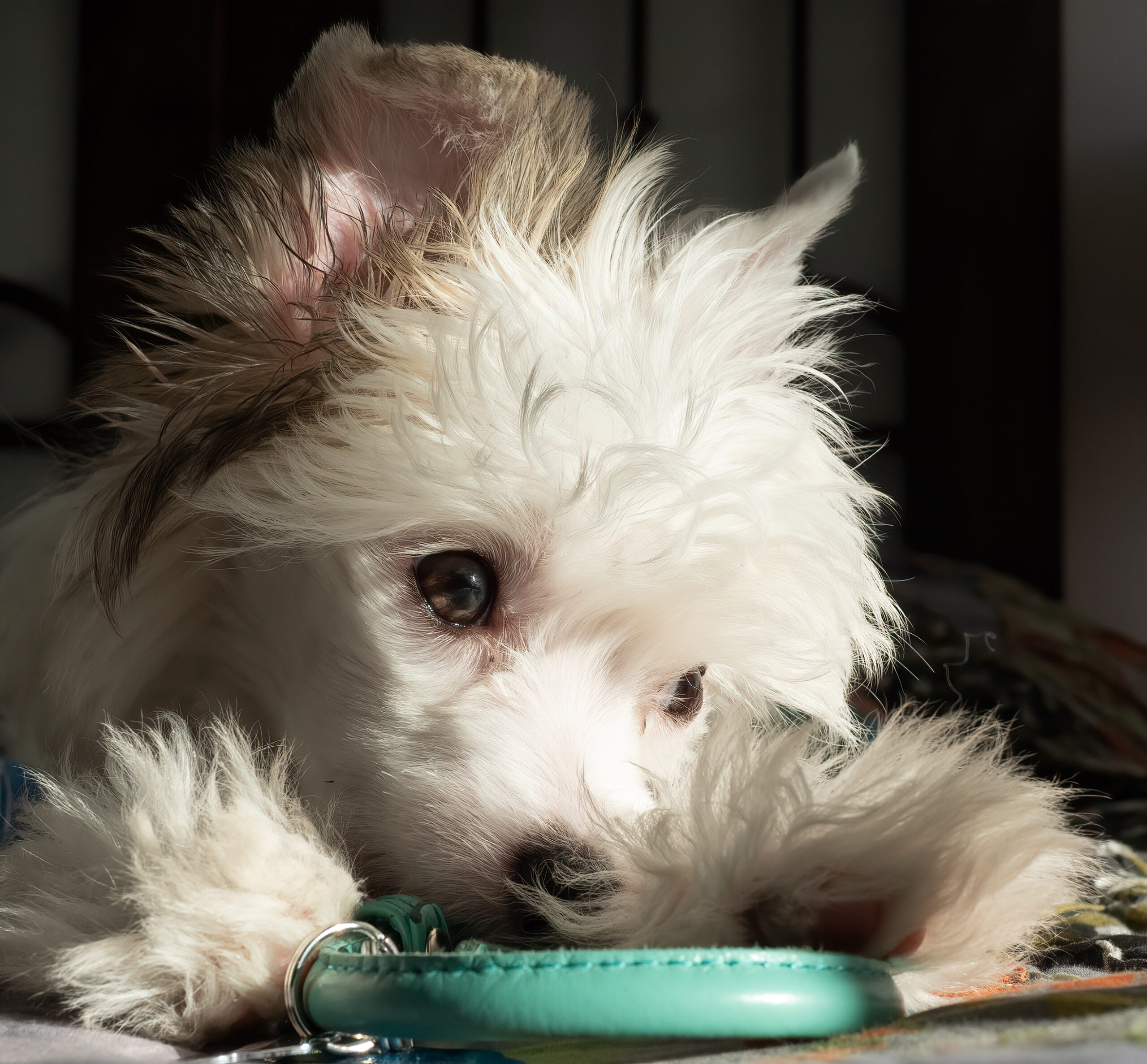
No one prepares you for the sting you feel when a scared pup recoils from your outstretched hand. It’s easy to take their rejection personally, even though you rationally know it isn’t your fault. Each rebuff can chip away at your confidence, leaving you questioning your approach. This emotional wound is real—like being turned away by someone you desperately want to help. Yet, enduring these moments of rejection is part of the journey, teaching you resilience and humility.
Celebrating Tiny Victories
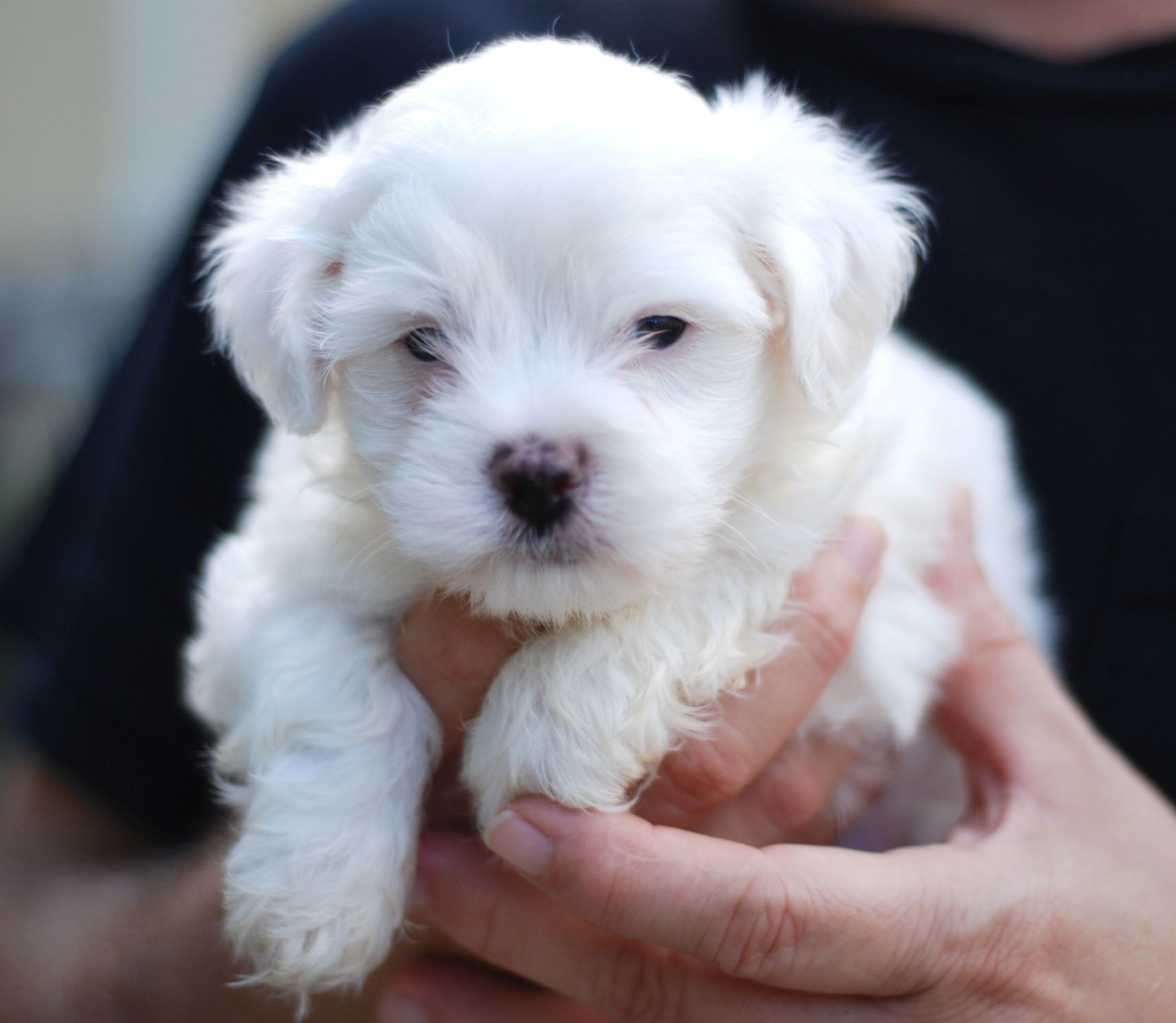
Every small breakthrough is a reason to celebrate when working with a nervous dog. The first time they take a treat from your hand, the first time they approach you willingly, or the first time their tail wags—these moments feel monumental. Joy bubbles up inside you and wipes away memories of frustration and fatigue. Each victory, no matter how trivial it might seem to outsiders, is a testament to the trust you’re slowly building. This emotional high keeps you moving forward, even when progress is painfully slow.
The Emotional Whirlwind of Setbacks

Setbacks are as much a part of the process as progress. A sudden loud noise, a new visitor, or a negative experience can send your skittish pup back to square one. These setbacks can be devastating, making you feel helpless and defeated. The emotional rollercoaster of hope and disappointment can wear on even the strongest hearts. But learning to weather these storms, to rise and try again, is what shapes both you and your dog.
Learning the Language of Fear
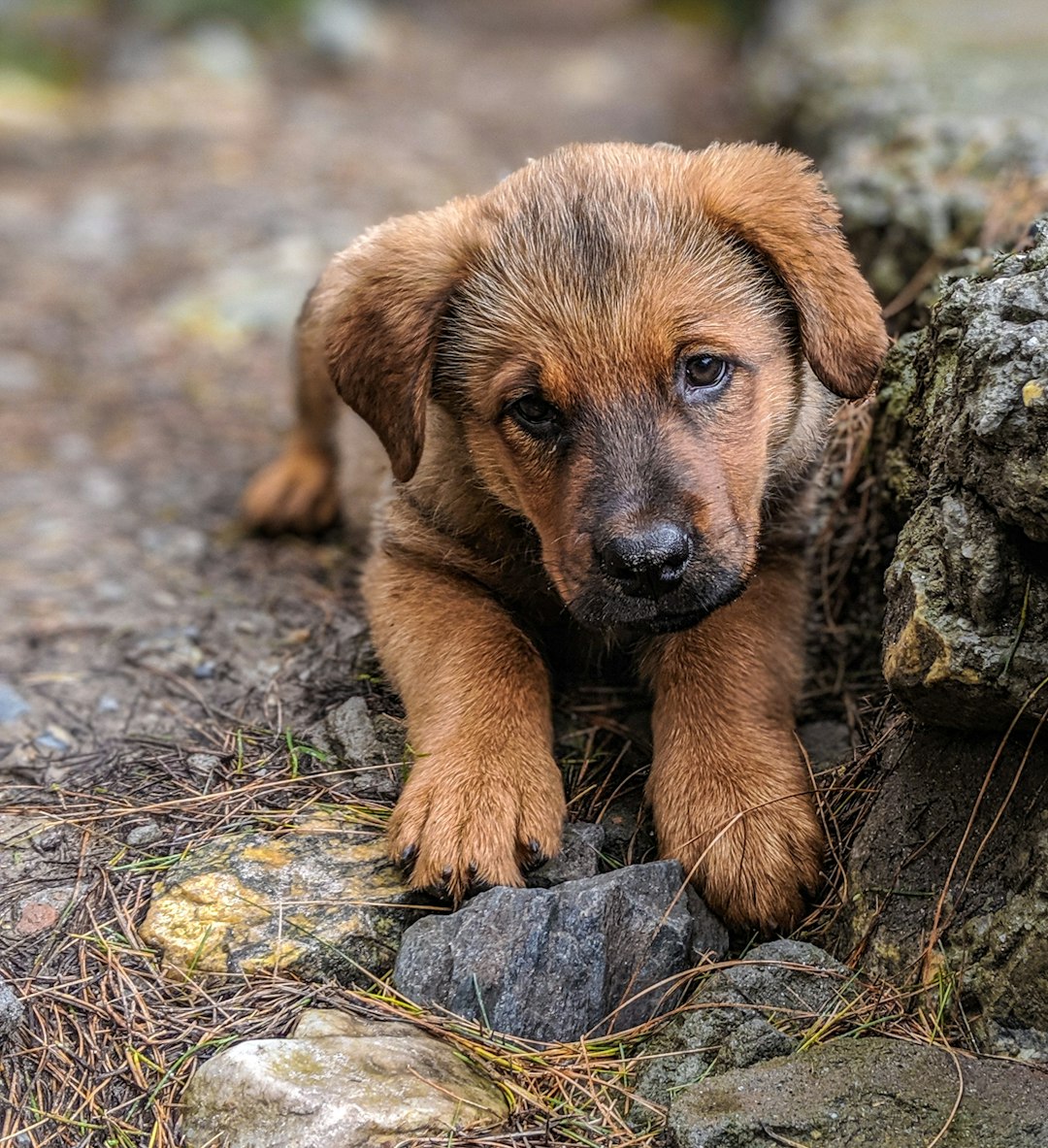
Understanding how dogs communicate fear is crucial. Skittish pups use body language—cowering, lip licking, yawning, or avoiding eye contact—to express their anxiety. As you tune into these subtle cues, you become more adept at meeting them where they are emotionally. This kind of emotional attunement stretches your empathy and sharpens your intuition. You learn to approach with softness, to give space, and to let the dog set the pace.
The Importance of Self-Care
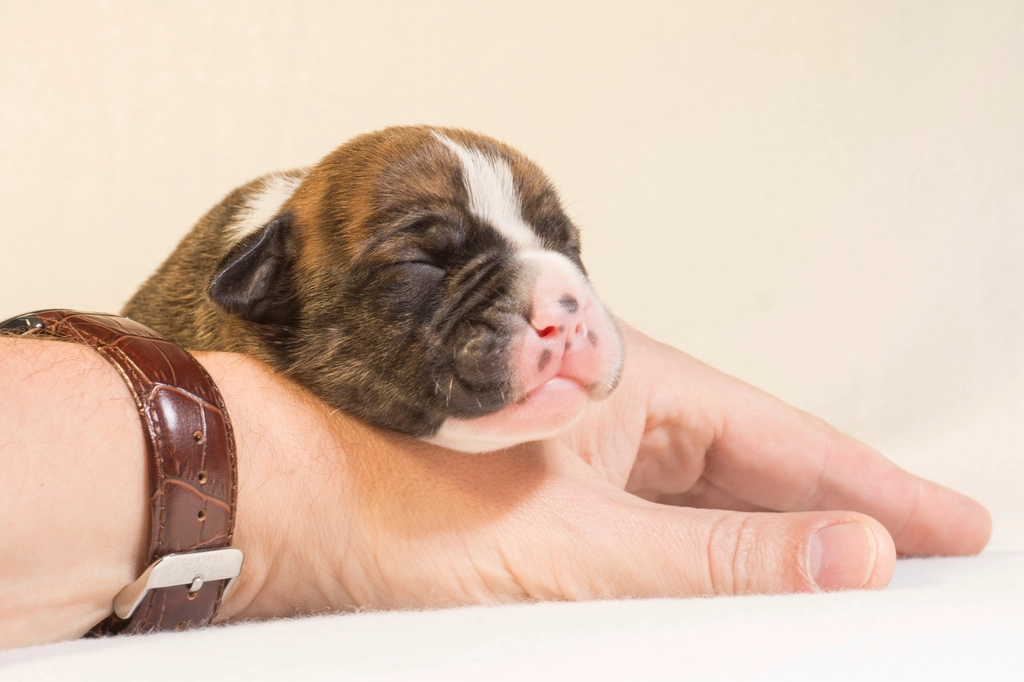
Helping a fearful dog can be emotionally draining. It’s easy to become so focused on their needs that you neglect your own well-being. Stress, frustration, and sadness can build up if you don’t take time to recharge. Self-care isn’t selfish—it’s an essential part of this journey. Simple acts like taking a walk, talking to a friend, or practicing mindfulness can restore your emotional reserves, allowing you to show up for your pup day after day.
Building an Unbreakable Bond
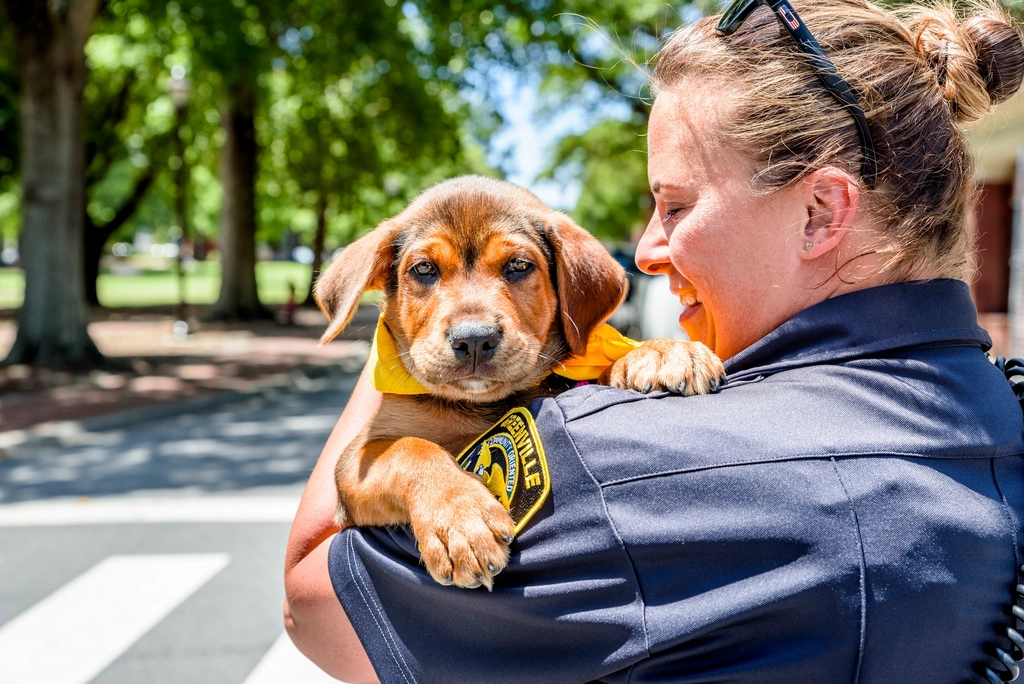
As trust blossoms, the bond you form with a once-skittish pup is unlike any other. It’s not built on instant affection, but on months—sometimes years—of patient understanding. This relationship is deeply rewarding because it’s forged through shared struggles and hard-earned progress. The loyalty and love you receive are all the more precious because you know what it took to get there. Many dog lovers say this bond is the purest and most honest connection they’ve ever known.
How It Changes You
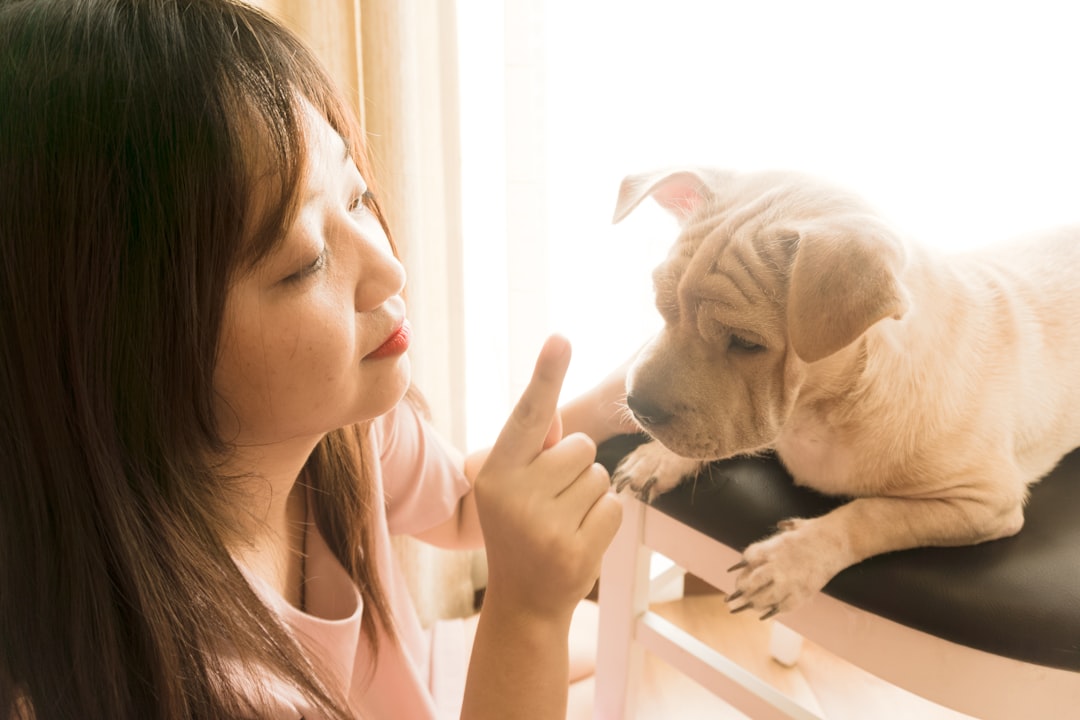
Caring for a scared dog doesn’t just change them—it changes you. Your patience grows, your empathy deepens, and you discover wells of compassion you never knew you had. The experience can be humbling and transformative, leaving you more resilient and open-hearted. You may find that these lessons spill over into other areas of your life, making you a kinder, more understanding person overall.
Support Systems: Leaning on Others
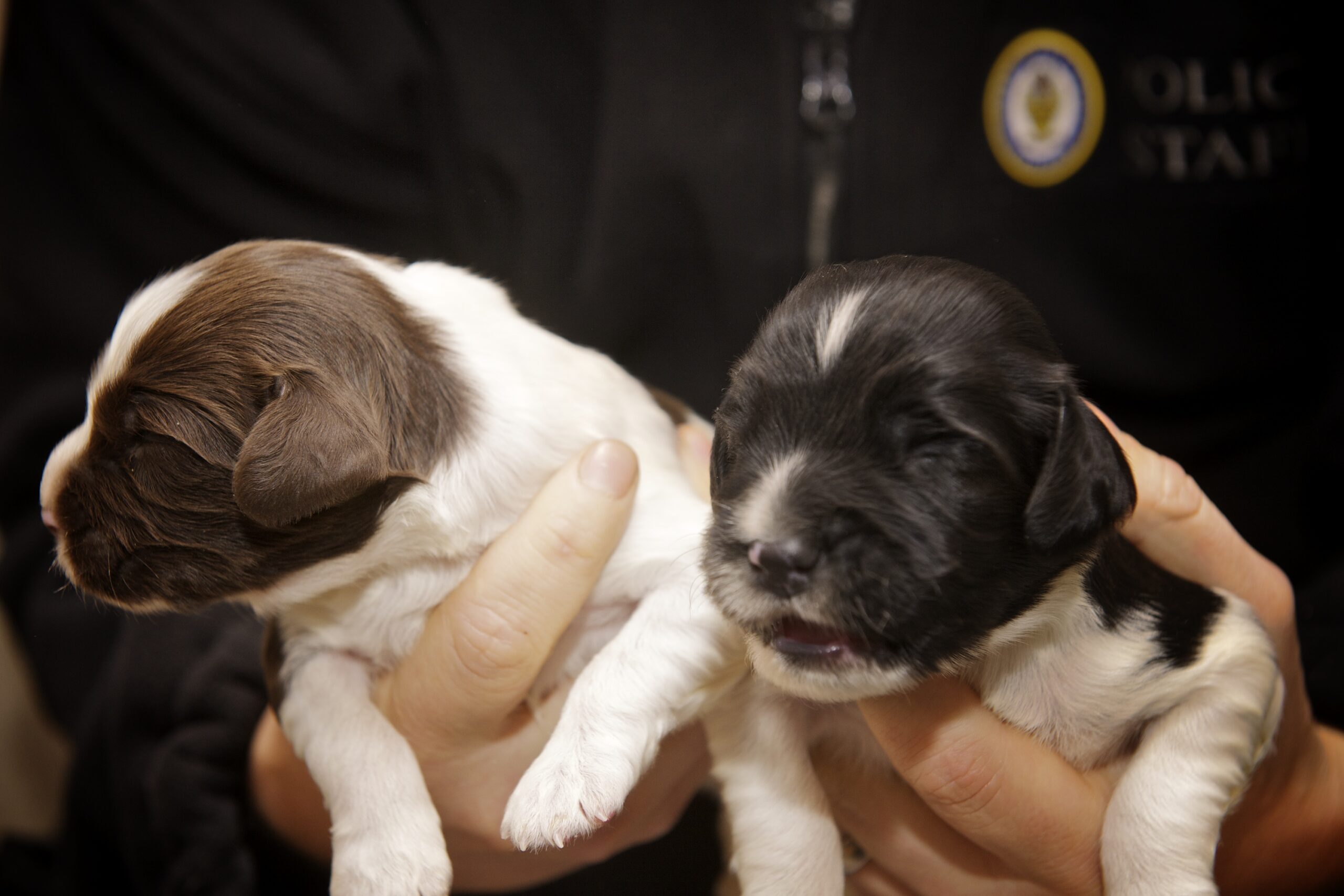
No one should go through this emotional journey alone. Finding support—whether from friends, family, or fellow dog lovers—can make all the difference. Sharing your struggles, celebrating small wins, and even seeking professional advice can help lighten the load. Remember, it’s okay to ask for help. This journey is hard, but you don’t have to walk it alone. The encouragement and understanding of others can help refill your emotional cup when it’s running low.
Finding Joy in the Everyday

In the midst of the challenges, there’s unexpected joy in the small, everyday moments. Maybe it’s the way your dog finally relaxes at your feet or the first time they look to you for comfort. These glimpses of happiness are like sunbeams breaking through the clouds, reminding you why you started this journey in the first place. The happiness you feel is real and hard-earned, making every struggle worthwhile.
Winning over a skittish pup takes time, patience, and a whole lot of heart—but the emotional investment is so worth it. Every small sign of trust, from a wagging tail to a gentle nuzzle, feels like a huge victory. It can be exhausting, sure, but it also teaches you empathy, resilience, and the power of quiet connection. In the end, you’re not just helping them heal—they’re helping you grow, too. It’s a journey of mutual transformation, one gentle step at a time.


