
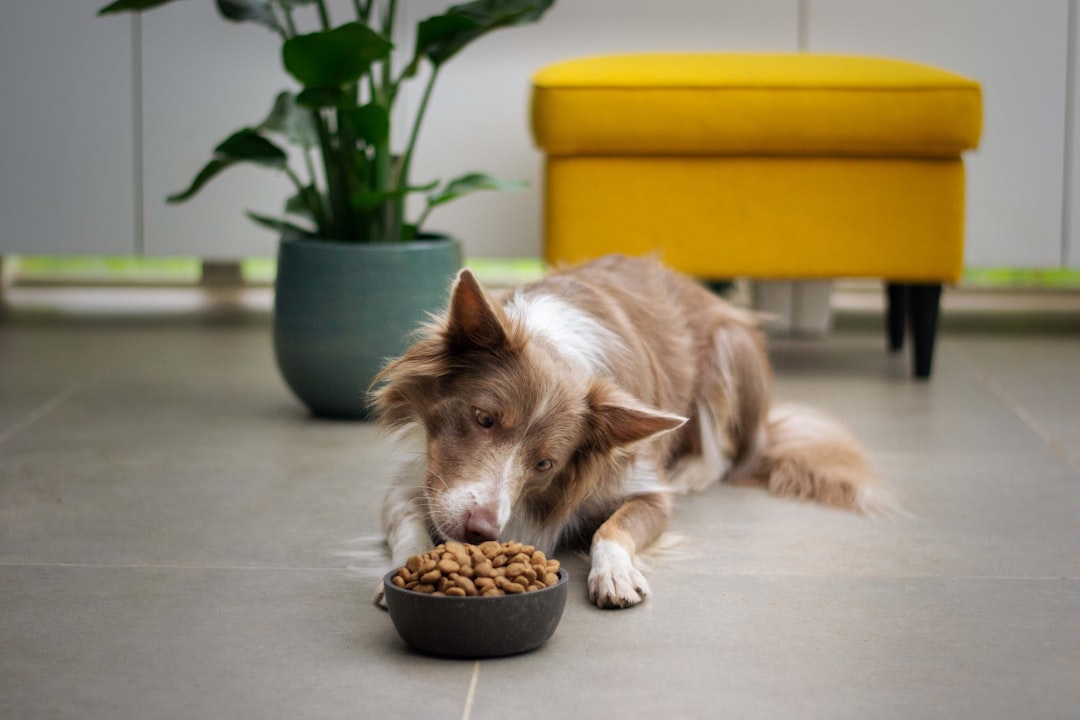
There’s nothing quite as worrying for a dog lover as seeing your loyal pup turn away from their food bowl. It’s that sinking feeling in your gut—the “something’s not right” alarm goes off immediately. Maybe your dog, who usually devours meals like a champion, just sniffs and walks away. Or perhaps you’ve noticed their energy dropping along with their appetite. You’re not alone, and you’re right to care deeply. Our dogs can’t tell us what’s wrong, but their actions speak volumes. So, what’s behind this sudden change, and what should you do? Let’s explore the steps you can take when your dog isn’t eating, so you can get back to wagging tails and happy mealtimes.
Recognizing the Signs: Is It More Than Just Picky Eating?
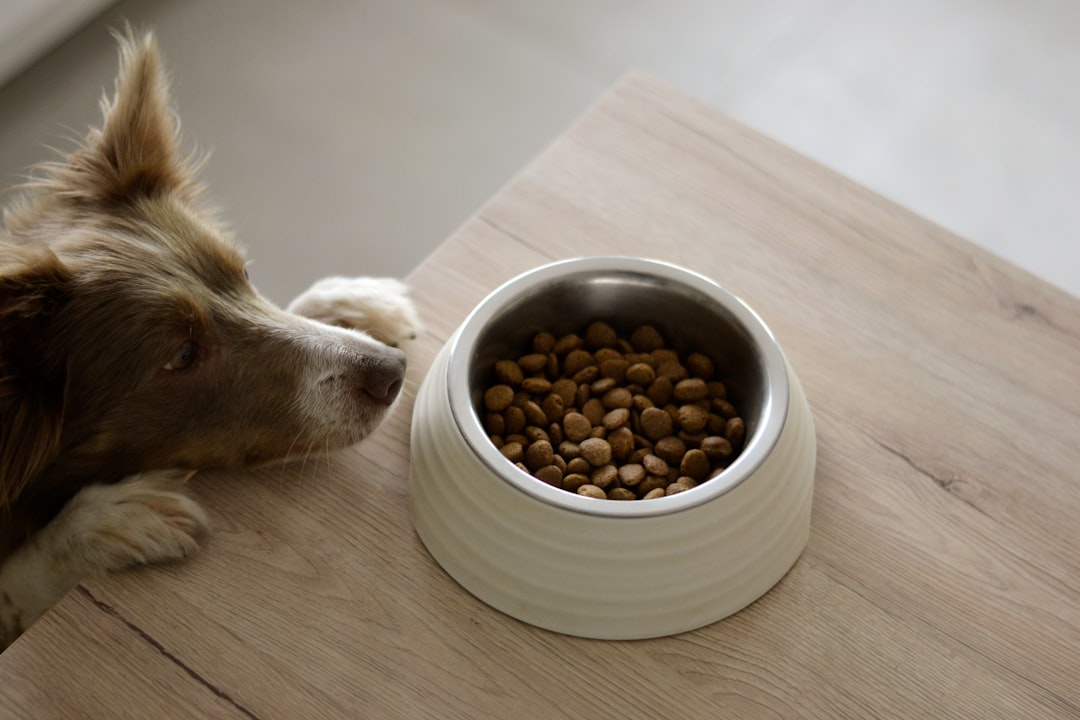
Sometimes a dog skips a meal or two, and it seems like no big deal. But how do you know if it’s something serious? Look for other changes in behavior—maybe your dog is hiding, seems lethargic, or is less interested in playtime. If this is out of character, it’s time to pay close attention. Dogs can’t say, “I’m feeling off,” so their actions are the clues.
It’s also important to check for signs like vomiting, diarrhea, drooling, or even odd noises from their stomach. These can point to underlying health issues rather than just finicky tastes. If your dog’s refusal to eat lasts more than a day, or if you notice any other concerning symptoms, don’t brush it off. Early recognition can make a big difference in getting your best friend back on track.
First Steps: Stay Calm and Observe
The moment you notice your dog isn’t eating, it’s tempting to panic. Take a deep breath—sometimes, the cause is simple and temporary. Maybe your dog ate something unusual outside, or maybe they’re feeling a little stressed after a change in routine. Start by quietly watching your dog. Are they still drinking water? Are they acting normal otherwise?
Give your dog a chance to eat later in the day, but keep an eye out for any sudden changes in behavior or bathroom habits. Sometimes, dogs just don’t feel like eating at their usual time, especially after exercise or a busy day. If your dog perks up later and eats as usual, it might have just been a passing mood. Patience and attention are your best tools here.
Checking Their Environment: Could Stress Be the Culprit?

Dogs are sensitive creatures. A new baby, a move, loud noises, or even a change in your work schedule can throw them off balance. If your dog isn’t eating, think about any recent changes at home. Even something as small as moving their food bowl can make a difference. Dogs love routine, and disruptions might lead to skipped meals.
Try to keep feeding times and locations consistent. Offer a quiet, comfortable spot for your dog to eat without distractions. If there’s been a recent change, give your dog some extra love and patience. Sometimes, just a little reassurance can bring their appetite back. Remember, emotional well-being matters as much as physical health for our furry family members.
Examining the Food: Is Something Off?
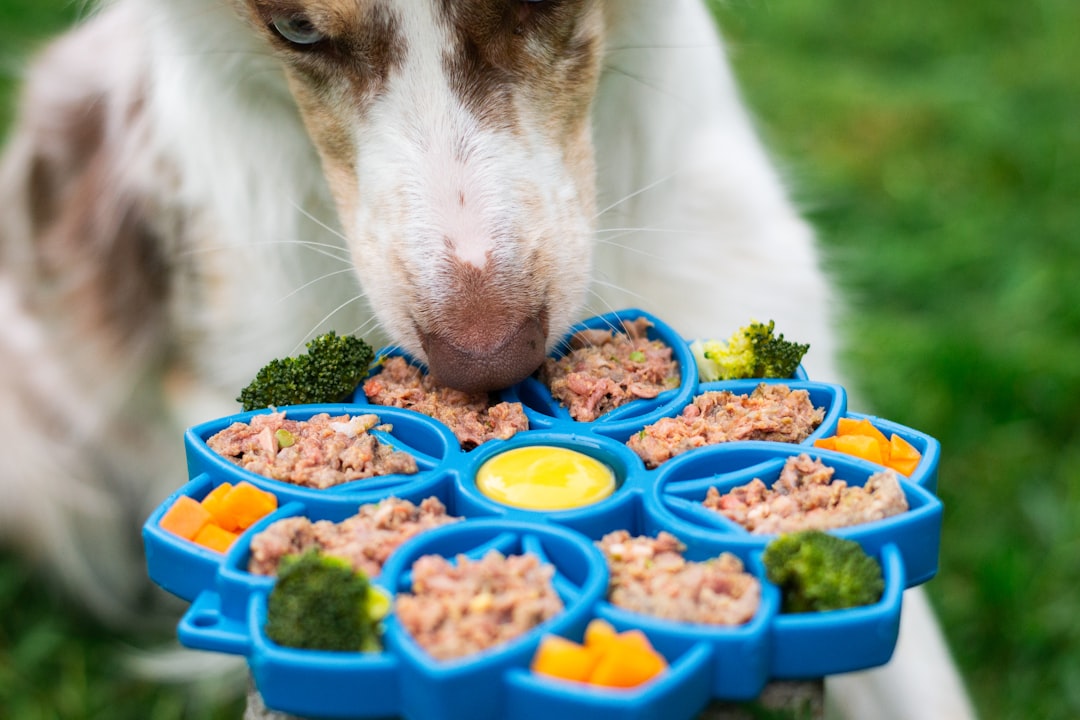
Believe it or not, dogs can be just as discerning as humans when it comes to what’s on the menu. If you’ve recently switched brands, flavors, or even the shape of kibble, your dog might turn up their nose. Check if the food is fresh—expired or stale food can easily put them off. Sometimes, even a new bag of the same food can taste or smell different due to manufacturing changes.
Try offering a small amount of a favorite treat or a different food to test their appetite. If your dog eats the treat but not their regular food, you might have a picky pup or a food issue. Always store dog food in a cool, dry place, and double-check expiration dates. It’s surprising how often a simple fix like fresh food can solve the problem.
Health Concerns: When to Call the Veterinarian
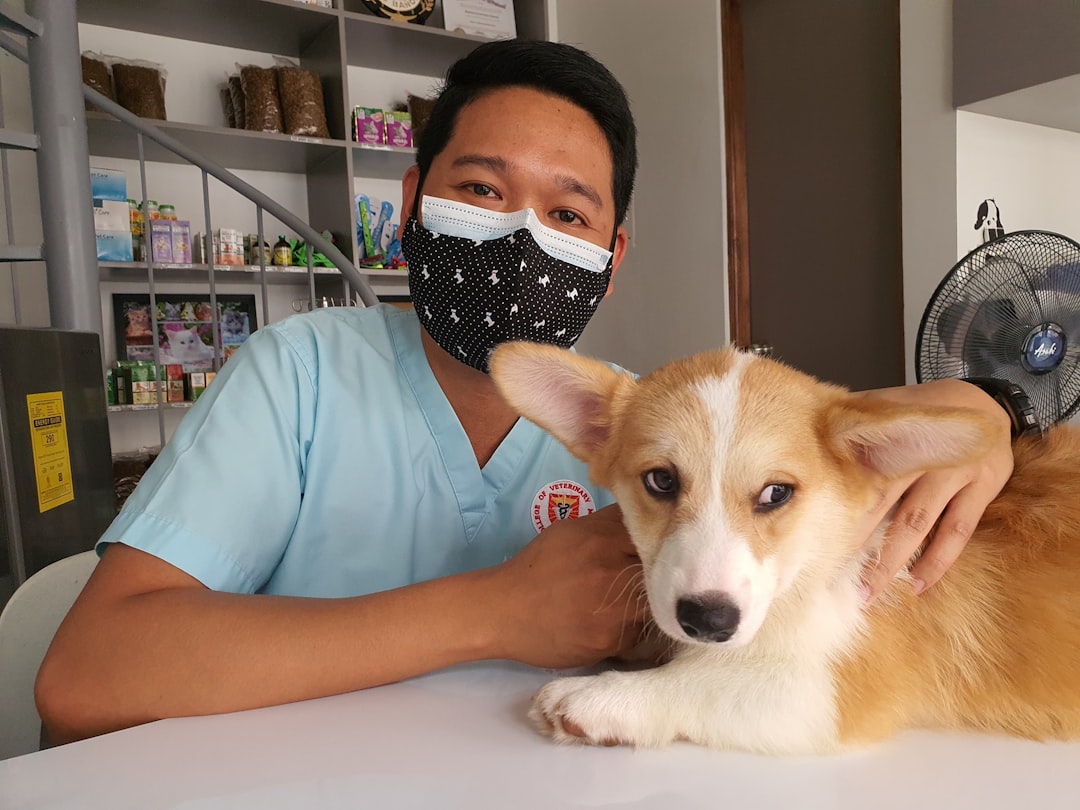
While minor appetite changes can be harmless, sometimes a loss of appetite is a red flag. Dental issues like sore gums, broken teeth, or oral infections can make eating painful. Other health problems, such as gastrointestinal issues, kidney disease, or infections, can also cause your dog to avoid food. Older dogs and puppies are especially vulnerable.
If your dog hasn’t eaten for more than 24 hours, or if you see symptoms like vomiting, diarrhea, fever, or fatigue, contact your veterinarian quickly. Don’t wait for things to get worse. Your vet can perform a thorough exam and run tests, if needed, to identify the cause. Early intervention is key—never hesitate to ask for professional help when your gut tells you something’s wrong.
Tempting Their Appetite: Safe Ways to Encourage Eating
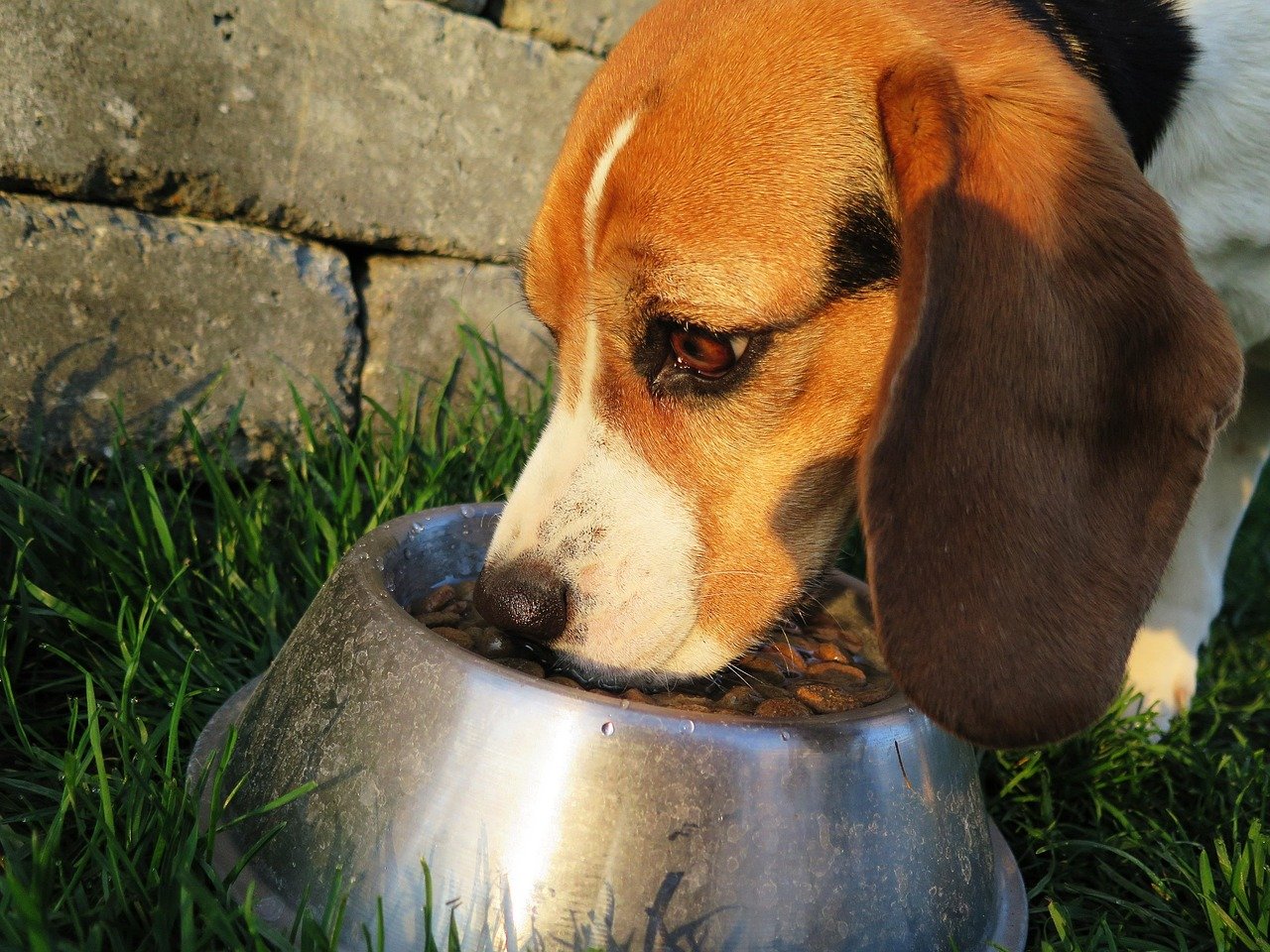
Sometimes you just need to give your dog a little nudge to get them eating again. Try warming up their food slightly, which can make it more aromatic and appealing. Adding a spoonful of wet food, low-sodium chicken broth, or a sprinkle of shredded chicken can work wonders. The goal is to entice your dog’s senses without upsetting their stomach.
Keep portions small at first, as a sudden return to full meals could cause tummy troubles. Offer food by hand if needed—sometimes, the extra attention is all it takes. But remember, avoid giving table scraps or rich treats in desperation. These can lead to bad habits or even more digestive upset. Stick with safe, dog-friendly options and monitor their response closely.
Monitoring Water Intake: Hydration Is Critical
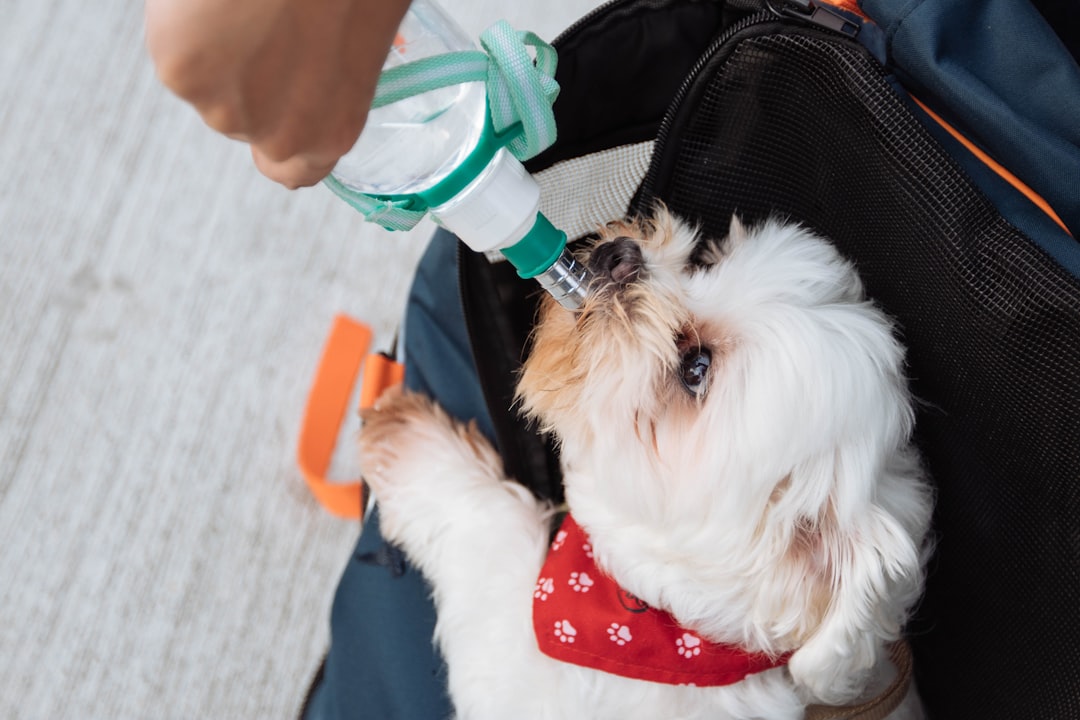
When a dog isn’t eating, it’s vital to make sure they’re still drinking enough water. Dehydration can sneak up quickly, especially if your dog is also vomiting or has diarrhea. Watch for signs like dry gums, sunken eyes, or lethargy. Always provide clean, fresh water and encourage your dog to drink regularly.
If your dog refuses water or shows signs of dehydration, reach out to your veterinarian right away. Sometimes, dogs will lap up a little low-sodium broth or lick ice cubes, which can help keep them hydrated until you can get medical advice. Never underestimate the importance of water—staying hydrated can make a big difference in recovery.
Knowing When to Wait—and When to Act
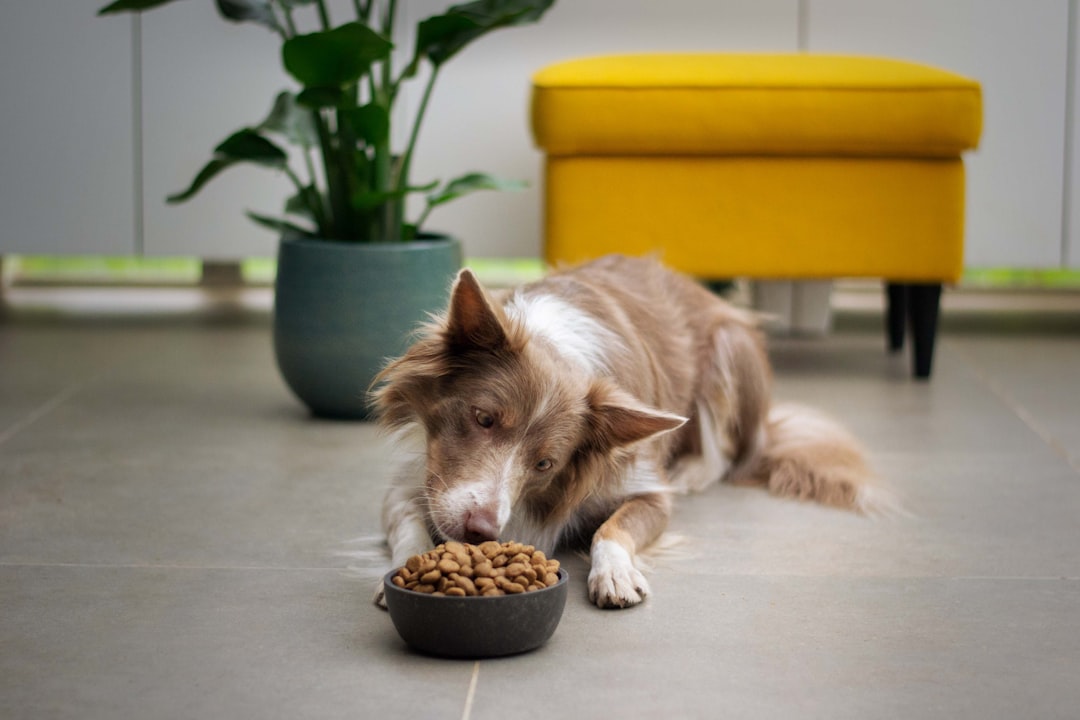
It can be hard to know when to wait things out and when to take action. If your dog is still playful, alert, and drinking water, you might try waiting another meal or two while monitoring their behavior. But if your dog’s energy drops or other symptoms develop, it’s time to act. Trust your instincts—you know your dog best.
Keep a simple journal of when your dog eats, drinks, and any other symptoms you notice. This record can be invaluable for your veterinarian if you need to make a visit. Sometimes, the smallest detail can make all the difference in finding the cause. Don’t hesitate to reach out for help if you’re unsure—it’s always better to be safe than sorry.
When your dog suddenly stops eating, it’s more than just a skipped meal—it can be a sign that something deeper is going on, whether physical or emotional. While occasional pickiness isn’t always cause for alarm, persistent loss of appetite should never be ignored. Start by assessing their environment, stress levels, and recent changes, and consult your vet to rule out underlying health issues. The key is staying observant, patient, and proactive. After all, you know your dog best—and your attention to their needs can make all the difference in getting them back to a healthy, happy routine.


