

You adore your dog. You love your kids. But sometimes, watching them together feels like holding your breath. Maybe your pup slinks away when the laughter gets too loud, or freezes when tiny hands reach out. Perhaps there’s mouthing, jumping, or that anxious look that says “this is too much.”
Here’s the thing: not all dogs are wired the same way. Some ramp up easily and quickly and have a hard time recovering from their big emotions, which can be individual temperament or breed trait. This is why dogs are more excitable around children. The unpredictable movements, sudden squeals, and constant energy can push certain breeds past their comfort zone faster than you’d think. Let’s dig into which dogs need a little extra understanding when the kiddo chaos kicks in.
The Sensitive Souls: Greyhounds and Whippets
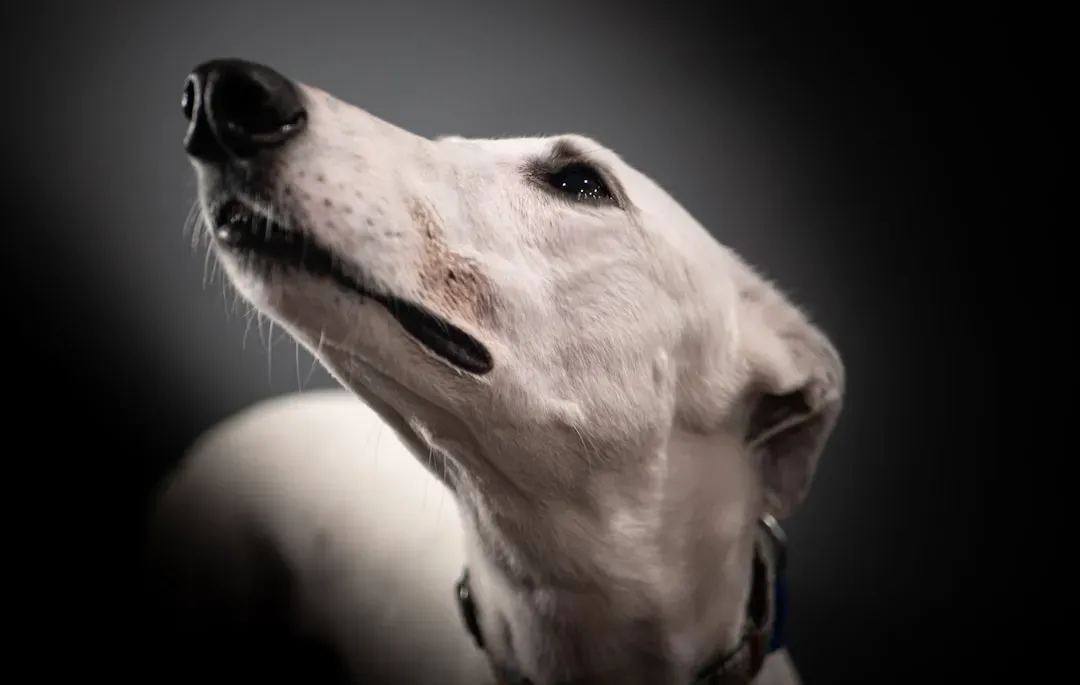
Greyhounds don’t enjoy chaos or erratic behavior, and a small child might startle them often, which can lead to nervous tendencies and potential biting. These elegant, lean hounds might look tough, but emotionally? They’re softies.
Greyhounds are known for their calm and gentle demeanor, but they are also incredibly sensitive to their owner’s emotions and very keen to the mood in their environment. Loud squeals, sudden hugs, or running games can overwhelm them quickly. Whippets are calm and sensitive dogs that form strong emotional bonds with their owners and are highly responsive to their human’s emotions, often staying close when they sense sadness or stress.
Both breeds thrive in peaceful homes. If your household resembles a circus most days, these gentle dogs may struggle. They won’t act out aggressively, but withdrawal and stress signals like tucked tails or avoidance are common red flags you shouldn’t ignore.
Toy Breeds With Big Feelings: Chihuahuas and Shih Tzus
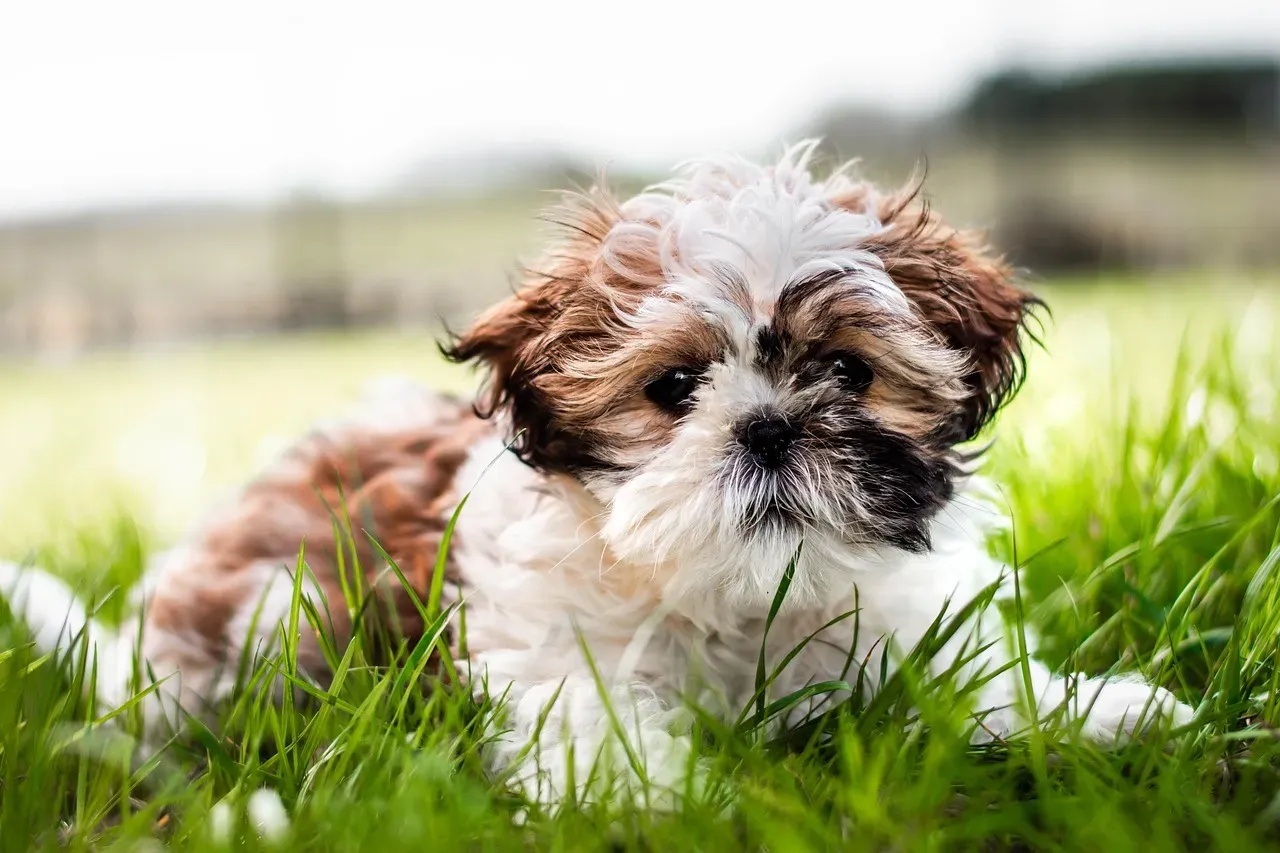
Don’t let their size fool you. Chihuahuas, as a very small dog, may sometimes feel threatened and have a tendency to be aggressive, and they are a nervous animal easily provoked, which is not good around the sudden movements and loud noises associated with kids. They’re also fiercely protective of their owners, which can translate into jealousy or snappiness when children demand attention.
Keep an eye on playtime with young children; Shih Tzus don’t handle rough play well and will quickly show their discomfort. These little companions expect to be pampered and treated gently. When a toddler grabs their tail or tries to carry them like a stuffed animal, things can go sideways fast. It’s not meanness. It’s fear dressed up as defensiveness.
Training and supervision are non-negotiable here. Teach your kids that small dogs aren’t toys, and always monitor interactions closely to keep everyone safe and comfortable.
The High-Energy Worriers: Border Collies and Jack Russell Terriers
Border Collies are natural born working dogs and as livestock herders, they are very attuned to their surroundings, which means they can exhibit stress-related responses to sounds and visual cues. These brainy dogs need structure, mental challenges, and calm environments to feel secure. Chaos isn’t their friend.
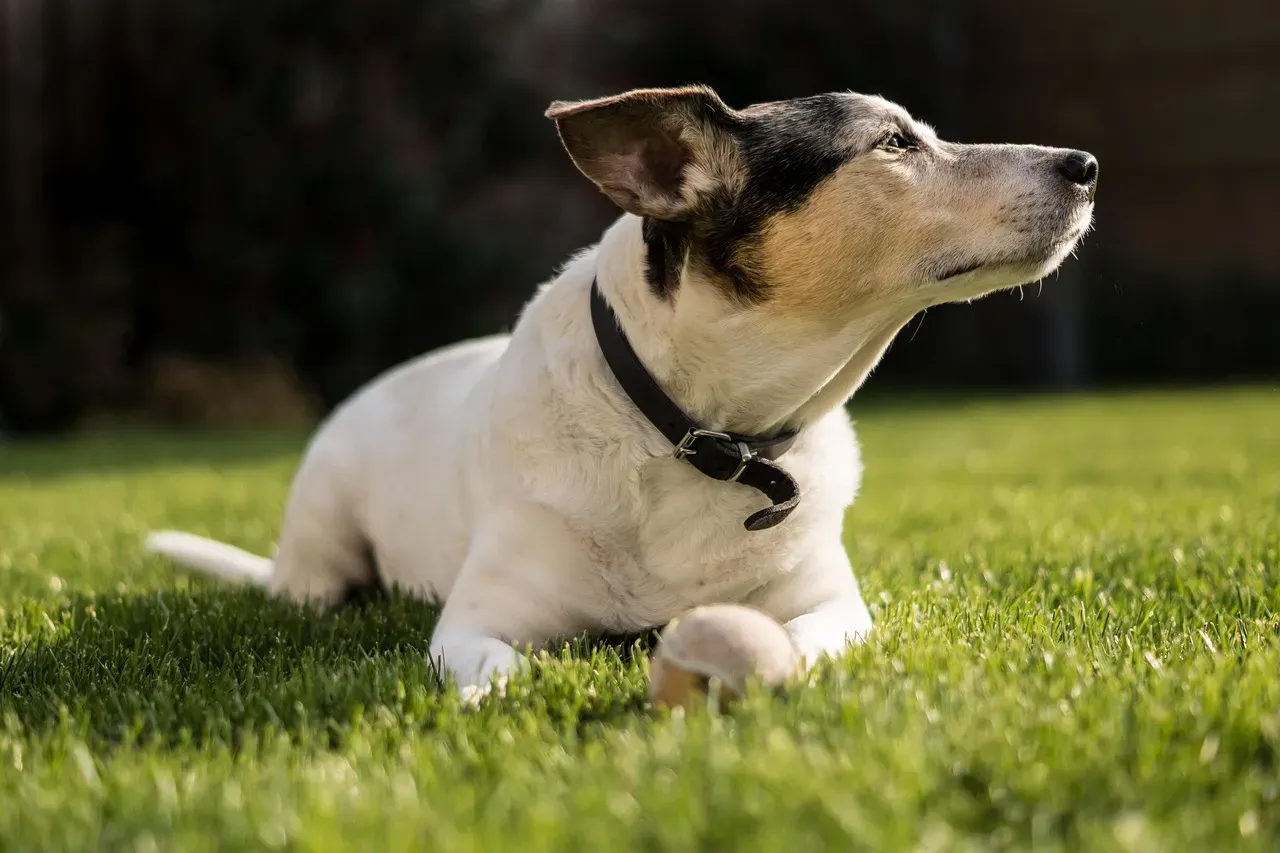
Jack Russell Terriers were traditionally bred to work closely with humans and consequently love being with their people, but they are also very active and sensitive to their surroundings, which is an unfortunate combination for being alone, and these dogs often suffer from separation-related stress. Add unpredictable kids into the mix and you’ve got a recipe for overstimulation. They may nip out of frustration or become obsessively barky when things feel out of control.
Both breeds are brilliant but emotionally fragile. They pick up on tension, noise, and disorder like a sponge soaking up water. If you have rowdy young children, these dogs need rigorous daily exercise, clear boundaries, and plenty of downtime to decompress.
The Gentle Giants: Alaskan Malamutes and Weimaraners
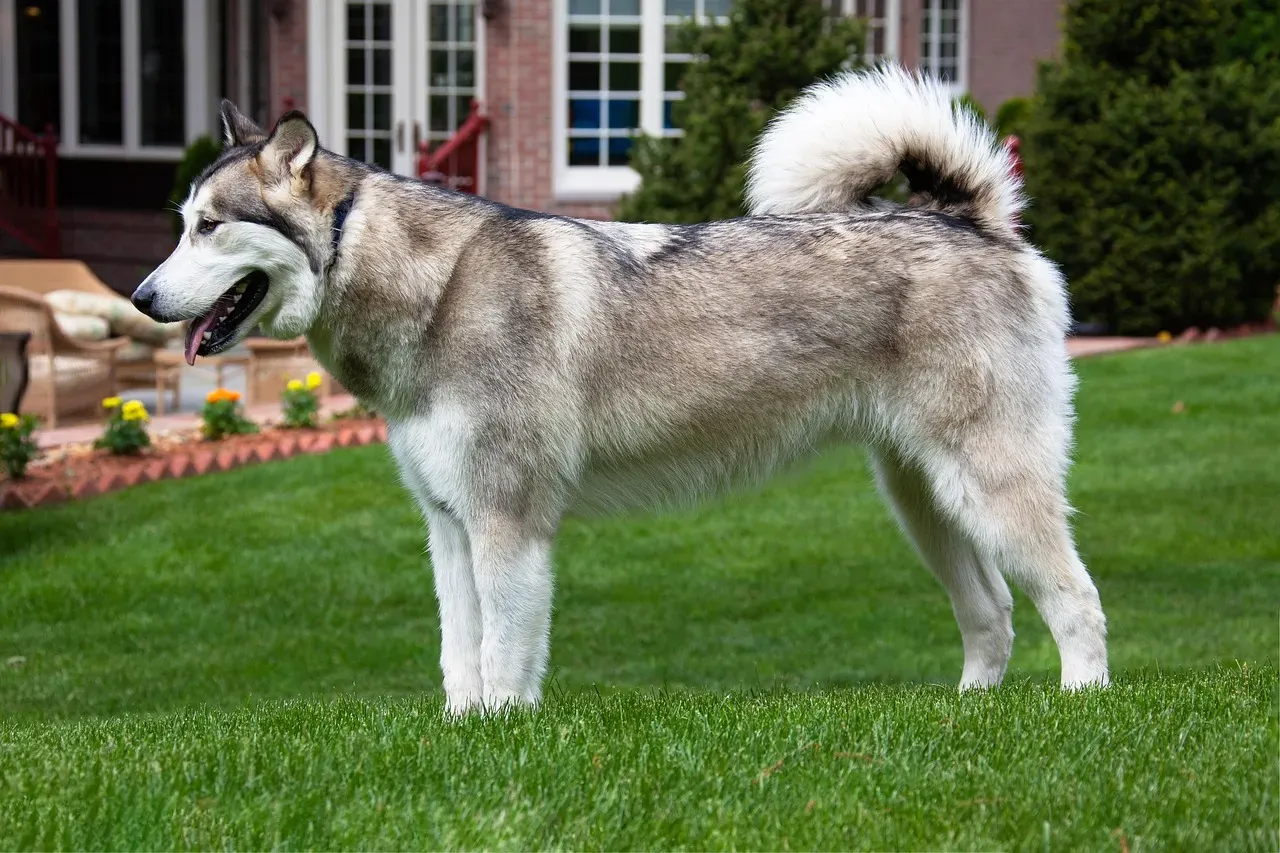
Size matters, but not the way you’d think. Malamutes are very peppy, energetic, and big, and they can easily knock children over or play too roughly with them and might also not recognize when they are being too much. Their exuberance combined with their sheer mass can accidentally hurt little ones, even when intentions are pure.
Weimaraners were bred to hunt large game like deer and bear, and as such their rough housing can get carried away with children, even larger ones, and these dogs require lots of attention and a set routine with lots of exercise and play or they can become nervous and excitable. They’re velcro dogs who crave predictability, and when kids disrupt their routine or get too handsy, anxiety spikes.
Both breeds need experienced handlers who understand canine body language. If your children are very young or don’t respect boundaries yet, consider waiting a few years before bringing home one of these sensitive giants.
Recognizing Overstimulation and What You Can Do
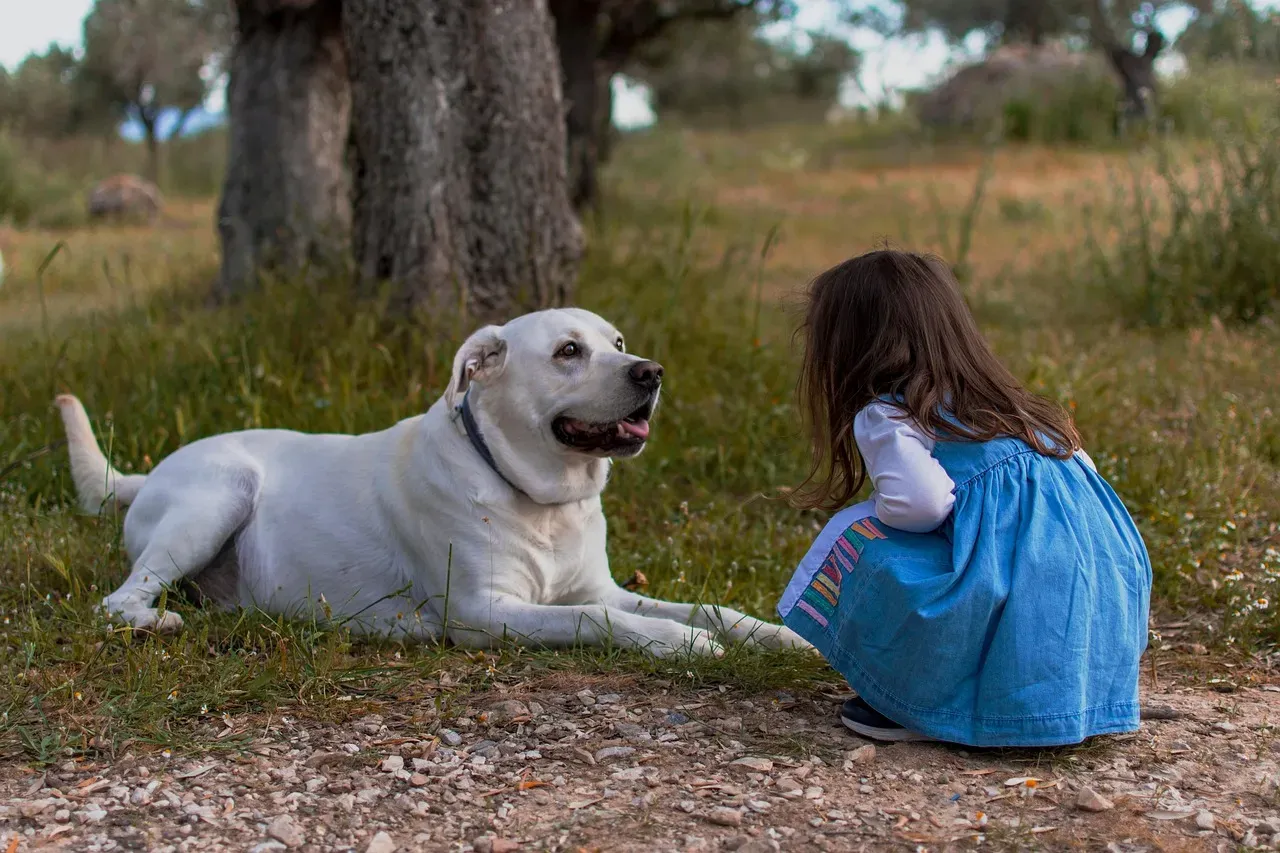
If your dog licks their lips or yawns when a child approaches but isn’t tired or hungry, it could be a sign of stress or anxiety, and a dog that turns its head or body away from a child may be trying to disengage and avoid interaction, while when a dog’s eyes widen and you can see the whites, it often signals fear or unease. These are early warning signs begging you to step in before things escalate.
If your dog gets bitey, you have pushed him past his threshold, meaning it was too arousing, went on too long, or made him uncomfortable. Always supervise interactions and give your dog an escape route. Create a quiet safe space where they can retreat when overwhelmed. You can begin to change your dog’s perception of kids with basic training that makes a connection between them and something your dog loves, like dog treats, and any time your dog spots a child in the distance, give him high-value treats for as long as the child is visible, and once the child is gone, stop giving the goodies.
Teach your children to respect the dog’s space. No pulling ears, no sudden hugs, no chasing. Calm, gentle interactions build trust over time. Professional training or a certified behaviorist can make a world of difference if you’re struggling.
Conclusion
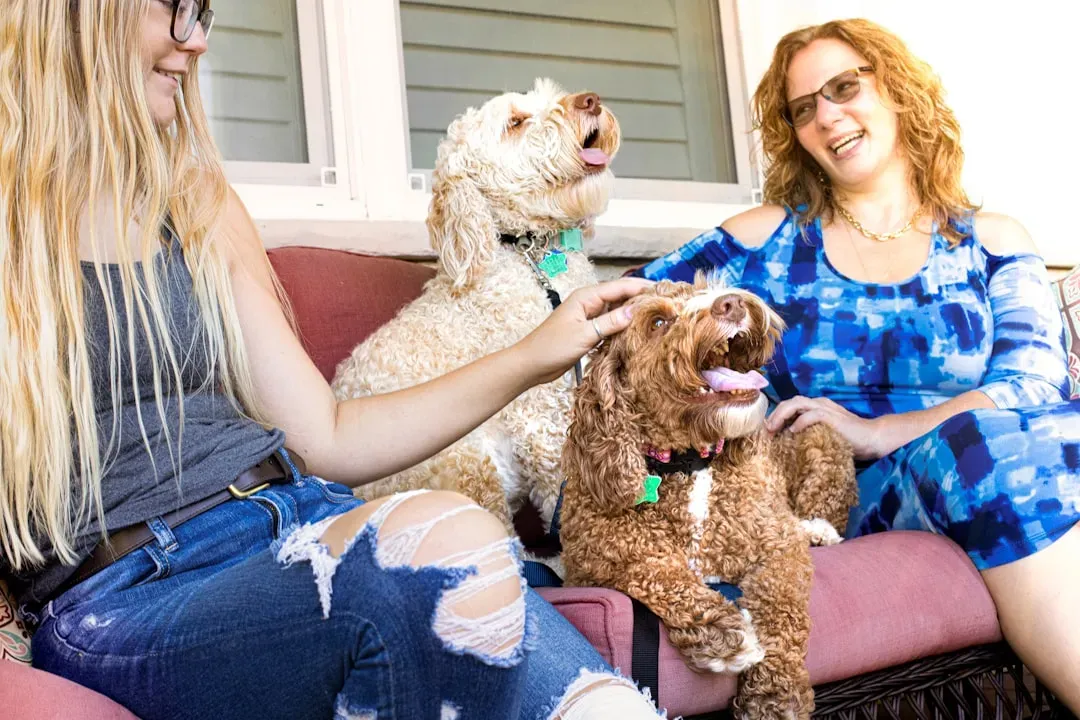
Every dog deserves a home where they feel safe, understood, and loved. Some breeds simply aren’t built for the beautiful chaos that comes with raising kids. That doesn’t make them bad dogs or you a bad parent. It just means knowing your dog’s limits and respecting them matters more than Instagram-perfect family photos.
If you’re considering adding a dog to your family, think hard about temperament, energy levels, and emotional sensitivity. If you already have a sensitive pup at home, small adjustments like teaching boundaries, creating quiet zones, and using positive reinforcement can transform your household dynamic. What signs of stress have you noticed in your dog around children? Share your experiences in the comments below.


