
Should You Adopt a Senior Dog? 10 Reasons Older Dogs Are Perfect for Older People
Have you ever felt an instant connection with those gentle, frosted faces at the dog shelter? There’s a quiet magic about senior dogs—the kind that tugs at your heart and makes you wonder what stories they carry in those soulful eyes. If you’re an older adult thinking about bringing a canine companion into your life, adopting a senior dog might just be the most rewarding decision you could make. Let’s dive into why older dogs and older people are, quite simply, a perfect match.
Calm Companions for a Peaceful Home
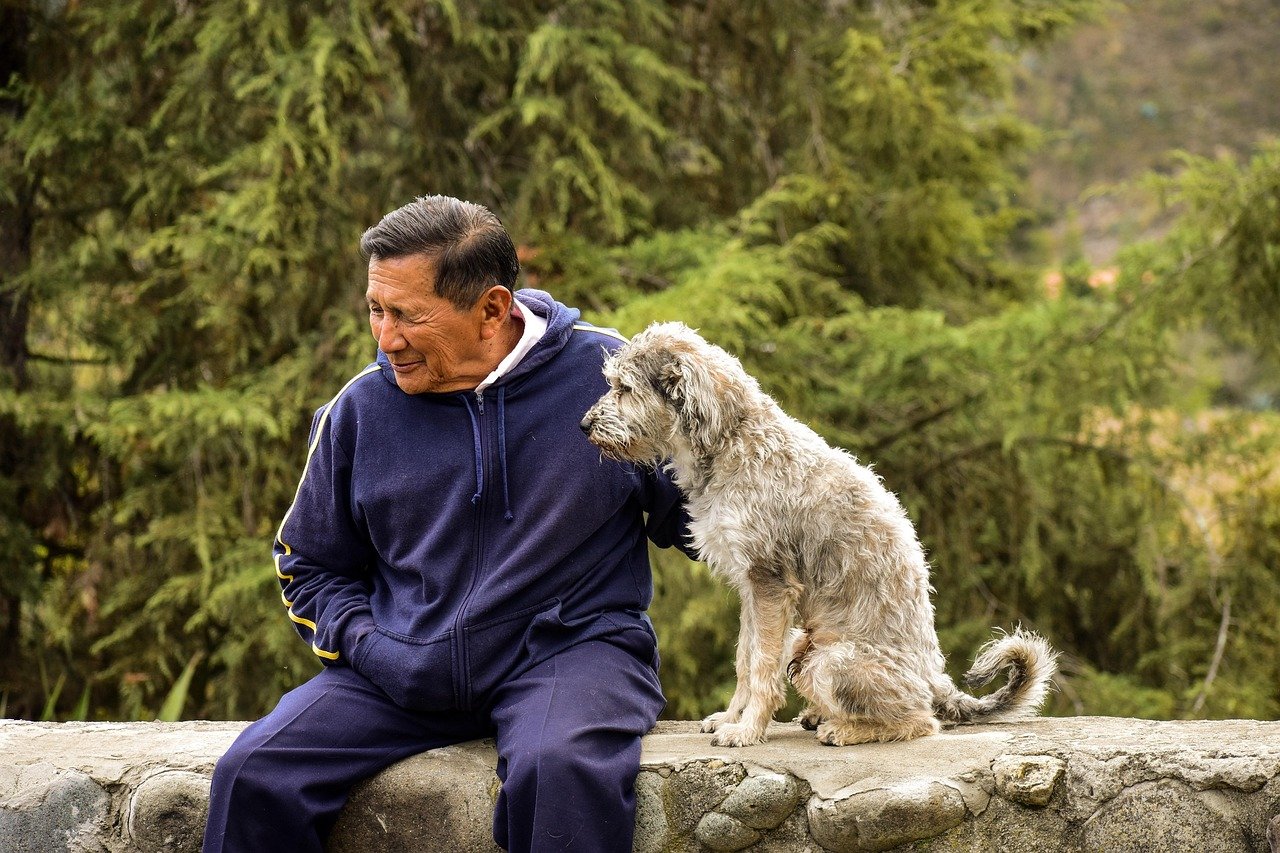
Senior dogs are often past the high-energy puppy stage. They don’t need endless games of fetch or wild romps around the house. Instead, they cherish cozy naps together and quiet evenings, matching the slower pace that many older adults appreciate.
You won’t find them chewing your slippers or racing around the living room at lightning speed. Their calm nature helps create a serene environment, making your home a haven of relaxation and warmth.
Predictable Personalities—No Surprises
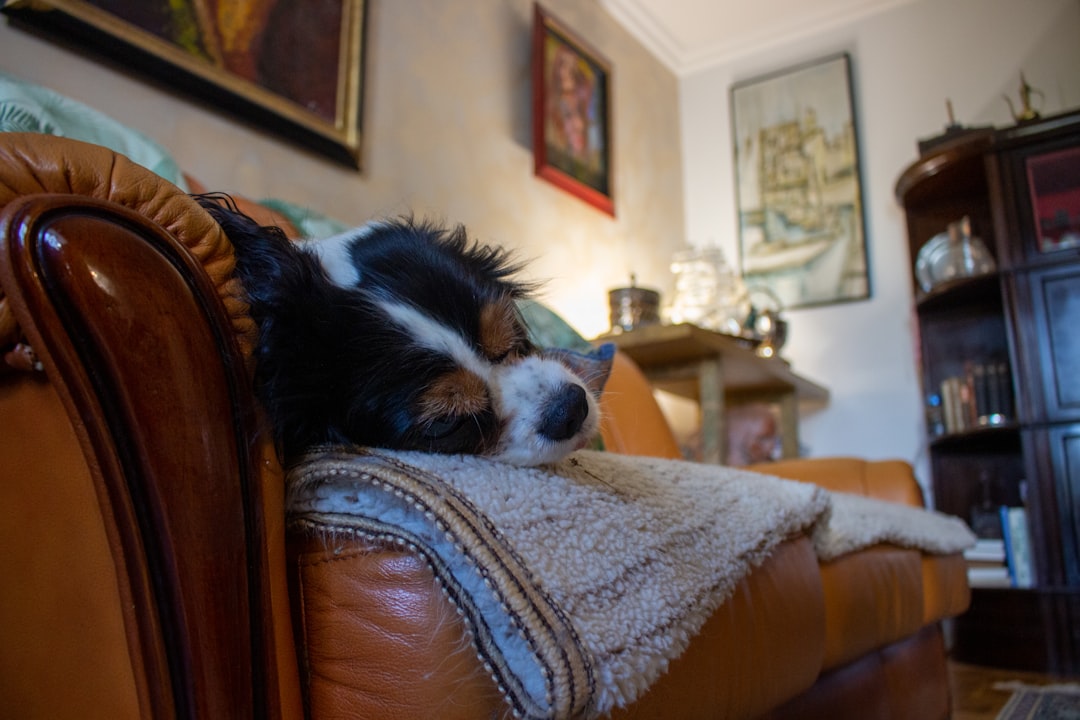
With a senior dog, what you see is truly what you get. Their personalities are fully developed, so you know if you’re getting a cuddler, a couch potato, or a dignified lapdog who prefers just a gentle pat on the head.
This predictability is a huge relief for older adults who don’t want to guess if a dog’s quirks will fit their lifestyle. You can choose a companion whose temperament matches your own, making daily life smoother and more harmonious.
Shorter Walks, Less Demanding Exercise
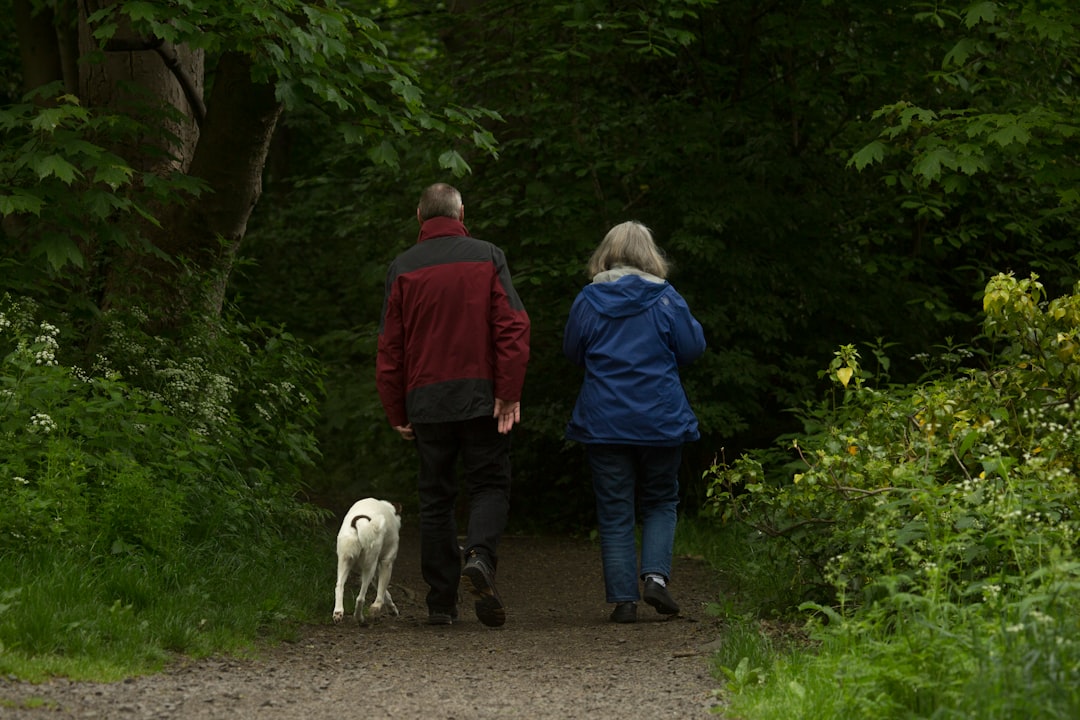
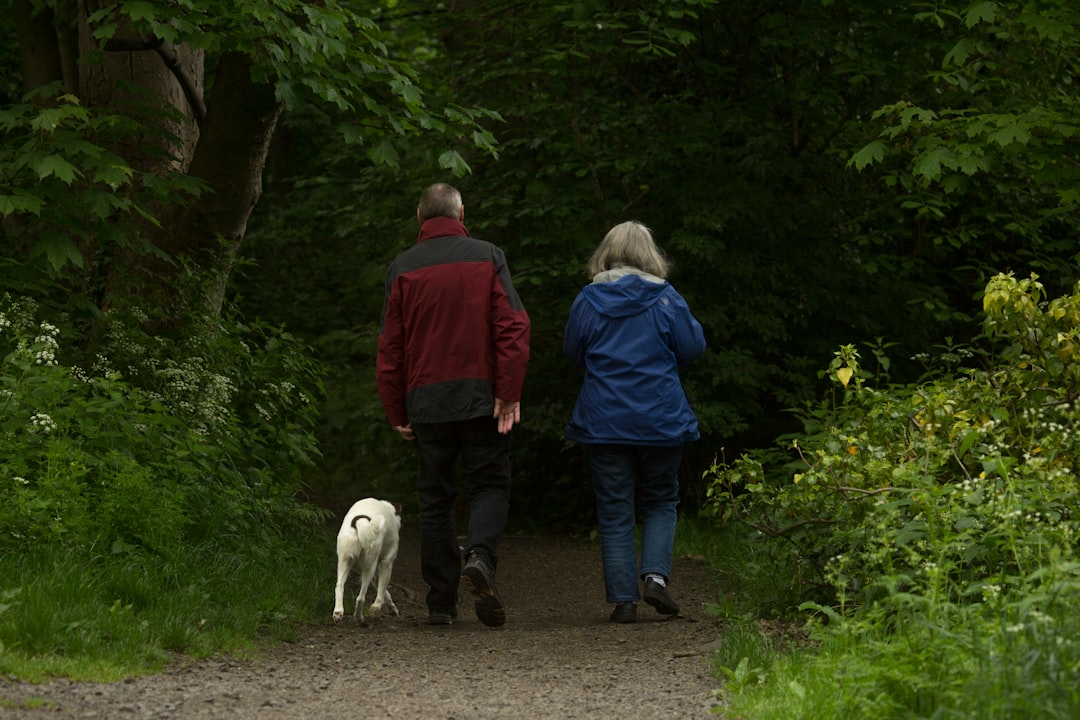
Most older dogs don’t require marathon walks or hours of play each day. A few gentle strolls around the block and some sniffing in the garden are usually plenty. This is perfect for seniors who want to stay active but need to be mindful of their own mobility or energy levels.
Think of it as having a walking buddy who won’t outpace you or demand more than you can give. Senior dogs are content with the simple joys—a patch of sun, a soft bed, and your steady companionship.
Already House-Trained and Well-Mannered
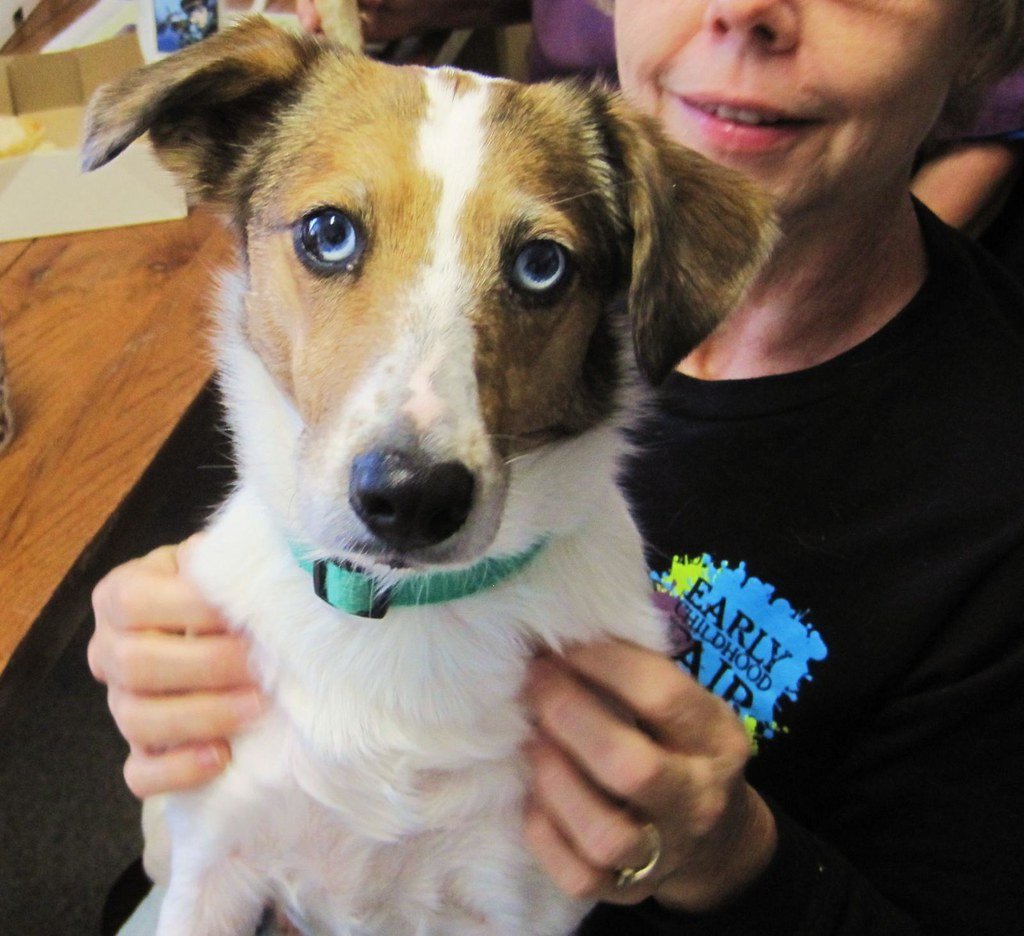
Forget about puddles on the carpet or chewed-up shoes. Most senior dogs have already mastered basic manners. They know where to do their business, wait politely for dinner, and often even understand a few commands.
These good habits mean less stress and frustration for you. It’s like moving in with a roommate who already knows the rules of the house—no awkward adjustment period, just instant comfort and understanding.
Grateful Hearts—Unmatched Loyalty
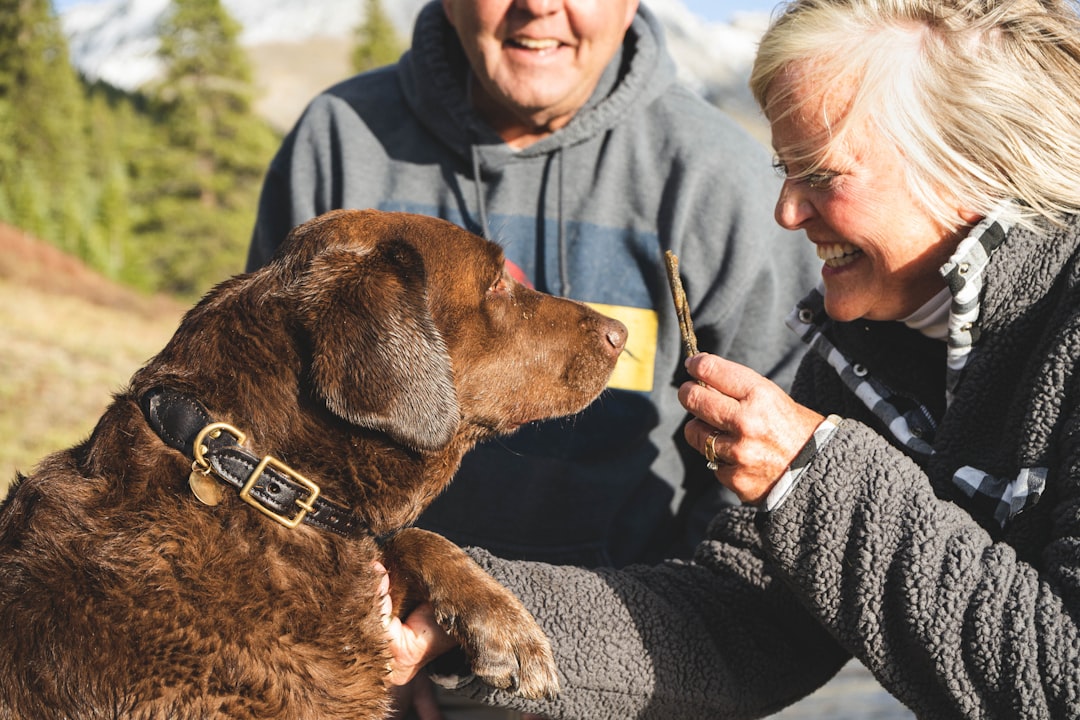
Older dogs who find new homes often show an incredible sense of gratitude. It’s as if they know you’ve given them a second chance, and they repay you with deep, unwavering loyalty. Their love feels different—more profound, somehow.
Many adopters say their senior dogs follow them everywhere, always eager to please and to be near. That sense of connection can fill your days with purpose and comfort, especially if you live alone or crave gentle companionship.
Lower Risk of Destructive Behavior

The wild antics of puppies—chewing, digging, and constant mischief—are rarely a concern with older dogs. Their days of teething and unruly curiosity are usually behind them. Instead, you get a pet who knows how to behave in a home.
This makes caring for a senior dog less stressful and more predictable. You won’t need to worry about coming home to shredded pillows or holes in the garden; your older companion is happy just to share your space peacefully.
Great Listeners and Emotional Supporters

Senior dogs have a way of quietly sensing your mood. They’re excellent listeners, always ready to lend a furry ear when you need to talk or just sit in silence. Their gentle presence can be soothing in times of sadness or worry.
Many older adults find comfort in this silent support. Whether you’re facing a tough day or simply want company while reading, a senior dog is always there, offering a steady, comforting presence that asks for little but gives so much.
Easier Vet Visits and Manageable Needs
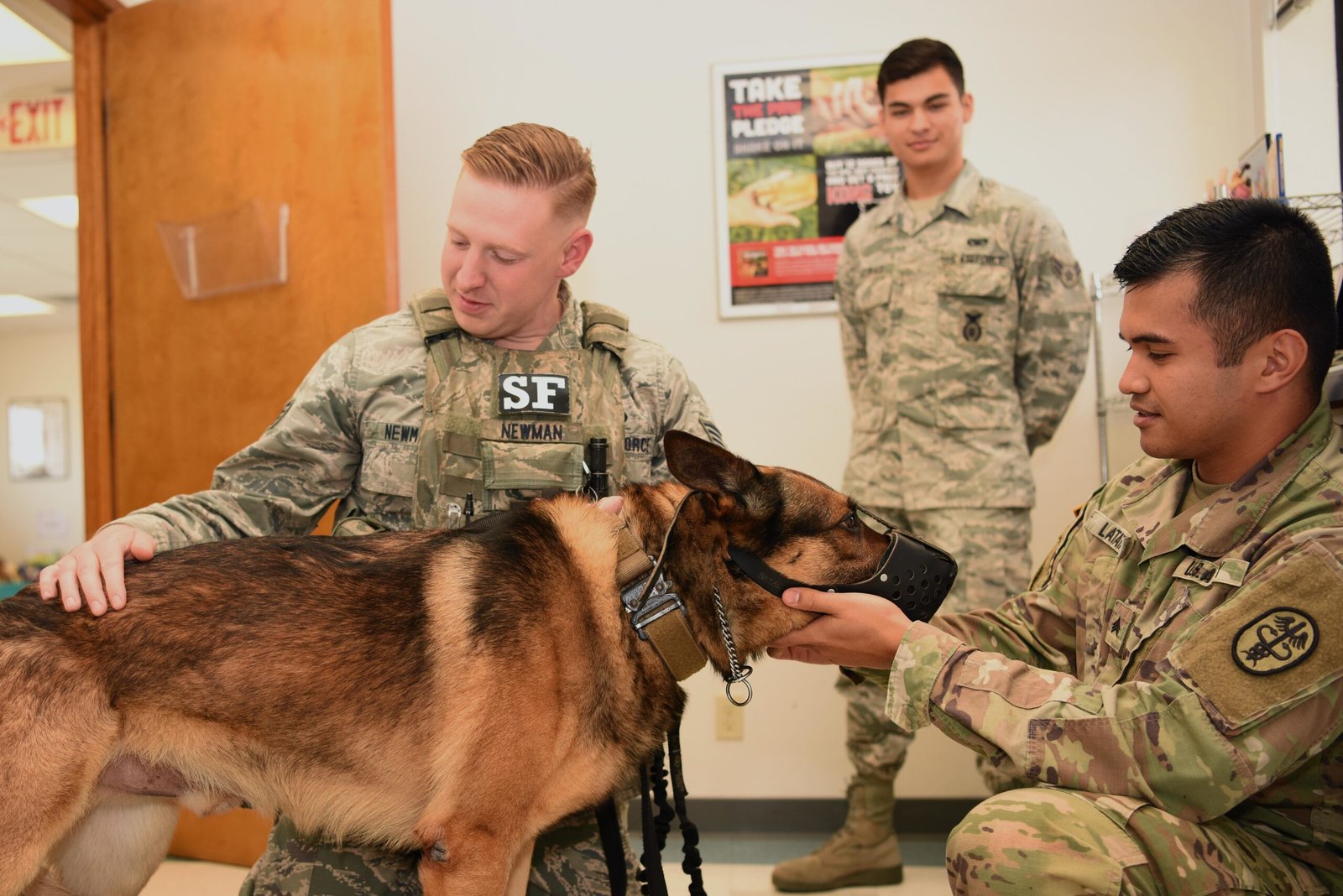
While some senior dogs have medical needs, many are surprisingly healthy and easy to care for. They’re less likely to need vaccinations or spay/neuter surgeries, and their routines are firmly established.
Knowing what to expect medically can be reassuring. Plus, senior dogs often tolerate vet visits calmly. Keeping an eye out for small changes—like a limp or cloudy eyes—allows you to catch issues early and keep your companion comfortable.
Fitting Into Your Routine with Ease
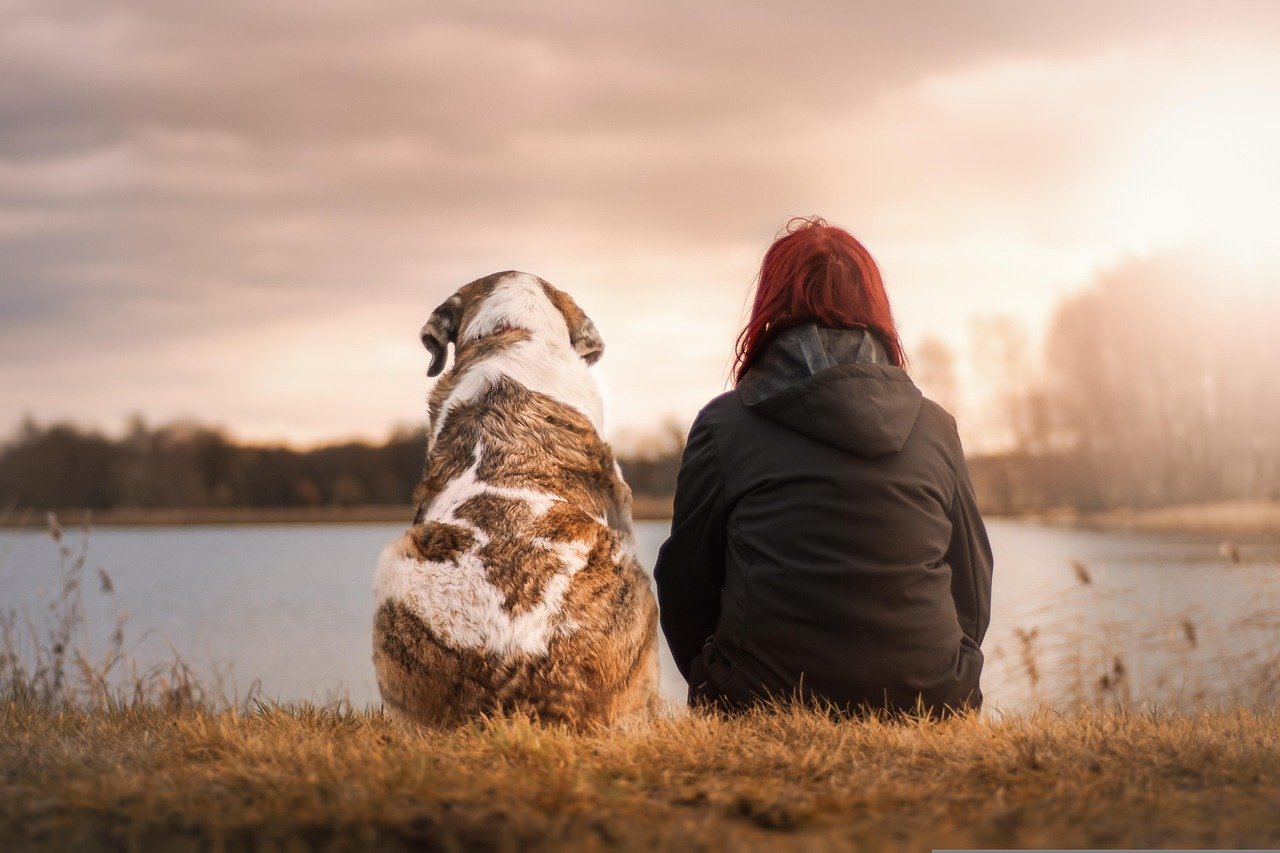
Older dogs adapt quickly to new homes and routines. They’re happy to fit into your schedule, whether it’s morning coffee on the porch or evening TV time. Their flexibility means you don’t have to drastically change your lifestyle.
This adaptability is a gift for older adults who value predictability and routine. It’s like having a companion who seamlessly becomes part of your daily rhythm, making every moment together feel natural and easy.
Giving a Senior Dog a Loving Home Makes a Difference

Adopting a senior dog isn’t just good for you—it’s a life-changing gift for them. Many older dogs are overlooked in shelters, waiting quietly for a family to see their worth. Bringing one home means you’re giving them comfort, love, and dignity in their golden years.
There’s something deeply fulfilling about knowing you’ve changed a life. That gratitude shines in every wag, every nuzzle, and every peaceful nap by your side. It’s a bond built on kindness, and it can be one of the most rewarding experiences you’ll ever have.
Conclusion
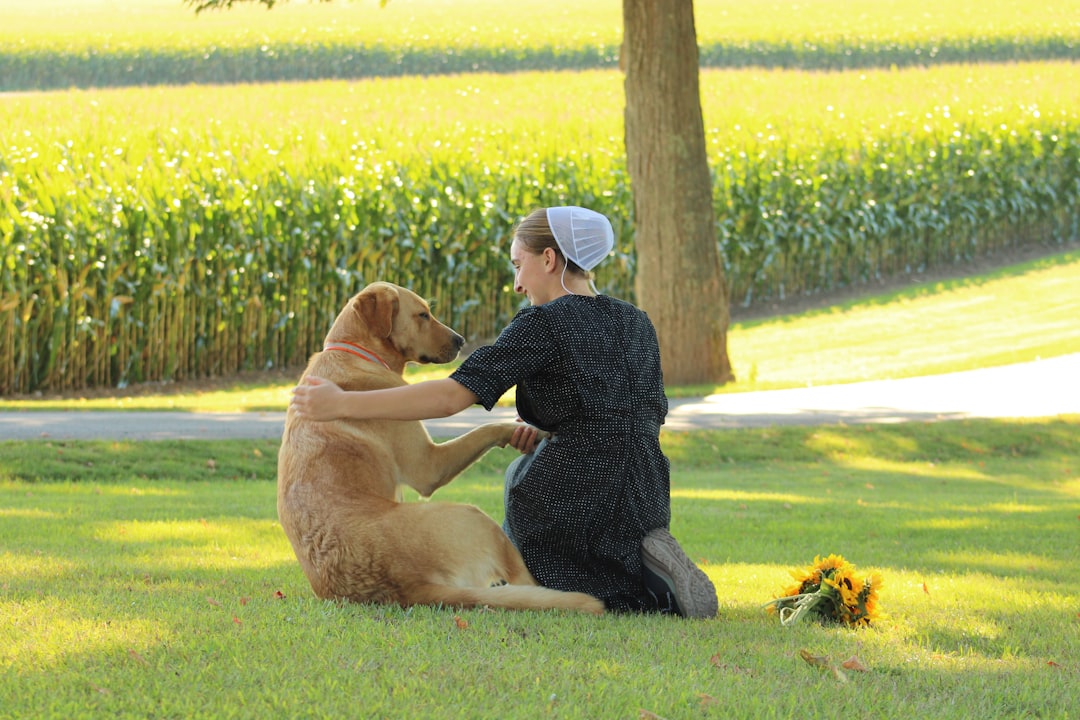
Choosing to adopt a senior dog as an older adult is a decision rooted in empathy and wisdom. The gentle companionship, calm routines, and deep loyalty these dogs offer can transform your life in ways both big and small. If you’re ready for a new best friend who truly understands your pace and needs, perhaps an older dog is exactly who you’ve been looking for.