
You’re Not Spoiling Your Dog by Doing These 5 Loving Things
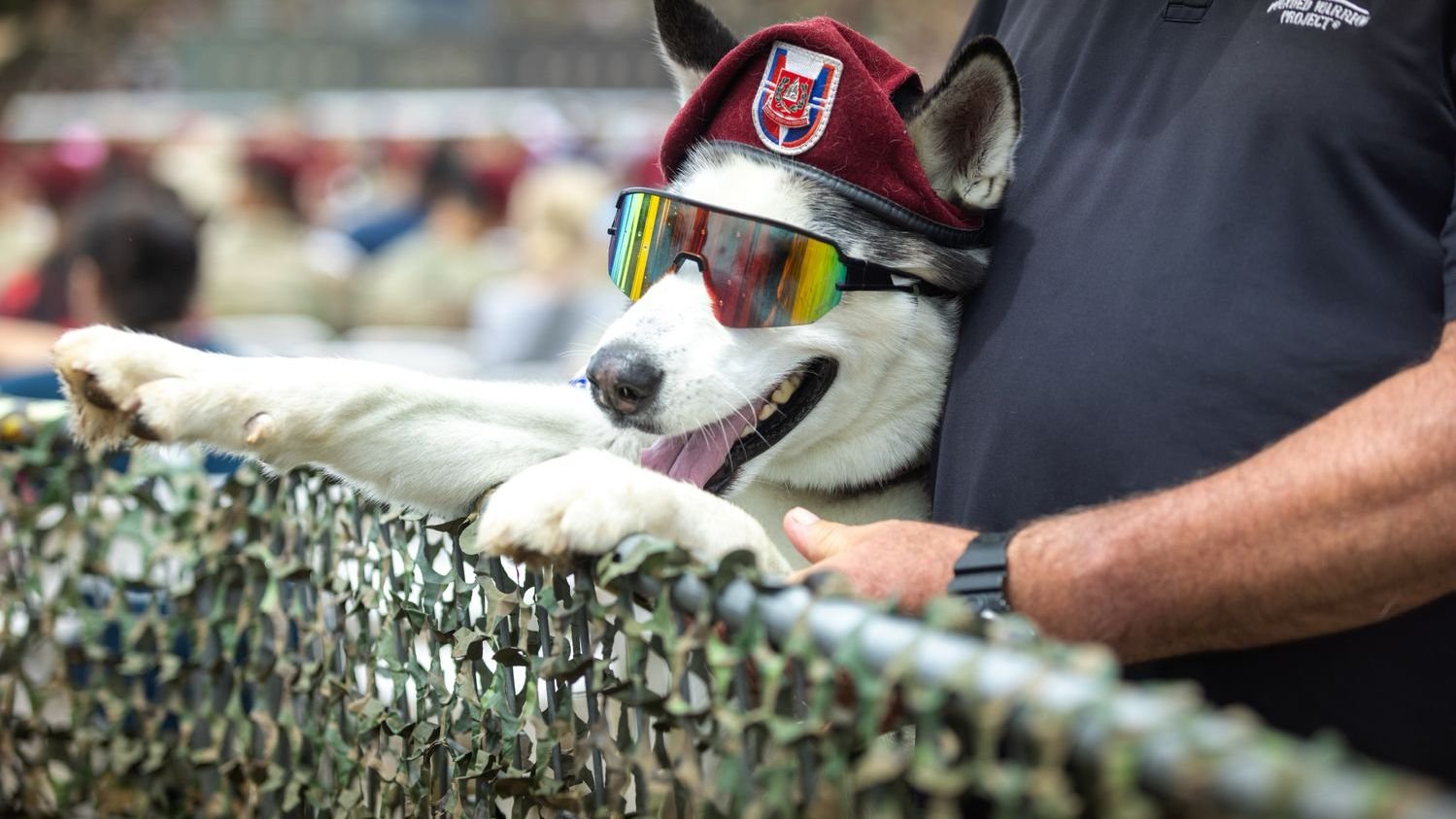
Ever catch yourself slipping your dog an extra treat, letting them hop up on the couch beside you, or just whispering sweet nothings into those fuzzy ears while they look up at you with pure adoration? Then maybe you’ve wondered if you’re crossing a line. Friends might joke that you’re too soft. Family members might roll their eyes when you buy yet another toy.
Here’s the thing, though. What most people call spoiling is actually just… loving your dog well. There’s a difference between creating a poorly behaved, boundary-less companion and simply showing affection in ways that matter to both of you. Dogs thrive on connection, consistency, and care. Those moments when you’re extra generous with your time or attention aren’t weakness. They’re relationship building.
So let’s settle this once and for all. I’m going to walk you through five things that might look like spoiling to the outside world but are actually beneficial, healthy expressions of the bond you share with your dog.
Letting Your Dog Sleep in Your Bed
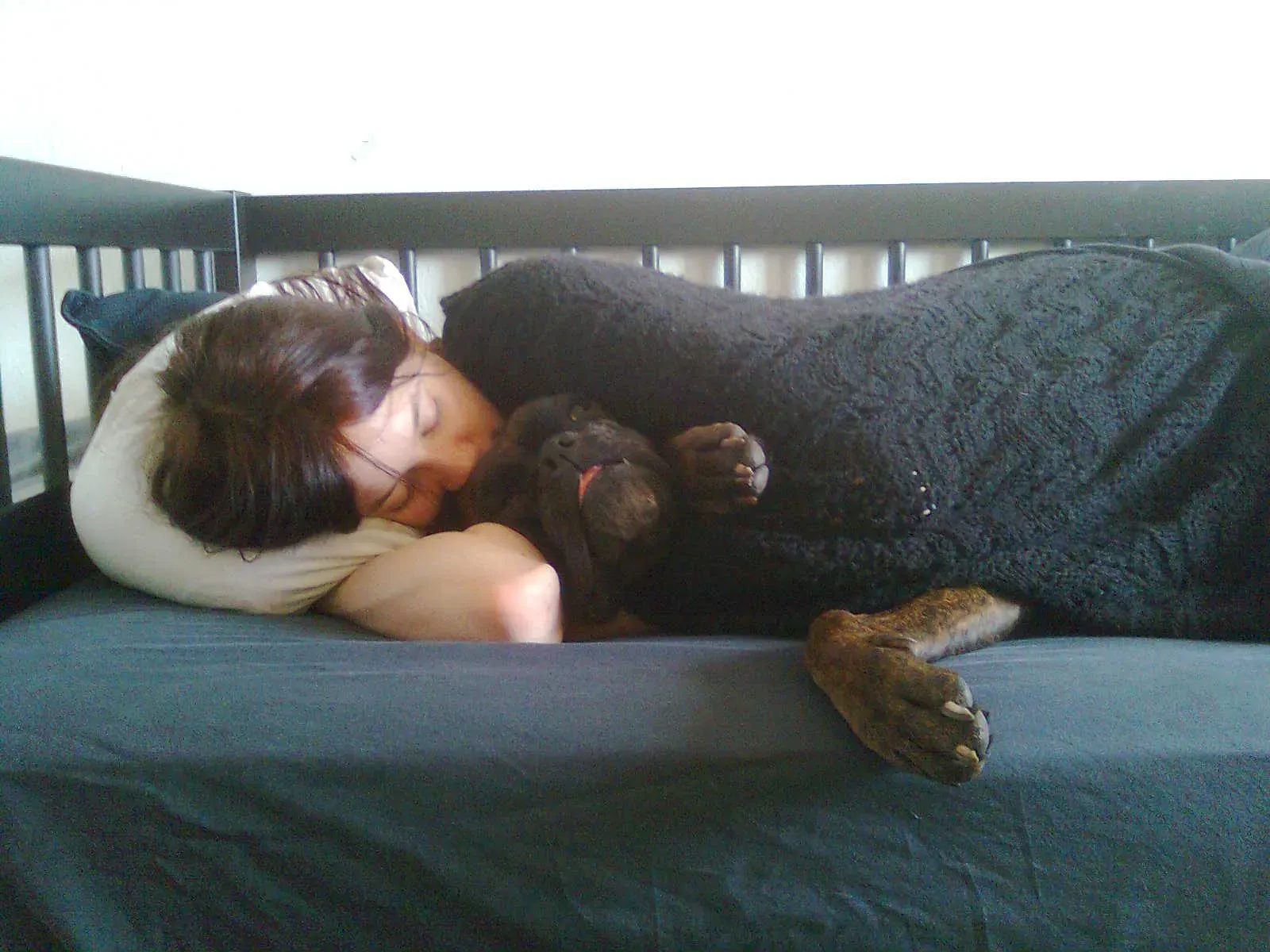
The controversy around this one never seems to die down. Some trainers warn it leads to dominance issues. Your mother might insist it’s unhygienic. Yet here’s what science actually tells us: allowing your dog to sleep with you helps build trust and shows them they are a member of your pack.
Owners and dogs can experience mental health benefits from co-sleeping that include reduced loneliness, lower state anxiety, and improved mood through consistent nighttime companionship. That closeness isn’t just feel-good fluff. Petting and proximity stimulate oxytocin release, reinforcing trust and safety signals in both human and dog.
The old dominance theory has been thoroughly debunked. Reputable behaviorists no longer support the idea that sharing your bed undermines your authority. What matters more is consistency. A dog that is sometimes allowed on the bed, sometimes pushed off, and sometimes moved based on the owner’s mood is learning uncertainty, which can maintain vigilance rather than promote restorative sleep.
If your dog is relaxed, well-adjusted, and you both sleep better with them nearby, there’s absolutely nothing wrong with it. Let them stay.
Talking to Your Dog Like They Understand Every Word
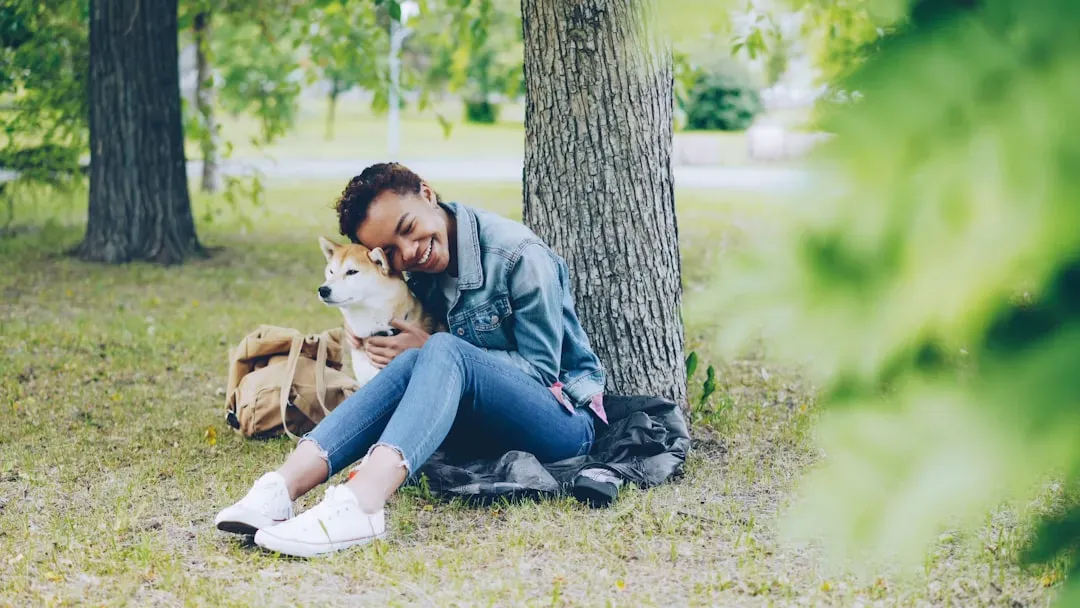
You narrate your day to them. You ask their opinion on what to make for dinner. You probably even apologize when you accidentally step on their paw, speaking in that high-pitched, earnest voice reserved only for them.
Does your dog understand the literal meaning of every sentence? Not exactly. Humans unconsciously slow down their speech when talking to dogs, aligning with canines’ slower auditory processing abilities, which may be key to facilitating better communication. Dogs have evolved alongside us for thousands of years, and they’ve gotten remarkably good at reading our emotional cues and vocal tones.
Canines understand the meaning of some human words and perceive the emotional content of human vocalizations. When you talk to them, you’re not just babbling into the void. The very act of communicating with dogs beyond training exercises serves to reinforce the emotional bond that is vital for a harmonious relationship.
That silly running commentary you keep up? It strengthens your connection. It signals affection. It creates predictability and comfort in their world. Keep talking to them.
Giving Them Regular Physical Affection
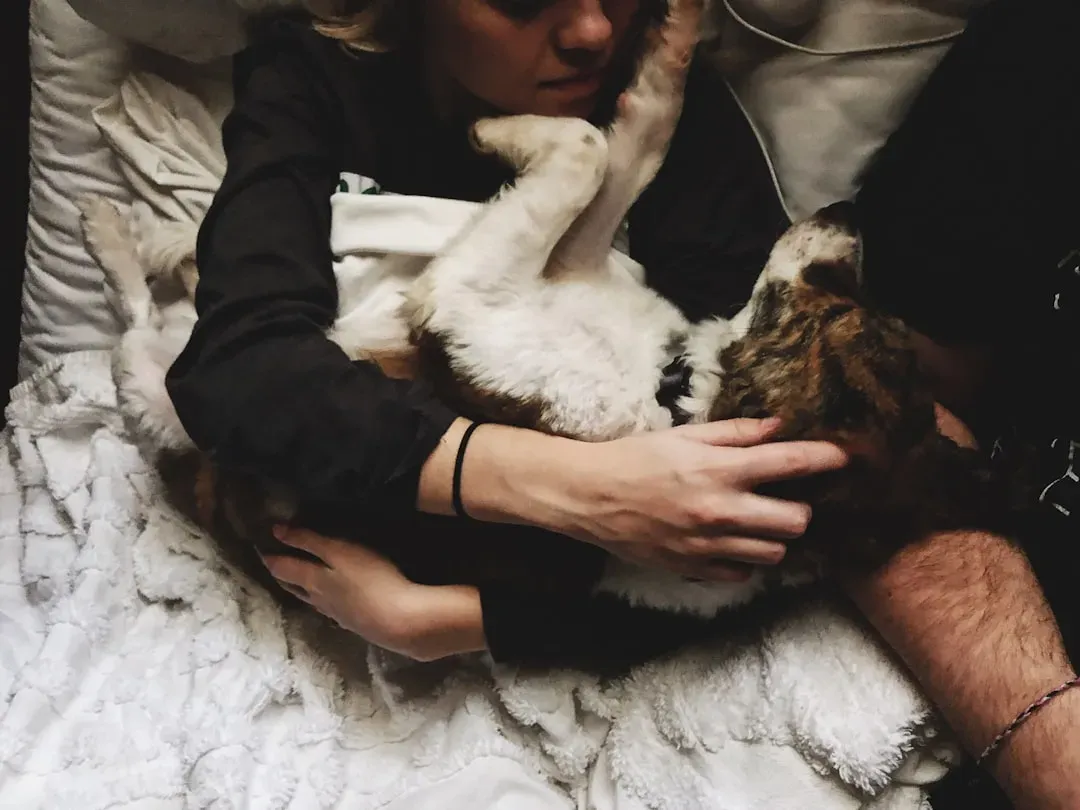
Belly rubs. Ear scratches. That spot behind their shoulder that makes their back leg twitch. You might spend more time petting your dog than you’d care to admit, and honestly, that’s one of the healthiest things you can do for both of you.
Levels of the stress hormone cortisol drop in people after just 5 to 20 minutes spent interacting with dogs, and we see increases in oxytocin, that feel-good kind of bonding hormone. This isn’t a one-way street either. The dogs’ oxytocin also increases when they interact with a human.
The research is pretty clear on this. Simply petting a dog lowers the stress hormone cortisol, while the social interaction between people and their dogs actually increases levels of the feel-good hormone oxytocin. Students who interacted directly with pets showed significantly less cortisol in their saliva after the interaction.
Let’s be real. Your dog didn’t evolve over tens of thousands of years to sit politely in the corner ignored. They crave touch. They need it. So go ahead and give that good dog all the scritches they deserve.
Buying Them Special Treats and Toys
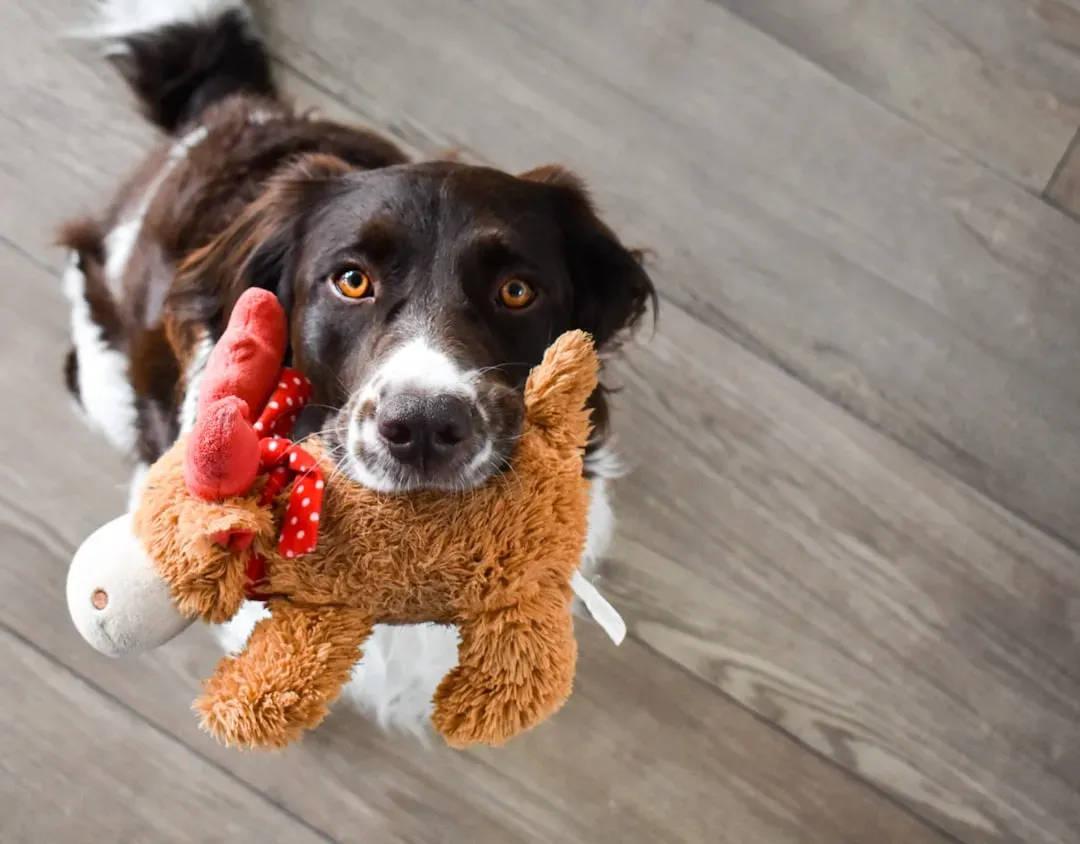
Walk into any pet store and you’ll find an entire aisle dedicated to dog enrichment. Puzzle toys, chew bones, squeaky plushies, treat-dispensing balls. And sure, your dog doesn’t need seventeen different toys. They’re probably happiest with the same three anyway.
But here’s where the spoiling accusation misses the mark. Providing variety, novelty, and mental stimulation through toys and treats isn’t indulgent. It’s essential for their wellbeing. Celebrations can improve your dog’s environment, offering new stimuli and experiences that contribute to their mental and emotional well-being, as environmental enrichment plays a significant role in promoting a dog’s cognitive health.
Treats aren’t just about taste. When used thoughtfully, they’re powerful tools for building positive associations, rewarding good behavior, and deepening trust. The key is balance. A treat given with intention and joy creates a moment of connection.
Does your dog really need that new plush avocado toy? Probably not. Will they lose their mind with excitement when you bring it home, strengthening the bond between you through shared play? Absolutely.
Celebrating Their Birthday or Gotcha Day
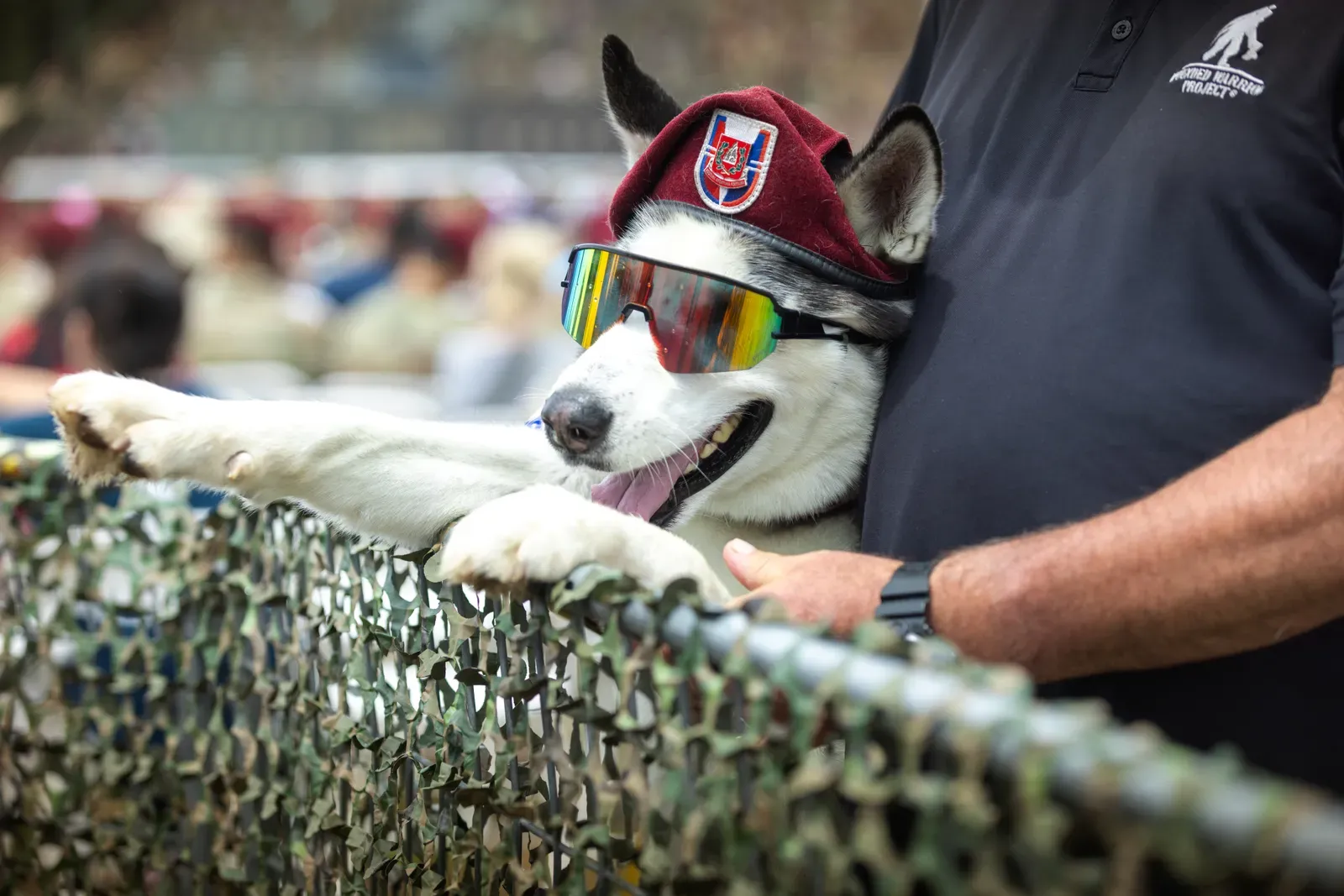
This is where some people really think you’ve lost it. Throwing a party for a dog? Baking them a special cake? Taking them on a birthday adventure? Come on.
Yet think about what you’re actually doing. Many dog owners treat their dog’s birthday as a special occasion to show appreciation and strengthen their bond, celebrating their life, showering them with attention, and reinforcing positive experiences through treats, play, and affection.
Dogs don’t understand calendars or the concept of aging. While dogs do not inherently understand the concept of birthdays or recognize the specific date, they can certainly sense excitement and happiness in their environment, and celebrating can be a joyful occasion that your pet may enjoy because of the extra attention, treats, and playtime.
The celebration isn’t really for them to comprehend intellectually. It’s for you to mark the joy they bring into your life. It’s permission to be extra generous with your time and affection. It creates memories. It acknowledges that this creature matters deeply to you. There’s nothing excessive about that.
Conclusion
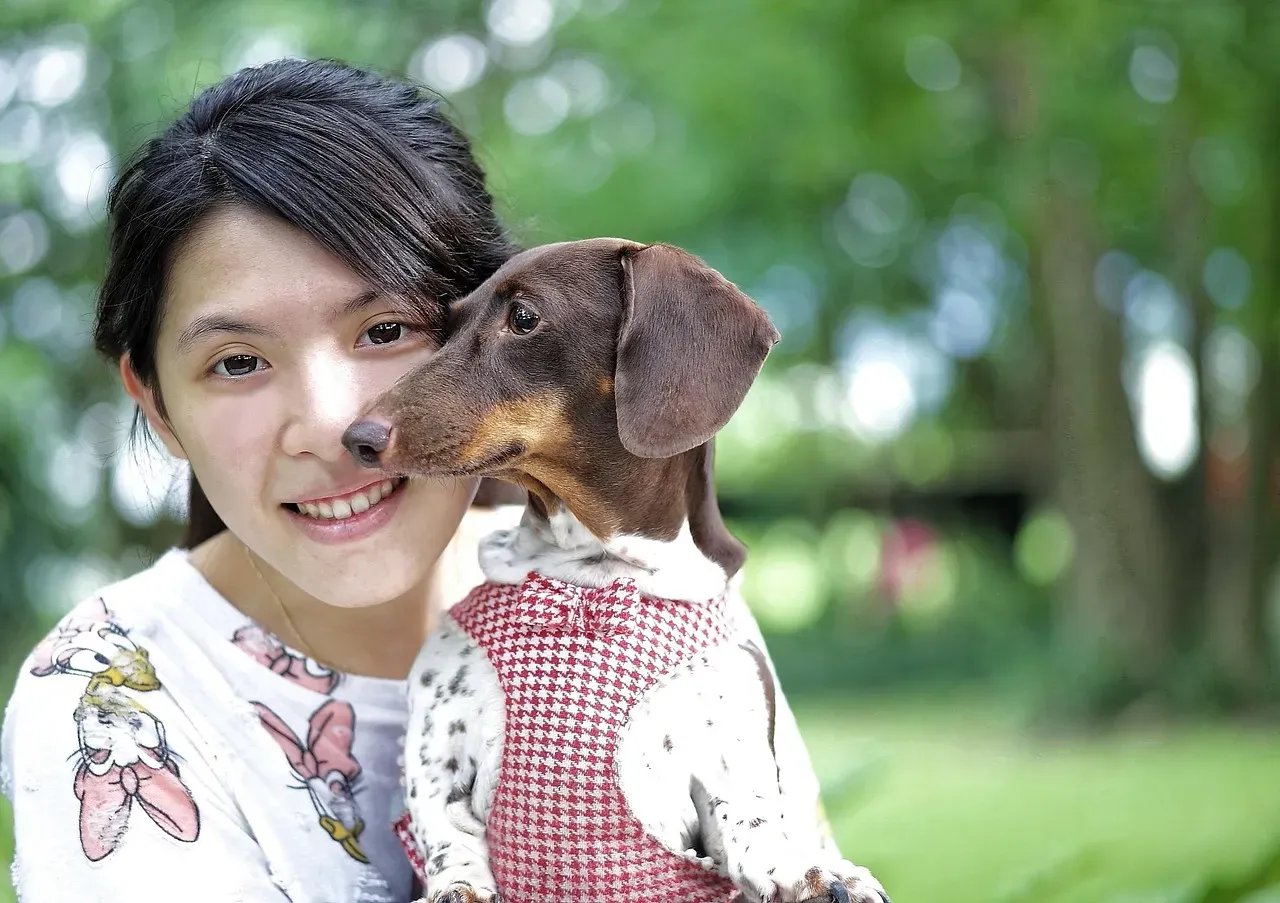
At the end of the day, spoiling a dog means creating a poorly adjusted animal who doesn’t understand boundaries, who demands constant attention, and who can’t function when you’re not around. That’s not what we’re talking about here.
What we’re talking about is love. Expressed through co-sleeping that builds security. Through conversations that create connection. Through touch that literally changes both your brain chemistry. Through thoughtful gifts that provide enrichment. Through celebrations that honor the joy they bring.
Your dog gives you unconditional love, unwavering loyalty, and endless moments of comfort and laughter. Returning that with intentional affection and care isn’t spoiling them. It’s simply being the person they already think you are.
What’s your take on this? Do you let your dog sleep in your bed, or are you firmly team dog-bed-on-the-floor? Tell us in the comments.