
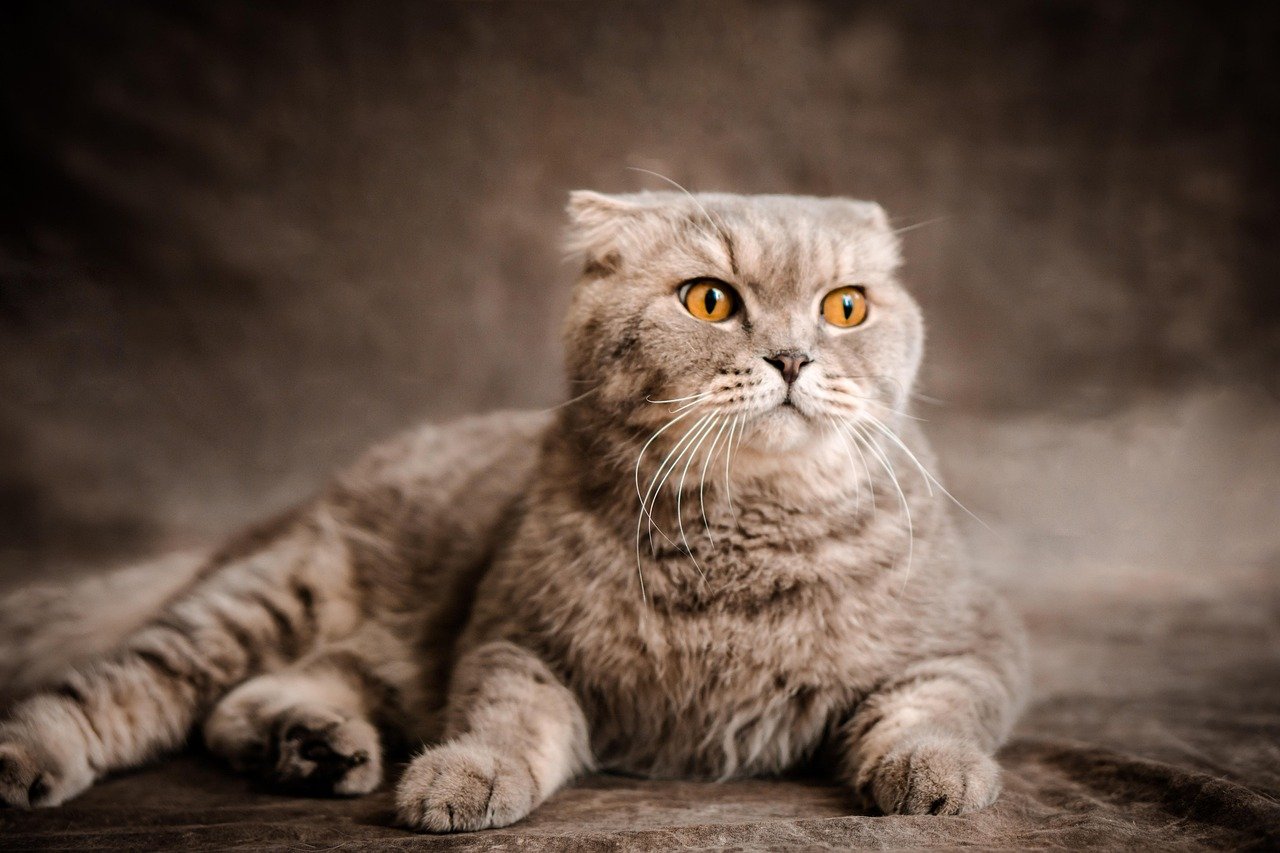
Cats are known for their independent and mysterious nature, which is why they often leave us guessing about their feelings and expectations. While our feline friends may not openly express their emotions like some other pets, they can certainly feel hurt or rejected by certain actions or behaviors. Understanding these subtle cues can help cat owners build a stronger, more affectionate bond with their pets. Below, we explore ten actions that may unwittingly make your cat feel rejected, along with ways to avoid them.
Ignoring Their Attempts at Interaction

Cats may seem aloof, but they do enjoy interacting with their human companions. When your cat approaches you for a cuddle or playtime, ignoring them can be perceived as a form of rejection. It’s crucial to recognize these attempts at engagement; a gentle stroke or a few minutes of play can reassure your feline friend that they are loved and appreciated. Even simple eye contact or verbal acknowledgment can go a long way in maintaining their trust and affection.
Inconsistent Feeding Times
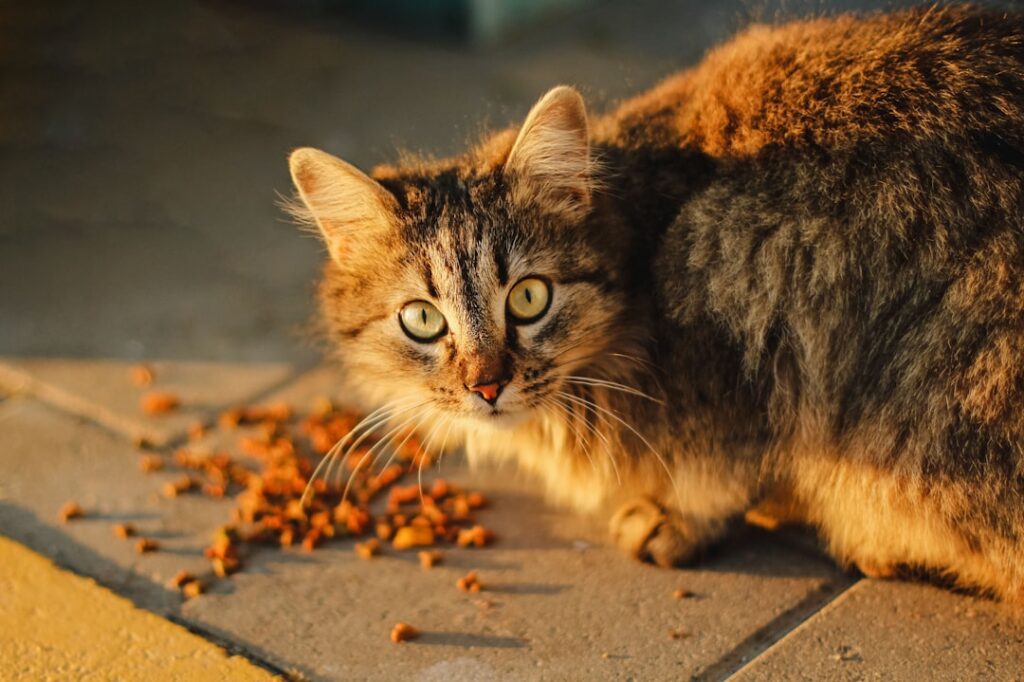
Cats are creatures of habit, and they thrive on routine. Irregular feeding schedules can be unsettling for them, leading to feelings of anxiety or neglect. By sticking to consistent feeding times, you provide a sense of security and stability for your cat. Predictability in their daily routine not only minimizes stress but also enhances their overall sense of well-being and trust in you as their caregiver.
Lack of Environmental Enrichment
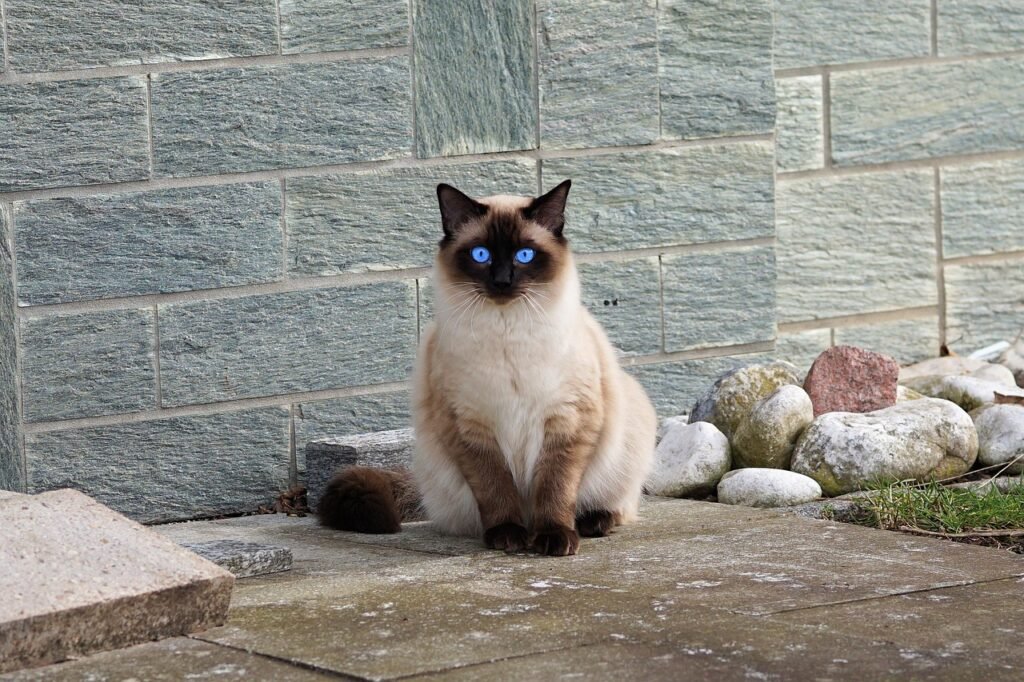
Being naturally curious and playful, cats need stimulation to keep them engaged and happy. A dull environment devoid of toys, hiding spots, or climbing structures can make a cat feel disheartened and neglected. Investing in cat trees, puzzle toys, or even a window perch can significantly enhance their living space. Enriching their environment not only provides mental and physical stimulation but also shows you are attentive to their needs and happiness.
Not Respecting Their Personal Space

Cats value their independence and personal space. Overhandling or forcing interaction can lead to feelings of discomfort or rejection. It’s important to respect their boundaries and allow them to come to you on their terms. Pay attention to their body language—telltale signs such as an arched back or flicking tail indicate they need some alone time. By respecting their space, you convey trust and understanding, strengthening the bond between you and your pet.
Overlooking Health Issues
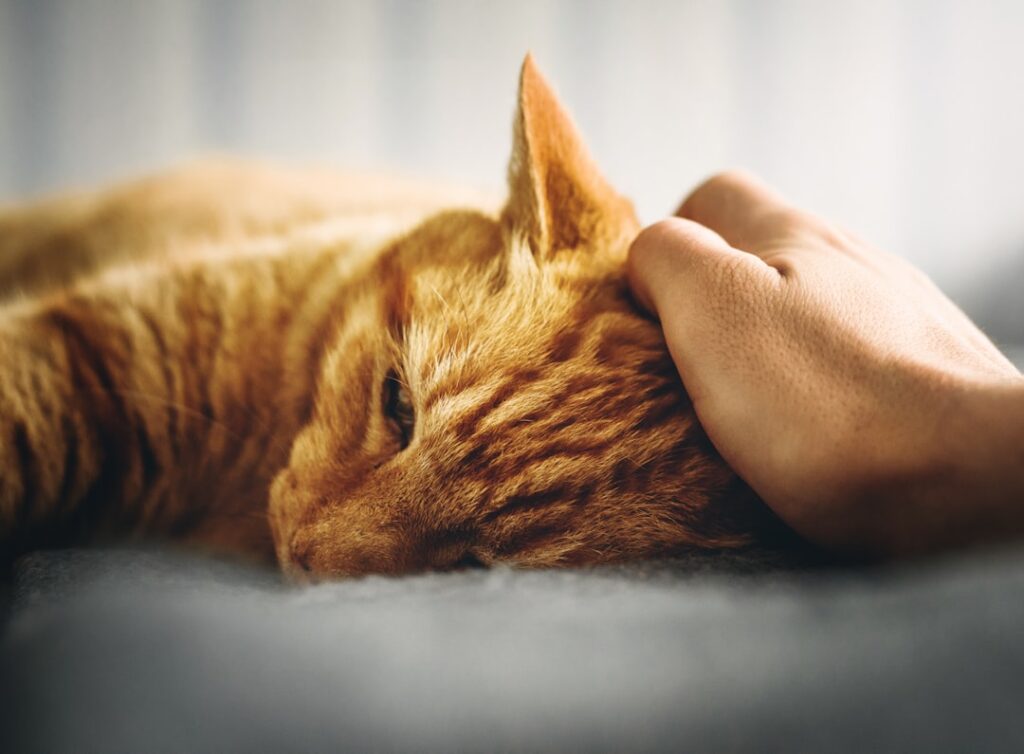
Cats are notorious for hiding signs of illness, so neglecting their health can inadvertently make them feel isolated or undervalued. Regular vet check-ups and being observant of behavioral changes are crucial in ensuring their well-being. By addressing health concerns promptly, you demonstrate care and attentiveness, reinforcing your role as a reliable and loving guardian. Prioritizing their health ultimately shows that you value their companionship and are committed to their happiness.
Forgetting Grooming Responsibilities
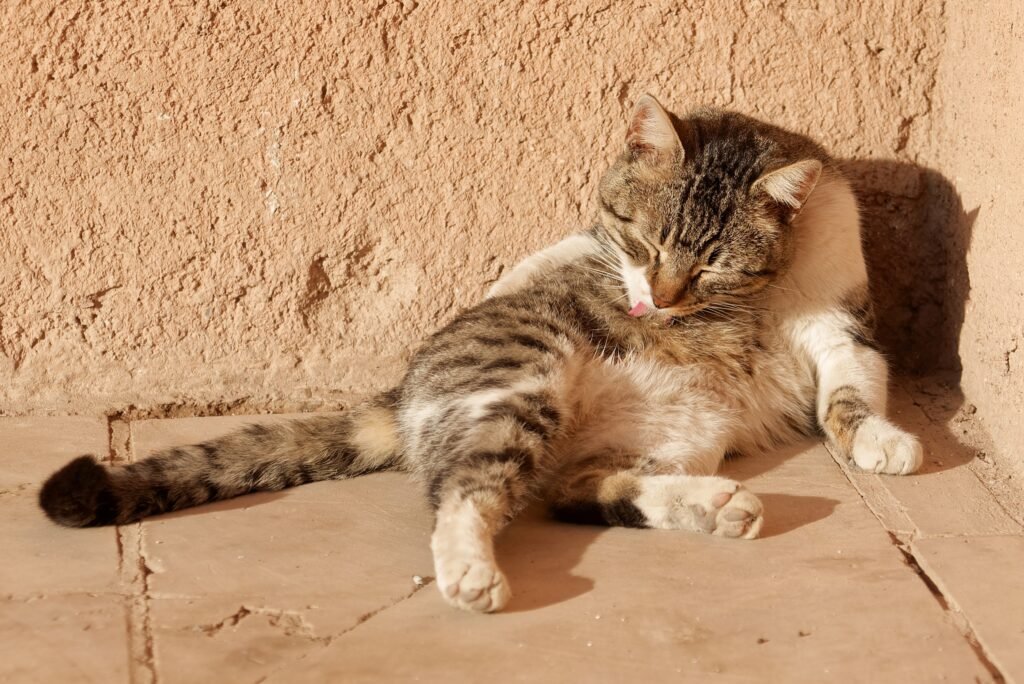
Maintaining a cat’s grooming routine is essential for their comfort and health. Cats often groom themselves, but they still benefit from a good brush and ear cleaning. Ignoring this aspect of care may make them feel neglected. Regular grooming not only helps in reducing shedding and matting but also offers an opportunity for physical bonding. This simple act of care is a way of showing affection and can greatly enhance your cat’s sense of security and happiness.
Subjecting Them to Loud Noises or Chaos
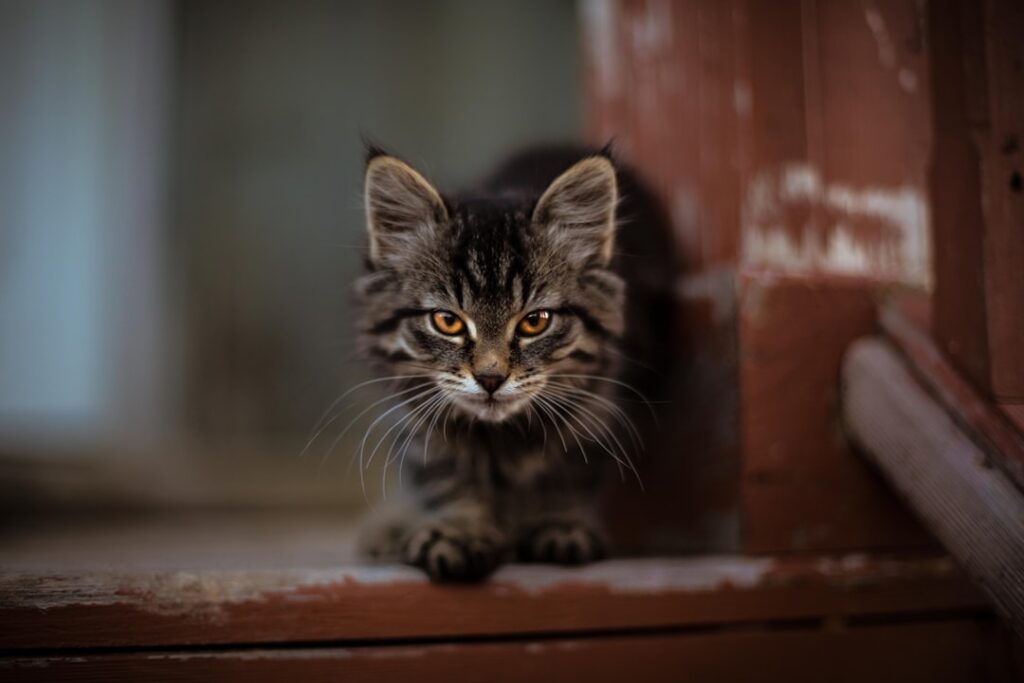
Cats are sensitive creatures and can be easily startled by loud noises or chaotic environments. Consistently exposing them to such situations can cause anxiety and feelings of rejection. Creating a calm and quiet space, especially during periods of heightened activity, can help mitigate stress. Offering a retreat where your cat can relax and feel safe ensures they feel secure and protected in their home environment.
Neglecting Litter Box Cleanliness
A clean litter box is vital for a cat’s comfort and well-being. Neglecting to clean it regularly can lead to stress and behavioral issues, as cats are particular about their hygiene. Keeping their litter box clean shows that you respect their needs and are attentive to their comfort. This practice not only prevents unwanted accidents but also indicates that you prioritize their happiness and health, reinforcing the bond you share.
Punishing Them Harshly
Cats do not respond well to punishment and may feel frightened or rejected if scolded harshly. Understanding their behavior and employing positive reinforcement is a more effective approach. Encourage good behavior with treats and praises, and redirect negative actions calmly. This creates a positive learning environment and assures your cat that they are safe and valued, rather than feeling anxious or rejected.
Leaving Them Alone for Extended Periods
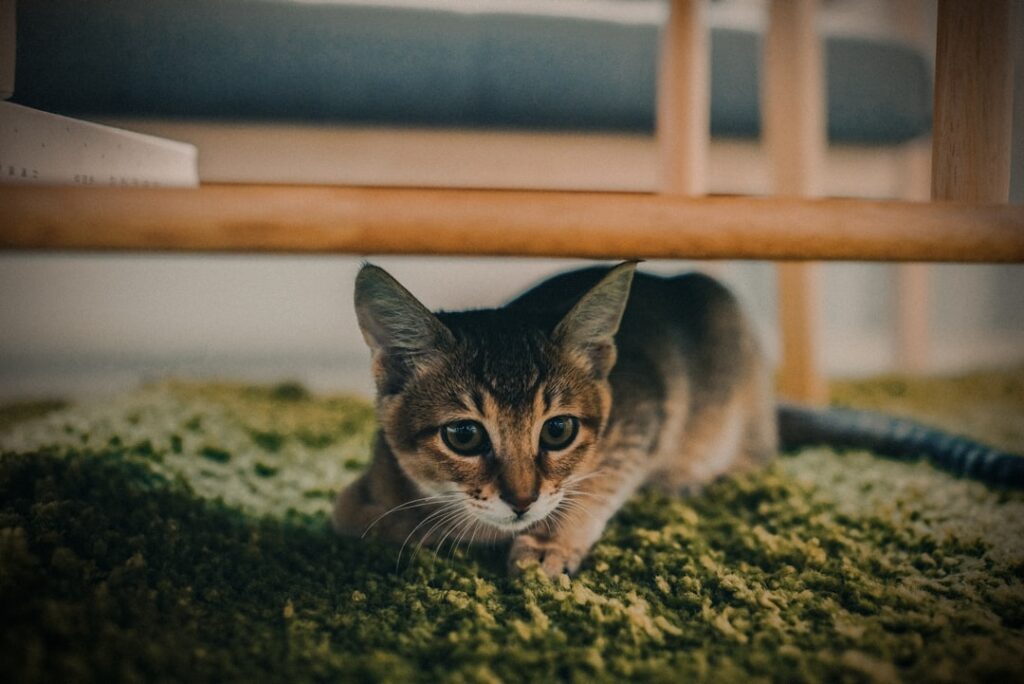
Despite their independent nature, cats can feel lonely and abandoned if left alone for too long. It’s important to arrange for companionship or entertainment if you’ll be away from home for extended periods. Interactive toys, pet cameras, or even a cat sitter can help bridge the gap during your absence. By ensuring your cat’s emotional needs are met even when you’re not there, you demonstrate your commitment to their comfort and well-being.
Understanding and addressing the subtle ways cats might feel rejected can significantly improve your relationship with your feline companion. By being mindful of their needs and respecting their individuality, cat owners can create a nurturing environment that fosters a deep, affectionate bond. As you cater not only to their physical requirements but also to their emotional well-being, your cat will feel secure, loved, and valued. After all, a happy cat contributes to a happy home.


