
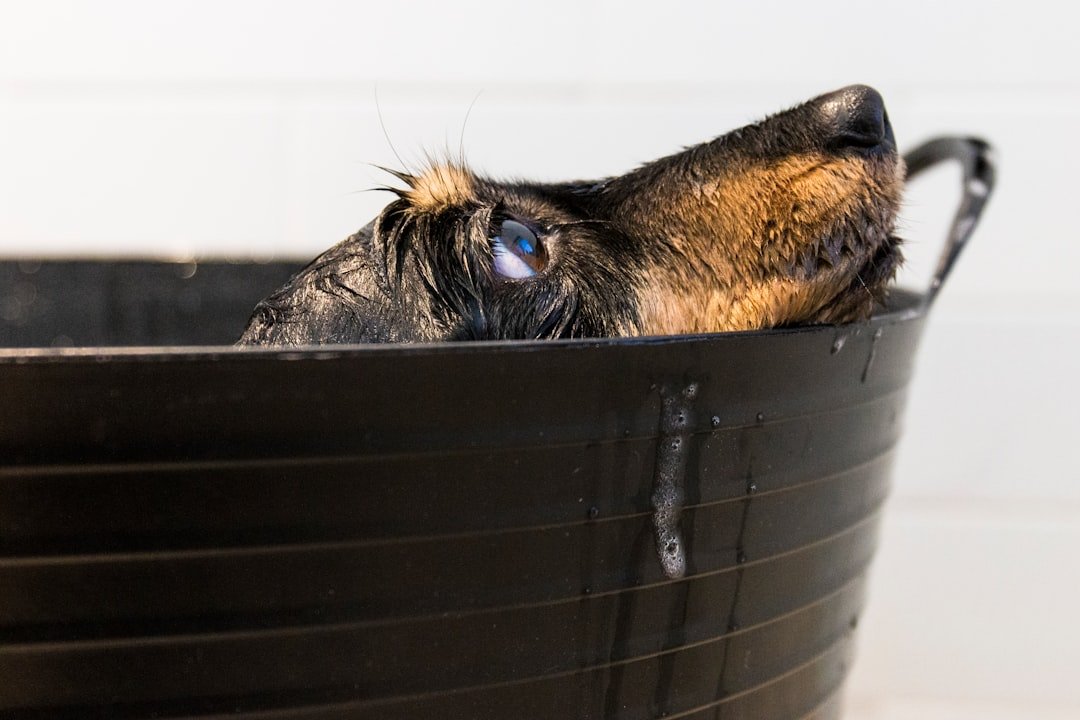
Picture this: you’ve got the towels laid out, the special doggy shampoo ready, and the bathtub filled with perfectly warm water. But the moment your furry friend catches wind of what’s about to happen, they transform into a four-legged Houdini, slipping through your fingers and bolting for the nearest hiding spot. If this sounds familiar, you’re definitely not alone in this sudsy struggle.
Bath time doesn’t have to feel like preparing for battle, but some dogs seem determined to turn it into exactly that. Whether it’s their survival instincts kicking in or just their natural dislike of getting soaked, certain breeds have perfected the art of bath avoidance. The good news? Once you understand why your pup acts like water is their greatest enemy, you can start turning those stressful washing sessions into something much more manageable.
The Dramatic Chihuahua
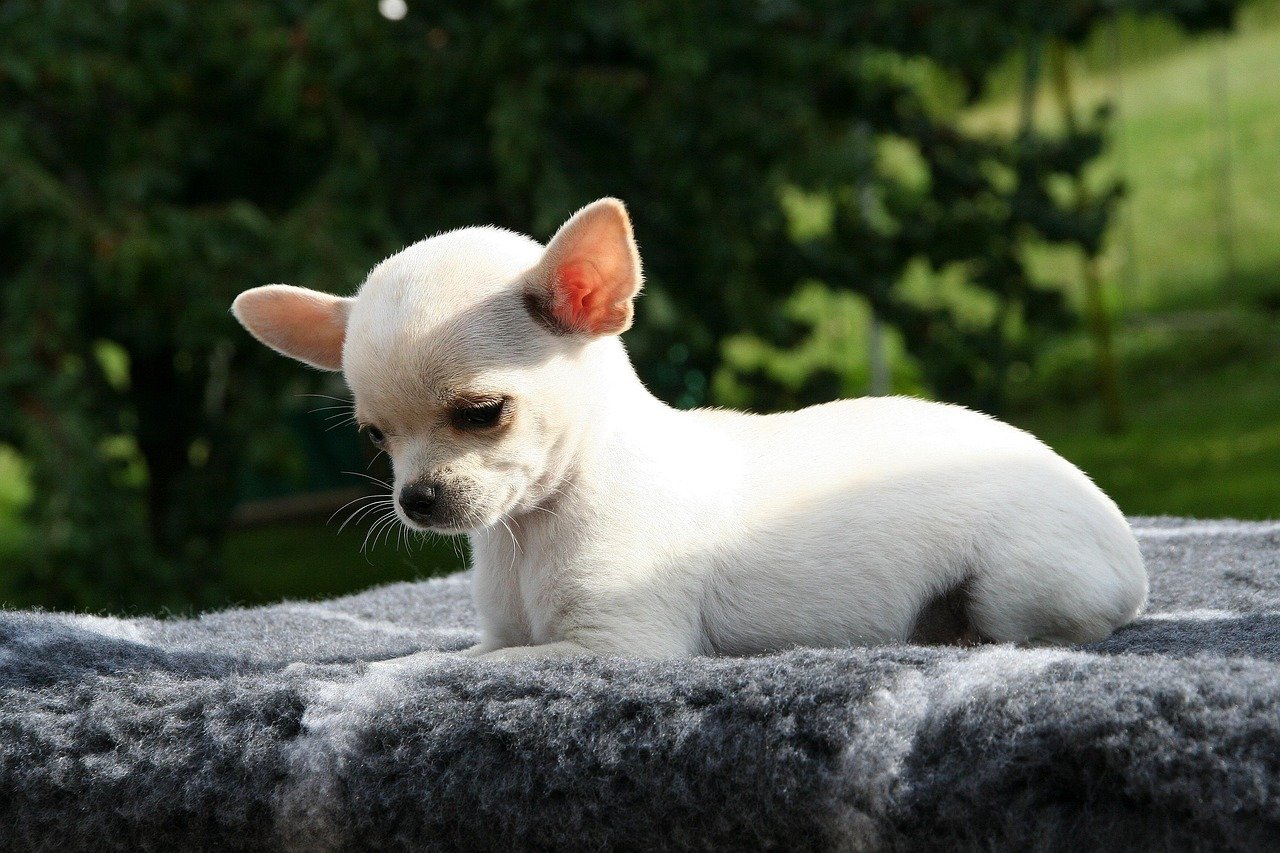
Small but mighty in their bathtime protests, Chihuahuas often display an impressive determination to avoid hot water, at all costs. Their tiny size makes them particularly sensitive to temperature changes, leading to dramatic displays of bathtub time resistance that can include shaking their tail, hiding, and even attempting to climb walls. These little dynamos pack big personalities into pint-sized bodies, and that includes some seriously theatrical bath-time performances.
Due to their small size and short fur, Chihuahuas lose body heat quickly. Cold water makes them uncomfortable and anxious, so even a shallow swim can be overwhelming. The key is keeping everything extra warm and moving quickly. Using calming aids like lavender-scented shampoos or playing soothing music can work wonders in easing their nerves. Establishing a consistent bathing routine also helps reduce their stress, so they know what to expect each time.
The Stubborn Shih Tzu
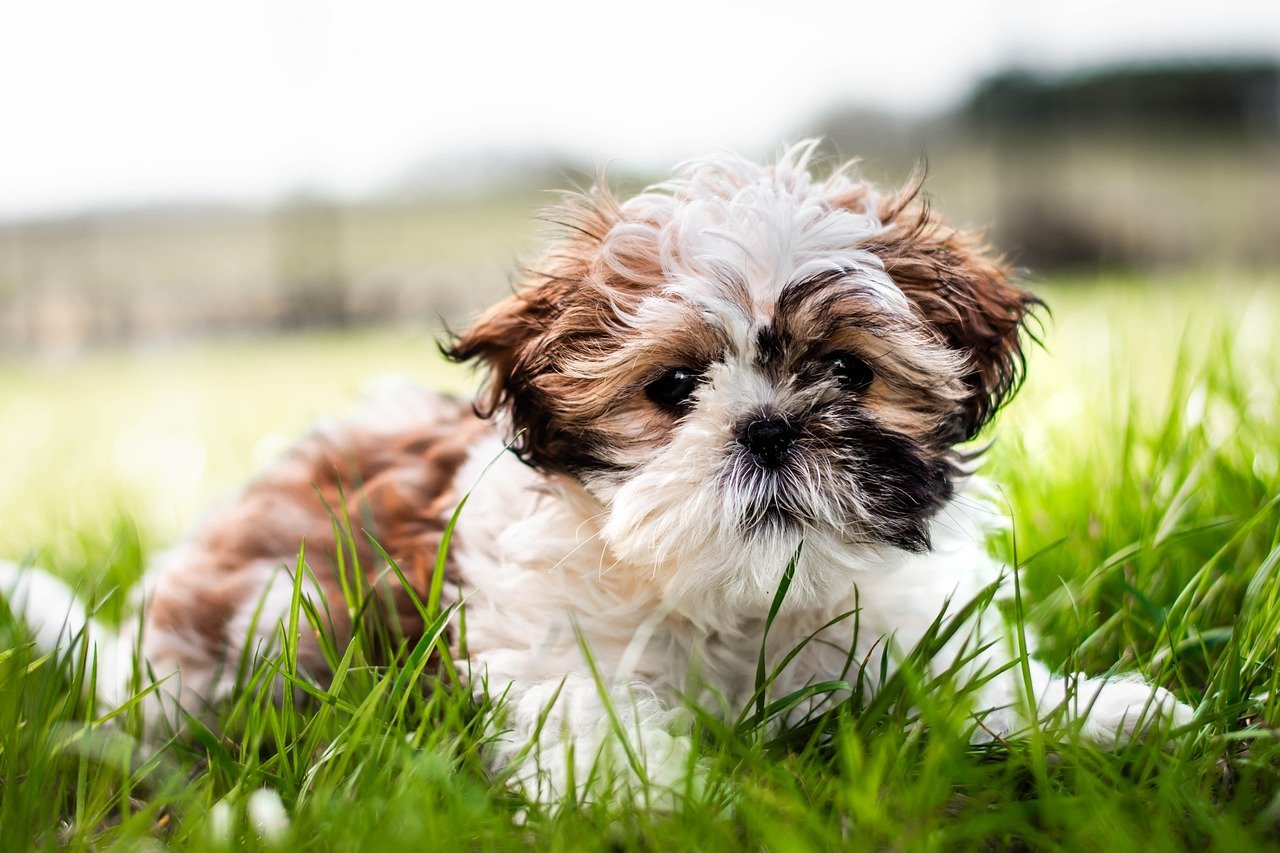
Shih Tzus may look like they belong in a salon commercial, but don’t be fooled by that flowing coat. Many Shih Tzus hate bath time. They are known for being sensitive and, at times, a little dramatic. That gorgeous, flowing coat that makes them look like royalty? It’s actually part of the problem during bath time.
Their long dog’s fur tangles easily when wet and makes the process uncomfortable. Water near their eyes, ears, and face can lead to negative associations. They often get chilly quickly, mostly in air-conditioned or drafty bathrooms. Use treats, soothing words, and warm towels to create positive memories. Try brushing their coat before and after the bath to prevent tangles. Think of it as preparing a delicate silk scarf for washing – patience is everything.
The Panicked Pug
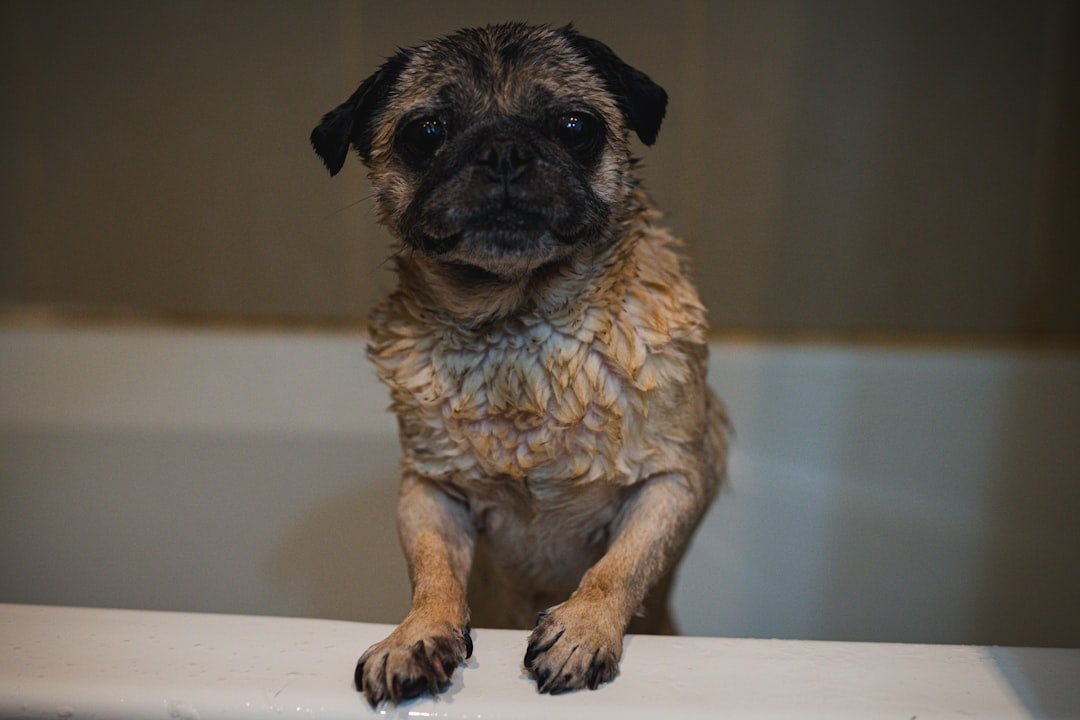
Pugs don’t like being cold and wet. The combo is their least favorite feeling. Their breathing issues make long grooming sessions uncomfortable, mostly in a hot and steamy room. Those adorable wrinkled faces and shortened airways that make them so endearing also make bath time genuinely challenging for them to handle.
Pugs also tend to panic easily if water touches their face, so try wiping them with a damp cloth instead of pouring water directly on their head. Use gentle shampoo, warm… not hot water. Break up the full bath into shorter sessions when needed. Their expressive eyes might give you guilt trips, but staying calm and working in short bursts helps everyone breathe easier – literally.
The Escape Artist Dachshund
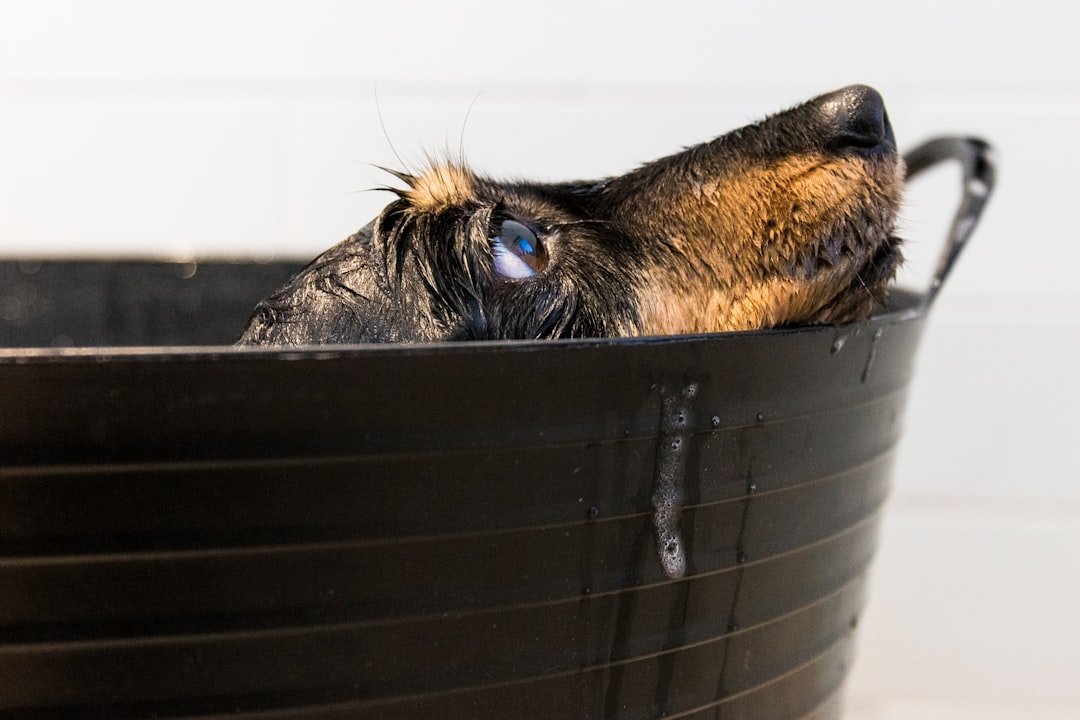
This long-bodied, low-to-the-ground dog breed is known for being curious, bold, and just a little bit stubborn. Unlike water-loving dogs, Dachshunds tend to hate bath time because it limits their movement, and they are not fans of anything that doesn’t involve their feet firmly planted on the ground. These sausage-shaped escape artists have turned bath avoidance into an art form.
Their unique body shape makes them feel particularly vulnerable when wet and slippery. Try using a non-slip mat and keeping one hand gently but securely supporting their long back throughout the process. A non-slip silicone mat on the bottom of your tub/shower/sink will give your dog a comfortable surface to stand on without slipping. Plus it will help catch any hair that sheds from your dog during bath time, making cleanup easier for you! Remember, slow and steady wins this particular race.
The Sensitive Yorkshire Terrier
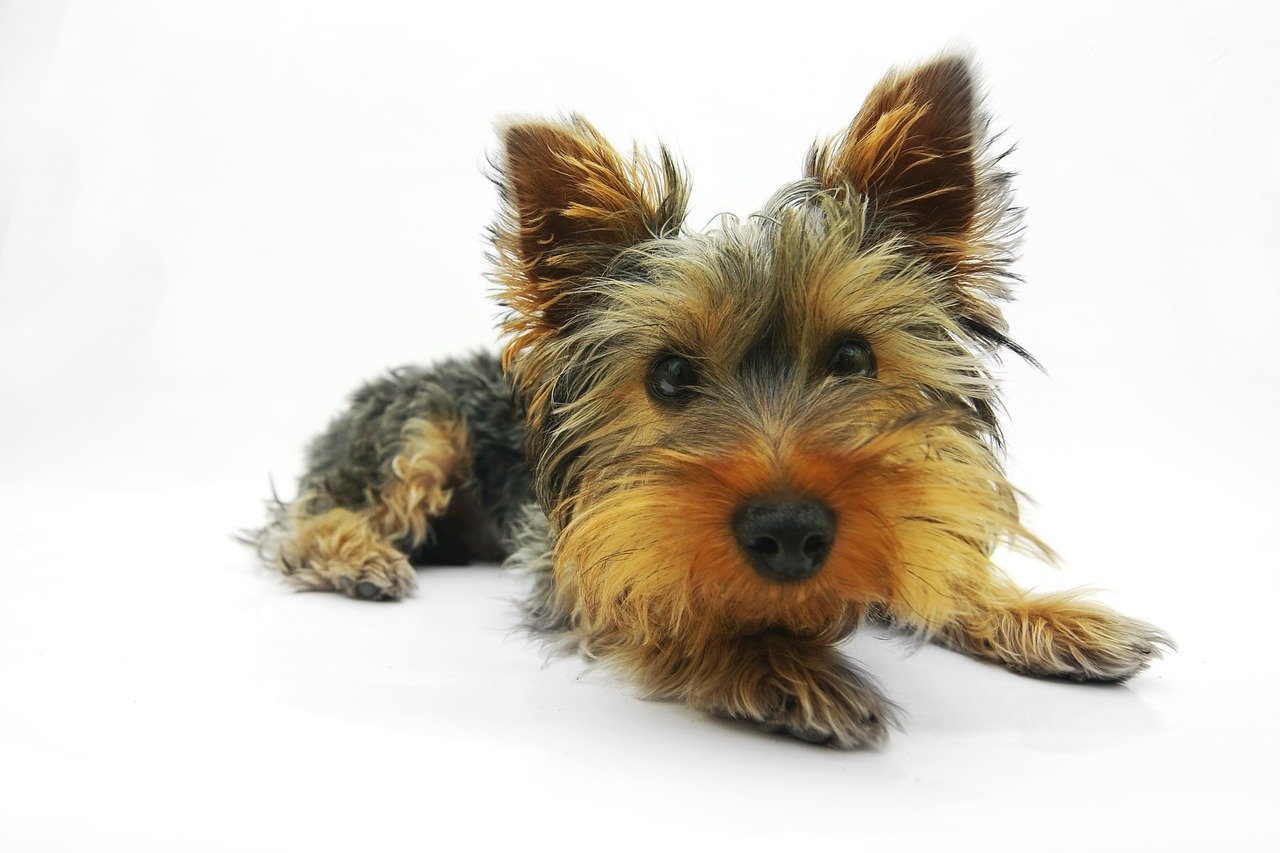
Yorkshire Terrier dogs are also wary of taking baths. As they have extremely sensitive skin, contact with water often irritates them. Additionally, even regular dog shampoos can irritate their skin, leading them to hate baths forever. These tiny terriers might be small, but their skin sensitivity is no small matter.
Yorkshire Terriers do best with a gentle shampoo, warm water, and a calm setup that reduces stress. Talk to your dog throughout the bath and reward positive behavior with soft praise and treats. Think of them as having the most delicate skin in the dog world – everything needs to be extra gentle, extra mild, and extra patient. Alongside this, if you offer treats and toys to it, it may get involved in the process much more enthusiastically. Avoid frequent baths initially and let your Yorkshire Terrier build confidence.
The Regal Pekingese
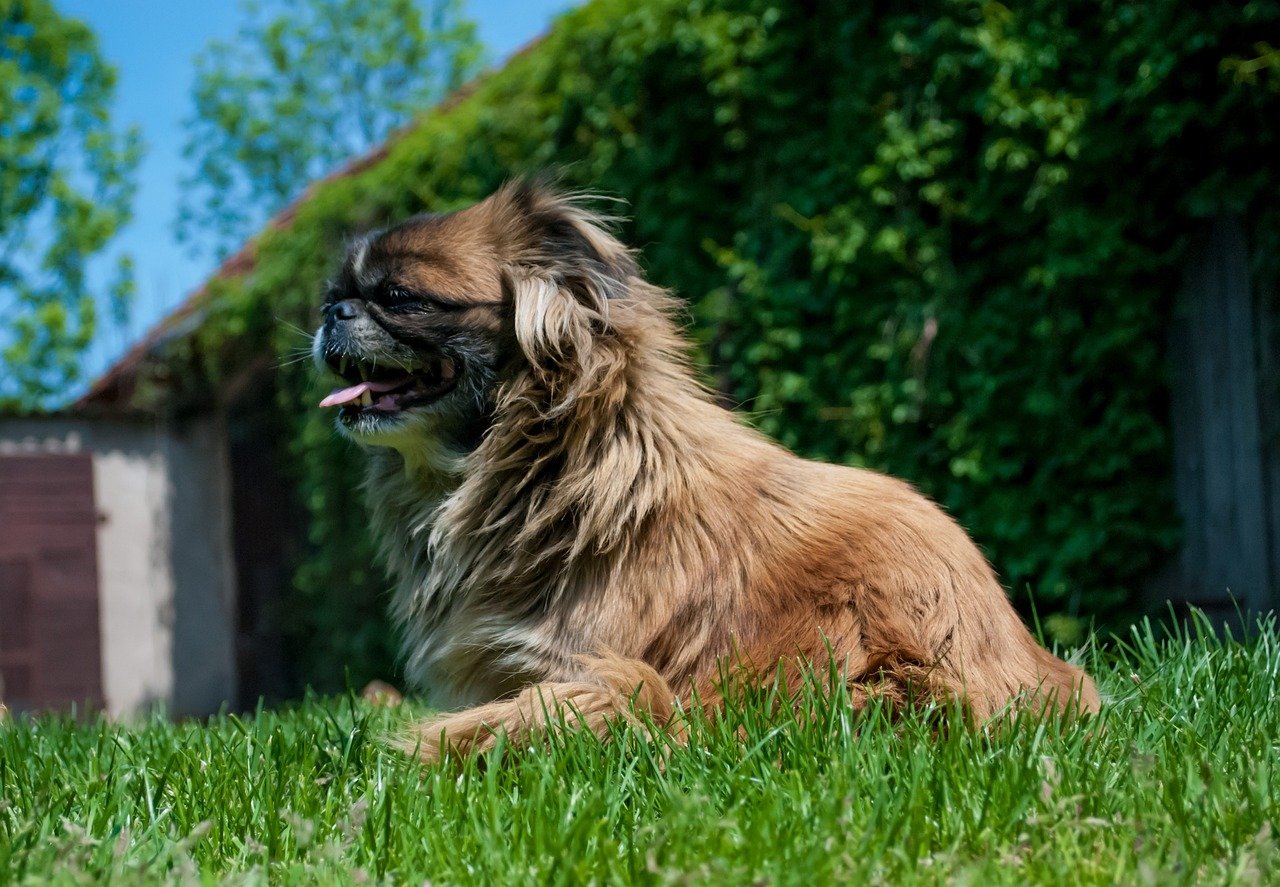
Pekingese may look like fluffy little royalty, and that’s exactly how they act, especially when it comes to avoiding water. With their compact bodies, short legs, and full coats, Pekingese were never built for aquatic adventures. Their flattened face makes it harder to breathe during exertion, and their thick coat becomes heavy and uncomfortable when wet. These imperial lap dogs have standards, and getting soggy definitely doesn’t meet them.
Pekingese is a furry dog, and the feel of wet fur can irritate it to the core. This is why it would do everything in its power to avoid it. In fact, many Pekingese will firmly plant their feet when faced with the prospect of a bath. Owners often have to coax them into water with calm encouragement and treats – and even then, a splash might earn them a look of royal betrayal. Keep sessions short and sweet – their royal patience has limits.
The Anxious Afghan Hound
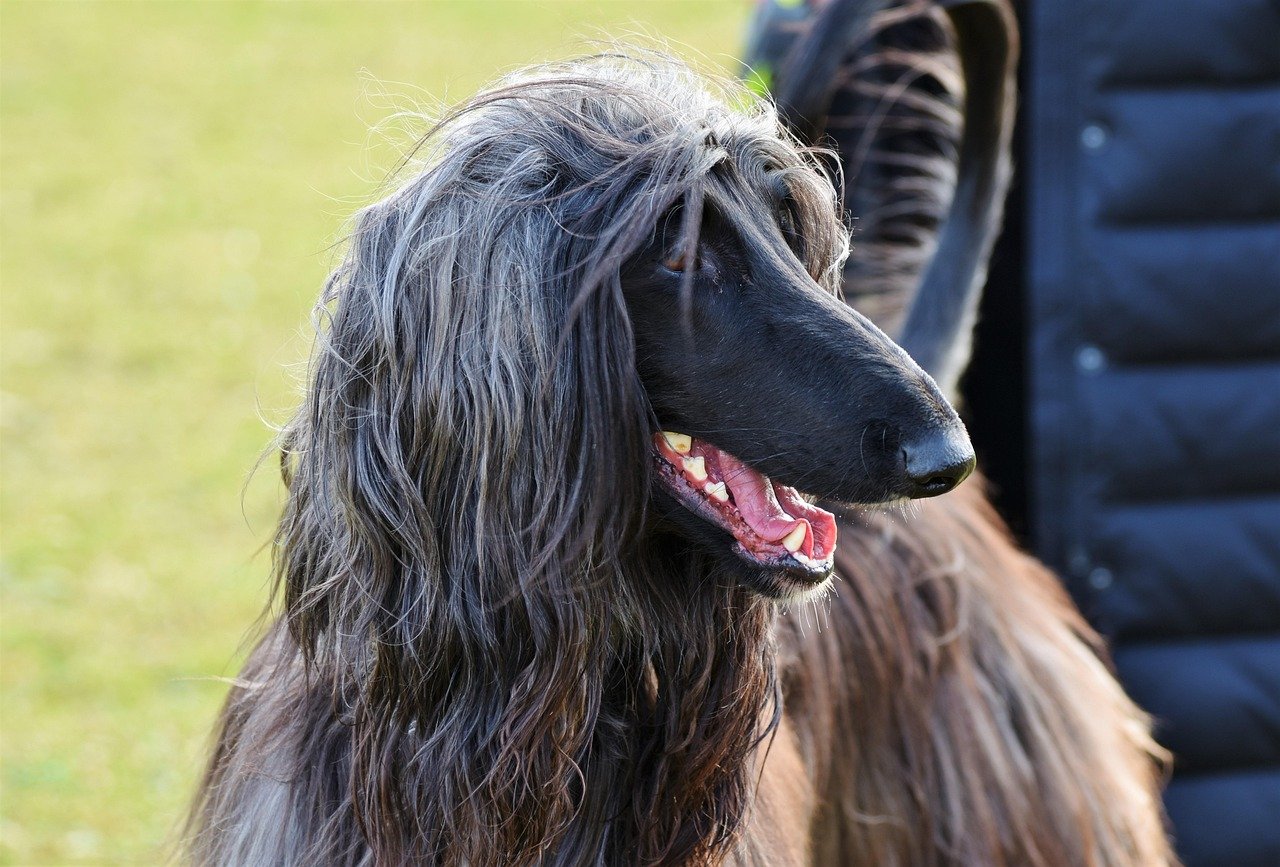
Afghan Hounds, with their flowing, silky coats, might seem like natural candidates for luxurious spa treatments. But beneath all that gorgeous hair lies a dog that often feels overwhelmed by the entire bathing process. Their long, elegant coats require extensive preparation and drying time, which can make the whole experience feel endless to them.
These sight hounds were bred to run across desert terrain, not sit still in sudsy water. The sensation of being confined and wet goes against every instinct they have. Their independent nature means they’d much rather handle their grooming themselves, thank you very much. Patience and gentle handling are essential – think of it as convincing a supermodel to sit still for a very long photo shoot.
The Independent Basenji
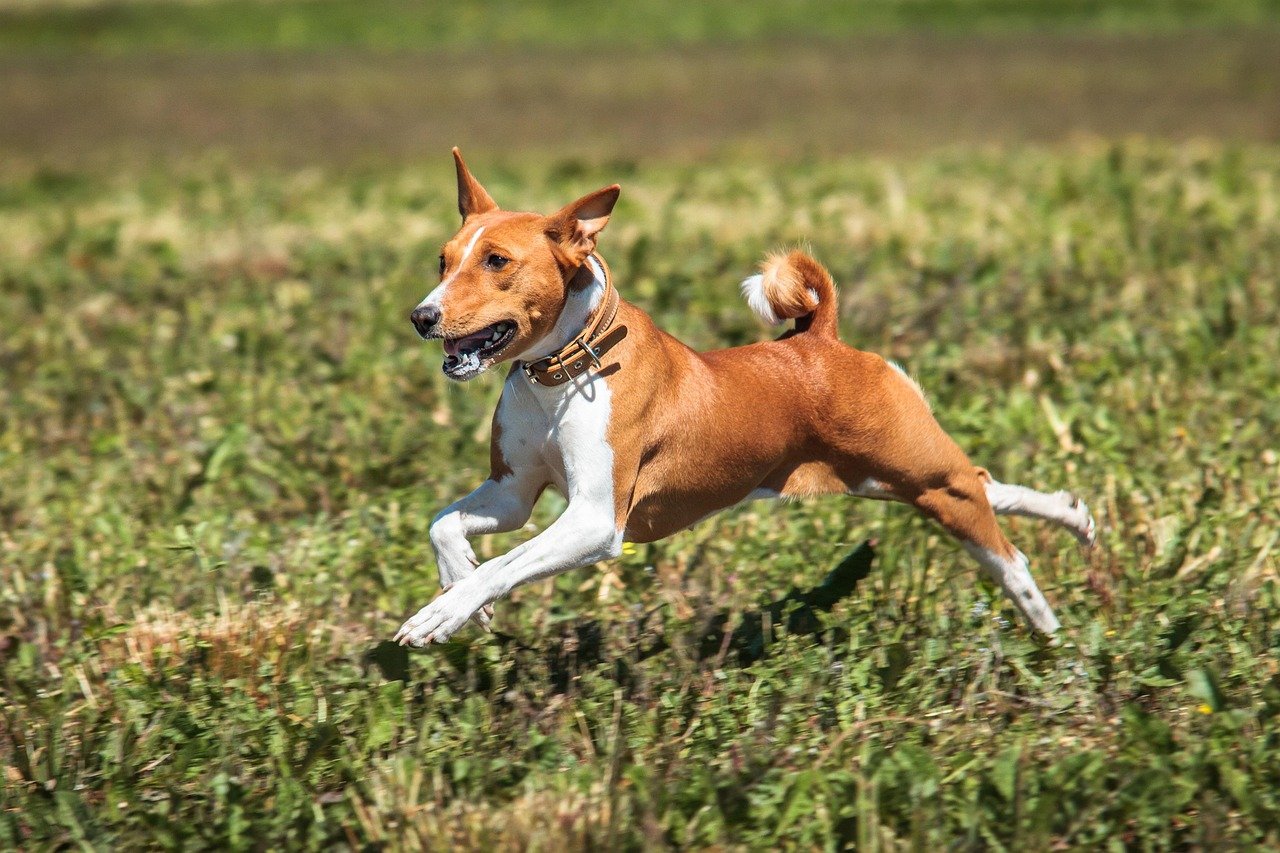
Also, thanks to their catlike grooming habits and short coats, these barkless dogs don’t need bathing unless they get awfully dirty. In spite of their Central African woodland origins (or maybe because of it) Basenjis dislike getting wet. They sometimes refuse to go outside if it is raining. They are clean animals, and fastidious with their personal grooming, forever licking themselves. These “barkless dogs” might not voice their complaints loudly, but they’ll certainly show you their displeasure.
The Basenji, resembling a cat in grooming habits, keeps himself immaculate. Baths should be needed only every few months, and while they do shed (like all dogs), the short and fine nature of their hair makes it less noticeable than in some other breeds. Their cat-like independence extends to bath time – they genuinely believe they can handle the cleaning themselves, and honestly, they’re usually right. When you do need to bathe them, keep it quick and respect their dignity.
The Fluffy Bichon Frise
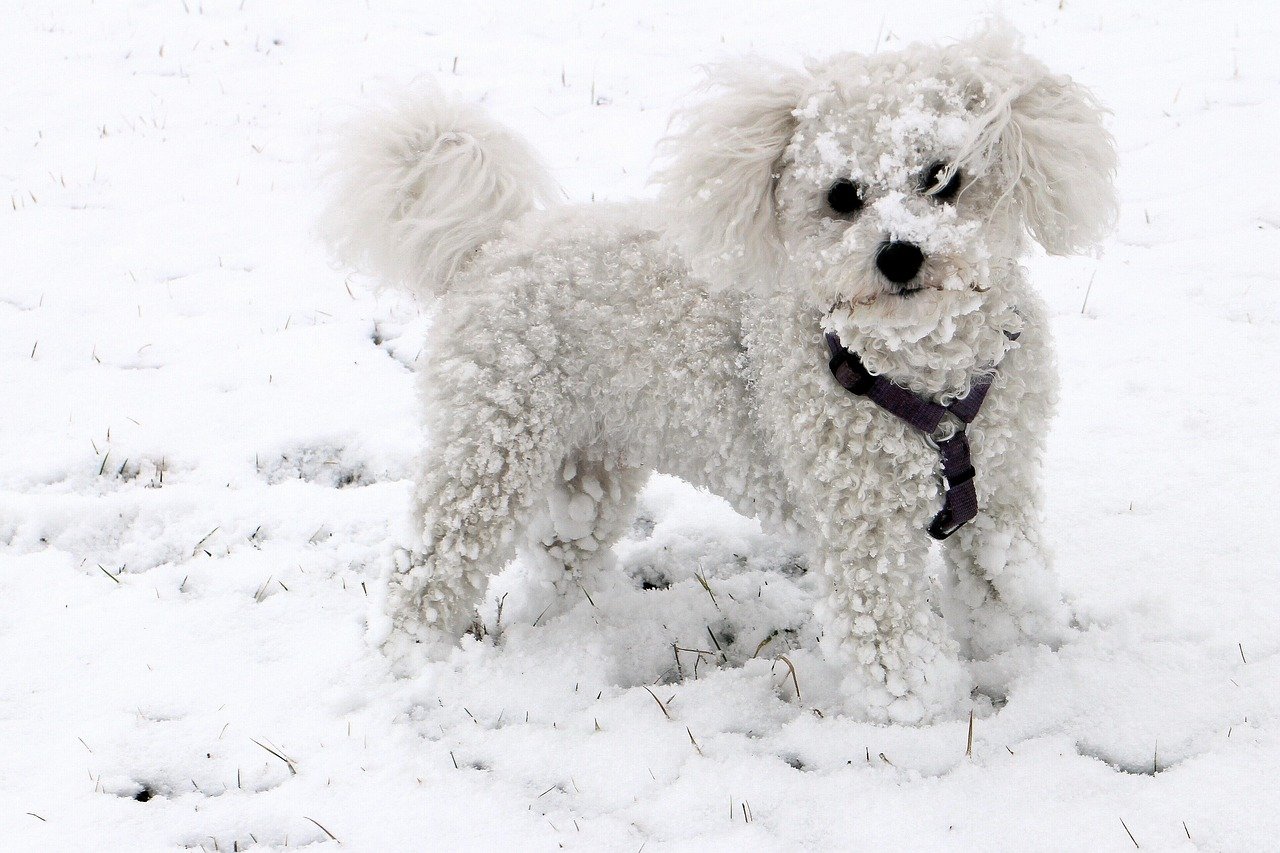
Here’s an interesting contradiction: Bichon Frises actually need regular baths to keep their gorgeous white coats looking pristine, but that doesn’t mean they enjoy the process. Bichon Frises should be bathed every 3 to 4 weeks or more frequently if they become particularly dirty. Bathing helps keep their coat clean, soft, and free from any unpleasant odours. Use a mild, hypoallergenic dog shampoo to avoid skin irritation and ensure the coat remains fluffy and healthy.
After bathing, thoroughly rinse out all shampoo residue and dry their coat completely. Leaving the coat damp can lead to skin issues and matting. You can use a blow dryer on a low heat setting to help achieve their signature fluffy look, but be sure to brush them while drying to prevent tangles. The irony is that these cotton-ball-looking pups often act like they’re dissolving in water. Their dramatic reactions are usually more about the unfamiliar sensations than any real distress.
The Stubborn English Bulldog
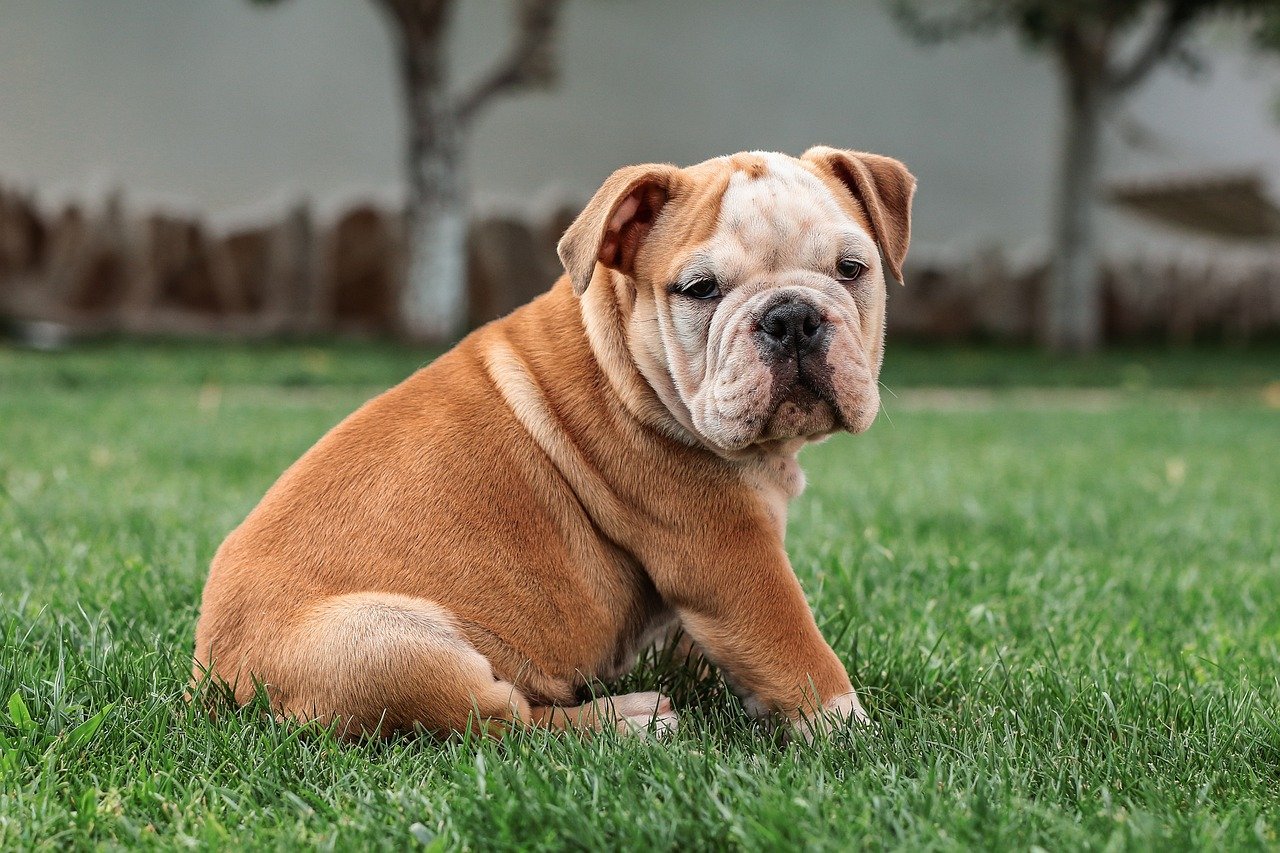
My vet says once every couple weeks with an antifungal shampoo as a preventative is good. He bullies tend to have a build up of bad bacteria on their skin and this is why they have so many skin issues. English Bulldogs need regular baths for their health, but convincing them to cooperate is another story entirely. Wrinkly dogs such as English Bulldogs, French Bulldogs, and Pugs are prone to getting dirt and debris stuck in their skin folds and wrinkles. It is important to keep their skin folds and wrinkles clean to prevent bacterial and yeast infections.
Their stocky build and breathing challenges make them genuinely uncomfortable when wet and confined. Like their French cousins, they prefer to take life at their own pace, which definitely doesn’t include hurried bath times. Their wrinkles need special attention, but they’d rather you just admire them from a distance. Patience and plenty of breaks are essential for these gentle giants.
The Dramatic French Bulldog
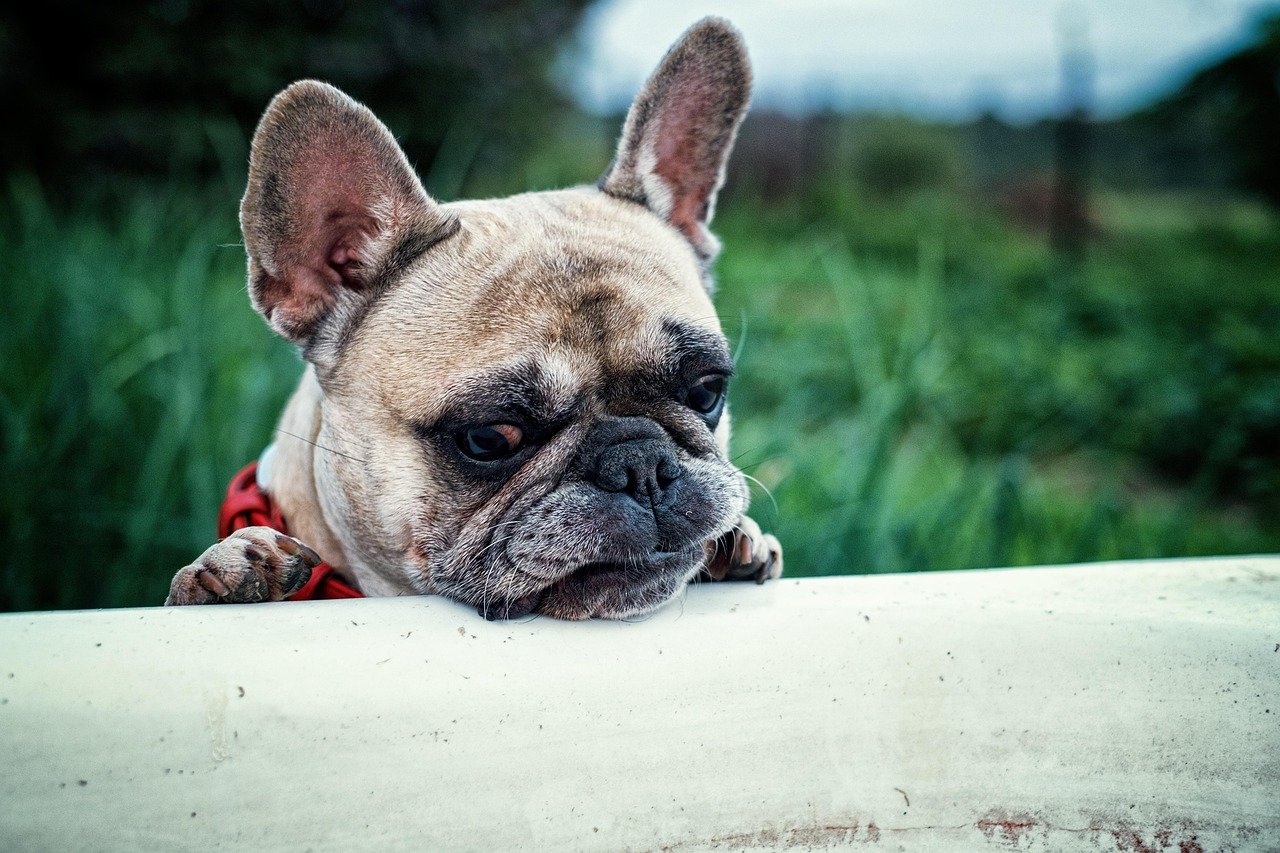
He will be fine once he gets used to baths, although he may never like them (most Frenchies don’t). French Bulldogs have perfected the art of making you feel guilty about bath time. Banksy is 10 weeks old now and ABSOLUTLEY hates bath time. He hated both. He shakes for a while after the bath is over and during the whole time just tries to escape and is very unhappy.
French Bulldogs have a single short coat of hair because of this they get cold quickly. During summer, they are prone to heatstroke because it is hard for them to regulate their temperature efficiently. Also, they only have one layer coat breed, bathing them regularly can strip their skin of its natural oil which helps protect them. Their flat faces and compact bodies make temperature regulation tricky, so they genuinely struggle with the whole wet-and-cold situation. Keep the room warm and the process quick.
The Delicate Maltese
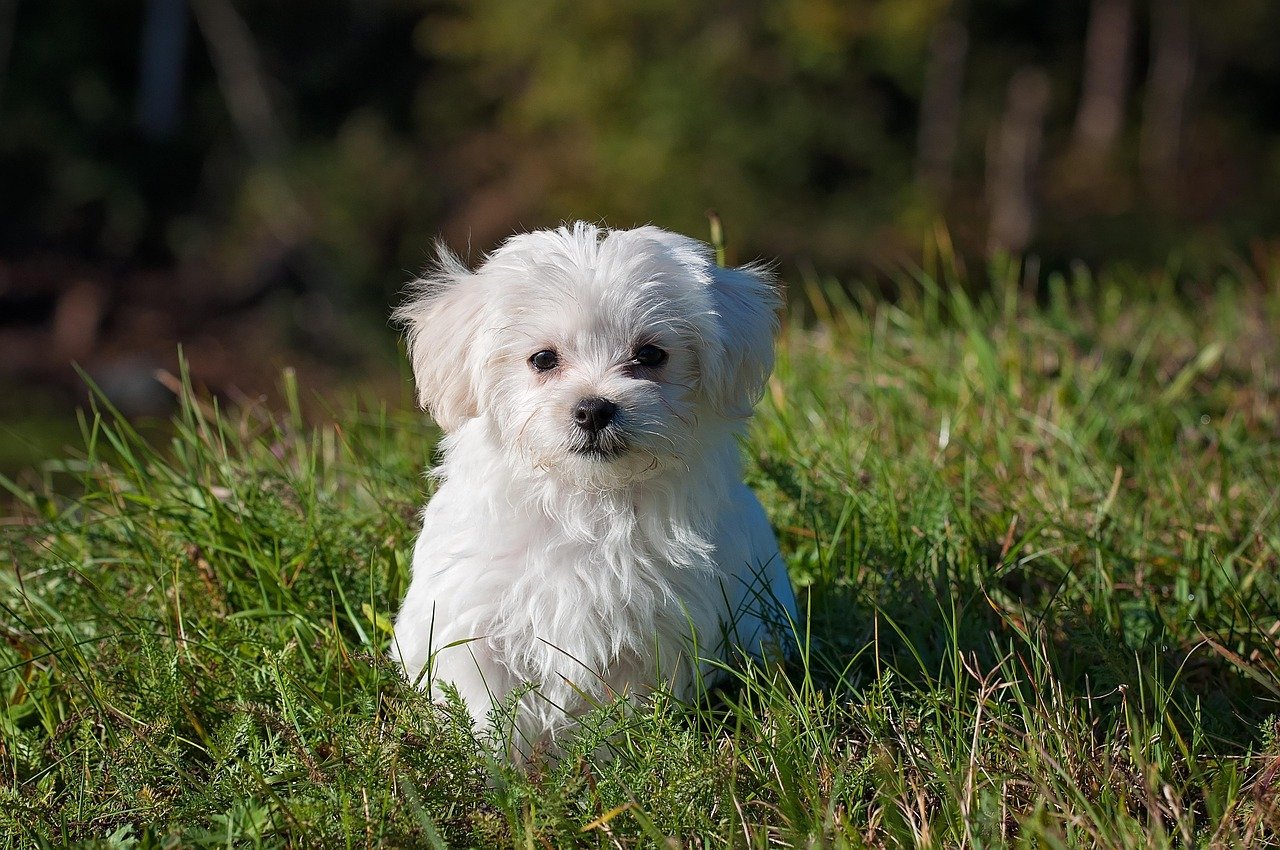
The Maltese is delicate, fluffy, and fabulous, but this dog breed isn’t thrilled about getting sudsy. This little, adorable pup is also one of those dogs that hate baths. For a Maltese, consider a kiddie pool as it is not slippery. These silky white lap dogs look like they should love spa treatments, but they’re actually quite sensitive about the whole process.
They don’t smell much, are small and hardly shed. The white coat requires daily gentle brushing and combing to the skin to avoid mats and tangles. Maltese also have fast-growing nails that should be trimmed regularly. Their delicate nature means everything needs to be gentler, quieter, and more carefully controlled. Think of them as the china dolls of the dog world – beautiful but requiring extra-special handling. Their reactions to bath time are often more about feeling overwhelmed than actual discomfort.
Conclusion
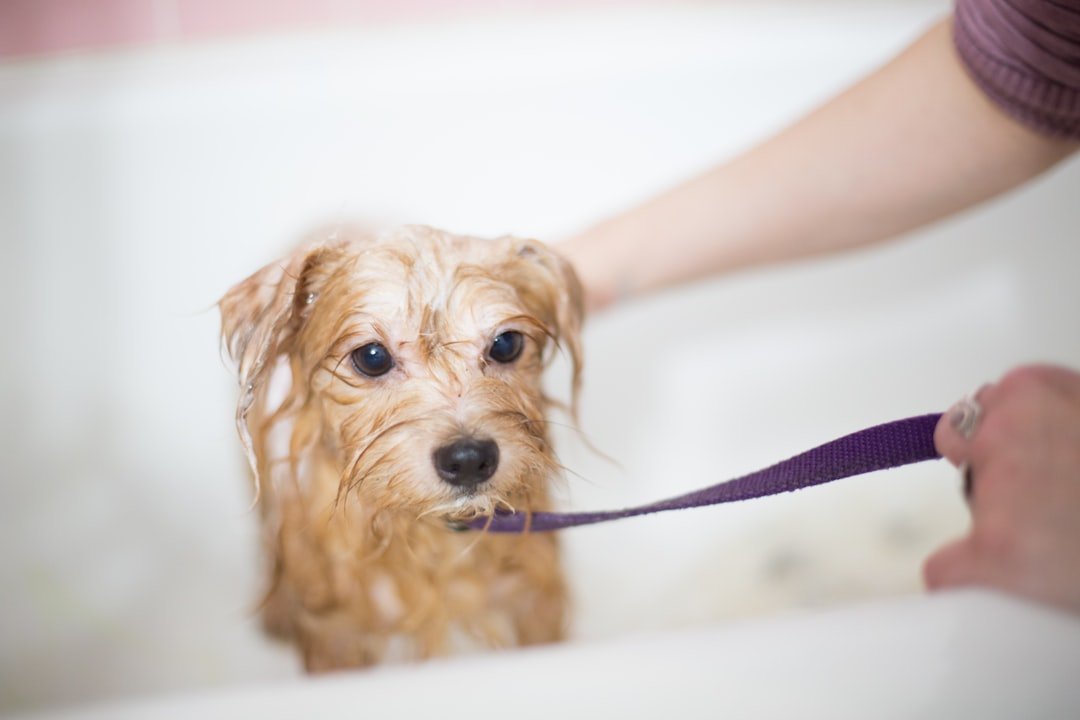
Bath time battles don’t have to define your relationship with your furry friend. Understanding that your dog’s resistance often comes from genuine discomfort, unfamiliar sensations, or past negative associations helps you approach the situation with more patience and creativity. Remember, most dogs that hate baths aren’t being stubborn just to spite you – they’re usually trying to communicate that something about the experience feels scary or uncomfortable.
The secret lies in taking things slowly, creating positive associations, and respecting your dog’s individual needs and sensitivities. Some dogs might always merely tolerate baths rather than enjoy them, and that’s perfectly okay. What matters is making the experience as stress-free as possible for both of you.
Every small victory counts, whether it’s your Chihuahua standing still for thirty seconds or your English Bulldog not immediately bolting at the sound of running water. With consistency, patience, and the right approach for your specific breed, those wrestling matches can transform into manageable routines.
What surprised you most about why your pup turns into a bath-time escape artist?


