

Picture this: you walk through your front door after a long, draining day at work, only to find your favorite armchair looking like it’s been through a paper shredder. Cushions exploded everywhere, wooden legs gnawed down to splinters, and your beloved furry friend sitting nearby with that guilty “oops” expression plastered across their face. Your blood pressure spikes. The urge to yell feels almost overwhelming.
Yet here’s what most dog lovers don’t realize: that moment when you open your mouth to scream might be the exact moment you damage your relationship with your dog more than any chewed furniture ever could. The science behind canine psychology reveals some startling truths about how our reactions shape our dogs’ behavior. What feels like justified frustration in that heated moment could actually be creating a cycle that makes the chewing worse, not better.
So let’s get started on understanding why keeping your cool isn’t just better for your dog’s wellbeing – it might be the key to solving your furniture troubles once and for all.
The Hidden Science Behind Your Dog’s Stress Response

When you raise your voice at your dog, something fascinating yet troubling happens inside their body. Dogs in negative reinforcement programs showed more stress-related behaviors during training, such as lip licking and yawning, and they had higher levels of cortisol in their saliva than when at home. That surge of cortisol – the stress hormone – doesn’t just disappear when your shouting stops.
Research from the University of Porto reveals that dogs that had undergone adverse training methods were found to have higher cortisol levels in their saliva and displayed more stress behaviors. Think of it like this: if someone screamed at you every time you made a mistake at work, wouldn’t you eventually dread going to the office? Your dog experiences something remarkably similar when furniture chewing leads to yelling sessions.
Why Screaming Actually Makes Chewing Behavior Worse

Here’s where things get really interesting – and frustrating for dog owners. Sure, yelling was effective – indeed, we all got startled and stopped what we were doing. Yet, the aftershocks lasted very little; soon, the children were back to misbehaving as before! The same principle applies to dogs. That momentary pause when you scream? It’s not learning – it’s fear.
Constant yelling will create a pattern of negative reinforcement. That shows your dog she has no incentive to come back. When chewing becomes associated with your explosive reactions, your dog learns to chew when you’re not around. They don’t stop the behavior; they just become sneakier about it.
The Long-Term Psychological Damage You Can’t See

The most heartbreaking part about yelling at dogs isn’t what happens immediately – it’s the lasting psychological scars. Sure enough, the more aversive training a dog had received, the more slowly it approached the bowl in reward-based tests conducted months after training. This means dogs who’ve been yelled at develop a more pessimistic outlook on life.
The system of using aversive like “yelling” may have helped suppress unwanted behavior in dogs, but studies show that it leaves a long-lasting negative impact on your dog. More like a stress disorder. Imagine living with constant anxiety because you never know when the next outburst might come. That’s the world we create for our dogs when we let our emotions take control.
Reading the Signs: What Your Dog’s Body Language Really Means

Dogs can’t tell us they’re stressed, but their bodies are constantly communicating if we know how to listen. People yawn when they’re tired or bored, but dogs yawn when they’re stressed. Dogs use yawning to calm themselves in tense situations and to calm others, including their owners. That yawn after you’ve scolded them? It’s not boredom – it’s emotional distress.
Other signs include tucking their tail between their rear legs, it may be a sign of stress. Dogs may tuck their tails when they feel stressed or submissive. Watch for lip licking when no food is around, excessive panting, or that haunting “whale eye” where you see more white than usual around their eyes. These aren’t random behaviors – they’re cries for help.
Understanding the Real Reasons Behind Furniture Chewing
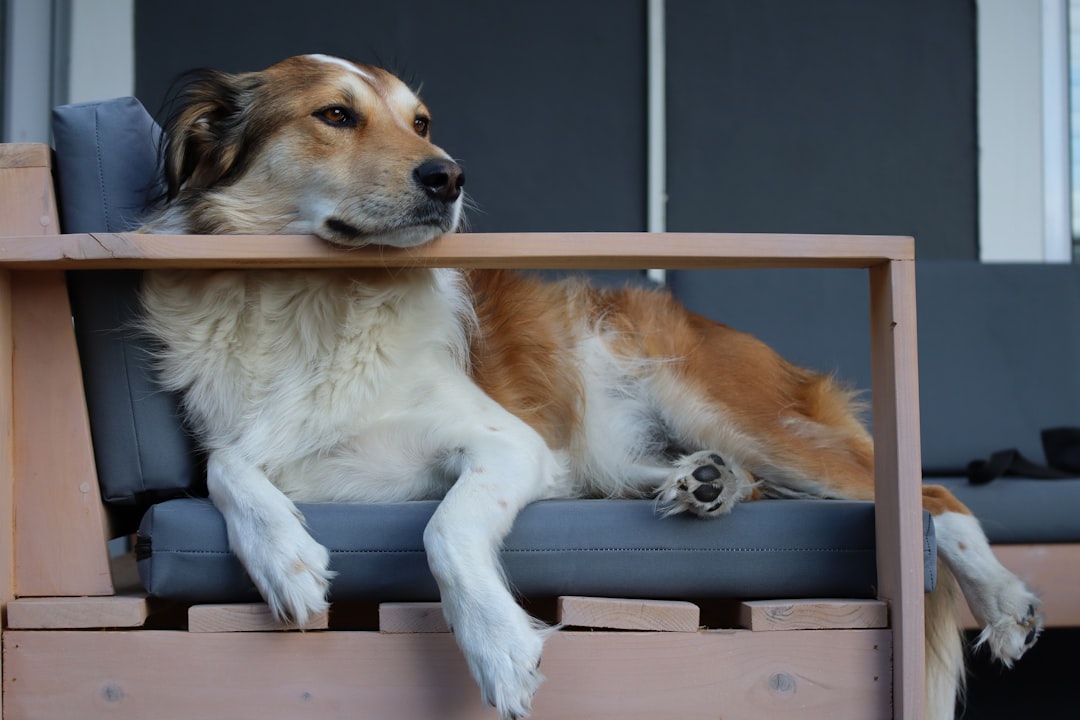
Before we can solve the chewing problem, we need to understand why it happens. Wolves, dogs’ ancestors, chewed on bones, sticks, and other materials in the wild, and those instincts remain in their domesticated descendants. Essentially, dogs use their mouths like we use our hands: as a tool for exploring and interacting with their world.
The truth is, some dogs simply do not get enough physical and mental stimulation. Bored dogs tend look for ways to entertain themselves, and chewing is one option. To prevent destructive chewing, be sure to provide plenty of ways for your dog to exercise his mind and body. That expensive couch leg isn’t just wood to your dog – it’s entertainment, stress relief, and mental stimulation all rolled into one.
The Positive Alternatives That Actually Work
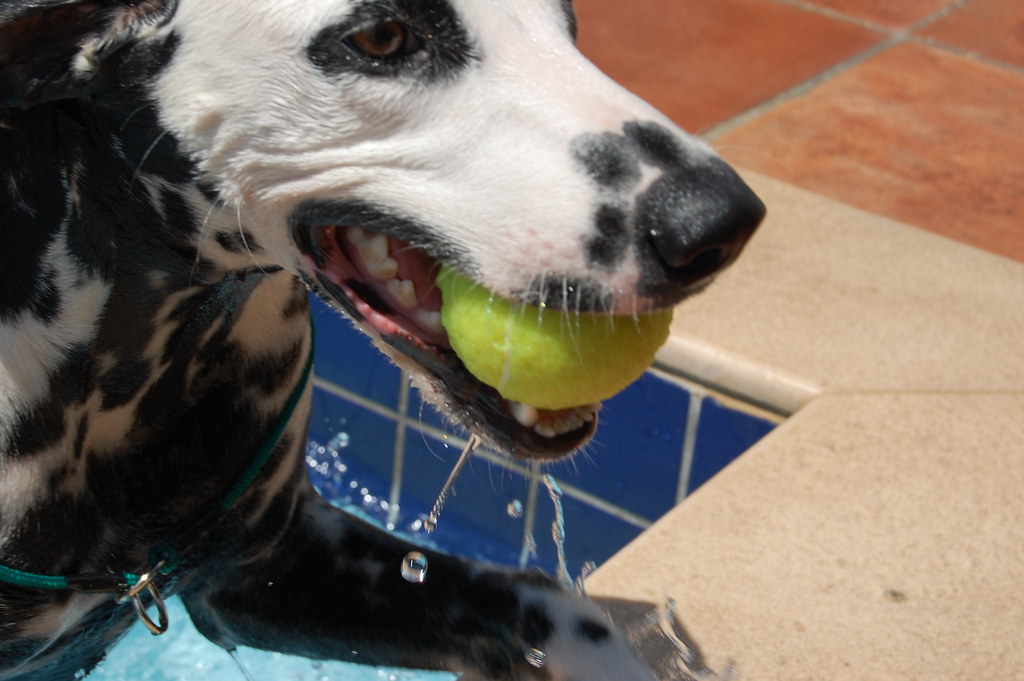
Instead of adding stress to an already stressful situation, try redirection techniques. Redirection is a training technique in which you redirect your dog’s bad behavior (chewing on your wooden furniture) to an appropriate behavior (chewing on a bone or chew sticks). The moment you catch them chewing something inappropriate, calmly redirect them to an approved chew toy and praise them when they make the switch.
Using positive dog training techniques is a foundational method in dog training that rewards desired behaviors. This can include treats, praise, or playtime whenever a dog exhibits the behavior you want to encourage. This strengthens the association between the command and the behavior, making your dog more likely to repeat it. Positive reinforcement builds confidence rather than fear.
Creating a Chew-Friendly Environment

Smart dog ownership means setting your pup up for success. The first thing the parents of a dog who’s prone to destructive chewing should do is remove the obvious temptations around their home. Keep your shoes, laundry, and other off-limits items out of your dog’s reach. It’s like putting cookies on the top shelf when you’re trying to diet – why make it harder than it needs to be?
Consider using dog-safe bitter sprays can be applied to furniture and cabinets to deter problem chewers. These sprays leave an unpleasant taste wherever they’re sprayed, making those surfaces a whole lot less fun for your pup to chew on. Think of it as adding a natural deterrent rather than waiting for the crime to happen and then punishing after the fact.
Building Trust Through Calm Communication
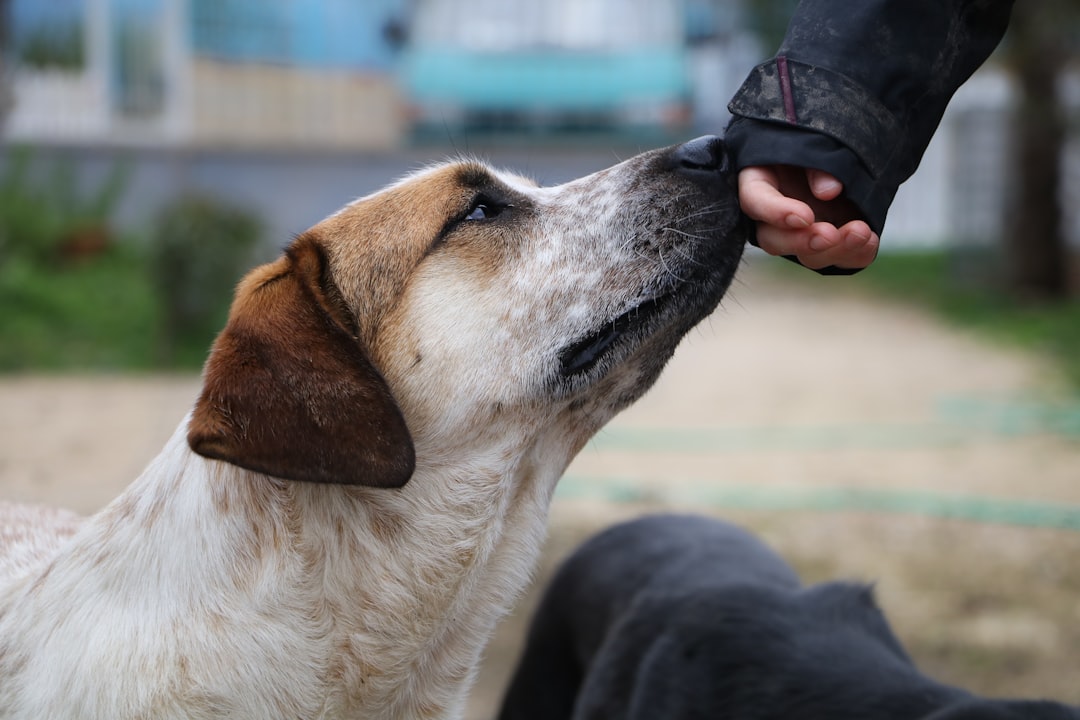
The relationship between you and your dog should be built on trust, not fear. But the only reason it works is because it’s scary. If it wasn’t scary there would be no reason for your dog to try to avoid it. No one wants a dog that is scared of them, and being scared certainly won’t help the dog make better decisions in the future. When we scream, we’re not teaching – we’re intimidating.
Train your dog like CIA agents do, and teach her to respond to commands when you use a conversational tone. Doing this will make obedience training sessions more productive and reduce behavior problems. Dogs hear much better than humans do, so that conversational tone is actually more effective than shouting. Your calm confidence becomes their security blanket.
Conclusion
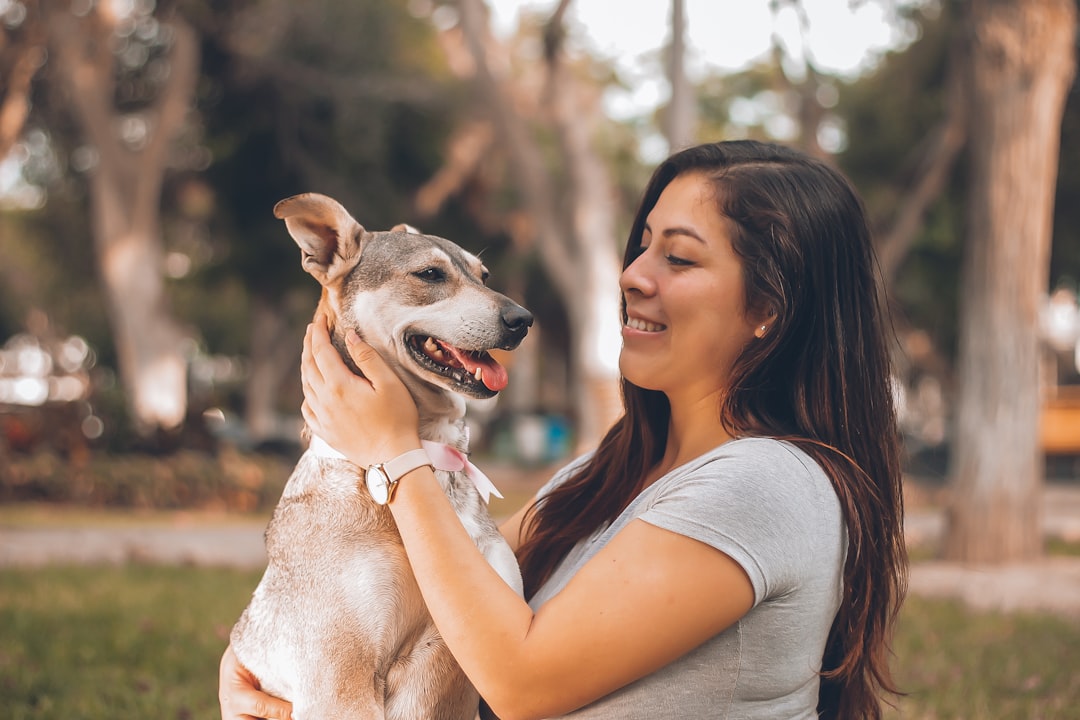
The next time you discover furniture casualties, take a deep breath and remember this: your reaction in that moment shapes not just your dog’s future behavior, but your entire relationship. Science shows us that screaming creates stressed, anxious dogs who are more likely to develop behavioral problems, not fewer. Meanwhile, patient redirection and positive reinforcement build confident, happy dogs who want to please you.
Your furniture can be replaced, but the trust between you and your dog, once broken, takes much longer to rebuild. Choose calm communication over explosive reactions, and you’ll discover that solving behavioral problems becomes much easier when your dog sees you as their calm, reliable leader rather than an unpredictable source of stress.
What do you think about it? Have you noticed changes in your dog’s behavior when you’ve remained calm versus when you’ve lost your cool? Tell us about your experiences in the comments.


