
Picture this: you walk into your home to find your beloved dog in an intense standoff with your cat, or worse, chasing your cherished feline companion up the nearest piece of furniture. Your heart sinks as you realize your dream of a harmonious multi-pet household might be crashing down around you. While many of us passionate animal lovers envision ourselves surrounded by various furry friends living in perfect harmony, the reality is that some dog breeds simply weren’t wired for sharing their space with other pets.
The truth might sting a little, yet it’s better to know upfront which breeds could turn your peaceful home into a battlefield. Understanding these challenges doesn’t make these dogs bad companions, it simply means they need the right environment to thrive. So let’s explore the breeds that might test your patience and your other pets’ peace of mind.
Akita: The Dominant Territory Guardian
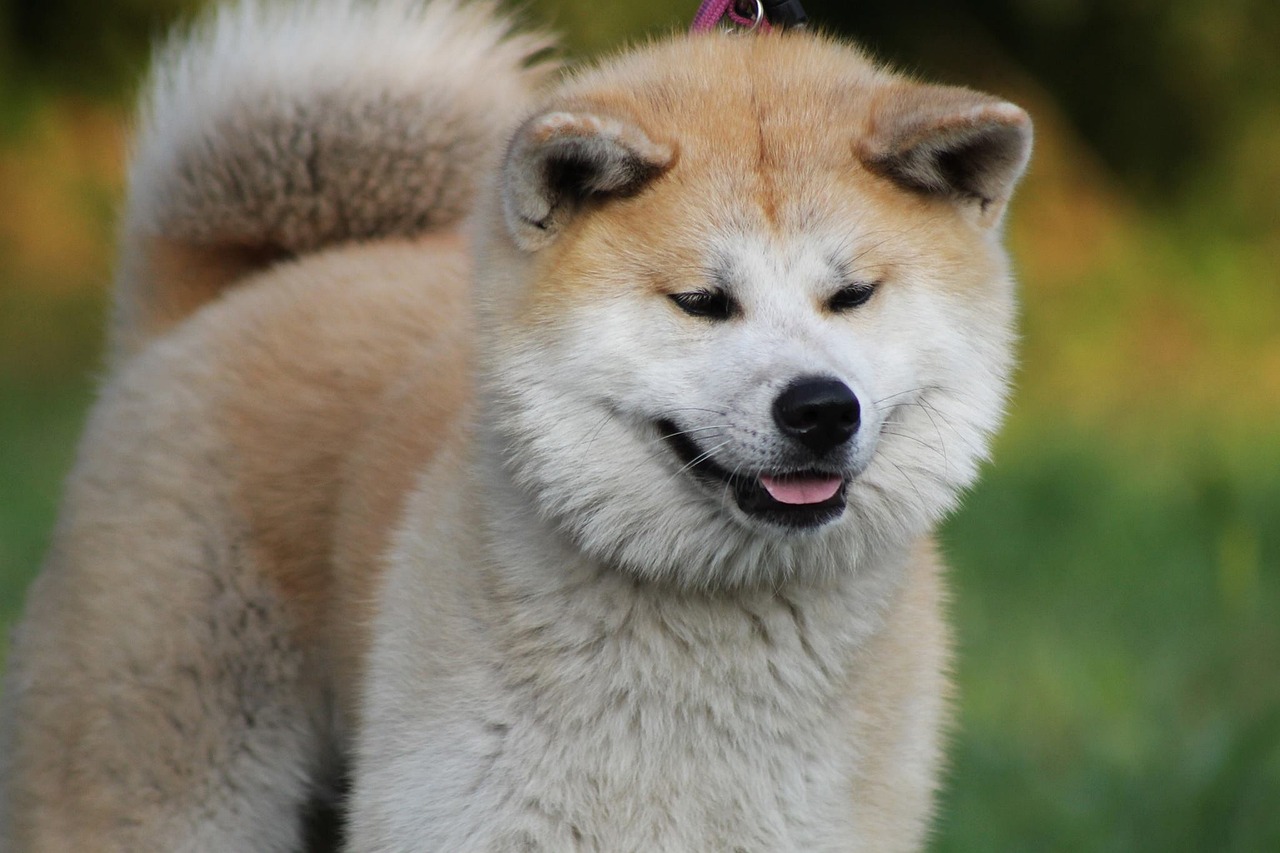
The Akita’s striking appearance and unwavering loyalty make them incredibly appealing, yet their deeply ingrained territorial nature creates serious challenges in multi-pet homes. They do not get along well with other dogs. And due to their protective nature, Akitas are not friendly around strangers.
Their independent streak runs so deep that they often view other pets as competition rather than companions. Akitas are naturally protective and can misinterpret children’s roughhousing or squeals as threats. This makes playdates or visiting kids particularly risky. This same misinterpretation extends to other household animals, creating an environment where tension constantly simmers beneath the surface.
Scottish Deerhound: The Unstoppable Chase Artist
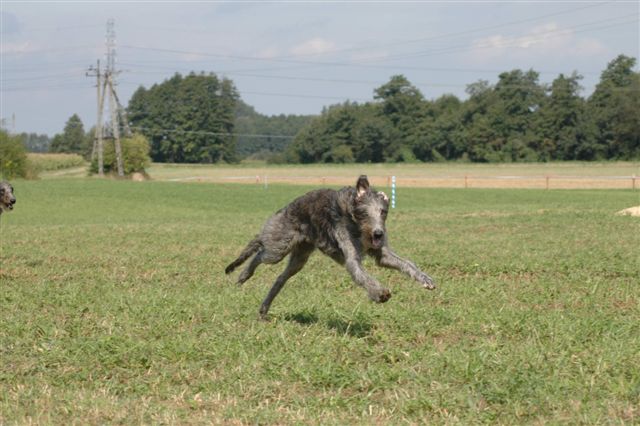
Because this breed was used to hunt deer, they have a high prey drive. Even with training, keeping a cat with a Scottish deerhound is not the best idea, as this breed is likely to chase your other pets. Their hunting heritage runs so deep in their DNA that no amount of training seems to completely override their instinctual responses.
This fluffy dog cannot easily be trained to stop chasing cats. What makes this particularly problematic is their sheer size and speed, which can quickly turn playful pursuit into genuine danger for smaller pets. Their gentle nature with humans doesn’t extend to their relationship with other animals, making them a risky choice for households with multiple species.
Samoyed: The Stubborn Predator
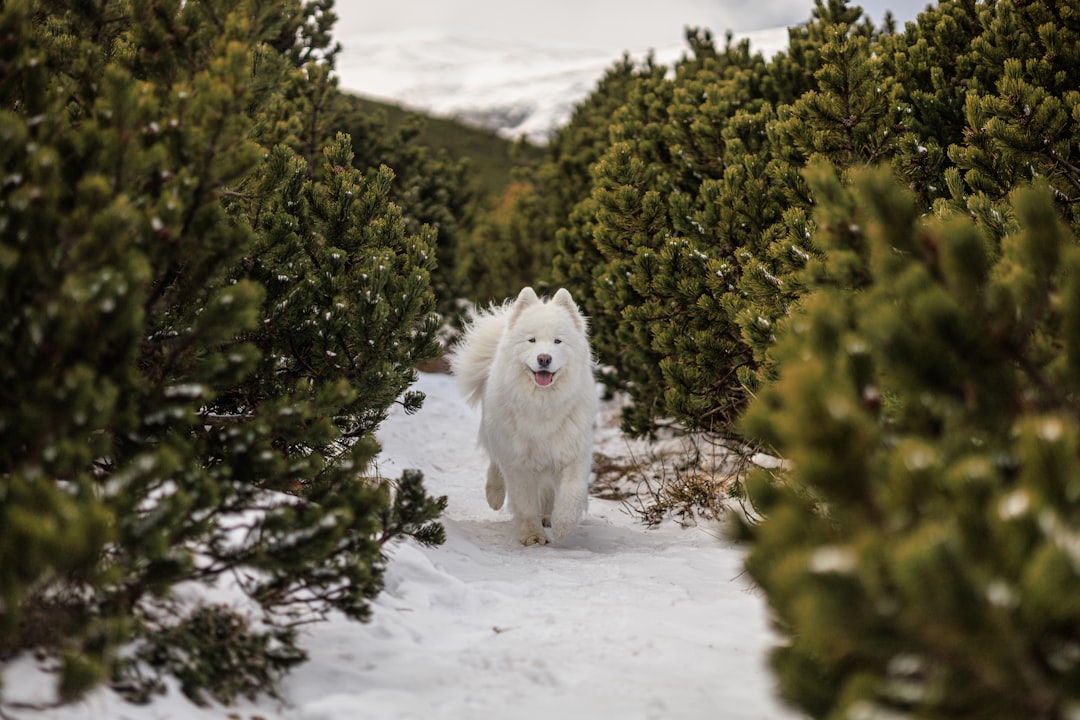
Despite their gorgeous fluffy appearance and typically cheerful demeanor, Samoyeds harbor a troubling secret when it comes to other pets. This breed may have a strong prey drive and could potentially chase smaller animals due to their herding background. Their stubborn nature can make training challenging.
Their herding background creates an almost irresistible urge to chase and control smaller animals, yet their stubbornness makes redirecting this behavior nearly impossible. The combination of their powerful build and determined personality means that once they set their sights on another pet, stopping them becomes a monumental challenge.
Shiba Inu: The Independent Control Freak
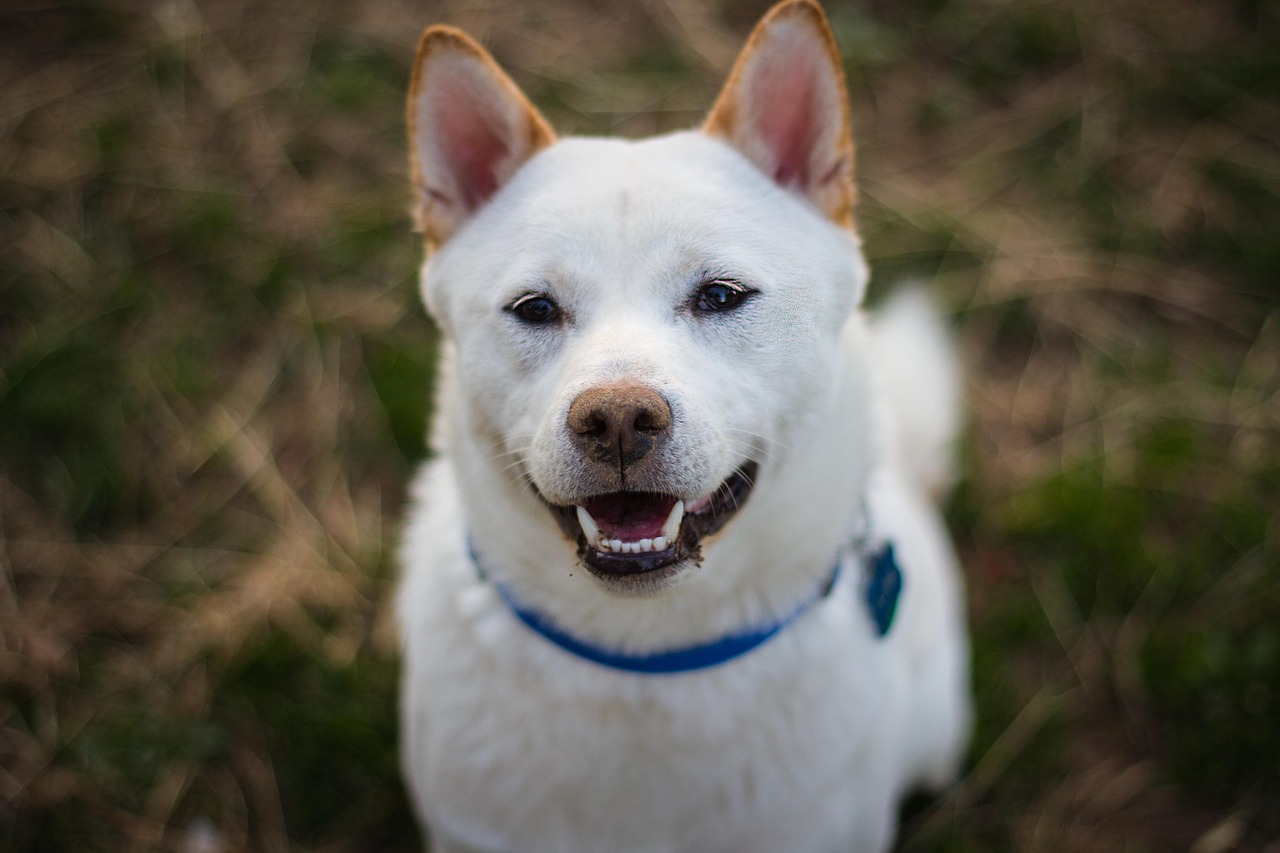
The Shiba Inu is a breed known for its independence and strong-willed nature. While they can be affectionate with their human families, Shibas are also known for being territorial and having a high prey drive. This can make them a difficult breed to introduce to a home with a cat.
Shiba Inus are naturally curious and may view a cat as something to chase or assert dominance over. Their strong personalities and desire to be in control can create tension in a multi-pet household, especially if the cat prefers peace. Their fox-like cleverness often works against harmony, as they seem to delight in finding ways to provoke or intimidate other pets.
Jack Russell Terrier: The Relentless Energy Ball
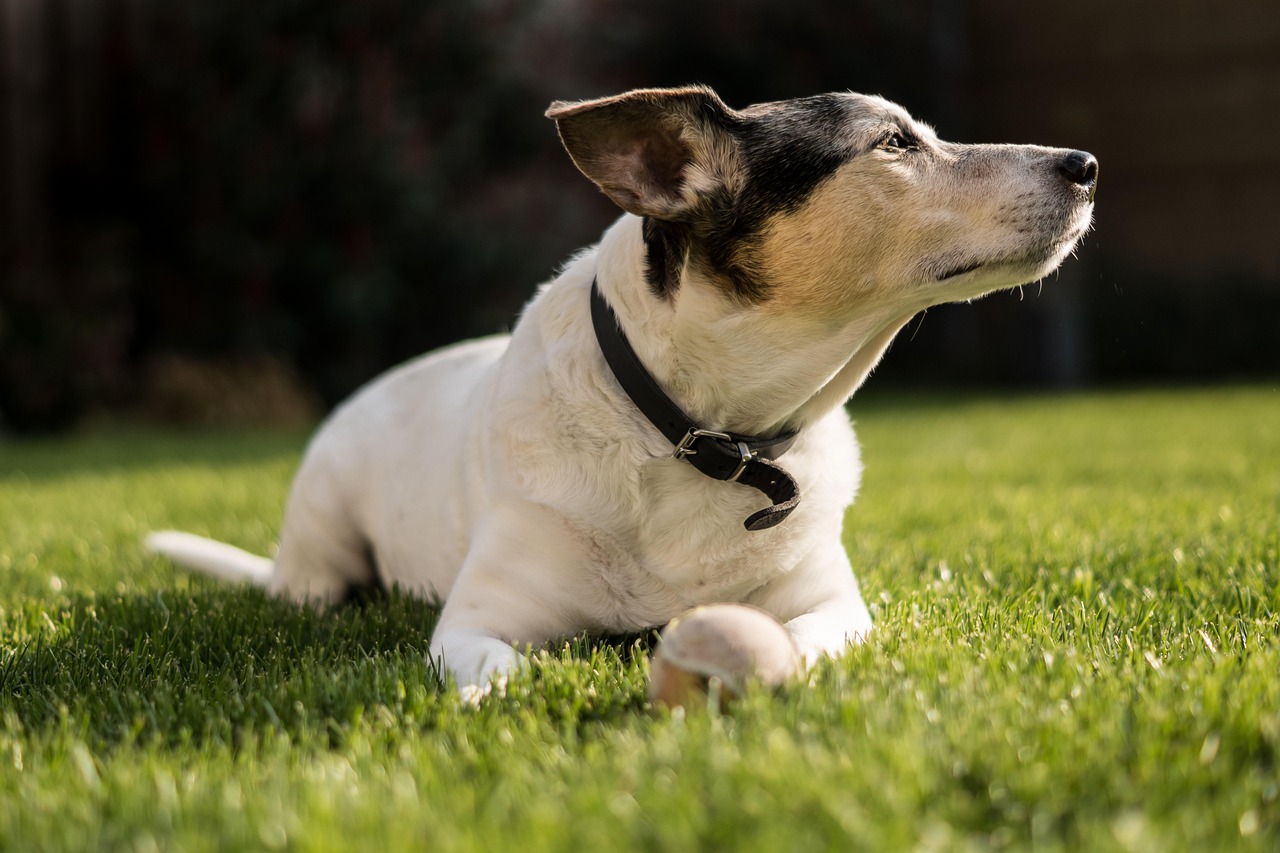
Although Jack Russell terriers and cats can be kept together, it’s not recommended. Jack Russell terriers are a small dog breed known for their high energy levels and fearless nature. Their compact size might fool you into thinking they’re harmless, yet their fearless attitude often leads them to challenge animals much larger than themselves.
Any type of terrier is typically a poor match for households with cats and the Jack Russell terrier is no exception. Their relentless energy and hunting instincts create a perpetual state of excitement that can stress other pets beyond their breaking point. They simply cannot seem to understand the concept of peaceful coexistence.
Chow Chow: The Antisocial Aristocrat
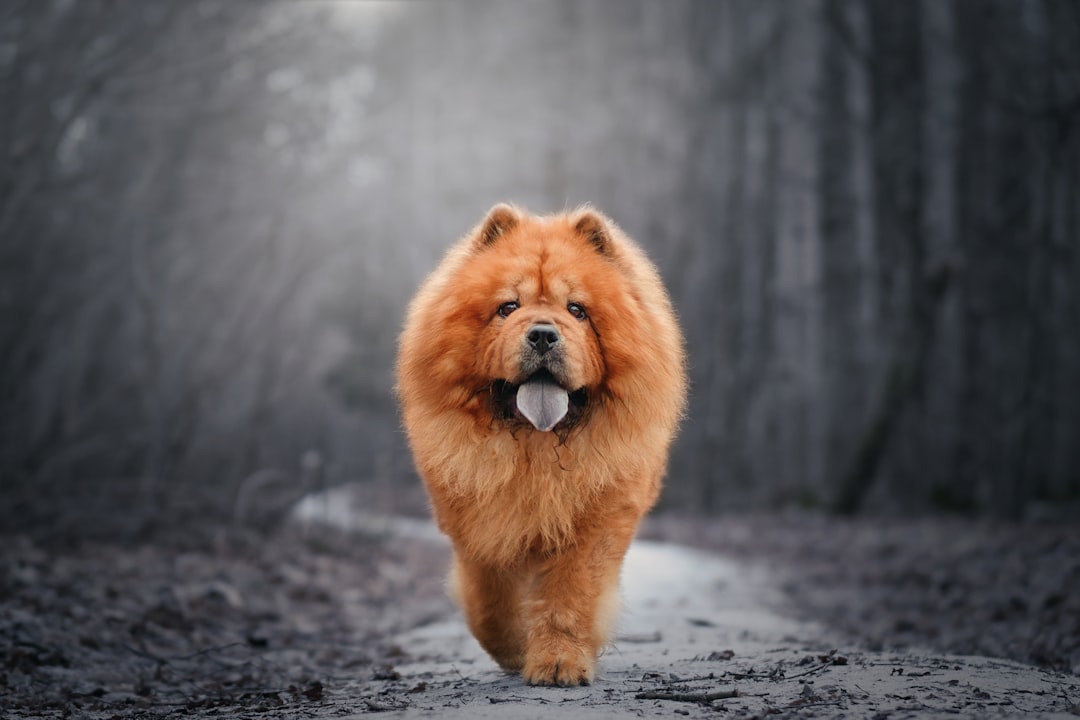
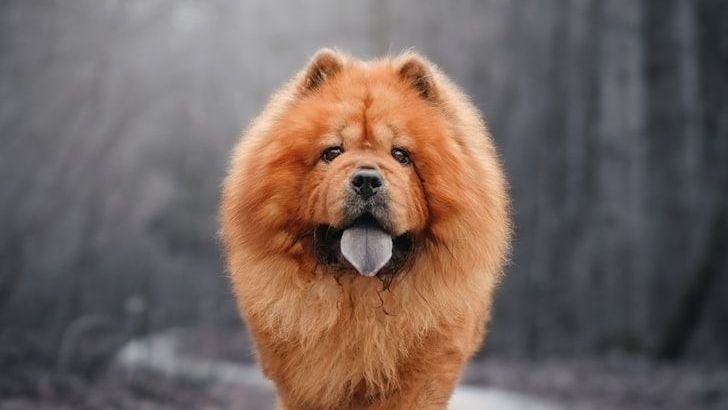
They are affectionate with their humans but don’t get along well with other pets or young children. While they are not generally an aggressive breed, chow chows may react badly to children yelling, being rough, and running around. Their aloof nature extends far beyond simple independence, creating genuine hostility toward other household animals.
These dogs are also not very playful, and they have little patience. Some Chow Chows bond strongly with children they grow up with, but they do better in households with older children and fewer other pets. Their serious demeanor and lack of playfulness mean they view other pets’ natural behaviors as annoying interruptions to their peaceful existence.
Australian Cattle Dog: The Obsessive Herder
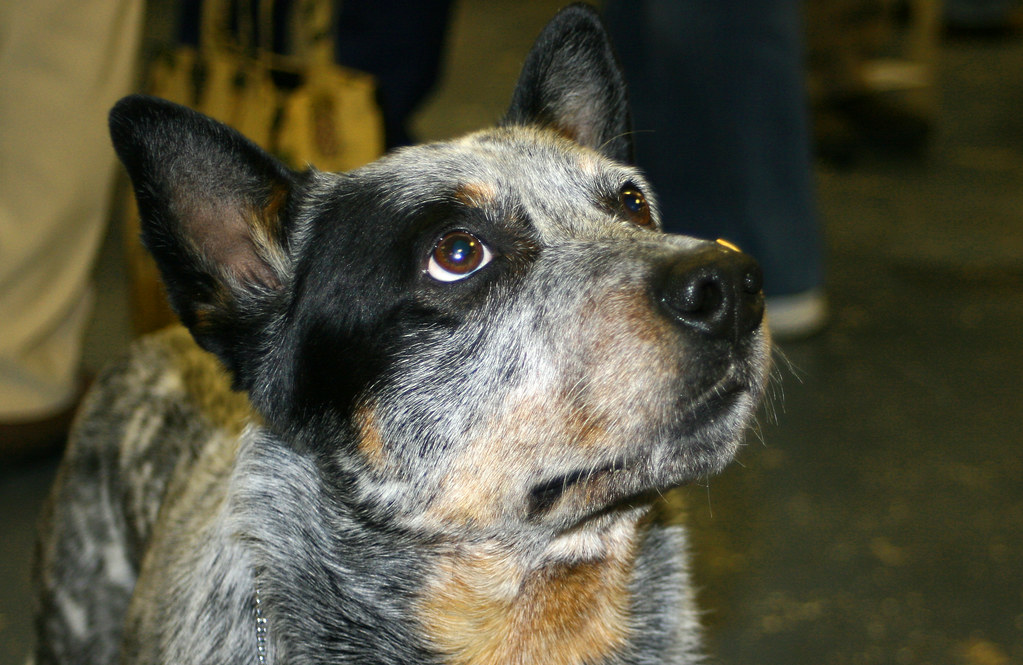
Australian Cattle Dogs are intelligent, hardworking dogs with a lot of energy and a strong herding instinct. While they are loyal and protective of their human families, their herding tendencies can make them a difficult breed to have around cats. Cattle Dogs may try to “herd” cats, leading to chasing, nipping, and unwanted interactions.
Their intelligence becomes a double-edged sword in multi-pet households, as they constantly devise new strategies to control and manage other animals. These dogs were bred for tough jobs and have extremely high energy levels and require lots of mental stimulation. They are moderately affectionate with their owners but have strong protective instincts, which causes them to be suspicious of strangers and dominant with children. This dominance extends to other pets, creating ongoing power struggles.
Basenji: The Cat-Like Loner
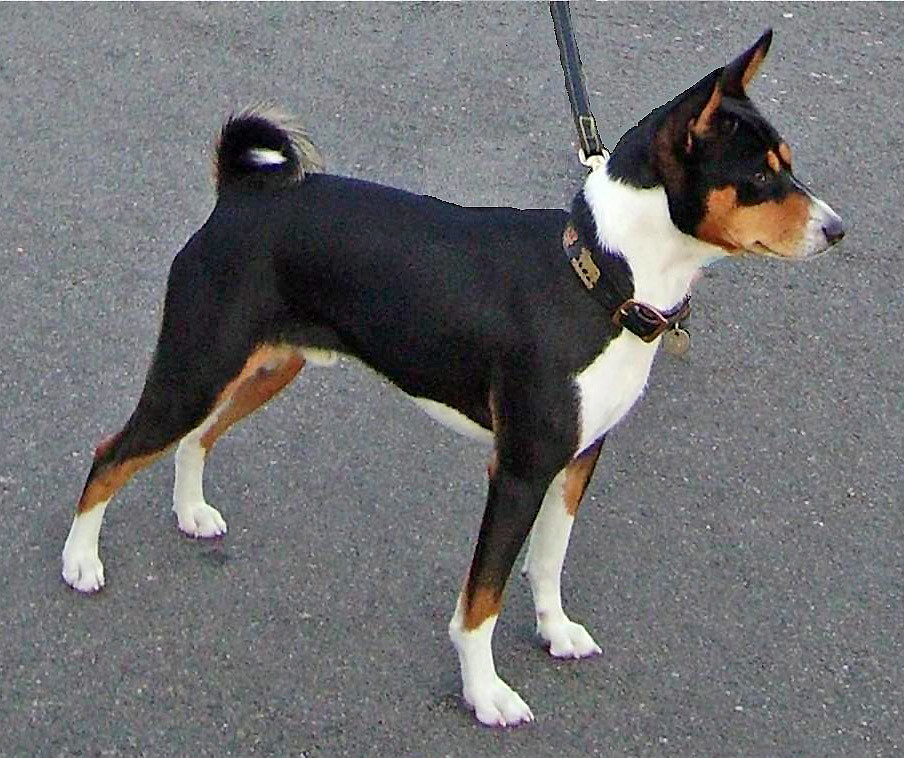
This breed is a cat-like canine and barkless. They are independent, reserved, and resourceful. This dog is excellent for households who don’t need an overly affectionate pet or vigilant guard dog. Their cat-like qualities might seem like they’d get along with felines, yet the opposite proves true.
They do best in families with older children and fewer other pets. Basenjis are very playful and mischievous, but not overly affectionate. Their independence translates into a complete lack of interest in forming bonds with other household animals, leaving other pets feeling isolated and confused by their aloofness.
Siberian Husky: The Escape Artist Troublemaker
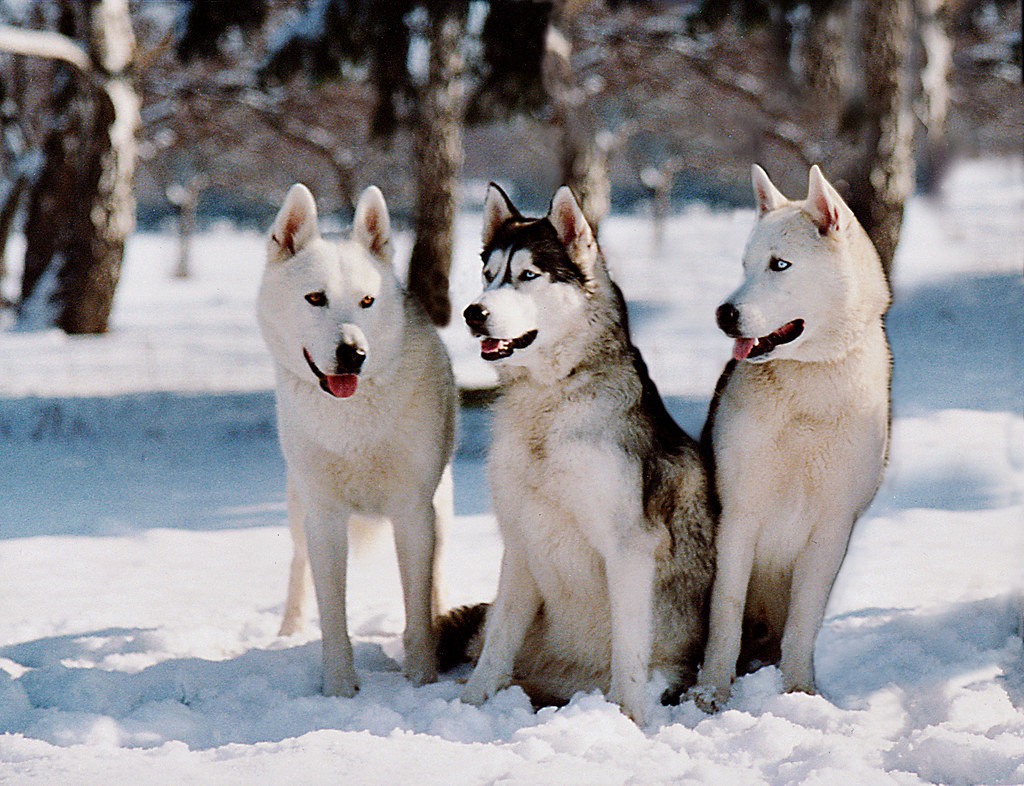
Siberian Huskies are celebrated for their endurance, but this same trait makes them difficult household pets. Their instinct to roam means they often test fences and barriers, leading to frequent escapes. Owners often describe them as escape artists with endless curiosity due to their high energy and roaming instincts.
Alaskan Malamutes are nice dogs, but many of them have a tendency to hunt and kill smaller animals, which means your cats and toy breed canines are at risk. While this specifically mentions Malamutes, Huskies share similar prey drives and pack mentalities that can prove dangerous for smaller household pets. Their high energy and mischievous nature often translate into relentless pestering of other animals.
Alaskan Malamute: The Powerful Predator
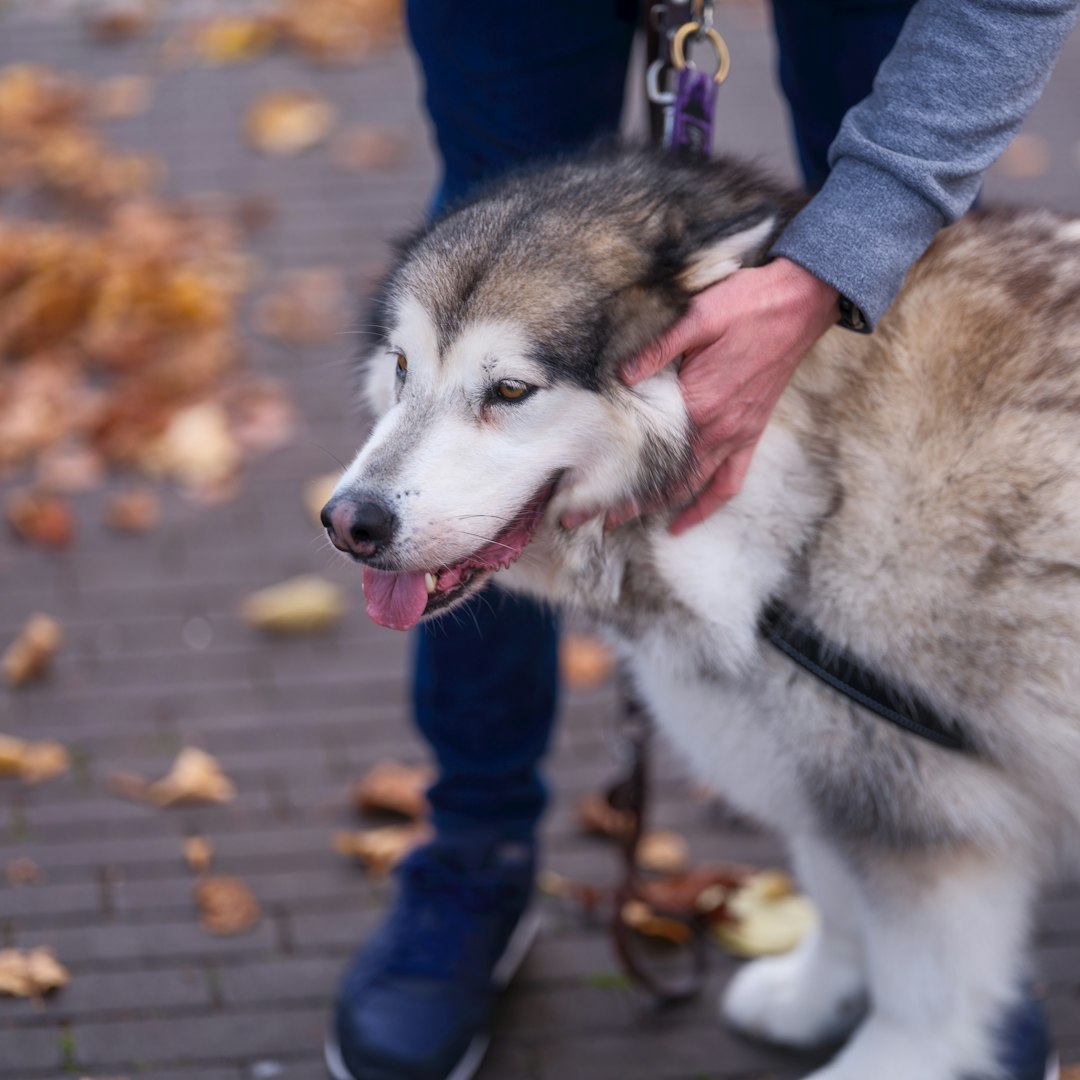
Alaskan Malamutes are nice dogs, but many of them have a tendency to hunt and kill smaller animals, which means your cats and toy breed canines are at risk. Their impressive strength and size make this prey drive particularly dangerous, as they possess the physical capability to seriously harm smaller pets.
As a family pet, their size, stubbornness, and energy can be problematic. They require constant training and a significant amount of exercise. Their working dog heritage means they view other pets as either pack members to dominate or prey to pursue, with little middle ground for peaceful coexistence.
Creating a harmonious multi-pet household requires careful consideration of each animal’s natural instincts and personality traits. While these ten breeds present significant challenges, remember that individual dogs can vary greatly from breed standards. The key lies in honest assessment of your situation, proper training, and sometimes accepting that some combinations simply won’t work despite our best intentions.
What do you think about these challenging breed combinations? Have you experienced success with any of these breeds in multi-pet homes?


