
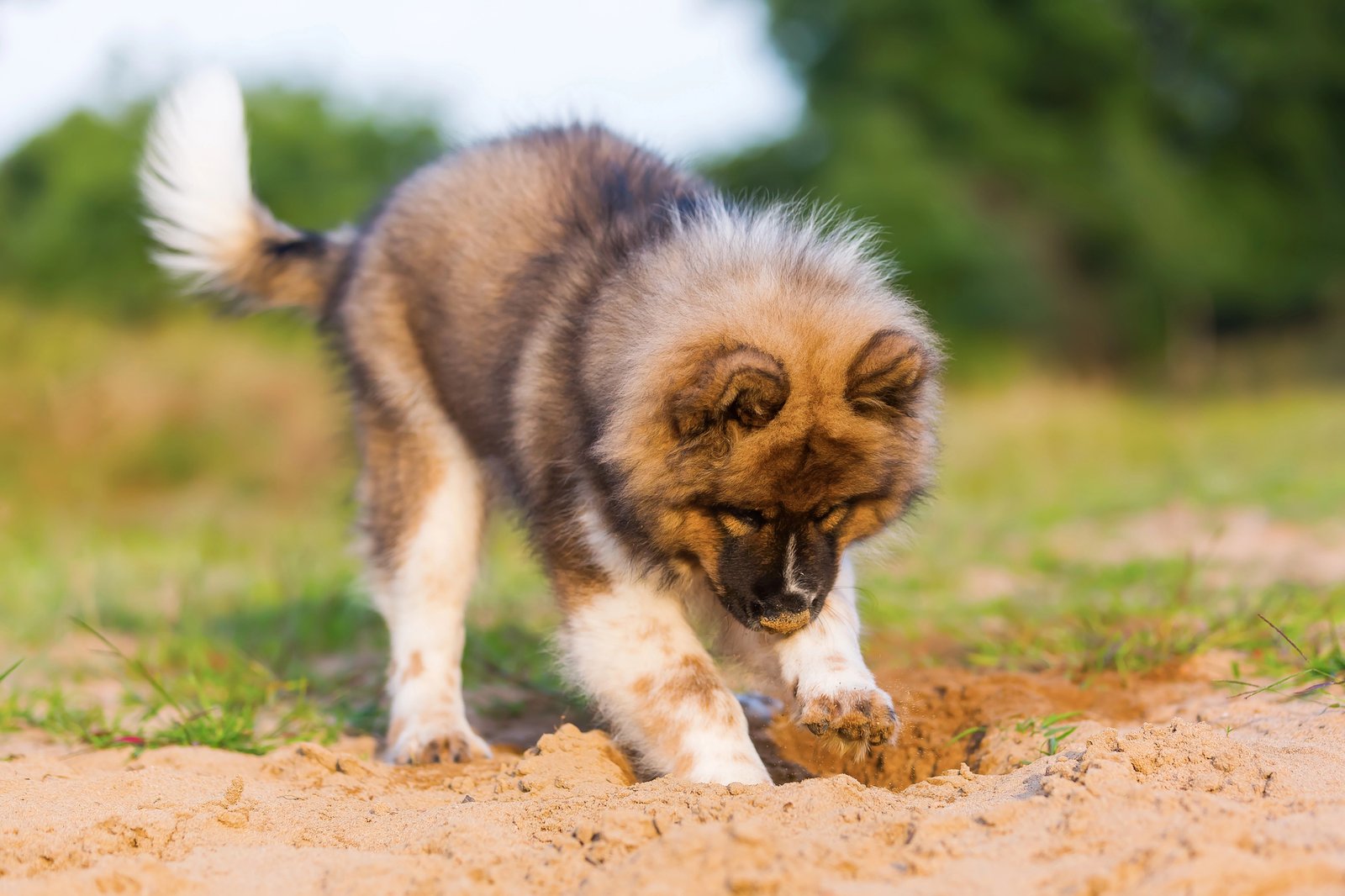
Picture this: you’re lounging on your couch, only to discover your favorite throw pillow has been carefully rearranged to hide your dog’s beloved squeaky toy. Or maybe you’ve found your dog’s tennis ball mysteriously tucked beneath a pile of laundry. That endearing yet perplexing habit of burying treasured possessions indoors leaves many dog parents scratching their heads and wondering what’s really going on in their pup’s mind.
This seemingly quirky behavior actually tells a fascinating story that stretches back thousands of years to your dog’s wild ancestors. While it might seem puzzling that a well-fed, pampered house dog would feel the need to hide toys in couch cushions or under blankets, there’s so much more happening beneath the surface. From ancient survival instincts to modern emotional needs, your dog’s burying behavior offers a window into their complex inner world. So let’s dive in and uncover the surprising reasons why your four-legged family member treats your living room like their personal treasure vault.
The Ancient Instinct That Never Left
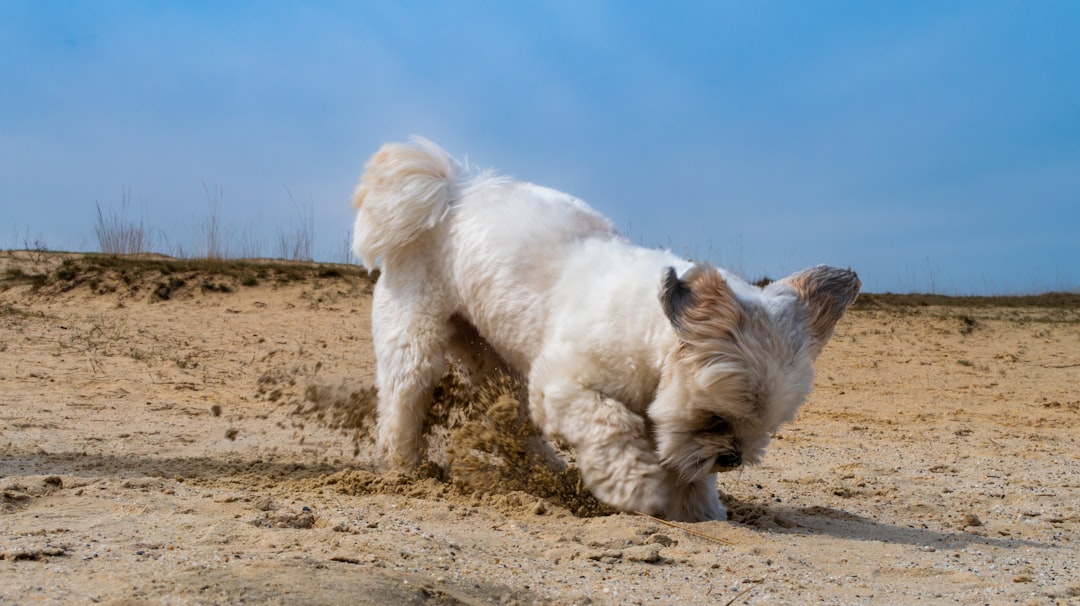
Your dog’s urge to bury toys stems from a powerful survival instinct passed down from their wild ancestors, who would bury surplus food to conceal it from scavengers and ensure they had resources during times of scarcity. Wild dogs discovered that burying bones, meat, and carcasses in the dirt created a natural “refrigeration” system that kept food fresh longer by using the cooler underground temperatures.
Even though modern domesticated dogs have comfortable homes and regular meals, this ancient behavior persists because it’s deeply hardwired into their DNA. The instinct to bury items represents an effort to “save” valuable resources for later, even when those resources are now toys rather than food.
Creating a Safe Space for Their Most Prized Possessions
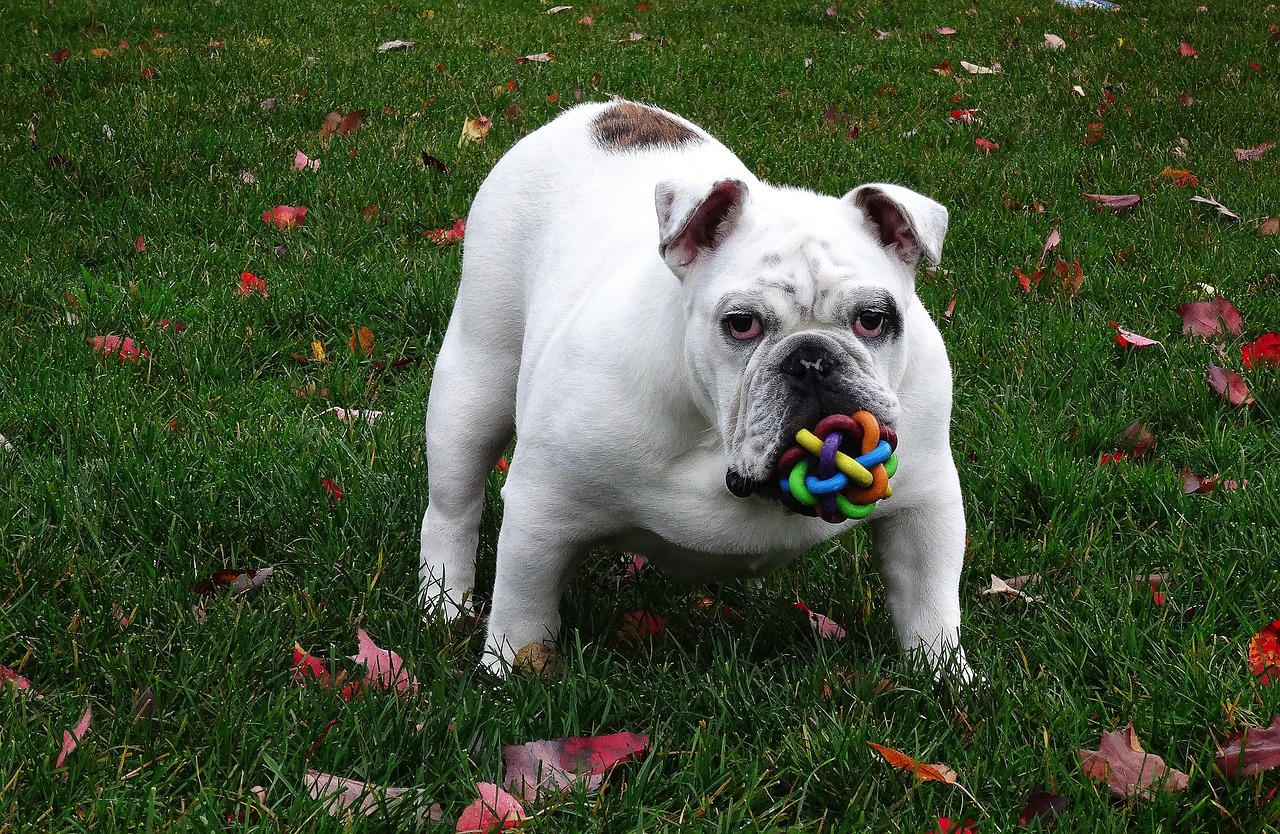
Dogs often bury toys to feel secure, following the same natural instinct that led wild dogs to hide food for safety – when your dog tucks a toy under couch cushions or in a laundry basket, they’re creating a sense of security. Similar to humans, dogs hide their valuables in safe places to protect them from potential threats.
Dogs often hide toys when they feel anxious or stressed, particularly during environmental changes like moving to a new house, the arrival of a new pet, or sensing tension at home, as hiding provides them with a sense of security and control. Dogs suffering from separation anxiety might bury their toys as a coping mechanism when left alone, finding comfort and security in the act of hiding treasured items.
Protecting Treasures from Competition

Dogs bury things due to possessiveness, as their natural protective instincts lead them to hide toys to ensure other dogs or humans can’t take them away – this behavior is especially common in multi-pet households where dogs act instinctively to guard their resources. Possessiveness becomes a real issue in households with multiple dogs, where certain favored toys may be buried in the backyard to keep them away from other pets, sometimes accompanied by growling or aggression when toys are being played with.
Some dogs may have had bad experiences with toys in the past, where breeders, other household dogs, or people didn’t allow them to play when they wanted, leading them to bury toys to prevent them from being taken away. This protective behavior often reflects past experiences where resources were limited or contested.
The Mental Workout Your Dog Craves
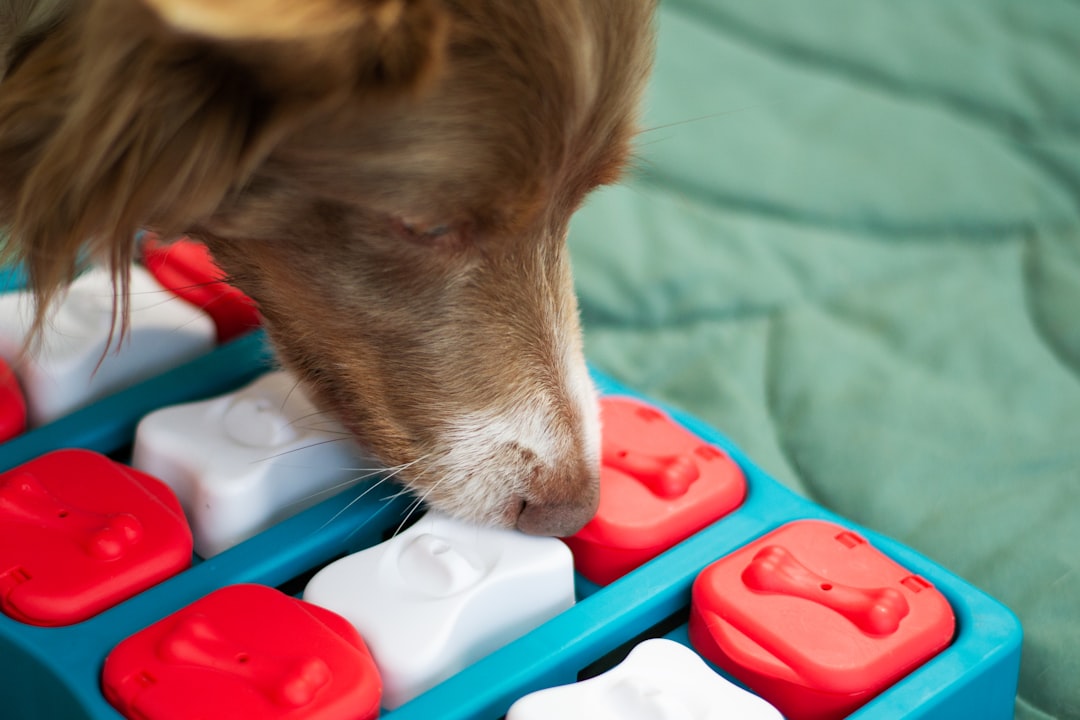
Hiding toys serves as a form of play and mental stimulation for dogs who need activities to keep their minds sharp – burying items like chew bones or favorite toys provides both physical and mental exercise, keeping dogs engaged and preventing destructive behavior caused by boredom or excess energy. Burying things can be a fun way for dogs to challenge themselves mentally and physically, requiring them to find the perfect hiding spot and use their physical endurance to dig holes or cover items.
If dogs feel bored or have too much energy, they may bury toys out of curiosity or as part of a self-amusement ritual, developing unique coping mechanisms when they aren’t given enough stimulation through playtime. Think of it as your dog’s version of a puzzle game – they get satisfaction from both the hiding process and the eventual “treasure hunt” when they retrieve their buried items.
When Too Much Abundance Triggers Hoarding
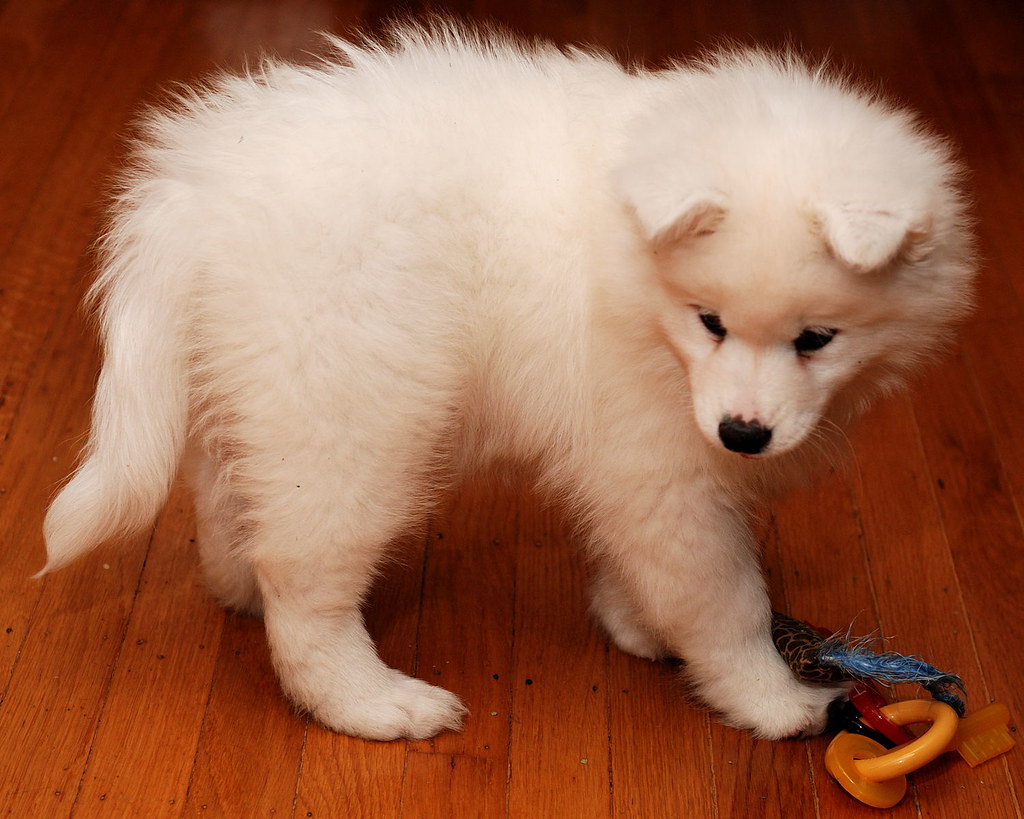
Dogs may bury toys due to abundance, reflecting their ancestral connection to wolves who buried excess food to keep it safe from scavengers – if dogs have too many toys to play with, they may bury some for later use, viewing their toys the same way their ancestors viewed surplus food. When you give your dog too many toys at once, they may feel the need to bury a few favorites for later, so providing just a few toys at a time can help prevent excessive burying behavior.
You may be unintentionally overfeeding your dog or providing too many treats – if they feel they have more than needed, their natural instinct may be to bury some for later, so consider weighing food at each meal to follow recommended guidelines since being generous can negatively impact your dog’s health. This abundance response shows how your dog’s ancient programming still influences their modern behavior.
Breed-Specific Digging Champions
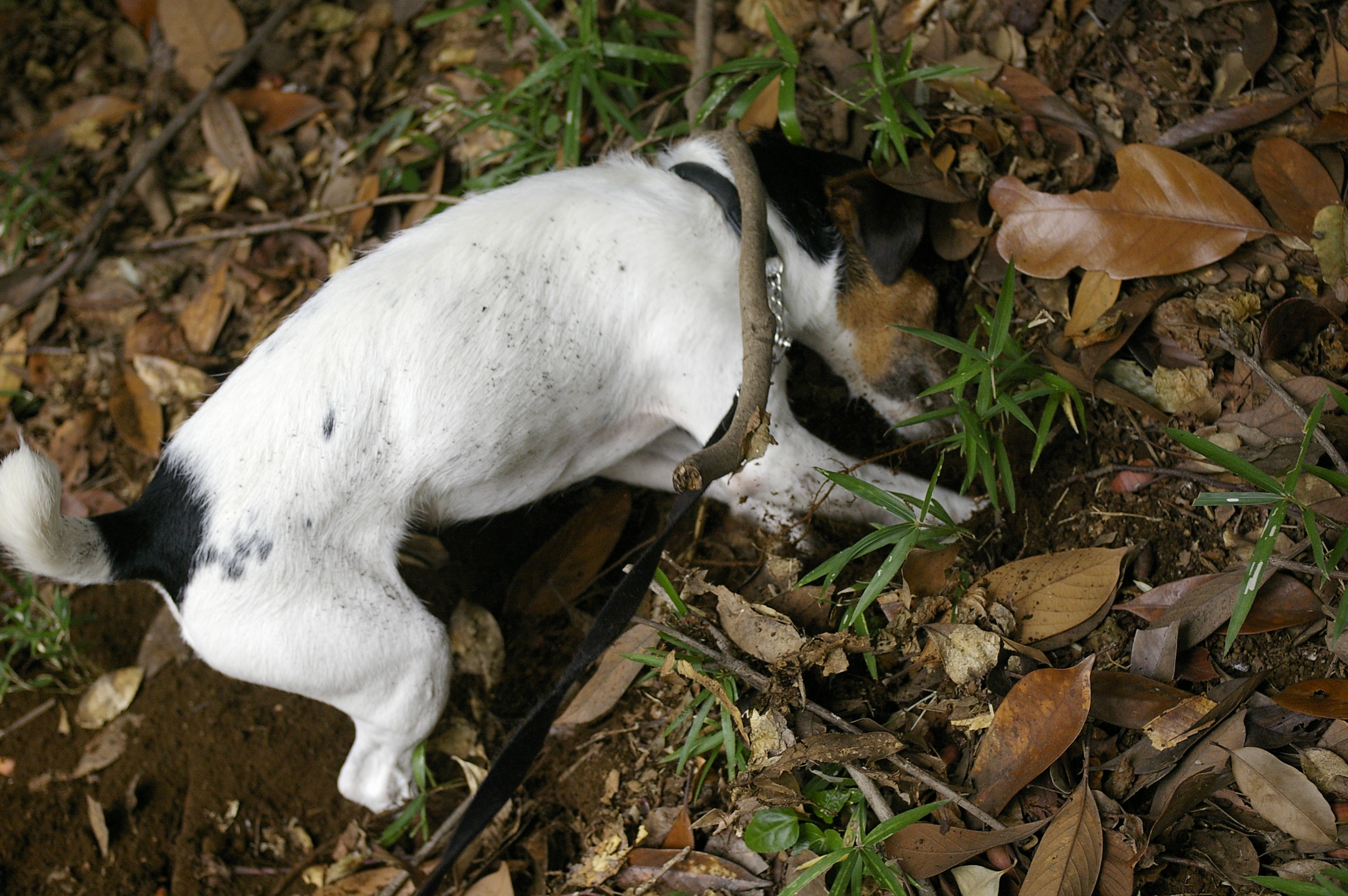
Although all dogs have the instinct to bury at some level, it appears strongest in dogs bred to hunt small game – Terriers and smaller hound group members like Dachshunds, Beagles, and Basset Hounds tend to have a high propensity toward digging and burying objects. Terriers get their name from the Latin word ‘terra’ meaning earth and were designed to dig and burrow after underground critters, while Dachshunds are known for their digging prowess and Beagles have a reputation for being diggers.
Breeds known for their tendency to dig include Miniature Schnauzers, Terriers, Dachshunds, Basset Hounds, Beagles, and Bloodhounds. With breeds like Dachshunds and Terriers, their digging and burying is par for the course, and pet parents don’t need to be concerned because this behavior indicates a healthy, well-adjusted animal. These working breeds were specifically developed to use their digging skills for hunting, making the behavior as natural as breathing.
The Attention-Seeking Game
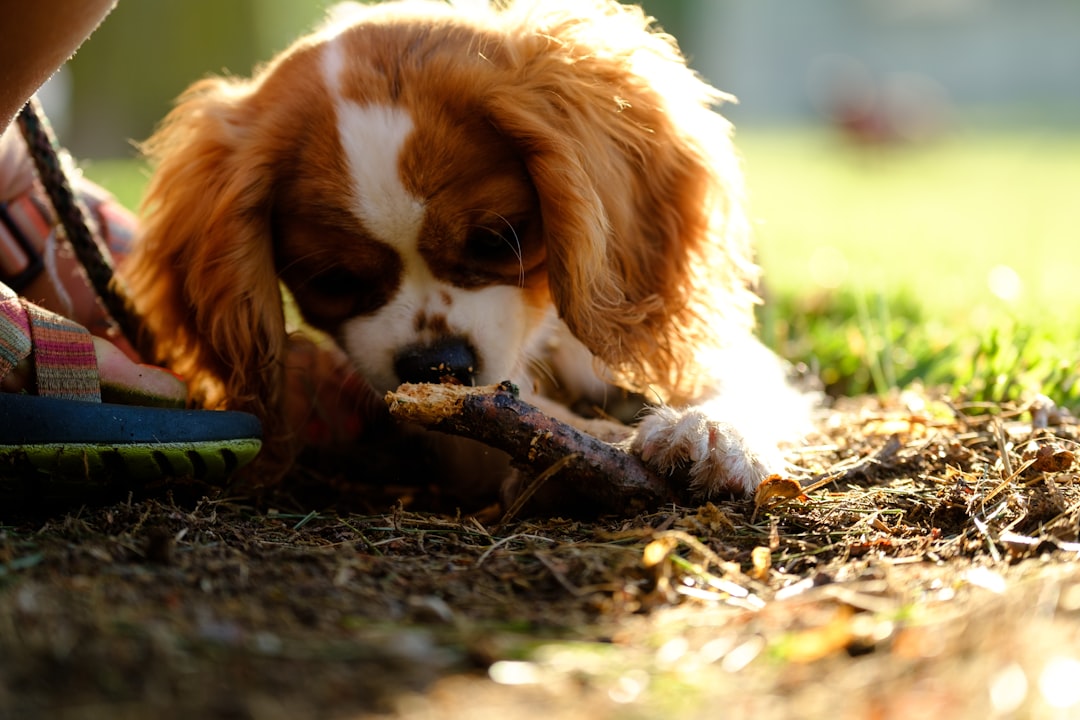
Dogs may bury toys because they want more attention or activity throughout the day – when dogs come to you and instead of taking them for walks or spending time with them you simply toss their toy, they may start expecting this reaction and if they feel they aren’t getting enough physical activity, they may bury toys so you can’t try to distract them. If your dog seems to get a kick out of burying your things, it might be because they’re bored and trying to get your attention, treating the burying of your belongings as a fun game they want you to play along with.
Especially when dogs take things that don’t belong to them like keys or remote controls, they probably want to play with you since they know you’ll have to look for whatever they’ve taken, so chasing them down can actually encourage the burying behavior. Your dog has figured out that hiding your important items guarantees your immediate attention, making it a clever strategy for getting interactive playtime.
When Stress and Health Issues Play a Role
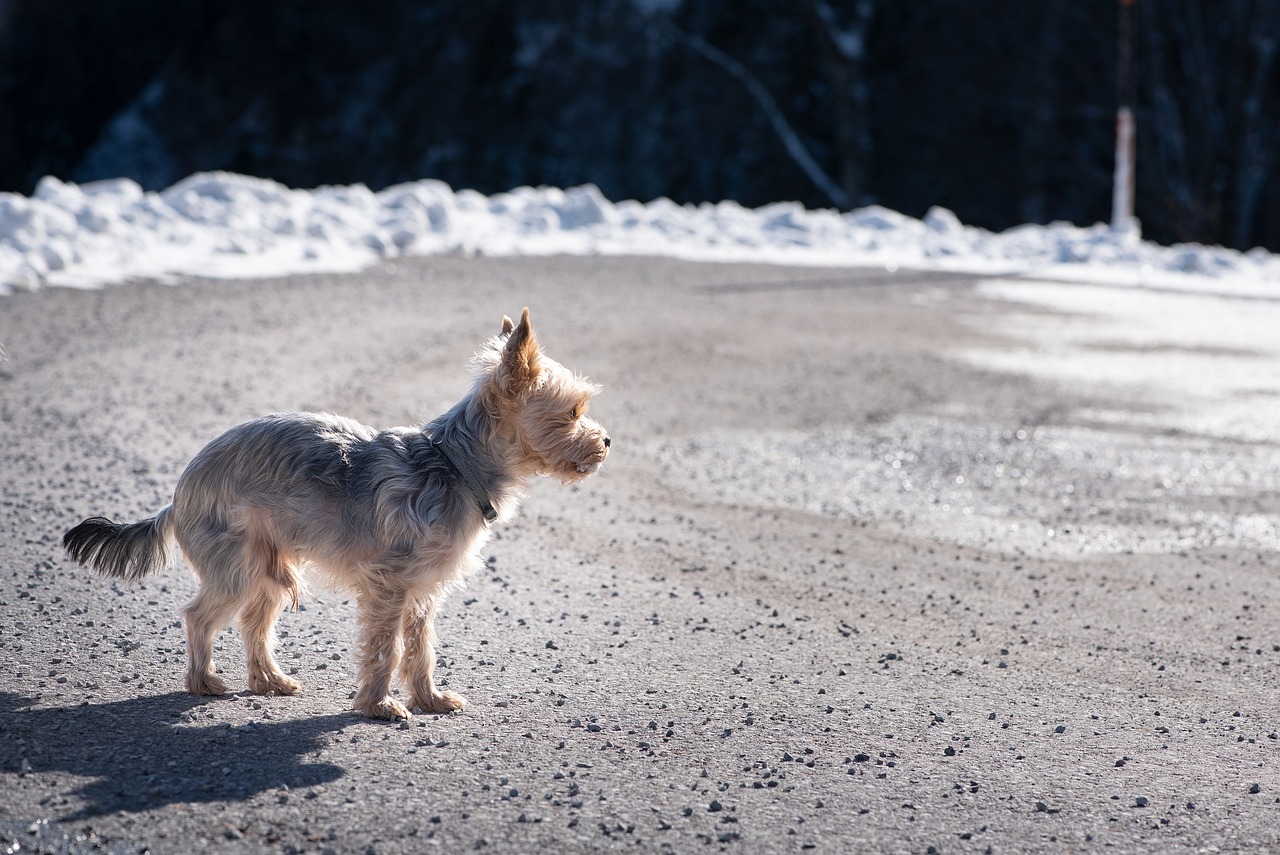
Sometimes hiding behavior can be linked to medical issues – if your dog suddenly starts hiding toys or other items excessively, it might be a sign of a health problem, and if you notice a sudden change, it’s best to consult a veterinarian since regular check-ups can help catch underlying health issues early. While stressed and anxious dogs commonly bury items, sometimes dogs who bury bones are showing signs of something deeper – in very rare cases, the anxiety and frustration is a direct result of an underlying health concern, and if your dog seems extra agitated while hiding chew toys, it could be a pain response.
Digging and burying could result from anxiety or chronic stress for your pup – if you’ve recently rescued your dog, changed schedules, or moved, these changes can be stressful and make dogs anxious, and some dogs are prone to compulsive behaviors while others develop them from stress or boredom. Dogs show nervousness, stress, or separation anxiety in multiple ways, including hiding toys – perhaps they hope you won’t leave if you can’t find the toy, or they want it tucked away safely for when they’re alone, so pay attention to when your dog buries toys and consult a vet for anxiety identification and support advice.
Conclusion
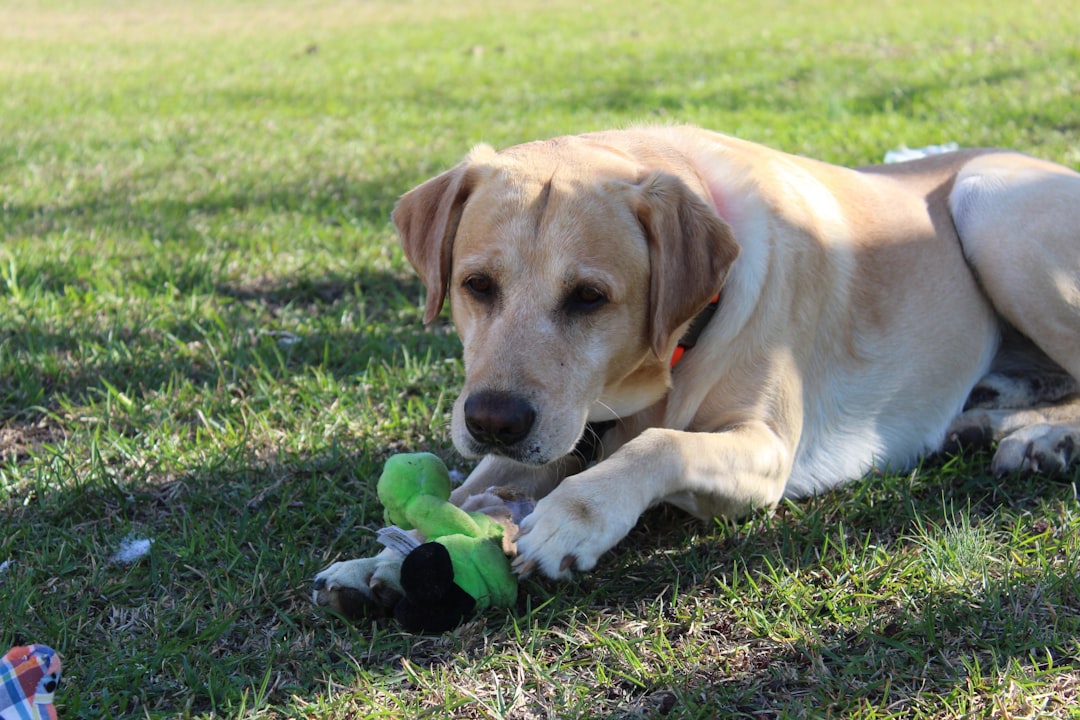
Understanding why your dog buries toys indoors reveals the beautiful complexity of canine behavior. This seemingly simple act connects your modern pet to their wild heritage while serving multiple purposes in their current life. Whether they’re following ancient survival instincts, seeking mental stimulation, protecting precious belongings, or simply trying to get your attention, your dog’s burying behavior is rarely cause for concern.
There are many reasons dogs may hide and bury toys, making it difficult to pinpoint exact causes – unless your dog shows signs of distress or aggression, it’s okay to allow them to play with toys on their own terms, and in most cases, you can sit back and watch your dog’s antics without issues. Remember that this endearing quirk is just another way your furry friend expresses their natural instincts and emotional needs.
The next time you discover your dog’s favorite rope toy mysteriously tucked under a couch cushion, take a moment to appreciate the thousands of years of evolutionary wisdom behind that simple act. Your living room isn’t just being treated like a treasure vault – it’s being honored as a safe space worthy of your dog’s most precious possessions. What do you think about it? Tell us in the comments.


