

Picture this: your favorite pair of shoes lies in shreds across the living room floor, cotton stuffing scattered like snow. Your dog sits nearby, tail between their legs, knowing they’ve done something wrong. The urge to shout builds in your chest like a volcano about to erupt. Yet hold on for just a moment.
What if I told you that raising your voice might actually make things worse? That your well-meaning corrections could be creating stress that lasts for weeks, even months? Recent research has turned our understanding of canine communication upside down, revealing that shouting at our dogs does far more harm than good. Let’s dive into the science behind why your four-legged friend responds better to whispers than yells.
It Creates Chronic Stress That Damages Your Dog’s Well-being

The more punishment a dog receives, the more “pessimistic” it becomes, according to groundbreaking research from the University of Porto. Scientists discovered something heartbreaking: dogs trained with aversive methods like yelling showed dramatically elevated stress hormones in their saliva. Dogs in aversive training classes showed elevated stress behaviors, particularly yawning and lip-licking, and their saliva had significantly increased levels of cortisol compared to when they were relaxing at home.
Think of stress hormones like cortisol as your dog’s internal alarm system. When you shout, you’re essentially pulling that alarm over and over again. Yelling can induce chronic stress in dogs, affecting their overall well-being. This isn’t just uncomfortable for your pup in the moment – it’s rewiring their brain to expect danger.
Picture a friend who constantly criticizes everything you do. Eventually, you’d start walking on eggshells around them, right? Dogs experience something remarkably similar. Dogs trained with punishment-based methods aren’t living in fear or constant stress, as one expert noted, but research shows they develop a more pessimistic outlook on life itself.
Your Dog Misunderstands What You’re Actually Communicating
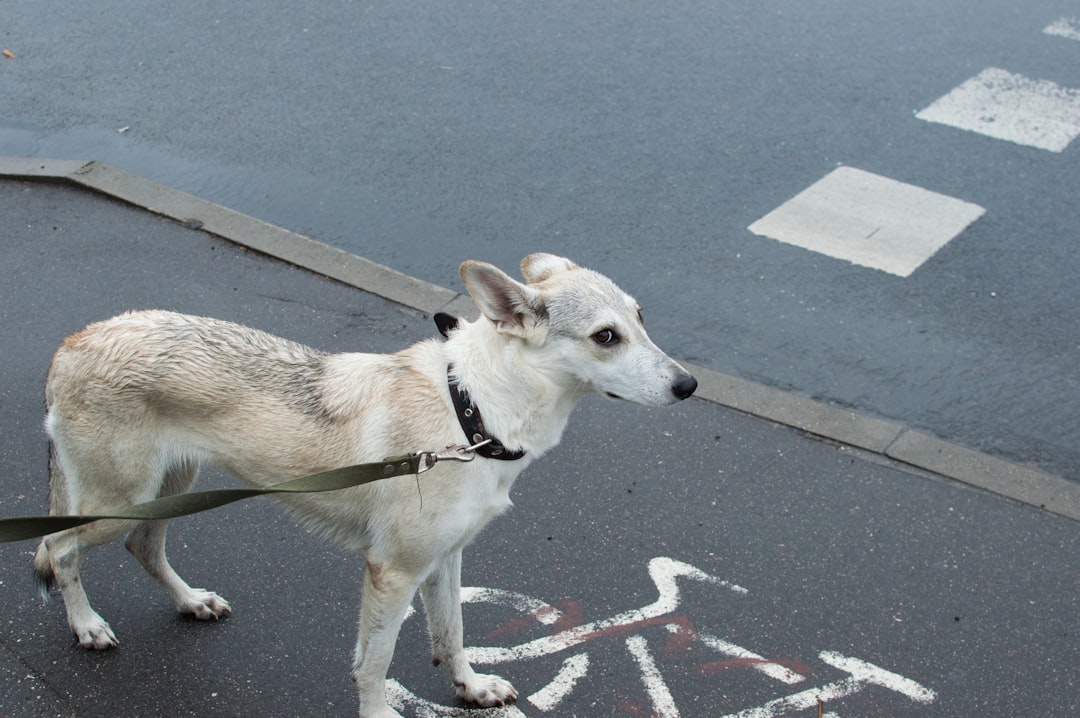
Here’s where things get really interesting from a communication standpoint. Dogs primarily interpret tone and pitch rather than actual words, so when you yell at a dog to stop barking, they may interpret it as joining in on the noise rather than understanding the command to be quiet. Essentially, you’re having two completely different conversations.
If you constantly shout at your dog, your dog doesn’t know when something is essential. If you talk calmly, your dog is more likely to respond when you raise your voice or give a short, simple stop command. It’s like the boy who cried wolf, but in reverse – when everything sounds urgent, nothing actually is.
Constant yelling can confuse dogs and make it difficult for them to differentiate between important commands and everyday noise. Dogs are attentive to tone and pitch, so shouting may cause them to become hyperactive or aggressive instead of understanding the desired behavior. Your frustrated “NO!” becomes just another loud sound in their world, stripped of meaning and purpose.
It Actively Interferes with Your Dog’s Ability to Learn

Aversive stimuli interfere with learning at the cellular level, and dogs trying to learn skills become stressed, anxious, and fearful when handlers yell at them. This isn’t just behavioral – it’s biological. Fear literally blocks the pathways in your dog’s brain that allow for new learning and memory formation.
Dogs that received more aversive training moved more slowly toward treat bowls in behavioral tests, and dogs from reward-based training groups actually learned location tasks faster than aversive-training dogs. Think of it like trying to learn algebra while someone’s honking a car horn in your ear – your brain simply can’t focus on processing new information.
Research shows that positive reinforcement creates better, more numerous and more efficient connections between neurons in the brain, with food rewards having particularly high value because they’re necessary for survival. When you shout, you’re essentially jamming your dog’s learning frequency, making it nearly impossible for them to understand what you actually want them to do.
You’re Accidentally Teaching Aggression and Fear-Based Responses

Even the word “NO” can evoke enough fear that dogs may become defensive, aggressive and even fight back. This finding from research should make every dog owner pause and reconsider their training approach. What starts as correction can quickly escalate into dangerous territory.
Yelling at dogs creates defiance in more resilient dogs and an overall inhibited demeanor in sensitive ones. In the worst case scenario, a dog may get so stressed that they respond defensively by growling and snarling. You’re essentially teaching your dog that humans are unpredictable and potentially threatening – the exact opposite of what you want to achieve.
Punishing dogs by yelling can negatively affect their behavior and mental well-being, leading to fear-based behaviors such as hiding, cowering, or aggression toward you or others. The very relationship you’re trying to strengthen through “discipline” becomes fractured by fear and mistrust.
It Destroys the Foundation of Trust Your Relationship Needs

Yelling can strain the bond between humans and dogs, as dogs seek trust and respect from their owners, and yelling and aggressive behavior can erode that trust and respect. Dogs are incredibly social creatures who thrive on partnership and cooperation. When you shout, you’re breaking that social contract they desperately want to maintain.
Dogs are social creatures eager to accept you as the leader but expect specific behavior. If you are yelling or abusive toward your dog, you won’t establish the trust and respect you need. They want to please you – that’s literally how they’re wired after thousands of years of domestication – but fear makes that impossible.
Dogs respond better to calm, soft cues, as loud, threatening voices make them anxious, making it harder for them to work with that anxiety, which is the same reaction humans have. Just as you’d struggle to perform well under a harsh, critical boss, your dog shuts down emotionally when faced with constant verbal pressure.
Conclusion

The science is crystal clear: shouting at your dog isn’t just ineffective – it’s actively harmful. Research shows that reward-based approaches cause minimal long-term negative effects on dogs as opposed to the results of yelling and punishment. Every time you raise your voice, you’re choosing short-term frustration relief over your dog’s long-term emotional health and your relationship with them.
Your dog isn’t being stubborn or disrespectful when they don’t respond to shouting – they’re likely confused, stressed, or too anxious to process what you’re asking. The most powerful training tool you have isn’t your voice volume; it’s your patience, consistency, and understanding of how dogs actually learn and communicate.
Next time those chewed shoes test your patience, take a deep breath and remember: the quiet, consistent human always wins the trust of their four-legged friend. What experiences have you had with positive versus negative training approaches? Share your thoughts in the comments below.


