
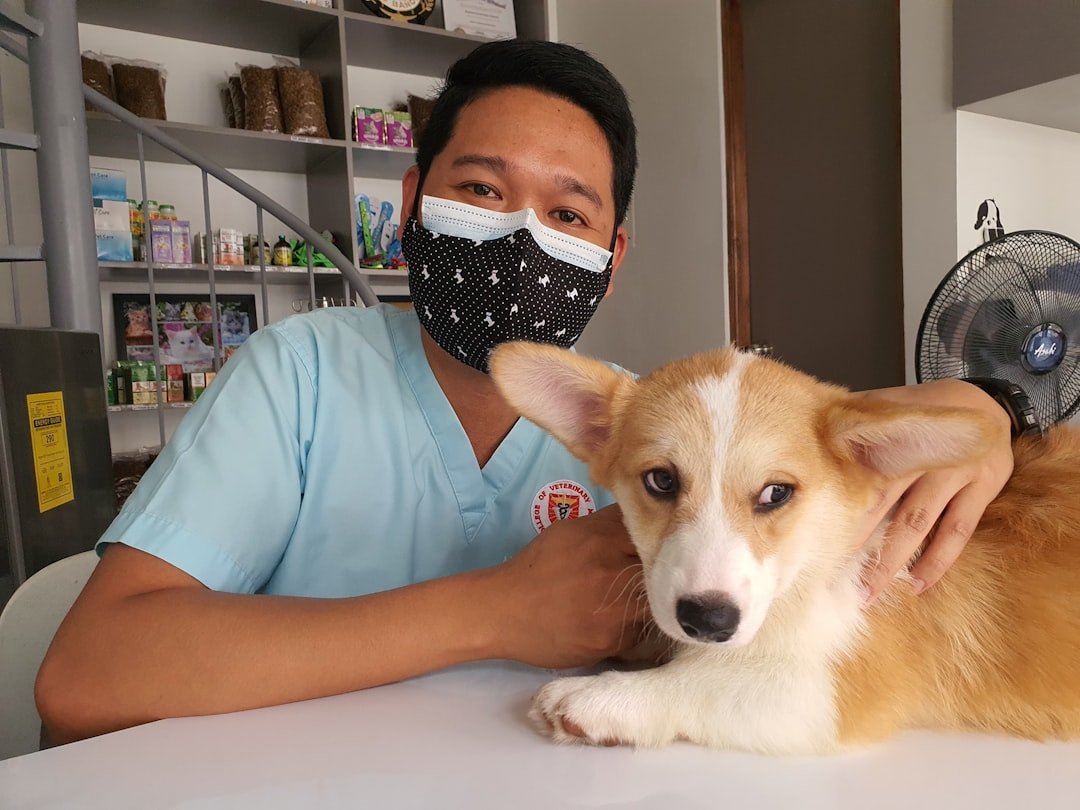
Picture this: you’re walking toward the veterinary clinic with your furry best friend, and suddenly they slam on the brakes like they’ve spotted something terrifying. Their tail disappears between their legs, they start panting like they just ran a marathon, and those pleading eyes look up at you as if to say, “Please, not this place again!” Sound familiar? You’re definitely not alone in this struggle.
Dogs are incredibly attuned to their owner’s emotions, and many can pick up on their owner’s stress and anxiety. Meanwhile, all those strange smells and sounds, plus the potential for uncomfortable pokes and prods, are enough to make any dog nervous, and for anxious dogs, in particular, going to the vet is a trial. The good news? There are countless ways to transform these dreaded visits into manageable, even positive experiences for both of you.
Start Training Early With Handling Exercises
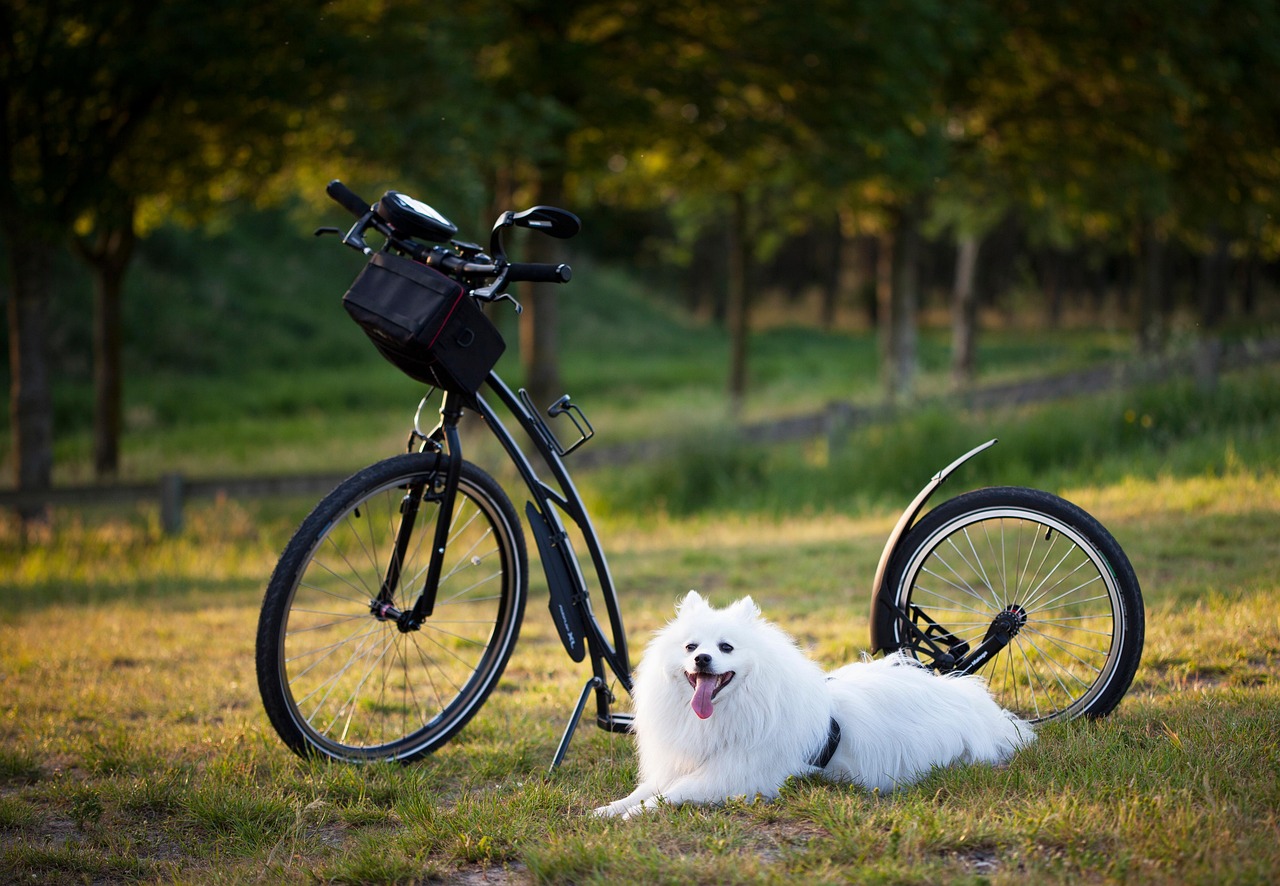
Think of your living room as a mini vet school where your dog can learn that being touched and examined isn’t scary. Training your dog to accept restraint and examination will greatly reduce their anxiety when they get to the vet, starting with simple handling exercises and adding massage into your daily interactions when your dog is tired, including the paws, ears, mouth, belly, and tail to simulate a vet’s exam with lots of praise and treats.
Practice handling your dog’s paws, ears, mouth and other body parts while offering treats as rewards, as puppyhood is the ideal time to teach comfort with handling, but dogs can learn at any age. Never force your dog to accept touch or handling – always allow them to walk away if they are uncomfortable or unwilling to participate, as this information means the training needs to be in smaller, slower steps before progressing.
Recognize The Warning Signs Of Stress
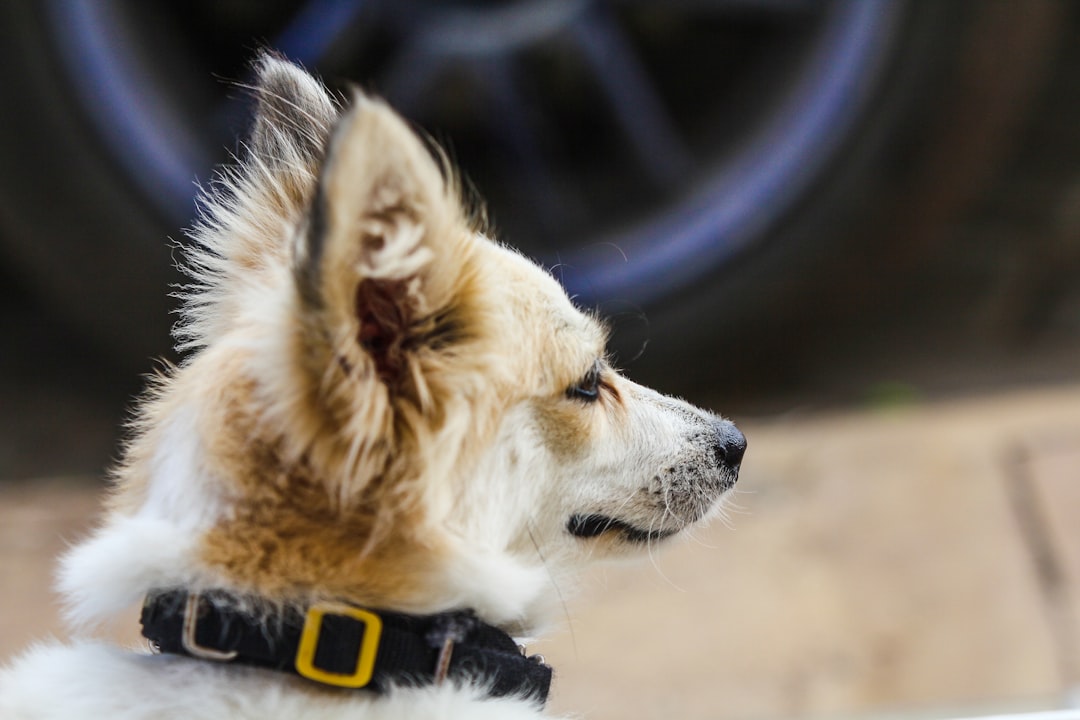
Understanding your dog’s body language is like learning a secret code that tells you exactly how they’re feeling. An anxious dog may pant, pace, tremble, drool, withdraw from its owner, or hide, or alternatively, they may appear irritable or aggressive (i.e., bark or growl at someone). Dogs yawn when they are tired or bored, and they also yawn when stressed.
Watch for more subtle signals too. Changes in body posture occur when dogs normally bear weight evenly on all four legs, but if a healthy dog with no orthopedic problems shifts their weight to the rear legs or cowers, they may be exhibiting stress, and when scared, dogs may also tuck their tails or become rigid. Panting, salivating, yawning, or licking lips when your pet is displaying oral behaviors more often than usual, especially if there is no apparent physical reason for these behaviors, they’re likely nervous.
Plan Strategic “Happy Visits” To The Clinic
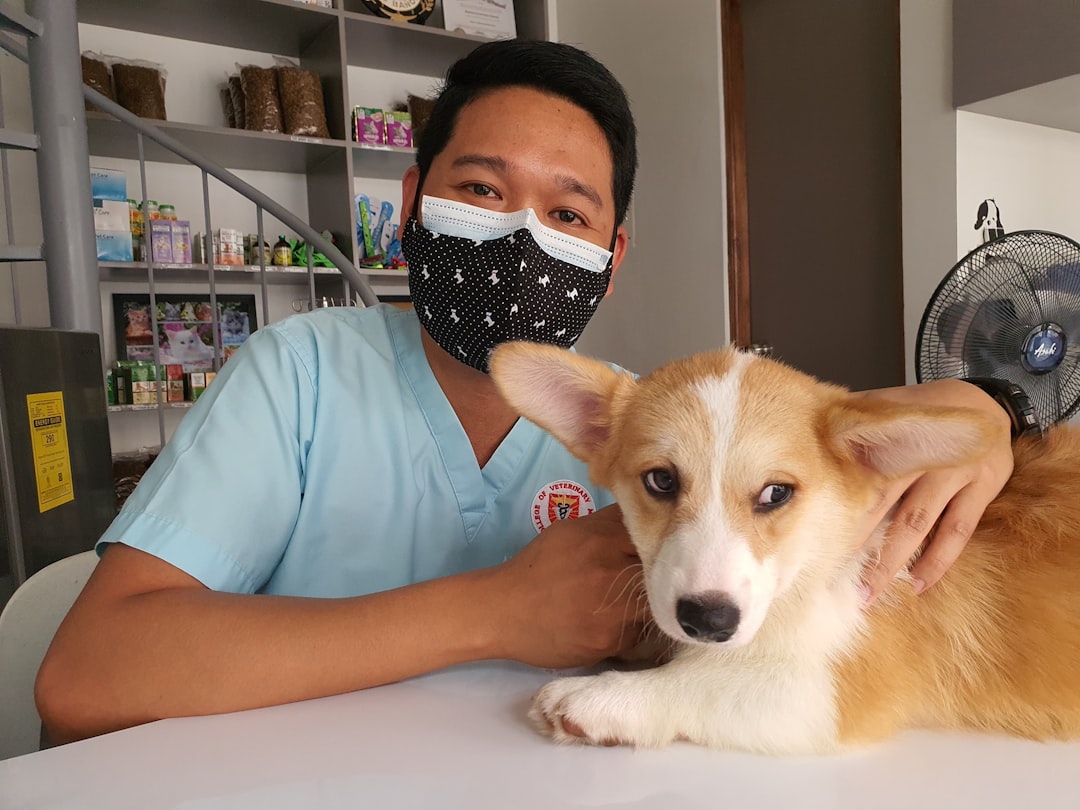
Here’s a brilliant trick that many dog parents overlook: visiting the vet when nothing medical needs to happen. A “happy visit” refers to taking your dog to the vet on a day when they do not need medical treatment – just a visit to the building to create positive associations before or between scheduled appointments. Making casual, non-medical visits to the vet’s office can help your anxious dog learn to adjust, as it’s another form of desensitization training with the goal to teach your dog to associate the building (and its smells) with positive feelings.
Most veterinary offices are happy to welcome visitors during off-peak hours – just call ahead to ask if it’s okay to stop by, and when you get to the office, let your dog visit with staff and sniff around the waiting room with lots of positive encouragement and treats, repeating these casual visits once every couple of weeks. Regular, non-emergency visits to the vet can help desensitize your dog to the environment, making them more comfortable with the routine aspects of a vet check-up.
Use Natural Calming Aids And Tools
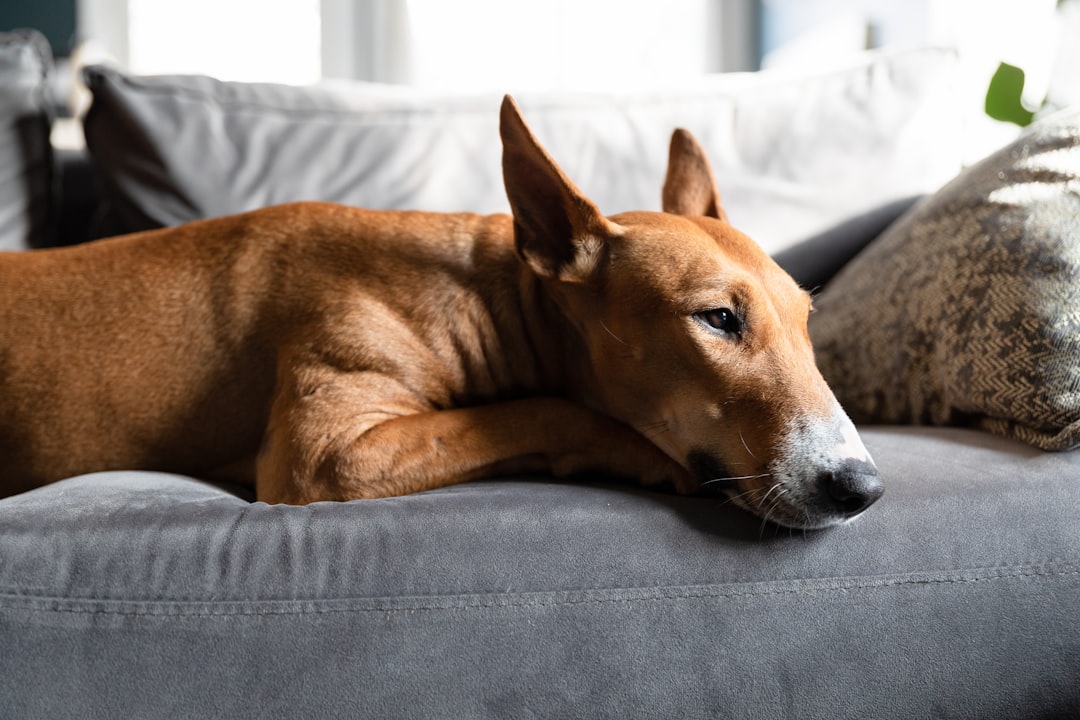
Sometimes your dog needs a little extra help feeling zen, and that’s perfectly okay. For anxious dogs, consider pheromone treatments or calming treats, as pheromones mimic the smell of a nursing mother dog which relaxes even adult dogs – look for a spray or collar so you can take it to the vet with you, and calming treats can be used before the appointment to provide your dog with relief. Calming collars, pressure wraps, herbal supplements, pheromone sprays, and other anxiety aids can all help make your dog more comfortable at the vet.
Talk to your vet to see if calming treats, pheromone diffusers, or compression garments like Thundershirts are good options for your dog. Don’t forget the power of familiar comfort objects either. Bringing along their favorite toy or treat to keep their mind engaged not only diverts their attention away from the stressful environment but also creates a positive association with the place.
Pack A Vet Visit Survival Kit
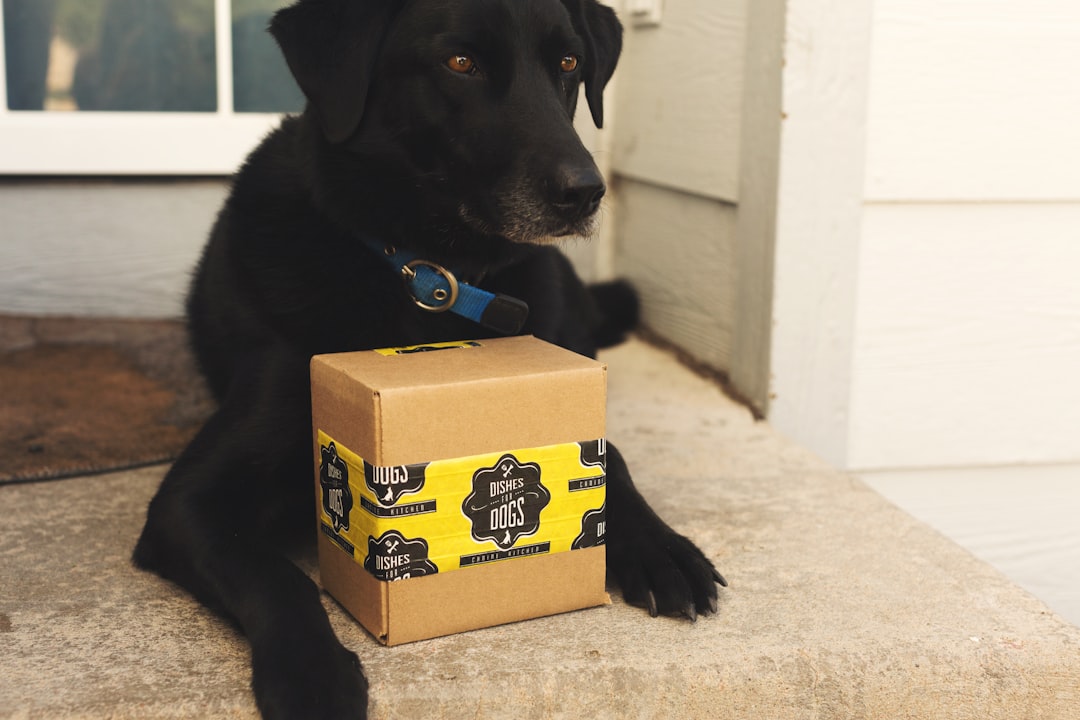
Think of yourself as your dog’s personal roadie, bringing everything they need for a successful show. Your dog’s vet visit can be so much easier if you take the right tools – first, pack a pile of your dog’s favorite treats, as feeding your dog during their exam will help distract them as well as build positive associations. Opt for small, soft treats that can be broken into smaller pieces and given throughout the appointment, and you might also consider bringing a frozen rubber, hollow treat dispenser or a flat rubber textured mat filled with your dog’s favorite spreadable snacks for extra distraction, as enjoying tasty treats can help form a more positive association.
It can also help to take a toy to divert your dog’s attention away from a needle or other uncomfortable procedure. Consider bringing a non-slip mat or blanket from home to make the exam table feel less foreign and slippery under their paws.
Master Your Own Energy And Emotions
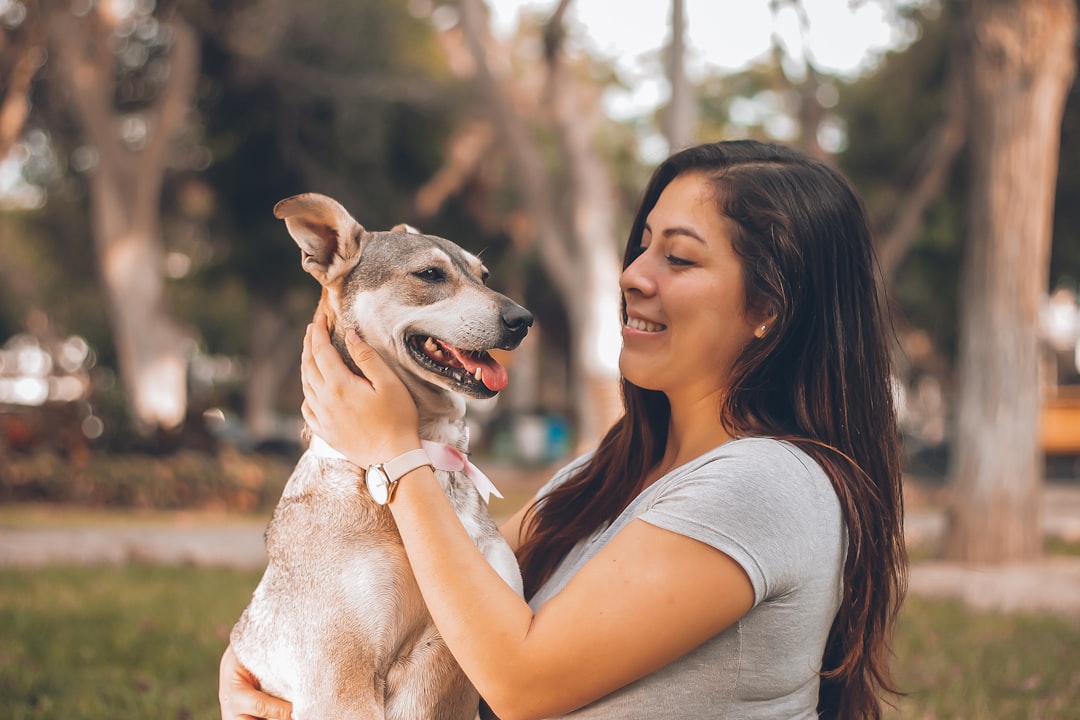
Your dog is basically an emotional detective, picking up on every subtle shift in your mood and energy. A nervous or anxious owner can inadvertently heighten a dog’s stress, so it’s important for owners to project calmness and confidence, reassuring their pet through their demeanor that there’s nothing to fear. Dogs are highly sensitive animals and respond to the energy, and body language, of their humans – to ease vet anxiety in your dog, you have to ease your own by taking deep breaths, remaining calm, moving slowly and deliberately, and projecting calm confidence, and your dog will pick it up.
Animals can sense and pick up on our own anxiety, so if you’re stressed, chances are your pet will be, too – keep calm and show your dog or cat that there’s nothing to worry about. Practice some deep breathing exercises in the parking lot before heading in, and remind yourself that you’re doing something wonderful for your dog’s health and wellbeing.
Consider Professional Help When Needed
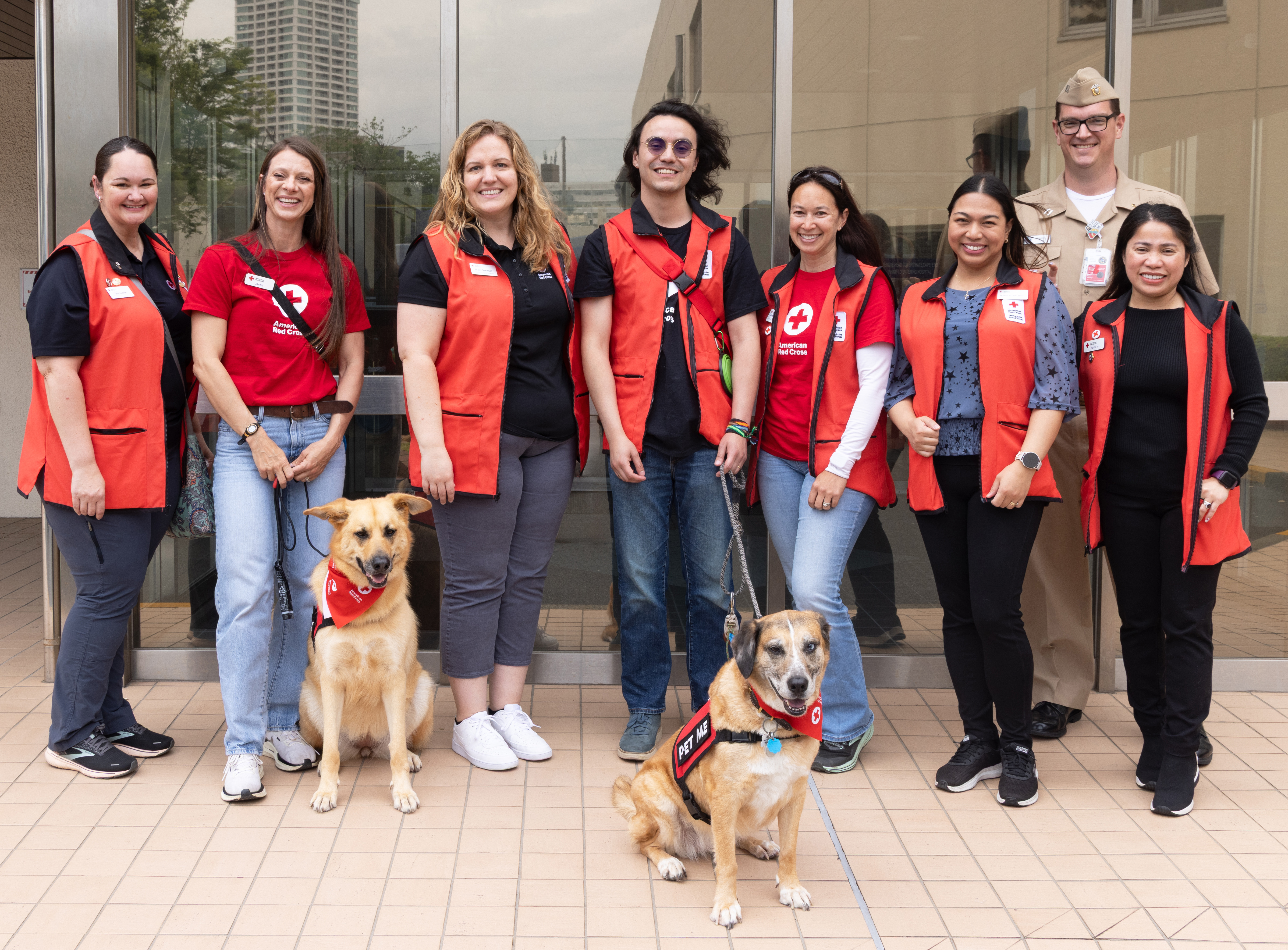
Sometimes love and treats aren’t enough, and that’s when it’s time to bring in the professionals. For many dogs with pre-existing fear or anxiety, anti-anxiety medications can be beneficial when given at home a few hours before a veterinary visit, as not only can high levels of fear and stress in your dog negatively affect their overall health, but it often hinders your veterinarian’s ability to conduct a proper examination and provide medical care. Medication is also an option, though it’s typically considered a last resort, and some anxious dogs take a mild sedative at home a couple hours before each vet visit.
When choosing a veterinary team, consider inquiring about their approach to minimizing fear and stress during appointments, as many veterinarians and staff members are trained in programs such as Fear Free® and Low Stress Handling®, which aim to create a behavior-friendly environment using minimal restraint. If your dog is truly too anxious to handle a visit to the veterinary clinic, consider looking for a vet that makes house calls.
Conclusion

Remember, every small step you take to reduce your dog’s vet anxiety is an investment in their long-term health and happiness. Turning vet visits into a stress-free experience is achievable through preparation, understanding, and the right approach to calming techniques. Anxious dogs don’t have to be anxious patients – with preparation, desensitization, and some helpful tools, your anxious dog might even learn to enjoy the vet.
The journey from trembling terror to tail-wagging confidence might take time, patience, and maybe a few extra treats along the way, but it’s absolutely worth it. Your dog deserves to feel safe and supported during these important health visits, and you have the power to make that happen. What strategies will you try first with your furry friend?


