
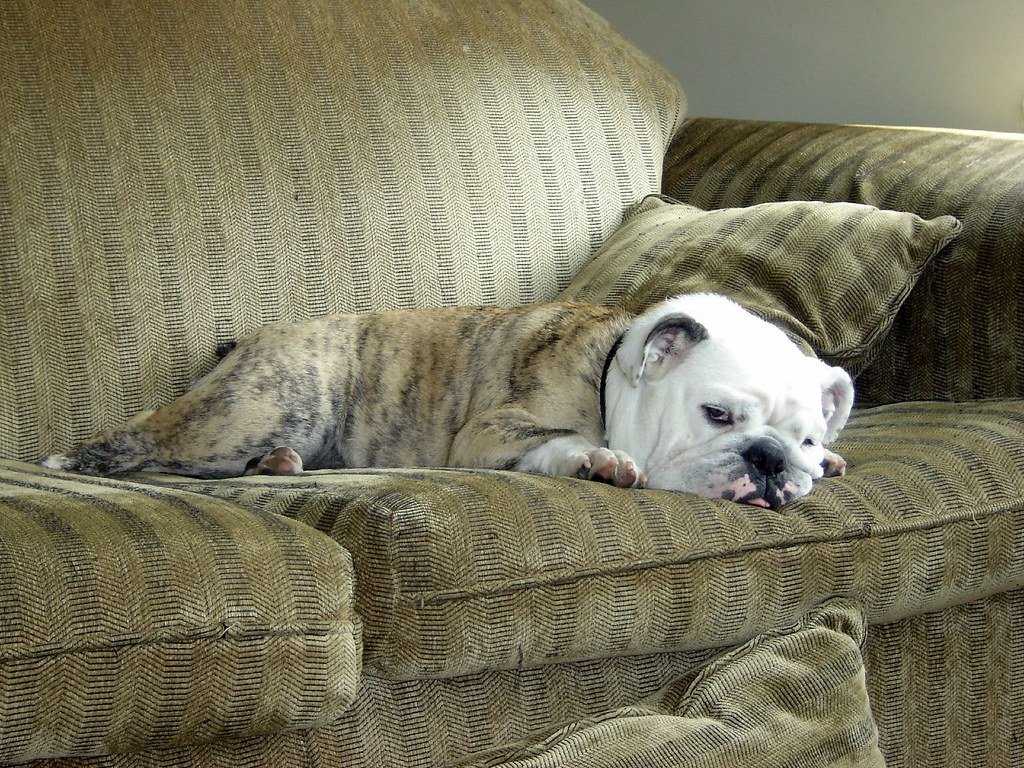
Have you ever watched a dog training class and noticed how some pups seem to pick up commands instantly while others just stare at their owners with that adorable but completely blank expression? Trust me, as someone who’s spent countless hours with dogs of all kinds, I can tell you that intelligence in our furry friends isn’t always about being the star student. Sometimes the “dumbest” dogs are actually the smartest ones who’ve simply decided your suggestion isn’t worth their time.
The truth is, what we often label as “dumb” behavior is usually stubbornness, independence, or a dog breed that was developed for very specific jobs that didn’t require constant human direction. These pups aren’t trying to frustrate you on purpose. They’re just wired differently, and honestly, that makes them even more lovable once you understand what makes them tick.
Afghan Hound: The Gorgeous Drama Queen
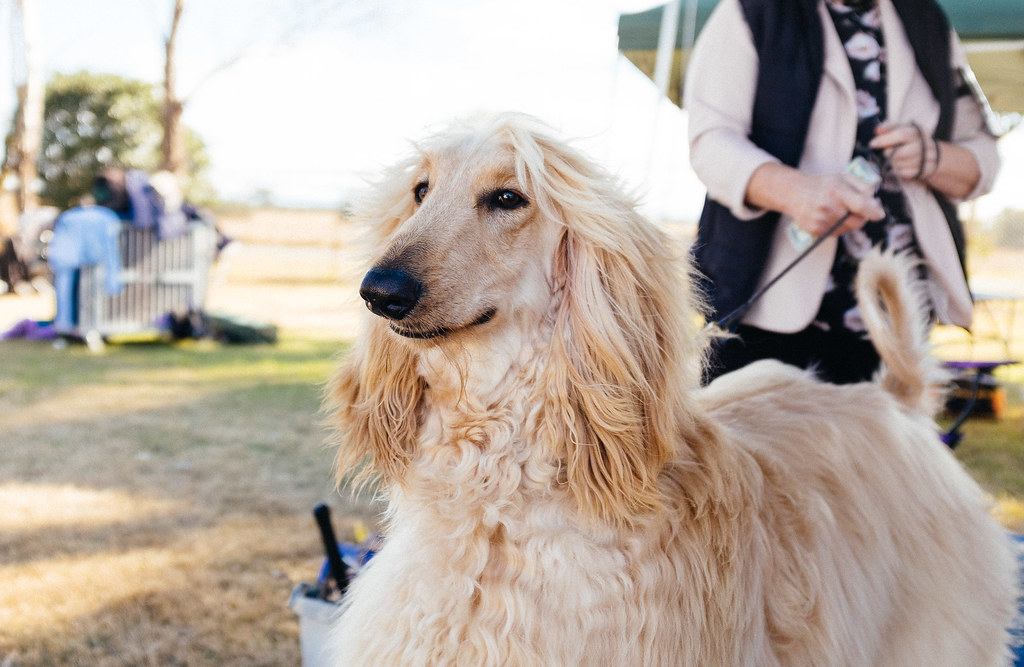
Meet the Afghan Hound, often crowned as the least obedient dog breed in Stanley Coren’s famous intelligence rankings. These elegant sighthounds were only able to obey the first command they were given approximately 25% of the time, consistently ranking in the lowest category for working and obedience intelligence. Their flowing coat and regal appearance might fool you into thinking they’re show-offs, but they’re actually incredibly practical hunters.
Afghans can be aloof and standoffish with strangers, and they’re also stubborn and independent. Due to these traits, they’re not easy to train, but that doesn’t mean they aren’t smart – they simply prefer to think for themselves and do things on their own terms. Think of them as the aristocrats of the dog world who genuinely believe they know better than you do.
Basenji: The Cat in Dog’s Clothing
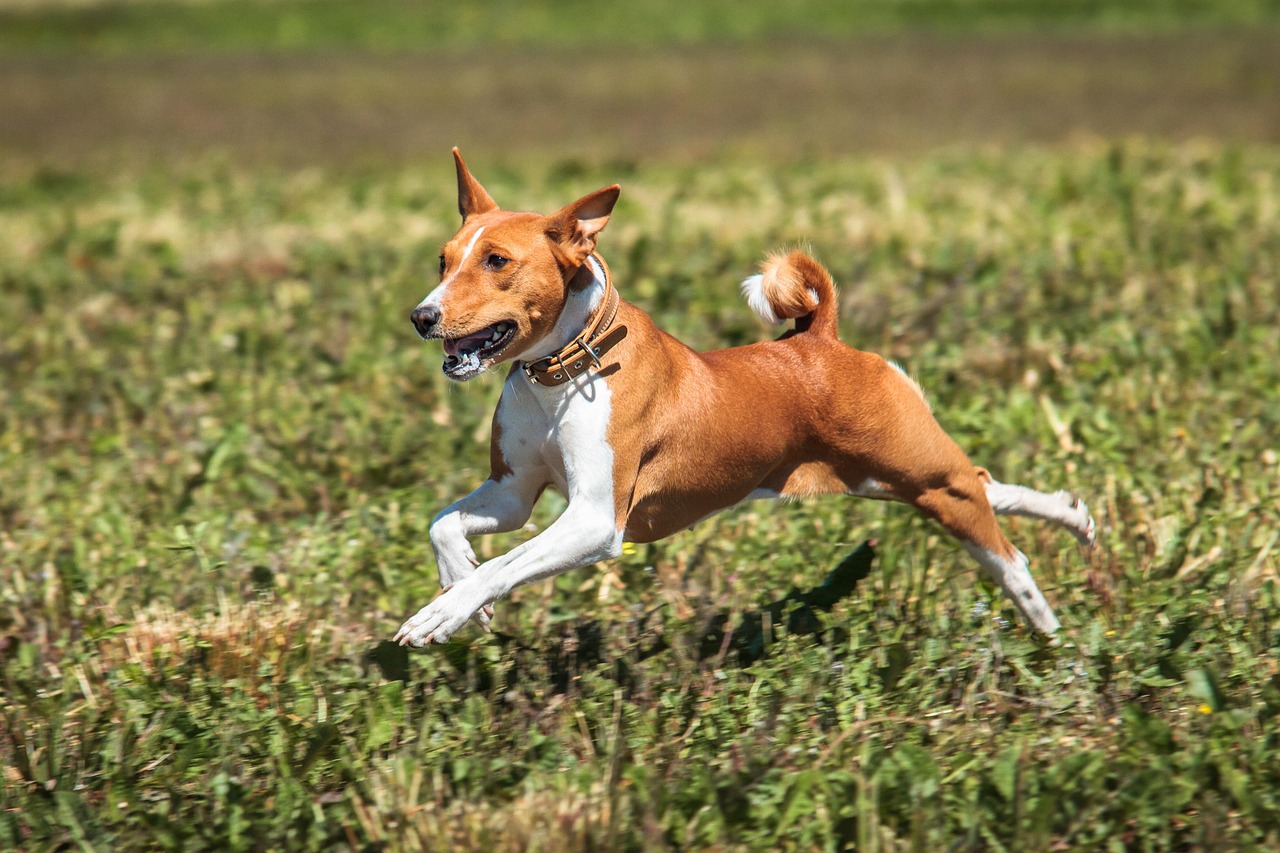
The Basenji is another sighthound that makes the list for his independence and aloofness, with some people describing this breed as having feline qualities, and many Basenjis will groom themselves like cats. These fascinating dogs are known for not barking traditionally, instead making unique yodel-like sounds when they want to communicate.
While they’ve earned a reputation for being difficult to train, Basenjis are actually intelligent, curious, and moderately playful. Like inquisitive toddlers, they’re smart enough to get into trouble if you don’t watch them carefully, and they’re stubborn so they aren’t consistently obedient. Picture living with a clever escape artist who has their own agenda.
Chow Chow: The Independent Thinker
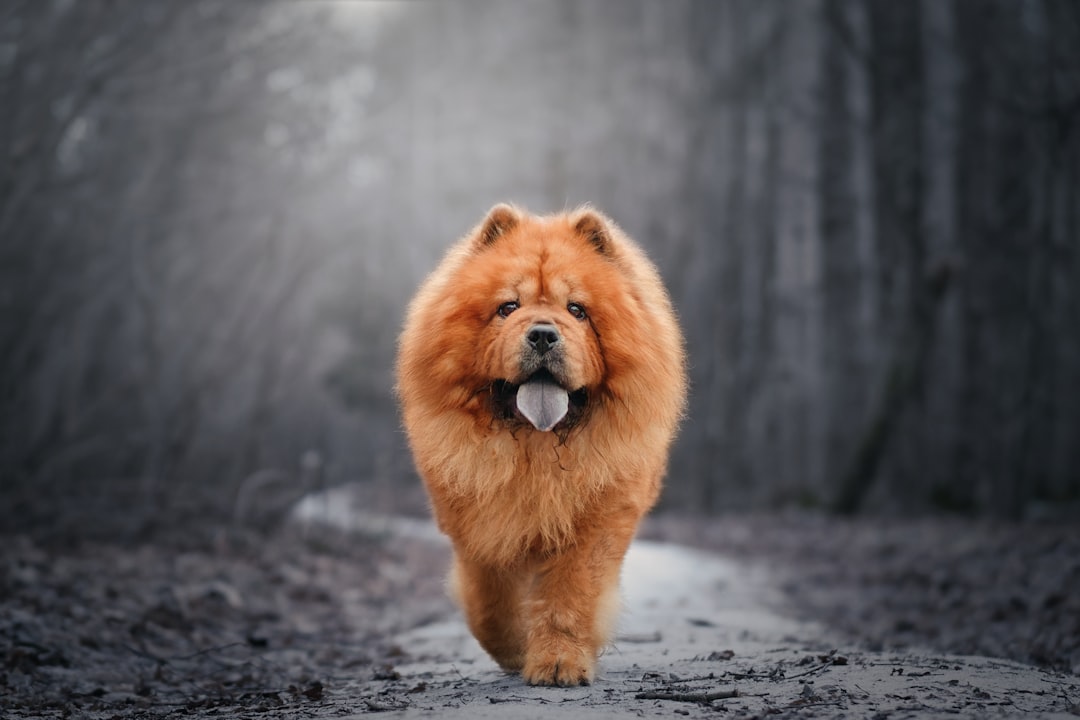
Chows are serious, independent, and aloof. They are strong-willed and stubborn, and therefore more difficult to train, which lands them a spot on the list of dumbest dog breeds. However, Chows are intelligent – they just have minds of their own. These fluffy lions were originally bred as guard dogs and hunters in ancient China, so independence was actually a desired trait.
Their poor performance during obedience tests is related to their strong, reserved and relatively docile character, which can hinder training sessions and slow the learning process. This doesn’t necessarily mean they’re dumb – Chow Chows simply have a strong character. They’re the type of dog who will listen to your command, consider it carefully, and then decide whether it’s worth their while.
English Bulldog: The Lovable Couch Potato
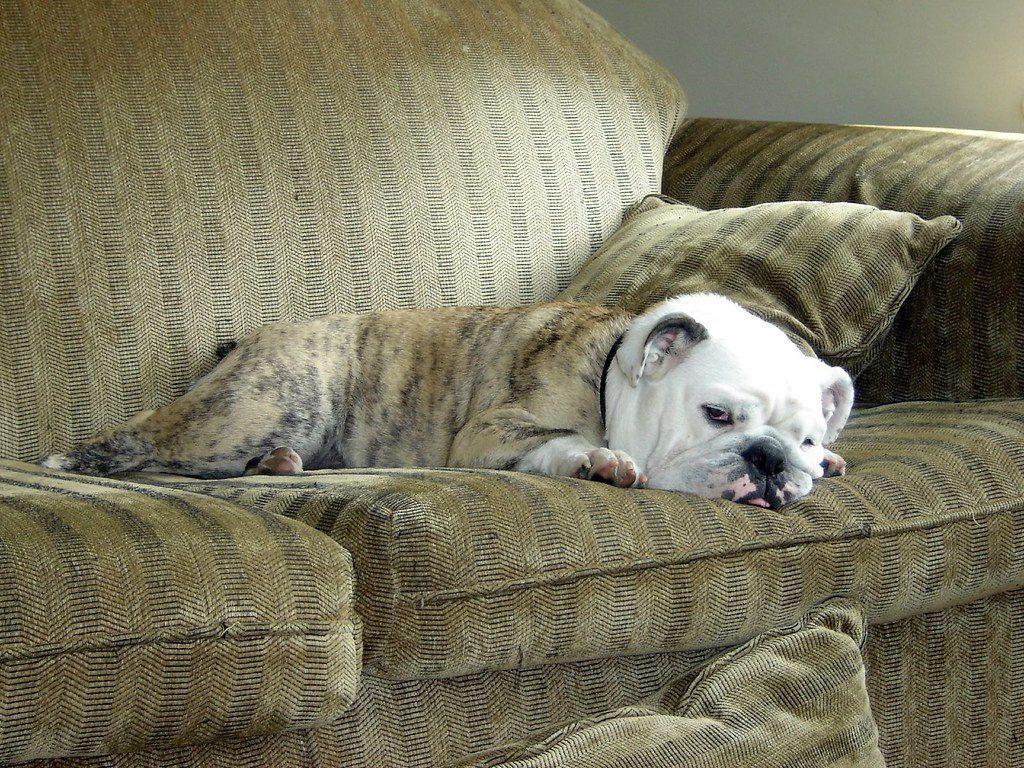
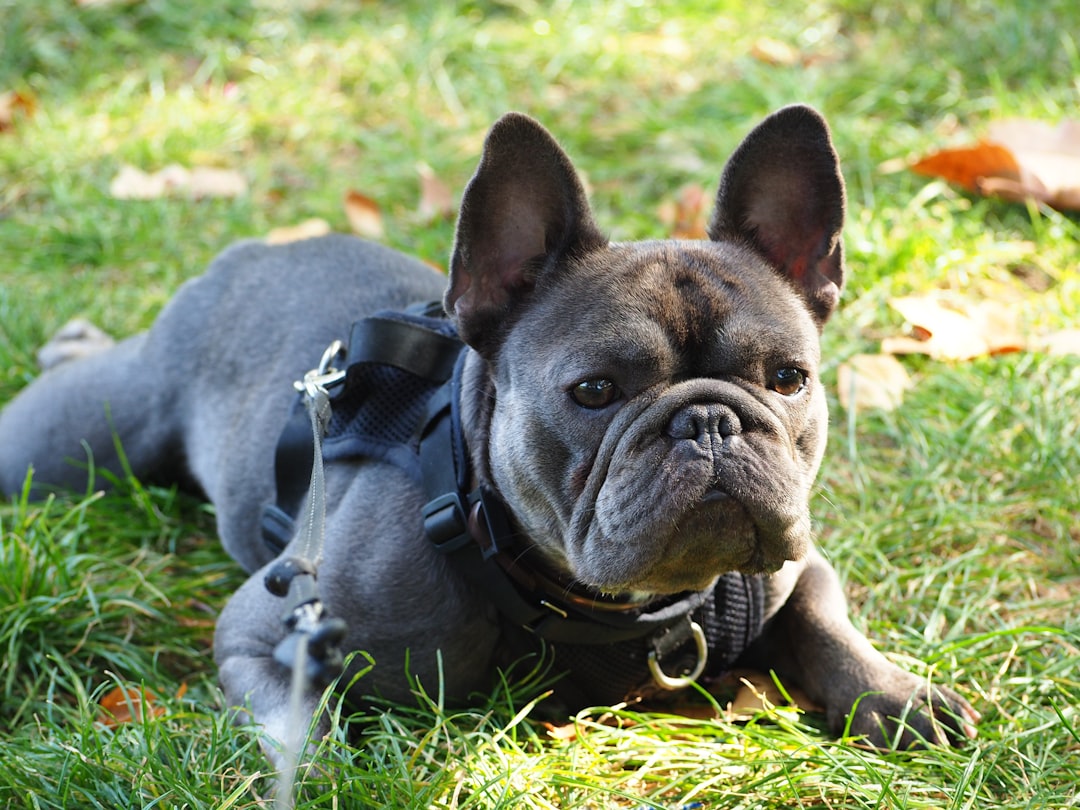
Bulldogs are known for stubbornness and can be difficult to train according to some rankings, but you only have to look at famous skateboarding or surfing Bulldogs to see they’re definitely capable of learning. They’re also labeled as lazy, but some clearly enjoy more vigorous activities than lying on the couch. The key with Bulldogs is finding what motivates them.
Bulldogs can be stubborn, but they have a bad reputation for being stubborn and strong-headed that shouldn’t scare you. The stubbornness often comes from not understanding their owner, and proper communication methods can help. These gentle giants just need patience, consistency, and maybe a few extra treats to get their attention.
Mastiff: The Gentle Giant
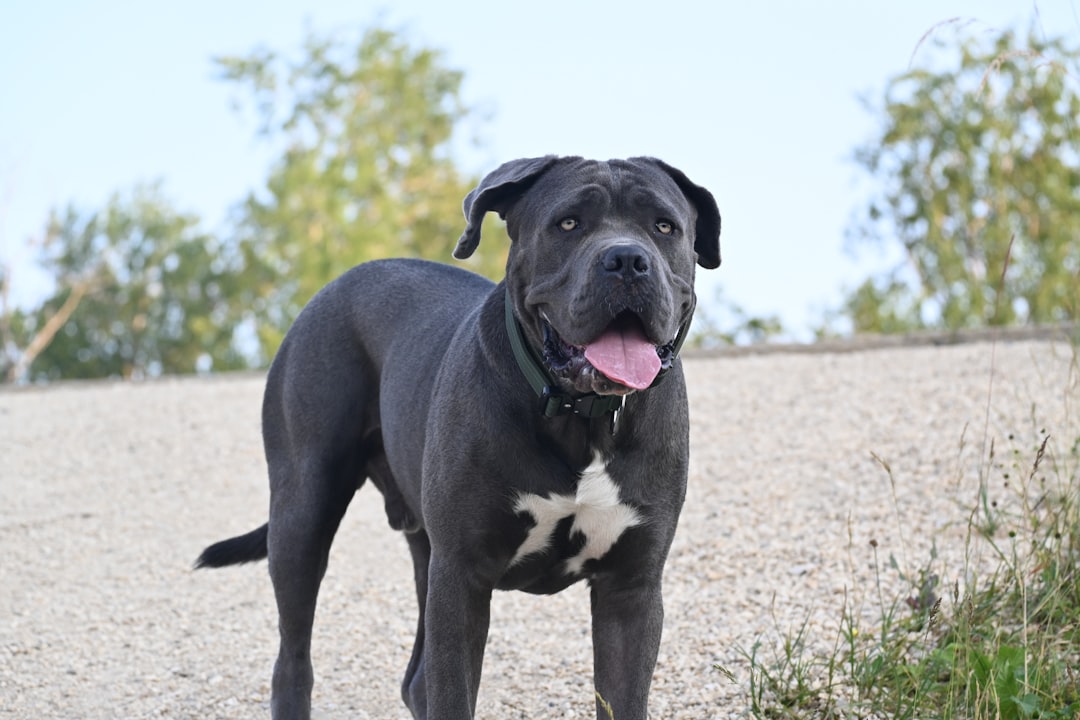
The large, laid-back Mastiff is so chilled that you might think they’re a little dense. They’re also stubborn and might be more challenging to train than some breeds, but Mastiffs are actually quite bright; they just get bored of training easily. These massive dogs were bred to be guardians, not circus performers.
Due to their size and natural wariness of strangers, it’s essential for owners to start training and socialization early in puppyhood so Mastiffs develop into well-behaved and discerning companions. Think of training a Mastiff like teaching a very large, very sleepy teenager – short sessions work best, and you need to make it worth their while.
Basset Hound: The Scent-Obsessed Dreamer
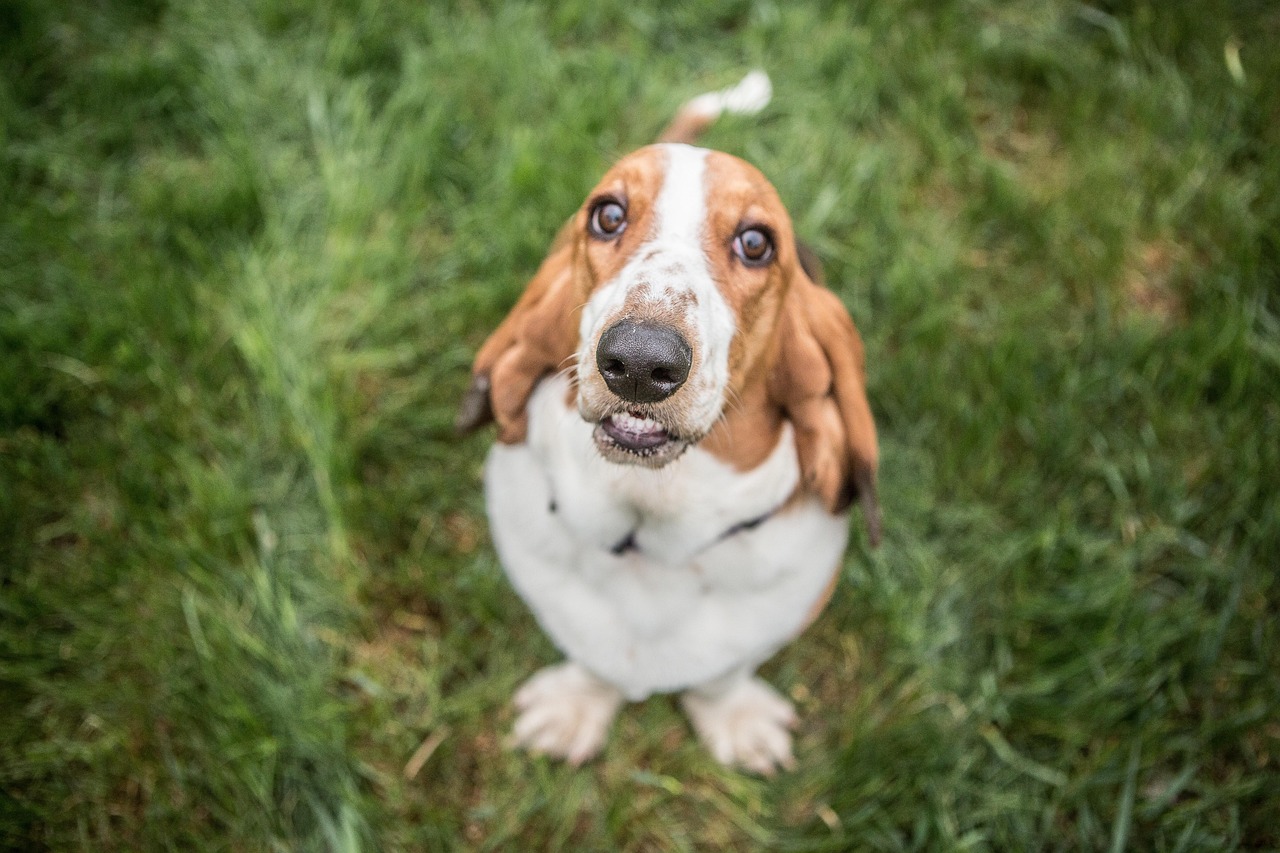
Basset Hounds can be a bit lazy, possibly due to their long and low bodies or laid-back personalities. They can be stubborn, and like their scenthound cousins, might have trouble ignoring amazing scents around them long enough to concentrate on learning. When a Basset catches an interesting smell, good luck getting their attention back.
Basset Hounds are some of the most stubborn dogs around, but this isn’t malicious – they were literally bred to follow scents for miles without human direction. Their nose rules their world, and everything else, including your training session, comes second to whatever fascinating smell trail they’ve discovered.
Beagle: The Determined Detective
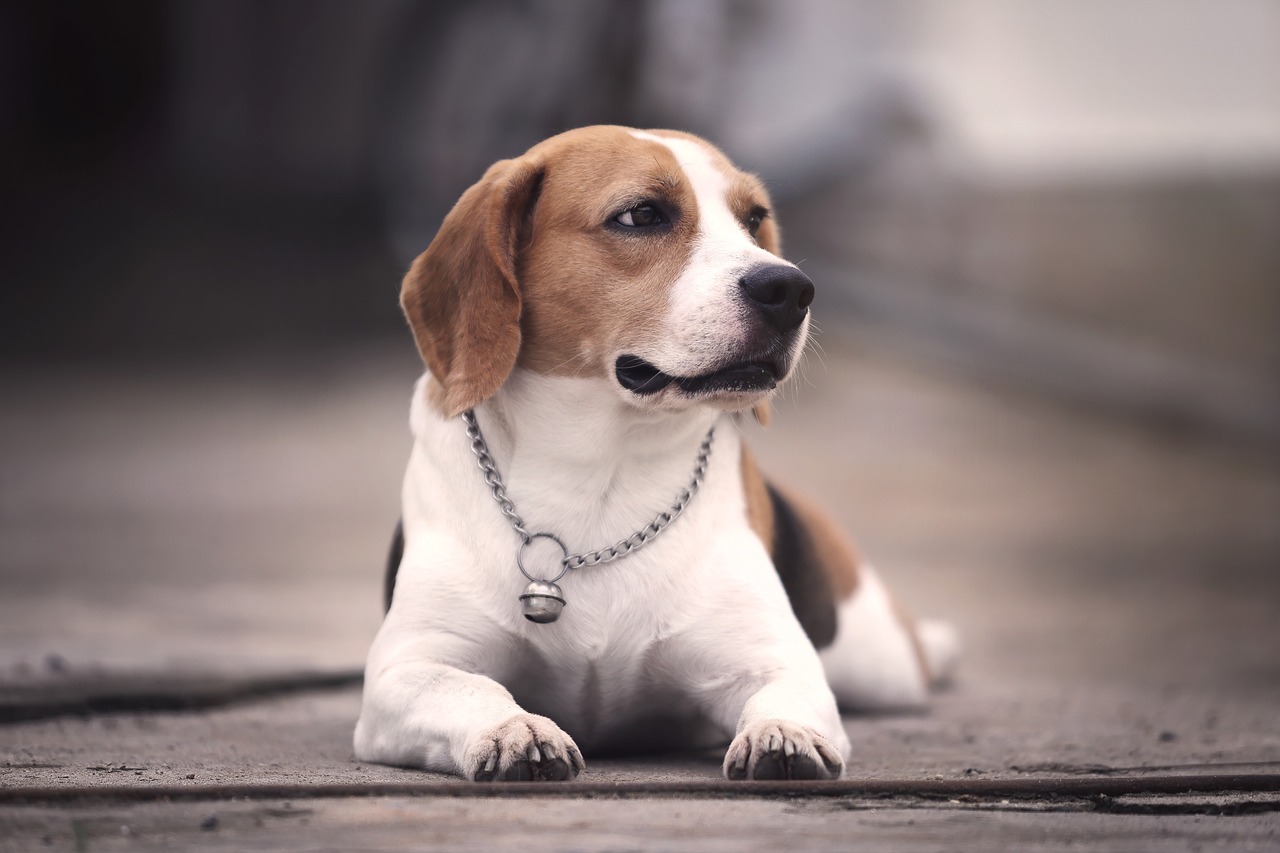
Beagles share many traits with their Basset Hound cousins, being bred primarily as scent hounds for hunting. Beagles are often recognized for their independent streaks, along with other breeds that show strong-willed or resistant nature when it comes to following commands. Their incredible nose can pick up scents that are days old, making them fantastic search and rescue dogs but challenging house pets.
The challenge with Beagles isn’t intelligence – it’s priority. When they catch a scent, their hunter instincts kick in, and suddenly your recall training goes out the window. They’re like that friend who gets completely absorbed in a good book and genuinely doesn’t hear you calling their name.
Pekingese: The Imperial Snob
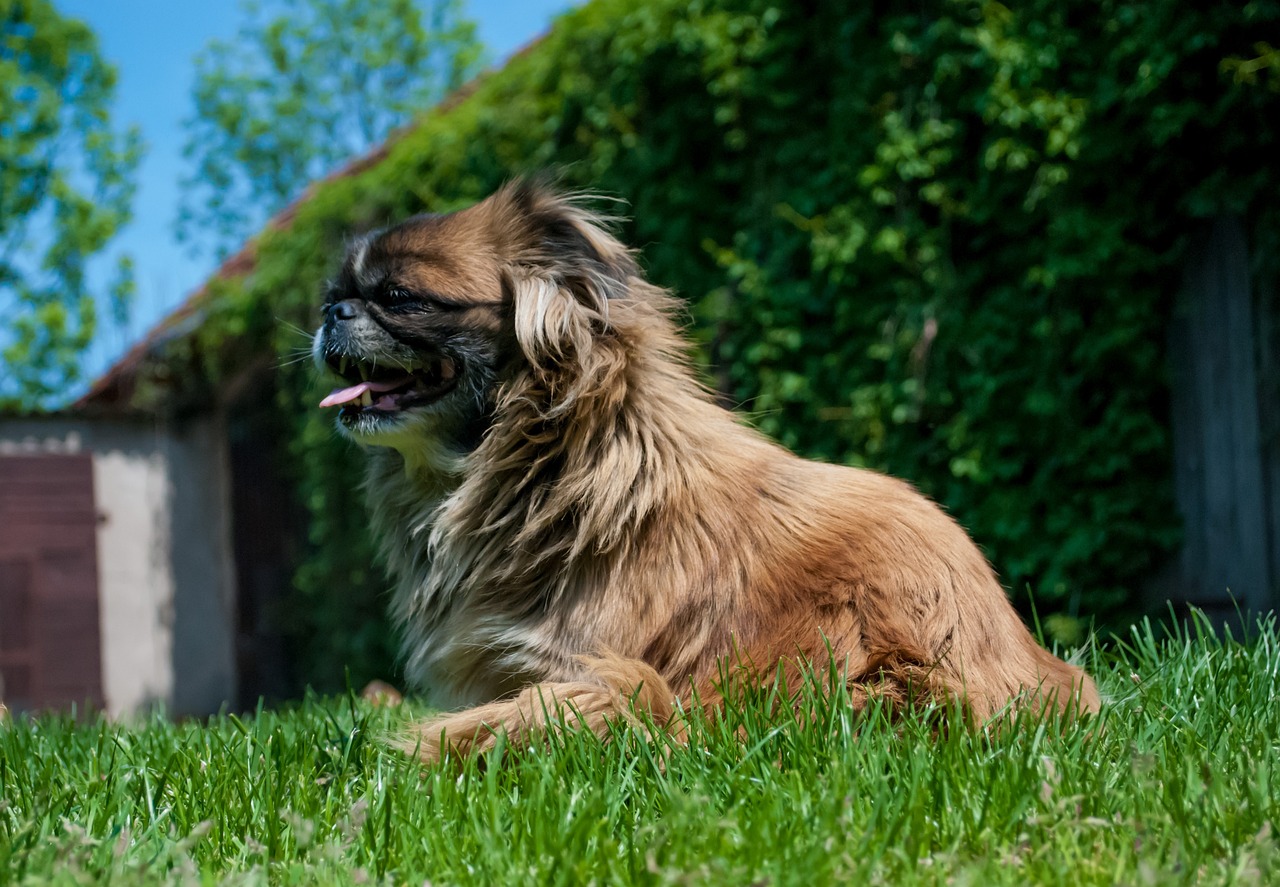
Pugs and Pekingese dogs appear frequently on lists of stubborn dog breeds, and when looking back to antiquity, these closely related breeds were most likely used in the making of the modern-day Shih Tzu and are ranked as being stubborn. These dogs were literally bred to be companions to Chinese royalty, so their attitude isn’t accidental.
Despite their small size, Pekingese stand out for having a very brave and protective character, and they won’t hesitate to defend their family. This accentuated instinct makes them particularly distrustful with strangers, and for many years they’ve been burdened with a bad reputation for being too stubborn or even ‘dumb,’ although they can learn proper behavior.
Shih Tzu: The Pampered Princess
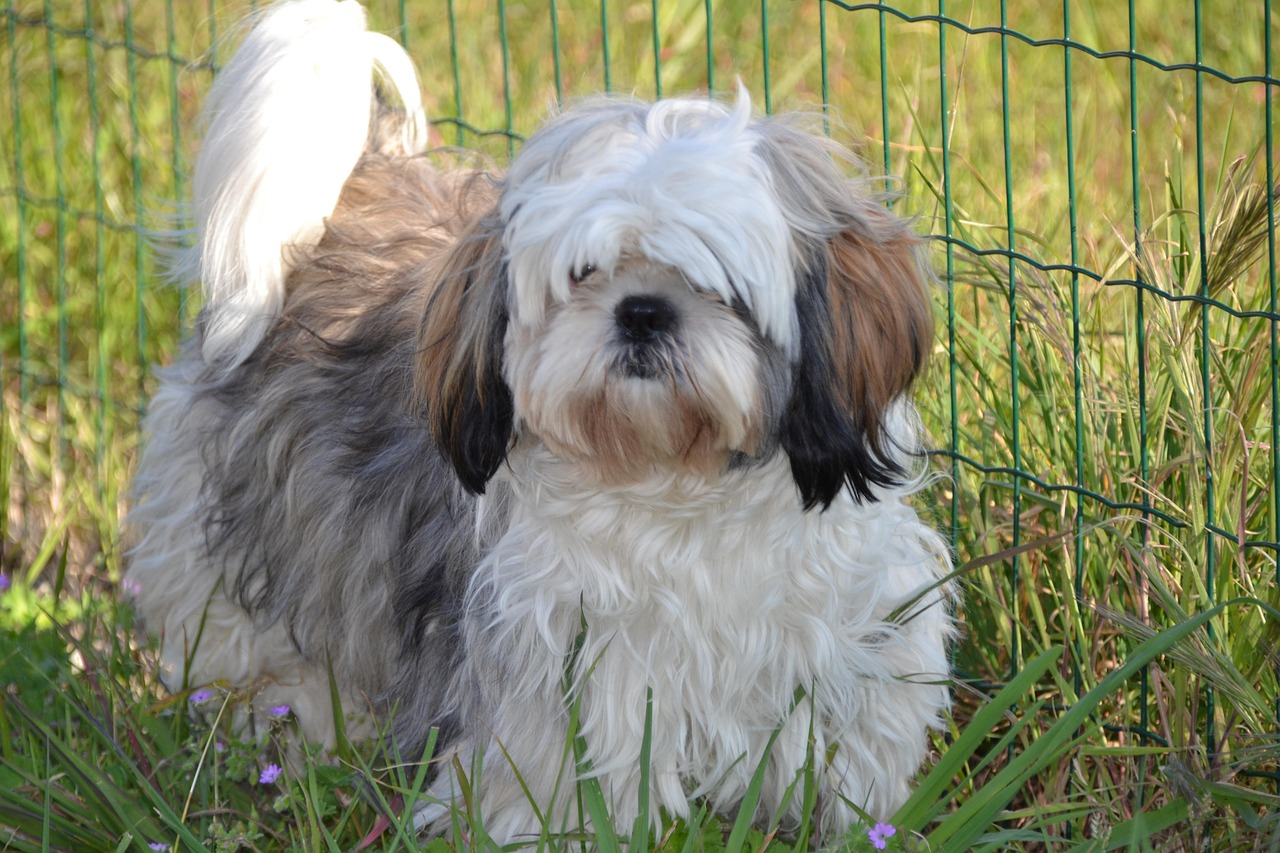
Shih Tzus have a reputation for being stubborn and therefore difficult to train. Some can be difficult to train, and their stubbornness requires patient training to overcome. These little “lion dogs” were bred to be lap warmers for Chinese nobility, not obedience champions, so their selective hearing isn’t really surprising.
Shih Tzu owners often use the term “stubborn” when their dog won’t do something they ask, but this might be more a matter of spending more time retraining and practicing. They want to please us, and if we’ve developed a strong bond, they will do what it takes to make us happy. The secret with Shih Tzus is making training feel like a fun game rather than work.
Borzoi: The Elegant Free Spirit
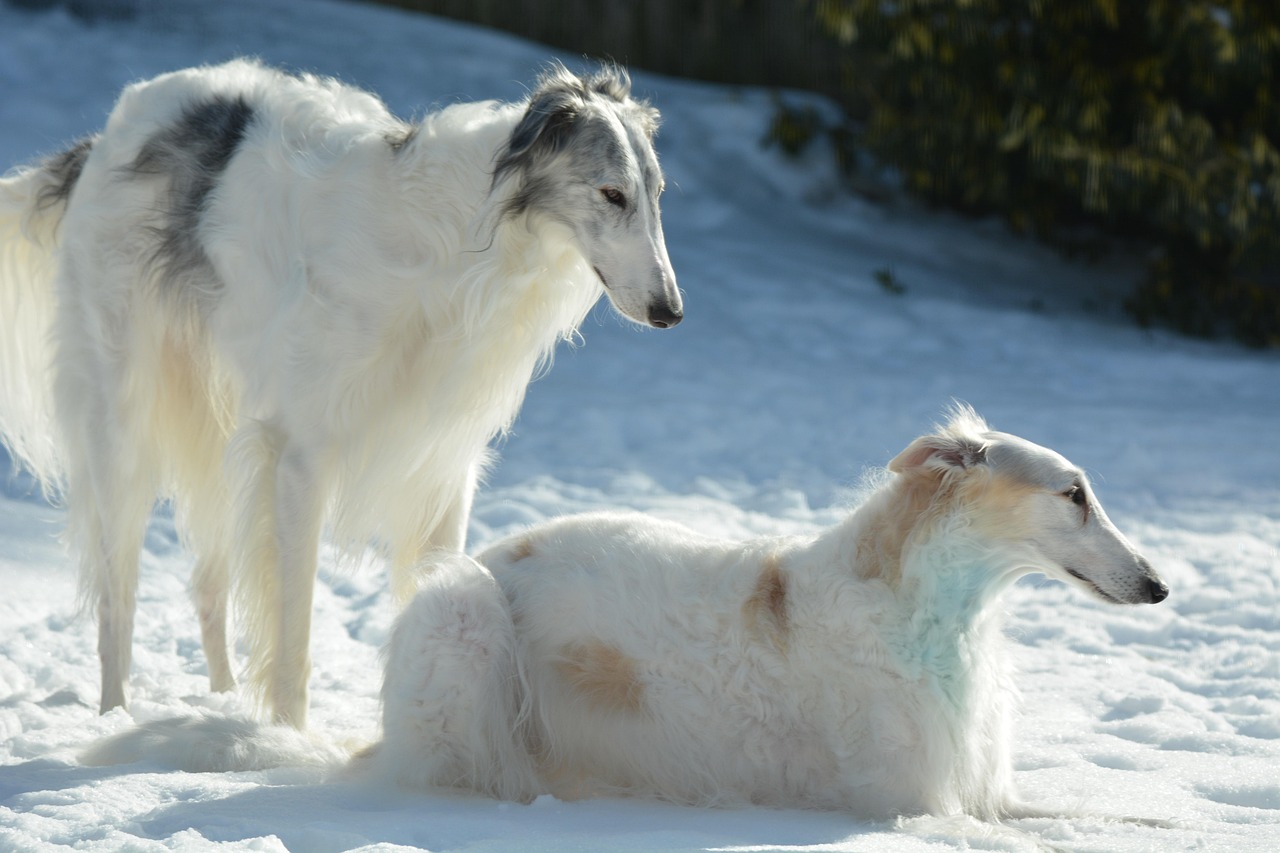
Though smart, Borzois aren’t known for their obedience – a trait that comes from the need to make decisions while hunting. A patient, experienced dog owner is best for this stubborn yet sensitive breed. The Borzoi is an independent thinker who is intelligent but not always obedient. These Russian sighthounds were bred to hunt wolves, which required split-second decision-making without human input.
Training a Borzoi takes time and dedication. These elegant dogs can be independent and stubborn, so you need to stay patient throughout the process, and consistency is key when working with them. Think of them as the artists of the dog world – brilliant but with their own creative vision that doesn’t always align with your lesson plan.
Conclusion
The truth about these so-called “dumb” dog breeds is that they’re often too smart for their own good. The most stubborn dog breeds tend to be intelligent, independent, and occasionally infuriating. While they may be harder to train, they often make fiercely loyal and clever companions when handled with patience. Stubborn dog breeds aren’t bad; they’re just more independent.
Remember, intelligence in dogs isn’t just about how quickly they sit on command. These breeds were developed for specific jobs that required independent thinking, problem-solving, and the ability to make decisions without constant human input. That hunting dog who ignores your recall when they’ve caught an exciting scent isn’t being disobedient – they’re doing exactly what centuries of breeding designed them to do.
What do you think about these independent-minded breeds? Have you ever loved a “stubborn” dog who turned out to be the smartest companion you’ve ever had?


