
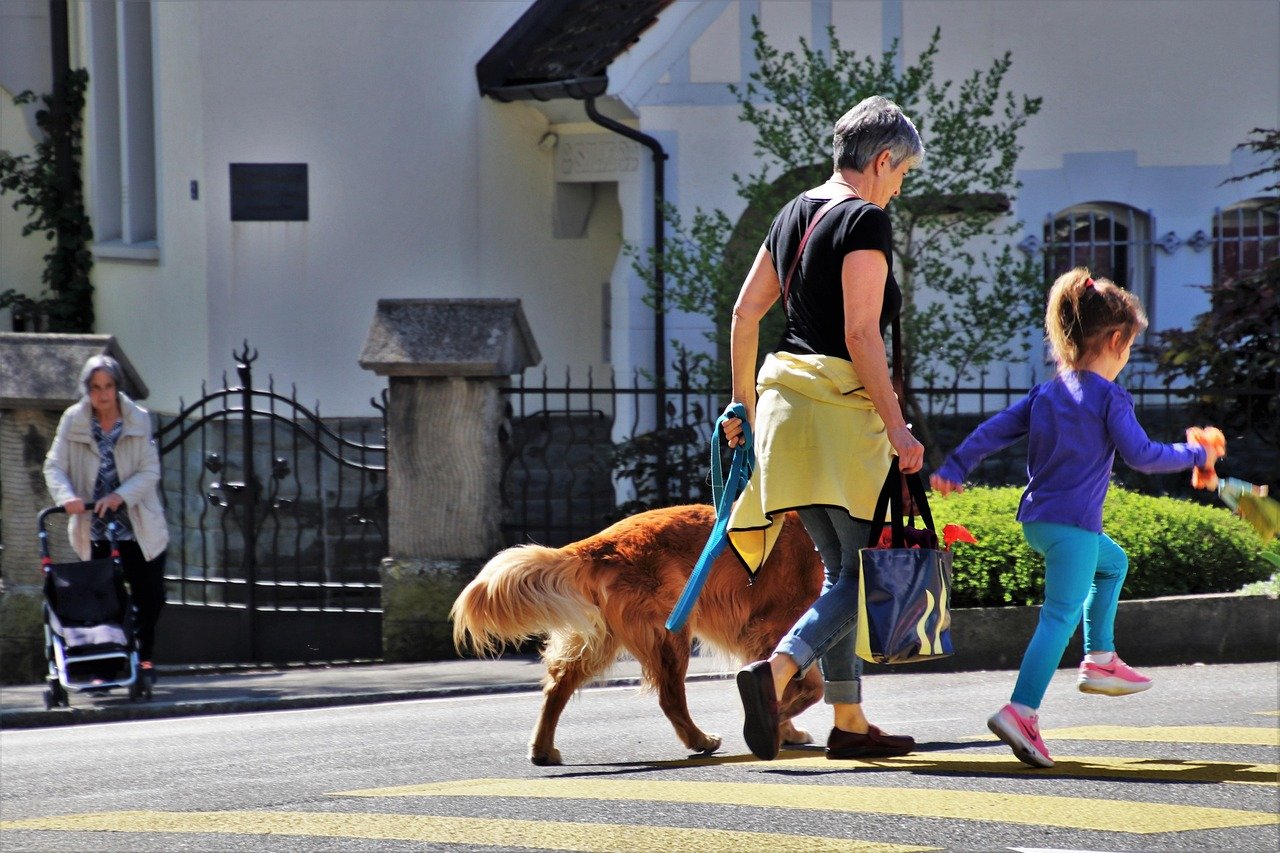
Picture this: you walk into a shelter, past rows of eager faces, and there in a quiet corner sits a distinguished older dog. His graying muzzle tells stories of years lived, while his gentle eyes seem to say, “I’m ready for one more adventure.” This might be the beginning of one of the most rewarding chapters in your life after sixty.
The decision to welcome a dog into your home during your golden years isn’t just about filling quiet spaces. It’s about discovering a profound emotional transformation that touches every aspect of your well-being. From the simple joy of a wagging tail greeting you each morning to the deep sense of purpose that comes with caring for another living being, the emotional benefits of dog adoption after sixty are both immediate and lasting.
The Instant Emotional Reward of Giving a Second Chance
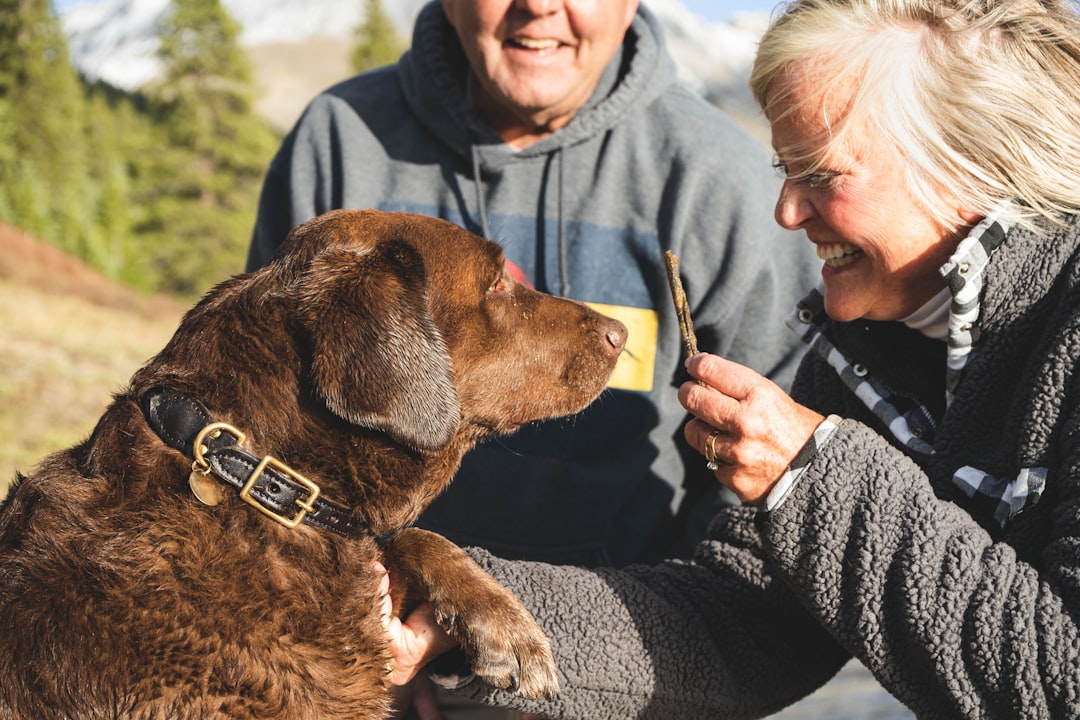
When you choose to adopt a dog after sixty, you’re not just gaining a companion; you’re literally saving a life. Ask anyone who has adopted a more mature dog or cat and they will tell you that they are convinced their pets know they have been saved. Just one look in their eyes and you can see they are saying, “Thank you for saving my life.”
When you adopt an older dog from the shelter, you will not be able to deny the warm feeling of pride for changing a dog’s life. The love you give to this dog is a love it would never have otherwise known. This immediate emotional reward creates a profound sense of satisfaction that younger puppies simply can’t provide.
The gratitude these dogs display is remarkable and deeply moving. Senior dogs seem to show gratitude to their adopters, which can look like a quiet, soulful appreciation for being given a second chance, creating an emotional bond that feels almost spiritual in nature.
Finding Purpose Through Daily Care and Routine
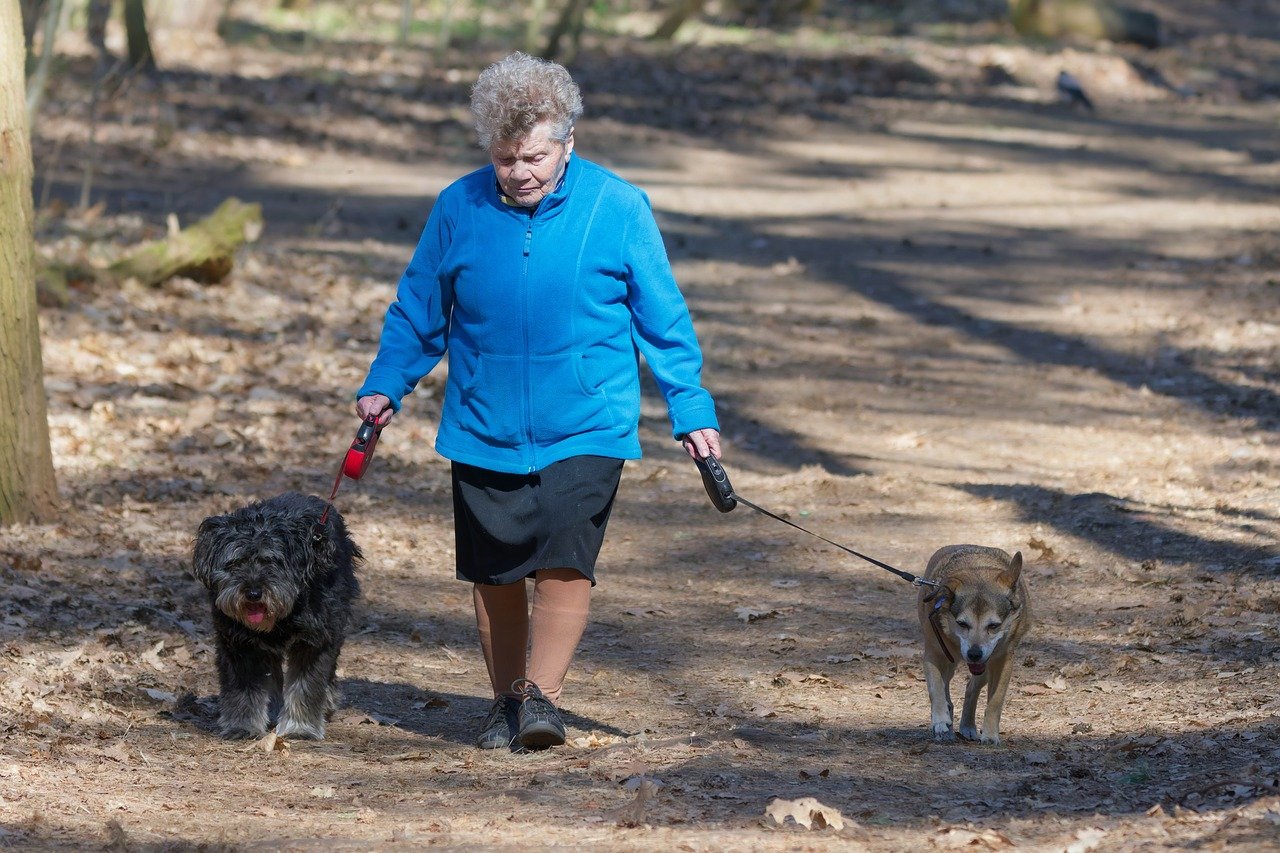
Retirement can sometimes leave people feeling adrift, wondering where their sense of purpose went. A dog changes that overnight. Having a pet creates a sense of responsibility and purpose, as older adults follow a consistent schedule for feeding, grooming, and walking their furry companions. This routine can contribute to lower stress levels, boosted mental well-being, and improved overall quality of life for seniors.
Pet owners said that their pets help them enjoy life (88%), make them feel loved (86%), reduce stress (79%), provide a sense of purpose (73%), and help them stick to a routine (62%). These aren’t just statistics; they represent real emotional transformations happening in homes across the country.
The simple act of having another living being depend on you creates structure where there might have been emptiness. Morning walks become opportunities for reflection, feeding times become moments of connection, and evening cuddles become the perfect way to wind down each day.
Combat Loneliness with Unconditional Companionship
Loneliness among older adults has reached epidemic proportions, but dogs offer a powerful antidote. In fact, research has found that older adults who reported owning a pet were significantly less likely to report loneliness than older adults who don’t have pets. This isn’t just about having something alive in the house; it’s about genuine emotional connection.
Over 40% of aging in place individuals experience loneliness, but they often find solace in their pets. Owners play and talk with their pets. In fact, 57% of pet owners admit to confiding in their pets and finding comfort in doing so. Your dog becomes a trusted confidant, listening without judgment to your thoughts, fears, and dreams.
The beauty of canine companionship lies in its reliability. While human relationships can be complicated, your dog will be there consistently, offering comfort during difficult moments and sharing in your daily joys. Not only can pets provide reassuring nuzzles and emotional support, they are the perfect companions for older adults who live alone.
Emotional Healing Through Physical Touch and Presence
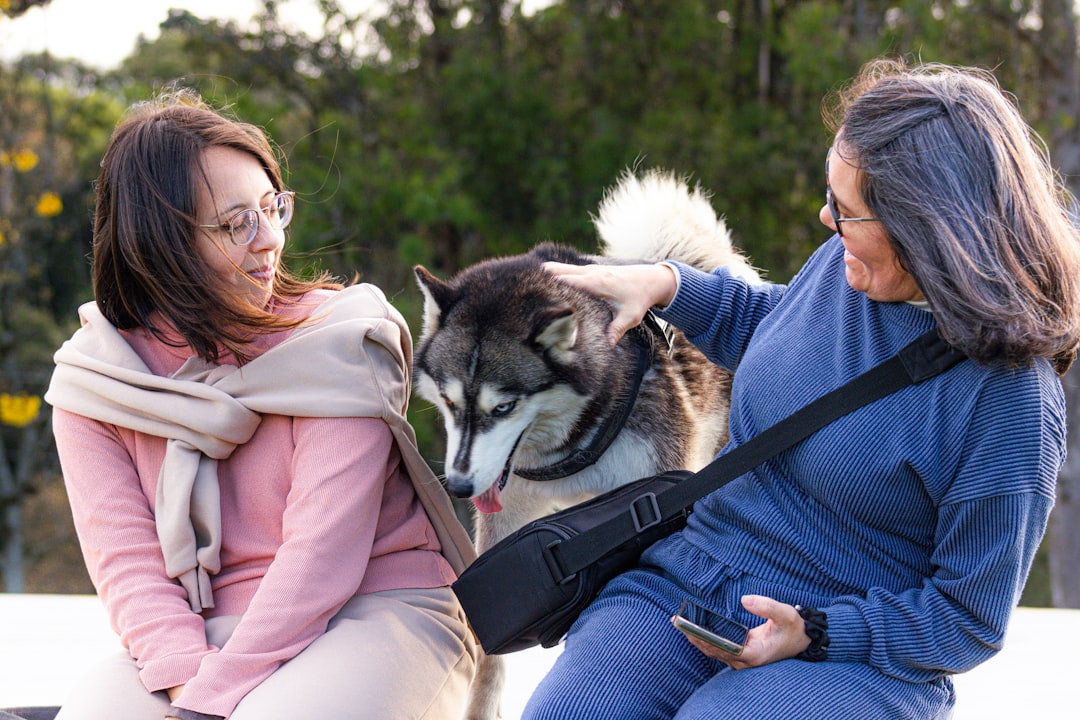
The simple act of petting a dog triggers remarkable changes in your body’s chemistry. Simply petting a dog can decrease the level of the stress hormone cortisol and increase the level of the mood-regulating hormone serotonin, resulting in lowered blood pressure and heart rate. This physical interaction becomes a form of natural therapy, available whenever you need it most.
Pets live in the here and now, without worry about the future or thoughts about the past. Playing or cuddling with your dog or cat can help you do the same. In a world full of anxiety about tomorrow and regrets about yesterday, your dog teaches you the art of being present.
Studies show that the vast majority of people feel more relaxed after spending time with a pet. And for people who tend to spiral into worry, the same study found that pets help them live in the moment, and stay mindful. This emotional grounding becomes invaluable for maintaining mental wellness as you age.
Building New Social Connections Through Your Canine Companion
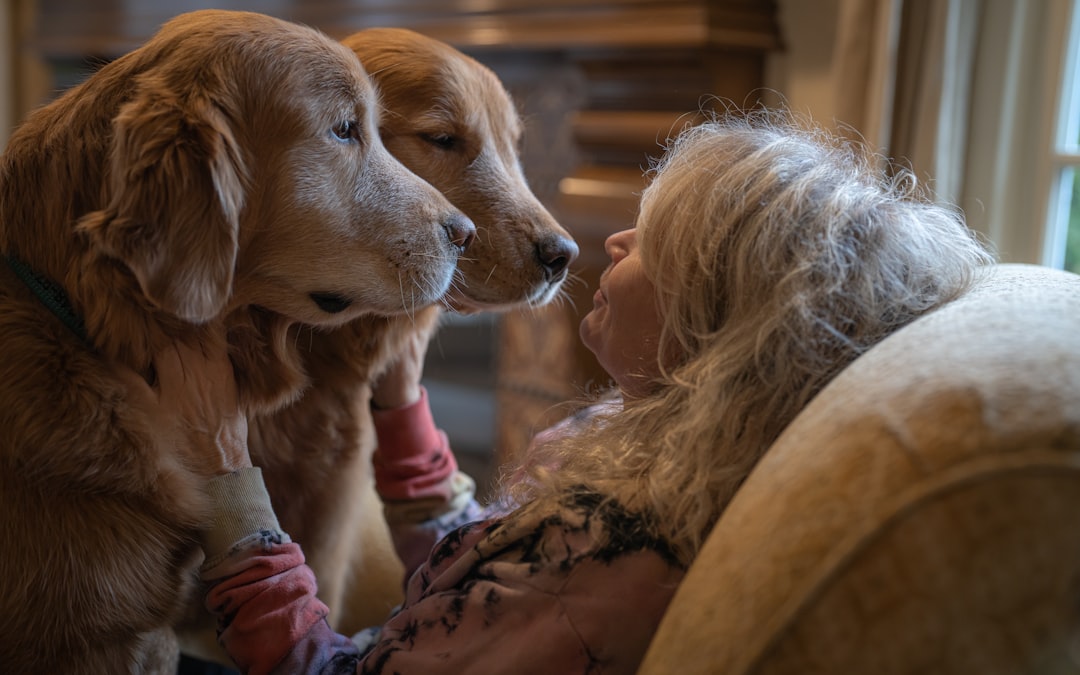
Your new dog becomes an instant conversation starter and social bridge to your community. Research has found being a pet owner was the third most common way that people meet other people in their neighborhoods. And, pet owners were more likely than non-pet owners to get to know people in their neighborhoods. Suddenly, your daily walk becomes an opportunity for meaningful human interaction.
Owning a pet improves sociability and human connection in aging individuals. Recent studies show that 65% of aging in place individuals believe that their pets help them connect with other people. This belief may be because of daily walks and providing a shared connection with other individuals. Dog parks become social hubs where friendships bloom over shared stories of canine antics.
The social benefits extend beyond casual encounters. Dogs can be great ice breakers so going for walks with them can be a great way to meet new people. A study has shown that pet owners are significantly more likely to meet their neighbors than non-pet owners. Your neighborhood transforms from a collection of houses to a community of potential friends.
Rediscovering Joy and Playfulness
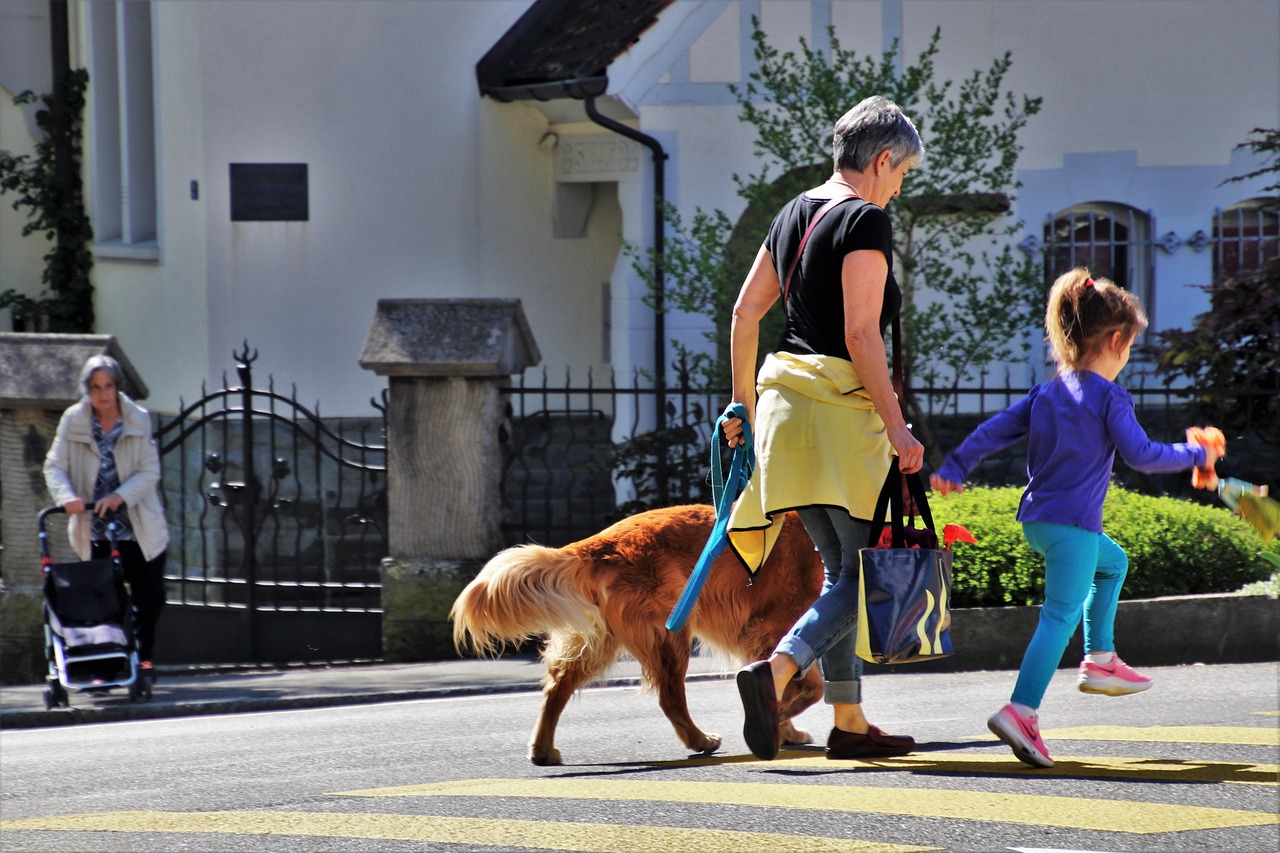
Perhaps one of the most surprising emotional benefits is how dogs reawaken your sense of playfulness. Activities like teaching a dog tricks or playing with a cat can stimulate the brain. Even talking to a pet can help maintain cognitive health – a recent study found that pet ownership helps offset the declining rates of verbal memory and verbal fluency that accompany aging. Learning becomes fun again as you and your dog discover new activities together.
Dogs have an infectious enthusiasm for simple pleasures. Their excitement over a morning walk, a thrown ball, or even just your return from the grocery store reminds you to find joy in everyday moments. This emotional shift toward gratitude and wonder can be transformative for your overall outlook on life.
Studies suggest that a positive outlook can speed recovery after an illness or injury. Pets are so good at helping us see the bright side that many hospitals, rehabilitation centers, and long-term care centers have established pet visitation programs for patients. Your dog becomes a living reminder to focus on what’s good in your world.
Long-term Emotional Investment and Legacy
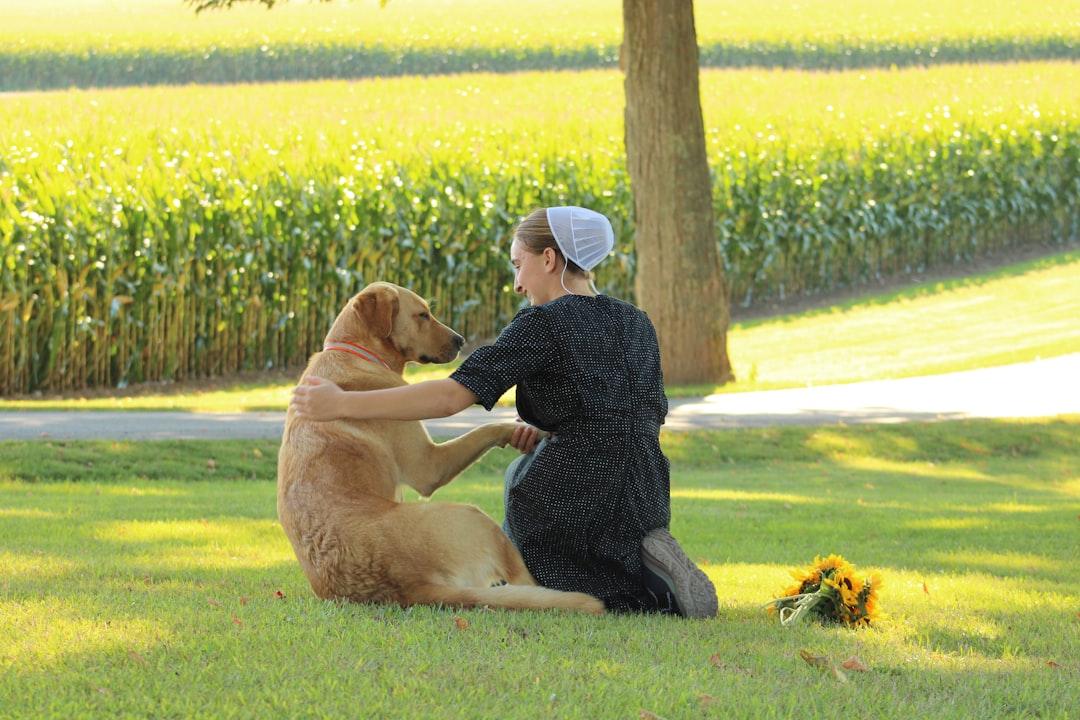
Dogs live 10-15 years, and many can live even longer depending on the dog. Talk to your veterinarian about ways you can help keep your adopted senior dog happy and healthy. This means your emotional investment has time to grow and deepen, creating a bond that enriches many years of your life.
Many adopters report that senior dogs seem to understand they’ve been given a second chance. They often form incredibly deep and loyal bonds with their new families, displaying immense gratitude and affection. The emotional reward of providing a loving home to a dog in their golden years is immeasurable. You’re not just adding years to a dog’s life; you’re adding life to your years.
The memories you create together become treasured stories to share with friends and family. Your decision to adopt becomes part of your personal legacy, a testament to your capacity for love and compassion during a stage of life when society often expects you to slow down rather than open your heart wider.
Conclusion
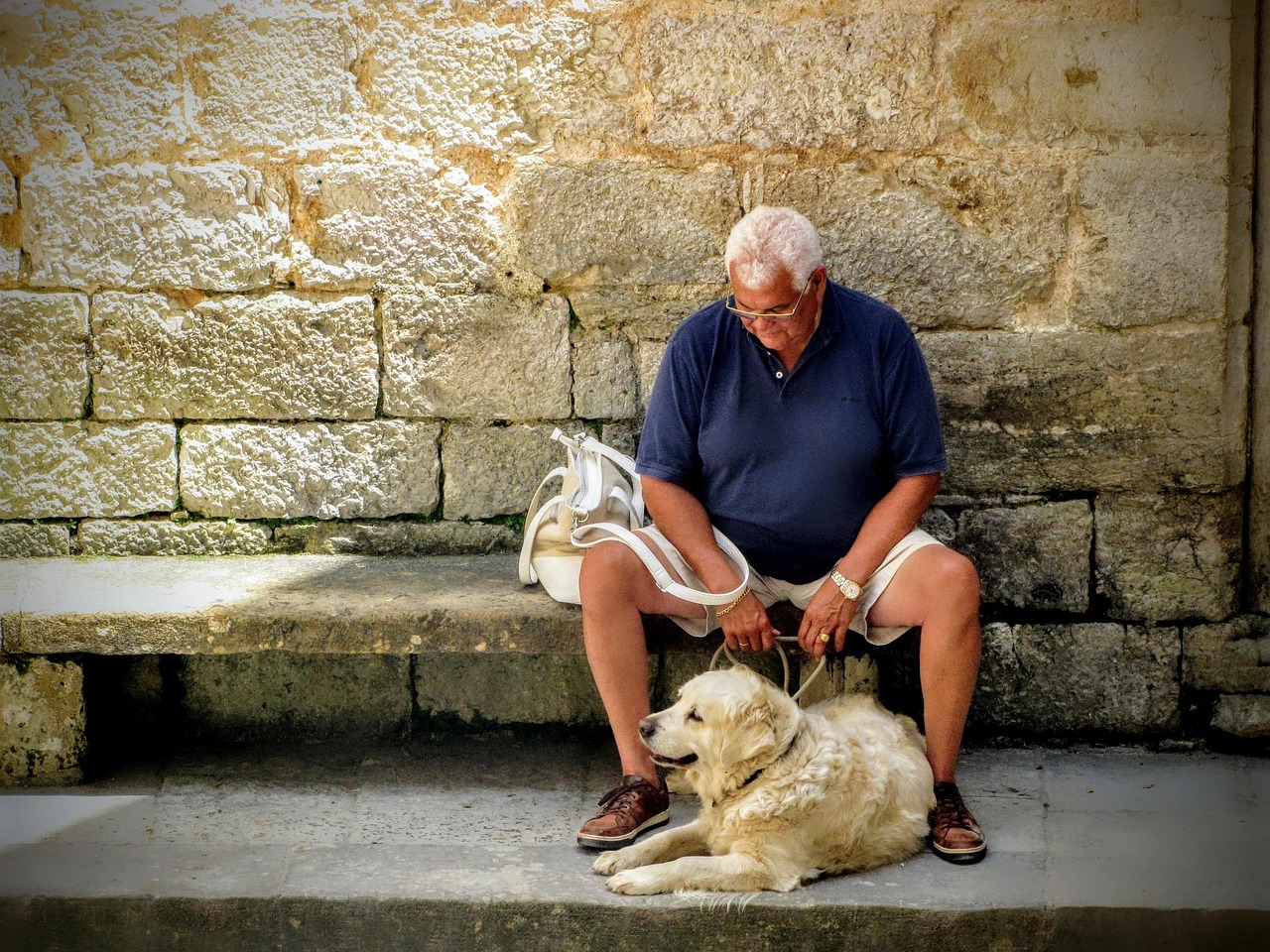
Adopting a dog after sixty isn’t just about bringing home a pet; it’s about embarking on an emotional journey that can redefine your golden years. From the immediate satisfaction of saving a life to the daily joys of companionship, from renewed social connections to rediscovered playfulness, the emotional benefits ripple through every aspect of your life. Your heart expands, your days gain structure and purpose, and your home fills with the kind of love that asks for nothing more than your presence and care in return.
Whether you’re drawn to a gentle senior dog who matches your pace or an energetic rescue who challenges you to stay active, the emotional rewards of dog adoption after sixty are as individual as they are profound. What do you think? Could your life use a little more tail-wagging joy? Tell us in the comments.


