

Every dog owner has been there. Your furry companion gazes up at you with those adoring eyes, tail wagging with pure joy at your presence. The urge to shower them with endless cuddles and treats feels natural, even irresistible.
While affection is an important part of the human dog bond and when thoughtfully utilized, can be beneficial for both dog and owner, badly timed affection can worsen problems, build over stimulation, reward inappropriate behavior, and create instability in some dogs. The line between healthy bonding and creating attachment issues is thinner than many realize. Let’s explore how too much of a good thing can lead to behavioral challenges that affect both you and your four-legged friend.
The Science Behind Canine Attachment

Dogs show similar attachment behavior toward their owner, as children show toward their parents. This comparison isn’t just poetic. Research has revealed fascinating parallels between how children form bonds with caregivers and how dogs develop relationships with their human families.
Dogs are social animals and capable of forming deep bonds with their human counterparts. Sure, dogs can be moody like the rest of us, but, for the most part, they are consistently available and happy to see you when you come home. The difference lies in how we respond to this natural attachment behavior.
Attachment to pets differs from attachment to humans with studies showing that humans with an insecure attachment style form a particularly strong emotional attachment to their companion animals. This creates a complex dynamic where our own emotional needs can inadvertently shape our dogs’ behavioral patterns.
When Love Becomes Problematic
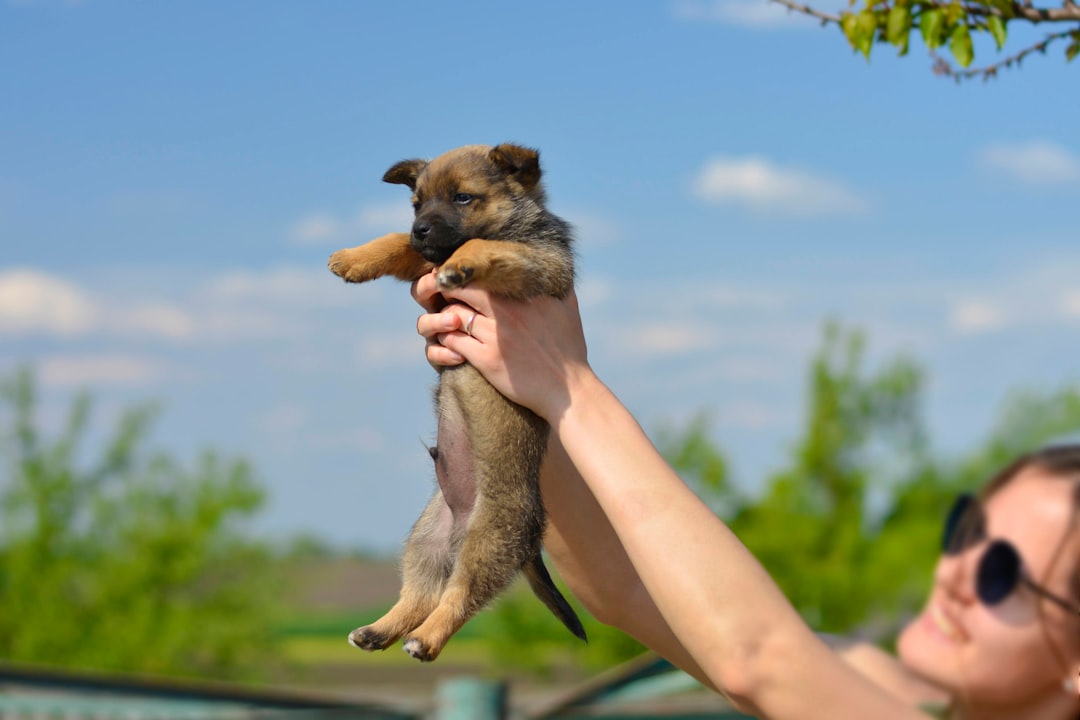
If most or even some of the time that you are giving your dog affection is when they are in an excited state of mind you are actually conditioning your dog to stay in that excited state. It would be like giving them a treat every time they started to get excited. For a medium or high energy dog, this can create issues ranging from hyperactivity to jumping on guests, separation anxiety and even an inability to control their own impulses.
Think about your greeting rituals. Do you enthusiastically welcome your dog every time you walk through the door? If you are always showering your dog with attention, there will be a very big difference the moment you leave home. This is true especially if you make a big show of attention and affection when you are about to leave and when you come back home after being away. These contrasts feed separation anxiety.
The pattern becomes clear when we observe what happens during our daily interactions. Constant affection without boundaries sends mixed signals about leadership and creates dependency rather than confidence.
The Development of “Velcro Dog” Syndrome
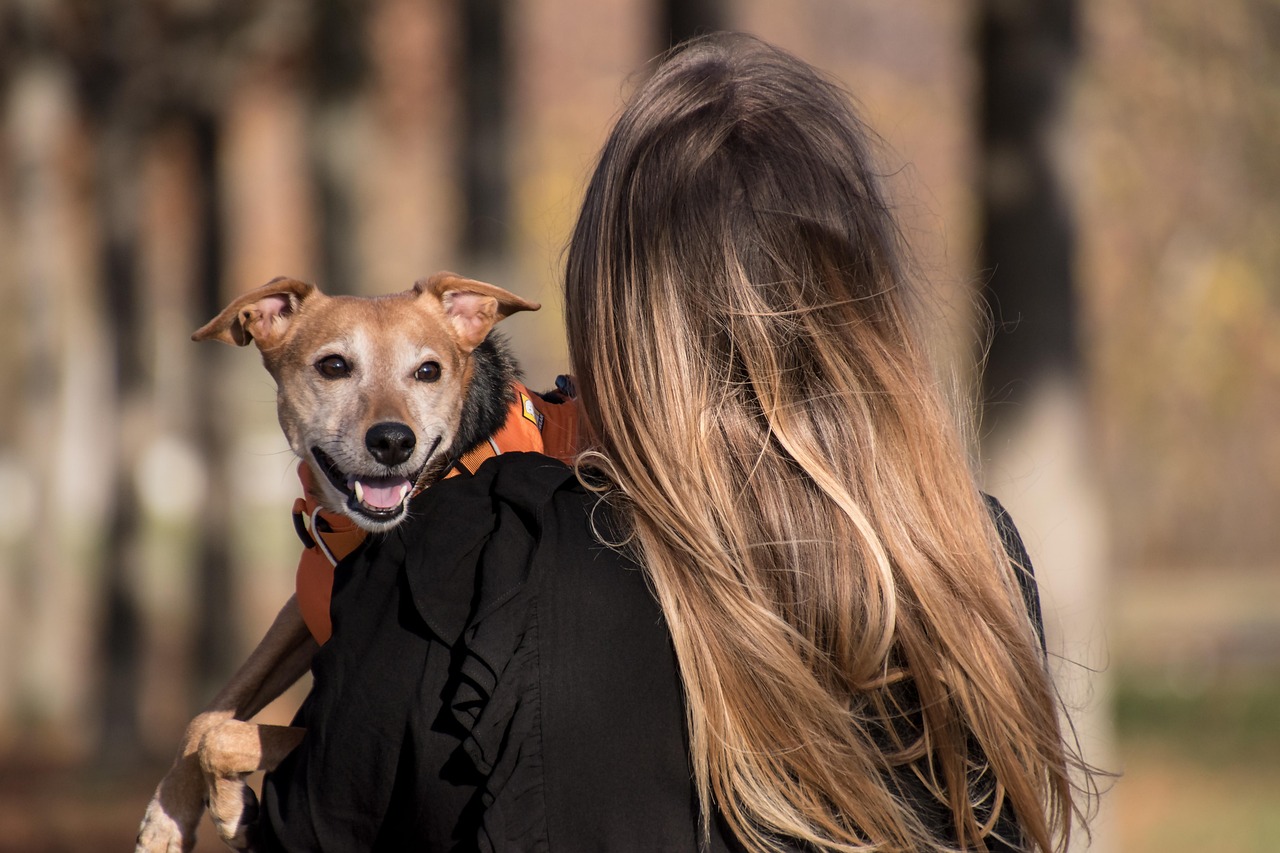
If you refer to your canine companion as your shadow, you’re likely the pet parent of a velcro dog. Named after the popular hook-and-loop fastener known as VELCRO®, this type of behavior expressed by a dog toward their human companion is often described as clingy, but oh so loving, too.
According to canine behaviorists, clingy behavior can be a breed-specific trait or learned behavior based on too much positive reinforcement. This may be caused by taking your dog with you everywhere; it may also occur if your pet hasn’t had enough socialization with people outside of your bond.
If you always give your dog food when they follow you into the kitchen, or you pet them every time they lie next to you, you’re teaching them that following you leads to some type of reward. If you give puppies constant attention when they’re developing, they can become fearful of being alone and subsequently never want to leave your side.
Separation Anxiety vs. Normal Attachment

Clingy dogs want to be around you when you’re at home, but they don’t panic when you’re not there. A dog with separation anxiety panics when you’re not around. Understanding this distinction is crucial for addressing the right issue with appropriate methods.
These finding suggest that separation anxiety is not based on “hyperattachment” of the dog to the owner, but that a different attachment style may be present between dogs with and without SA. The research challenges common assumptions about what drives problematic behaviors.
In accordance with our hypothesis we found that owners scoring higher on self-reported attachment avoidance are more likely to have dogs with separation-related disorder. Although we cannot be sure about the direction and causality of this relationship, there are reasons to assume that the owners’ avoidant attachment contributes (at least in part) to the behaviour problem of the dog.
The Dominance Confusion Factor
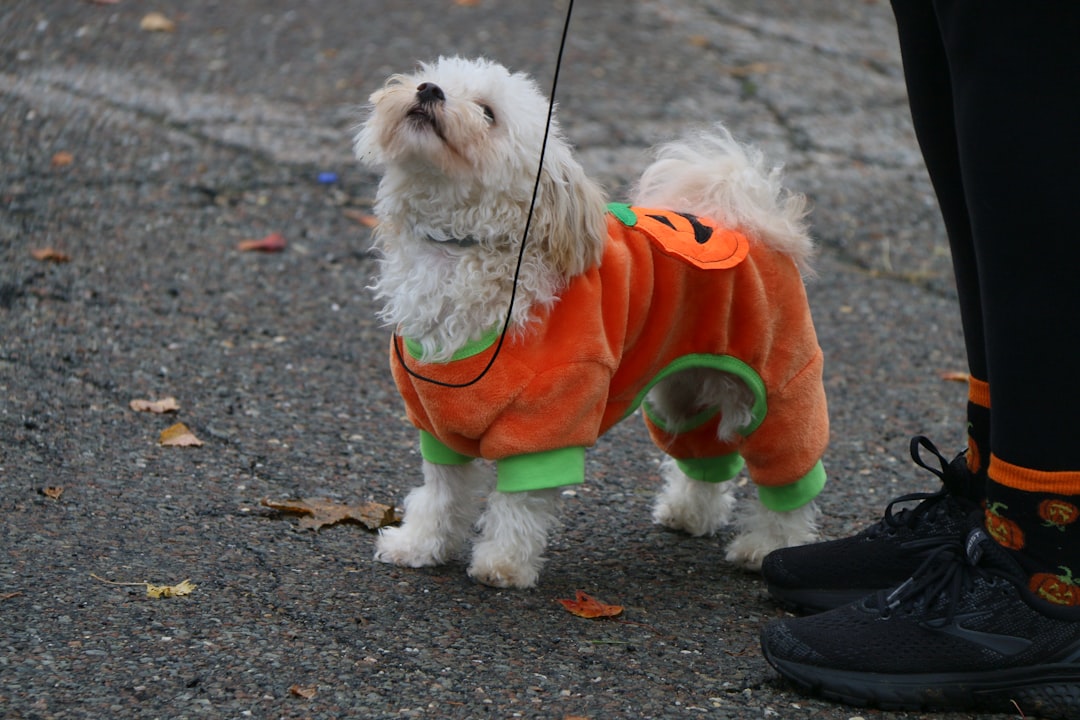
When a dog is constantly seeking physical contact through leaning, pawing, or nudging, this behavior is typically attention-seeking rather than dominance-related. Modern animal behavior science has moved away from alpha theory, recognizing that such behaviors usually indicate the dog has learned these actions successfully gain attention or rewards.
If you have a dog who is pushy or demanding for affection/attention and you pet them when they show those behaviors, you are not only rewarding them for acting pushy, you are creating a dynamic where you give into them regularly. You might not even notice how demanding your dog is being for your attention but if you really step back and watch their behavior you might be surprised.
Behavioral Consequences of Over-Affection
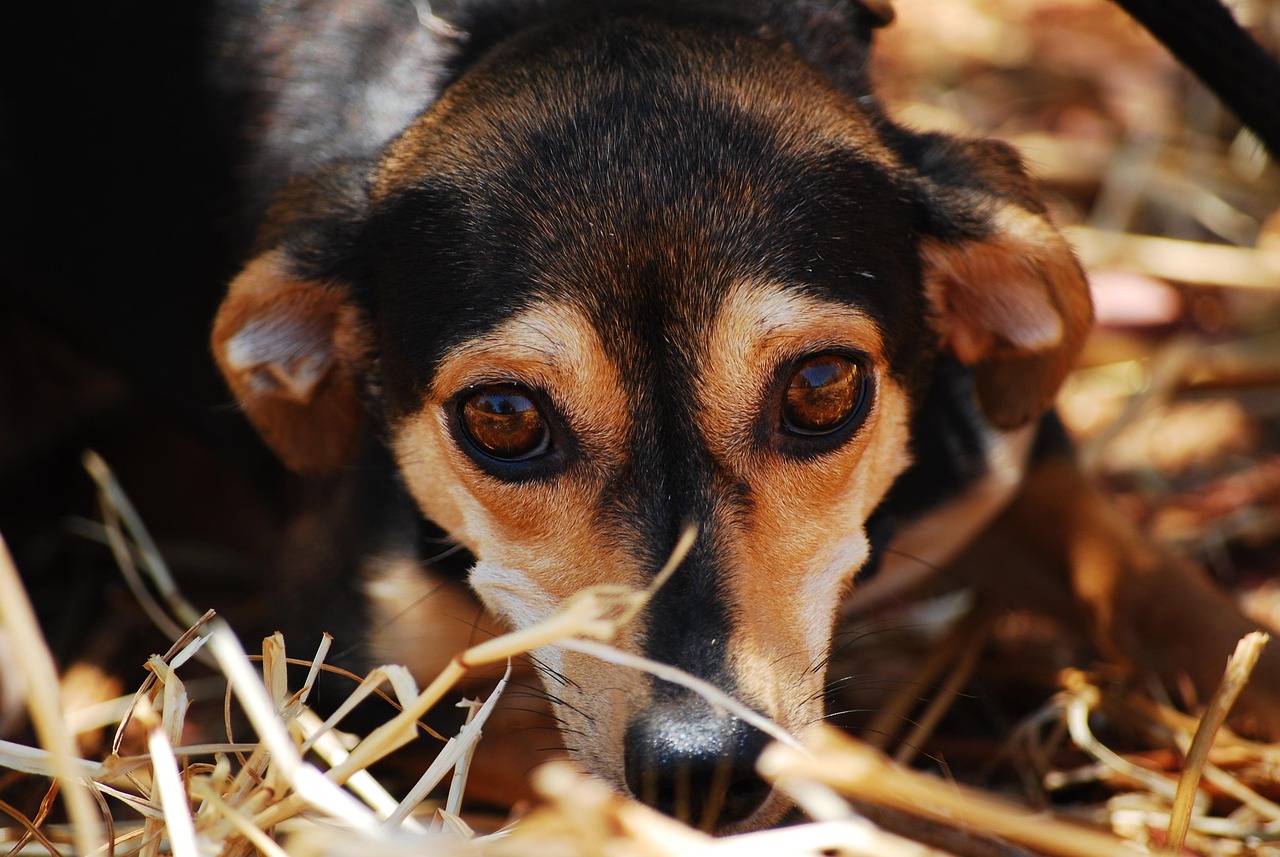
Eliminating in the house, obsessive behaviors, neurotic behaviors, chewing on themselves, being overly excited, barking excessively, whining, not following their owners commands, not coming when called, running off, getting into the trash, destroying things in the house, obsessively digging, chewing the furniture, tail chasing, scratching, aggression towards other dogs, animals, or humans, snapping, biting, growling, and becoming just plain old uncontrollable.
This is also the number one cause of separation anxiety. Dogs experiencing separation anxiety may engage in destructive behaviors when left alone, but this stems from distress at being separated from their attachment figure rather than perceived pack hierarchy violations.
The connection between excessive affection and behavioral problems extends beyond simple disobedience. Humans often give the dog mixed leadership signals, which throws the dog off balance, confusing his psyche, causing many of the psychological/behavioral problems we see in dogs today. Mental tension and energy build up within the dog, which lead to many of your common canine misbehaviors.
Breed-Specific Vulnerabilities
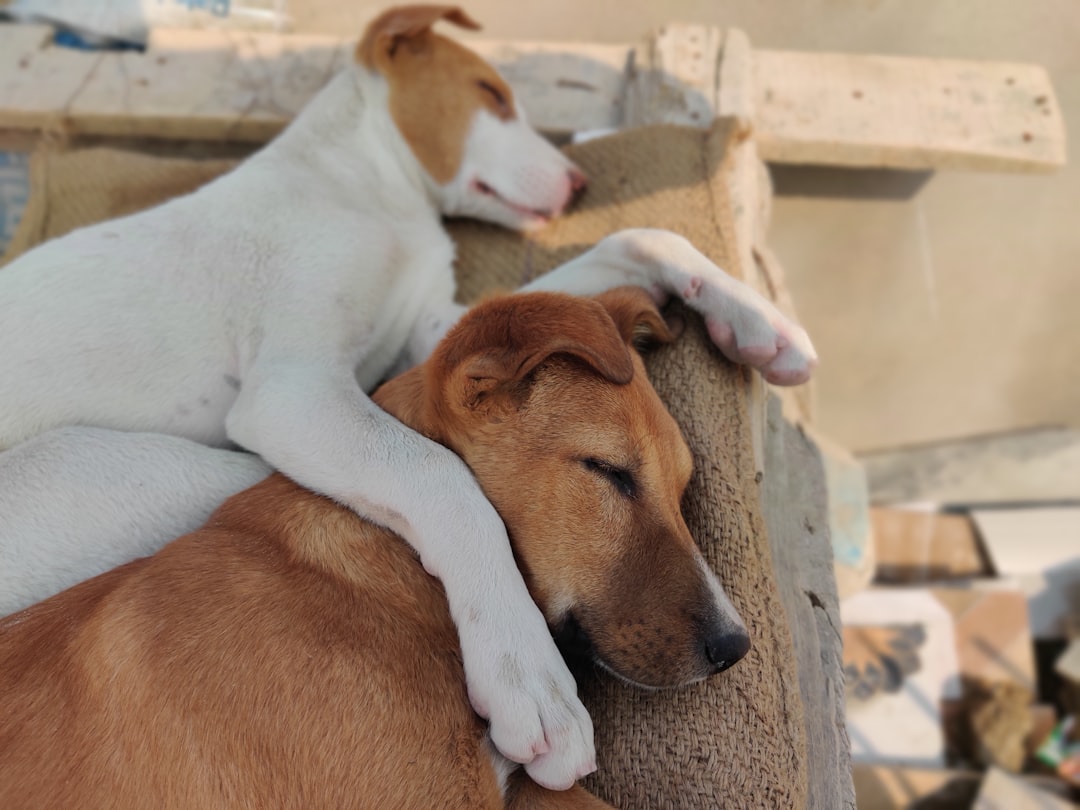
There are certain breeds that tend to over-attach to only one person and remain aloof towards others. In general, those in the herding and working category may be prone to this quality, as several have a history of being selectively bred to work with a human, like herding dogs, who often develop a unique bond with the shepherd from whom they take commands. You will often see German and Australian Shepherds and Australian Cattle Dogs bond with one special person.
Akitas, Chow Chow, Shiba Inu, and Jindos – all breeds of ancient Asian descent – have a predisposition for this as well. The Dalmatian is another Velcro breed that attaches strongly to only one person, and so is the great Pyrenees.
Many small breed dogs are more likely to seek proximity to their favorite humans, too. Historically, some small breeds were bred as companions, designed to enjoy being close to their humans. Recognizing these genetic tendencies helps owners adjust their approach accordingly.
Solutions for Healthy Attachment
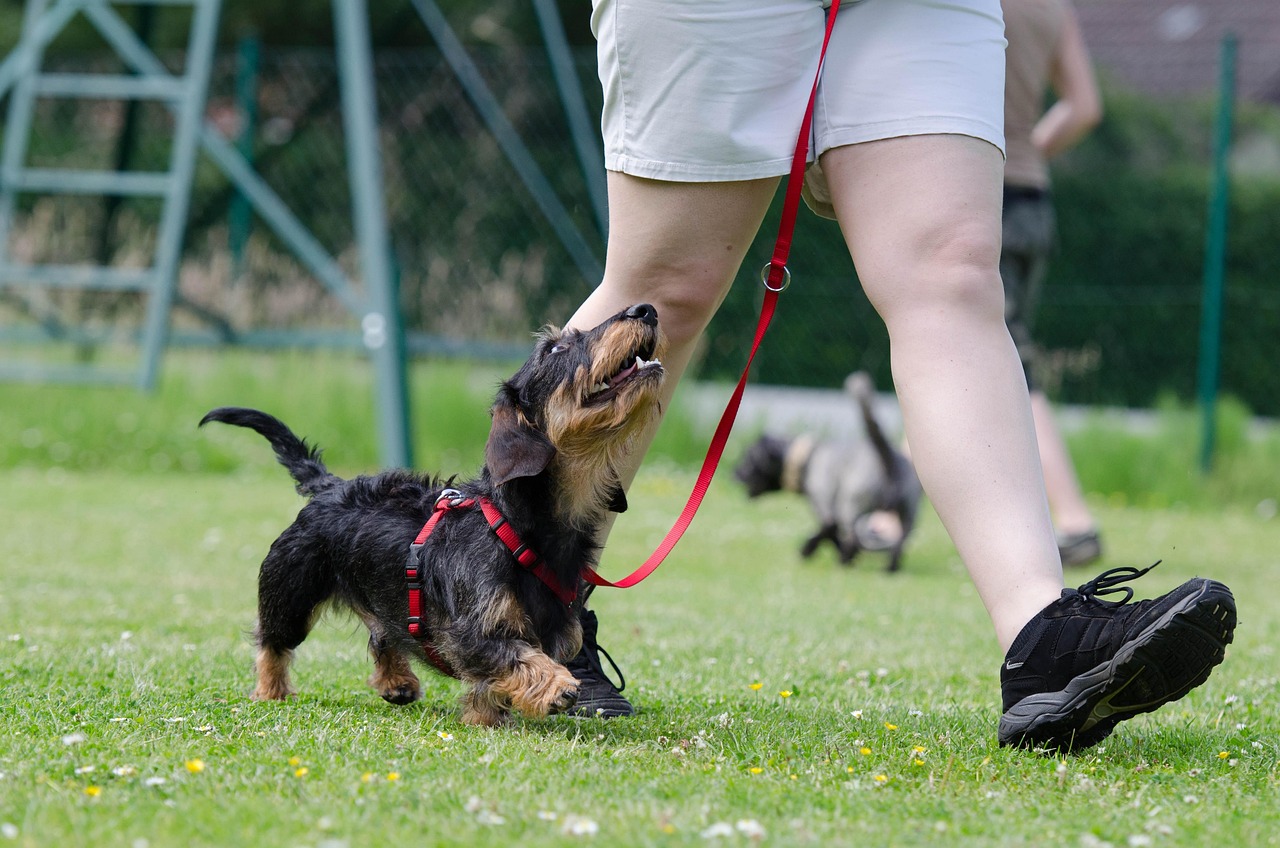
A common starting point to begin to reduce anxiety, improve communication and training, teach self-control, and allow the dog to control its consequences/outcomes is to establish a program of structured interactions in which the dog is not given anything it values until it sits or lies down. If the owners’ response is consistent and predictable by ensuring the dog sits every time a treat is given, the leash is attached, the dog goes in and out of the door or car, or the dog wants affection, the dog will soon learn that the sit or down action is required to get the reward.
Also remember to not give in to pushy behavior! If you dog demands something from you, ignore them or tell them no and stand your ground. Then when they give up, you can call them over and give them what they wanted because now it’s on your terms not theirs! The important point to realize is that, once you get started, you actually can give your dog the same amount of affection and attention so long as you do it when they are in a calmer state of mind and are not being pushy about it!
You need to kind-of make yourself “boring” to him. If you’re not constantly reaching down to pet his head, talking to him, giving him things, he should eventually lose interest and begin to wander off. This doesn’t mean withholding love, but rather timing it more strategically.
Creating Independence Through Boundaries
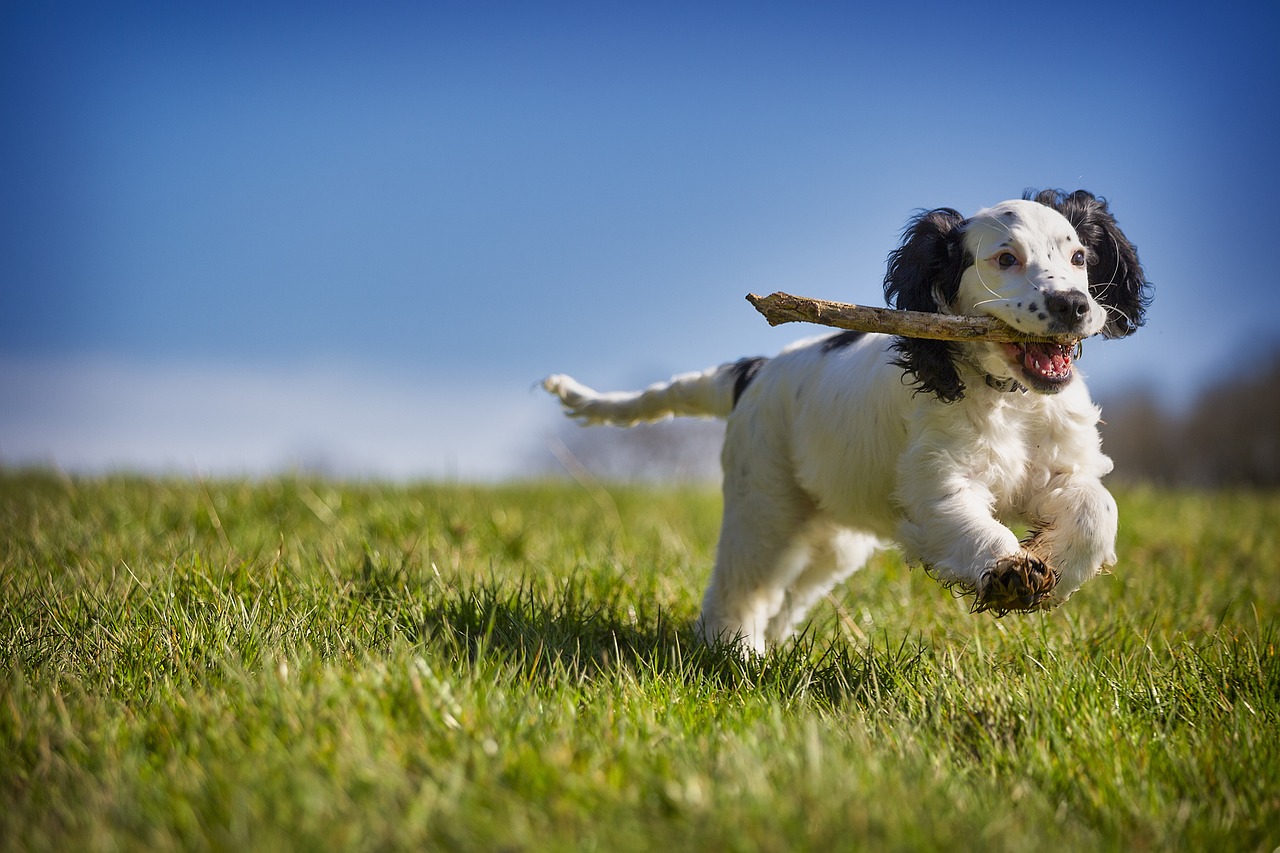
Setting firm and consistent boundaries can help your clingy puppy becomes more comfortable by themselves. The best thing you can do is to prevent your pup from becoming a velcro dog by setting firm and consistent boundaries when they’re a puppy. Send them to their own bed every night and only give positive reinforcement and rewards when appropriate – when they successfully follow a command, for example.
Gradually teaching your dog to be comfortable alone is crucial. Start with short periods of separation and slowly increase duration. Reward calm, independent behavior rather than attention-seeking actions.
Increase exercise. A good bout of physical activity will tire your dog enough to where they have little interest in following you around. Physical and mental stimulation provides healthy outlets for energy that might otherwise manifest as clingy behavior.
Remember that building independence takes patience. Desensitizing your dog might take a little longer, but it is a good permanent solution to your clingy dog. You want to start slowly and show your dog that it’s OK for them to stay where they are and that they don’t have to follow you every time you move. Practice moving a small amount and when your dog doesn’t move you can return to them and praise them.
Conclusion: Balance is Key

Understanding requires recognizing that love and structure aren’t opposing forces. To a dog, constant affection without rules and limits goes against every grain in a dog’s instinct, as affectionate love is a human trait, not a canine trait. Giving your dog affection is important for the human, and enjoyed by the dog, but must be done at the correct time.
The goal isn’t to withhold affection but to provide it in ways that build confidence rather than dependency. When we understand how our emotional responses shape our dogs’ behavior patterns, we can create healthier relationships that benefit everyone involved. A secure, independent dog is ultimately a happier dog.
What’s your experience with clingy behavior in your own dog? Have you noticed changes when you adjusted how and when you show affection?


