
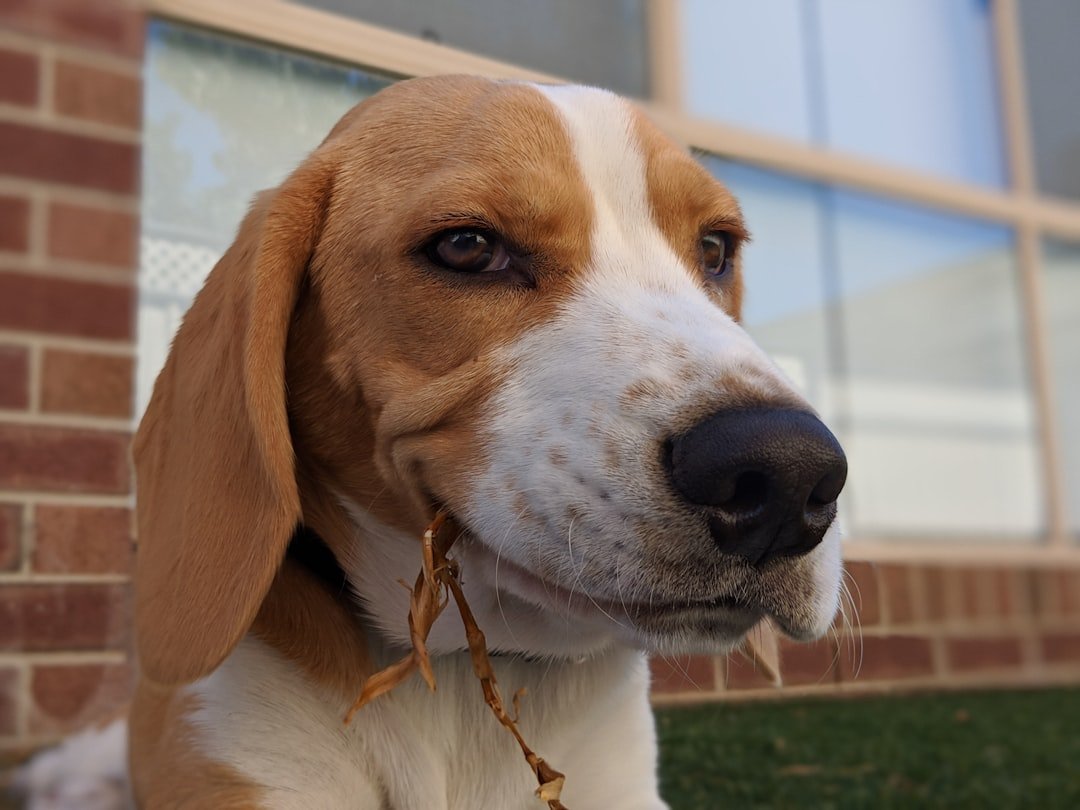
You’ve trained your dog, established routines, and thought you had everything under control. Then one day, you realize your furry companion is giving you that look – the one that says they’ve figured out who’s really running this household, and it’s definitely not you.
Dogs are masters of reading human behavior and testing boundaries. Dogs are learning how to interact by assessing what works and what doesn’t with each interaction. Dogs are great students of human behavior and draw conclusions based on your actions. When they sense uncertainty or inconsistency, they’re more than happy to step into the leadership role. Let’s explore the telltale signs that your dog has appointed themselves as the CEO of your home.
They’ve Mastered the Art of Selective Hearing

Your dog can hear a treat bag crinkling from three rooms away but mysteriously goes deaf when you call their name. This isn’t a medical condition – it’s a calculated power play. Pretty soon, your dog doesn’t pay attention until you’ve said the word five or six times. By repeating the cue, you’ve taught your pet that he doesn’t have to respond right away – and your cue is now “come, come, come.”
When dogs ignore commands, they’re often testing whether you’ll actually follow through. If you notice that your pet is unresponsive to a certain word, stop saying it. Otherwise, you risk rendering the command meaningless, so keep it to three iterations max. Their selective hearing is actually them training you to repeat yourself until you sound like a broken record.
They’ve Claimed Prime Real Estate
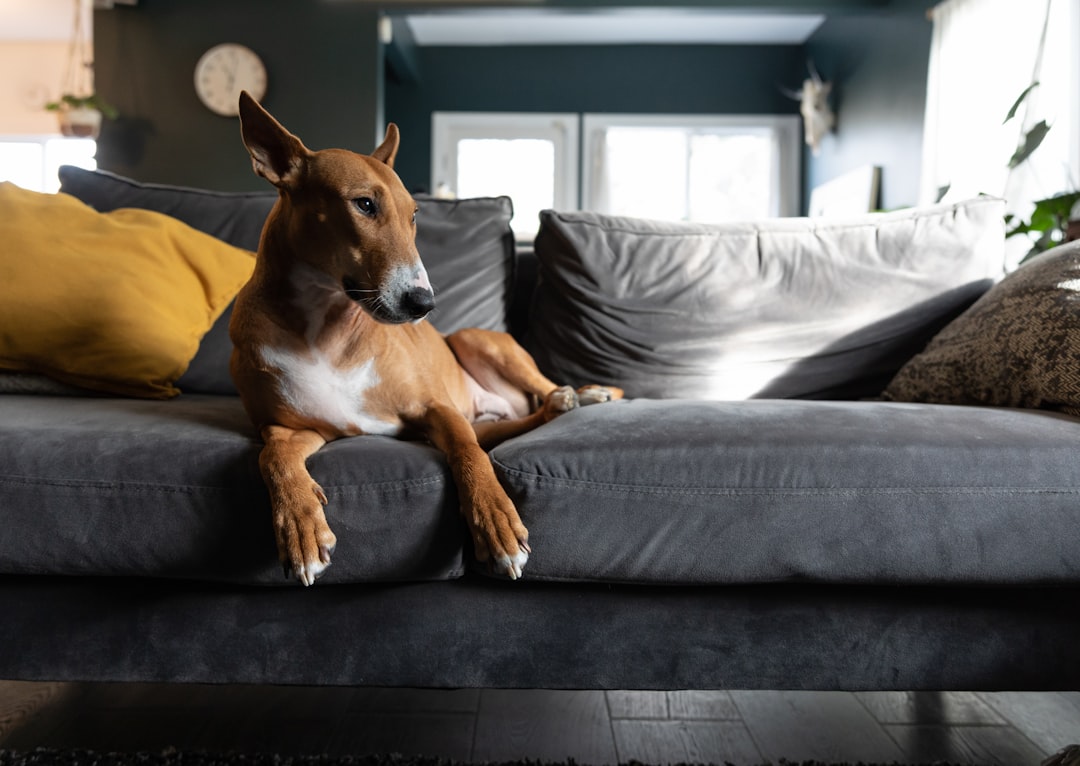
Your dog has somehow convinced you that the center of your bed, your favorite chair, or the entire couch belongs to them. When you approach, they might give you a look that clearly communicates you’re trespassing on their territory. Persistence about being on a particular piece of furniture when asked to stay off (dog owns it) is a classic dominance behavior.
This goes beyond comfort – it’s about claiming the best spots in the house. Leaders eat what they want and get the better sleeping quarters. If your dog refuses to budge when you need your seat back, they’ve essentially established themselves as the landlord.
They Control the Walking Route
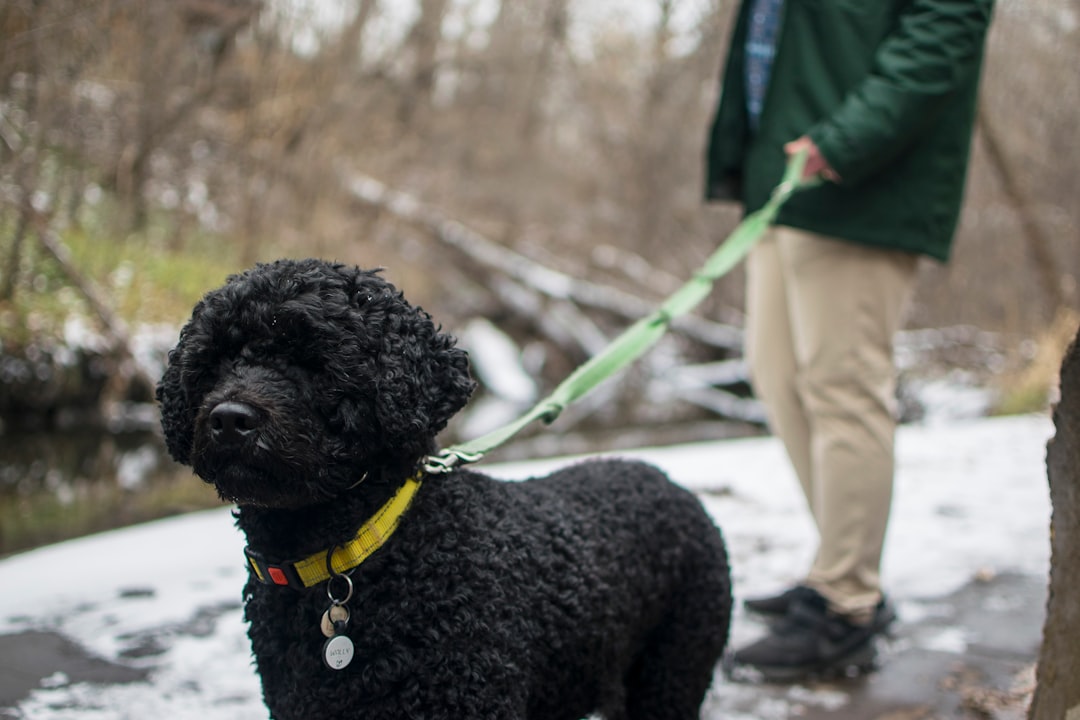
Every walk has become a negotiation where your dog decides the destination, pace, and duration. When dogs pull ahead on walks, it’s typically due to excitement about exploring their environment or because they’ve learned that pulling gets them where they want to go faster. They pull you toward interesting smells while completely ignoring your attempts to maintain direction.
Your dog has essentially turned you into their personal chauffeur who happens to be attached to the other end of the leash. Teaching a dog to heel on a lead helps establish good walking manners and makes walks more enjoyable for both dog and owner. When they’re leading the walk, they’re demonstrating who makes the decisions in this partnership.
They’ve Appointed Themselves as Your Personal Security Detail
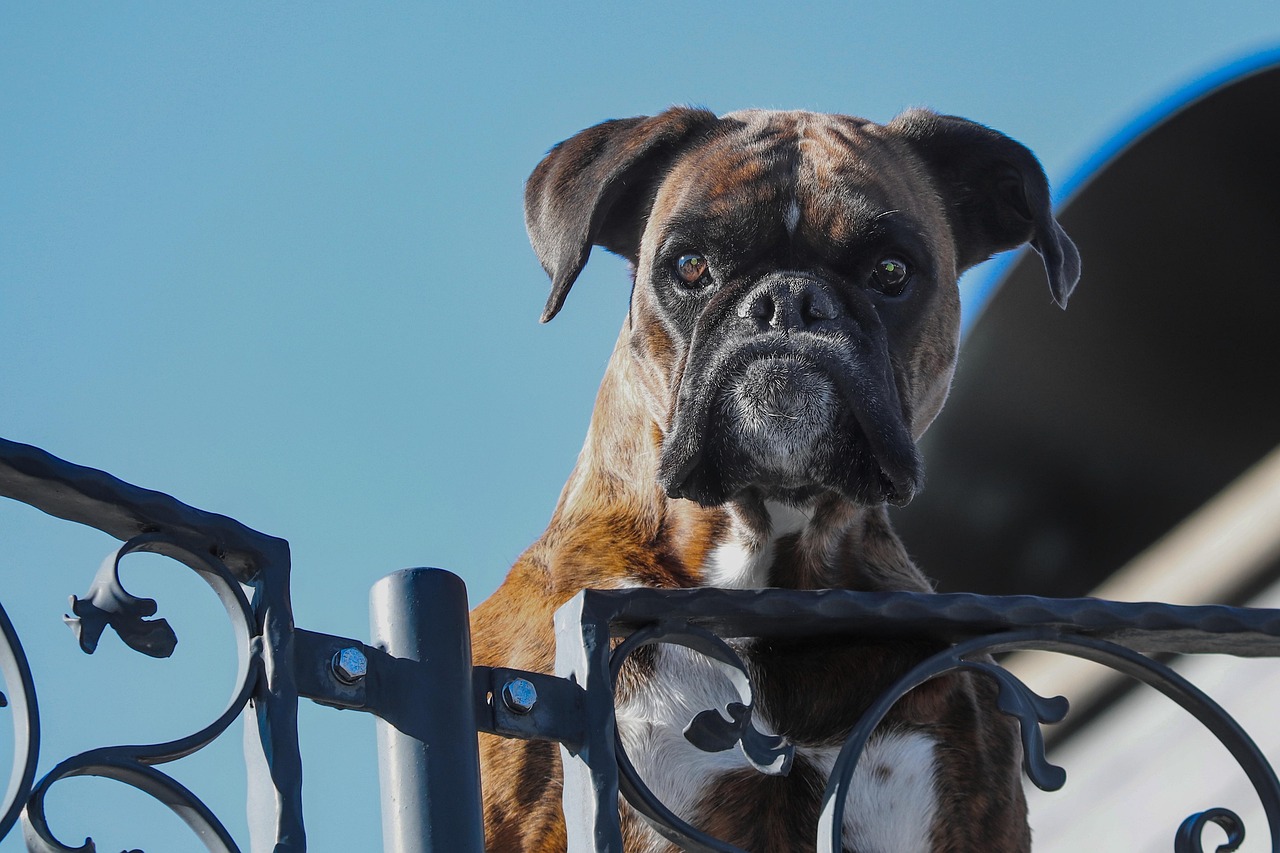
Your dog has decided they need to screen all visitors, delivery people, and even family members. This behavior is often related to resource guarding (protecting valuable resources) or anxiety rather than dominance displays. They position themselves between you and others, making it clear that access to you goes through them first.
This behavior often gets mistaken for protective instincts, but it’s really about resource guarding – and you’re the resource. A dog that shows aggression toward visitors may be displaying resource guarding behavior, fear, or anxiety. People with small dogs think this may be cute while others are pleased that their dog is being protective. Both are wrong. This behavior needs to be controlled.
They’ve Established Their Own Mealtime Rules
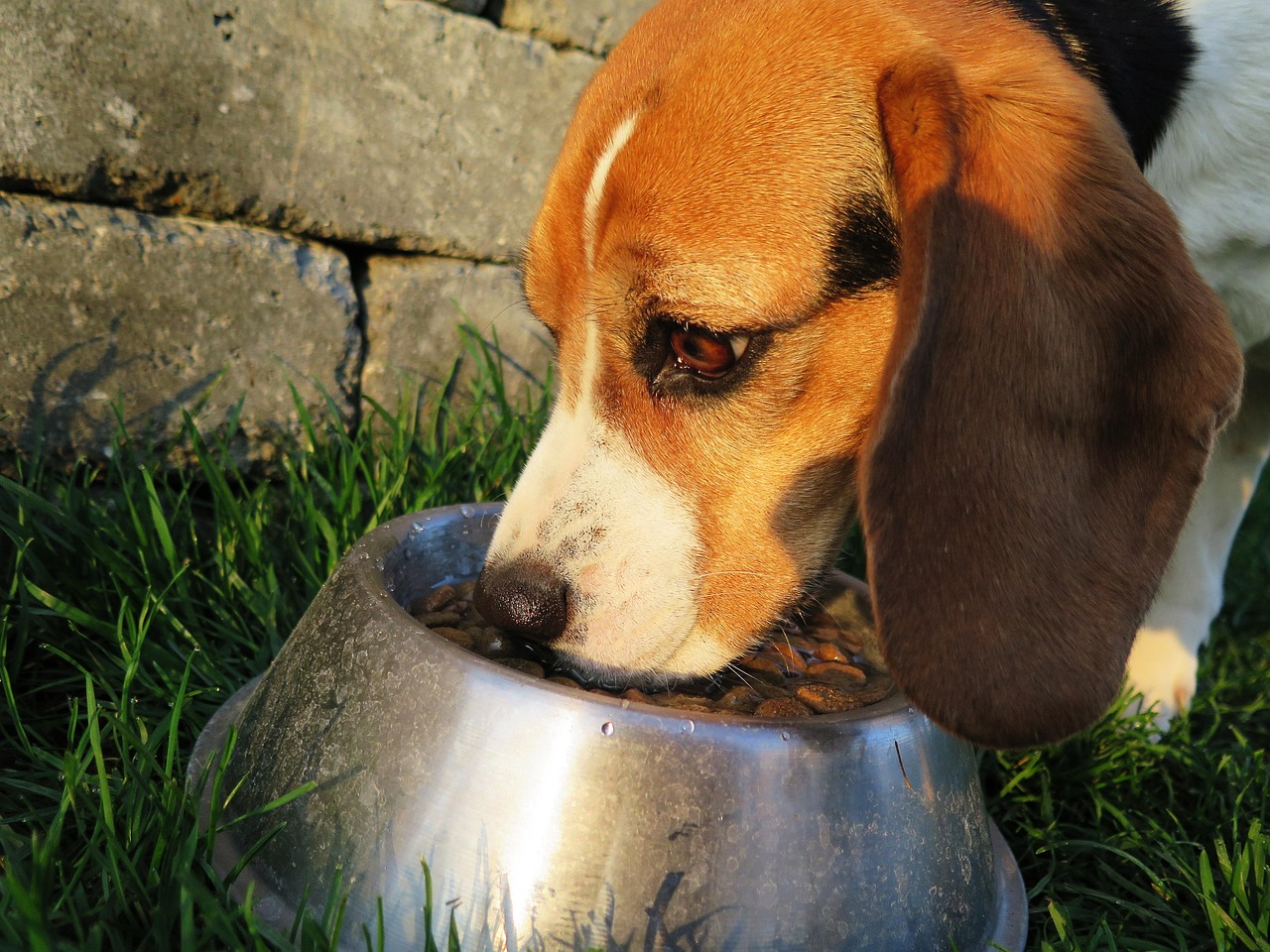
Feeding time has become a production where your dog dictates when, where, and how food is served. They might refuse to eat unless you’re watching, demand you hand-feed them, or only eat from specific bowls in particular locations. Some dogs take this further by guarding their food bowls aggressively.
Dominant dogs may also display possessive behavior towards food, toys, and even family members. When your dog has transformed simple feeding into a complex ritual that revolves around their preferences, they’ve essentially trained you to cater to their every dining whim.
They Ignore Your Personal Space Boundaries
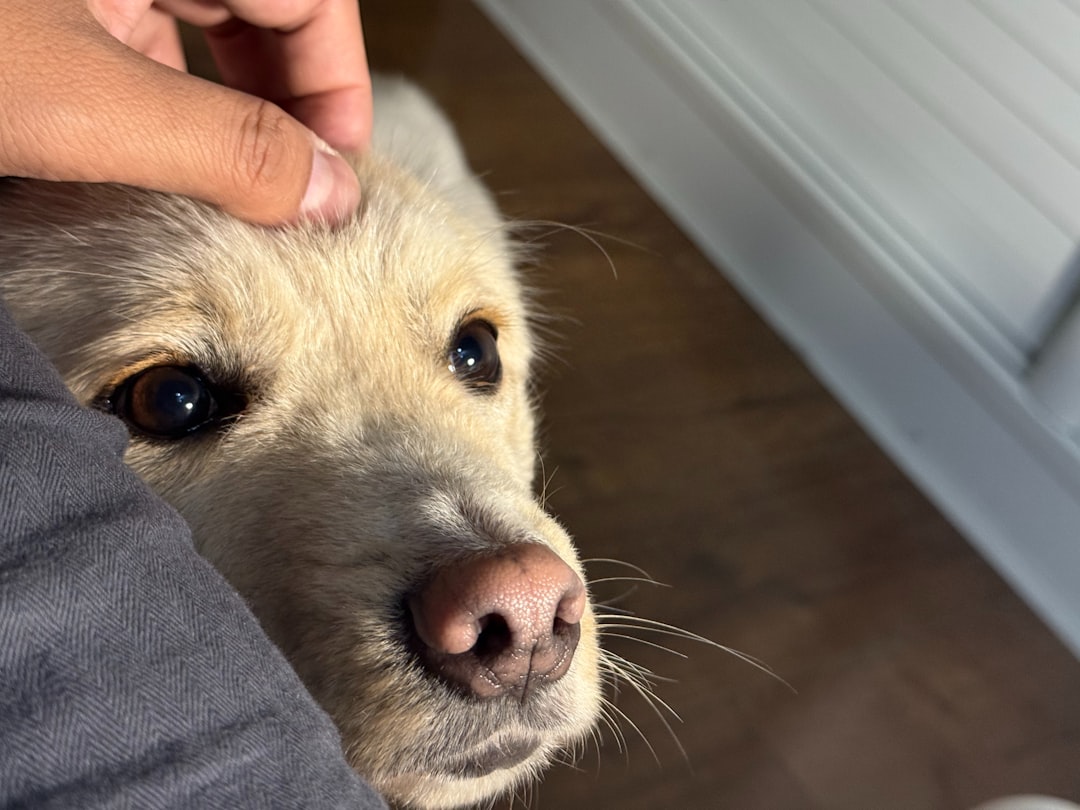
Your dog has developed an impressive ability to insert themselves into every situation that doesn’t involve them. A dog that comes to you and tries to force you into petting him when you are reading the paper or working on the computer is displaying a form of dominant behavior. Do not allow this to happen. Make the dog go lay down. They interrupt phone calls, push between family members, and demand attention precisely when you’re busy.
This behavior demonstrates their belief that your schedule should revolve around their needs. Jumping in your lap the way Harris demands it is considered dominance. He stands so that he’s making eye contact. He insists on it. Harris’s determined, incessant kisses also indicate more of a dominant intent than affection. They’ve learned that persistence pays off, and you’ll eventually give them what they want.
They’ve Mastered the Guilt Trip
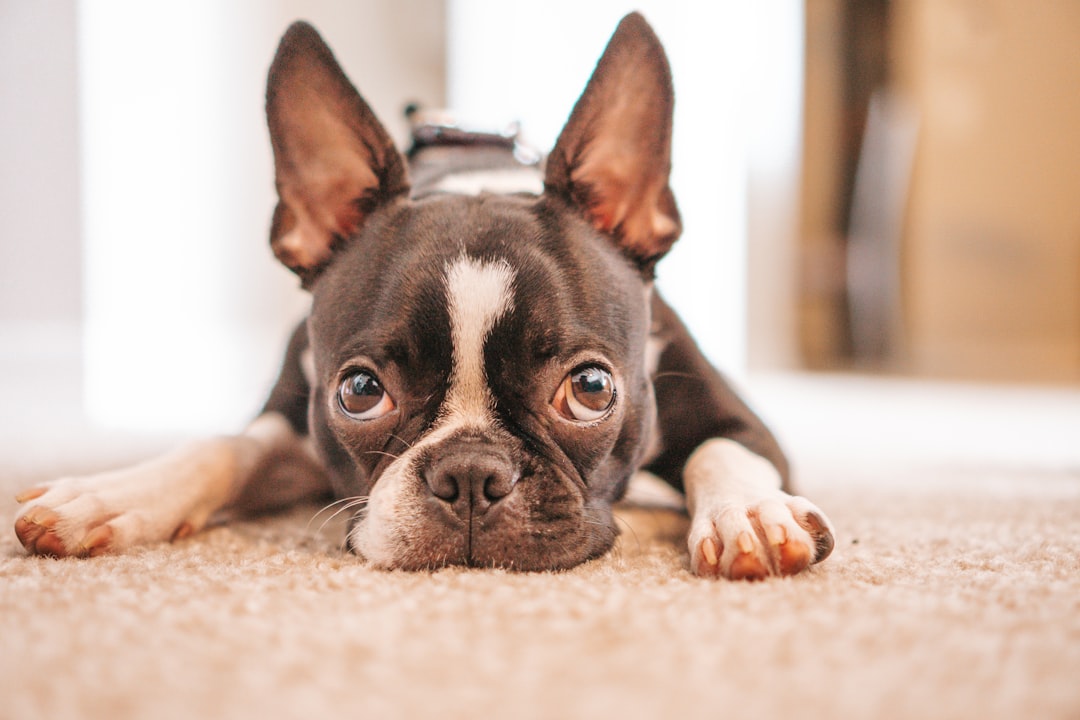
Your dog has perfected a repertoire of manipulative behaviors designed to get their way. They might whine, paw at you, bring you toys, or give you those irresistible puppy dog eyes exactly when you’re trying to be firm. Barking or whining at humans which many owners consider “talking” (without a command to do so).
These seemingly endearing behaviors are actually sophisticated manipulation tactics. Your dog has studied your weaknesses and knows exactly which buttons to push to get you to cave. They’ve essentially become master negotiators who always seem to win.
They’ve Claimed Doorway Authority
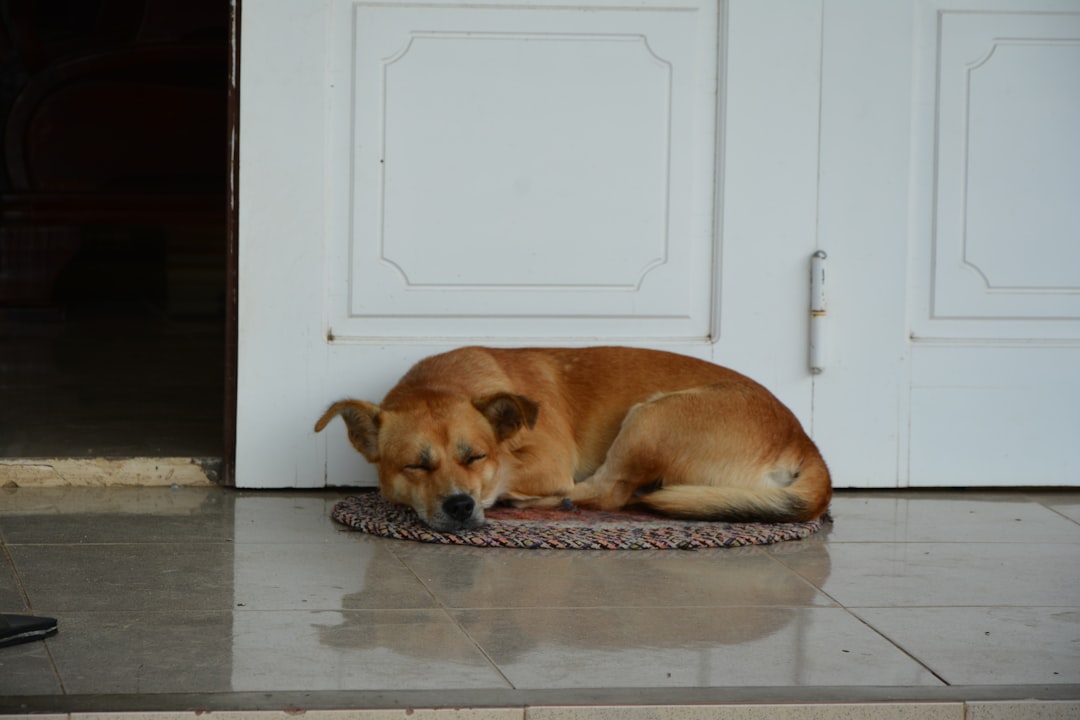
Your dog has decided they need to be the first one through every doorway, whether entering or leaving the house. Dogs rushing through doorways is typically due to excitement or learned behavior rather than attempts to establish hierarchy. They rush ahead, block your path, or refuse to move when you’re trying to pass.
This behavior extends to car doors, gates, and any threshold in your home. Your dog has essentially made themselves the household’s Chief Door Officer, deciding who goes where and when. It’s their way of maintaining control over movement and access throughout their domain.
They’ve Developed Strategic Incompetence

Your dog suddenly “forgets” commands they’ve known for years, but only when it’s inconvenient for them to comply. They’ll perform perfect sits and stays when treats are involved but develop mysterious amnesia when you need them to come inside from the yard or get off the furniture.
When I hear a pet owner say that a dog can’t be trained because “he’s set in his ways,” I call baloney. The only one set in his ways in that situation is the pet owner – and he usually doesn’t want to put in the effort to help his dog change (or doesn’t really want to see any change in the dog’s behavior). Your clever companion has learned that playing dumb often gets them out of doing things they don’t want to do.
They’ve Recruited Other Family Members as Their Advocates
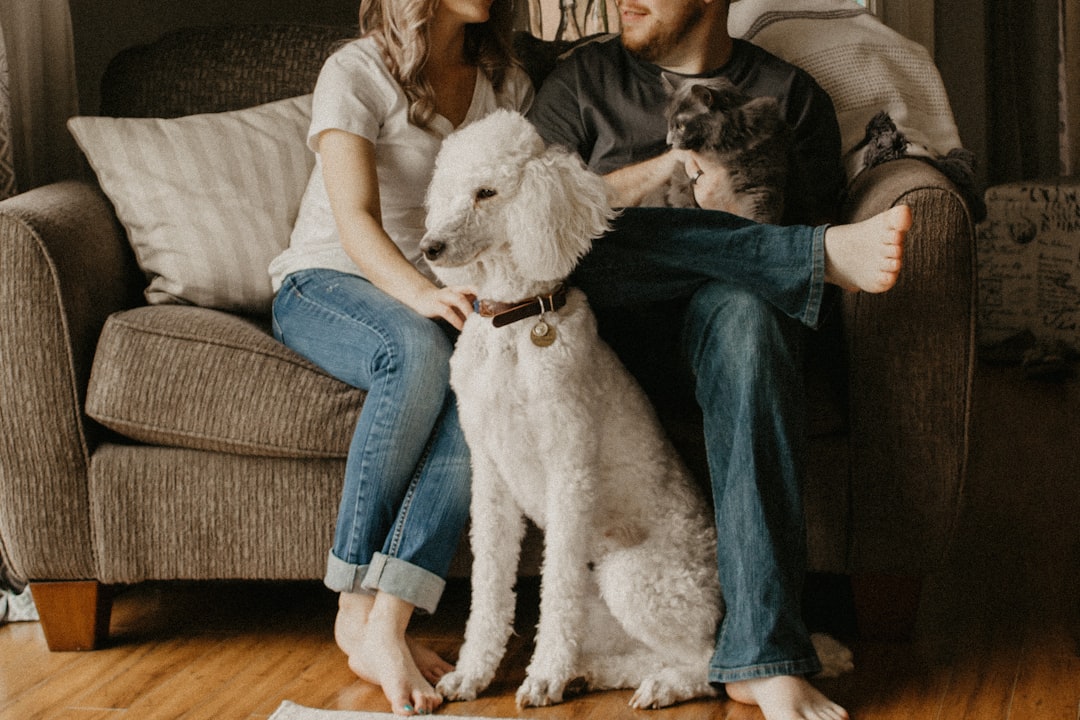
Your dog has successfully divided and conquered your household by getting different family members to enforce different rules. They’ve figured out who’s the soft touch, who can be manipulated with cuteness, and who will sneak them table scraps despite the rules.
Decide whether the dog is allowed on furniture, what areas are off-limits, and how they should behave around guests. Make sure everyone in the household is on the same page to avoid sending mixed signals. Your dog has essentially created a network of enablers who unknowingly undermine your training efforts. They’ve learned to work the system by exploiting the inconsistencies between family members.
Conclusion
Recognizing these signs doesn’t mean your dog doesn’t love you – it means they’ve gotten a little too comfortable with making the household decisions. Families that focus on socialization, positive reinforcement, avoidance-based strategies and clear and predictable interactions will be rewarded by a dog that is an enjoyable member of the family. The good news is that with consistent boundaries and positive training methods, you can reestablish your leadership role while maintaining the loving bond you share.
Remember, dogs thrive when they understand their place in the family structure. By setting clear expectations and following through consistently, you can help your furry friend feel secure without them feeling the need to run the show. What’s your dog’s most creative way of showing they think they’re in charge? Tell us in the comments.


