
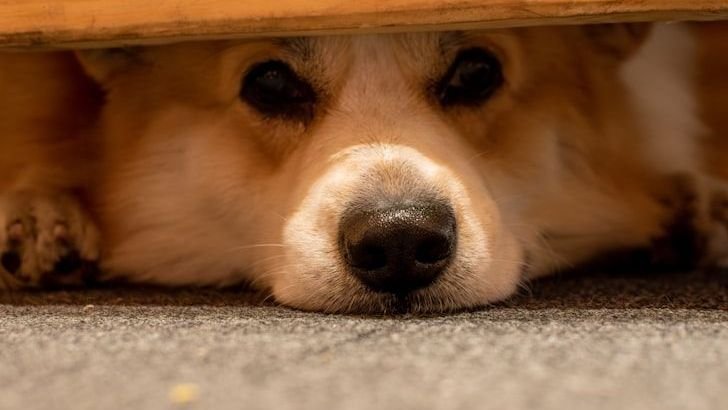
Every dog parent has had that moment. You come home ready for wiggling tails and excited greetings, only to be met with cold shoulder treatment that would make any teenager proud. Your furry best friend seems to be giving you the silent treatment, and you can’t help but wonder if they’re actually .
The truth is, dogs experience a complex range of emotions, though they don’t hold grudges quite like humans do. While dogs may appear sulky after a bath or the removal of a favorite toy, they don’t dwell on negative experiences the way humans do. However, they absolutely can feel frustrated, stressed, or upset about situations, and their behavior might reflect those feelings in ways that seem like anger toward you.
The Cold Shoulder Treatment
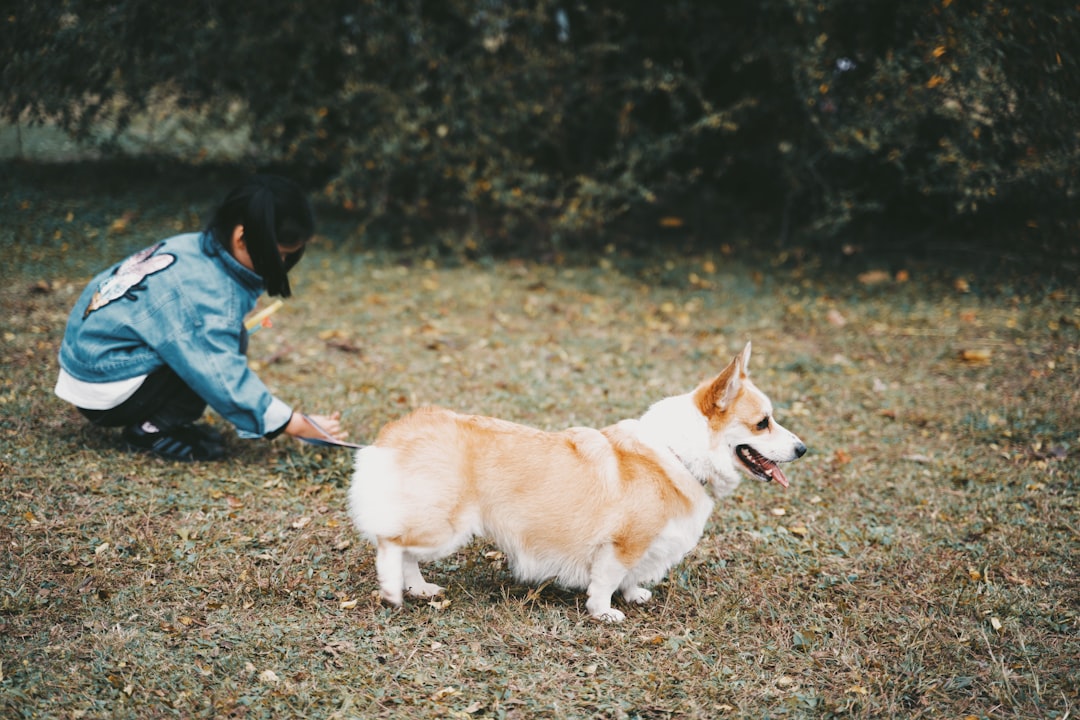
When your dog suddenly starts avoiding you like you’re carrying a vacuum cleaner, it’s one of the clearest signs they’re upset. This body language might entail moving away from you, being more aloof, averting your gaze when you look in their direction. You might notice your normally social pup choosing to sit across the room instead of curling up next to you on the couch.
Instead of barking or growling when mad, some dogs might simply avoid you. You might see pooches turn their heads, sniff the ground or otherwise disengage. Or it might be more obvious: Your dog walks away or right out of the room. This avoidance behavior is their way of creating distance from whatever they perceive as the source of their discomfort.
Body Language That Speaks Volumes

Dogs are masters of nonverbal communication, and their bodies tell stories their barks can’t express. It could also mean sitting in another location if you come near them, holding their tail low or even between their legs. A tense, rigid posture often accompanies these feelings of upset.
When a dog’s ears are hanging back, along with a lowered head, closed mouth, and tight lips, it can mean she’s . When a dog is threatening aggression, his body tends to be stiff and forward. Watch for that telltale combination of flattened ears and a stiff stance that screams discomfort.
The Stress Signals You Might Miss
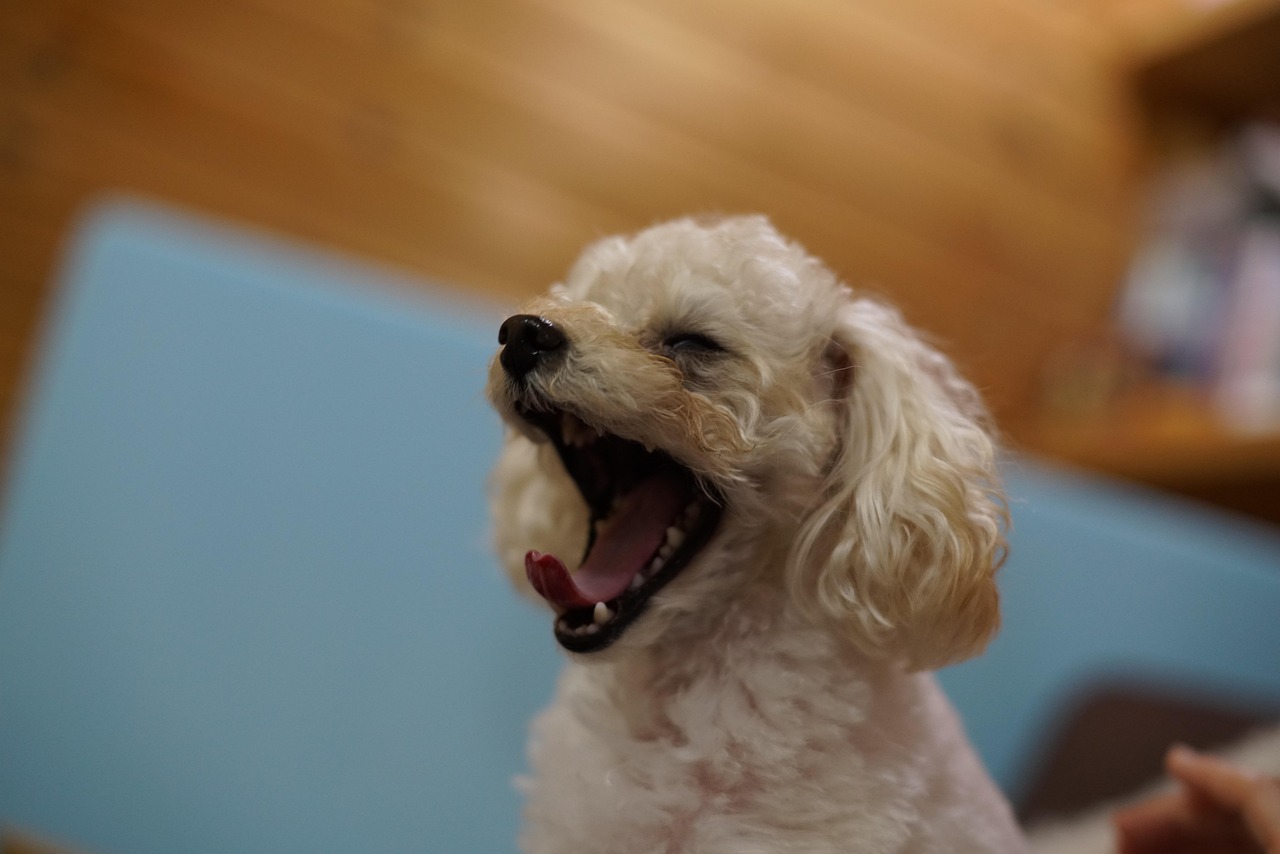
Sometimes the signs are so subtle that even experienced dog owners miss them entirely. Yawning (when not tired) – This subtle stress signal helps dogs self-soothe. If your dog starts yawning repeatedly during what should be an exciting interaction, they might be trying to calm themselves down.
Dogs may show that they’re mad or in distress by licking their nose and lips repeatedly. If you notice your dog licking their lips, yawning excessively, and averting their gaze (sometimes called “whale eye”) it might seem like they’re annoyed. These expressions usually suggest anxiety, however, and dogs may use them in response to a stressful situation.
When Your Commands Fall on Deaf Ears
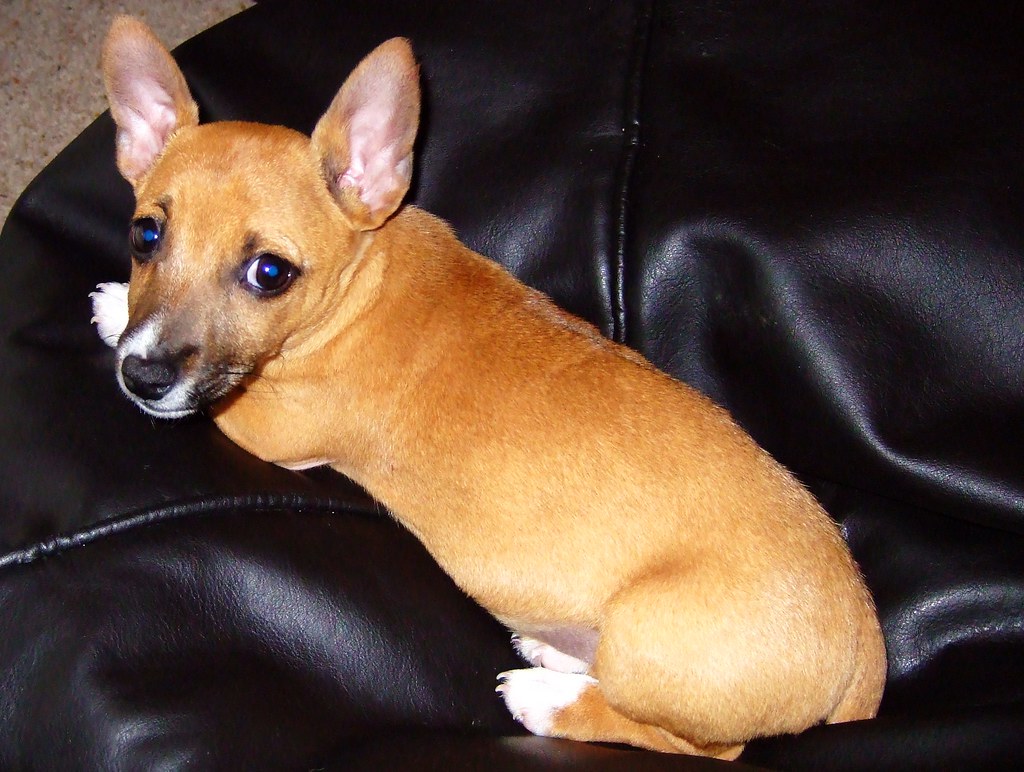
Your usually obedient dog suddenly seems to have forgotten every command they’ve ever learned. When dogs know cues well, they respond to them, so if your dog suddenly stops responding to a normal cue, that could be an indication that she is upset by something in her environment or by you. This selective hearing isn’t necessarily defiance in the human sense.
The key here is consistency. If your dog normally sits like a champion when asked but suddenly acts like they’ve never heard the word before, something might be bothering them. Their emotional state can absolutely affect their ability or willingness to follow familiar commands.
Hiding and Seeking Distance
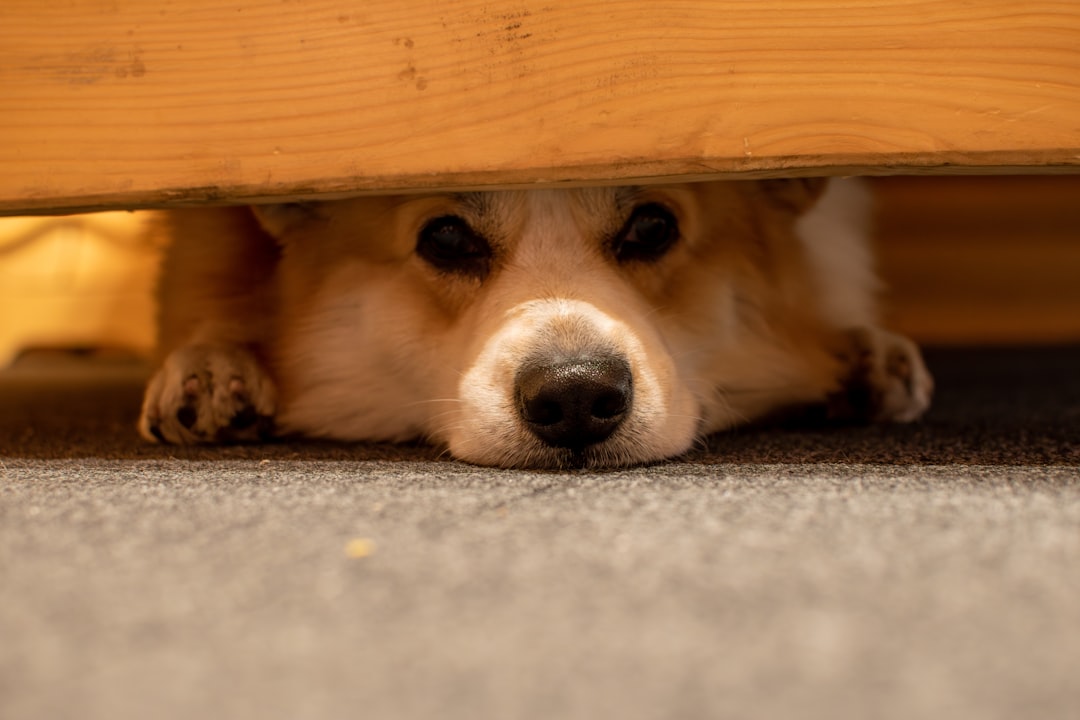
Most people associate cowering and hiding with fear and while that can definitely be true, fear is also closely linked to anger in dogs. “Cowering indicates a high level of stress,” she explains. “If your dog is also trying to hide and get away this means your dog is overwhelmed.”
You might find your dog retreating to spaces they don’t normally occupy, like under beds, behind furniture, or in closets. If your dog suddenly starts avoiding you or hiding, it could indicate they’re upset. This behavior often indicates they need space to process whatever has made them uncomfortable.
Changes in Their Daily Routine
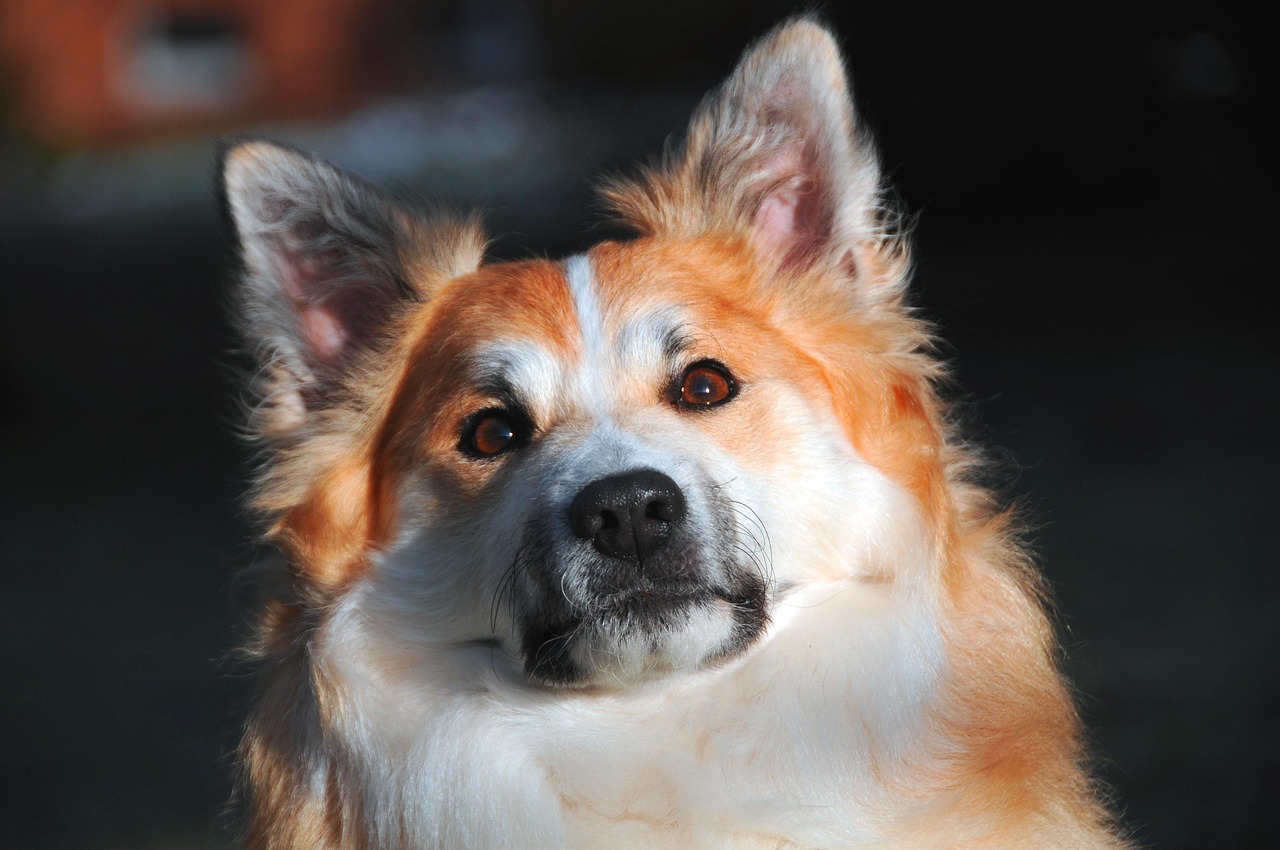
Dogs are creatures of habit, and disruptions to their normal patterns can signal emotional distress. If your dog suddenly loses interest in food, it could be a sign they’re feeling stressed or unwell. For instance, if you recently introduced a new pet to the household and your dog stops eating, they might be feeling insecure or uncomfortable with the change.
Sleep patterns might shift too. Your dog might sleep more than usual, seek out different sleeping spots, or seem restless during their normal nap times. A dog who is angry or upset may avoid this type of interaction and move away from their owner, leave the room, or even sleep in a different area.
Growling and Warning Sounds
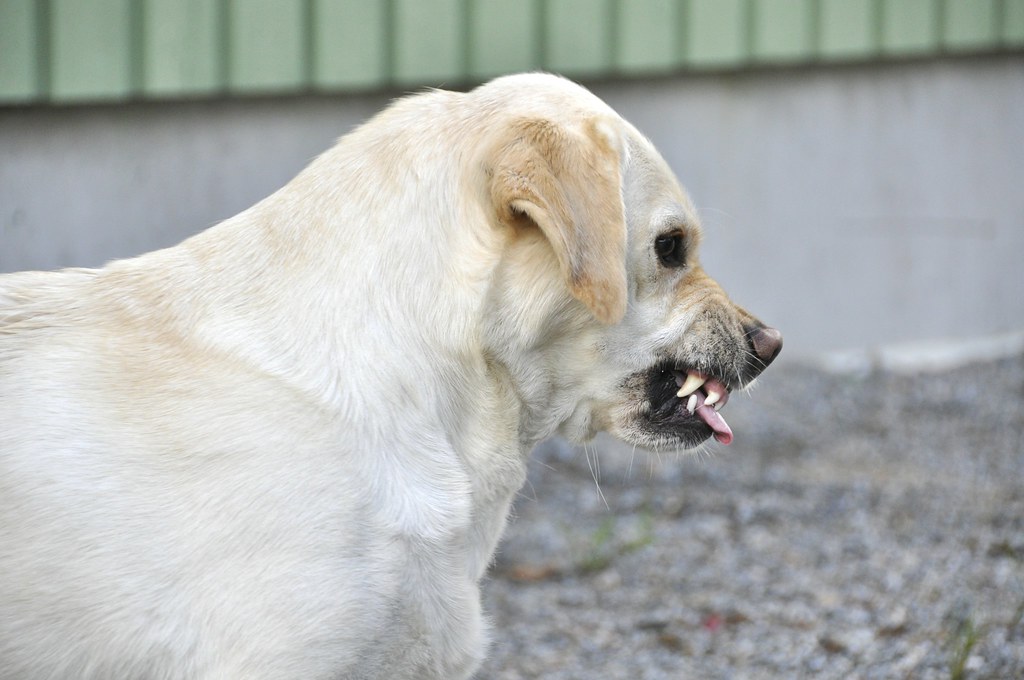
“They might even go as far as snarling or growling at you,” Hembree added. Though growling can sound alarming, it’s actually your dog’s way of communicating discomfort before resorting to more drastic measures. “Growling is an obvious but frequently misunderstood sign,” Taylor says, adding that it shows your dog is very uncomfortable and upset. “It is often used as a warning for the purposes of making something stop. For example, he may growl if you’re trying to move your dog from his comfortable bed for late night potty time by using her collar or when a stranger approaches your dog and tries to pet her”.
Never punish growling, as it’s valuable communication. Instead, respect what your dog is telling you and give them the space they’re requesting. Dogs employ a vocabulary of escalating warning signals to ask the stressor to move away: hard stare, growl, bark, snarl, snap, and bite with inhibited force.
Conclusion
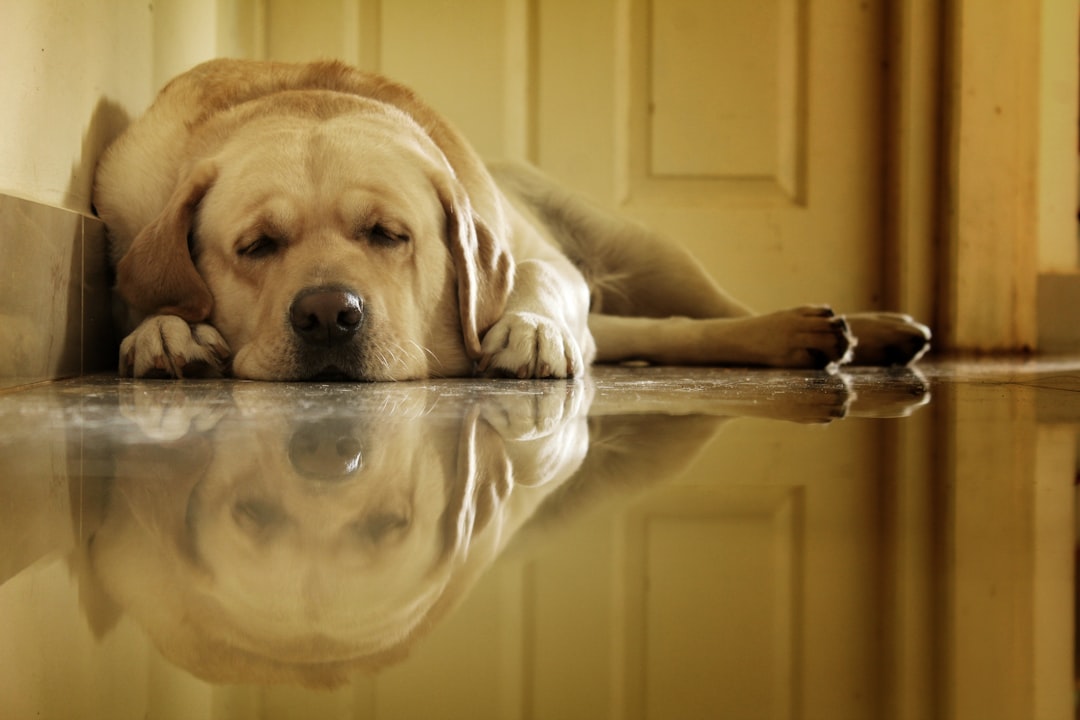
Remember that what looks like anger in dogs is usually fear, anxiety, or stress in disguise. While dogs don’t process anger like humans, they do experience emotions like fear, anxiety, and frustration. However, dogs do experience many emotions that may result in behaviors their owners attribute to “being mad,” such as fear, anxiety, frustration, and discomfort. The beautiful thing about dogs is their incredible capacity for forgiveness and their ability to live in the moment.
In the end, dogs remind us that life is too short to hold grudges and that living in the moment is what truly matters. How wonderful is that? When you notice these signs, take a step back, assess the situation, and give your dog the space and understanding they need. With patience and love, that cold shoulder will warm up faster than you might expect.
What signs have you noticed when your dog seems upset? Tell us in the comments about your experiences with canine communication.


