
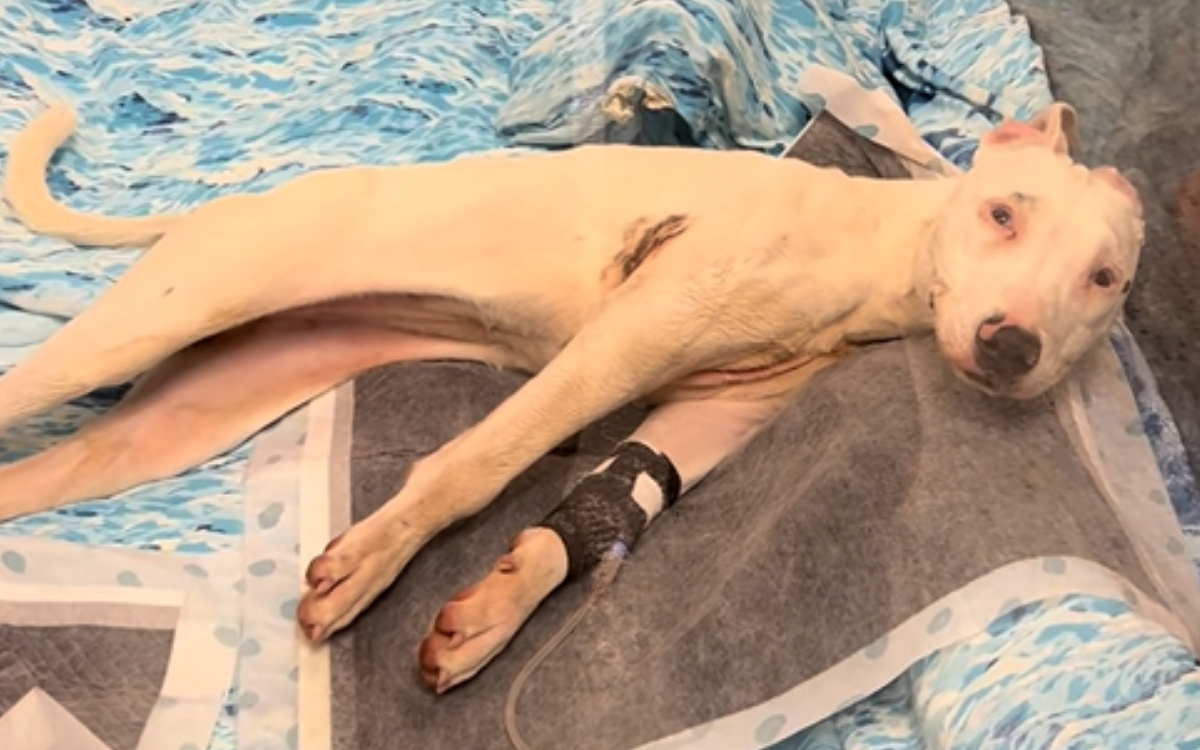
When Pickle arrived at the Humane Society of Greater Dayton in Ohio, she was in a state few could bear to see. Her “siblings were healthy and fine, but Pickle was unable to move, vocalize, or eat.”
The little dog was paralyzed, unable to walk, make a sound, or even lift her head. Her body was locked in muscle rigidity — a severe case of tetanus, characterized by spastic paralysis and difficulty swallowing.
The story of her condition is chilling: “someone didn’t take proper care of her or get appropriate treatment,” recalls Holly Renee, a technician at the shelter.
Rescue and Fragile Hope
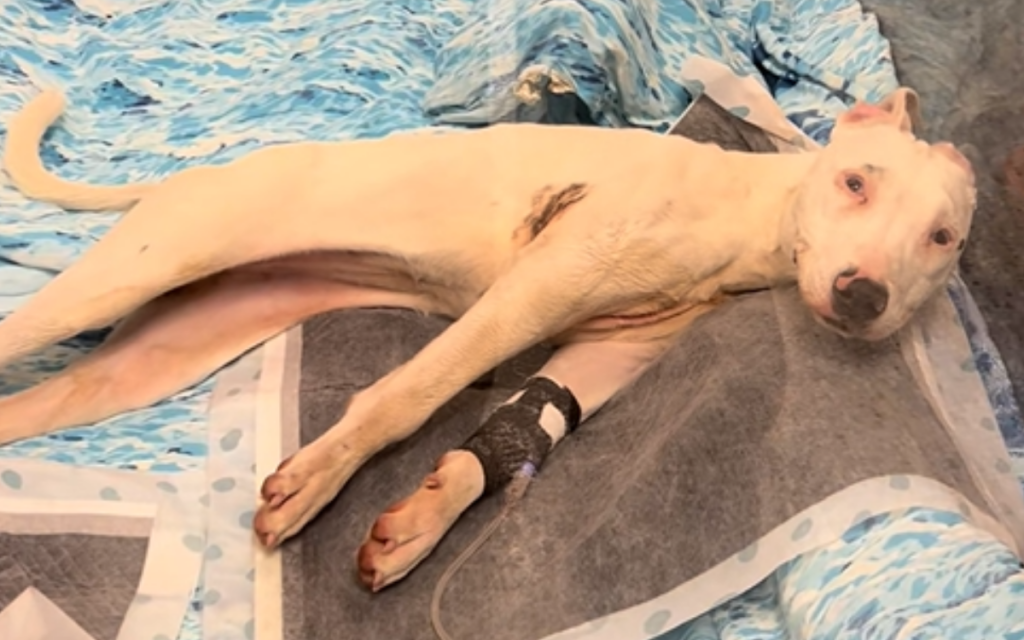
From the moment Pickle’s plight was revealed, the shelter staff pulled together to give her every fighting chance. She underwent intensive care: hospitalization for weeks, antitoxin treatment, antibiotics, muscle relaxants, and around-the-clock care from the team.
Canine tetanus can prove fatal, with a 2023 study from Frontiers in Veterinary Science estimating mortality rates of up to 50 percent among those dogs who suffer respiratory complications as a result of the illness.
They syringe-fed her, bathed her, moved her in a wagon so she could watch life unfold, and never lost hope. “One morning she walked out of her kennel,” Renee says, recalling the moment the rigidity gave way — the room erupted in tears.
The Unbelievable Turnaround
Just a month prior, Pickle lay motionless. Then the change began. The stiffness started to ease. Then something miraculous: she walked unaided. Suddenly she could jump, eat on her own, and bark with joy for the first time.
A video of her progress went viral — over 127,000 views — people were witnessing a dog rewrite her story. You can watch the video at TikTok @hollyreneeb.
Why Her Story Matters
Pickle’s journey underscores multiple truths:
Neglect can lead to severe medical conditions in dogs that are preventable. Her case of tetanus could have been fatal — mortality rates for affected dogs reach up to 50% when respiratory complications set in. Rescues and shelters can make all the difference when immediate care is provided. The intervention here triggered a cascade of recovery.
A dog’s capacity for hope and resilience is profound. Pickle’s transformation from immobile to playful is a reminder that even in the darkest hour, turnaround is possible with care, love, and expertise.
Looking Ahead: From Survivor to Thriving
Now, Pickle is not just surviving — she’s living. The shelter staff who nurtured her now call her “our dog” because one of them adopted her. “I was one of the technicians who cared for her … she was just meant to be my dog.” Renee revealed.
The aim now is to give Pickle the calm, loving forever home she deserves.
Her story becomes a message to every dog-owner, every pet-rescue team, every reader: don’t give up, don’t underestimate the healing power of second chances, and always look for the spark of life beneath trauma.


