
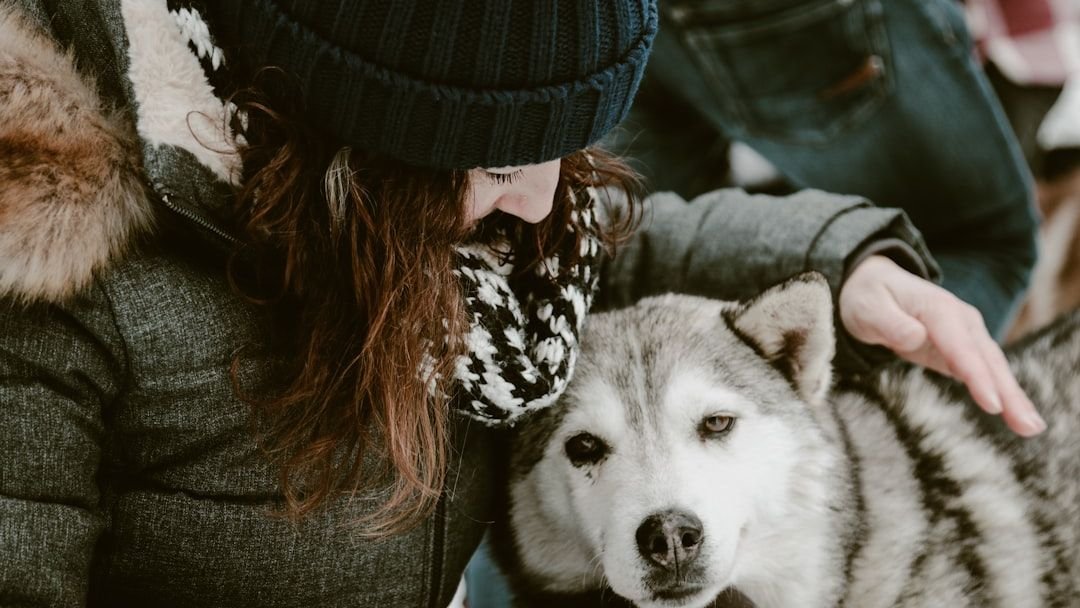
Every dog owner has wondered at some point whether their furry companion truly loves them back. The good news? Science has revealed that dogs don’t just tolerate us – they’re actually hardwired to form deep emotional bonds with humans.
Research shows that dog puppies are naturally more attracted to humans, read human gestures more skillfully, and make more eye contact with humans than wolf puppies do. What’s even more remarkable is that when dogs and their owners gaze into each other’s eyes, both experience a mutual release of oxytocin – the same hormone associated with bonding and affection in human relationships. This isn’t just wishful thinking on our part; it’s biochemical proof that the love between you and your dog is genuine and profound.
They Greet You with Pure, Unbridled Joy
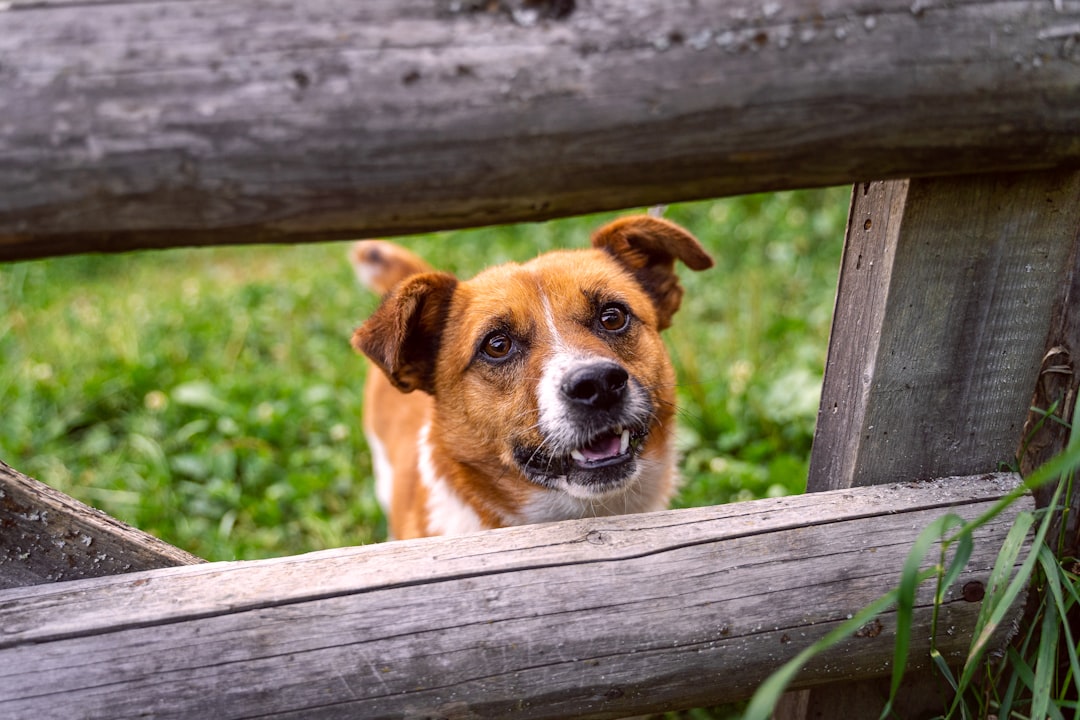
Picture this: You walk through the front door after a long day, and suddenly you’re bombarded by a whirlwind of wagging tail, excited barks, and possibly a few happy jumps. This enthusiastic greeting demonstrates full-body excitement including tail wagging, jumping, spinning, and vocalization – behaviors that indicate genuine love and consistent enthusiasm during reunions. This isn’t just muscle memory or conditioning; it’s pure emotional expression.
Dogs provide enthusiastic greetings when their owners return home, often accompanied by full-body wiggling and what behaviorists call a ‘helicopter tail,’ with the intensity typically correlating with the length of separation. Think about it – your dog could be sound asleep, but the moment they hear your key in the lock, they transform into a celebration committee of one. Dogs naturally long for their owners in their absence, so seeing you again triggers their happiness and probably a sprint to the front door.
The Magic of Soft Eye Contact and Gentle Gazing

There’s something almost mystical about the way your dog looks at you sometimes. If you catch your dog staring at you from across the room, this eye contact can be very intimate and create a deeper bond, much like humans gaze into each other’s eyes to show love and affection. This isn’t the hard stare of dominance or aggression – this is something entirely different.
During domestication, dogs developed a facial muscle that enables them to raise the inner eyebrow intensely, which developed from dogs’ motivation to establish eye contact with humans. Dogs have evolved expressive facial muscles that give them a childlike appearance that humans instinctively find endearing, enhancing communication between dog and owner. When your dog gives you those soft, loving eyes, they’re using evolutionary tools specifically designed to connect with you on an emotional level.
Following You Like Your Personal Shadow
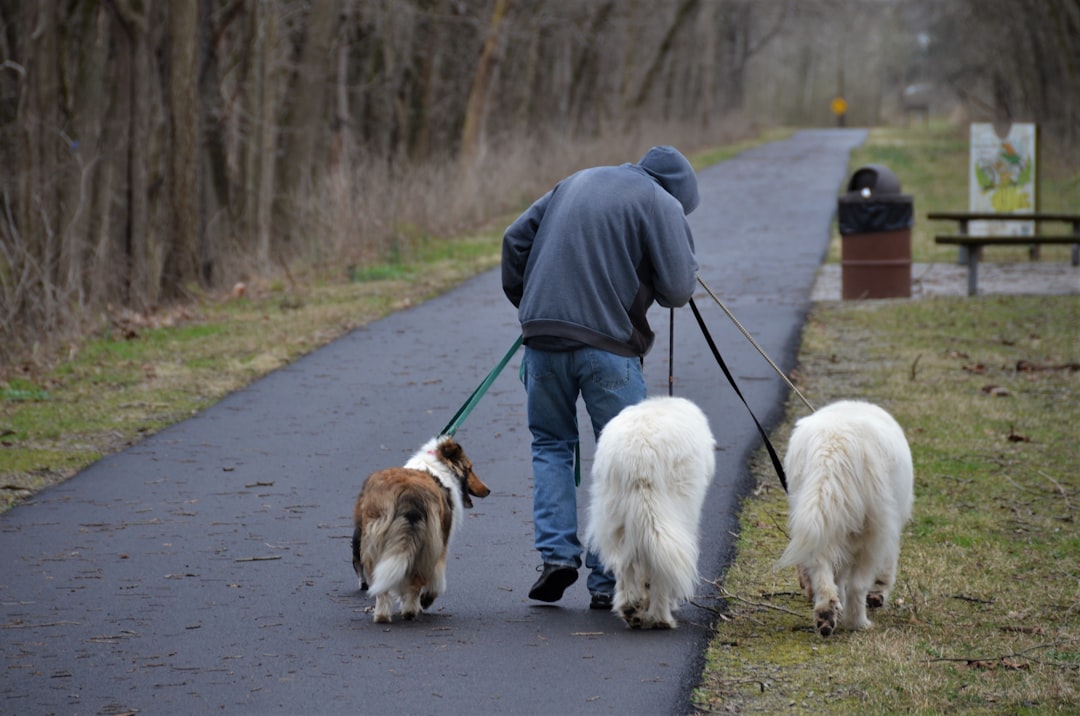
If you feel like you cannot take a step in the house without your dog at your heels, consider yourself loved – dogs cling to you for more than just security and cannot get enough of your company. This behavior goes beyond simple curiosity or boredom. Dogs that follow their owners around, whether from room to room or on walks, often do so out of a sense of attachment and companionship.
Your dog doesn’t follow you because they’re lost or confused about where to go. When your dog follows you from room to room, they’re showing you love and loyalty – they want to be with you because they enjoy your company and feel secure when you’re around. It’s their way of saying that wherever you are is exactly where they want to be too.
Bringing You Their Most Treasured Possessions
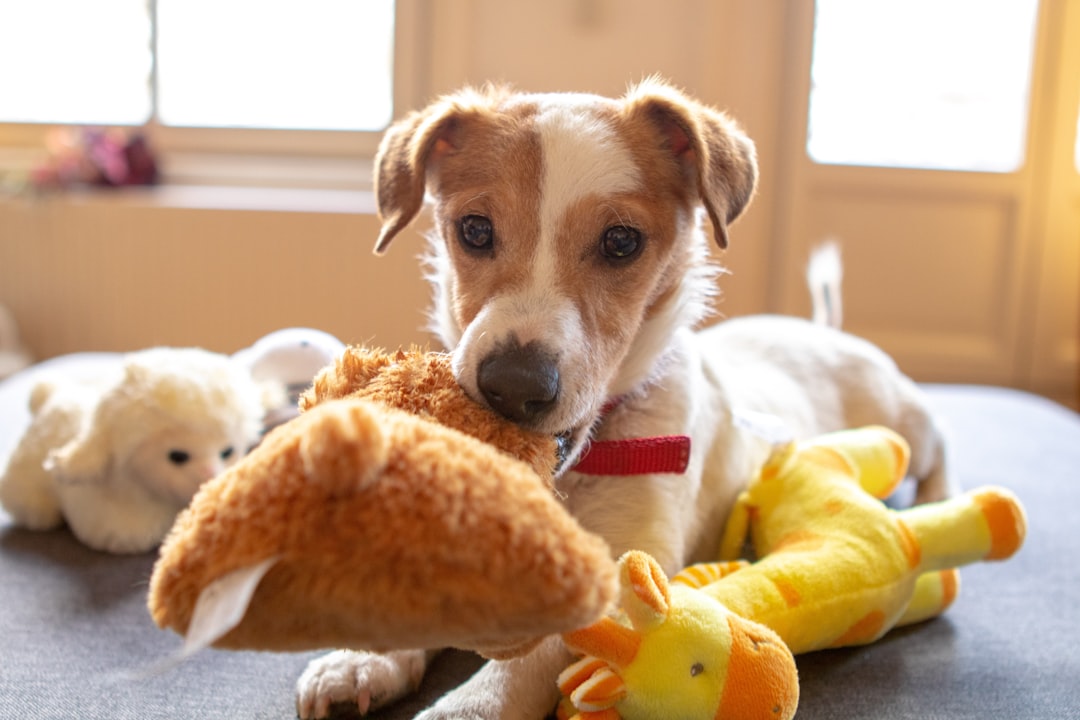
When your dog trots over with their favorite squeaky toy or that slightly gross tennis ball they’ve been carrying around for months, they’re doing something profound. Their favorite toys are treasured items, so it’s a clear sign of affection when your dog brings them to you. In their eyes, you’re a part of their family, and offering a prized possession like a toy is their way of strengthening the bond – it’s their version of giving you a gift.
By offering something they enjoy or find valuable, they are sharing a piece of their world, which is particularly meaningful when a dog brings a favorite or well-worn toy, as it suggests they view their owner as someone worthy of their most treasured possessions. When your furry friend decides to gift you with their favorite squeaky toy or bone, it’s a clear sign they trust and love you – it’s their way of sharing something they value with someone they consider important.
Physical Closeness Through Leaning and Cuddling
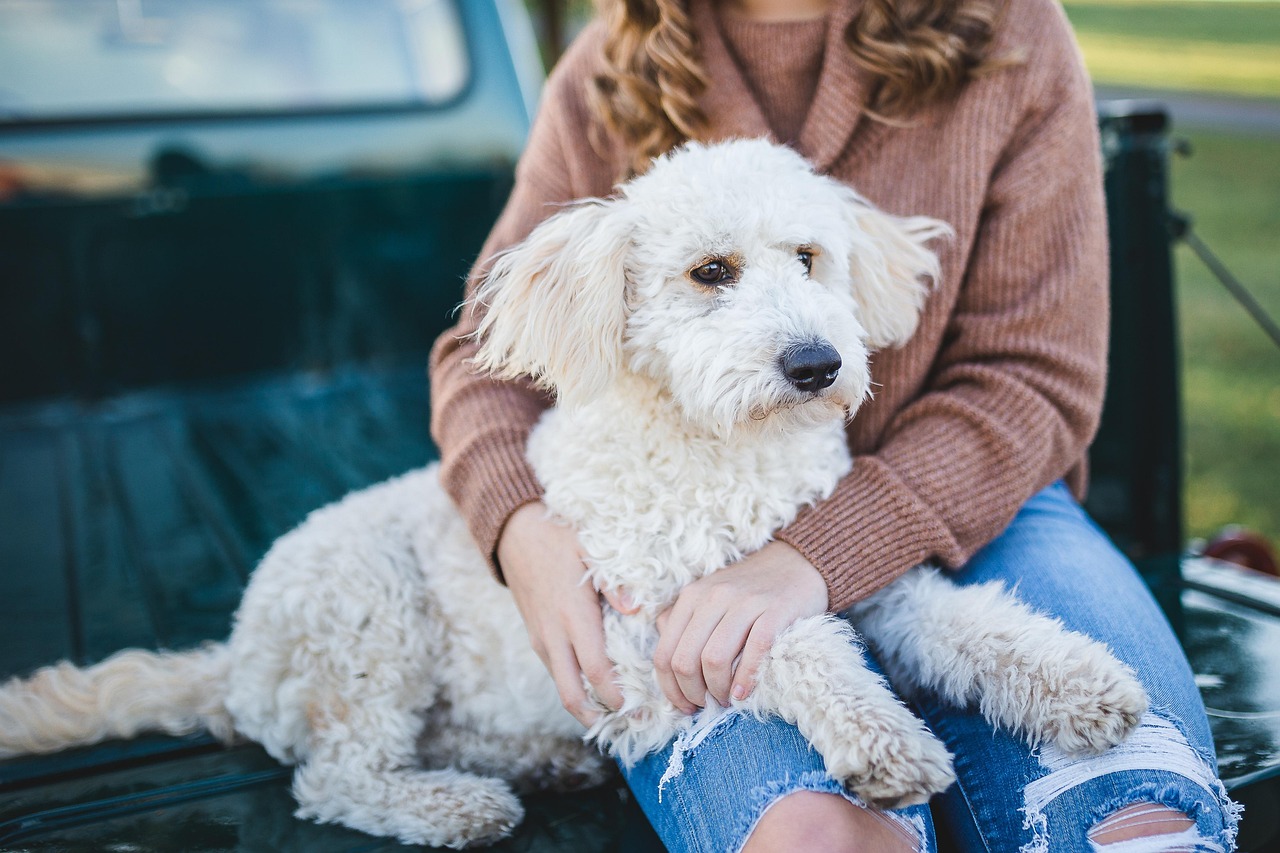
When your dog comes up to you and leans their full weight against your legs, they’re showing you they trust and love you implicitly – for many dogs, the lean is akin to hugging. This isn’t just about seeking warmth or comfort; it’s about emotional connection. Dogs will cuddle in and lean on people they feel comfortable with, bringing back feelings of maternal closeness and releasing pheromones that soothe the dog.
When dogs choose to sleep with their owners, rest their heads on them, or lean against them, they’re demonstrating a profound sense of security and trust. Physical contact is both a survival instinct and emotional connection method – by staying close, dogs feel secure and communicate their trust and affection. Every snuggle session is your dog’s way of saying they feel safest when they’re close to you.
The Happy Tail Wag That’s Just for You
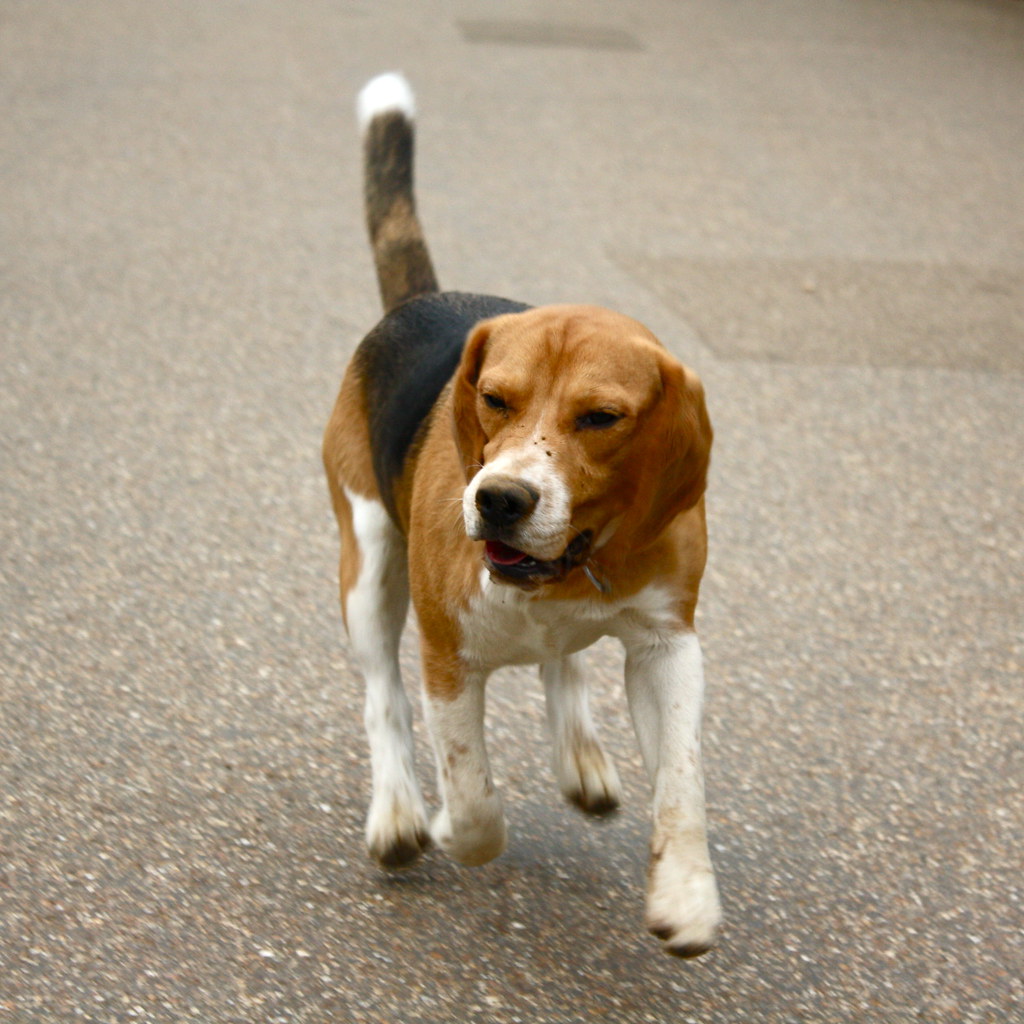
Not all tail wags are created equal, and your dog reserves special wags just for you. Tail wagging is one of the most recognizable signs of canine affection, and when your pup’s tail is held high and moving in wide arcs while the body is still, this usually indicates excitement or joy. A full-body wag or a slow, relaxed wag while they’re near you means they’re happy and content in your presence – dogs wag their tails as a sign of excitement and affection.
The classic and universally recognized sign of a happy dog, tail wagging is a clear indication of joy and excitement, with factors like speed, direction, and height conveying different emotions, from gentle back-and-forth for contentment to energetic wag for sheer, unadulterated glee. When you see that helicopter tail spinning in circles, you’re witnessing pure canine happiness directed specifically at you.
Choosing You as Their Safe Sleep Companion
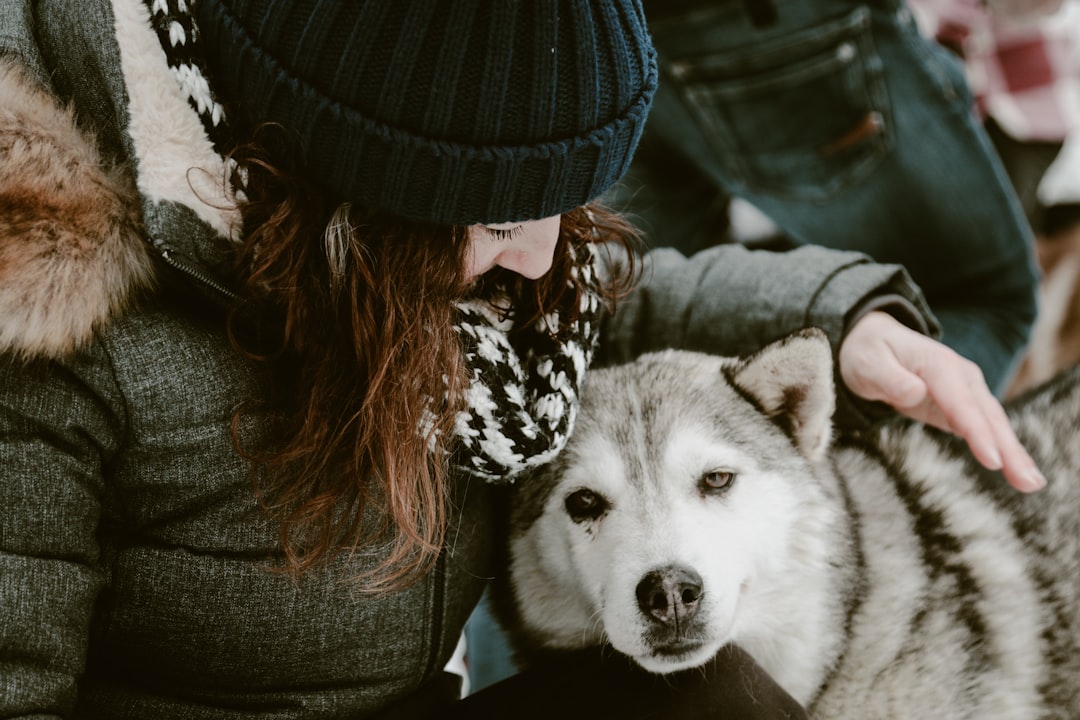
Dogs are inherently alert to threats in their environment and lie in a defensive position when sleeping in the wild, which makes their choice to sleep near you incredibly meaningful. A dog that sleeps on your bed or near you is a dog that loves you – dogs instinctively seek the safety and warmth of their pack when they sleep, and choosing to rest near you means they trust you and feel safe with you.
Dogs are pack animals, and sleeping close to their pack members is a way to reinforce their sense of belonging and safety – whether curling up at the foot of your bed or snuggling against you on the couch, your dog’s choice of sleeping location is symbolic of their love and trust. When a dog sleeps in the same bed as their owner, it’s a strong indication of trust, comfort, and affection – they may even choose to sleep on you or between your feet to be as physically close to you as possible.
Conclusion
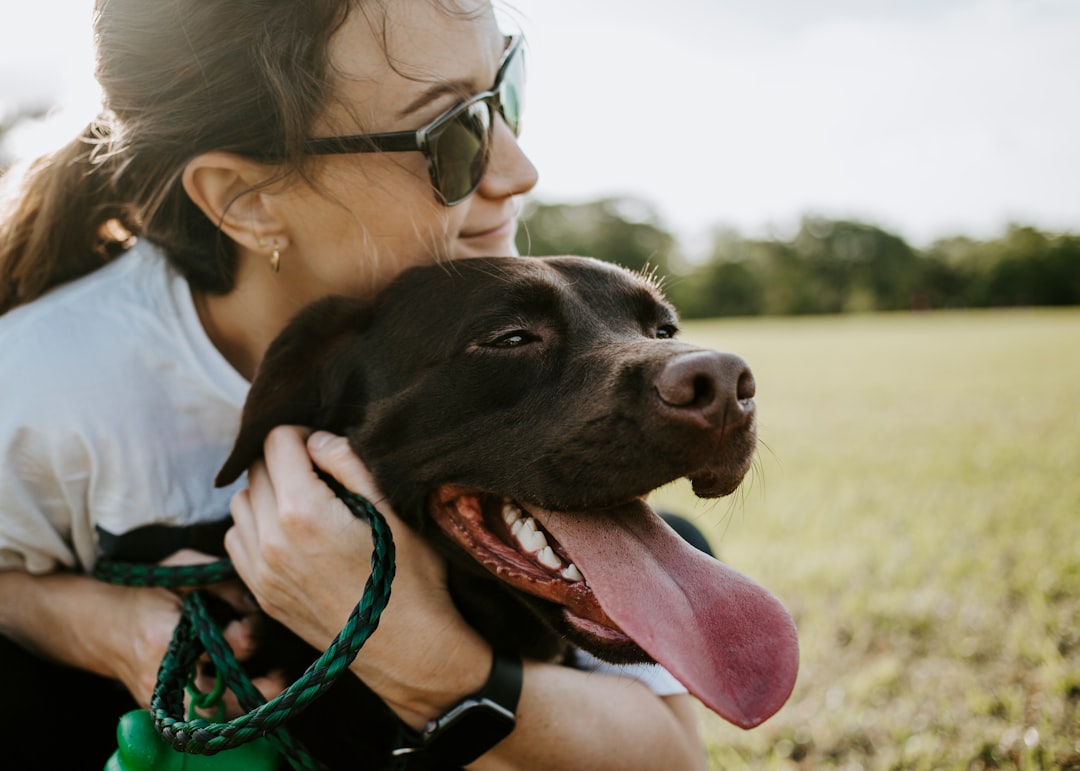
The beautiful truth is that your dog’s love isn’t just a figment of your imagination or wishful thinking. Scientific evidence overwhelmingly supports that dogs can experience love, and through the release of oxytocin and activation of reward centers in their brains, dogs form genuine emotional bonds that bring them joy, comfort, and security. Every enthusiastic greeting, every gentle lean, every treasured toy brought to your feet is proof of a bond that transcends species.
Canine love is characterized by loyalty, empathy, and unconditional acceptance – dogs demonstrate remarkable forgiveness, rarely holding grudges, and their love is expressed through consistent behaviors like seeking proximity, offering comfort during illness, and showing genuine excitement upon reunion. The next time your dog gazes into your eyes or follows you to the kitchen for the hundredth time today, remember that you’re witnessing something truly special: genuine, scientifically-proven love between two different species who chose each other.
What do you think about these signs of canine love? Have you noticed your dog expressing their affection in these ways?


