
Picture this: you bring home a new puppy, dreaming of harmonious pet family dinners and cuddle sessions with all your furry friends. Three weeks later, your cat is permanently stationed on top of the refrigerator, and your other dog is sleeping in the garage. Some dog breeds, despite being absolutely wonderful in their own right, simply march to the beat of their own drum when it comes to sharing space with other animals. It’s not about being “bad” dogs; it’s about genetics, instincts, and thousands of years of selective breeding that shaped these particular personalities. Understanding which breeds tend toward single-pet households isn’t about labeling them as problematic but rather setting everyone up for success.
Anatolian Shepherd
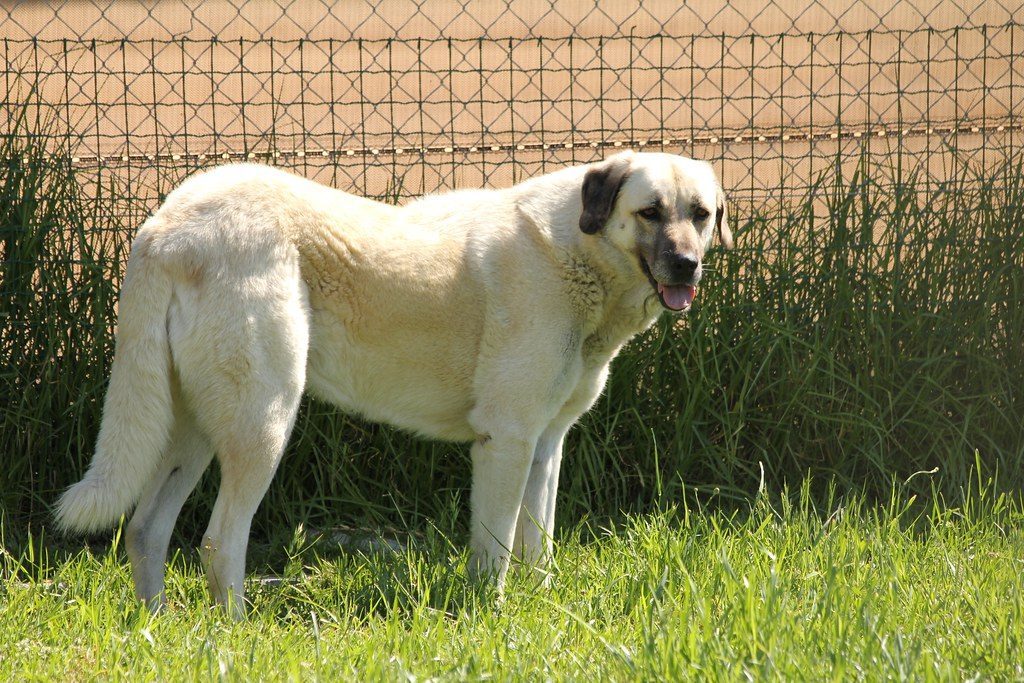
These massive Turkish guardians are naturally territorial and not friendly to strangers, especially when alone on their property. Unsocialized Anatolians have been known to become too protective and aggressive toward other dogs. Think of them as the ultimate security system that never clocks out.
They will attack large and small predators, birds of prey, and strange dogs or cats. They can be threatening or aggressive to strangers on your property. Their protective instincts run so deep that even well-meaning neighbors might trigger their guardian response.
These dogs view everything within their territory as their responsibility to protect. Their independent nature means they make decisions without consulting you first, which can lead to problematic encounters with other pets.
Great Pyrenees
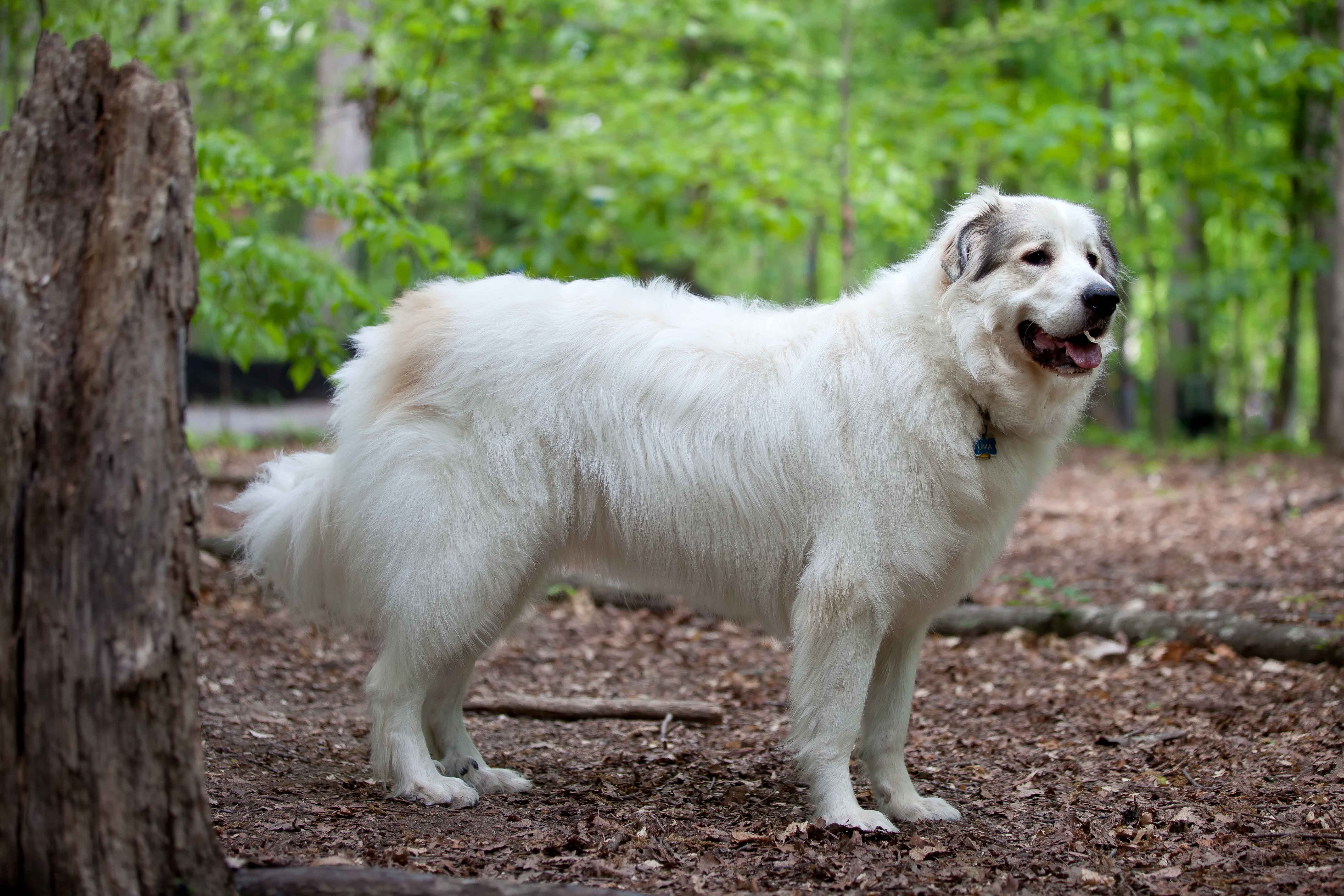
Pyrs are notorious for running outside their boundaries. They can climb 6-7′ fences, go through holes as small as 8″ x 10″, squeeze or dig under fences. If they can fit their heads through they can collapse their bodies like cats to follow. Their escape artistry is legendary among dog owners.
Like many livestock guardians, the Great Pyrenees was bred to be an independent thinker. Given this breed’s function as a livestock guardian, companion owners should keep in mind that this dog will naturally look for some guarding activity. They’ll often decide that guarding means keeping other pets away from “their” family.
Despite their fluffy appearance, these dogs maintain a strong protective streak that can manifest as possessiveness over their human family. They’re excellent with children but may view other pets as potential threats to those they guard.
Chihuahua
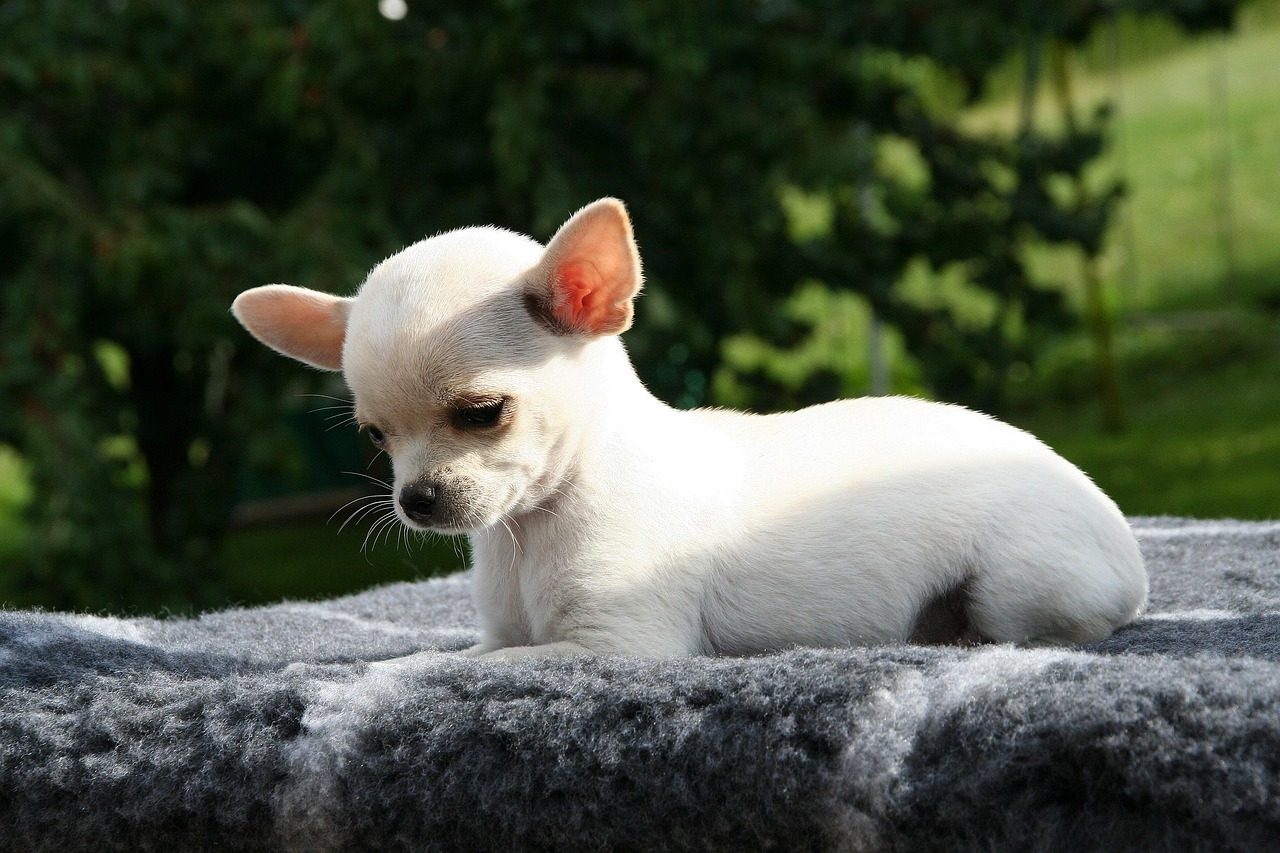
Chihuahuas are known for being one of the most aggressive breeds. While their willingness to bark and bite may be a defense mechanism, they are also prone to attacking other dogs. Don’t let their purse-dog reputation fool you about their fierce personalities.
The smallest dog breed, Chihuahuas are known for their big personalities. Originating from Mexico, they can be fiercely loyal to their chosen person but often display suspiciousness towards others, leading to reactive barking or nipping if not well-socialized.
Because of their size, a chihuahua won’t inflict the same amount of damage as a larger dog. The signs that a small breed dog is conveying that they are uncomfortable with a social situation can be overlooked. This often leads to behavioral issues going unaddressed until they escalate.
Jack Russell Terrier
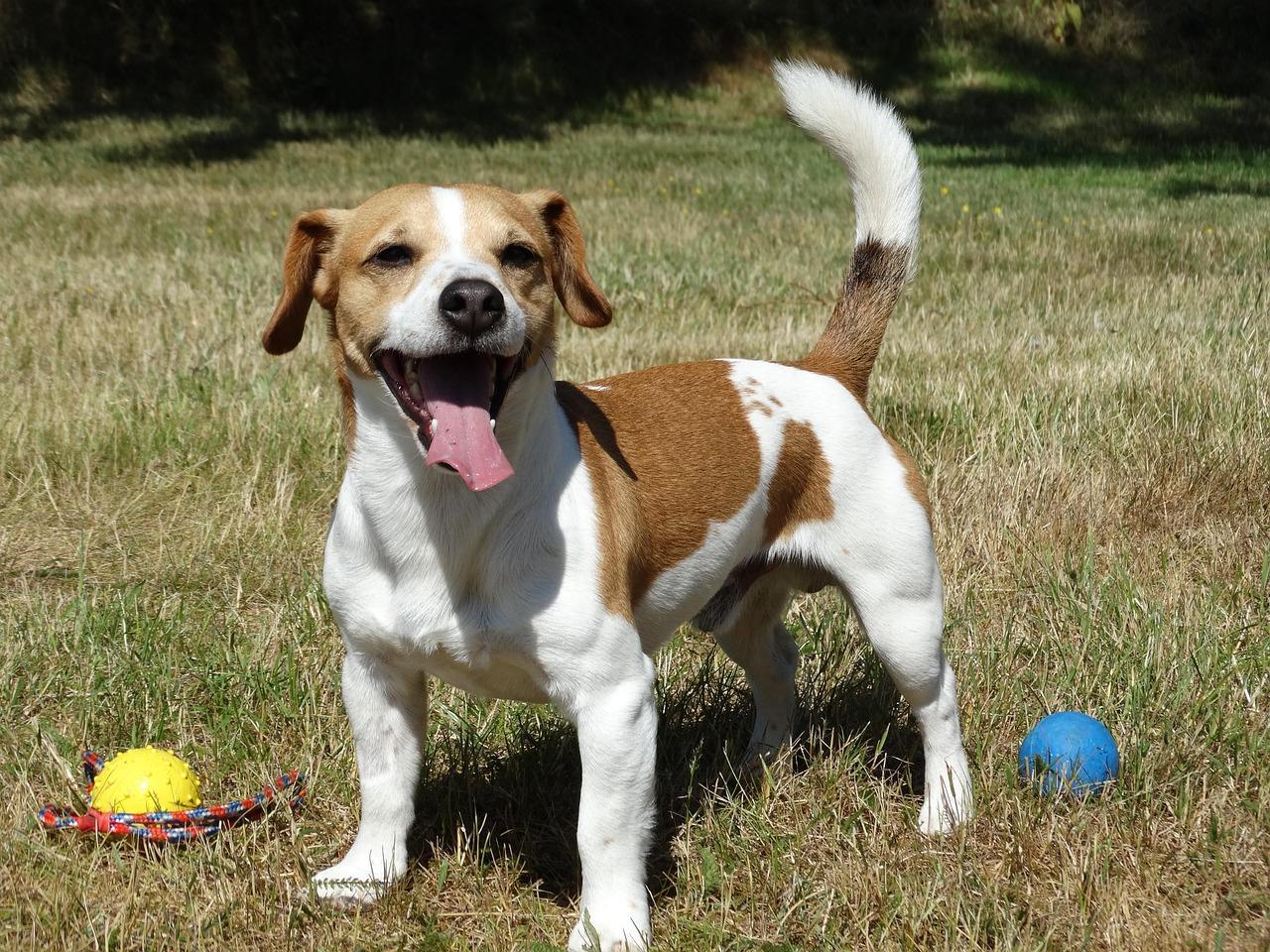
The top three most aggressive breeds are in order: dachshund, chihuahua and Jack Russell terrier. These compact dynamos pack serious attitude into their small frames.
JRTs were bred to chase foxes and rodents. Because of this history, the breed has a high prey drive and can be aggressive toward small animals and cats. Always supervise your JRT around small animals. Their hunting heritage runs deep in their DNA.
Without a strong pack leader to set rules and boundaries, these dogs can and do demonstrate aggression toward other people and animals. Small dogs like the Jack Russell Terrier tend not to be as well trained as larger dogs, so they can develop “small dog syndrome”.
Chow Chow
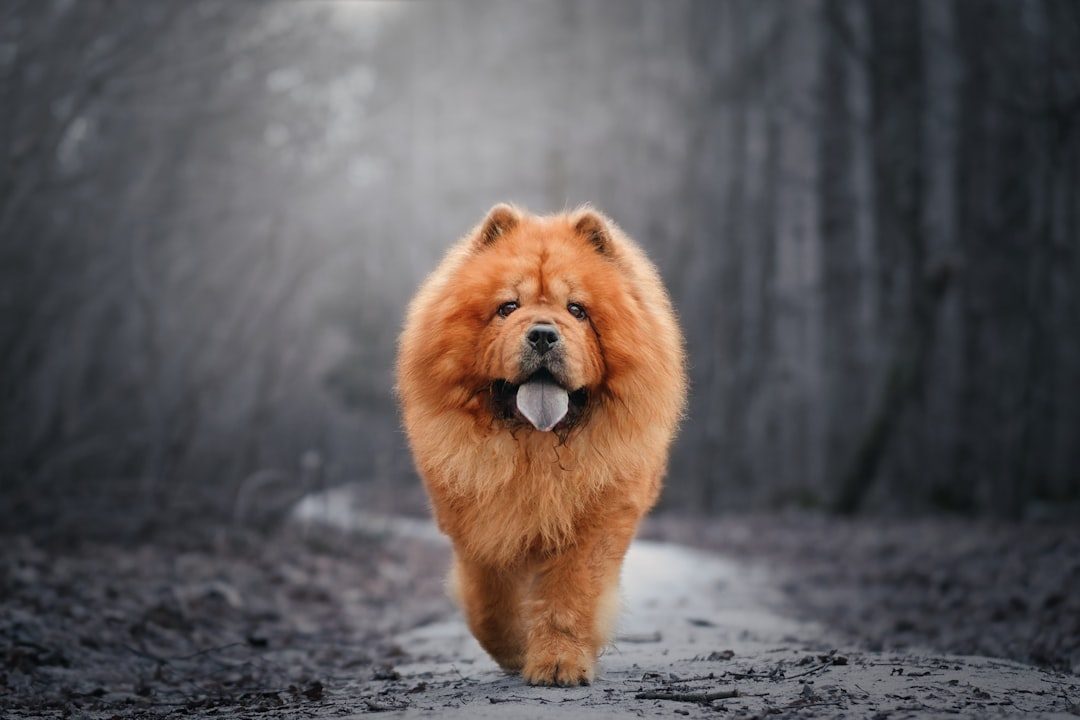
Their territorial instincts make them protective of their family but untrusting of strangers, including unfamiliar children. Training and socialization are challenging with this breed due to their stubborn and territorial nature. Without careful handling, they can become aggressive. These lion-like beauties are deceptively aloof.
Strong prey drive makes them unsafe with smaller pets. Their hunting instincts combined with their independent nature creates a challenging combination for multi-pet households.
Chow Chows form incredibly strong bonds with their chosen family members but often view other animals as intruders rather than companions. Their natural aloofness extends to four-legged family members as much as strangers.
Akita
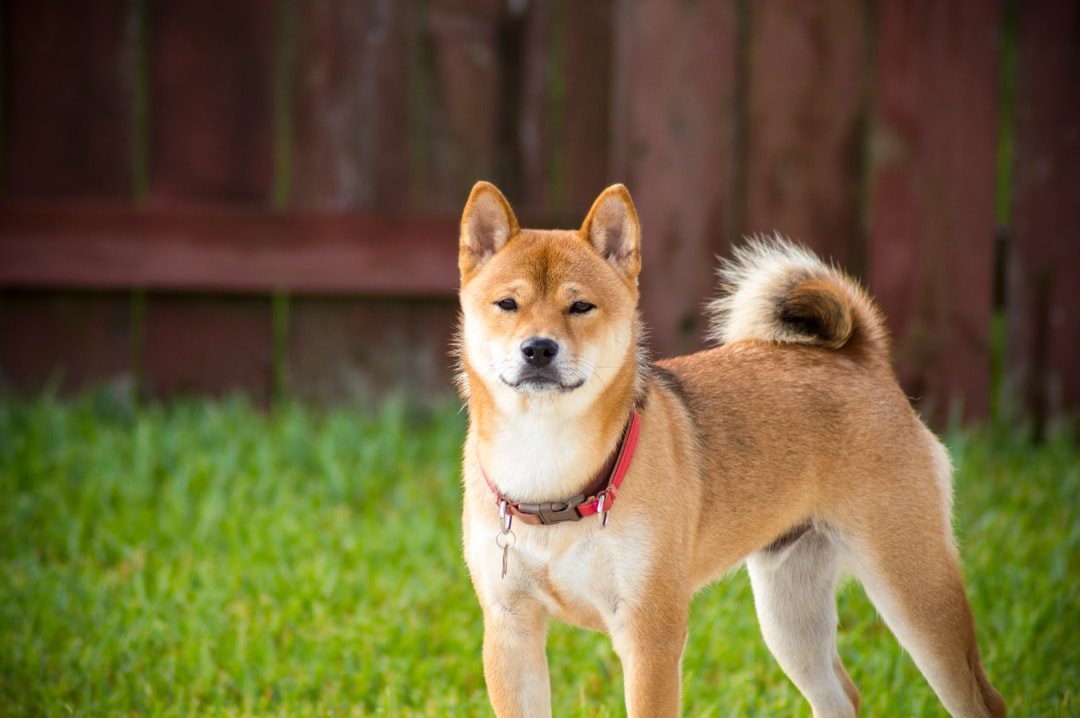
Akitas are naturally territorial and dominant. These aggressive dogs can cause serious injuries and even deaths. Their impressive size matches their equally impressive protective instincts.
Struggles to live peacefully with other pets without early training. Needs strong, calm leadership to prevent aggression. Without proper guidance, their natural dominance can create household tension.
While Akitas can be deeply loyal to their families, they often struggle with strangers, other pets, and unpredictable situations. Their loyalty comes with a hefty dose of suspicion toward anyone or anything they perceive as competition.
Dachshund
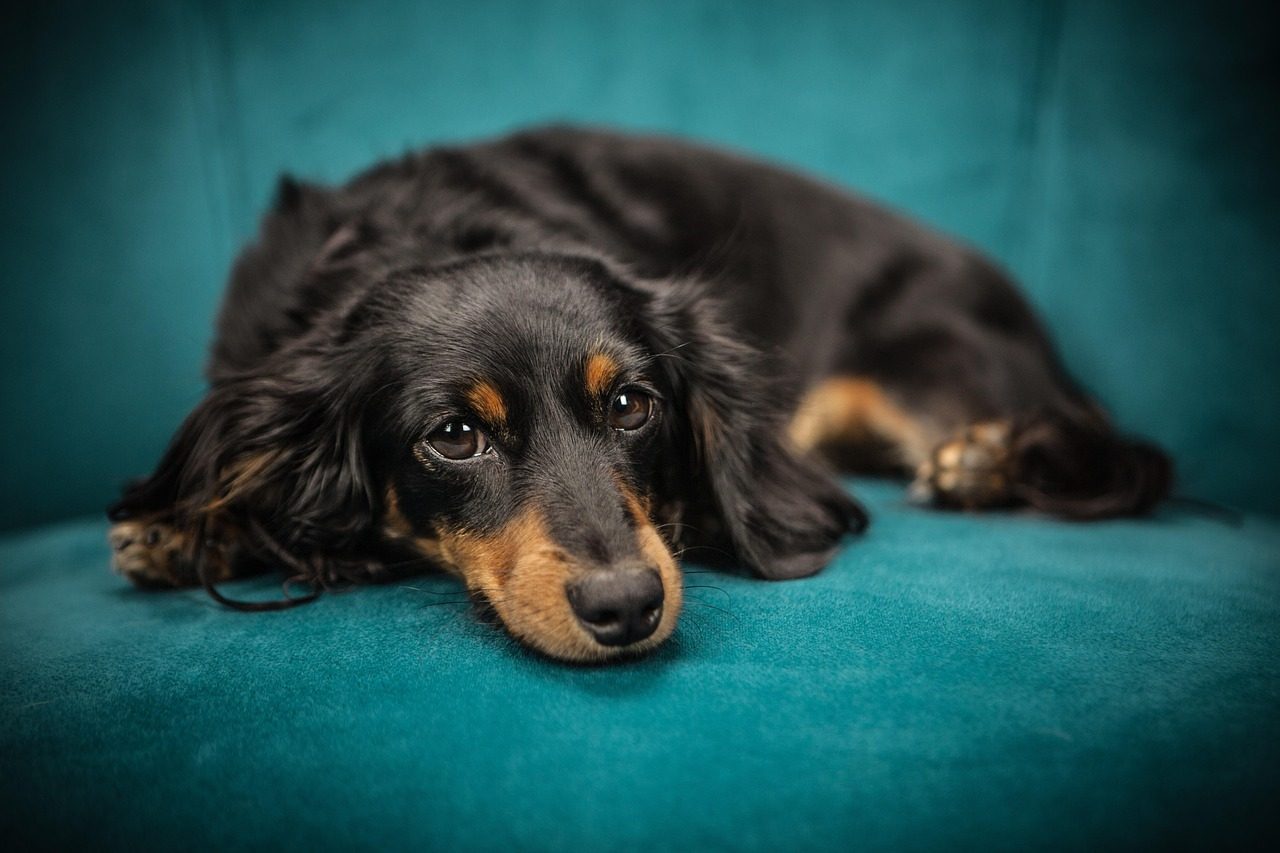
According to a study published in the journal Applied Animal Behaviour Science, Dachshunds rank among the most aggressive dog breeds in terms of aggression against both people and other animals. Like the Chihuahua, this is likely because the Dachshund’s size makes it easy to overlook inappropriate behaviors.
Dachshunds originated in Germany, where they were bred to hunt badgers, small animals who are fierce fighters when cornered. The Dachshunds’ short legs allowed them to follow badgers right into their dens and fight to the death. Today, Dachshunds still have a strong prey drive.
Their “sausage dog” appearance belies their fierce determination and willingness to take on much larger opponents. This fearless attitude often translates to challenging other pets in the household, regardless of size differences.
Komondor
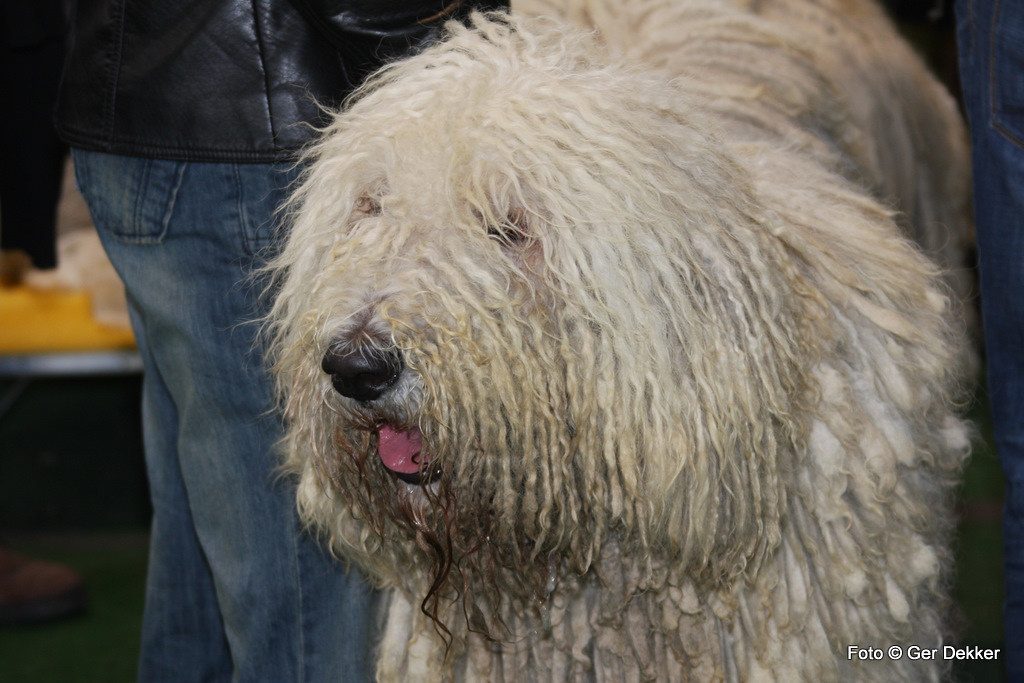
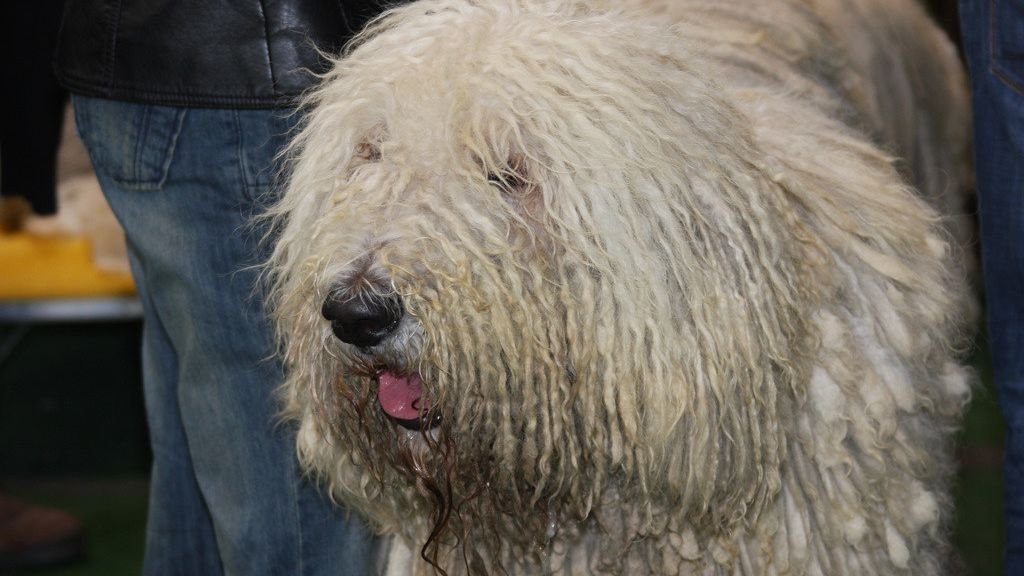
The AKC breed standard describes the Komondor’s temperament as “loyal, dignified, and brave,” and these qualities serve the breed well in its function to protect flocks and herds. These dogs are known to be very territorial and form strong bonds with their flock – both animals and humans. They tend not to wander and instead stay close to the livestock and people they are guarding.
Komondors are known to be extremely territorial and require significant socialization. While they’re fighters, they’re also known for their accurate threat estimation. Their distinctive corded coat hides a serious guardian beneath.
These Hungarian sheepdogs don’t distinguish between protecting sheep and protecting their human family. Other pets often register as potential threats to their charges rather than fellow family members.
Akbash
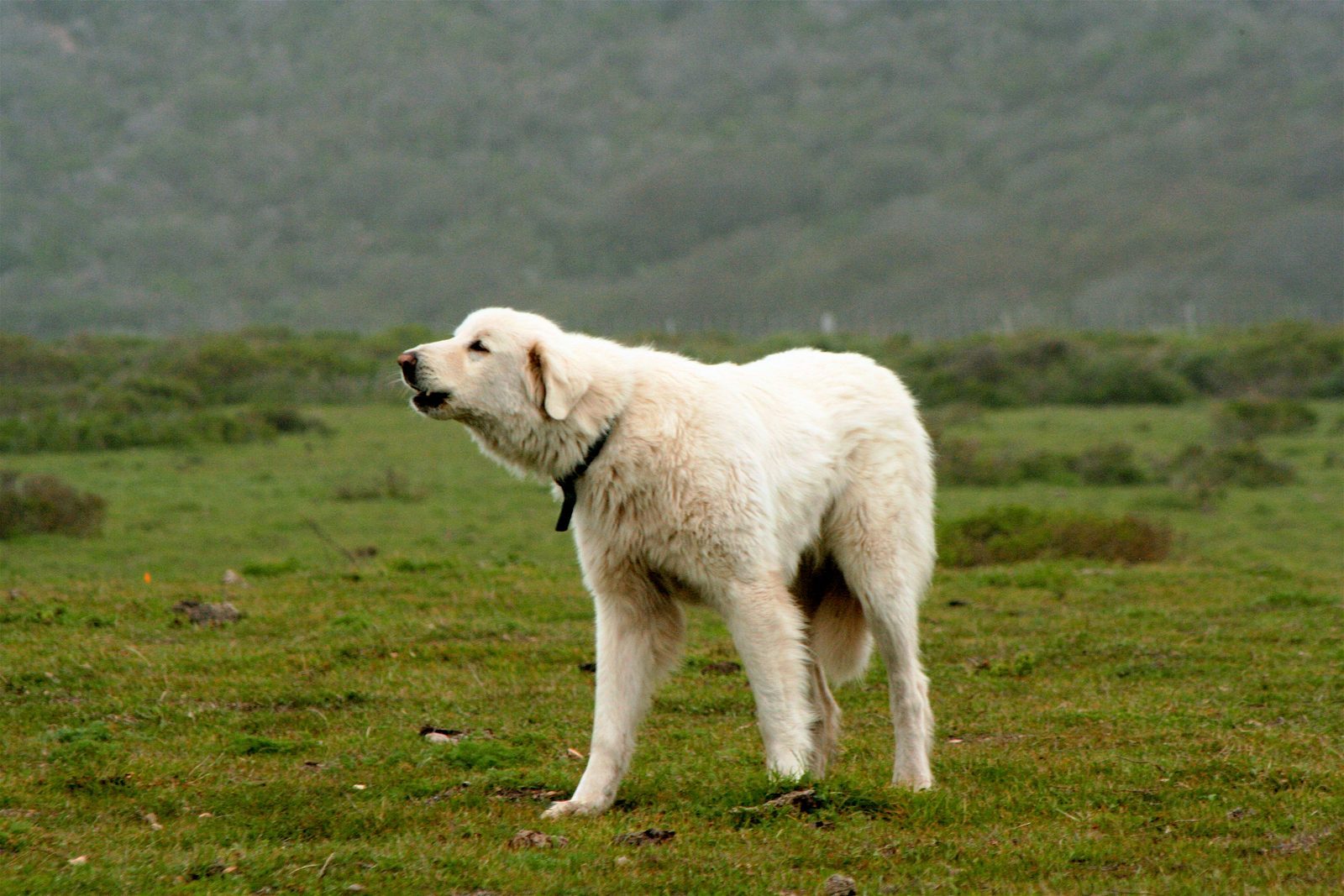
Another LGD dog originating from Turkey, Akbash means “white head” in Turkish which is exactly what this LGD breed is known for, along with an all-white, sleek coat. They’re also known for their speed, agility, and stamina when guarding their livestock and keeping an eye on their territory. Akbash dogs tend to have strong bonds with their livestock and also have a tendency to be quite aggressive in their guarding, especially against other dogs.
Their lightning-fast reflexes and powerful protective drive make them formidable guardians but challenging housemates for other animals. They patrol constantly, viewing their territory through the lens of potential threats.
These Turkish guardians were bred to make split-second decisions about friend versus foe, often without human input. This independence can lead to conflicts when they decide other pets don’t belong in “their” space.
Kangal
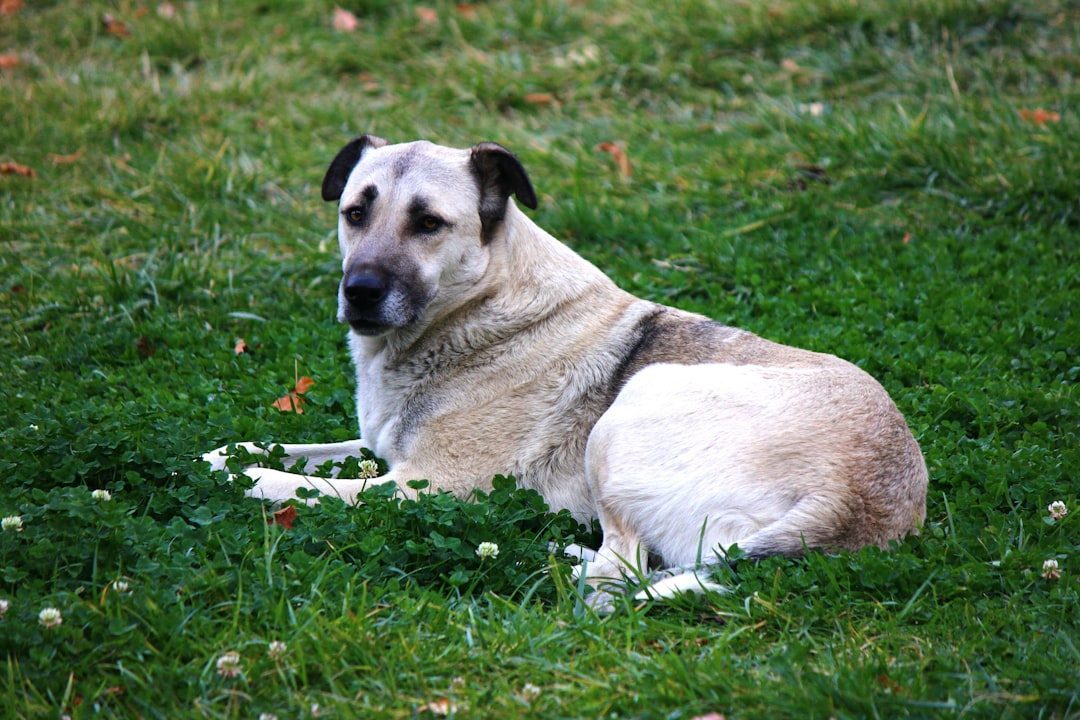
Kangals have strong guarding instincts and were developed in Turkey in the Kangal District of the Sivas Province. Just introduced to the US in 1985, they are particularly loving towards their human families and adore children. Their gentle nature with family doesn’t extend to unfamiliar animals.
All LGDs are defensively aggressive – this was the very reason for their development as breeds. Their individual rate of reaction to a threat can be slower and a more measured warning to a more rapid physical confrontation. These massive Turkish shepherds don’t bluff when it comes to protection.
Despite their calm demeanor with their chosen family, Kangals maintain an intense focus on potential threats. Other pets, especially those introduced later, often trigger their protective responses rather than their nurturing instincts.
Central Asian Shepherd
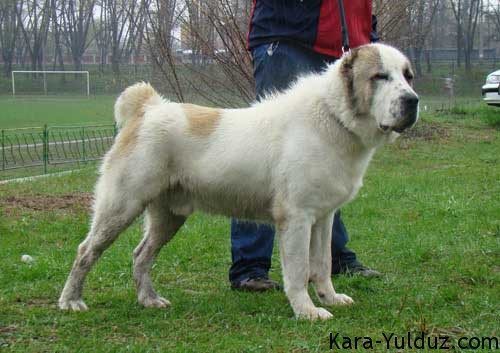
This ancient livestock guardian is used to roaming vast, open lands, not being confined to apartments or even backyards. Their size, independence, and territorial instincts make them a challenge for any household. These dogs think in terms of vast territories, not cozy living rooms.
Also known as the Turkmen Wolfhound, this breed was developed to confront large predators. They are not bred for companionship and may become aggressive if confined or improperly handled. Their purpose-built genetics create challenges in domestic settings.
These ancient guardians view everything through the lens of protection and territory control. Other pets represent potential competition for resources or threats to their protective duties rather than companions to enjoy.
Miniature Schnauzer
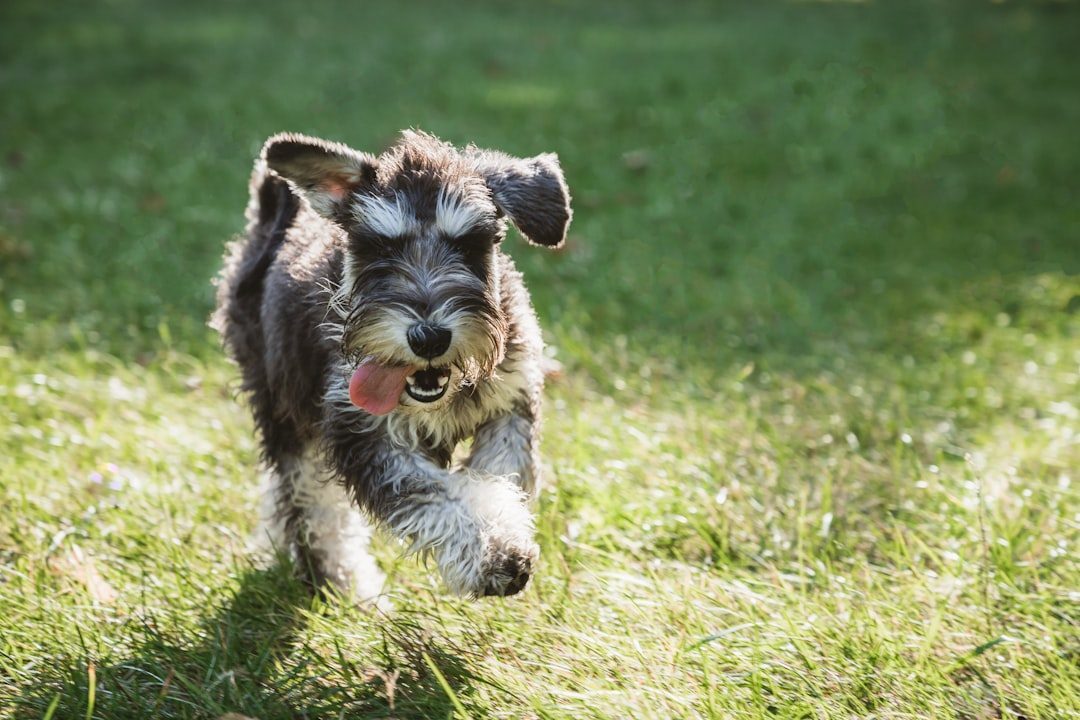
A robust German breed, Miniature Schnauzers were originally farm dogs and ratters. They possess a fearless and protective nature, making them excellent watchdogs. Don’t let their distinguished beard fool you about their tenacity.
Their terrier heritage shows in their determination to control their environment and eliminate what they perceive as vermin or threats. Other small pets often trigger these deeply ingrained hunting instincts.
These compact guardians maintain the attitude that they’re in charge of household security. Their protective nature can manifest as bossy or aggressive behavior toward other pets, especially smaller ones that trigger their ratter instincts.
Yorkshire Terrier

Developed in England to catch rats in mills, Yorkshire Terriers are small dogs with a big, bold personality. Despite their dainty appearance, they are tenacious and can be prone to excessive barking, reactivity, or guarding if not properly trained and socialized. Their silk coat hides a surprisingly tough personality.
These tiny terriers often develop “Napoleon complexes,” believing they’re much larger and more formidable than their actual size suggests. This leads to challenging interactions with bigger pets who might not appreciate their assertive attitudes.
Their breeding for pest control means they view small, quick-moving animals as targets rather than friends. Even well-socialized Yorkies may struggle with cats or other small pets that trigger their hunting drives.
Cairn Terrier
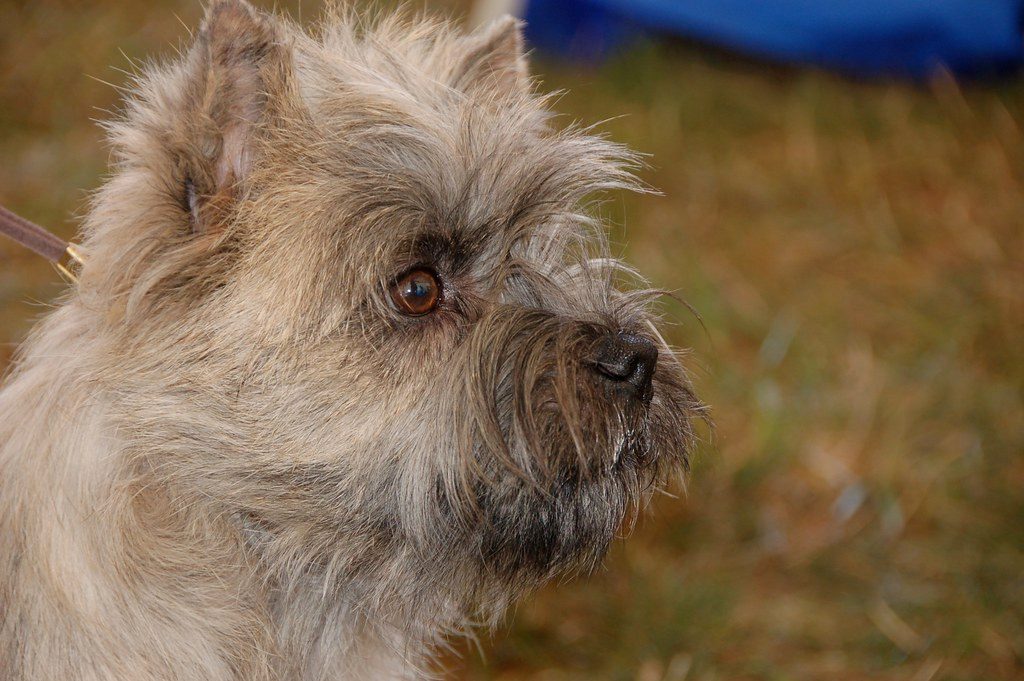
Hailing from the Scottish Highlands, Cairn Terriers were bred to hunt vermin. They are hardy, independent, and inquisitive dogs. Their fearless and determined nature, combined with a strong prey drive, can sometimes manifest as assertive or reactive behaviors. These scrappy Scots pack serious determination into compact packages.
Their heritage of hunting in rocky Scottish terrain created dogs that make quick, independent decisions about threats and prey. This decision-making independence doesn’t always align with peaceful multi-pet households.
Cairn Terriers maintain their working-dog mentality even in suburban settings, often viewing other pets as either potential prey, competition, or threats to their territory rather than family members to protect and love.
German Shepherd
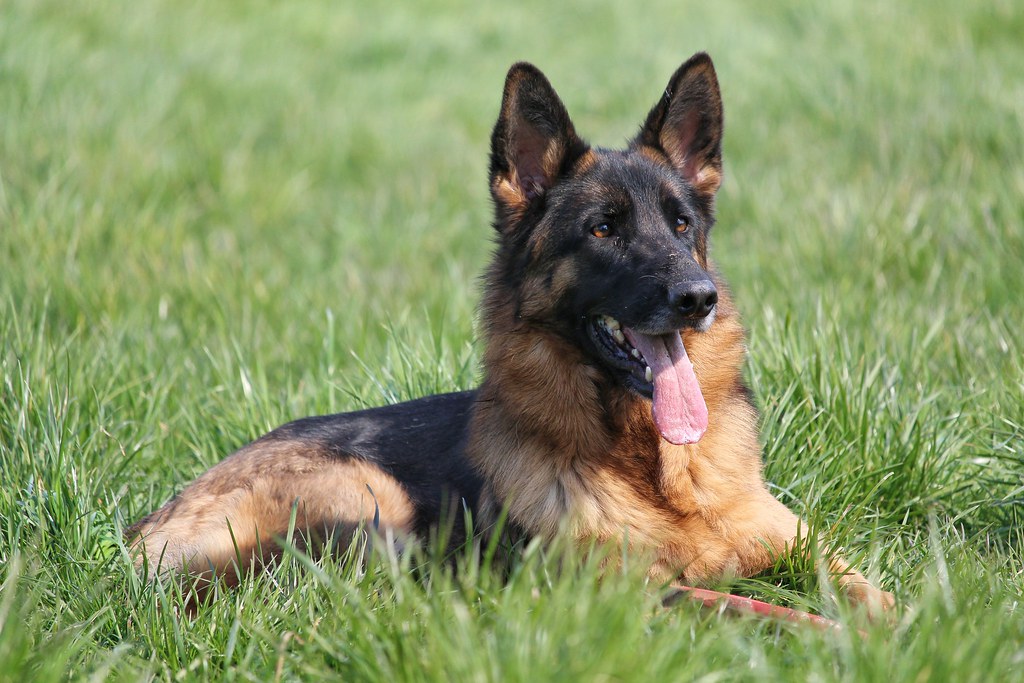
These dogs are docile, friendly, and non-aggressive when they behave well. However, if there is an attack, it can cause catastrophic damage. As ascertained by press accounts between 1982 and 2014, German Shepherds were the third most deadly breed, killing 113 people. Their size and power demand respectful handling.
Many so-called working dogs do NOT make good livestock guardian dogs because they are too prone to chasing down the animals they are supposed to protect. For instance, border collies, German Shepherds, Australian shepherds and true herding dogs would make a poor guardian dog. Their herding instincts can create problems with other pets.
German Shepherds often struggle with their intense drive to control and organize their environment. Other pets may be subjected to constant herding attempts, resource guarding, or protective aggression that makes peaceful coexistence challenging.
Rottweiler
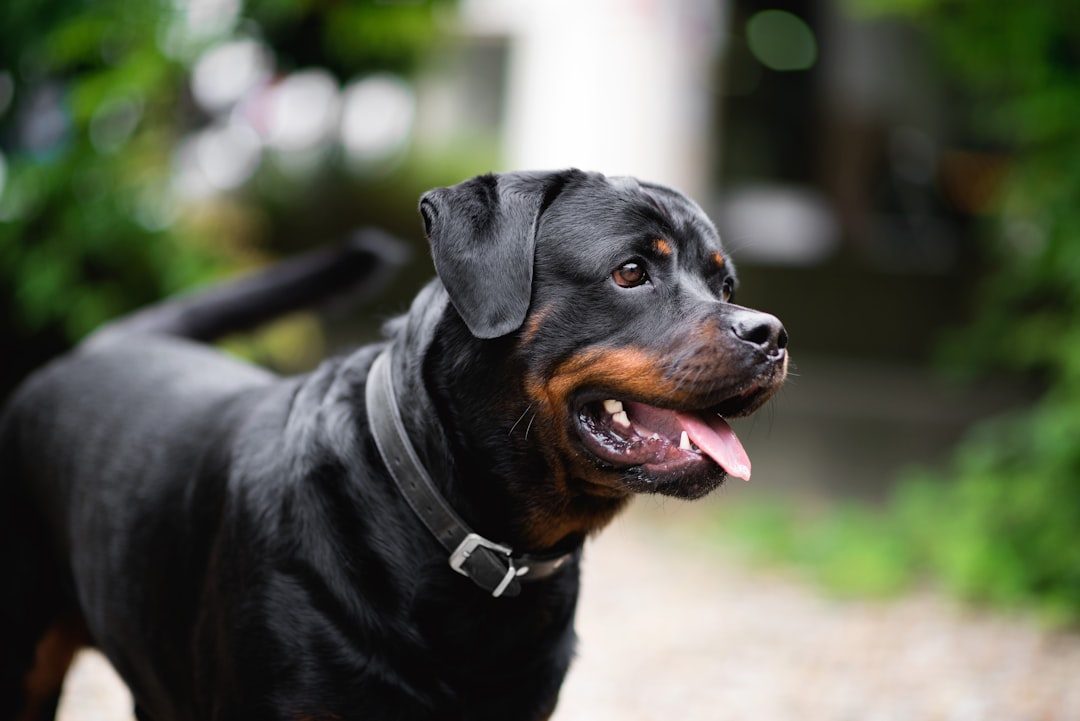
Rottweilers are naturally protective of their families. While they are affectionate with those they know, they often see strangers as threats. Although highly trainable and intelligent, their strength and territorial instincts make them risky in inexperienced hands. These powerful guardians take their protective duties seriously.
Their natural suspicion extends beyond human strangers to include unfamiliar animals and sometimes even familiar pets that they perceive as stepping out of line. Their size and strength mean that conflicts can escalate quickly and dangerously.
Rottweilers form incredibly strong bonds with their human family but may view other pets as potential threats to those relationships. Their protective nature can manifest as jealousy or possessiveness that creates household tension and stress for all animals involved.
These breeds aren’t inherently “bad” dogs, but they come with genetic predispositions that can make multi-pet households challenging. Understanding these tendencies helps you make informed decisions about pet combinations and management strategies. With proper socialization, training, and sometimes professional guidance, many of these breeds can learn to coexist peacefully with other animals. However, it’s crucial to be realistic about the commitment and expertise required to achieve harmony. What’s your experience been with strong-willed breeds? Have you found strategies that work for creating peaceful multi-pet homes?


